
For many Canadian parents, the home-buying formula once seemed straightforward: save a down payment, purchase a modest detached house, improve it over time, and eventually move up. That path has become far less predictable. High prices, borrowing costs, limited supply, and uneven wage growth are forcing buyers to rethink not only what they purchase, but how they finance and live in it. The compromises now reach into family relationships, commuting patterns, privacy, debt timelines, and expectations about space. These 19 Canadian housing compromises show how dramatically the meaning of a “starter home” has changed—and why choices that now seem practical might have sounded almost unthinkable to the previous generation.
Buying Far Less Space Than Planned

The first compromise is often visible before the first showing: the search filters keep shrinking. A buyer who pictured three bedrooms, a finished basement, and room for future children may end up considering a compact two-bedroom townhouse or a condominium under 1,000 square feet. A 2025 Abacus Data study found that 49% of Canadians were prepared to buy a smaller home than they had once imagined.
That adjustment changes daily life, not just floor plans. Dining tables become workstations, storage lockers replace basements, and families learn to rotate seasonal belongings rather than keep everything nearby. Parents who bought when additional square footage was relatively affordable may see this as settling. Current buyers often see it as the price of entering the market at all. The compromise can work, but it requires unusually careful planning around furniture, children, remote work, guests, and whether the home will still function five years later.
Choosing a Condo Instead of a Detached House

Detached ownership remains a powerful Canadian ideal, but many first-time buyers now begin with a condominium because the entry price is lower. Statistics Canada reported that younger adults experienced notable declines in homeownership between 2011 and 2021, while condominiums continued to represent an important route into ownership. In British Columbia markets covered by Statistics Canada’s 2025 new-housing report, condominium apartments were the most common new dwelling type.
The trade-off is more complicated than losing a backyard. Condo buyers accept shared walls, bylaws, reserve-fund decisions, elevator outages, and less control over future costs. A couple may own the space inside the unit while relying on a corporation to manage the roof, windows, garage, and exterior. Their parents may have expected ownership to mean independence from landlords and committees. For many younger buyers today, it instead means exchanging private control for a practical purchase price that can pass a lender’s affordability test.
Taking on an Older Home That Needs Work

Move-in-ready homes can command a premium, so some buyers are deliberately choosing dated kitchens, unfinished basements, aging roofs, or cosmetic damage. Abacus Data found that 31% of Canadians would consider purchasing an older home that needed work. CMHC also offers insured financing designed for buyers purchasing homes that require improvements, showing renovation needs have become part of mainstream financing.
The emotional compromise is significant. Instead of celebrating possession day with new furniture, a household may begin with contractor quotes, temporary flooring, and a list of repairs carefully ranked by urgency. Parents who expected a starter home to be basic but functional might be startled by buyers accepting years of unfinished projects. The strategy can create value when the structure is sound and costs are realistic. It can also become financially dangerous if hidden defects, labour shortages, permit issues, or material prices turn a “cheap” home into an expensive construction project.
Accepting a Much Longer Commute

Housing affordability increasingly pushes buyers away from central job districts. In a 2025 national study, 24% of Canadians said they would accept a longer commute to achieve homeownership, with the willingness especially visible among adults aged 18 to 44. Toronto-region research has linked rising shelter costs with outward movement and longer commuting distances.
The compromise often looks manageable on a map and exhausting in real life. A household may gain a garage and extra bedroom but lose ten hours a week to highways, train schedules, or transfers. Fuel, insurance, parking, and vehicle depreciation can erode the savings from a lower purchase price. Family dinners become harder to protect, and child-care pickup times become less forgiving. Earlier generations also commuted, but many did not have to travel so far simply to qualify for an ordinary home. Today’s buyer may effectively purchase basic affordability with time—a resource that cannot be refinanced later.
Moving to a Different City or Province
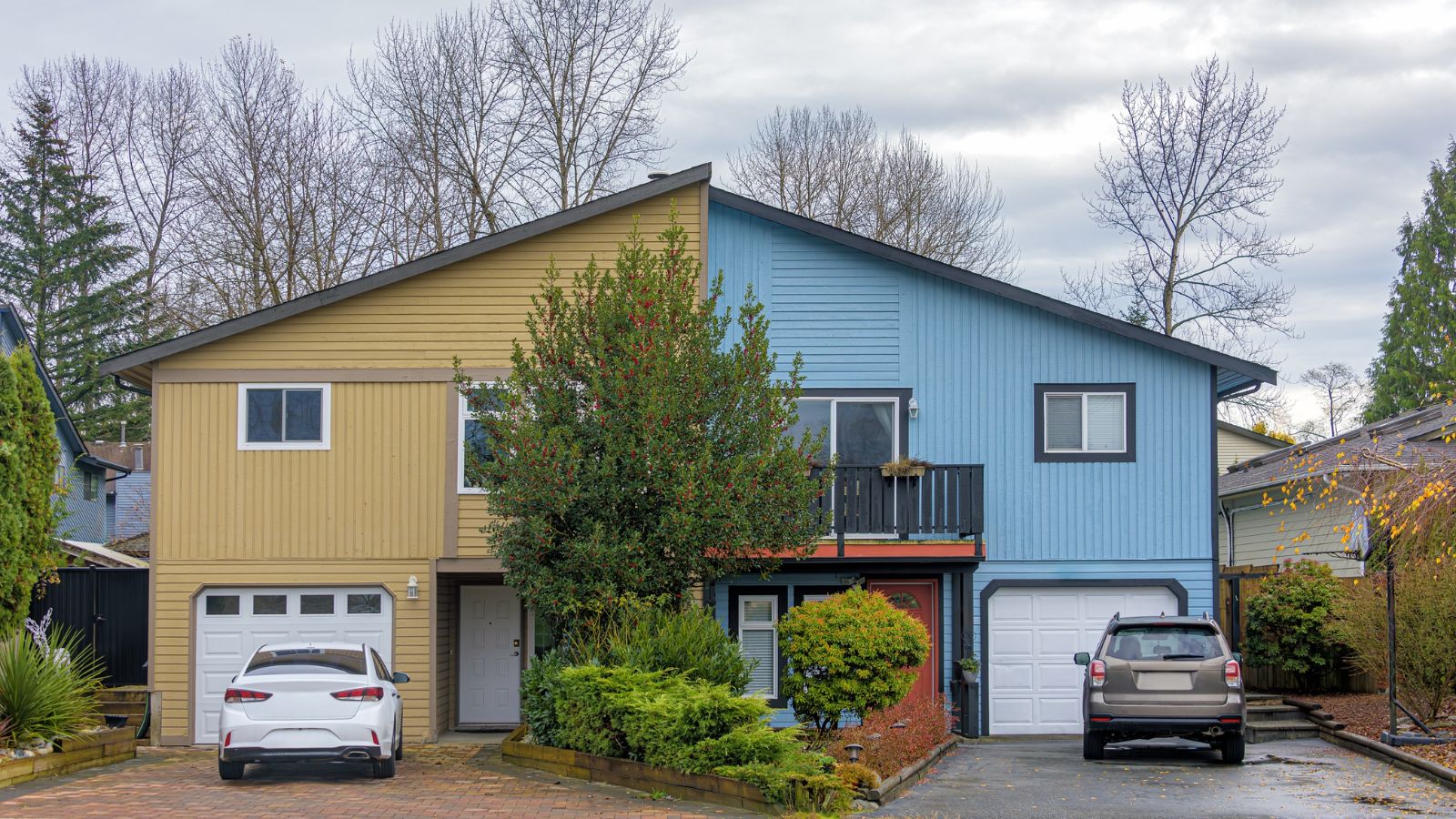
Some buyers are no longer compromising within a neighbourhood; they are leaving the region entirely. Statistics Canada recorded a net gain of 55,107 interprovincial migrants for Alberta in 2023, the largest gain in the comparable series since 1972. Economic analysis continues to connect Alberta’s relative affordability with migration from higher-cost provinces such as Ontario and British Columbia.
Relocation can produce the detached home, garage, or extra bedroom that would be unreachable in a larger market. Yet the price may include distance from grandparents, professional networks, established doctors, cultural communities, and familiar schools. A buyer may secure more house while starting again socially and professionally. Parents who spent most of their lives near the same relatives and employers may find that bargain difficult to understand. For younger households, however, changing provinces can feel less like an adventure than a housing strategy—one built around the places where mortgage math still reliably works.
Living With Parents Longer to Save

The path to buying increasingly begins by delaying independence. CMHC’s 2024 Mortgage Consumer Survey found that 28% of first-time buyers had lived rent-free with family or friends before purchasing. Statistics Canada reported that 35.1% of Canadians aged 20 to 34 lived with at least one parent in 2021, with the proportion exceeding 40% in Ontario.
For many households, this arrangement is practical and generous rather than shameful. Those rent-free months can accelerate down-payment savings, reduce debt, and provide stability during a long search. Still, it can require adult children to postpone privacy, relationships, furniture purchases, or the experience of running their own household. Parents may also delay downsizing or retirement plans while keeping bedrooms available. Earlier generations often viewed returning home as temporary trouble. Today, it can be a calculated financial stage of homeownership—one that quietly shifts part of the housing burden from the market onto the shared family home.
Relying on a Family Down Payment Gift

A down payment was once imagined as proof of years of personal saving. Increasingly, it also reflects family wealth. Statistics Canada found that the value of familial support used to enter the housing market increased between 2019 and 2023. Federal research cited CIBC Economics data showing 31% of first-time buyers received a family gift toward a home purchase in 2024.
The money can transform a buyer’s options, lowering the mortgage or making a purchase possible sooner. It can also create emotional complications. Siblings may wonder whether support is equal, parents may draw down retirement savings, and buyers may feel their ownership is not entirely self-made. In families without property wealth or spare cash, the absence of help becomes a disadvantage that careful budgeting cannot easily erase. What shocks many parents is not that families help one another, but that an ordinary first purchase can now depend on an early inheritance.
Putting a Parent on the Mortgage

When a gift is not enough, some buyers ask a parent to co-sign. The Bank of Canada says co-signing adds parental income and legal assurance, helping an adult child qualify for a larger mortgage. Its research estimated that, without parental co-signing, the average supported buyer would have needed a home priced 37% lower or provide a much larger down payment.
This is not symbolic support. A co-signer can become fully legally responsible if payments are missed, and the debt may affect the parent’s own future borrowing capacity. Retirement plans, estate decisions, and family relationships can become tied to a mortgage lasting decades. The arrangement may feel especially strange to parents who qualified on one household income when they were younger. Today, even two employed adults can fail the lender’s test without another generation standing behind them. Homeownership increasingly becomes a broader family balance-sheet decision rather than a private personal milestone.
Buying With Friends, Siblings, or Extended Family

The traditional buyer profile—one person or a couple purchasing alone—is no longer the only workable model. A 2025 Abacus Data study found that 32% of Canadians would consider co-buying with family or friends. Statistics Canada has also documented parent-child co-ownership arrangements connected with co-investment, mortgage co-signing, multigenerational living, and early inheritance.
Shared ownership can increase purchasing power and divide the down payment, mortgage, utilities, and repairs. It can also turn ordinary life changes into legal questions. What happens when one owner marries, loses a job, wants to move, or cannot fund a new roof? A clear co-ownership agreement may need rules for occupancy, expenses, renovations, buyouts, and sale. Parents who saw property ownership as a step toward household independence may be surprised by homes structured more like small legal partnerships. For some buyers, however, sharing legal title is sometimes the only way to stop renting without permanently leaving their community.
Planning for Multiple Generations Under One Roof

Some buyers are choosing homes not only for themselves and their children, but also for parents or other relatives. Statistics Canada reported that nearly 2.4 million Canadians lived in multigenerational households in 2021. Its research also found that 28.3% of multigenerational households were below the housing-suitability standard, meaning the dwelling did not have enough bedrooms for its occupants under the measure used.
The arrangement can combine incomes, caregiving, child care, and household labour. It can also require compromises around privacy, kitchens, entrances, noise, and decisions about ownership. A basement may become a parent’s suite; a dining room may become another bedroom. For families with cultural traditions of multigenerational living, the structure is not new. What has changed is how often affordability makes it financially necessary. Parents who once expected adult children to leave permanently may instead contribute equity and move in, turning one purchase into a shared family housing plan.
Renting Out Part of the Home

For some buyers, the home must earn income from the first month. CMHC allows rental income to be considered in mortgage qualification, including up to 100% of rental income from a secondary suite in some owner-occupied two-unit applications. This makes a basement apartment, duplex unit, or rented room more than a side benefit; it can be central to whether the purchase qualifies.
The compromise is a loss of privacy and flexibility. A family may hear footsteps below, share a driveway, manage repairs after hours, or delay using the basement for teenagers or aging parents. They also become landlords with legal duties, tax considerations, and the risk of vacancy. Earlier buyers often treated a finished basement as recreation space. Today, the same square footage may need to cover part of the mortgage. The house is still a home, but it also operates as an income property because ownership costs demand it.
Stretching the Mortgage Over 30 Years

Canadian buyers traditionally associated a 25-year amortization with the standard insured mortgage. Since December 15, 2024, 30-year insured amortizations have been available to all first-time buyers and to buyers of new builds. The policy lowers required monthly payments, which can help a household qualify or preserve room in the budget for taxes, utilities, and other expenses.
The compromise is that affordability is improved monthly, not necessarily over the life of the loan. A longer amortization generally means principal is repaid more slowly and interest can be paid for more years, depending on rates and prepayments. A buyer in their thirties may picture mortgage payments continuing well into their sixties. Parents who celebrated burning the mortgage papers early may find that timeline unsettling. For many current buyers, however, the choice may not be between 25 years and 30 years. It may be between 30 years and no realistic purchase at all.
Using the Smallest Possible Down Payment

Some buyers enter with the minimum permitted down payment rather than waiting to reach 20%. CMHC’s purchase program allows eligible buyers to purchase with as little as 5% down from approved flexible sources. A deliberately smaller down payment can shorten the years spent saving and preserve cash for closing costs, moving expenses, or urgent repairs.
The trade-off is a larger mortgage and, when the down payment is below 20%, mortgage loan insurance. Buyers may own the keys while starting with relatively little equity, leaving them more exposed if prices fall or an early sale becomes necessary. The strategy also demands discipline because property tax, insurance, utilities, maintenance, and possible condo fees arrive immediately after closing. Many parents remember saving until the mortgage felt comfortably smaller. Today’s buyers may conclude that waiting for 20% is unrealistic when rent absorbs savings and prices can sometimes change faster than a down-payment account grows.
Giving Up Dedicated Rooms

A smaller purchase often means eliminating rooms that earlier buyers considered normal. The guest room disappears first, followed by the home office, playroom, formal dining room, or workshop. Statistics Canada’s 2025 new-housing data found that condominium units between 500 and 1,000 square feet were the most common size range in the metropolitan areas where condo information was available.
The compromise becomes obvious during busy ordinary weeks. A laptop stays on the kitchen table, children share bedrooms longer, and visitors sleep on a sofa bed. Couples working remotely may schedule calls around each other because there is no second quiet space. These are manageable inconveniences for some households, but they reduce the home’s ability to absorb life changes. Parents who once converted spare bedrooms as needs evolved may be surprised that modern buyers are purchasing layouts with almost no slack. Nearly every square foot already has a job on move-in day.
Trading a Yard for a Balcony—or Nothing

Private outdoor space is another casualty of the affordability calculation. Buyers who expected a lawn, garden, shed, or place for children to play may settle for a balcony, shared courtyard, nearby park, or no dedicated outdoor area. The shift is tied to the move toward smaller condominium housing, especially in high-cost metropolitan regions where land is the most expensive part of the purchase.
This compromise affects routines in subtle ways. Bicycles require storage hooks, pets need scheduled walks, and summer gatherings depend on reservable common areas or public space. Gardening may mean containers instead of soil. For some households, the lower maintenance is welcome and city amenities compensate for the missing yard. For others, it is a lasting disappointment hidden behind the excitement of finally owning. Their parents may remember a modest backyard as an ordinary feature of a starter home. Many buyers now treat it as a luxury category.
Accepting Condo Fees as a Second Housing Bill

A lower condo purchase price can come with a permanent monthly obligation beyond the mortgage. Statistics Canada reported that average household spending on condominium fees reached $1,118 in 2023, up 52.9% from 2021. The exact burden varies widely by building, unit, services, and region, but buyers must qualify and budget with that unavoidable additional cost in mind.
The compromise is accepting limited control over a bill that may rise. Fees pay for real necessities—insurance, cleaning, elevators, landscaping, repairs, and reserve-fund contributions—but owners cannot simply cancel them during a tight month. Special assessments can create further pressure when major work is underfunded. Parents accustomed to detached homes also faced repairs, yet they often controlled the timing and contractor. Condo buyers exchange unpredictable individual maintenance for shared, scheduled costs and collective decisions. The arrangement can still be sensible, but the “cheaper” home may arrive with a second housing payment that never disappears.
Settling for a Less Convenient Neighbourhood

Location compromises can be harder to photograph than a dated kitchen, but they shape every day. Buyers may accept weaker transit, fewer nearby shops, limited child-care options, or greater distance from work because the preferred neighbourhood exceeds their budget. CMHC reported in 2026 that severe affordability challenges had spread beyond Toronto and Vancouver to cities including Ottawa, Montréal, and Halifax.
A household can renovate flooring, but it cannot easily move a grocery store or shorten the route to grandparents. The savings on purchase price may be offset by a second vehicle, delivery costs, parking, or long trips for appointments and activities. Still, buyers often choose the home they can finance rather than the community they would have selected first. Parents who once prioritized school boundaries or proximity to work may be surprised to see those criteria quietly downgraded. Today’s search sometimes begins with price and treats everyday convenience as negotiable.
Postponing Renovations, Furniture, and Repairs

Closing on the property can consume nearly all available cash. After the down payment, land-transfer taxes where applicable, legal fees, moving costs, insurance, and adjustments, buyers may live for years with borrowed furniture, unfinished rooms, or repairs completed only when they become urgent. Statistics Canada has documented broad affordability pressure, while CMHC’s improvement financing recognizes that some purchases require substantial work from the start.
The compromise is not merely aesthetic. Delaying a kitchen update is easy; delaying drainage, roofing, electrical, or moisture work can make future costs larger. Yet new owners may have little financial room after qualifying near their maximum. A couple can own a valuable asset while eating beside unopened boxes and watching every hardware-store receipt. Their parents may recall improving a starter home gradually from surplus income. Many buyers today are improving from a tightly managed emergency fund, hoping the furnace lasts until the next work bonus.
Abandoning the Old Starter-Home Ladder

The final compromise is psychological: many buyers no longer assume the first property will lead smoothly to a larger second one. CMHC noted in 2025 that fewer buyers moving up the property ladder were slowing some new-home projects. Statistics Canada’s 2026 analysis also found millennial homeownership rates below those of earlier generations at comparable life stages, including gaps in Toronto and Vancouver.
Buyers may choose a small home knowing they could remain far longer than planned. They think about aging parents, future children, remote work, and resale value before the first offer because the next move is uncertain. A “starter” condo may need to function as a ten-year home; a distant townhouse may become unexpectedly permanent. Parents who bought, renovated, built equity, and traded up may see this as excessive caution. For today’s buyers, it reflects today’s market where transactions are expensive and the next rung cannot be safely assumed.
19 Things Canadians Don’t Realize the CRA Can See About Their Online Income

Earning money online feels simple and informal for many Canadians. Freelancing, selling products, and digital services often start as side projects. The problem appears at tax time. Many people underestimate how much information the CRA can access. Online platforms, banks, and payment processors create detailed records automatically. These records do not disappear once money hits an account. Small gaps in reporting add up quickly.
Here are 19 things Canadians don’t realize the CRA can see about their online income.
