
Children’s programs can look straightforward on a registration page, yet the real commitment often reaches far beyond the posted fee. Between equipment, travel, scheduling, refund rules, safety policies, and a child’s changing interests, another activity can affect both the household budget and the family calendar for months.
For Canadian parents, the smartest choice is not necessarily the cheapest, most competitive, or most popular option. It is the one whose full expectations are understood before payment is made. These 19 things Canadian parents should know before signing up for another program cover the financial, practical, developmental, and safety questions that can make the difference between a worthwhile experience and a commitment a family quickly regrets.
The Registration Fee May Be Only the Beginning

A registration fee rarely tells the whole budget story. Programs can add mandatory administration charges, facility levies, uniforms, insurance, fundraising commitments, recital tickets, testing fees, or payment-processing costs after the headline price. Canada’s Competition Bureau describes “drip pricing” as advertising a price that cannot actually be obtained because unavoidable non-government fees are added later. That principle is useful even when a local program is not deliberately misleading anyone.
Before paying a deposit, parents can ask for the complete season cost in writing, including optional and mandatory extras. A $240 class that later requires a $70 costume, $35 membership, and $25 year-end fee is really a $370 commitment before transportation or equipment. The most useful question is not “What is registration?” but “What is the maximum amount this family is likely to pay if the child participates normally?” Getting that number early makes comparisons between programs much more meaningful all season.
Refund Policies Matter Before the First Class

Refund rules deserve attention before enthusiasm turns into a payment. Consumer protections are not identical across Canada, and the federal Office of Consumer Affairs directs people to provincial or territorial rules for many contract issues. A program may offer a full refund before the first class, a declining refund after several sessions, credits only, or no refund once uniforms, facility bookings, or team placements are finalized.
Parents should save the cancellation policy, not just the receipt. Useful details include deadlines, administrative deductions, treatment of illness or injury, what happens if the organization cancels sessions, and whether a credit expires. Consider a child who tries two practices and decides the activity is a poor fit: the financial outcome can be very different under a prorated policy than under a non-refundable registration. Reading those terms before clicking “pay” turns an emotional decision into a clearer household commitment and prevents avoidable disputes later.
Not Every Program Fee Produces a Tax Break

Tax treatment is more complicated than some families remember. The former federal Children’s Fitness Tax Credit and Children’s Arts Tax Credit were eliminated for 2017 and later years. At the same time, some activity-related costs can still qualify as child care expenses when the purpose is child care allowing an eligible parent to work, study, or conduct qualifying research. CRA specifically distinguishes qualifying day camps or day sports schools from ordinary recreational lessons.
That distinction matters. Weekly tennis lessons or an annual recreational membership are not automatically deductible as child care, while a day camp may qualify if it genuinely provides child care and CRA conditions are met. Provinces and territories can also have their own credits, so tax treatment is not uniform nationally. Parents should keep detailed receipts and check the current federal and provincial rules rather than assuming every registration fee creates a tax break at filing time.
Financial Assistance May Be Available Before Payment

Financial assistance can change a decision before a family gives up on a program. Canadian Tire Jumpstart’s Individual Child Grants support eligible children ages 4 to 18 in sustained sport or physical-activity programs, while KidSport chapters help eligible children 18 and under with registration costs and, in some communities, equipment. Eligibility, amounts, covered expenses, and timing can differ by program and location.
The practical lesson is to ask about aid before paying price. A club may know about municipal recreation subsidies, community foundations, equipment libraries, or national charities that parents would not otherwise encounter. Some assistance is paid directly to the organization rather than reimbursed to the family, which can affect when an application should be submitted. For a household choosing between cancelling an activity and stretching another bill, even partial support can be decisive. Checking available funding first is often more useful than assuming the posted fee is non-negotiable.
The Family Calendar Has a Cost Too

The calendar can become more expensive than the registration. Canada’s Future of Sport Commission has identified rising participation costs, insufficient facilities, geography, and a lack of suitable programs as barriers to sport and physical activity. At home, those barriers become driving time, fuel, parking, rushed meals, sibling logistics, and work schedules bending around practices or classes.
Parents should map the entire week before enrolling. A ninety-minute session may require three hours once travel, changing, warm-up, pickup, and delays are included. Two children in programs across town on overlapping evenings can create a transportation problem no discount fixes. It helps to ask whether schedules are fixed, how often times change, whether make-up sessions are offered, and where games or performances normally occur. A program that costs slightly more but runs nearby at a reliable time can be cheaper in real household terms than the lower-priced option farther away week after week.
“Local” Programs Can Still Become Travel Programs

Travel can quietly turn a local activity into a regional expense. Tournaments, showcases, competitions, festivals, and away games may bring hotel rooms, meals, fuel, parking, admission, and sibling-care costs. KidSport materials in several communities exclude transportation or tournament costs from eligible grants, so families cannot assume outside funding will cover everything.
Before registering, parents can ask how many out-of-town events occurred last season, which ones were optional, and what families typically paid beyond registration. A “competitive” stream may look affordable until three weekends away are added. Even recreational programs can have one major year-end event. Families should also ask whether declining a trip affects team placement, advancement, or future eligibility. The goal is not to avoid travel automatically; it is to know whether the program being purchased is truly local, occasionally mobile, or effectively a travel commitment that will reshape several weekends and the family budget over the full season.
Equipment Can Rival the Cost of Registration

Equipment can transform a modest program fee into a much larger first-year purchase. Hockey offers an obvious Canadian example: Hockey Canada lists required items, including skates, protective pads, gloves, a stick, a bag, and a CSA-certified helmet, with additional certification requirements for certain protective gear. Other activities can require uniforms, footwear, instruments, art supplies, or performance clothing that are not included in registration.
Parents should request an equipment list before committing and separate “required on day one” from “recommended later.” Ask what can be rented, borrowed, bought used, or purchased through a team exchange. The cheapest program may become the costliest if it assumes every participant arrives fully equipped. Growth matters too: skates, shoes, uniforms, and protective gear may need replacement before the program changes. A realistic first-year budget should include both the entry package and the likely replacement cycle, not merely the class or team fee over time overall.
Used Gear Is Not All Equally Safe to Buy

Used equipment can save money, but safety-critical gear deserves stricter scrutiny than clothing. Hockey Canada requires players and goaltenders to use manufacturer-certified CSA helmets, and its safety materials include notices about certification and product recalls. That matters in any activity where helmets, flotation devices, harnesses, guards, or other protective equipment have standards, expiry considerations, damage risks, or fit requirements.
A hand-me-down can be a bargain only if it is still appropriate. Parents should inspect condition, confirm certification markings, check current rules, and follow the manufacturer’s fitting and replacement guidance. Cosmetic appearance is not enough; a helmet with unknown impact history, missing labels, or modifications may create problems even if it looks clean. By contrast, items such as practice jerseys or bags are usually easier places to economize. Splitting the equipment list into safety-critical and low-risk categories helps families save where sensible without treating every second-hand purchase as financially equivalent overall.
Coach Qualifications Should Not Be Assumed

A friendly coach and a qualified coach are not necessarily the same thing. Canada’s National Coaching Certification Program provides standardized training and safe-sport education across 65 sports; more than two million coaches and coach developers have participated since 1974. Training requirements still vary by sport, level, province, and organization, so parents should not assume that every instructor has equal preparation.
Parents can ask what qualifications the lead coach holds, whether assistants are trained for their roles, and who supervises when the head coach is absent. For younger children, developmentally appropriate instruction and communication may matter as much as competitive credentials. For advanced athletes, technical certification and experience at the relevant level can become more important. A useful question is, “What training does your organization require for someone coaching this group?” The answer reveals both the coach’s preparation and whether the program has a system behind the person wearing the whistle.
Strong Programs Have Clear Safeguarding Rules

Safety policies should be visible before problems occur. The Coaching Association of Canada’s Responsible Coaching Movement is built around three pillars: the Rule of Two, background screening, and ethics training. The Rule of Two aims to keep interactions with participants open, observable, and justifiable, with two responsible adults present. Organizations decide how screening is implemented, so practices can differ.
Parents can ask how programs handle one-on-one instruction, changing areas, rides, texting, direct messages, overnight travel, and private meetings. They can also ask how often volunteers are screened and whether assistants follow the same rules. None of these questions accuses anyone of wrongdoing; they test whether safeguarding has been planned rather than improvised. A strong organization should be able to explain its procedures in plain language. If basic boundaries depend entirely on individual personalities, families have less assurance that the same standard will apply across practices, trips, or seasons consistently overall.
Parents Should Know the Complaint Process in Advance

Parents should know where concerns go before raising one. Canada’s sport system includes the Canadian Safe Sport Program, launched in 2025 to administer the Universal Code of Conduct to Prevent and Address Maltreatment in Sport for covered national organizations. Federal guidance also makes clear that the program’s jurisdiction is not unlimited; local or provincial participants may fall under different complaint processes depending on circumstances.
That makes one pre-registration question valuable: “If a parent or child has a safety or conduct concern, who receives it, and what happens next?” The answer should identify a contact, policy, escalation path, and an independent option where appropriate. Parents should also learn whether the club is affiliated with a provincial or national body and which rules apply. A complaint system is most useful when families can find it before emotions are high, evidence is scattered, or relationships with coaches have already become difficult and stressful.
A Concussion Plan Should Exist Before an Injury

Concussion planning matters in more activities than collision sports. Canadian concussion guidance says an athlete with a suspected concussion should be removed from the activity immediately and medically assessed as soon as possible. Parachute’s guidance uses a stepwise progression, with each stage lasting at least 24 hours, and requires medical clearance before full-contact practice and game play in applicable settings.
Parents should ask whether coaches know the program’s concussion protocol, who makes removal decisions, how incidents are documented, and what proof is required for return. A policy buried in a handbook is less reassuring if staff cannot explain it. Consider a child who takes a hard fall during gymnastics, soccer, skating, or basketball: the important question is whether adults will recognize symptoms and resist pressure for a same-day return. A clear protocol protects both the participant and the coach by replacing guesswork with predetermined steps when a stressful moment arrives.
The Most Advanced Program Is Not Always the Best Fit

A more advanced program is not automatically a better program. Sport for Life’s Long-Term Development framework emphasizes that children benefit from activities matched to their developmental stage, with early stages focused on positive experiences, fundamental movement skills, and physical literacy. The framework separates those foundations from later pathways aimed at specialized training and high-level competition.
Parents can therefore look beyond labels such as “elite,” “academy,” or “pre-competitive.” The useful questions are whether the child is physically, emotionally, and technically ready for the workload, and whether instruction fits the group’s age and experience. A beginner placed in a high-pressure stream may spend more time trying to keep up than learning; an experienced child in an introductory group may become bored. Trial classes, assessments, and conversations with instructors can reveal more than marketing language. Good placement gives a child room to improve without making every session feel either unnecessarily overwhelming or pointless.
Specializing Earlier Is Not Automatically Better

Early specialization can sound efficient, but Canadian sport-development guidance is more cautious. The Future of Sport in Canada Commission linked premature specialization with injury risk and flawed development when young athletes focus on one sport exclusively. Sport for Life also emphasizes multisport, age-appropriate experiences in earlier stages before specialization becomes appropriate for some participants.
Parents should ask what a program expects outside its own sessions. Does it discourage other sports, require year-round participation, or make advancement dependent on extra private training? Those expectations shape family time and physical load as much as the posted schedule. Often, sampling different activities builds a broader base of skills and keeps options open. Sports have distinct pathways, so there is no universal specialization age. The key is to understand whether the program’s demands are based on the child’s stage or simply on competitive pressure, fear of falling behind, or aggressive marketing at home too.
A Child’s Enjoyment Is Part of the Value

Enjoyment is not a soft extra; it is part of whether participation lasts. Statistics Canada found that among Canadians who played sports, physical health and fitness were the top motivation, while fun, recreation, or relaxation was also reported by 70%, and doing activities with friends by 54%. Those figures cover participants generally, but underline how social and enjoyable experiences can matter alongside performance.
For parents, a useful pre-registration test is whether the child actually wants the activity, not merely whether the program looks prestigious. A trial session can expose details brochures cannot: the noise level, coaching style, group atmosphere, pace, and whether the child leaves energized or relieved. Interest can change, so a shorter introductory block may carry less financial risk than a year-long commitment. Programs that preserve curiosity and belonging can offer more value than ones that produce constant resistance at home week after week, despite branding or facilities.
One Weekly Class Does Not Equal an Active Lifestyle

One organized class does not automatically make a child sufficiently active. ParticipACTION’s 2024 Report Card reported that only 39% of Canadian children and youth ages 5 to 17 met the recommendation of at least 60 minutes of moderate-to-vigorous physical activity per day. Canada’s 24-Hour Movement Guidelines also call for several hours of light activity and a mix of vigorous, muscle-strengthening, and bone-strengthening activity across the week.
That context helps parents judge what a program actually contributes. A one-hour lesson may include instruction, waiting turns, water breaks, or strategy, so sixty scheduled minutes do not necessarily equal sixty active minutes. This is not a reason to reject music, coding, art, tutoring, or other sedentary programs; it is a reminder to view the whole week. If another after-school commitment reduces outdoor play or active transportation, families may want to preserve movement elsewhere rather than assuming registration alone solves the daily activity question.
Late Programs Can Compete With Sleep

A program can be excellent and still be wrong for the family’s sleep schedule. Canada’s 24-Hour Movement Guidelines recommend 9 to 11 hours of uninterrupted sleep for ages 5 to 13 and 8 to 10 hours for ages 14 to 17, with consistent bed and wake times. Late practices, long drives, homework, meals, and early school mornings can make those targets harder to protect.
Parents should work backward from the child’s required wake time before accepting an evening slot. Class ending at 9 p.m. may sound manageable until travel, showering, dinner, and winding down push bedtime much later. Weekend tournaments can create similar problems when early starts follow late games. The issue is whether the weekly pattern repeatedly squeezes recovery. A slightly less prestigious program with an earlier, predictable schedule may fit a child’s overall health and school routine better over months, especially during academic periods and winter travel.
Accessibility Questions Belong at the Beginning
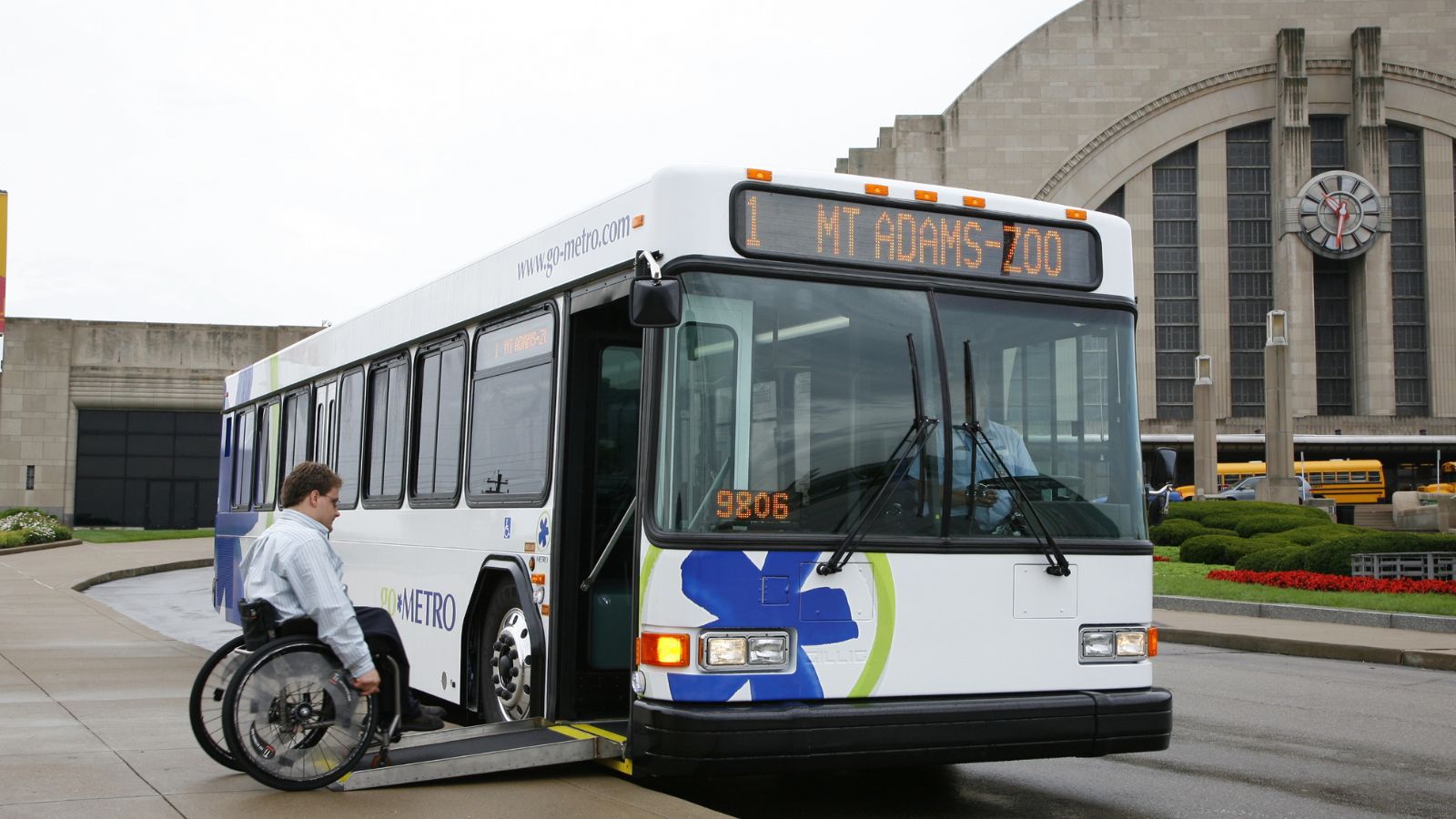
Accessibility belongs in the registration discussion, not after a difficult first session. Canada’s sport policy recognizes that people with disabilities can face environmental, structural, transportation, equipment, and coaching barriers to participation. Federal sport policy emphasizes reducing those barriers rather than expecting participants to absorb them individually.
Families can ask practical questions specific to the child: Is the facility physically accessible? Can instructions be adapted? Is a support worker permitted? Are quieter spaces available? Can equipment be modified or borrowed? How are sensory, medical, or mobility needs handled during emergencies and trips? Programs need not have encountered every situation, but should discuss accommodations respectfully and identify what is feasible. Written details can prevent families from paying for a program that is technically open to everyone but functionally difficult to use. Inclusion is most meaningful when participation works in practice, not only on the registration page or promotional brochure alone for families.
Registration Forms Can Raise Privacy Questions

Registration can involve more information than a child’s name and emergency contact. Programs may collect birth dates, health details, photographs, videos, attendance data or app accounts. Canada’s privacy commissioner stresses meaningful consent and says that, in all but exceptional circumstances, children under 13 cannot meaningfully consent on their own to collection, use, and disclosure of personal information.
Parents should read photo releases and digital-consent boxes carefully. Useful questions include who has access, whether images may be posted publicly, which communication apps are required, how long records are kept, and whether promotional uses can be declined. A blanket checkbox can hide different permissions. For a child avoiding social media, or a family managing sensitive medical information, those details matter before the first class. Privacy expectations are easier to establish before photos, health details, or other information has already been shared beyond the family’s control across websites, apps, or social channels elsewhere.
16 Costco Canada Habits That Could Be Costing Shoppers More Than They Save

The Executive Membership can feel like an obvious upgrade because the 2% annual reward sounds straightforward. For households that spend heavily at Costco Canada, the extra fee may be easy to justify. But the habit becomes costly when shoppers upgrade first and calculate later. A Gold Star Membership costs less, while Executive costs more and only pays off if eligible annual spending is high enough to offset the difference.
16 Costco Canada Habits That Could Be Costing Shoppers More Than They Save
