Fall in Canada once came with its own collection of small rituals. Families drove to country fairs, neighbours gathered for harvest suppers, jars of preserves cooled on kitchen counters, and the first chilly weekends became an excuse to prepare homes, cottages and gardens for the months ahead. Many of those customs still survive, but some have been squeezed by busier schedules, convenience shopping and increasingly screen-centred leisure.
There is something worth preserving in the slower version of the season. These 21 Canadian fall traditions range from centuries-old agricultural customs to familiar family activities that helped generations mark the transition between summer and winter. None requires pretending the past was perfect. Their appeal lies in something simpler: getting outside, gathering around food, supporting local communities and making autumn feel like a season rather than merely the months between summer vacation and Christmas.
Going to the Local Fall Fair
Long before fall weekends revolved around online shopping and streaming, agricultural fairs gave Canadian communities a reason to gather after the growing season. Livestock competitions, vegetable displays, baking contests, tractor demonstrations and midway rides put rural life at the centre of the celebration. Ontario’s agricultural-society tradition reaches back more than two centuries, while individual fairs such as Milton’s have histories stretching roughly 170 years.
The best part was that a fall fair mixed worlds that rarely meet today. Farmers showed cattle a few hundred metres from carnival rides, children compared giant pumpkins, and city visitors learned what actually grew in the surrounding countryside. Agricultural societies were created partly to advance farming and provide education about rural life, functions that remain relevant. A stronger comeback for small-town fairs would offer more than nostalgia. They give communities a gathering place, local producers an audience and children a hands-on connection to agriculture that a grocery-store aisle cannot reproduce.
Picking Apples Straight From the Orchard
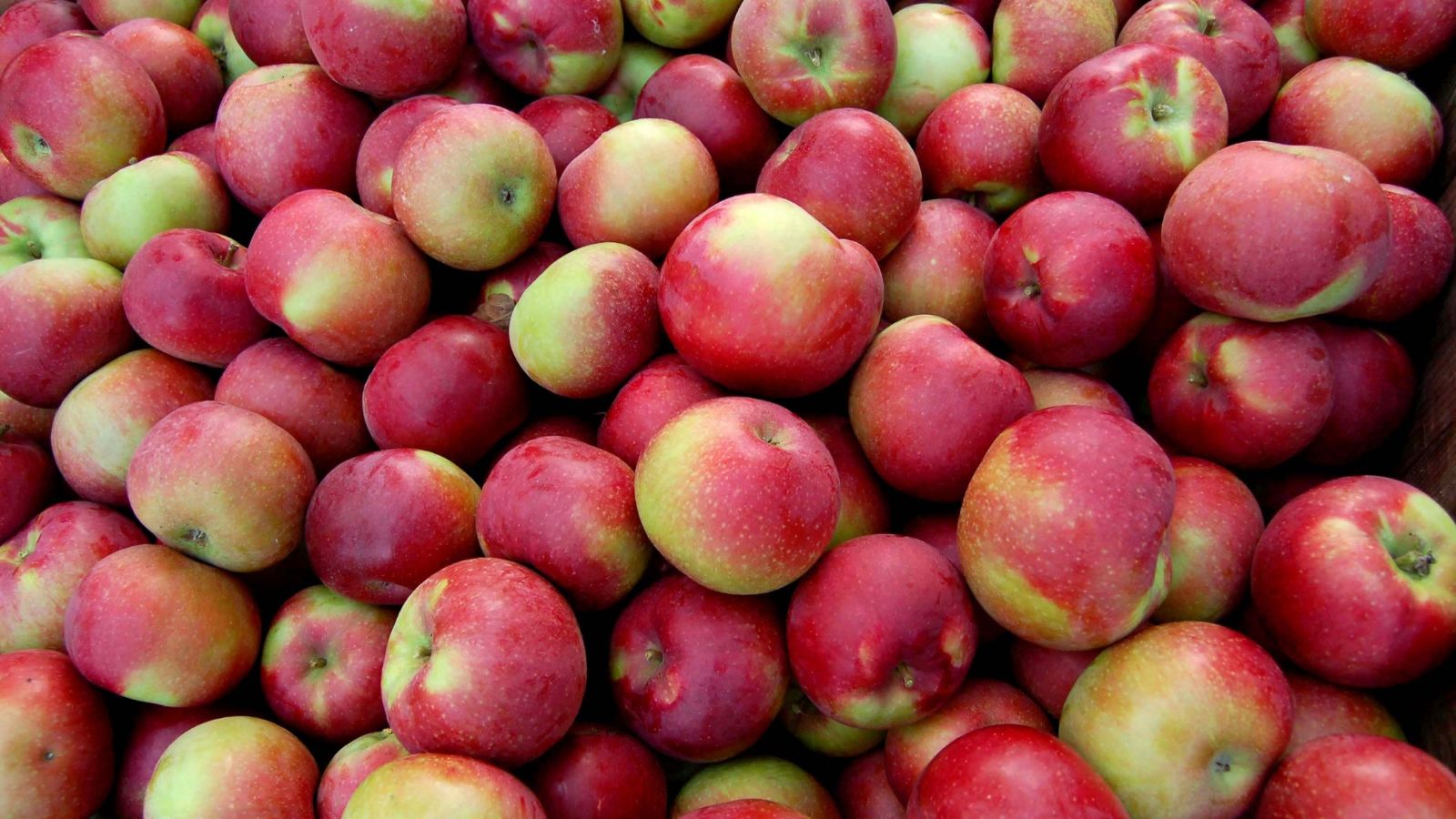
A trip to an apple orchard used to be one of the clearest signals that Canadian summer was over. Families filled paper bags with McIntosh, Cortland, Empire or whatever variety happened to be ripe, ate at least one apple before reaching the parking lot and inevitably returned home with far more fruit than originally planned. The activity remains popular, but it deserves to be treated as a seasonal ritual rather than another photo opportunity.
Canada has plenty of apple-growing heritage behind it. Statistics Canada reported 44,842 acres devoted to fresh apples in 2021, with marketed production exceeding 347,000 tonnes. September and October are prime picking months in many producing regions. Bringing back the full orchard day also revives what came afterward: apple crisp, school-lunch apples, homemade sauce and bags shared with neighbours. It turns food shopping into an experience connected to weather, soil and harvest timing — something increasingly difficult to appreciate when nearly every fruit appears in supermarkets year-round.
Sitting Down for a Prairie Fowl Supper
Few traditions capture the social side of a Prairie autumn quite like the fowl supper. Usually organized by a church or community group, these gatherings traditionally served poultry and generous helpings of vegetables, stuffing, gravy and homemade desserts after harvest. The Dictionary of Canadianisms identifies fowl suppers as particularly associated with Western Canada and Saskatchewan, where they historically doubled as community fundraisers and major social occasions.
Their history stretches back well over a century. Records include a successful fowl supper held on Thanksgiving Day in 1890, while Nellie McClung referred to the events in her 1916 writing. The meals worked because they were about more than dinner. One person carved turkey, another brought pie, volunteers washed dishes and neighbours who might not otherwise cross paths shared a table. Reviving more fall suppers would be an old-fashioned response to a modern problem: communities where people increasingly live near one another without actually knowing one another.
Filling the Pantry With Preserves
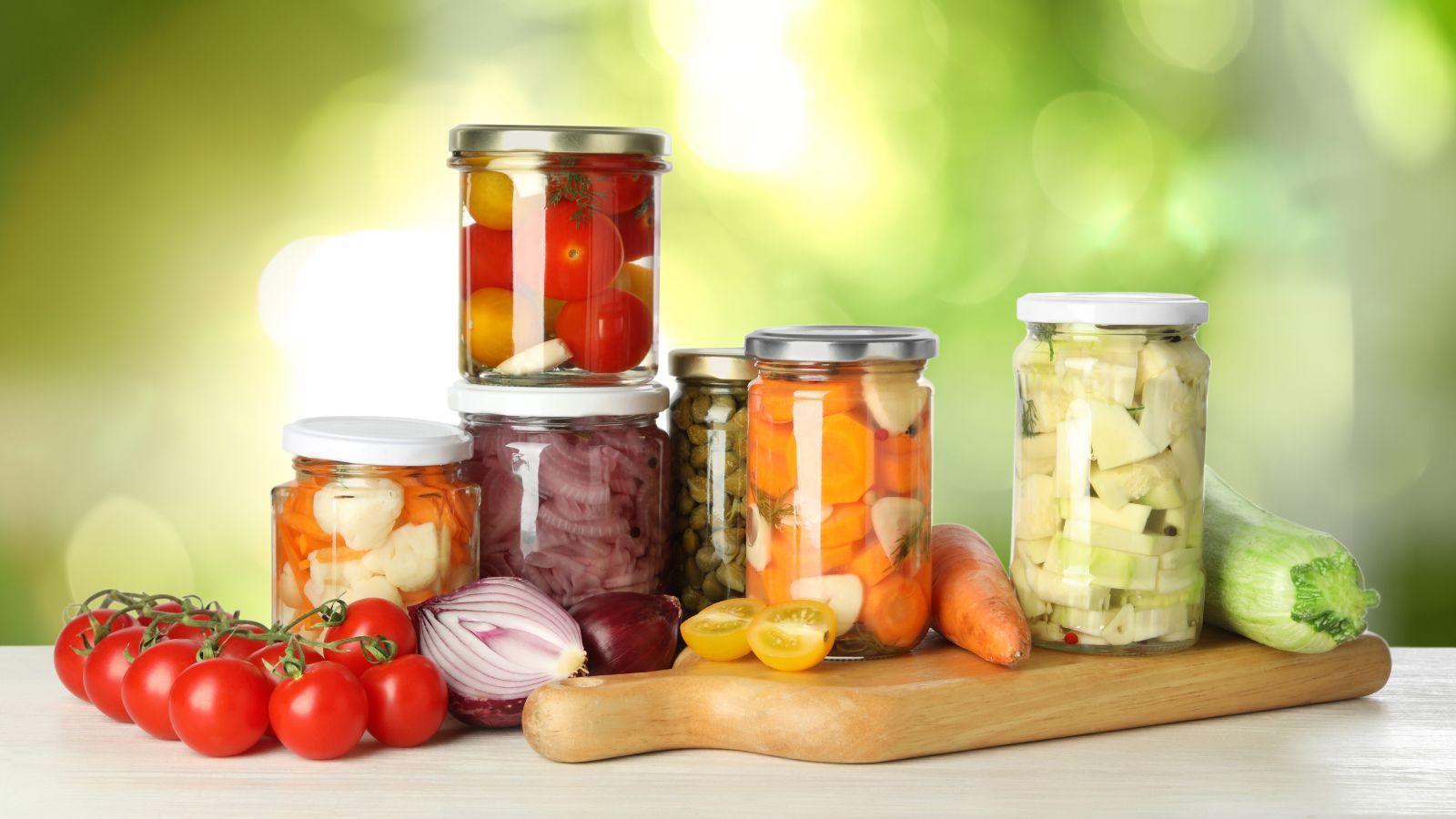
There was a time when September kitchens filled with jars of tomatoes, pickles, jams, relishes and fruit because preserving the harvest was practical household work. Refrigeration and year-round supermarkets made the ritual less necessary, but the appeal has never completely disappeared. Health Canada has even noted renewed interest in home canning alongside enthusiasm for seasonal and locally produced food.
A revival should come with modern food-safety knowledge. High-acid foods such as many fruits, jams and pickles can be processed differently from low-acid vegetables, meat and seafood, which require pressure canning because of botulism risk. That distinction matters more than any inherited family shortcut. Done properly, preserving creates a tangible connection between September abundance and January meals. Few things feel more satisfying on a snowy night than opening something prepared when gardens and markets were overflowing. It also gives another purpose to imperfect or surplus produce that might otherwise go unused.
Pressing Fresh Apple Cider
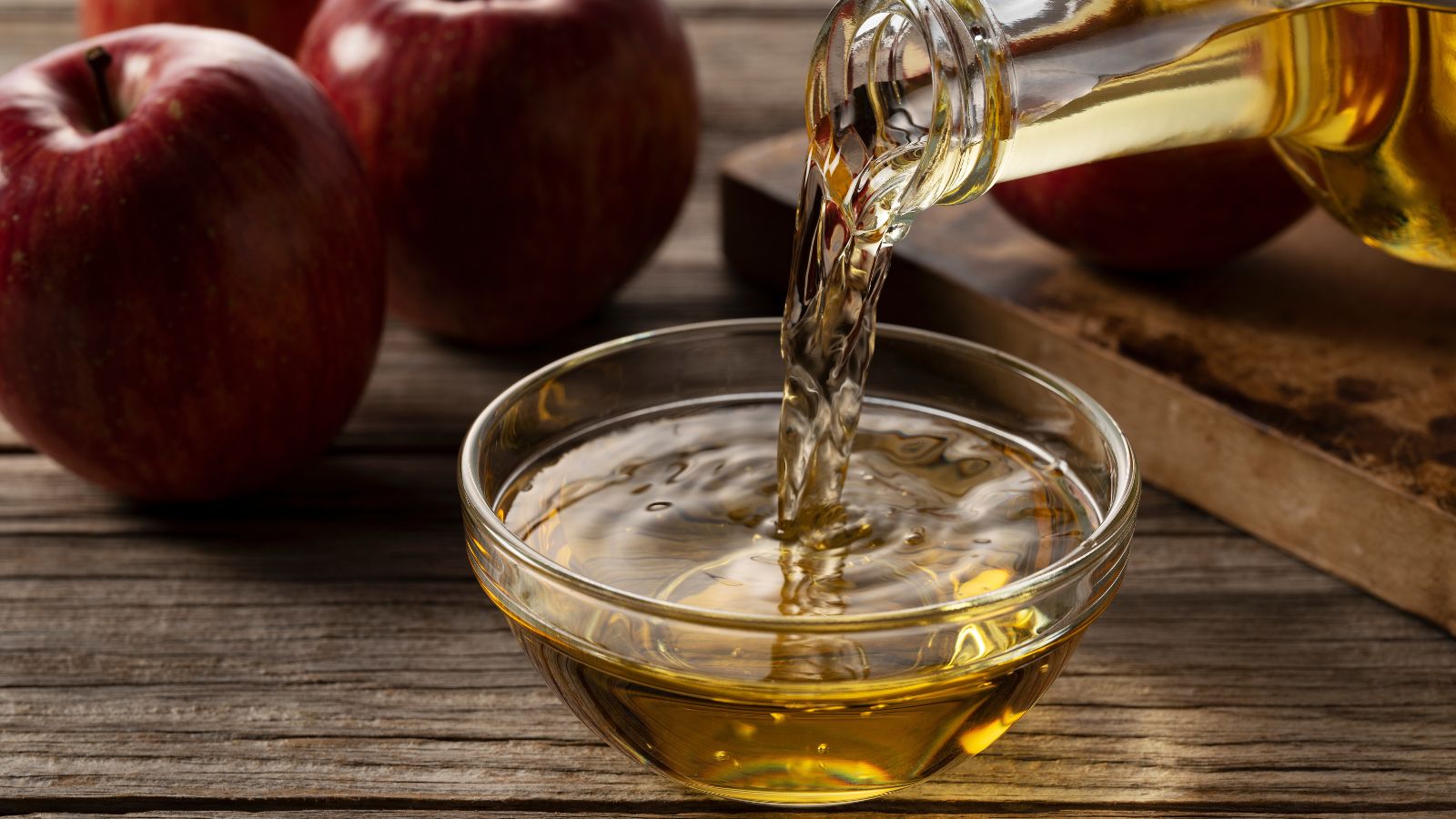
Before cider came primarily from a grocery-store jug or commercial can, apple-producing communities often had local mills where harvested fruit could be crushed and pressed. Parks Canada notes that apple orchards were common in Ontario’s Rouge Valley by the mid-1800s. The Lapp Brothers Cider and Vinegar Mill, established there in 1872, processed fruit brought in by surrounding growers.
Modern cider producers still follow the same basic starting point: harvested apples are cleaned, crushed and pressed for their juice. Bringing back community pressing days — including non-alcoholic fresh cider — would turn a familiar drink into an event again. Families could arrive with baskets of apples and leave with bottles of cloudy, fragrant juice while learning how much fruit goes into the process. It is messy, mechanical and wonderfully unlike buying a beverage from a shelf. Combined with orchard visits, cider pressing gives Canada’s apple harvest a second tradition worth protecting.
Carving Jack-o’-Lanterns by Hand
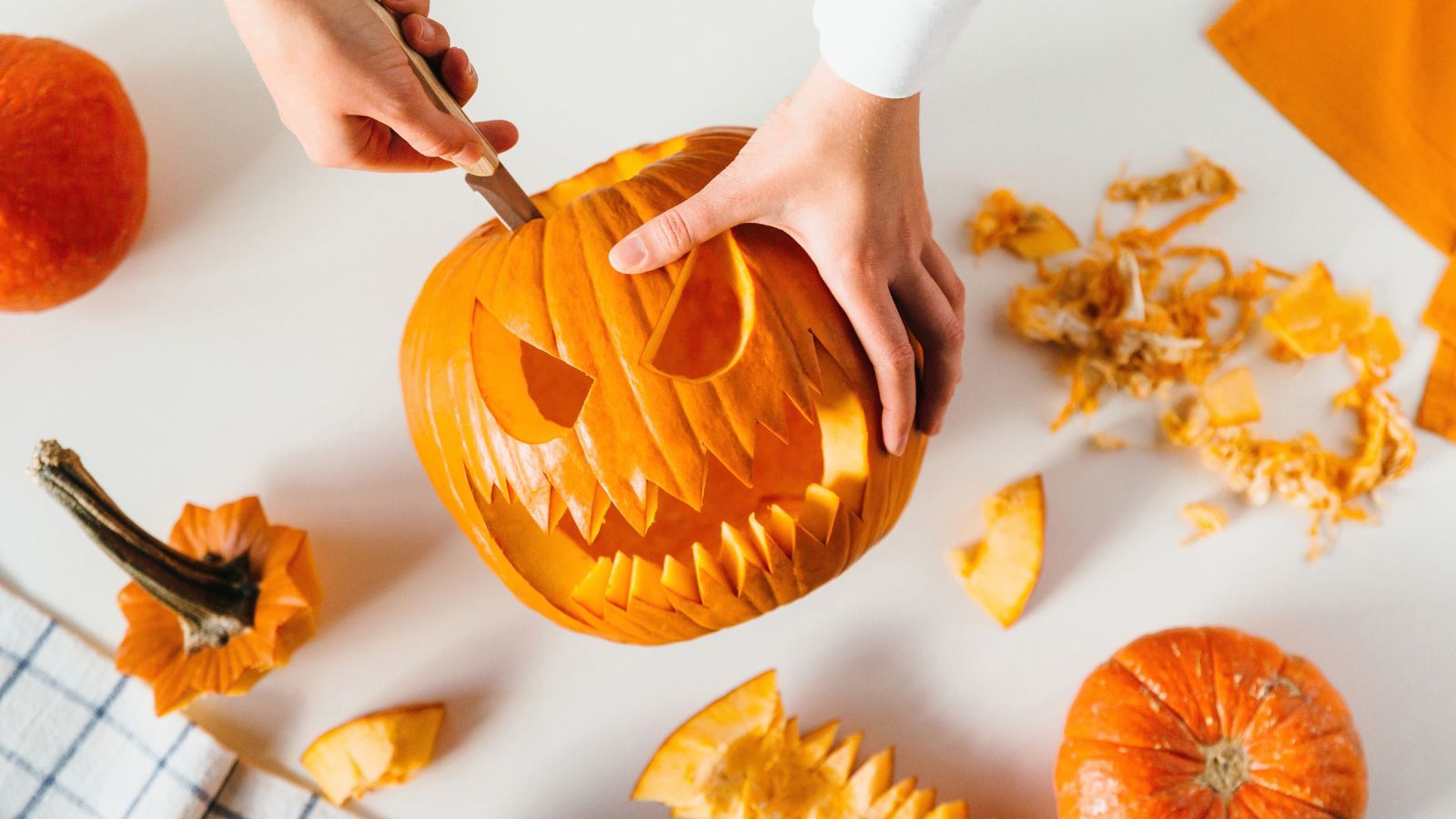
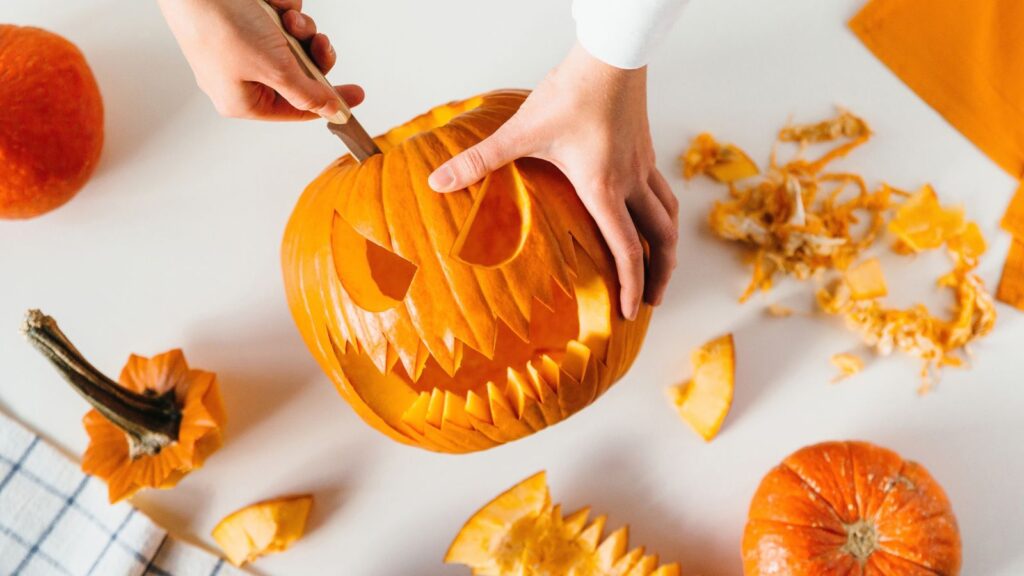
Pumpkin carving feels so ordinary in Canada that its history is easily overlooked. Irish and Scottish immigrants brought jack-o’-lantern customs to the country during the nineteenth century, adapting lanterns that had traditionally been made from turnips, beets or potatoes. Pumpkins proved larger and easier to hollow, helping create the familiar glowing face seen on Canadian porches every October.
The tradition deserves a comeback in its simplest form: newspaper spread across the kitchen table, pumpkin seeds everywhere and children drawing faces that adults then attempt to carve without ruining. There is little need for elaborate decorating kits or perfectly coordinated porch displays. The imperfection is part of the attraction. Canadian archival accounts also show Halloween customs becoming established surprisingly early; children dressing in disguise were recorded in Vancouver in 1898. A hand-carved pumpkin links today’s Halloween directly to those older autumn customs while creating a rare seasonal decoration that is deliberately temporary.
Cooking Thanksgiving Dinner From the Harvest
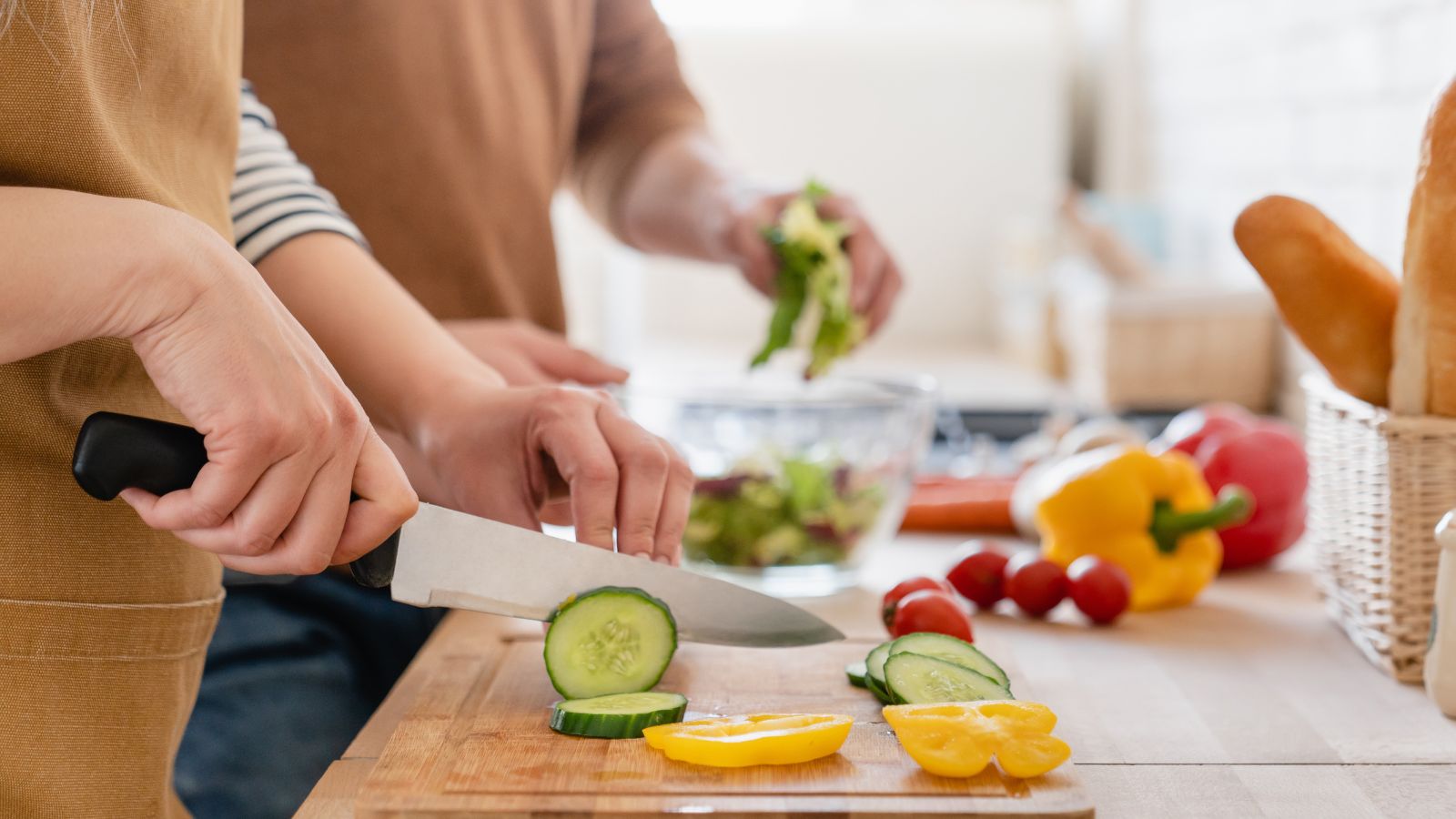
Canadian Thanksgiving has changed enormously over time, but its connection with harvest remains central. Thanksgiving became an annual national observance in the nineteenth century, and in 1957 the second Monday in October was formally established as the date. Its October timing coincides far more closely with the end of harvest in much of Canada than the later American holiday.
That makes the traditional meal an ideal opportunity to revive cooking around whatever is actually abundant: squash, potatoes, carrots, rutabaga, apples, cranberries and other regional foods. Turkey may dominate many tables, but Canadian Thanksgiving has never been completely uniform. Regional and family backgrounds have always shaped what appears beside it. Reclaiming the harvest side of the celebration would mean fewer dishes chosen because advertising declares them mandatory and more food connected to local farms and family recipes. Preparing that meal together also turns dinner into the day’s activity rather than something ordered, reheated and quickly cleared away.
Taking a Fall-Colour Road Trip
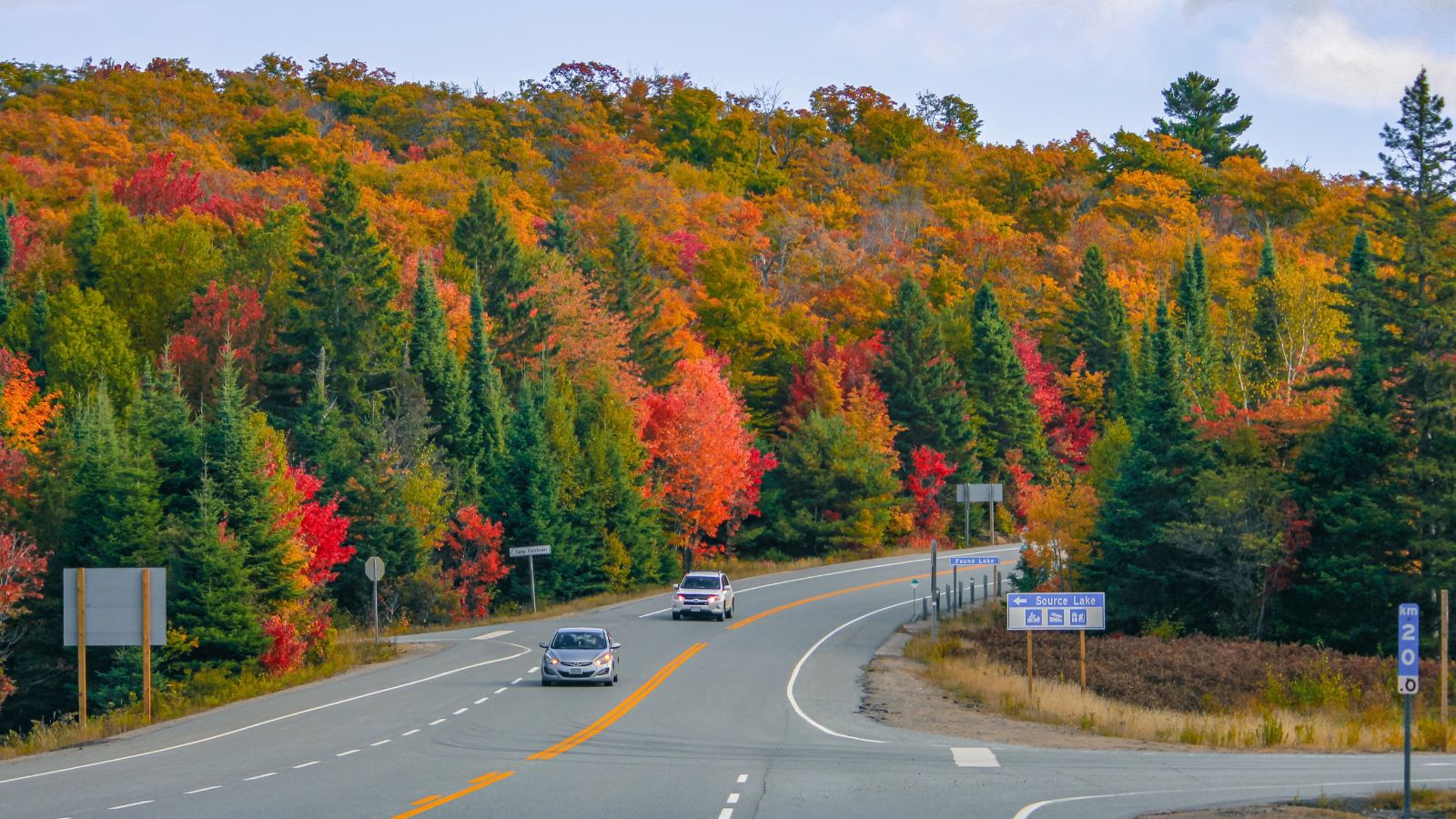
Long before people tracked peak foliage through social media, families simply piled into a car and drove until the trees looked spectacular. Canada offers an extraordinary range of autumn landscapes, from Ontario and Quebec’s fiery deciduous forests to golden aspens in the West and colourful coastal routes in Atlantic Canada. Parks Canada continues to highlight scenic driving as one of the country’s signature fall activities.
Some routes are practically built for the tradition. Rouge National Urban Park recommends drives past farmland and autumn forest, while Destination Canada highlights places such as Ontario’s Algonquin region and Nova Scotia’s Cabot Trail. Bringing back the leisurely fall drive means resisting the urge to turn every outing into a tightly scheduled itinerary. Pack sandwiches, stop at a lookout, buy apples at a roadside stand and take whichever road appears interesting. The destination matters less than watching an entire landscape change colour through the windshield.
Making the Autumn Hike a Family Ritual
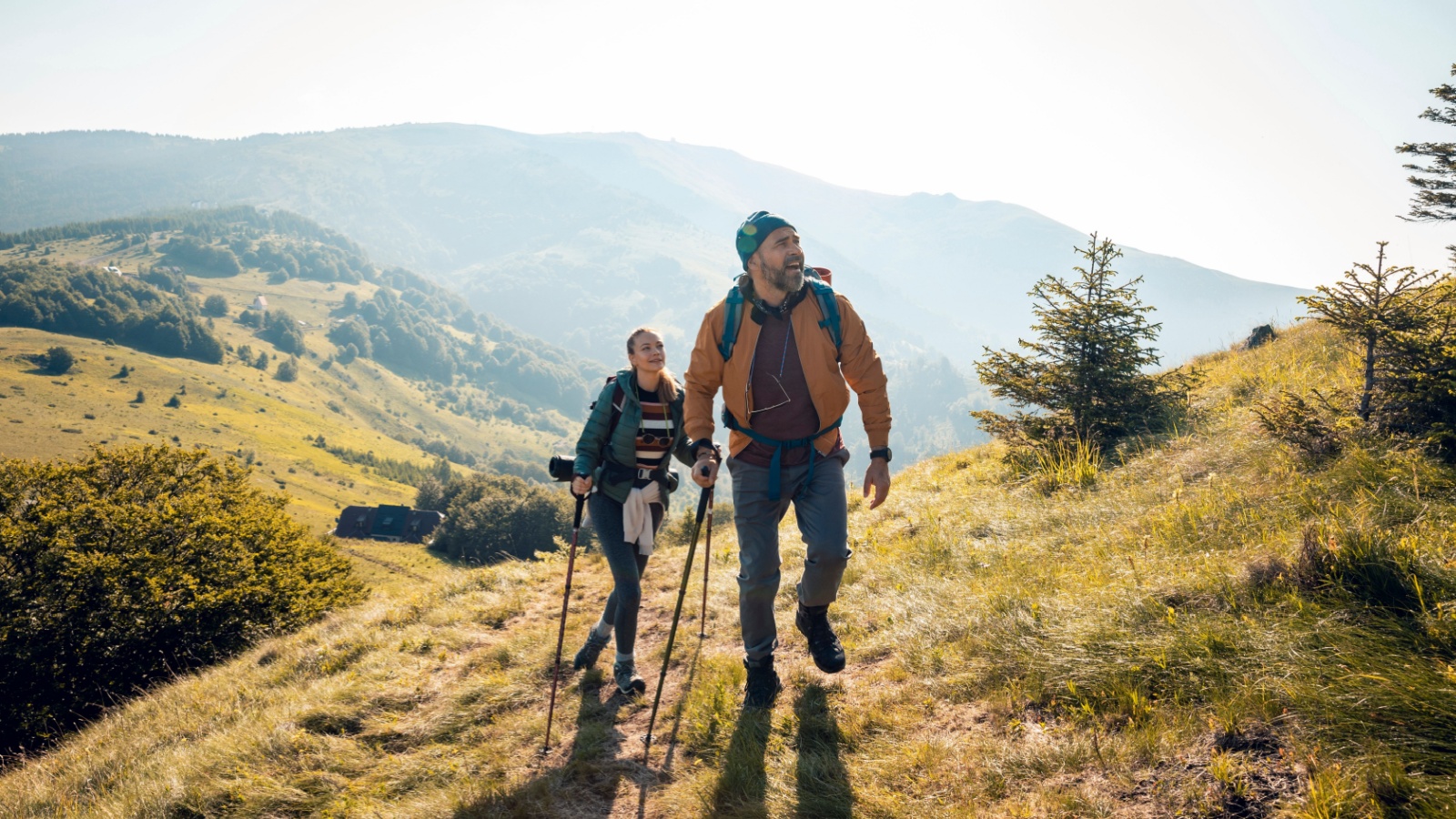
Fall hiking deserves to be more than something squeezed in before winter. Cooler temperatures, fewer insects and changing forests can make September and October some of the year’s best months for walking. Parks Canada actively promotes autumn hiking across its network, including routes that pass through colourful forests, meadows and wildlife habitat.
The older family version was refreshingly uncomplicated. There was no requirement to conquer a summit, record kilometres or produce photographs worthy of social media. A trail, thermos and afternoon were enough. Rouge National Urban Park, for example, describes fall routes through sugar-maple forest and restored meadows where visitors can watch migrating birds and seasonal wildlife. Re-establishing a yearly autumn walk would give families a natural marker of time: returning to the same path each October and noticing which children have grown, which trees have changed and how quickly another year has passed.
Closing the Cottage Together

For generations of Canadian cottage families, autumn included one bittersweet weekend devoted to shutting everything down. Boats came out of the water, screens were removed, cupboards were emptied and plumbing was prepared for freezing weather. Cottage Life has described the ritual as more than maintenance: closing up represented an ending balanced by the promise of returning in spring.
That emotional side is precisely why it deserves to survive. A cottage closing done together can become one final weekend of work, food and memory before winter. Children can stack chairs or carry life jackets while adults handle water systems and equipment. The last dock walk feels different when everyone knows it will be months before the lake looks the same again. Modern cottages may have better insulation, remote cameras and year-round utilities, but technology should not eliminate the shared seasonal ritual. Some chores gain meaning precisely because a family does them together every year.
Holding a Community Corn Roast

The community corn roast is beautifully uncomplicated: a big supply of local corn, enough heat to cook it and plenty of people willing to stand around eating with their hands. Corn roasts have been particularly familiar in Quebec and other farming regions, and community versions continue to appear at museums, cultural events and harvest celebrations.
Museum London, for example, held its annual community corn roast again in September 2026, describing it as a beloved tradition built around shared food and gathering. That model deserves wider revival. Unlike elaborate festivals, a corn roast requires relatively little programming because the food itself creates the event. Long tables, local musicians, children’s games and a few volunteers can do the rest. At a time when community events increasingly need sponsorship packages and ticketing platforms, there is something appealing about an evening whose central attraction is simply corn harvested nearby and neighbours eating it together.
Climbing Onto a Hayride
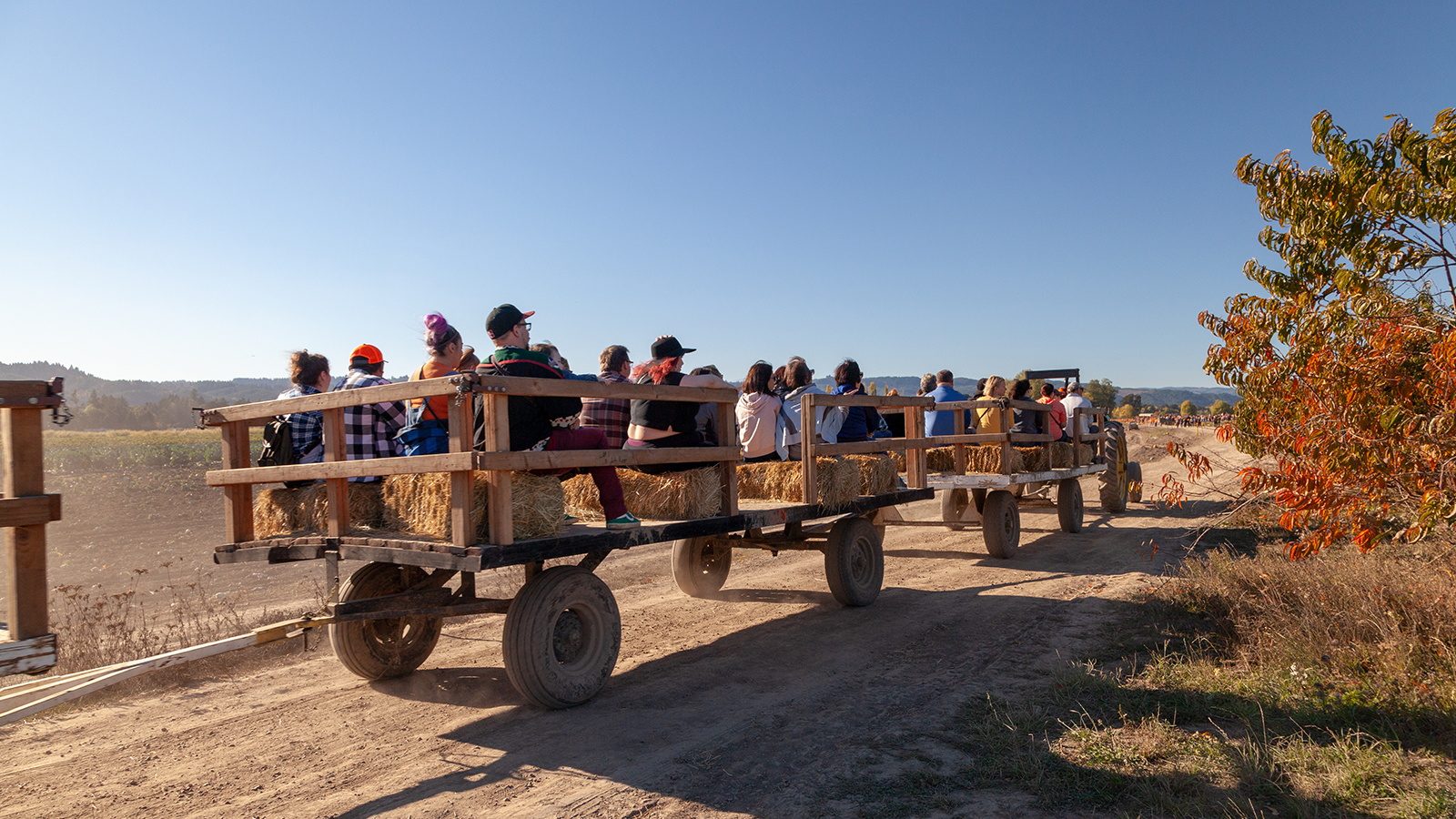
A wagon ride through an autumn field once felt like a major attraction to a child, despite involving little more than straw, a tractor and cold air. Hayrides grew from farm life into a familiar harvest-season recreation and remain common at Canadian pumpkin farms, but the old-fashioned version deserves protection from becoming just another component of increasingly elaborate fall entertainment complexes.
Ontario’s tourism agency still lists wagon and hay rides among the staple experiences offered at pumpkin farms across the province. Some farms combine them with orchards, corn mazes and pumpkin patches, creating a direct link between visitors and working agricultural landscapes. The appeal is partly in the pace. A hayride is deliberately slow. People talk, look across harvested fields and feel the temperature drop as the wagon moves. Not every family activity needs screens, special effects or an app. Sometimes a wooden wagon bouncing down a farm lane remains perfectly adequate entertainment.
Stocking Up at the Harvest Farmers’ Market

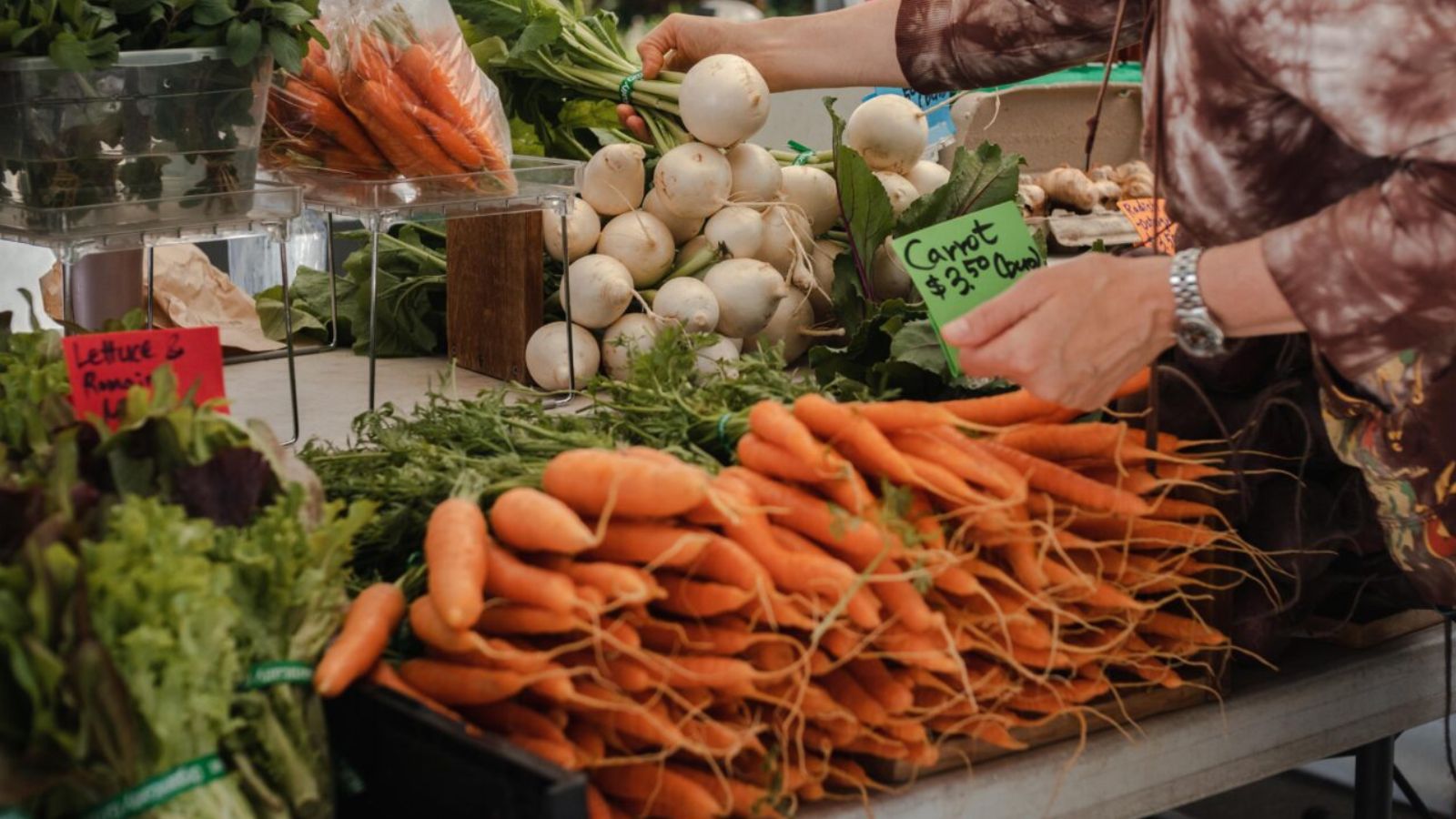
A farmers’ market feels particularly purposeful in autumn. Tables are crowded with squash, potatoes, apples, onions, carrots and late-season greens, while preserves, pies and cider begin appearing beside the fresh produce. It is the moment when the growing year becomes visible all at once.
Statistics Canada found that 25,917 farms, or 13.6 per cent of Canadian farms, reported direct sales to consumers in 2020. More than 4,100 farms reported using farmers’ markets, while on-farm stands, kiosks and U-pick operations were even more widespread. A revival of the big autumn market shop would encourage households to plan meals around what local growers actually have rather than around a predetermined supermarket list. Buying a sack of storage potatoes, several squash and a basket of apples may seem old-fashioned, but it helps turn fall eating into something recognizably seasonal while putting money more directly into farm businesses.
Filling the Root Cellar
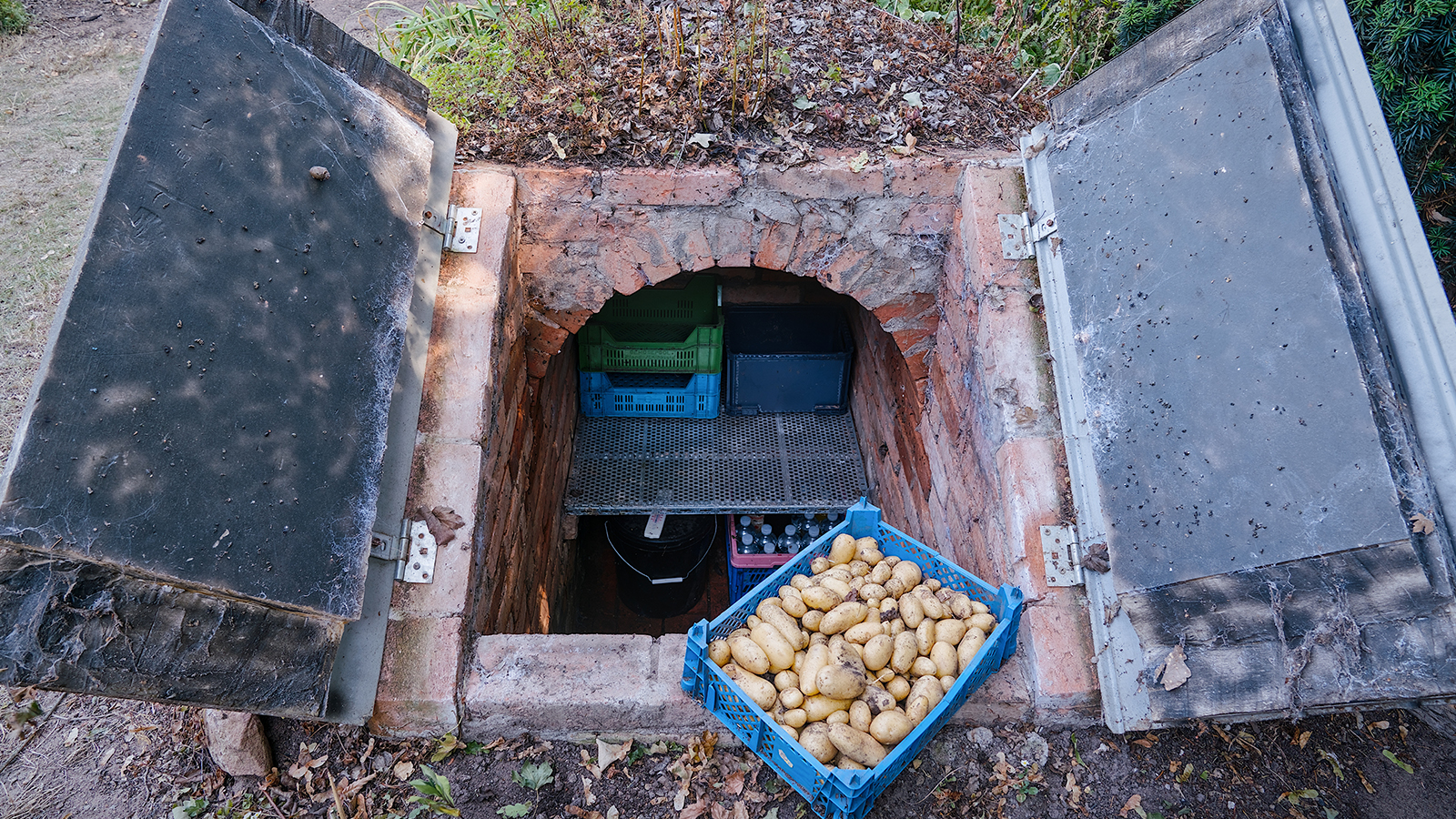
The root cellar may be one of Canada’s most literal connections between autumn work and winter survival. In Newfoundland and Labrador, underground or earth-covered cellars historically protected potatoes, carrots, turnips, onions and other foods from freezing while keeping them cool enough to last. Canada’s History notes that the community of Elliston has roughly 130 root cellars and promotes itself as the Root Cellar Capital of the World.
Few modern suburban houses will suddenly acquire underground storage rooms, but the principle deserves a comeback. Cool basements, cold rooms and properly managed storage spaces can bring back the habit of putting away hardy produce when it is plentiful. Historically, filling the cellar required days of digging, carrying and sorting. That labour represented security through winter. Modern families may need far less stored food, yet keeping several weeks’ worth of Canadian-grown root vegetables can still reduce waste, encourage seasonal cooking and restore some appreciation for how households managed before supermarkets offered everything in every month.
Stacking the Winter Firewood
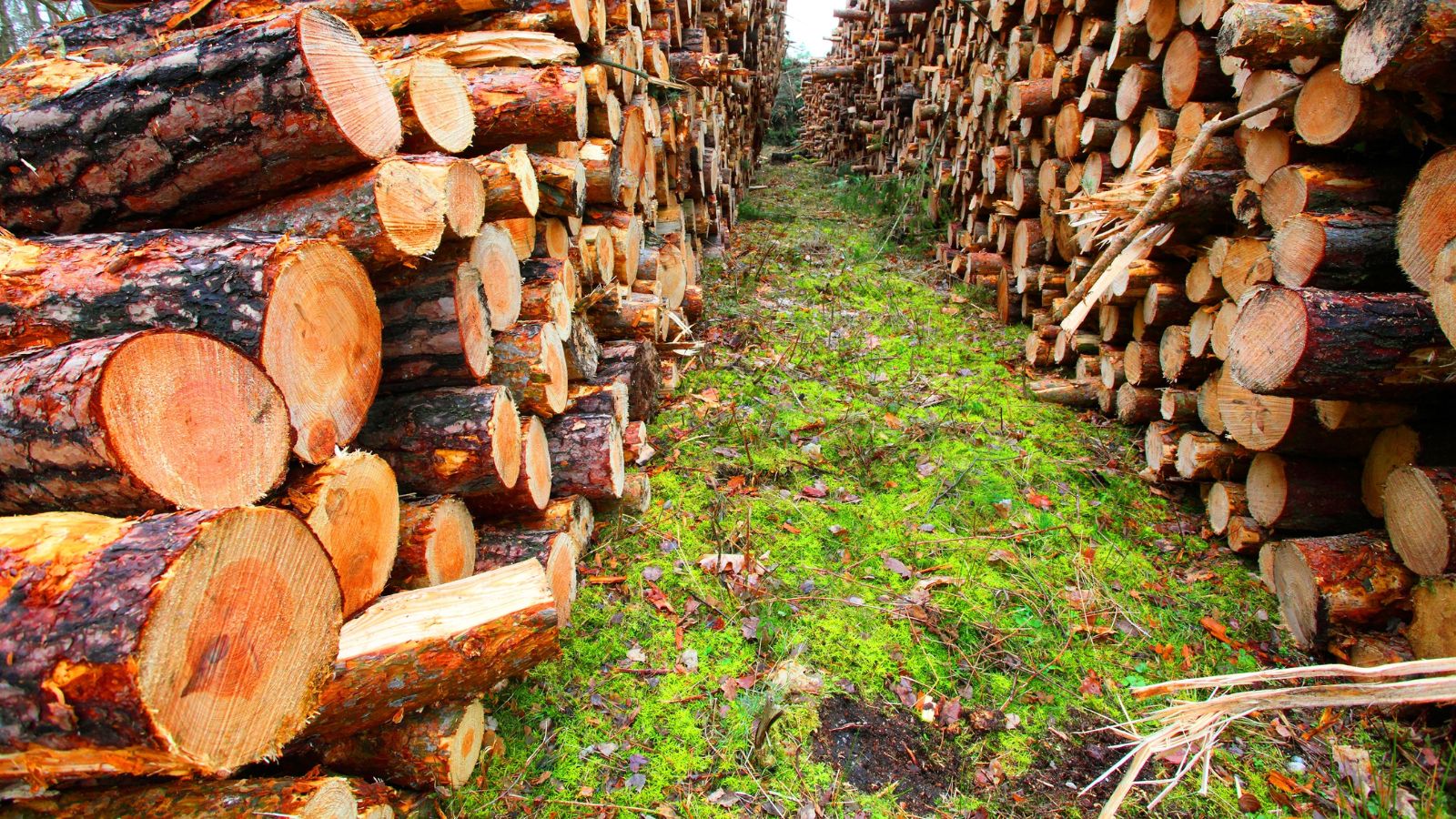
A neat wall of split firewood beside a shed once signalled that a household was ready for cold weather. Wood is no longer Canada’s dominant heating source, but it has not disappeared. Statistics Canada reported that about two per cent of Canadian households used wood or wood pellets as their primary heating fuel in 2023, rising to six per cent outside large urban centres.
The tradition deserves a qualified comeback because the ritual matters even where the wood supplements another heating system. Splitting, moving and stacking fuel makes winter preparation visible. A completed woodpile is a small achievement that can be measured simply by looking at it. Modern firewood use should also account for environmental rules: transporting firewood long distances can spread invasive insects and diseases, which is why Parks Canada advises obtaining wood near where it will be burned. Done responsibly, preparing a winter supply remains one of autumn’s most satisfying practical chores.
Planting Spring Bulbs Before the Freeze

One of the most optimistic fall traditions happens when almost everything else in the garden is dying back. Gardeners bury tulips, daffodils, crocuses and other hardy bulbs in cold soil knowing they will not see the result for months. In much of Canada, spring-flowering bulbs are planted during fall because they need a period of cold dormancy before blooming.
The County of Wetaskiwin in Alberta, for example, reminded residents in September 2026 that fall is the season for planting garlic and spring bulbs such as tulips and daffodils, recommending planting before the ground freezes. Turning bulb planting back into a family ritual would give autumn gardening a sense of continuity rather than finality. Children can choose colours, mark where bulbs were buried and then rediscover the project when shoots appear through spring soil. It is gardening built around delayed gratification — a concept that could use more practice in almost any household.
Watching the Geese Head South
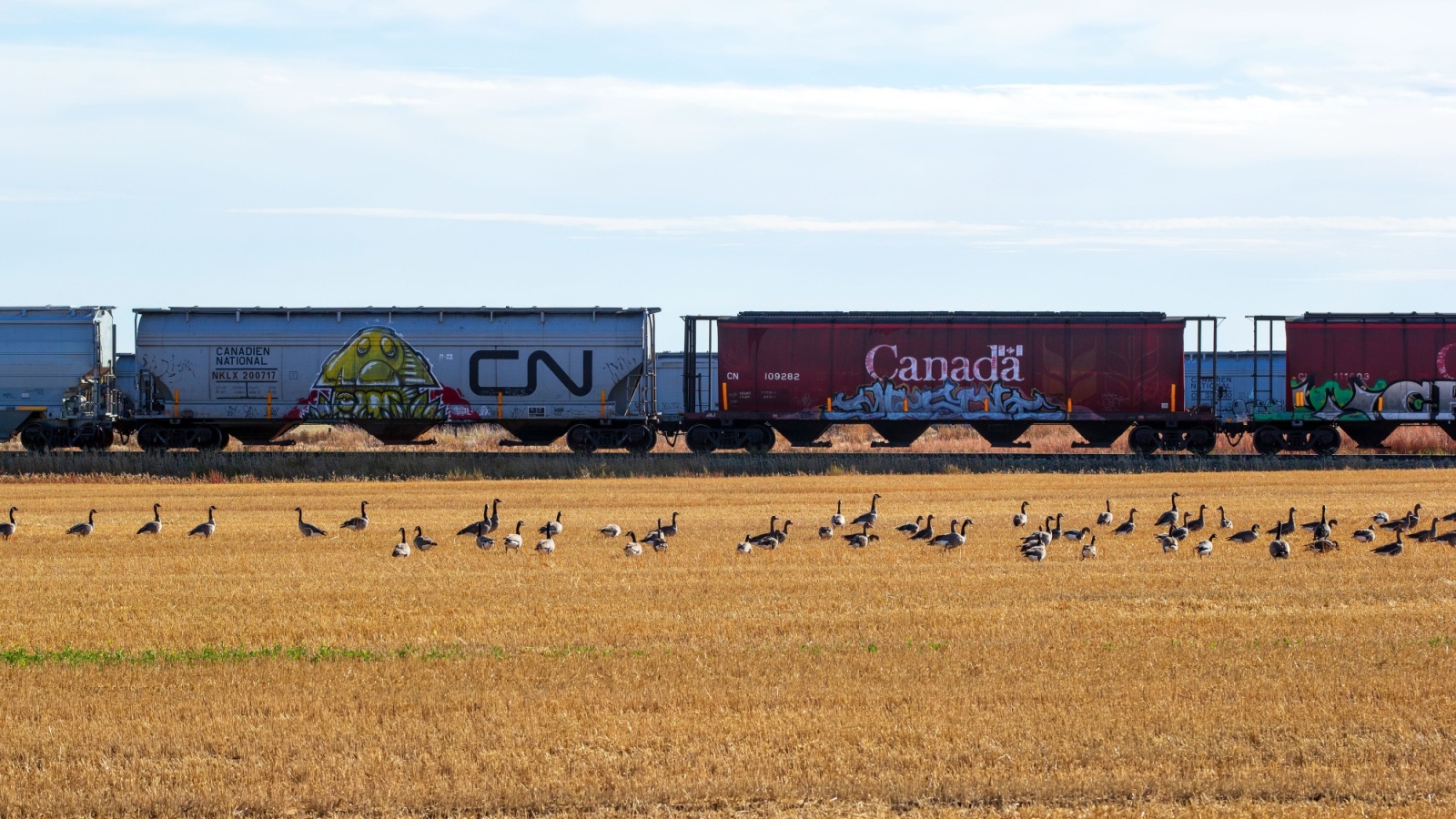
Few sounds are more closely associated with a Canadian autumn than geese calling overhead. Environment and Climate Change Canada describes the V-shaped formations of migrating Canada geese as one of the country’s most recognizable signs of seasonal change. Northern-breeding populations pass through southern Canada during fall migration, often arriving from late September and remaining until freeze-up.
Watching that movement used to require little more than stepping outside and looking up. It deserves to become deliberate again. Families can visit wetlands, rivers or migratory bird sanctuaries with binoculars and spend an hour observing rather than expecting constant entertainment. At Ontario’s Rideau River Migratory Bird Sanctuary, as many as 1,000 Canada geese can be present on a fall migration day, while some Quebec and British Columbia sanctuaries host enormous concentrations of migrating waterfowl. The spectacle costs nothing, changes daily and reminds observers that autumn is happening on a continental scale.
Gathering Around an Evening Campfire
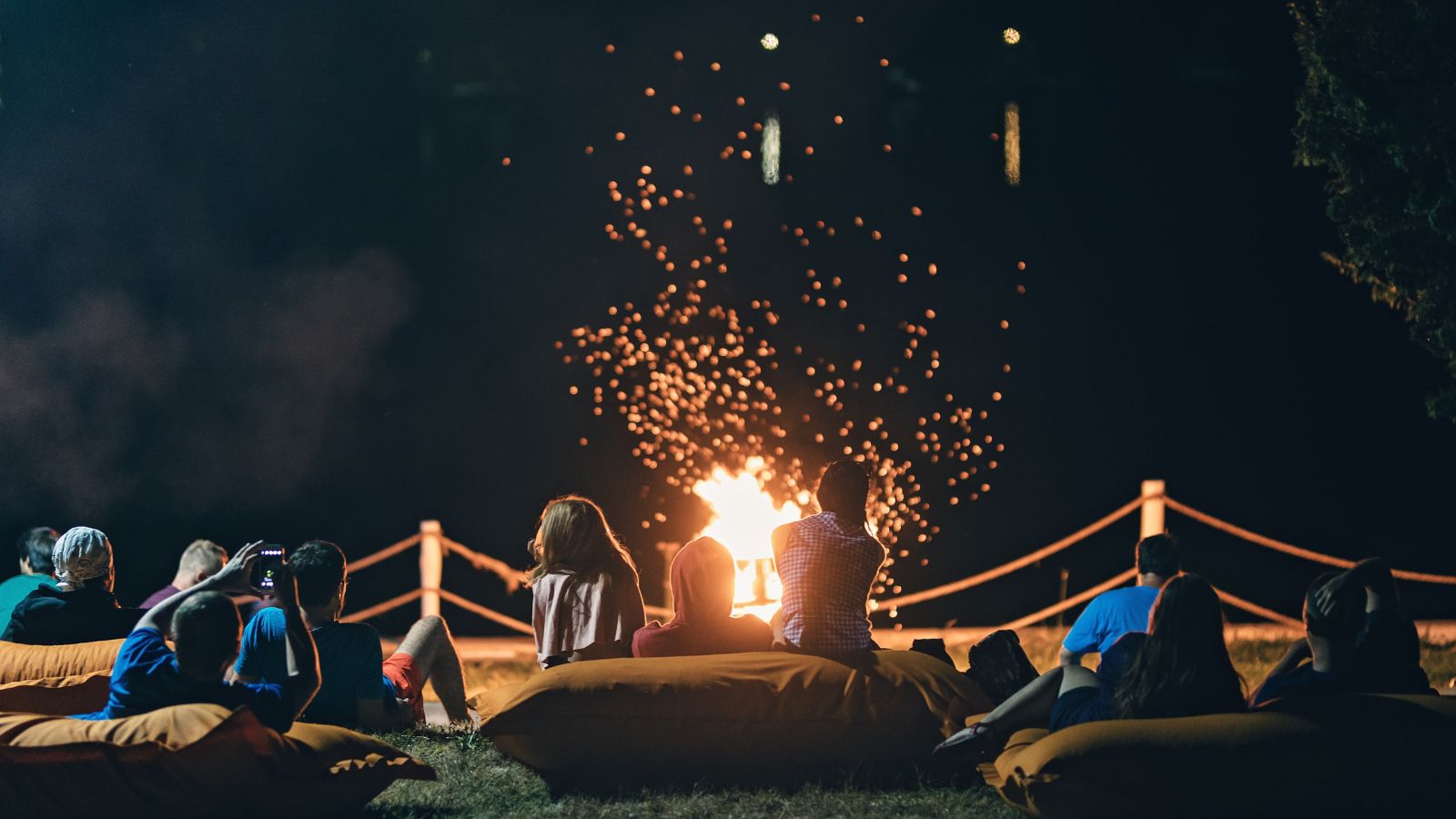
The campfire has survived, but the habit of sitting around one without rushing to another activity feels less common. Autumn may be the ideal season to restore it. Cool nights make the warmth welcome, darkness arrives early and a fire naturally pulls people into a circle where conversation becomes the entertainment.
Parks Canada describes the evening campfire as one of the favourite parts of camping for many visitors, while emphasizing rules that matter increasingly in a country facing serious wildfire seasons. Fires should be confined to designated locations where permitted, checked against current bans, kept small, supervised continuously and completely extinguished. Those safeguards do not diminish the tradition; they make its continuation possible. A responsible fall campfire with hot drinks, stories and perhaps something roasted over the coals offers exactly the kind of low-tech social time that autumn once seemed to provide effortlessly.
Baking the Thanksgiving Pie From Scratch
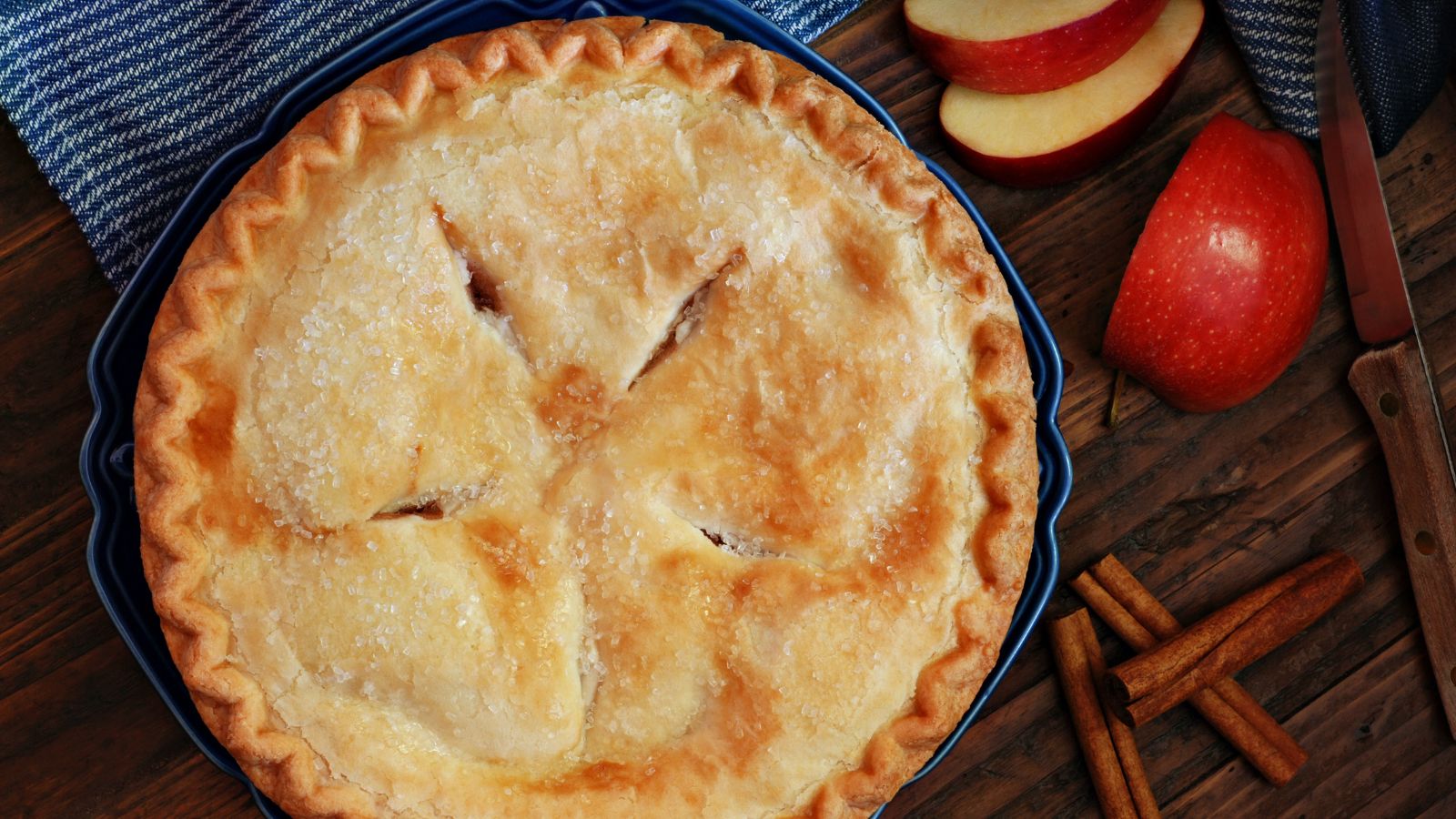
Pumpkin and apple pies have become so readily available that it is easy to forget how naturally they fit the Canadian harvest calendar. Apples reach their prime picking season in early fall, pumpkins and squash are abundant around Thanksgiving, and historical Canadian cookbooks contain versions of the same desserts families still recognize.
Oxford County Archives has preserved Thanksgiving pie recipes from Canadian cookbooks dating to the 1910s, 1920s and later, including instructions for apple pie that would be familiar in many kitchens today. Pumpkin pie likewise remains strongly associated with Canadian Thanksgiving. Bringing back the afternoon devoted to making pastry, slicing apples or preparing pumpkin filling would make dessert part of the celebration rather than a cardboard box opened after dinner. It also creates exactly the kind of recipe that can travel through generations, accumulating pencilled notes, substitutions and arguments over whether the crust was better when a particular grandparent made it.
Making Halloween Costumes at Home

Store-bought superhero suits and inflatable costumes may be convenient, but homemade Halloween costumes once demanded considerably more imagination. Canadian archival records place children dressing in disguise for Halloween in Vancouver as early as 1898, and early costumes were assembled from clothing, masks, makeup and whatever materials households had available.
The homemade costume deserves a comeback not because commercial costumes are inherently inferior, but because the making was half the event. Cardboard boxes became robots, old sheets became ghosts, parents stayed up attaching pieces that children would lose within an hour, and no two costumes looked exactly alike. The process also made Halloween stretch beyond a single evening. Ideas were debated for weeks, supplies were gathered and final repairs happened minutes before leaving the house. A costume produced at the kitchen table may not photograph as perfectly as something ordered online, but the story attached to it tends to last much longer.
Keeping Trick-or-Treating Neighbourhood-Based

Canada has an unusually strong claim to the history of modern trick-or-treating. Edmonton’s municipal archives notes that the earliest recorded use of the phrase “trick or treat” comes from Blackie, Alberta, in 1927. Costumed children were already common in Edmonton by the 1930s, when treats could include apples, nuts, popcorn, fruit and candy rather than today’s mostly packaged sweets.
That history makes the traditional neighbourhood version worth defending. The magic came from walking familiar streets after dark, encountering neighbours at their doors and discovering which house gave out something unexpectedly good. Organized indoor events have an important role, especially when weather, accessibility or safety make door-to-door outings difficult, but they need not completely replace the local ritual. A lively trick-or-treating neighbourhood creates one of the rare evenings when dozens of households open their doors to one another. Nearly a century after Alberta newspapers recorded the phrase, that small burst of community remains worth keeping.
16 Costco Canada Habits That Could Be Costing Shoppers More Than They Save

The Executive Membership can feel like an obvious upgrade because the 2% annual reward sounds straightforward. For households that spend heavily at Costco Canada, the extra fee may be easy to justify. But the habit becomes costly when shoppers upgrade first and calculate later. A Gold Star Membership costs less, while Executive costs more and only pays off if eligible annual spending is high enough to offset the difference.
16 Costco Canada Habits That Could Be Costing Shoppers More Than They Save
