
Autumn in Canada once came with rituals that had little to do with apps, streaming services or next-day delivery. For families growing up in the 1980s and 1990s, cooler weather meant catalogues landing at the door, television schedules being studied, cassette tapes being prepared and Halloween traditions that have largely disappeared. Even ordinary chores such as raking leaves or changing the clocks involved routines that looked very different from those of today.
Not every household experienced fall exactly the same way, of course, and regional differences were considerable. Still, these 18 familiar rituals capture how technology, retail, entertainment, school life and neighbourhood traditions shaped Canadian autumns before smartphones and constant internet access transformed everyday life.
Waiting for the Sears Wish Book to Arrive

For generations of Canadian children, one of the earliest signs that Christmas was approaching did not appear in a store window. It landed at the house in the form of a thick Sears Wish Book. The catalogue usually appeared well before December, turning otherwise ordinary fall afternoons into lengthy browsing sessions. Children flipped directly to the toy pages, folded corners, circled favourites and sometimes produced carefully ranked Christmas lists based almost entirely on what appeared between those covers.
The ritual had remarkable staying power. Sears Canada’s Christmas catalogue dated back to 1953, and millions of copies were still being distributed decades later. Sears said that more than three million copies of its 2012 anniversary edition went out across Canada, demonstrating how deeply the catalogue had remained embedded in Canadian shopping culture even after online retail had arrived. Today’s children can assemble digital wish lists in minutes. The older experience involved sharing one enormous catalogue with siblings and returning to the same battered pages throughout the fall.
Filling Out an Order Slip at Consumers Distributing

A trip to Consumers Distributing could feel strangely futuristic and old-fashioned at the same time. Instead of wandering through aisles filled with merchandise, shoppers studied catalogues, wrote product numbers on little order forms and handed the paperwork to an employee. Somewhere behind the counter, staff searched the stockroom for the requested item. Children waiting for a toy quickly learned the most suspenseful part of the process: discovering whether it was actually in stock.
The Canadian chain became particularly memorable during the holiday-shopping season, when toy pages attracted enormous attention. Consumers Distributing eventually operated hundreds of locations, and TVO’s historical account describes children eagerly browsing its catalogue for Christmas gifts. The company disappeared in 1996 after financial problems and bankruptcy brought the system to an end. Online shopping now performs roughly the same basic task—selecting something from a catalogue without touching it first—but without pencils, paper forms or the tense wait at a counter while an employee disappeared into a warehouse.
Planning Fall Television Around a Printed TV Guide
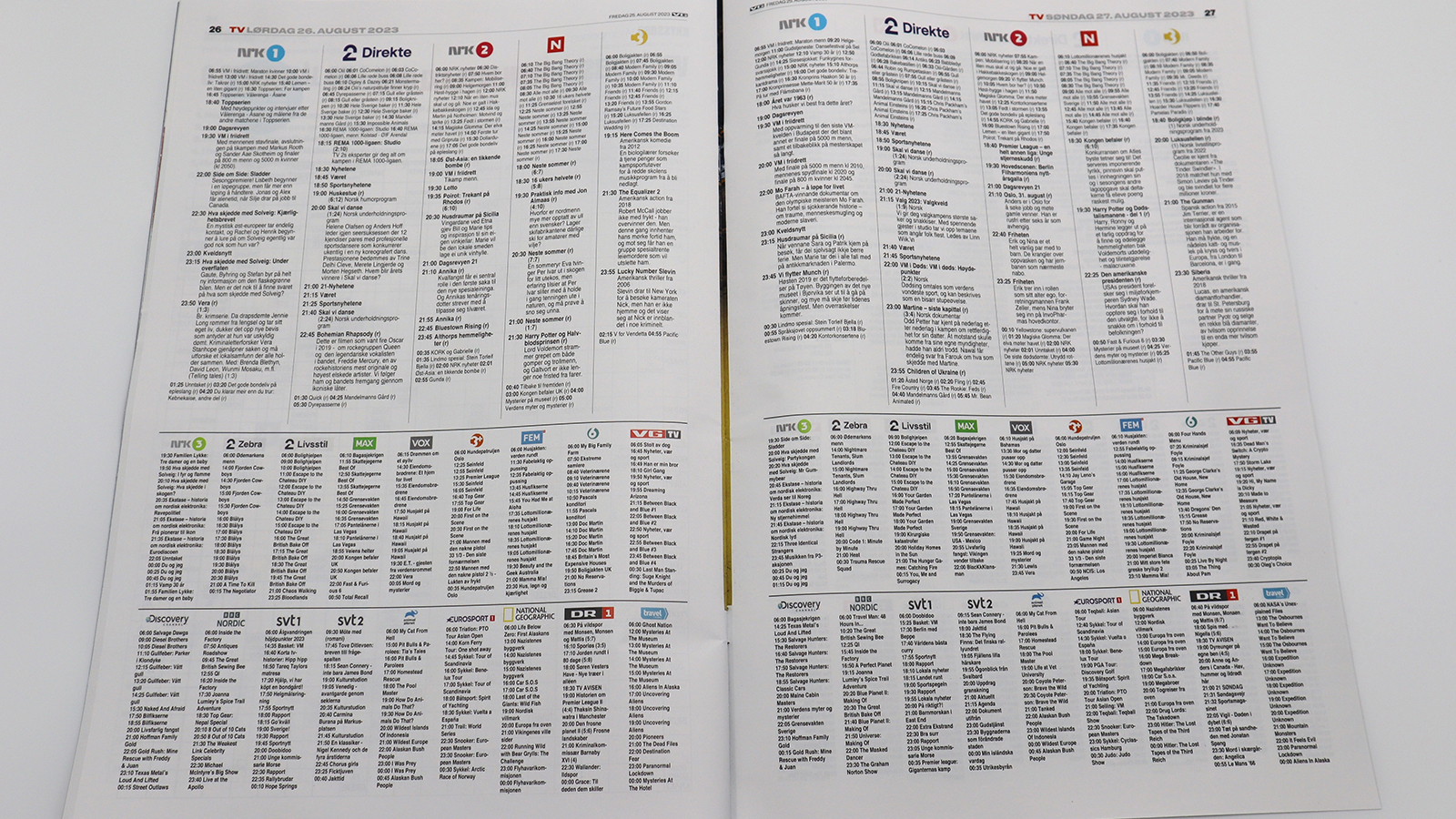
September once meant more than returning to school. It was also when television networks rolled out heavily promoted fall schedules, and families needed a practical way of remembering what aired when. A printed TV Guide could sit beside the sofa with pages folded, programs circled and disagreements about which channel would control the family television. Because shows generally appeared at fixed times, missing an episode could genuinely mean missing it altogether.
Canadian TV Guide became its own publication in 1977 and produced numerous regional editions containing localized listings. By the late 1980s, there were as many as 16 regional editions. The print version survived until 2006, when changing viewing habits, online listings and electronic program guides helped make the physical magazine increasingly unnecessary. Streaming has almost completely reversed the old relationship between families and schedules. Instead of households organizing Wednesday or Thursday night around a show, programs now wait until viewers decide to watch them—a small change that eliminated one of fall television’s most recognizable rituals.
Programming the VCR Before a Favourite Show Started
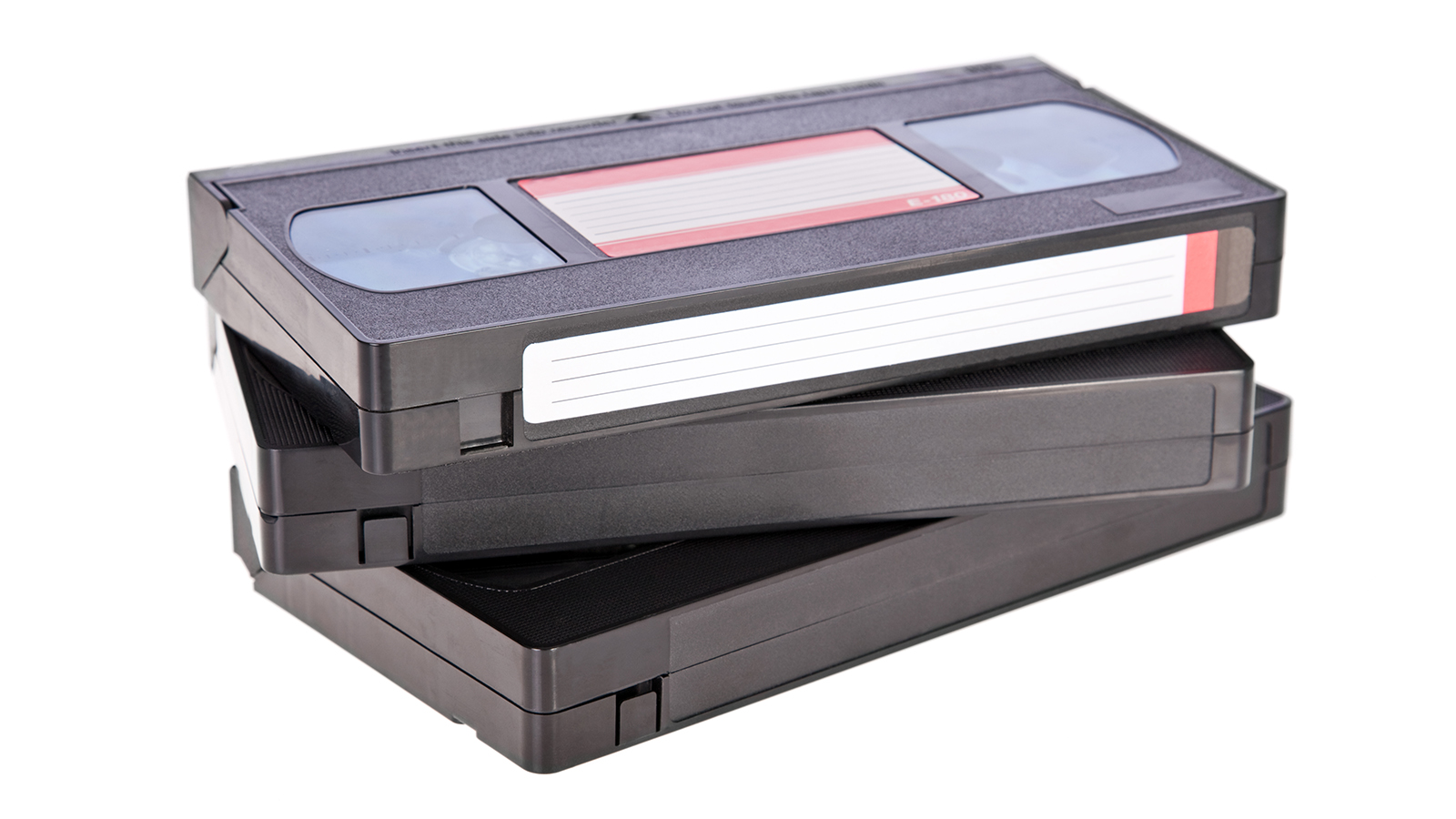
Anyone leaving the house during a favourite television program faced an important technical challenge: programming the VCR correctly. That meant finding a blank VHS cassette, making sure nothing important was already recorded on it, setting the channel, entering the starting time and hoping the machine’s clock was accurate. A flashing “12:00” on the VCR was more than a household joke—it could be the difference between recording a season premiere and capturing an hour of the wrong channel.
VCRs became extraordinarily common in Canadian homes during the period. Statistics Canada reported that only about 35% of households had one in 1986, but by 1996 roughly 84% did. By 1998, the figure was around 88%. Families accumulated handwritten VHS libraries containing movies, hockey games, Halloween specials and episodes recorded from television. PVRs later simplified recording, while streaming largely eliminated the problem altogether. For children growing up now, the idea of carefully timing a mechanical-looking machine just to save one television episode can seem almost unnecessarily complicated.
Making a Friday-Night Trip to the Video Store
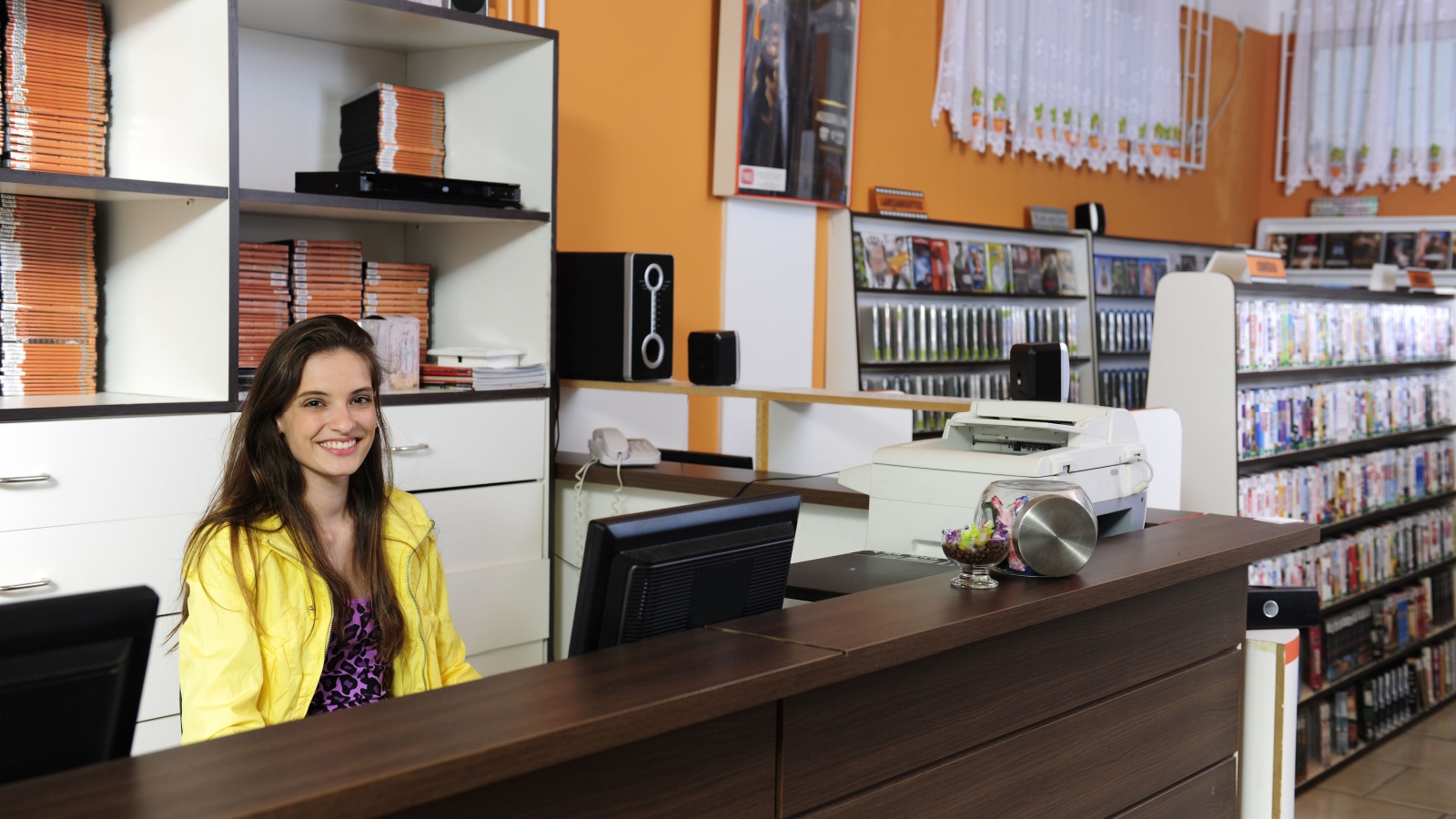
Cold, dark Friday evenings often came with a family decision: which movie was worth renting? Video stores turned that question into an outing. Children wandered along walls covered with VHS boxes while adults checked new releases, and popular titles occasionally required a backup plan because every copy had already been taken. Choosing the movie was only the first responsibility. Someone also had to remember the return deadline—and, during the VHS era, whether the cassette had been rewound.
Canadian household spending shows how substantial the rental habit became. Statistics Canada reported that average household spending on videotape rentals rose from $74 in 1986 to $92 in 1996, alongside the enormous increase in VCR ownership. The rental-store experience eventually gave way first to DVDs and then to digital services. Streaming replaced scarcity with almost overwhelming choice: there is no last copy on the shelf and no trip through wet November weather to return it. What disappeared with that convenience was a small weekly ritual that once made picking a movie feel like an event.
Calling Friends on the Family Landline

After school, making plans usually meant calling a house rather than calling a person. A child might dial a friend’s number and hear a parent, older sibling or grandparent answer first. Conversations happened within earshot of everyone in the kitchen, and tying up the line too long could produce complaints from other family members. Homes with extra extensions offered slightly more privacy, although another person could still pick up a receiver elsewhere and instantly become part of the conversation.
The numbers illustrate just how ordinary household telephones were. Statistics Canada’s 1990 Canada Year Book reported that only 1.5% of Canadian households had no telephone in 1988. More than a quarter had three or more phones. Mobile communication was still limited in the 1990s; Statistics Canada reported that cellular phones were in about 26% of households in 1998. Today, family members typically have individual smartphones and private messaging accounts. Calling someone’s entire household simply to ask whether a friend could come outside has become an increasingly unfamiliar childhood experience.
Carrying Change in Case a Payphone Was Needed
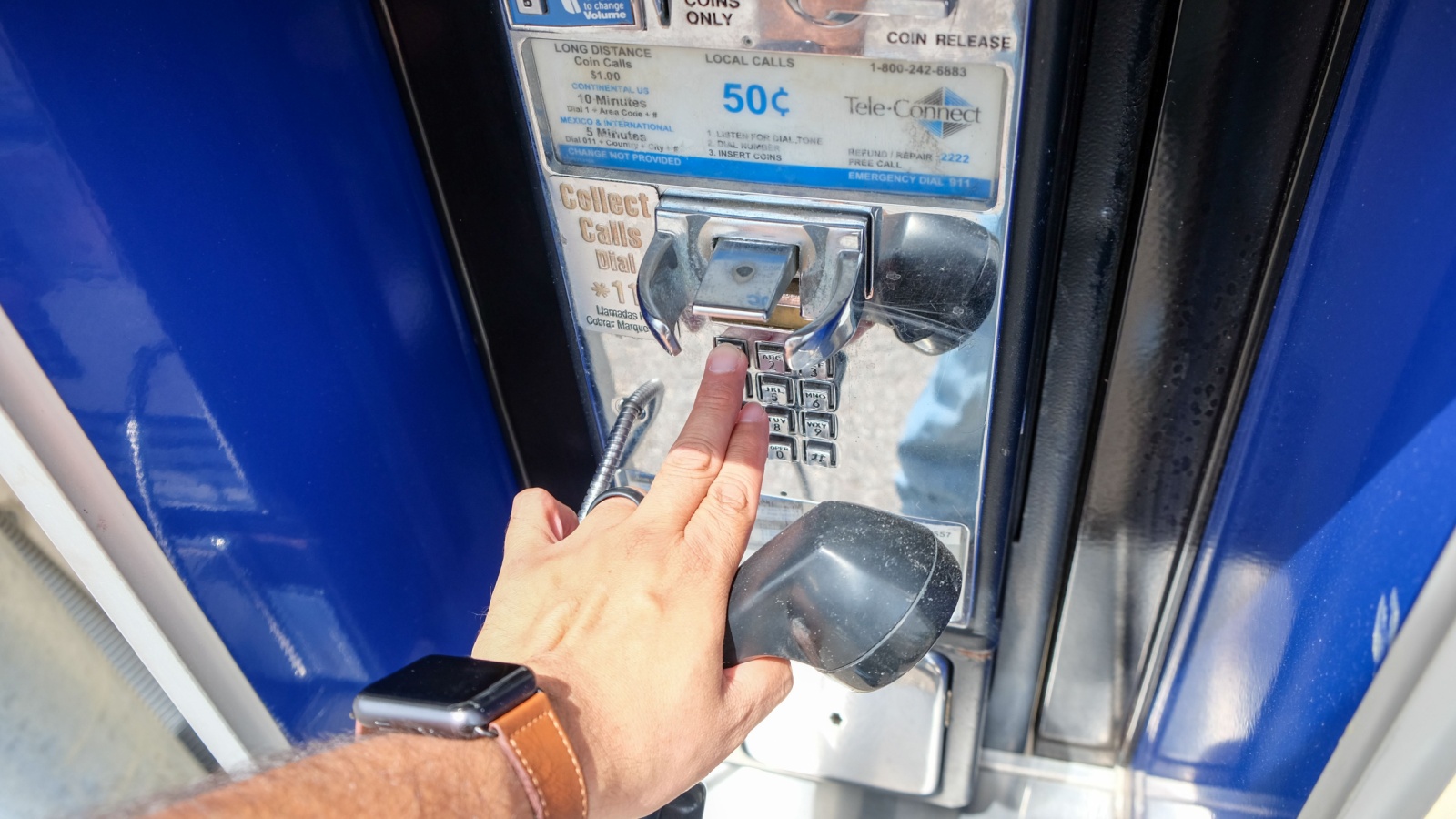
Leaving home without a cellphone required a little planning. Children meeting friends at a mall, arena or community centre often knew where the nearest payphone was and were reminded to keep some coins available for calling home. Parents could arrange pickup times in advance, but when plans changed, that public phone mounted on a wall or standing inside a booth became the link back to the household.
Payphones remained extremely visible around the end of the 1990s. CRTC figures show roughly 190,000 payphones in Canada in 1999, with the total declining during the early 2000s as cellular use expanded. By 2015, the regulator described payphone service as declining substantially in both availability and usage. For today’s children, even recognizing how to operate one may require an explanation. There was no contact list, location sharing or instant group chat. A missed pickup could mean standing beside the same entrance and waiting, or feeding another coin into the phone and hoping somebody was home to answer.
Recording Favourite Songs Straight From the Radio

A perfectly timed cassette recording was a minor accomplishment. Young listeners waited beside radios for favourite songs, pressed “record” when the opening notes appeared and tried to stop the tape before the announcer started speaking. Building a mixtape could consume an entire autumn evening. Songs had to fit onto Side A and Side B, and recording over the wrong cassette could erase something that had taken weeks to collect.
Cassette equipment was genuinely widespread in Canadian households. Statistics Canada found cassette recorders in about 61% of homes in 1986 and nearly 79% by 1995. Industry figures also show the scale of prerecorded tape consumption: approximately 44 million analog tapes were sold in Canada during 1990-91. CDs were expanding rapidly at the same time, eventually replacing cassettes as the dominant physical format. Streaming later removed almost every obstacle. A modern playlist can contain hundreds of songs assembled in seconds. The earlier version required patience, luck and occasionally sitting silently beside a radio so nobody’s voice ended up permanently preserved between two songs.
Spending Saturday at a Record Store Looking for New Music

Fall shopping trips to Canadian malls often included a stop at a record store. Teenagers could spend long stretches scanning racks at Sam the Record Man, HMV, A&A or independent shops, comparing cassette and CD prices and checking sections devoted to new releases. Album artwork, liner notes and staff recommendations mattered because hearing an entire recording before purchasing it usually was not possible.
The physical music business was enormous during the period. Statistics Canada recorded approximately 44 million analog tapes and 20.8 million CDs sold in 1990-91. By 1995-96, CD sales had soared to more than 81 million units. Sam the Record Man, meanwhile, reached nearly 140 stores at its 1980s-and-1990s height according to historical research on the chain. Streaming later transformed music into something instantly searchable from almost anywhere. Young Canadians still buy vinyl and visit record shops, but walking through a mall specifically to spend saved allowance money on one cassette or CD no longer defines mainstream music discovery the way it once did.
Dropping a Roll of Film at the One-Hour Photo Counter

Thanksgiving dinners, pumpkin patches, school events and Halloween costumes once produced photographs that nobody could immediately inspect. A camera might contain 24 or 36 exposures, and families often finished the roll before taking it to a drugstore, mall or dedicated photo counter. Then came the wait. Even “one-hour” service required leaving the film behind before returning to discover whether the pictures were sharp, badly framed or accidentally captured with someone’s eyes closed.
Photo finishing was sufficiently established that Statistics Canada’s industrial classifications specifically identified one-hour photo businesses as establishments that developed film and printed photographs for consumers, often from locations inside shopping malls. Digital photography began advancing during the 1990s, with consumer-oriented digital cameras reaching the market later in the decade. Smartphones eventually made delayed photographic discovery almost unimaginable. Children now see Halloween pictures seconds after they are taken and can delete unwanted shots immediately. The old envelope of glossy prints created a completely different experience: the memories were captured in October, but the first look at them came later.
Unfolding a Paper Map for the Thanksgiving Drive

A long Thanksgiving-weekend drive could turn the passenger seat into a navigation centre. Large road maps were folded into glove compartments, while CAA maps and TripTiks helped families work through unfamiliar routes. Someone had to locate the tiny highway number, watch for the next town and announce that a turn was approaching. Missing it could mean continuing until there was somewhere safe to stop and work out where the car had gone wrong.
Paper maps have not completely disappeared—CAA still makes them available—but even the organization now describes traditional maps as “old-school” tools in an era dominated by smartphones and GPS navigation. Modern systems continuously recalculate routes, report congestion and announce turns aloud. The older method demanded much more geographic awareness. Children sitting in the back seat might follow the route across a province simply because there was little else to do. Today’s passengers can arrive somewhere without ever seeing the broader route, while that enormous creased map once made the shape of the journey impossible to ignore.
Searching the Phone Book Instead of Searching Online
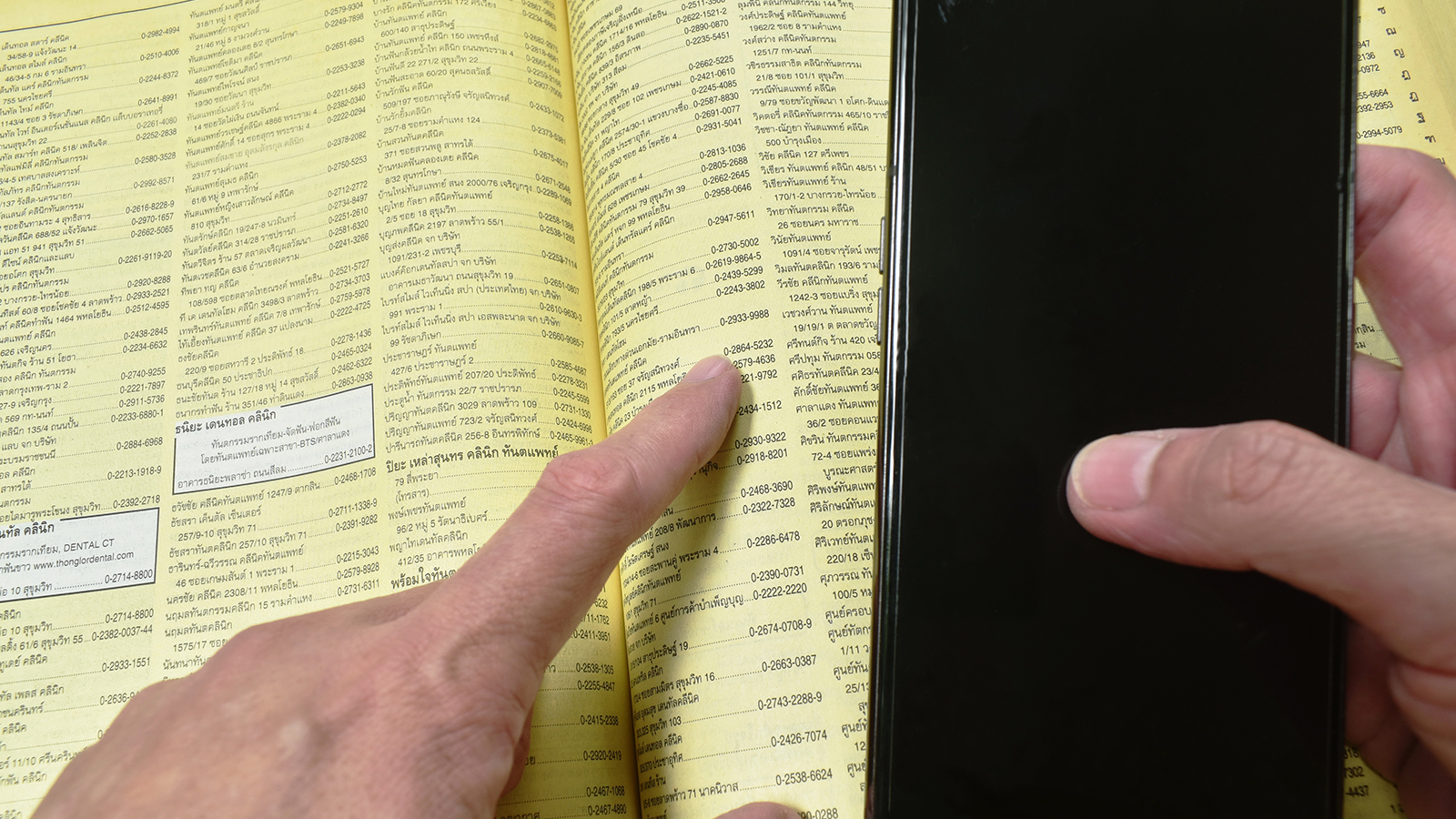
Fall chores frequently produced questions such as: What time does the hardware store close? Who repairs furnaces nearby? What is the number for the arena? The solution could be a thick telephone directory kept near the household phone. Residential listings appeared in the white pages, while businesses were organized by category in the Yellow Pages. Knowing someone’s surname often mattered as much as knowing their first name.
Printed directories were so routine that telephone service frameworks historically included access to them. That world has steadily vanished. The CRTC eliminated the basic-service requirement involving printed telephone directories in 2016, and subsequent rulings have allowed carriers to remove remaining print-directory obligations. The regulator has explicitly noted that directory information can now be found more readily through digital methods. Younger Canadians can search a business name, see operating hours and start navigation without ever looking up a telephone number. Pulling a several-centimetres-thick book from a kitchen drawer just to find a local store can now feel like using an encyclopedia to answer a text message.
Carrying the Orange UNICEF Box on Halloween Night

For many Canadian children, a Halloween costume once came with an additional accessory: a small orange UNICEF box. Trick-or-treaters carried it from house to house alongside candy bags, asking neighbours for spare change to help children elsewhere in the world. The box rattled more loudly as the night progressed, filling with pennies, nickels, dimes, quarters and eventually loonies and toonies.
The tradition had unusually deep Canadian roots. UNICEF says Canadian participation began in the early 1950s and helped lead to the establishment of UNICEF Canada in 1955. For decades, tens of thousands of children participated. UNICEF Canada says the traditional orange-box campaign eventually ended in 2006, after roughly 50 years during which it raised about $90 million. Modern fundraising has increasingly moved online, with digital campaigns and QR codes replacing collections of coins. That makes the original box especially evocative for adults who grew up in the 1980s and 1990s: Halloween was not only about counting candy afterward but sometimes about counting a surprisingly heavy pile of change as well.
Doing Fall Homework Without Home Internet

September homework looked dramatically different before internet access became an ordinary household utility. Research could mean using school or public libraries, printed encyclopedias, dictionaries and whatever reference books happened to be available at home. Finding one fact could require considerably more effort than typing a sentence into a search bar. Students also had fewer opportunities to message classmates instantly when an assignment had been forgotten.
Statistics Canada’s figures show how late the transition occurred. Only about 10% of Canadian households had a home computer in 1986. By 1993, that figure was still around 23%. Even in 1998, computer ownership had risen to only 45% of households, while home internet access was around 25%. Schools were connecting much faster by the end of the decade, but access at home remained far from universal. Today, a child researching a fall project can reach libraries, videos, databases and classmates from a bedroom. In the earlier era, finishing an assignment might require finding a ride to the library before it closed.
Tying Up the Telephone Line to Go Online

By the late 1990s, some households had entered a new technological era—but using the internet often produced an unmistakable sequence of electronic squeals, clicks and static. Dial-up modems connected through the household telephone line. Once somebody went online, incoming callers could encounter a busy signal and other family members could not simply pick up the phone and make a normal call.
The inconvenience was significant enough to help define the appeal of emerging broadband technology. During a 1998 CRTC proceeding, industry testimony described dial-up modem access as the method used by the vast majority of internet subscribers and noted that always-on ADSL could free the telephone line. At the same time, Statistics Canada found that only 13% of Canadian households were using the internet from home in 1997, rising quickly as the decade ended. Modern children can have phones, televisions, tablets, consoles and computers connected simultaneously. The notion that checking a website could prevent the entire household from receiving a telephone call belongs to a remarkably recent technological past.
Burning Fallen Leaves Where Local Rules Allowed It
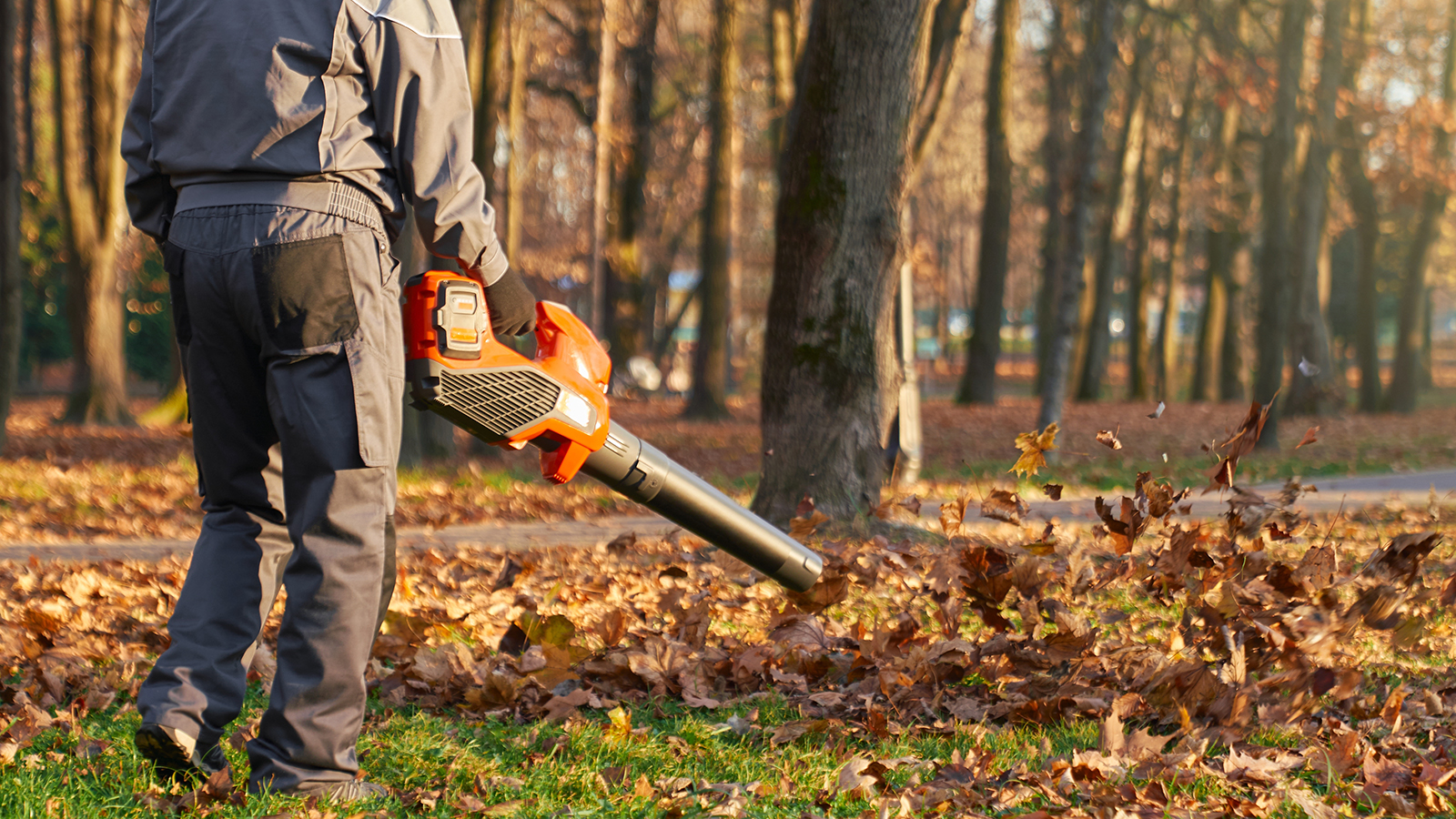
The smell of smoke mixing with cool autumn air was once familiar in some Canadian rural and suburban communities. Fallen leaves and other yard debris could be piled together and burned rather than collected for municipal composting. Practices varied greatly by location, and open burning was never permitted everywhere, but older fall cleanup routines could involve backyard fires in places where regulations allowed them.
Environmental and municipal rules have increasingly pushed households toward very different choices. Environment and Climate Change Canada notes that open burning of yard waste can release harmful pollutants and says many communities have adopted bylaws prohibiting or restricting outdoor burning. Governments now encourage alternatives such as mulching leaves, backyard composting or municipal organics collection. That shift means children in many urban communities are far more likely to see leaves placed into compost systems—or deliberately left on lawns for ecological reasons—than watched over as a smoky autumn pile. What once appeared to be a straightforward cleanup method is now treated much more cautiously because its environmental and health effects are better understood.
Stuffing Fall Leaves Into Plastic Garbage Bags
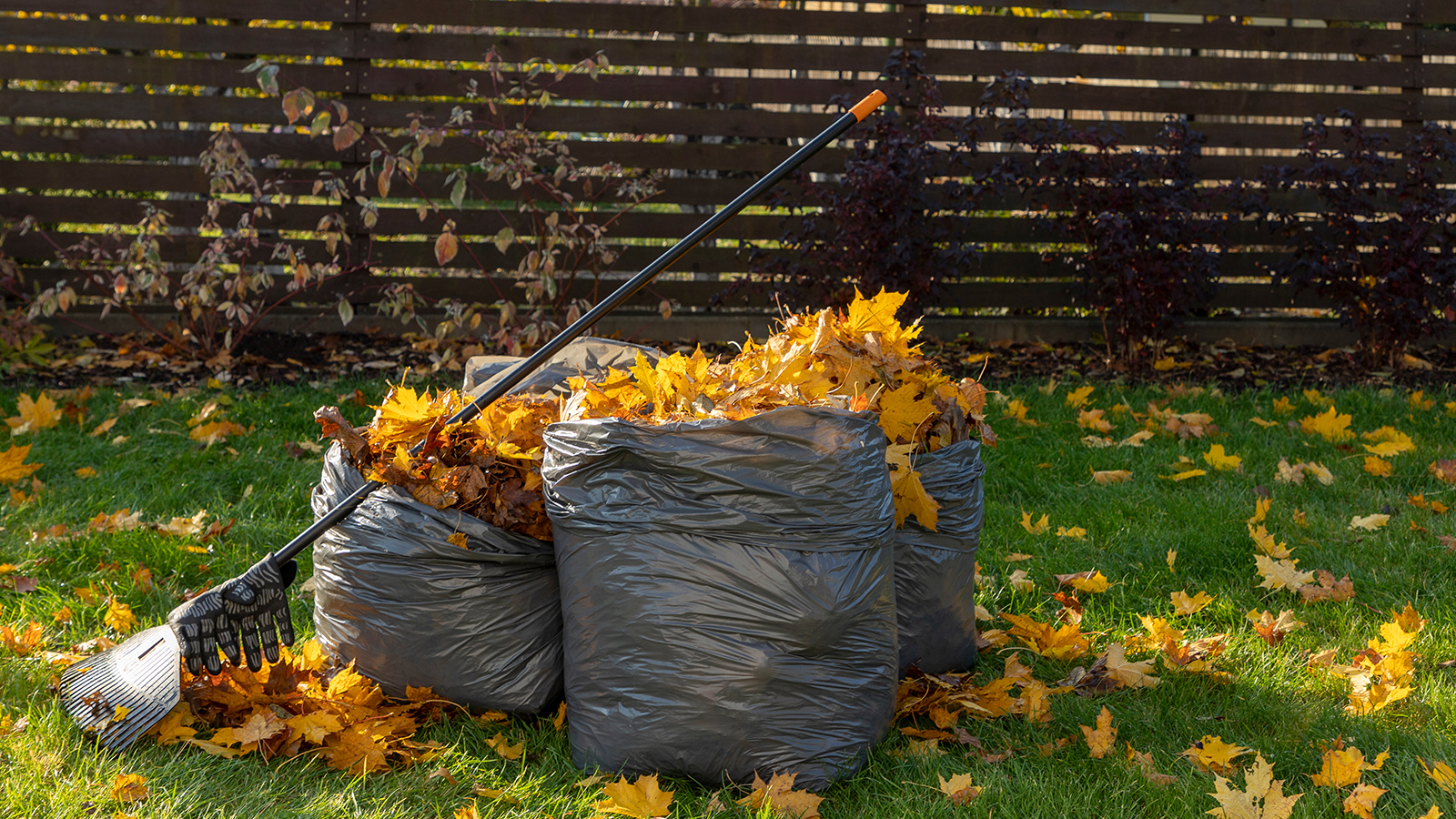
Even households that did not burn leaves often dealt with them in a way that would look wrong beside today’s curb: stuffing yard waste into plastic bags. Raking could consume an entire Saturday, with children jumping into piles before adults eventually packed the leaves into bag after bag. Modern municipal programs increasingly require kraft paper bags, reusable containers or other systems designed for composting.
Toronto provides a useful example of how the transition occurred. A city report from 2000 described the problems created when leaf and yard waste arrived at composting facilities inside plastic bags. Plastic had to be screened out and contaminated the finished material. The municipality had already tested kraft-paper collection programs involving 1,500 Etobicoke households in 1996 and another 3,000 households in 1998. Toronto now tells residents that plastic bags containing ordinary yard waste will not be collected. Policies differ across Canada, but the broader move toward organics diversion changed the appearance of fall cleanup. Mountains of dark plastic lawn bags, once unremarkable on some residential streets, are much less compatible with modern composting systems.
Walking Through the House to Change Every Clock
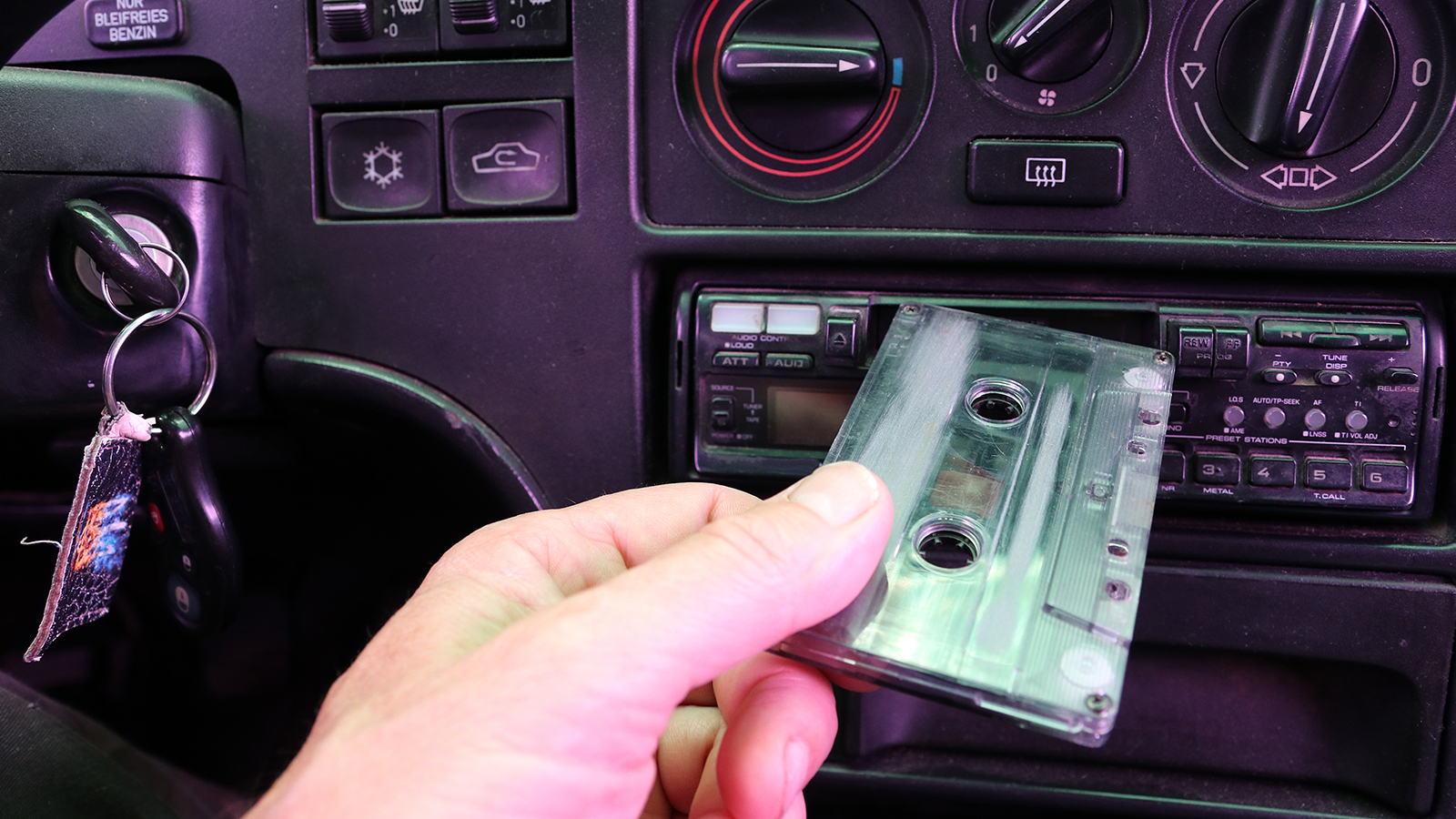
The autumn time change once created a household scavenger hunt. Someone had to adjust the kitchen clock, bedside alarm clocks, watches, the VCR, the microwave, perhaps the car stereo and any other device stubbornly displaying the old time. Missing one could cause confusion the next morning. The VCR was especially notorious because its clock often required an instruction manual—or at least a patient person willing to repeatedly press tiny buttons.
Most Canadian regions observed the familiar autumn change during the 1980s and 1990s. The National Research Council notes that from 1987 through 2006, the standard North American daylight-saving period ended on the last Sunday in October; the schedule changed in 2007. Modern network-connected phones and computers can synchronize automatically, while many internet-connected household devices update themselves as well. Some clocks still require manual adjustment, and parts of Canada do not make seasonal changes at all. Even so, the ritual of wandering room to room correcting nearly every timepiece has shrunk dramatically as clocks have become connected rather than independent household objects.
16 Costco Canada Habits That Could Be Costing Shoppers More Than They Save

The Executive Membership can feel like an obvious upgrade because the 2% annual reward sounds straightforward. For households that spend heavily at Costco Canada, the extra fee may be easy to justify. But the habit becomes costly when shoppers upgrade first and calculate later. A Gold Star Membership costs less, while Executive costs more and only pays off if eligible annual spending is high enough to offset the difference.
16 Costco Canada Habits That Could Be Costing Shoppers More Than They Save
