Halloween is hardly disappearing from Canadian childhood. Millions of children are still in prime trick-or-treating age groups, and recent polling shows door-to-door candy collecting remains remarkably popular. What has changed is the experience surrounding it. Safety expectations are stronger, school celebrations are more inclusive, commercial Halloween shopping has expanded, digital entertainment has replaced appointment television, and even Canada’s October weather is changing.
That means some rituals once closely associated with October 31 are becoming less automatic with each generation. Some are disappearing for sensible reasons, while others are simply being replaced by new traditions. These 16 Halloween traditions Canadian kids are slowly losing capture how an unmistakably familiar night can still feel very different from the one many parents remember.
Homemade Costumes Made From Whatever Was Around
There was a particular kind of creativity involved in building a Halloween costume from an old sheet, cardboard box, winter coat and whatever could be found in the basement. A parent might sacrifice an old shirt, cereal boxes became robot armour, and aluminum foil could turn an ordinary kid into something vaguely futuristic. The costume did not necessarily resemble a recognizable movie character, but that was almost beside the point. Making it was part of Halloween.
Homemade costumes certainly have not vanished, and surveys suggest Canadians still value customization and originality. What has changed is the size of the commercial ecosystem surrounding them. Retail Council of Canada research found Halloween increasingly generates dedicated shopping trips, with costumes and clothing among the categories consumers deliberately purchase. Seasonal Halloween stores, online ordering and licensed characters make it easier to buy a complete look instead of improvising one at the kitchen table. The result is not the death of creativity, but the gradual loss of the assumption that a child’s Halloween costume starts with whatever happens to be in the house.
The Last-Minute Halloween Shopping Scramble
Halloween preparation once had a reputation for being wonderfully disorganized. A forgotten costume might be assembled the night before, while candy was purchased on the way home from work on October 31. Stores were picked over, the remaining pumpkins looked questionable, and families improvised. For plenty of Canadian children, that frantic final-day scramble became part of the excitement.
Shopping data suggest Halloween is becoming much more planned. Retail Council of Canada research found that in 2024, 47% of Halloween shoppers expected to make purchases two to four weeks before Halloween, compared with 34.6% the previous year. Only 8.7% expected to shop at the last minute, down substantially from 18.2% in 2023. Retailers have also stretched Halloween merchandise deeper into September and sometimes earlier. Kids still change their minds about costumes at inconvenient moments, of course, but Halloween increasingly resembles a seasonal shopping campaign rather than a one-night improvisation. The desperate October 30 hunt for vampire teeth, orange makeup or one surviving pumpkin may eventually become more family story than annual ritual.
Carrying the Orange UNICEF Box
For generations of Canadian children, Halloween involved collecting two things at every doorstep: candy for themselves and coins for someone else. The little orange UNICEF box became one of the most recognizable objects associated with Canadian trick-or-treating. Children carried it beside their candy bags and returned with pennies, nickels, dimes, quarters and eventually loonies collected from neighbours.
The tradition had remarkable longevity. UNICEF traces Canadian Halloween fundraising to the early 1950s, and the program eventually became important enough to help establish UNICEF Canada itself. At its peak, the Halloween campaign raised millions of dollars annually. The organization stopped distributing the familiar orange collection boxes in 2006, later reintroducing Halloween fundraising through digital initiatives. UNICEF even revived the box’s image nostalgically in 2025, acknowledging how strongly Canadians remember it. Today’s children can still fundraise, but the physical ritual is fundamentally different. A QR code or online donation page cannot reproduce the unmistakable sound of loose change rattling inside a cardboard box while children hurried from one illuminated porch to the next.
Homemade Treats From the Neighbours
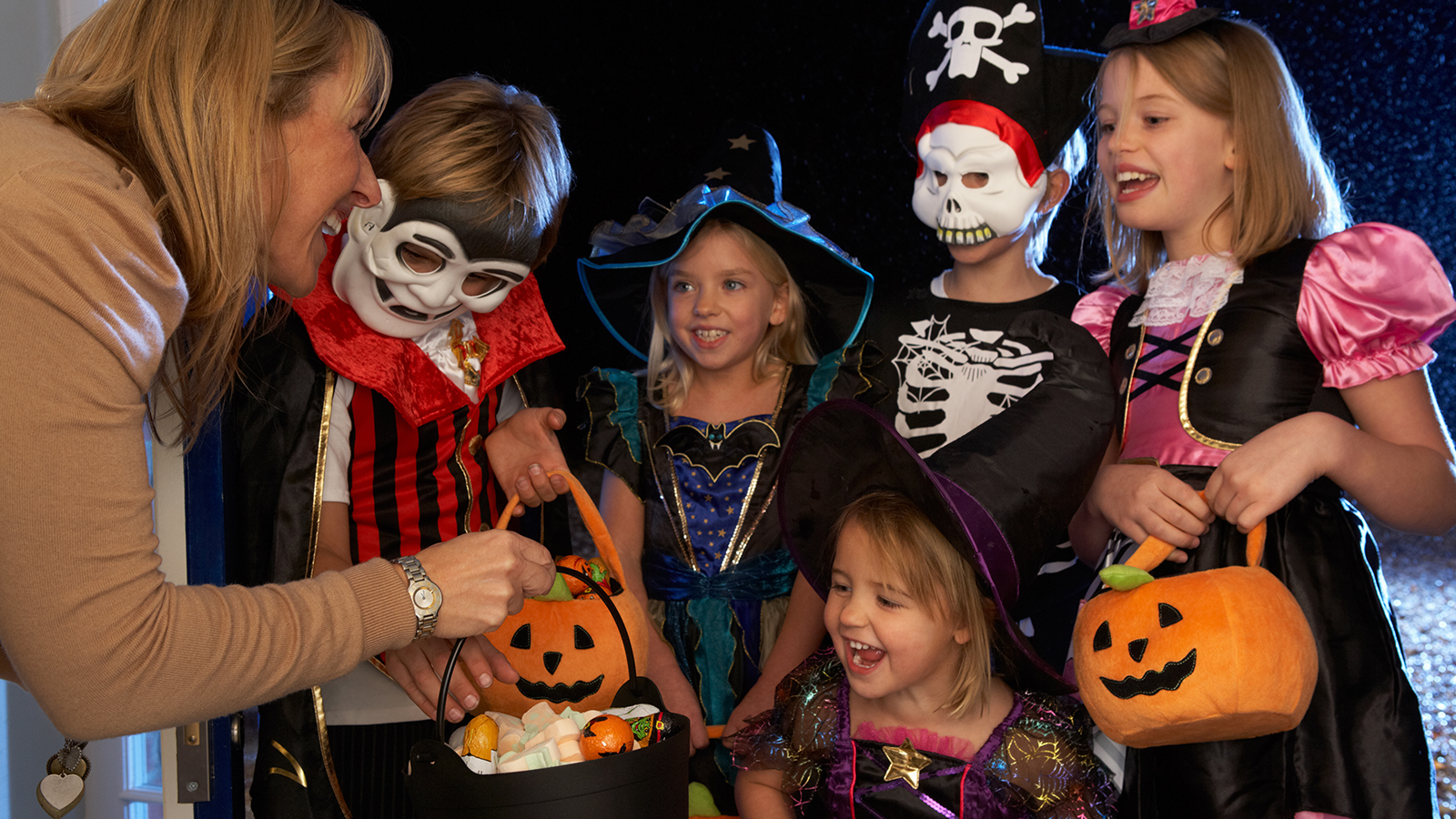
Older generations sometimes remember Halloween bags containing considerably more than miniature factory-wrapped chocolate bars. A neighbour might hand out homemade cookies, popcorn balls, fudge or caramel apples. When families knew one another well, the identity of the person making the treat could provide reassurance that would be much harder to establish in a large modern neighbourhood.
Canadian food-safety guidance now points families decisively in another direction. Health Canada advises parents to reject treats that are not commercially wrapped and specifically recommends throwing away homemade Halloween treats. Adults are also encouraged to examine packaging before children eat anything. Those recommendations reflect a broader emphasis on predictable ingredients, food safety and allergy awareness. As a result, one of Halloween’s most personal traditions has largely become impractical. A carefully wrapped homemade popcorn ball may represent genuine neighbourly generosity, but many parents would understandably remove it from the candy pile. Factory packaging has provided greater reassurance and clearer ingredient information, yet it has also made Halloween treats considerably more standardized than the assortment children once brought home.
Eating Candy Before the Trick-or-Treating Was Finished

Few Halloween temptations are greater than a candy bag that gets heavier every few minutes. For generations, children slipped a chocolate bar or handful of candies out of the bag while walking between houses. By the time everyone returned home, wrappers might already be tucked into pockets and the evening’s best treats had sometimes disappeared.
That spontaneous snacking is increasingly discouraged. Health Canada recommends that children wait until an adult has checked their treats, particularly looking for damaged or open packaging. Food-allergy organizations similarly recommend that children with allergies avoid eating candy while trick-or-treating so labels can be reviewed first. Families managing serious allergies may sort the entire haul, exchange unsafe treats or arrange safe alternatives with neighbours. It makes modern Halloween safer and more accessible, but changes the rhythm of the night. Candy increasingly becomes something collected first and examined later. For a child eager to find out whether the house at the corner gave out full-size chocolate bars, waiting until the bag reaches the kitchen table can feel like a surprisingly modern Halloween rule.
Roaming the Neighbourhood Without Adults
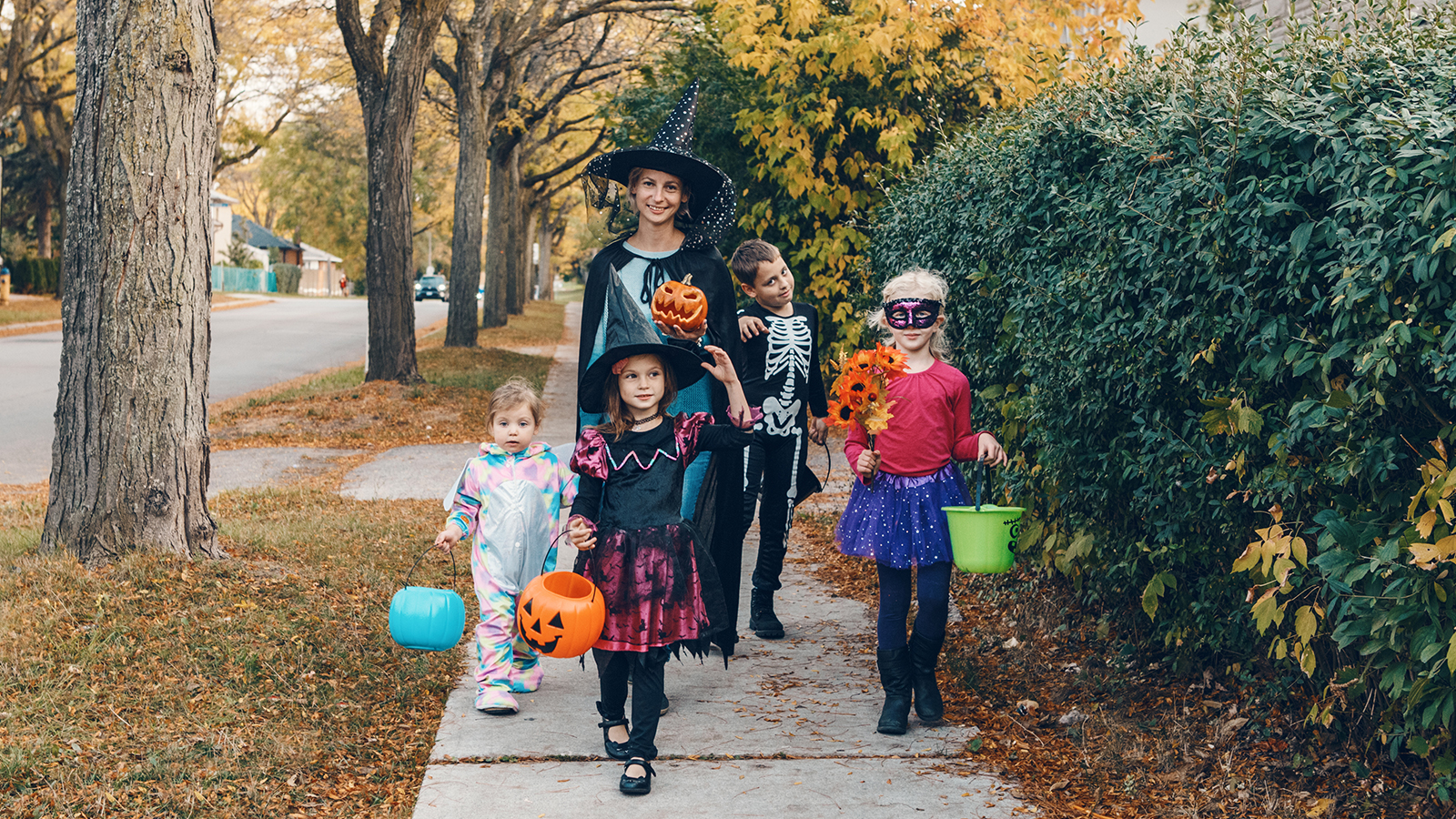
An older childhood version of Halloween frequently involved a group of children disappearing down the sidewalk while parents remained home handing out candy. Older siblings might be nominally in charge, but adults were not necessarily walking a few steps behind. Halloween briefly turned suburban streets into children’s territory, filled with independent groups navigating their own neighbourhoods after dark.
That kind of independence has become less common well beyond Halloween. The Canadian Paediatric Society says opportunities for outdoor free play and risky play have declined significantly over recent decades as families and institutions have prioritized greater supervision and structured activities. Halloween safety recommendations reflect those expectations. Health Canada advises adults to accompany children until they are old enough to go with friends, while injury-prevention organizations emphasize adult or responsible older-child supervision for younger trick-or-treaters. The change is understandable because Halloween combines darkness, traffic and distracted children. Still, it alters something important about the night. For many previous generations, Halloween was one of the first occasions when children were trusted to navigate several neighbourhood blocks largely on their own.
Making Up the Route as Kids Went Along
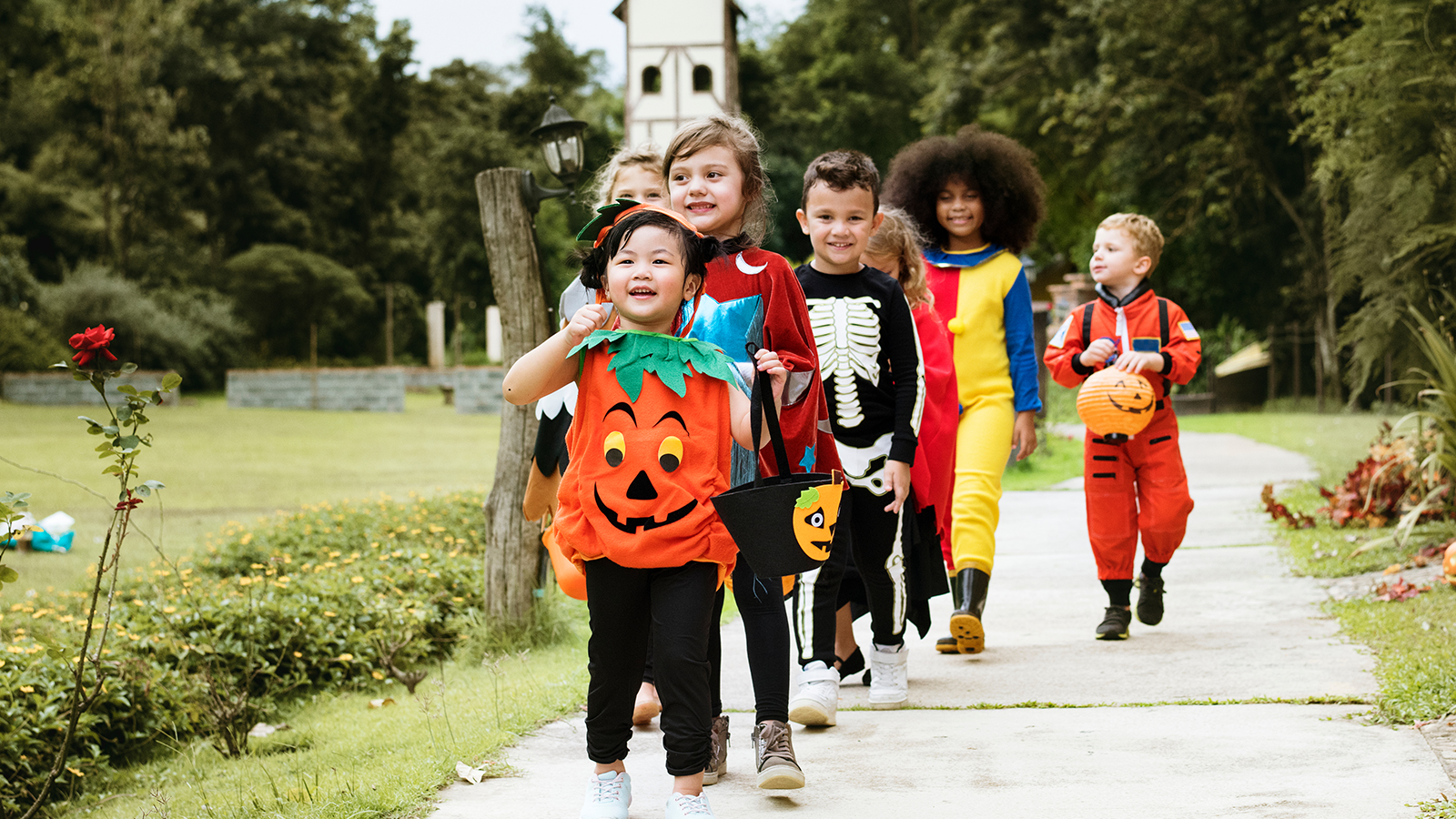
Part of old-fashioned trick-or-treating was uncertainty. Children left home with a general direction rather than an itinerary. One group might hear that a house two streets over was giving out cans of pop and suddenly change course. Another might wander farther than expected before realizing there was still a long walk home carrying several kilograms of candy.
Modern safety guidance increasingly favours more deliberate routes. The Canadian Red Cross recommends planning the trick-or-treating route ahead of time and having children stay on one side of a street before crossing safely. Health Canada recommends remaining in well-lit locations, visiting homes with outdoor lights illuminated and crossing streets at appropriate locations. None of that eliminates spontaneity, but it makes the evening more organized. Smartphone location sharing gives families another tool previous generations did not possess. The destination-by-destination adventure consequently becomes harder to separate from parental oversight. Today’s children may cover just as much territory, but the experience of wandering wherever the brightest porch lights or rumours of exceptional candy lead them is becoming less central to Halloween.
Knocking on Nearly Every Door
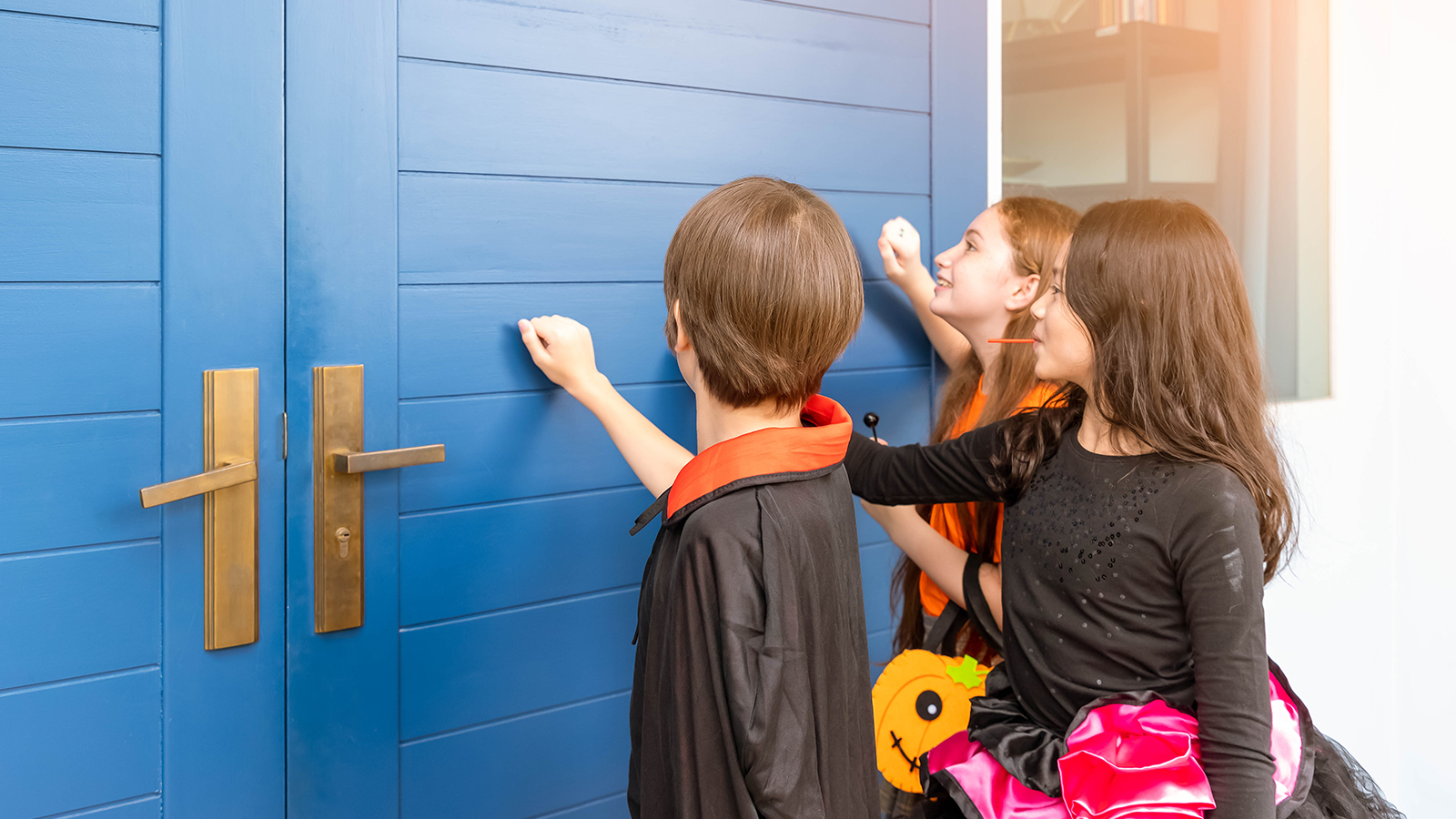
There was once a wonderfully simple assumption behind trick-or-treating: if a house existed, it was worth trying. Children sometimes climbed dark porches, rang doorbells at houses without decorations and waited hopefully to discover whether anybody inside had remembered Halloween. Occasionally the reward was candy. Occasionally nobody answered. Occasionally a surprised homeowner searched the kitchen for something remotely suitable.
The modern signal is clearer: an illuminated porch generally means trick-or-treaters are welcome, while darkness means keep moving. Health Canada explicitly recommends that children visit only homes with their outside lights turned on. Participation is not universal, either. Leger found that 46% of Canadian adults planned to hand out candy in 2025, while 39% expected to decorate. Trick-or-treating itself remains strong—80% of children old enough to participate were expected to do so—but participating families increasingly navigate a patchwork of clearly active homes. That produces more efficient routes, yet also removes some of Halloween’s uncertainty. The childhood experiment of ringing practically every doorbell on the block is slowly yielding to a recognizable neighbourhood code.
The Automatic School Halloween Parade
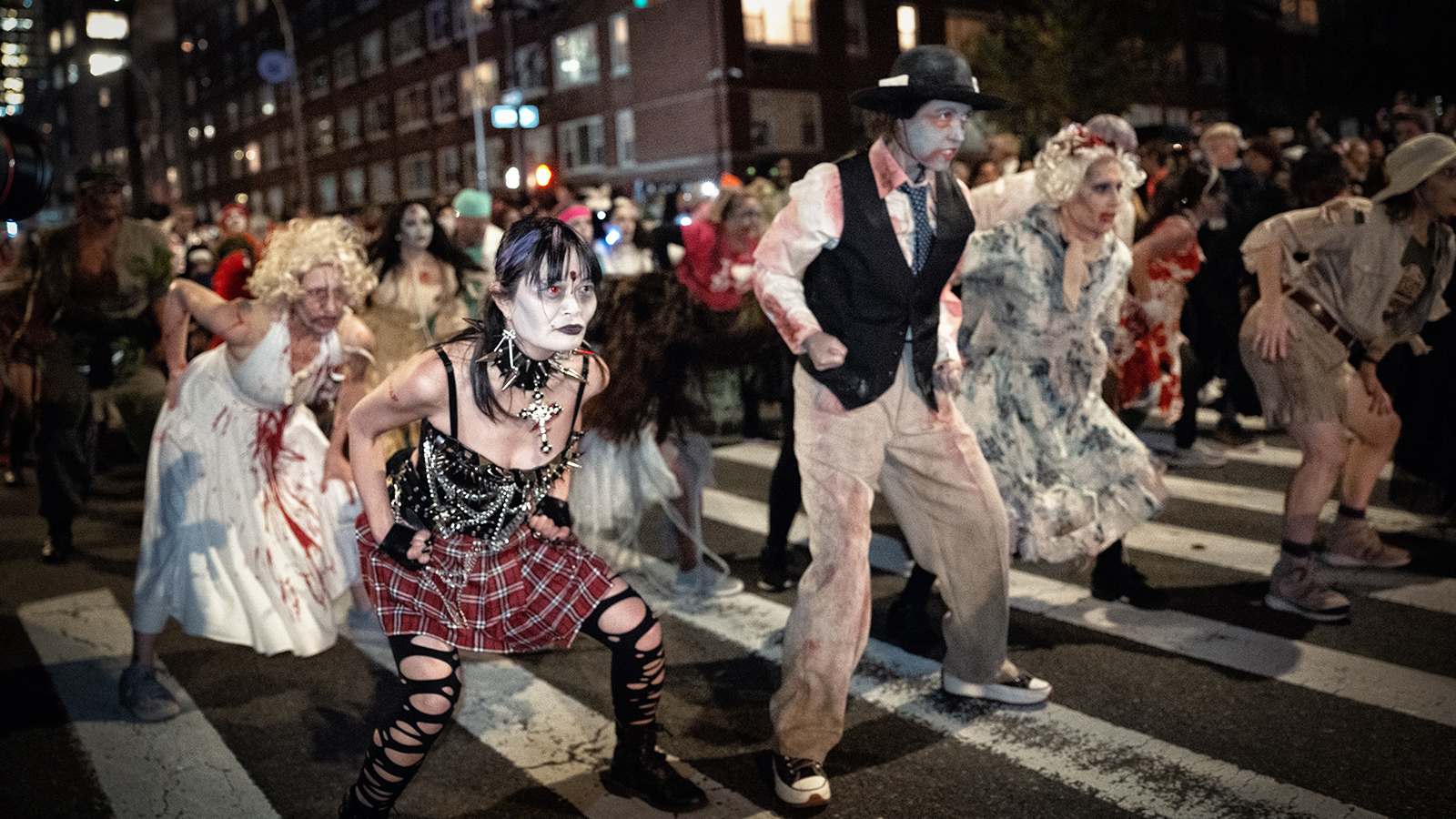
For many Canadian elementary students, Halloween once came with two separate events: trick-or-treating after school and a daytime costume parade through classrooms, hallways or the gym. Children arrived wearing costumes over their regular clothes, teachers dressed up, and the school day might effectively surrender to Halloween by afternoon.
School celebrations have become more varied. Some Canadian schools still enthusiastically hold costume events, but participation increasingly comes with alternatives and guidelines. The Toronto District School Board has emphasized that participation in Halloween activities is optional and asks schools to consider cultural appropriation, stereotypes and potentially harmful imagery. Waterloo Region schools have similarly emphasized that not every family celebrates Halloween, with some schools offering orange-and-black days or other alternatives. Safety restrictions commonly prohibit masks and weapon-like props. These changes do not amount to a nationwide Halloween ban; practices differ considerably by school. What is fading is the assumption that every student will arrive dressed up and that an all-school costume parade is simply an unquestioned part of October 31.
Bringing Halloween Treats for the Entire Class

The classroom Halloween party once meant desks pushed aside and an improbable buffet of cupcakes, cookies, chips and candy supplied by several families at once. Children might already have consumed more sugar during school than they would later collect while trick-or-treating. Treat bags were sometimes exchanged between classmates, guaranteeing that Halloween followed students home before the first doorbell was ever rung.
Food allergies, nutritional policies and inclusion concerns have made that custom much less straightforward. Canadian schools increasingly restrict shared food or ask families not to bring classroom treats. Waterloo Region schools, for example, have published Halloween guidance prohibiting edible treats in some classrooms to reduce allergy risks and respect dietary restrictions and families who do not celebrate Halloween. Food Allergy Canada also provides specific advice for making Halloween events safer and more inclusive. Many schools still celebrate with games, costumes, crafts and themed activities. What has changed is the overflowing communal snack table. For children growing up under modern allergy protocols, homemade cupcakes from another student’s kitchen may never become part of their Halloween memories at all.
Wearing a Full-Face Halloween Mask
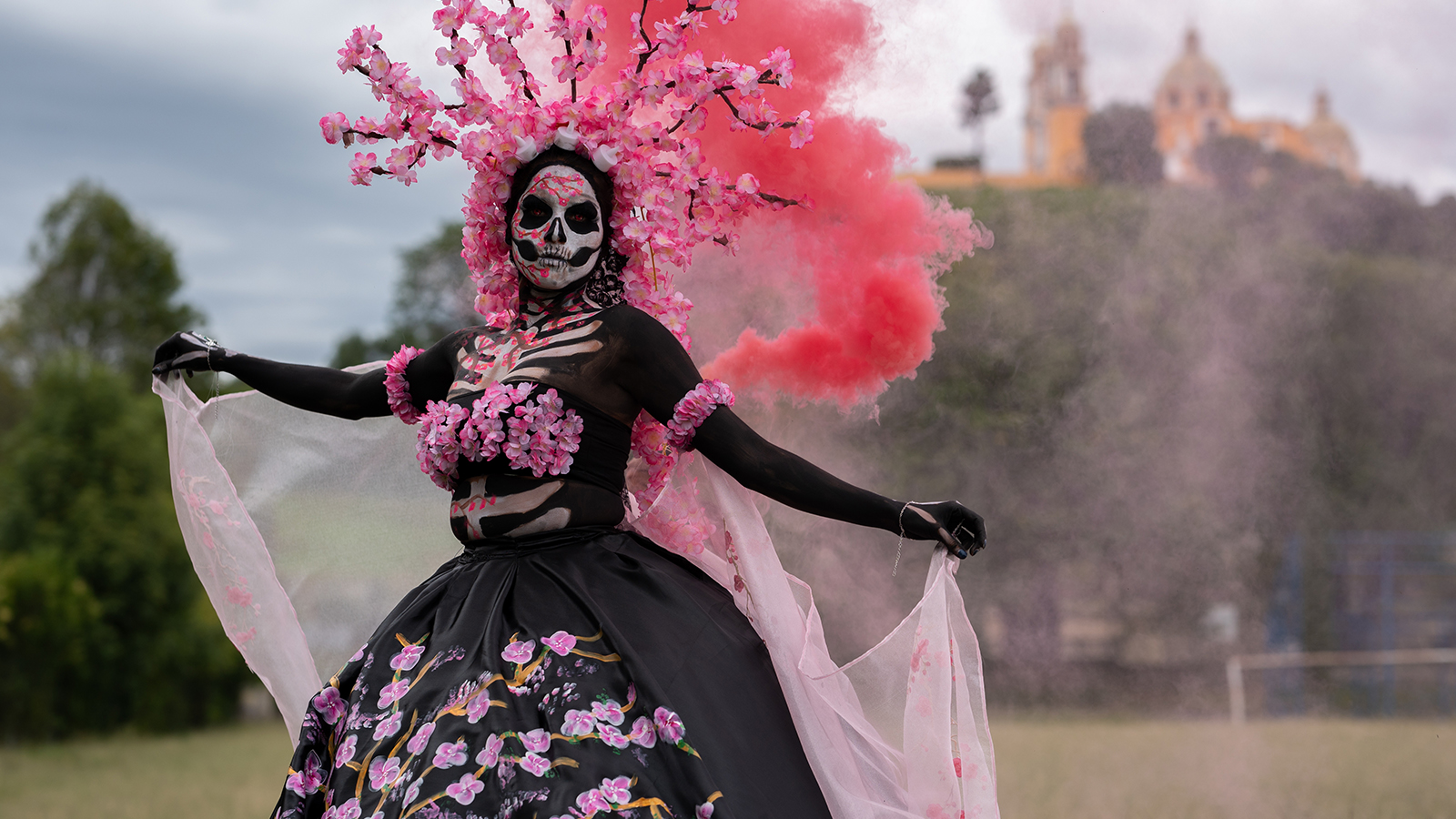
The inexpensive plastic Halloween mask was once practically its own costume category. Elastic held it to a child’s face, tiny eye openings made peripheral vision questionable, and breathing through it could become uncomfortable before the first block was finished. Masks depicting superheroes, monsters and cartoon characters were sold alongside simple costume smocks, creating an instantly recognizable Halloween look.
Modern safety guidance strongly favours alternatives. Health Canada recommends makeup or face paint instead of improperly fitted masks because masks can interfere with vision or breathing. Parachute, Canada’s national injury-prevention organization, makes a similar recommendation, particularly because restricted peripheral vision can make it harder for children to check traffic. School policies frequently prohibit full-face masks for related safety and identification reasons. Masks certainly remain available and elaborate versions are still popular with older Halloween enthusiasts, but the cheap full-face mask worn by a young child while walking several dark streets has become harder to defend. Face paint, hoods and open-faced costumes increasingly provide the transformation without sacrificing as much visibility.
Lighting the Jack-o’-Lantern With a Real Candle
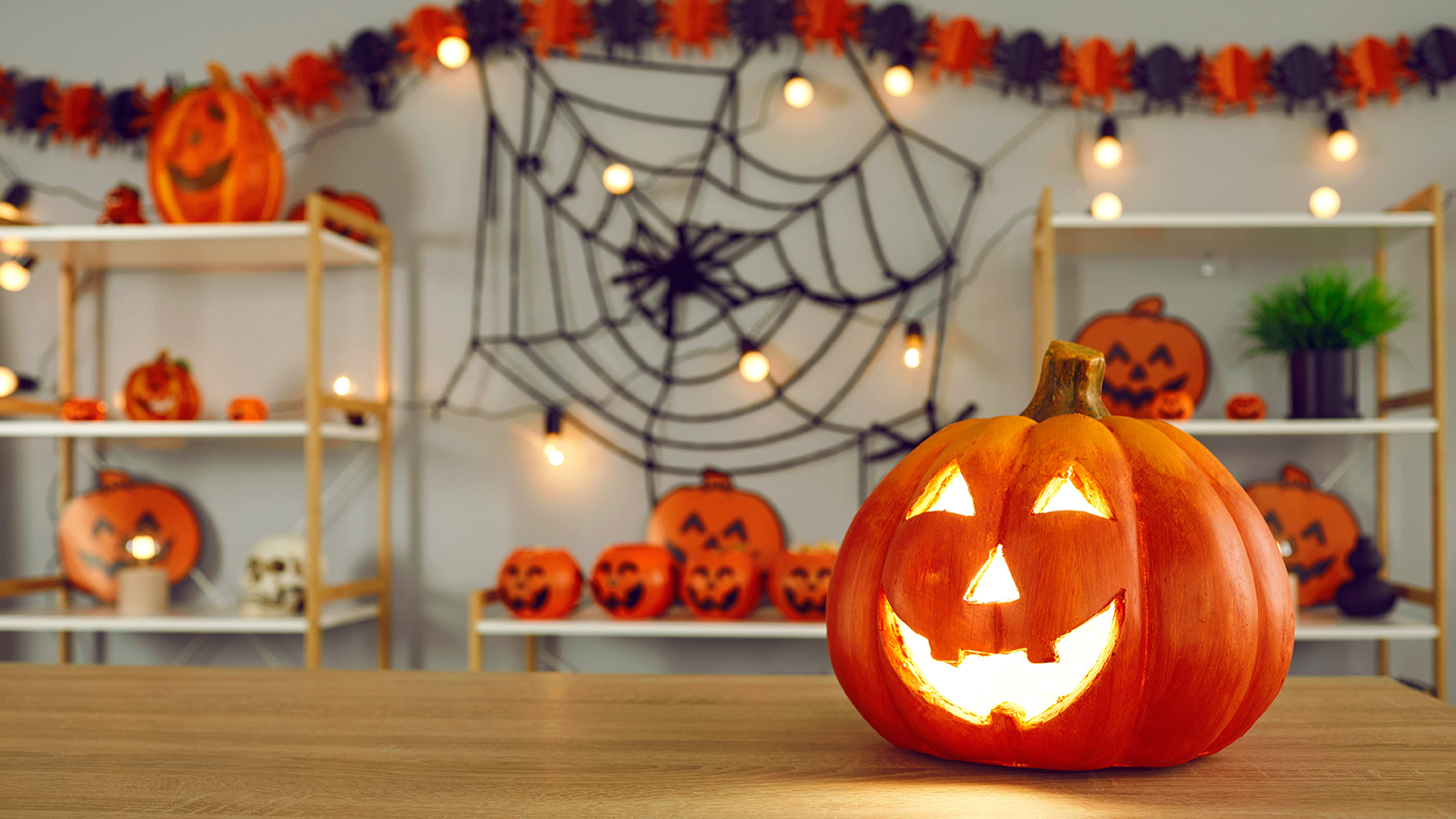
Carving the pumpkin was only half the ritual. Once darkness arrived, a real candle went inside, its flame flickering through crooked triangular eyes and filling the pumpkin with the unmistakable smell of warm squash. Getting the candle lit without burning a sleeve—or repeatedly relighting it after the wind blew it out—was part of the job.
Battery-operated lights increasingly offer a safer substitute. Health Canada warns that candles and illuminated jack-o’-lanterns are potential fire hazards and specifically suggests small flashlights or battery candles instead of open flames. Federal candle-safety information notes that candles have caused hundreds of fires annually based on historical data from several provinces, with holidays and special occasions presenting particular risks. LEDs also stay illuminated in wind, last for hours and can be placed inside pumpkins without supervision. Those advantages make the transition easy to understand. Yet something changes when a perfectly steady LED replaces a living flame. Modern jack-o’-lanterns may be safer and more dependable, while children lose one of the small, slightly unpredictable rituals that once made Halloween night feel different from every other evening.
Halloween Fireworks in Parts of British Columbia

This one was never a universal Canadian Halloween tradition, but in parts of British Columbia, fireworks became closely associated with October 31. Children growing up in Greater Vancouver could hear bangs and whistles long after trick-or-treating began, giving Halloween a soundtrack more commonly associated with other celebrations elsewhere in Canada.
Municipal restrictions are steadily changing that experience. Vancouver prohibited the sale and use of consumer fireworks beginning November 1, 2020, making Halloween 2020 the city’s final celebration before the ban took effect. Fire officials subsequently reported fewer fires, injuries and property damage after the prohibition. Other B.C. municipalities maintain their own permitting systems and restrictions, so the regional picture remains mixed rather than uniform. The reasons are practical: fireworks can injure people, frighten animals and ignite structures or vegetation. Still, the regulatory shift means some B.C. children are growing up with a quieter October 31 than their parents remember. A tradition that once seemed inseparable from Halloween in certain communities is increasingly limited to licensed displays or places where local rules continue to permit it.
Waiting for Halloween Specials to Come on Television
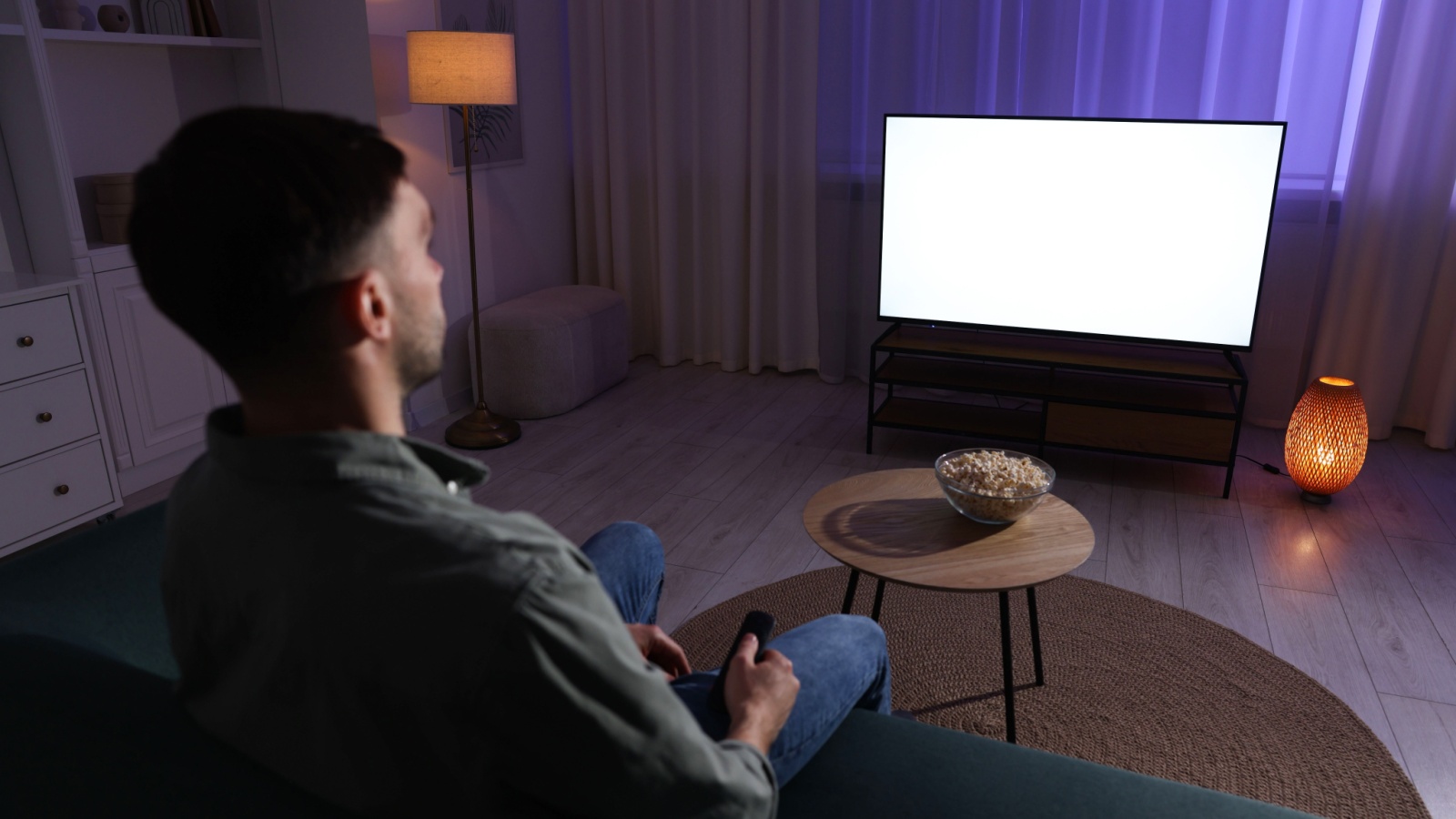
Halloween entertainment once depended on somebody else’s schedule. A favourite cartoon special might air once in late October, and missing it could mean waiting another year. Families checked television listings, children negotiated for control of the TV, and the fact that everyone watched at roughly the same time gave seasonal programs an event-like quality.
Canada’s television habits have shifted sharply toward on-demand viewing. CRTC data show traditional television viewing has declined steadily while streaming has expanded, and young Canadians now spend more viewing time with online services than traditional TV. That means today’s child can often summon Halloween movies, cartoons and episodes at any point in October—or July, for that matter. The trade-off is subtle. Access has never been easier, but anticipation has weakened. A Halloween special no longer needs to be caught at exactly 8 p.m. on a particular night. The shared experience of waiting through commercials and hoping nobody changed the channel is becoming as dated as adjusting rabbit-ear antennas.
Hiding an Entire Costume Under a Snowsuit

Few things were more Canadian than spending weeks planning a costume only to have late-October weather destroy the aesthetic. A superhero suddenly wore snow pants. A princess needed mittens. A ghost acquired winter boots. In colder regions, parents learned to buy or build costumes large enough to fit over several layers because October 31 could deliver freezing temperatures or snow.
Cold Halloweens are certainly not gone, particularly across the Prairies, northern communities and other colder regions. But Canada’s climate is measurably warming. Environment and Climate Change Canada reports warming across the country and across all seasons, with fall temperatures increasing substantially over the long term. The 2026 Canadian Changing Climate Report estimates that Canada’s average fall temperature rose about 1.95°C between 1948 and 2023. That does not guarantee a warm Halloween in any particular city; individual Octobers remain highly variable. What it does mean is that the stereotypical bitterly cold Halloween is becoming less dependable in many places. The great Canadian tradition of completely concealing a carefully chosen costume beneath winter clothing may never disappear, but climate change is slowly rewriting the odds.
Getting Nothing but Candy at Every House
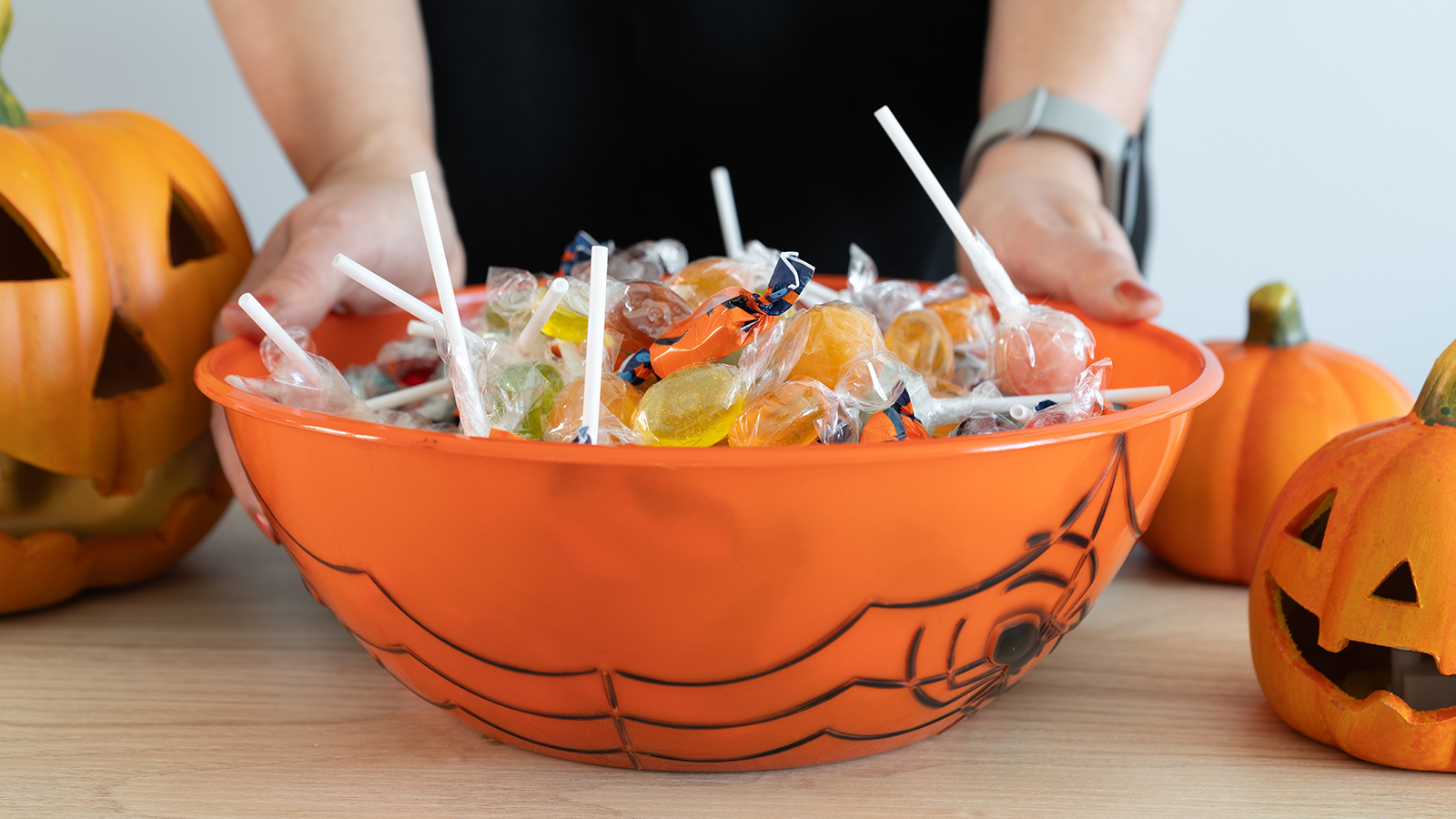
For generations, the Halloween transaction seemed almost constitutionally simple: children said “trick or treat,” and adults gave them candy. There were occasional pencils, coins or boxes of raisins, but the overwhelming objective was sugar. Measuring the night’s success meant dumping the bag onto the floor and calculating the chocolate-to-unpopular-candy ratio.
Food-allergy awareness is steadily widening what counts as a legitimate Halloween treat. Food Allergy Canada has supported initiatives encouraging households to provide allergy-aware or non-food options, including toys, stickers and glow items. The Teal Pumpkin Project helped popularize the idea that a visible teal pumpkin indicates non-food treats are available, while Food Allergy Canada’s newer campaigns continue encouraging allergy-friendly choices. None of this is intended to eliminate candy, and chocolate bars are in no danger of disappearing from Halloween bags. Instead, the definition of a “treat” is expanding. Children may increasingly return home with glow bracelets, pencils or small toys mixed among the candy. The mountain of nothing-but-sugar remains recognizable, but the modern Halloween haul is slowly becoming more varied—and more inclusive.
16 Costco Canada Habits That Could Be Costing Shoppers More Than They Save

The Executive Membership can feel like an obvious upgrade because the 2% annual reward sounds straightforward. For households that spend heavily at Costco Canada, the extra fee may be easy to justify. But the habit becomes costly when shoppers upgrade first and calculate later. A Gold Star Membership costs less, while Executive costs more and only pays off if eligible annual spending is high enough to offset the difference.
16 Costco Canada Habits That Could Be Costing Shoppers More Than They Save
