
Cold-and-flu season changes more than the weather. As Canadians spend more time indoors, schools fill up, transit gets crowded and shared spaces become busier, respiratory viruses gain more opportunities to move between people. The Public Health Agency of Canada notes that influenza risk rises in late fall and winter and that respiratory infections can spread through inhaled particles, close contact and, in some circumstances, contaminated objects touched before the face.
That makes certain everyday locations worth a second look. A surface covered with microbes does not automatically make someone sick, and shared indoor air is often the bigger concern for respiratory viruses. Still, high-touch environments can add another link in the chain. These 20 places are easy to overlook once cold-and-flu season gets underway.
Public Transit Poles, Buttons and Fare Machines

Rush-hour transit creates an almost perfect illustration of how shared environments connect strangers. One commuter grabs a pole, another presses a stop button, someone taps a fare machine and dozens of other hands repeat the sequence. Research on subway systems has found that passengers routinely interact with shared surfaces and that the microbial communities on their hands can change after a trip. In one subway study, microbial material returned to a cleaned pole within minutes as new passengers touched it.
That does not mean every bus pole or subway button is carrying an infectious dose of influenza. For respiratory viruses, being packed into a poorly ventilated vehicle with coughing passengers may matter more than the pole itself. Still, hands provide a bridge between shared surfaces and the face. A commuter who grips a handrail and then rubs tired eyes before reaching the office has created precisely the kind of contact pathway public-health guidance warns about. Hand hygiene after the ride remains a simple way to interrupt it.
School Classrooms and Shared Learning Spaces

Classrooms contain an extraordinary number of shared objects for relatively small rooms. Desks, pencil sharpeners, water fountains, door handles, tablets and keyboards can all pass through many hands between the first bell and the end of the school day. Researchers examining elementary classrooms have found bacteria and viral genetic material on frequently handled surfaces, with desktops, faucet handles and other communal items among those showing contamination.
A separate study of primary-school desks recovered genetic material from respiratory viruses on more than one-fifth of sampled desks. That finding needs context: detecting viral genetic material does not necessarily mean live virus capable of causing infection was present. Even so, schools combine surface sharing with the more important ingredients for respiratory spread—crowded rooms, long periods indoors and children interacting at close range. A desk that looks perfectly clean may therefore be only one piece of a much larger exposure network. Routine cleaning, handwashing and better ventilation all matter more when several respiratory illnesses are circulating simultaneously.
Daycare Playrooms and Toy Areas

Few environments involve more hand-to-hand and hand-to-mouth activity than a daycare. Toys move from the floor to a child’s hands, sometimes to a mouth, back onto a table and into another child’s hands. Younger children also tend to need help with wiping noses, eating and toileting, creating many opportunities for caregivers and objects to become part of the same contact network.
Studies of daycare environments have detected respiratory viruses especially often on toys, while other research has found evidence of enteroviruses on toys, desks and floors. Cleaning can lower the amount of viral material present, although that does not always translate neatly into fewer illnesses because infections can spread through several routes at once. That distinction is important. A toy does not become dangerous merely because microbes are detectable on it. The larger concern is repeated sharing among children who are in close contact for hours. During fall and winter, toy sanitation, hand hygiene and keeping symptomatic children home when appropriate work best as parts of the same prevention strategy.
Office Break Rooms and Shared Kitchens

The break room rarely looks like a high-risk part of an office. It is often quieter than a meeting room and cleaner-looking than a public washroom. Yet it contains an unusually concentrated collection of shared touchpoints: refrigerator handles, kettle buttons, coffee makers, microwaves, cabinet pulls, faucets and counters. Employees may touch several of them immediately before eating.
A workplace experiment using a harmless virus surrogate demonstrated how quickly contamination could move through an office. Investigators found some of the highest tracer levels in the break room, particularly around refrigerator and drawer handles and sink faucets. A hygiene intervention substantially reduced the amount of tracer recovered from hands and surfaces. The lesson is less about being afraid of the communal coffee machine and more about recognizing how connected an office becomes through hands. During cold-and-flu season, wiping obvious high-touch areas, washing hands before meals and staying home when ill can matter more than obsessively disinfecting every untouched corner of the workplace.
Elevators, Lobby Doors and Building Entrances
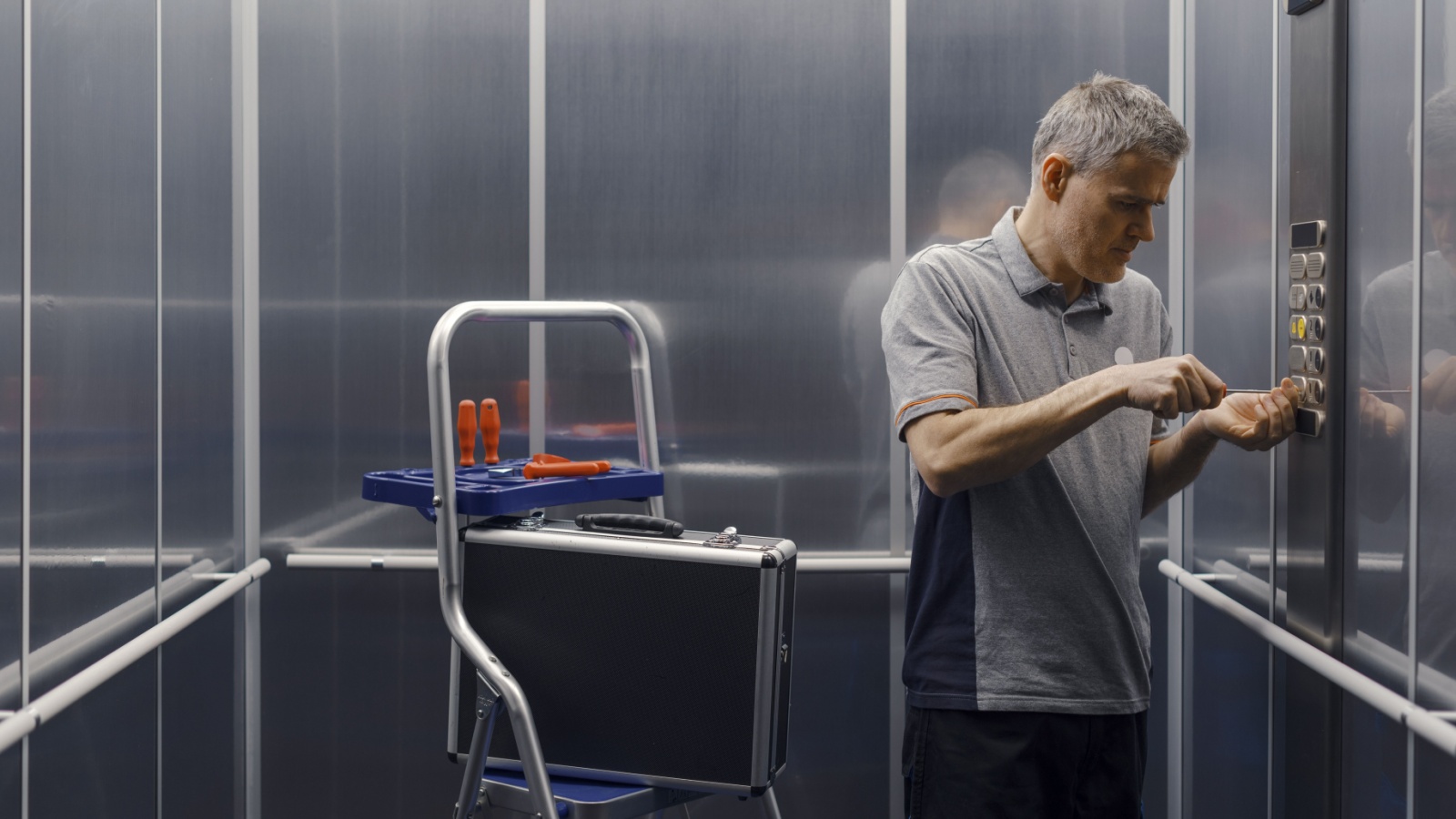
Apartment towers, hospitals and office buildings funnel large numbers of people through a surprisingly small number of touchpoints. Almost everyone entering may pull the same door, press one of a handful of elevator buttons and then touch another handle when reaching a floor. Those repeated contacts make entrances and elevator panels highly connected surfaces even when each individual touch lasts only a second.
Canadian research provides a striking example. Investigators sampled elevator buttons at three Toronto teaching hospitals and found bacterial colonization on 61% of the buttons tested, compared with 43% of sampled toilet surfaces. Most organisms were not considered clinically important, which is an essential qualification. The study did not show that riding an elevator was making people sick. It did show why frequently touched buttons can rapidly collect material from many different hands. Other research has similarly linked door-handle contamination with how frequently doors are used. The practical concern begins after the button press, particularly when an unwashed hand moves directly to the eyes, nose or mouth.
Grocery Carts, Baskets and Self-Checkout Stations

A grocery trip can involve more shared touchpoints than people realize. Cart and basket handles pass from shopper to shopper. Produce scales, freezer handles and checkout screens add another set of contacts. Self-checkout has expanded that network further because shoppers now repeatedly touch screens and payment devices that may have been used by dozens of people earlier in the day.
Researchers have recovered bacteria from supermarket basket handles, including strains of Staphylococcus aureus. More recent research examining touchscreens in grocery, convenience and food-service settings has also found bacteria and viral genetic material on some devices. Again, contamination is not the same as infection, and most microbes encountered in everyday environments are harmless. The useful takeaway is behavioural. Grocery shopping often ends immediately before handling food or eating a snack in the car, giving hands little time to be cleaned first. Handwashing after returning home—and avoiding absent-minded face touching while shopping—can break that chain without turning an ordinary supermarket run into a sanitation exercise.
Gyms and Fitness Centres

Fitness centres bring together heavy breathing, close proximity and equipment designed to be gripped. Dumbbells, treadmill controls, bike handlebars, mats and weight machines may be handled by dozens of people in a single day. Sweat itself is not a major route for influenza transmission, but hands and respiratory particles make gyms an environment where several exposure pathways can overlap.
Studies of exercise equipment have produced varying results, which is worth noting. Some have found mostly ordinary skin-associated bacteria, while others have recovered respiratory viruses from hand-contact surfaces. One earlier study isolated viruses, largely rhinoviruses, from 63% of sampled hand-contact exercise surfaces. More recent work has again documented human-associated bacterial communities on shared fitness equipment. For respiratory infections, however, ventilation can be even more important. Exercise increases breathing rates, and crowded indoor workouts can generate large amounts of exhaled air. Wiping equipment is reasonable, but clean air, sensible occupancy, hand hygiene and avoiding a workout while sick address a broader portion of the risk.
Clinics, Waiting Rooms and Pharmacies
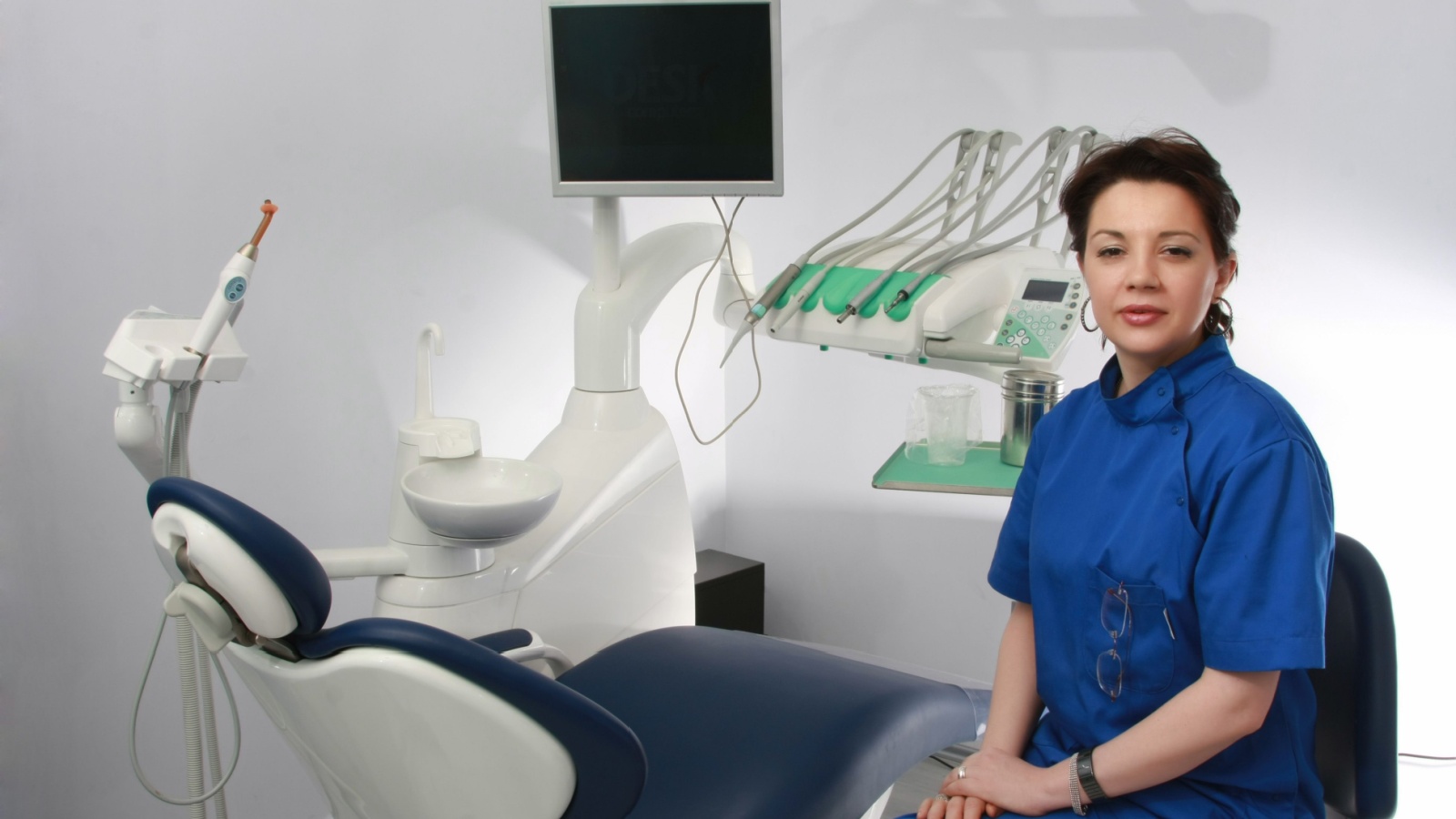
A clinic waiting room has an obvious difference from most public spaces: people are there precisely because some of them are unwell. During flu season, that means coughing, sneezing and respiratory symptoms can be concentrated in the same chairs and corridors. Waiting time and crowding therefore matter before anyone even considers the door handles, check-in screens or pens.
Research in pediatric outpatient environments has found viral genetic material both in the air and on frequently touched surfaces, including door handles. Another study examining influenza exposure during a period of high community activity found an increased risk among people attending an emergency department compared with those whose exposure occurred in the community, although many factors within emergency care could contribute. Pharmacies add payment terminals, counters and prescription pickup screens to the equation. Canadian public-health advice emphasizes staying home when sick when possible, masking in appropriate crowded settings, improving indoor ventilation and practising hand hygiene. In healthcare environments, those measures often deserve more attention than simply worrying about whether the waiting-room armrest has been disinfected recently.
Public Washrooms
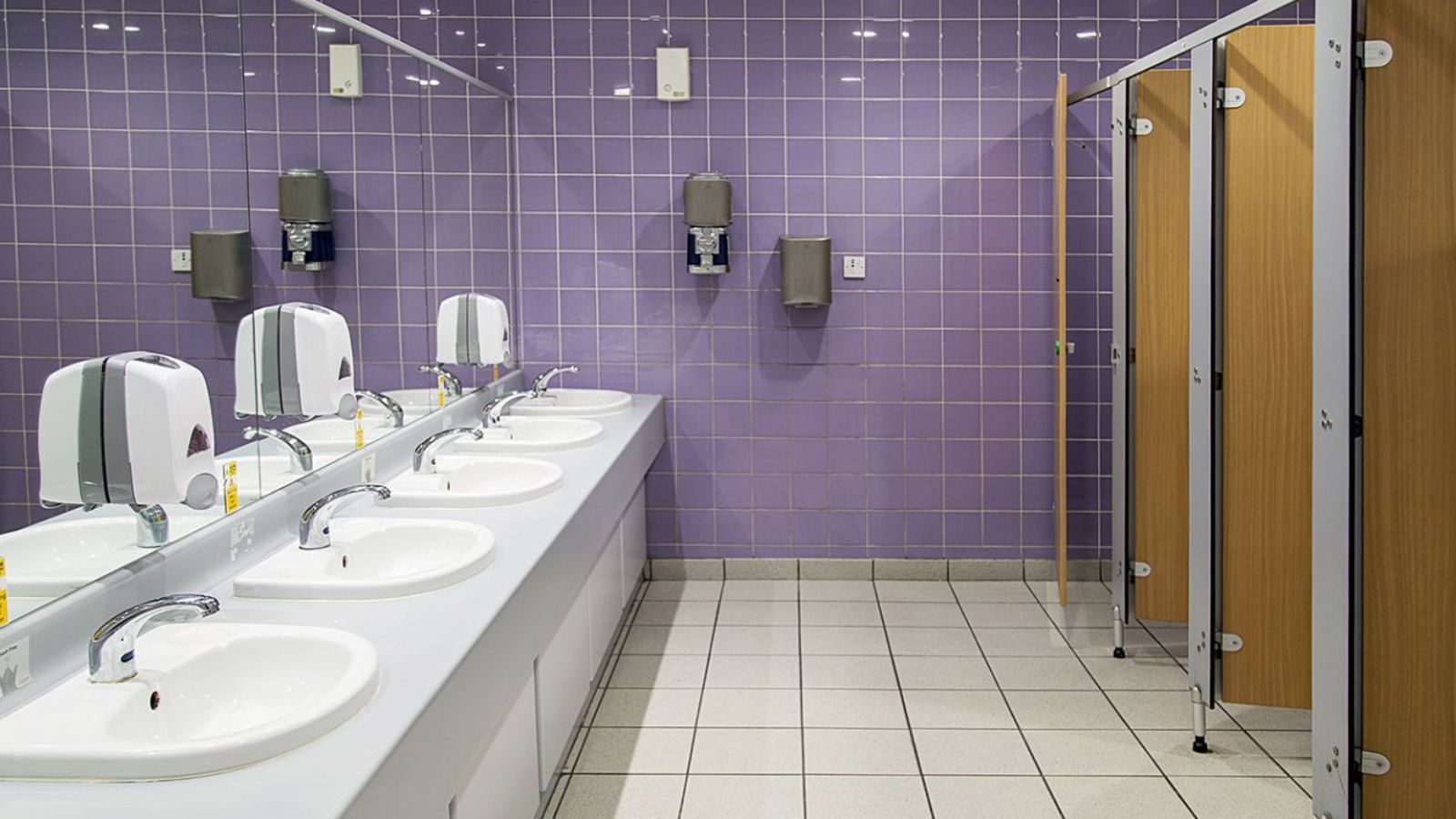
Public washrooms have an obvious reputation for germs, but the toilet seat may not be the surface that matters most. The journey out of the room involves flush controls, faucets, soap dispensers, hand-drying equipment and door handles. Those post-handwashing surfaces are particularly interesting because they can potentially recontaminate hands that were cleaned only seconds earlier.
Recent research has examined faucets, paper dispensers, hand dryers and exit handles in public washrooms and found microbial contamination on high-contact surfaces. Other studies show that routinely touched restroom surfaces contain communities largely derived from human skin, while toilet-associated locations contain different microbial signatures. That does not mean every organism represents a health threat. Much of the microbial world is harmless, and respiratory infections are not acquired simply by entering a washroom. The more practical issue is touching a contaminated surface and then touching the face or handling food. Thorough handwashing with soap and water, followed by sensible handling of doors and other fixtures, remains more useful than trying to avoid touching anything at all.
Restaurants and Fast-Food Ordering Areas

Restaurant diners often think about food safety in the kitchen but overlook everything touched immediately before the first bite. Laminated menus, table-mounted condiment bottles, self-ordering screens and payment terminals can all move from one customer to the next without much downtime. In fast-food restaurants, a customer may touch an ordering screen and begin eating fries with the same hand minutes later.
Researchers have shown that bacteria can persist on restaurant menus and transfer between menus and fingertips. A 2026 study of self-ordering restaurant touchscreens detected bacterial contamination on 28 of 30 screens sampled, with higher levels during busy periods. Most organisms were associated with normal human skin rather than dangerous pathogens, which helps keep the result in perspective. Another broad review has identified menus, condiment containers, tablets and money as overlooked opportunities for cross-contamination in food-service environments. The sensible habit is simple: after touching heavily shared ordering or payment surfaces, handwashing or sanitizer before eating with the hands can eliminate a contact step that diners frequently forget.
Libraries and Public Computer Stations

Books have long attracted concern because they pass among many people, but evidence suggests ordinary library books themselves are not necessarily major microbial hazards. One study comparing public-library and household books found low levels of common skin bacteria and concluded that books did not appear to be significant sources of virulent bacteria. The more interesting spots may be the electronics around them.
Public computer keyboards and mice receive concentrated, repeated hand contact and are much harder to clean casually between every user. Research on shared computer keyboards has found higher microbial contamination on multi-user machines than on personal workstations. Studies have also recovered resistant staphylococci and other organisms from public keyboards, although detecting bacteria does not establish that illnesses were transmitted from them. Libraries now add self-checkout screens, printers, scanner controls and shared tablets to the mix. A patron spending an hour at a keyboard and then eating lunch without washing hands creates a more plausible contact pathway than someone simply turning the pages of a borrowed novel.
Airports and Security Checkpoints

Airports combine travellers from many communities with queues, enclosed spaces and surfaces almost everyone must touch. Passport kiosks, handrails and payment terminals all qualify, but airport security trays stand out because travellers place phones, shoes, bags, belts and other belongings inside them before the next passenger does the same thing.
Researchers sampling a Finnish airport during peak influenza season detected respiratory-virus genetic material on several high-touch surfaces. Half of the sampled hand-luggage security trays tested in that study carried genetic material from at least one respiratory virus, making trays one of the more notable locations investigated. The researchers also detected respiratory viral material on a pharmacy payment terminal, a stair handrail and parts of the passport-control area. These results do not prove that passengers caught infections from the surfaces. Airports also create extensive opportunities for respiratory exposure through crowds and shared air. The combination is what matters: travel days generate repeated surface contact, face touching, eating and hours spent near strangers.
Hotel Rooms and Hotel Lobbies

A freshly made bed and spotless bathroom create a strong impression of cleanliness, but appearance does not reveal microbial contamination. Hotel rooms contain objects that are repeatedly handled yet may receive less attention than sinks and toilets: light switches, TV remotes, alarm clocks, bedside controls and door handles.
A Canadian study sampled 54 rooms across six national hotel chains and examined high-contact surfaces including TV remotes, bedside lamps, bathroom counters, faucets and toilet seats. Coliform bacteria were recovered from 36% of sampled surfaces, while resistant bacteria were found on a smaller proportion. The study demonstrated potential contamination, not that hotel guests were routinely acquiring infections from rooms. Research on hotel lobbies has also shown how microbes or harmless viral tracers can move through networks of elevator buttons, counters, tables and door handles as guests circulate. Travellers can reduce unnecessary contact transmission with ordinary hand hygiene, while respiratory protection still depends heavily on ventilation and avoiding close contact with people who are actively ill.
Arenas and Community Recreation Centres

Fall and winter send Canadians back into hockey arenas, indoor pools, curling clubs, gymnasiums and community centres. Those facilities combine busy entrances, crowded change rooms and shared equipment with another factor that matters greatly for respiratory viruses: people breathing more heavily while exercising or cheering in enclosed spaces.
Research on indoor sports facilities repeatedly identifies ventilation and occupancy as important variables. Experimental work on indoor gatherings has shown substantially greater aerosol exposure when ventilation performs poorly, while modelling of an ice-hockey arena outbreak found that lower ventilation and the high breathing rates associated with intense exercise could increase airborne exposure. Studies of gymnasium surfaces have also documented skin-associated bacteria on shared equipment. The result is a place where focusing exclusively on wiping benches can miss the larger picture. Cleaning shared gear and washing hands are useful, but the quality of indoor air, the number of people occupying the space and whether symptomatic participants stay home can be equally or more important during peak respiratory-virus season.
Gas Stations and EV Charging Stops

The fuel pump is one of those objects people touch almost automatically. A driver steps out, grabs the handle, presses several buttons, taps a payment terminal and climbs straight back into the vehicle. Public charging stations create similar sequences through connectors, screens and payment controls. Unlike a store entrance, these touchpoints may receive relatively little attention because customers interact with them outdoors and leave quickly.
Community surface monitoring conducted during the COVID-19 pandemic sampled gas stations along with grocery stores, restaurants, laundromats and other public locations. Researchers detected viral genetic material on some high-touch community surfaces, including gas-pump handles, demonstrating how frequently handled outdoor objects can become contaminated. The work did not establish that those surfaces caused infections, and outdoor air dramatically reduces the respiratory risks associated with many indoor spaces. The forgotten step is what happens next: touching the steering wheel, phone, face or food immediately after pumping fuel. Cleaning hands after the stop is a low-effort precaution without overstating what a contaminated pump handle actually means.
Laundromats and Shared Laundry Rooms
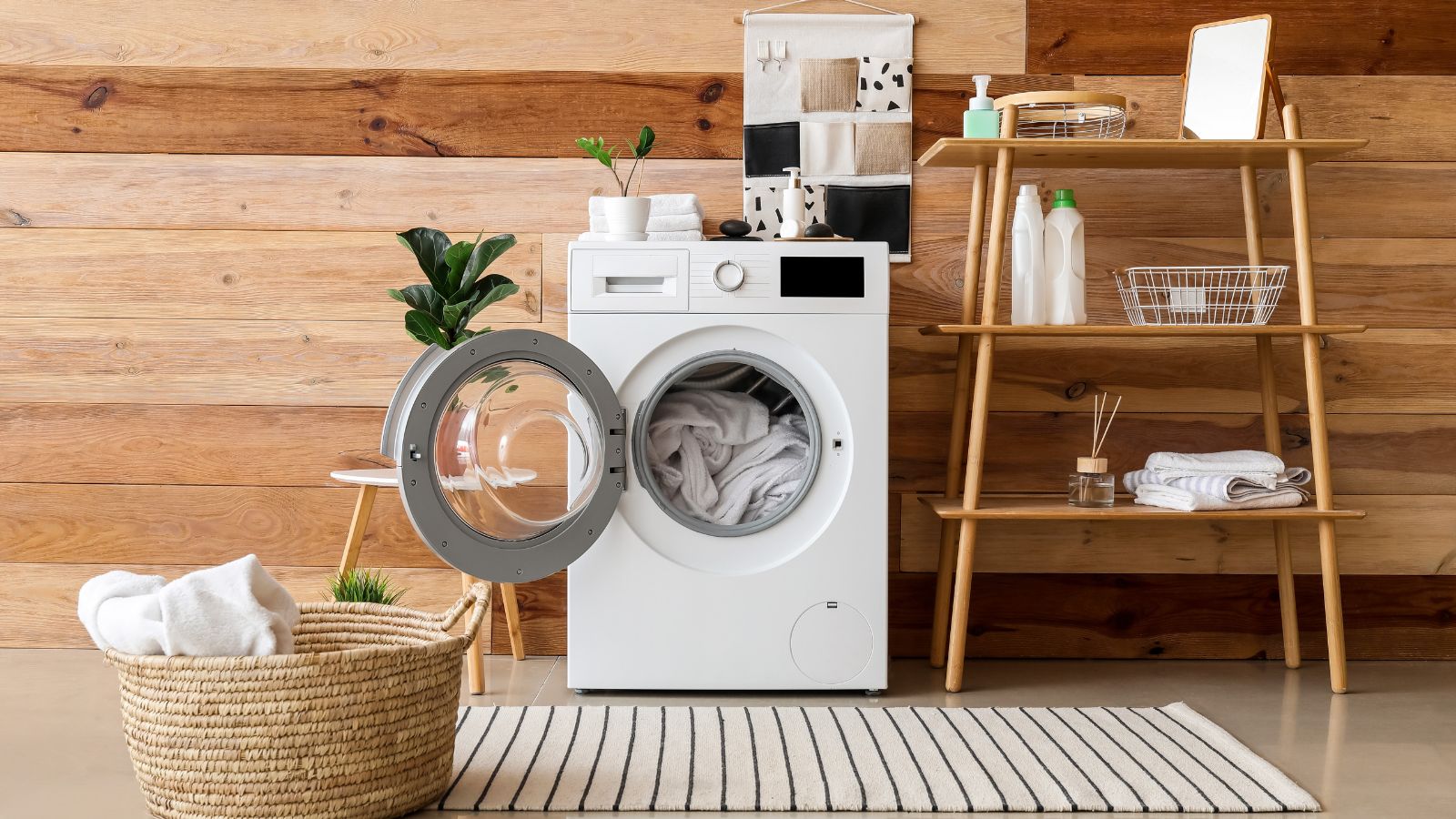
Apartment laundry rooms and laundromats seem inherently clean because their entire purpose revolves around washing. The machines themselves, however, operate in warm and often moist conditions, and their handles, detergent drawers and rubber seals are repeatedly touched. In shared facilities, the same machines may cycle through clothing and linens from many households.
Research on commercial and household washing machines has shown that microbes can persist inside machines, particularly when low-temperature wash cycles are used. Studies of domestic machines have identified detergent drawers and door seals as significant microbial habitats, and newer research continues to demonstrate diverse bacterial and fungal communities within washing machines. That does not mean a person is likely to catch influenza from a washer—the respiratory route remains far more important for flu. Laundry rooms can still contribute to hand-to-surface transfer, especially when residents touch machine controls and then their phones or faces. Washing hands after handling dirty laundry and allowing machines and seals to dry properly are straightforward habits that address the more realistic concerns.
Taxis and Rideshares

The most important “germ magnet” inside a taxi or rideshare may not be the door handle at all. It may be the air. A passenger and driver can spend 15, 30 or 60 minutes inside a small cabin, often with the windows closed during a Canadian winter. That enclosed volume gives exhaled respiratory particles fewer places to disperse if ventilation is limited.
Research examining vehicle cabins has demonstrated how ventilation settings can significantly alter carbon-dioxide buildup and aerosol conditions. Studies of taxis have likewise shown that air exchange is a major driver of interior air quality. For flu, COVID-19 and other respiratory infections, that makes fresh-air ventilation especially relevant. Surfaces still play a secondary role: interior door pulls, seat-belt buckles and payment devices all receive repeated handling. Yet wiping a handle cannot compensate for extended close contact with a contagious person in poorly refreshed air. When practical, increasing fresh-air exchange and avoiding travel while sick addresses the larger respiratory pathway, while hand hygiene covers the smaller surface-related one.
Home Kitchens

Home can feel safer than any public environment, which makes the kitchen easy to overlook. Yet refrigerator handles, faucets, countertops, dishcloths and sponges are touched repeatedly by household members and often interact with raw food, dirty hands and moisture. During respiratory season, an ill family member can add another source of contamination to surfaces already exposed to food-associated microbes.
Researchers examining domestic kitchens have repeatedly found microbial contamination on refrigerator handles, sinks and countertops. One study detected Staphylococcus aureus in 39% of sampled homes, most commonly on counters and refrigerator handles. Sponges and dishcloths can act as reservoirs that redistribute bacteria to other areas. These findings largely concern food-safety organisms rather than influenza, but they illustrate the same basic principle: a frequently touched surface can connect one activity to another. Public Health Agency of Canada guidance specifically includes tables, countertops and electronics among objects worth cleaning when illness is circulating. In a household with a sick person, routine handwashing and sensible cleaning of commonly touched surfaces can help reduce avoidable exposure.
ATMs and Bank Kiosks
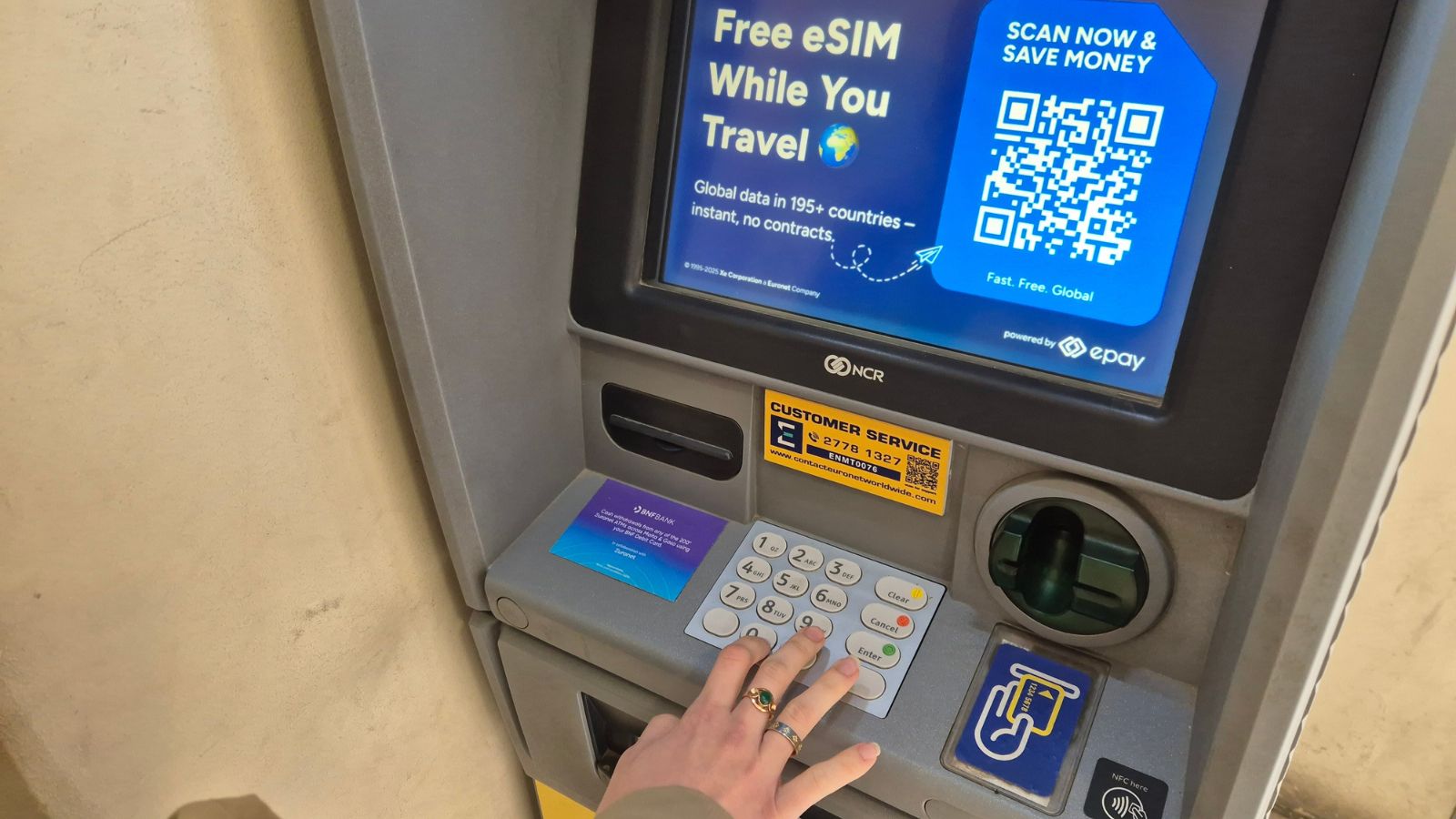
An ATM keypad is designed for thousands of fingertips. Unlike a personal phone, it may be touched by people coming from stores, transit, workplaces and restaurants throughout the day. Indoor bank kiosks can also add door handles and touchscreen interfaces before the customer even reaches the machine.
Microbiome researchers studying ATM keypads in New York found complex communities dominated partly by microbes associated with human skin and the surrounding environment. Other studies have cultured a variety of bacteria from ATM buttons and touchscreens. The presence of a microorganism on a keypad does not mean it is present in a quantity capable of causing disease, and many detected organisms are ordinary environmental residents. ATMs nevertheless demonstrate why high-touch objects matter as networks: each user deposits and picks up some of what previous users left behind. The simplest response is not elaborate disinfection before withdrawing cash. It is avoiding face touching immediately afterward and cleaning hands before eating or performing activities that bring the fingers into contact with the eyes, nose or mouth.
Shared Office Equipment and Meeting Rooms

Workplace cleaning often concentrates on floors, washrooms and kitchen counters while keyboards, mice, conference-room remotes and shared microphones sit untouched for long stretches. Hybrid work can make this even easier to miss because a workstation that appears unused may actually rotate among several employees during the week.
Studies of office surfaces show that keyboards and mice acquire microbial communities closely linked to human skin and workplace activity. Research comparing multi-user and single-user computers has found greater microbial contamination on shared keyboards. Other investigations have shown that shared computer equipment can be disinfected effectively, although evidence that ordinary office keyboards commonly cause respiratory infections remains limited. The larger cold-and-flu problem is the entire meeting room: coworkers sit close together, speak for extended periods and may share poorly refreshed air. Cleaning high-touch equipment is therefore one useful layer rather than the whole solution. Hand hygiene, staying home when sick, improving ventilation and using appropriate respiratory precautions when illness is widespread address the routes that matter most.
16 Costco Canada Habits That Could Be Costing Shoppers More Than They Save

The Executive Membership can feel like an obvious upgrade because the 2% annual reward sounds straightforward. For households that spend heavily at Costco Canada, the extra fee may be easy to justify. But the habit becomes costly when shoppers upgrade first and calculate later. A Gold Star Membership costs less, while Executive costs more and only pays off if eligible annual spending is high enough to offset the difference.
16 Costco Canada Habits That Could Be Costing Shoppers More Than They Save
