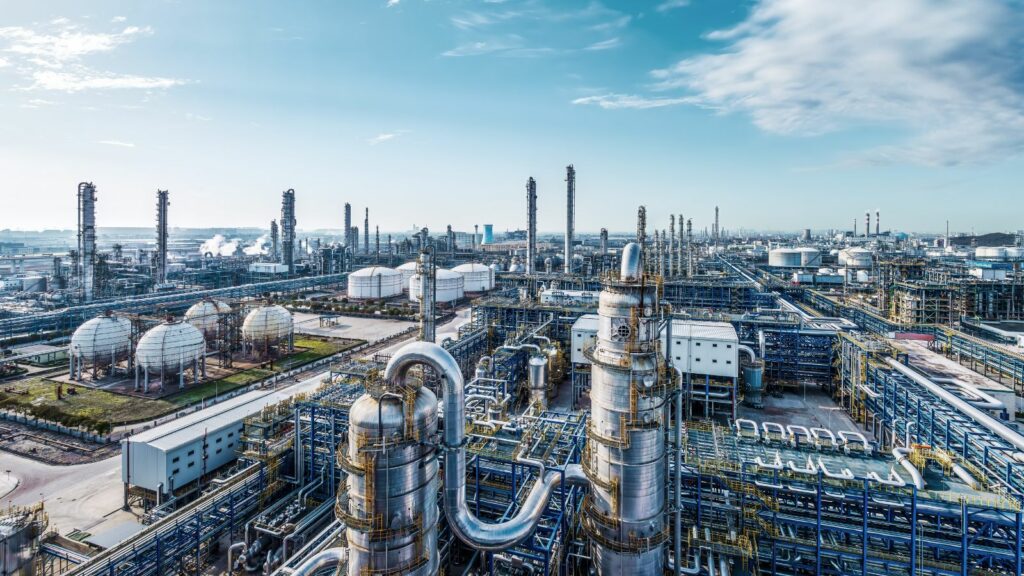
Oil prices surged nearly 4% on November 5, 2026, as renewed attacks on commercial vessels in the Persian Gulf reignited fears about global energy supplies. The rebound followed a dramatic selloff just one day earlier, highlighting how quickly expectations surrounding President Donald Trump’s war with Iran can reshape international oil markets.
For Canada, the consequences extend well beyond the oil industry. Higher crude prices can strengthen revenues for energy-producing provinces while increasing costs for drivers, businesses, and households already facing persistent inflation.
With Brent crude approaching US$100 per barrel, uncertainty surrounding the Strait of Hormuz and the prospects for a diplomatic settlement has become an important economic concern. The latest developments demonstrate why even a temporary easing of geopolitical tensions may not translate into lasting relief for Canadian consumers.
Oil Prices Stage a Sharp Comeback After Historic Selloff
Global oil markets reversed direction on Thursday, November 5, as Brent crude futures climbed US$3.67, or 3.88%, to settle at US$98.29 per barrel. West Texas Intermediate (WTI), the American benchmark closely watched by Canadian energy producers, gained US$2.40, or 2.72%, to finish at US$90.52. The recovery followed an extraordinary decline on Wednesday, when both benchmarks lost more than 8% and reached their lowest closing levels since August 31. Brent alone had fallen US$8.98 during that session, demonstrating the intensity of the market’s reaction to changing expectations about the Iran conflict.
The dramatic swings reflect a market increasingly driven by political developments rather than conventional supply-and-demand indicators alone. Investors initially welcomed the possibility that Trump’s weakened political position following the American midterm elections could encourage negotiations with Tehran. However, renewed attacks on oil tankers quickly reminded traders that the conflict remains unresolved. For Canadian energy companies, the rebound offers some support for selling prices, but it also reinforces uncertainty surrounding future revenues, investment decisions, and operating costs.
The Strait of Hormuz Remains the Biggest Threat to Global Oil Supplies
The Strait of Hormuz continues to sit at the centre of the international energy crisis. This narrow waterway between Iran and the Arabian Peninsula handled approximately 20 million barrels of crude oil and petroleum products daily in 2025, representing roughly one-quarter of global seaborne oil trade. Its importance explains why attacks against commercial vessels can influence prices thousands of kilometres away. On November 5, Iran’s Revolutionary Guards reported incidents involving tankers striking naval mines and catching fire, while maritime security authorities continued monitoring additional threats to shipping in the region.
The disruption is not merely theoretical. Figures published by the U.S. Energy Information Administration show that oil flows through Hormuz fell from 21.6 million barrels per day in the fourth quarter of 2025 to approximately 4.9 million barrels per day in the second quarter of 2026. Those historical figures illustrate the scale of the conflict’s impact, although they do not represent current November shipments. Even when vessels resume passage, insurance costs, security concerns, and uncertainty about future attacks can complicate deliveries. Canadian consumers remain exposed because crude oil is priced in interconnected global markets, regardless of whether the country imports petroleum directly from Iran.
Trump’s Election Setback Creates New Uncertainty Around the Iran War
President Donald Trump’s political position changed significantly following the November 3 American midterm elections, which delivered victories to Democrats in both chambers of Congress. The results reflected widespread dissatisfaction with several administration policies, including the economic consequences of the prolonged conflict with Iran. Vice-President JD Vance publicly identified the war as a major factor behind Republican losses, while Trump acknowledged its contribution to higher gasoline prices. Nevertheless, the president defended his decision to launch the military campaign alongside Israel in February, maintaining that preventing Iran from developing nuclear weapons remained essential.
For energy traders, the election created two competing possibilities. Greater political pressure could encourage Washington to pursue a negotiated settlement, potentially restoring shipping activity and lowering crude prices. Alternatively, Trump could decide to intensify military operations before the newly elected Congress takes office in January 2027. Qatar has been involved in mediation efforts, but significant disagreements remain between Washington and Tehran. Without a comprehensive agreement and reliable shipping arrangements, the possibility of renewed escalation continues to influence oil prices. That uncertainty matters to Canada because energy markets respond to the perceived likelihood of future disruptions, often before any actual change in production occurs.
Canadian Gasoline Prices Remain Elevated Despite Recent Relief
Canadian motorists have experienced the consequences of higher global oil prices throughout 2026. Statistics Canada reported that gasoline prices increased 27.8% year over year in September, considerably faster than overall consumer inflation. More recent figures from the Canadian Automobile Association show that the national average for regular gasoline stood at approximately 165.3 cents per litre on November 5, compared with 133.3 cents a year earlier. Although prices had declined from their October highs, that difference still represents a substantial expense for households that depend on personal vehicles for commuting, childcare, and everyday transportation.
Importantly, a single day’s increase in crude oil does not automatically produce an identical increase at Canadian gas stations. Retail prices also depend on refinery costs, existing inventories, local competition, taxes, and regional supply conditions. In fact, CAA’s November 5 average was lower than the previous day’s figure, despite the subsequent rebound in international crude markets. Nevertheless, prolonged instability can make sustained relief more difficult. Drivers may experience temporary price declines while the underlying cost of producing and distributing fuel remains elevated, particularly when overseas supply disruptions continue to influence wholesale petroleum markets.
Refinery Disruptions Are Making Fuel More Expensive Than Crude Prices Suggest
Crude oil prices explain only part of the financial pressure facing Canadian consumers. The Bank of Canada’s October 2026 Monetary Policy Report identified unusually high refinery margins as another significant contributor to gasoline and diesel costs. According to the central bank, gasoline refinery margins account for approximately 40% of Canada’s pre-tax pump price, compared with roughly 30% in recent years. In September, higher refinery margins added the equivalent of approximately US$40 per barrel to refined fuel prices. This helps explain why motorists have not necessarily experienced the same degree of relief as international crude prices have retreated from earlier peaks.
The problem extends beyond Iranian oil production. Damage to refining facilities in Russia, disruptions affecting Middle Eastern exports, and limited spare refining capacity have restricted supplies of gasoline, diesel, and jet fuel. Diesel has been especially vulnerable because it remains essential for trucking, agriculture, mining, and industrial equipment. The Bank of Canada warned that damaged refineries can require up to 12 months to return to normal operations, depending on the extent of repairs. Even a diplomatic breakthrough in the Middle East would therefore not guarantee an immediate return to lower fuel prices. Restoring physical refining capacity could take considerably longer than easing geopolitical tensions.
Higher Energy Costs Are Complicating Canada’s Inflation Fight
The renewed oil-price rally arrives at a difficult moment for Canadian monetary policy. Statistics Canada’s September Consumer Price Index showed annual inflation reaching 3.1%, up from 3.0% in August. Energy prices increased 19% year over year, while gasoline accounted for much of the acceleration in the overall inflation rate. The Bank of Canada responded to persistent price pressures by raising its policy interest rate by 25 basis points to 2.5% on October 28. Policymakers expressed concern that prolonged increases in energy costs could eventually influence a much wider range of consumer prices.
The central bank’s analysis also demonstrates why the consequences of expensive oil can persist long after crude markets stabilize. Its economic modelling estimates that the accumulated energy-price shock since the beginning of 2026 could add approximately two percentage points to inflation at its peak in the fourth quarter. That is a modelled contribution from the broader energy shock, not an estimate of the impact from November 5 alone. The Bank now expects inflation to remain above 3% through much of 2027 before gradually returning toward its 2% target. For households managing mortgage payments, car loans, and everyday expenses, that outlook raises concerns about how quickly borrowing conditions and purchasing power can improve.
Rising Diesel Costs Are Putting Pressure on Canadian Farmers and Food Prices
The consequences of elevated oil prices are particularly significant for Canadian agriculture, where diesel powers machinery and supports the transportation of crops, livestock, and food products. An October 2026 analysis by Farm Credit Canada examined how an 80% increase in diesel prices could affect farm profitability. Under that scenario, Saskatchewan canola producers could experience margin reductions of approximately $14 to $21 per acre. For a 5,000-acre operation, the estimated additional fuel expense could reach between $68,000 and $106,000. These figures represent a high-cost scenario rather than confirmed expenses for every farm, but they illustrate the financial exposure facing agricultural businesses.
Transportation companies are experiencing similar pressures. Farm Credit Canada reported that fuel surcharges had risen to nearly 45% of base freight costs, increasing the expense of moving agricultural products through supply chains. However, higher diesel prices do not automatically translate into immediate grocery inflation. Existing inventories, transportation contracts, and competition can delay or limit price increases. Statistics Canada reported that grocery prices rose 1.7% year over year in September, despite much stronger increases in gasoline and diesel costs. The longer energy prices remain elevated, however, the greater the risk that businesses will eventually pass additional expenses along to consumers.
Canada’s Oil Producers Could Benefit Even as Households Pay More
Canada’s position as a major oil exporter creates an unusual economic divide during international energy crises. While households face higher transportation expenses, companies producing and exporting crude oil can benefit from stronger global prices. According to the Canada Energy Regulator, the country exported approximately 4.3 million barrels of crude oil per day in 2025, generating roughly C$140 billion in export value. Approximately 90.1% of those shipments went to the United States. Higher international prices can improve revenue for producers, strengthen investment incentives, and increase resource-related government income, particularly in energy-producing regions such as Alberta and Saskatchewan.
However, stronger international benchmarks do not guarantee equivalent gains for every Canadian producer. Western Canadian Select, a major benchmark for heavy Canadian crude, typically trades at a discount to lighter grades such as WTI because of differences in quality, transportation, and refining requirements. Exchange rates and production expenses also influence earnings. Federal economic analysis has emphasized that Canada generally benefits from rising oil prices as a net energy exporter, although those gains must be weighed against increased costs elsewhere in the economy. The result is a complicated picture: an oilfield worker may benefit from stronger industry activity while the same household spends more on gasoline, food deliveries, and other essentials.
Ottawa’s Fuel Tax Relief Offers Protection Against Higher Pump Prices
The federal government has already taken measures intended to limit the impact of elevated fuel prices. Ottawa temporarily suspended federal excise taxes on gasoline, diesel, and aviation fuels beginning April 20, 2026, and subsequently extended the measure until January 31, 2027. The suspension removes 10 cents per litre in federal excise tax from regular gasoline and four cents per litre from diesel. Under the announced schedule, rates will return to half their normal levels during February and March 2027 before being fully restored on April 1. These measures provide direct relief even as international petroleum markets remain volatile.
The Parliamentary Budget Officer estimated in October that the combined tax measures would cost approximately C$4.9 billion during the 2026–27 fiscal year, representing average estimated savings of C$276 per Canadian economic family. That estimate assumes the full tax savings reach consumers, an outcome that cannot be guaranteed in every transaction. The policy illustrates both the possibilities and limitations of domestic responses to international energy shocks. Governments can reduce certain fuel taxes and provide financial assistance, but they cannot independently determine global crude prices or eliminate disruptions to international shipping. For Canadians, temporary tax relief can soften the financial impact without resolving the underlying supply uncertainty.
Canada’s Energy Outlook Now Depends on What Happens Next in Iran
The direction of oil prices will depend heavily on whether Washington and Tehran can reach a credible agreement and whether commercial shipping through the Strait of Hormuz can return to dependable operations. The International Energy Agency’s October 2026 Oil Market Report forecast that global oil demand would decline by approximately 2.6 million barrels per day this year as high prices, restricted fuel availability, and weaker economic conditions reduce consumption. The agency also reported that observed global oil inventories at the end of September were approximately 509 million barrels below their levels at the end of February, underscoring the damage caused by months of disruption.
For Canada, the Bank of Canada’s October economic projections assumed Brent crude would average approximately US$100 per barrel in the final quarter of 2026 before declining gradually. Those assumptions remain highly sensitive to geopolitical developments. In an alternative scenario where oil prices stay around US$100 for two years and refinery margins remain elevated, the central bank estimated inflation could be 0.7 percentage points higher by the third quarter of 2027 than in its baseline forecast. November’s sharp market reversal is therefore more than another volatile trading session. It demonstrates how unresolved international conflict can complicate Canada’s economic outlook, leaving policymakers, businesses, and households exposed to further uncertainty.
