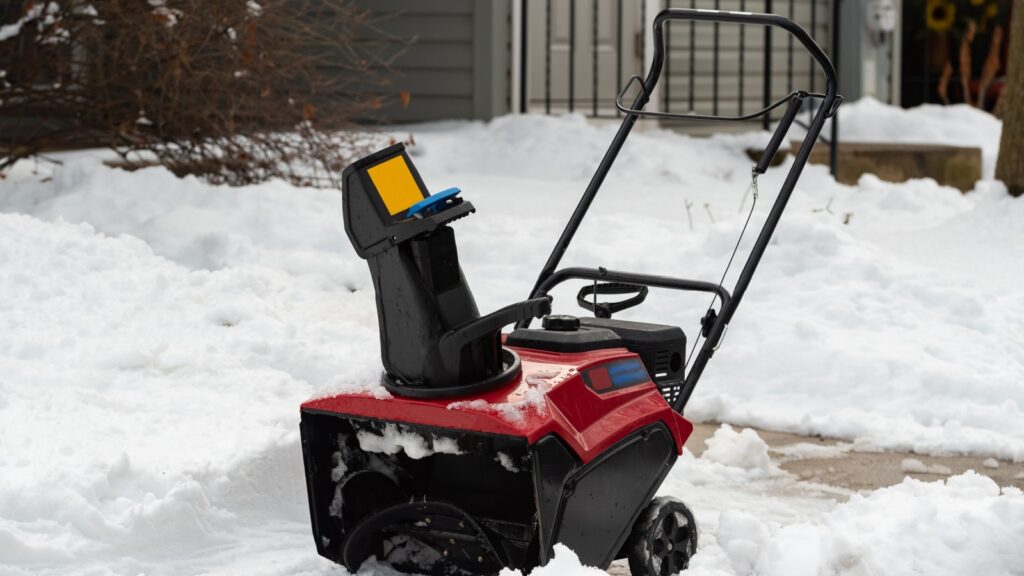
Winter mornings feel longer when a snowblower refuses to start. People try the pull cord again and again while snow keeps piling up around the driveway. Nobody wants to shovel after buying a machine that is supposed to make things easier. The good news is that snowblower trouble usually comes from a small issue that can be fixed in minutes. Here are 11 reasons your snowblower won’t start (and how to fix it fast).
Stale Gas Sitting in the Tank
Old gas can thicken inside the tank and clog the fuel system. This happens when fuel sits untouched for months. The engine then struggles to spark, and the snowblower refuses to start. Drain the tank completely and fill it with fresh gasoline. Adding a fuel stabilizer can help stop the same problem in the future. Try priming the engine after refilling to move the fresh fuel through the carburetor. Most machines will start again once the old gas is gone. Many winter starting issues come down to fuel that has simply gone bad.
A Dirty or Blocked Carburetor
Carburetors get coated with leftover fuel residue after storage. Dirt can also enter the fuel bowl and make the engine stall before it even starts. Removing the carburetor and cleaning the jet holes usually solves this. If the machine has an electric starter, try a brief start after cleaning. Many people replace the carburetor entirely when cleaning feels overwhelming. Replacement is fairly inexpensive on older models. Keeping fuel filters clean will help prevent this in the future. A clear carburetor is often the step that finally brings the snowblower back to life.
A Clogged Fuel Line
Fuel lines can freeze or become blocked by debris. When fuel cannot reach the carburetor, the engine will not start even if the tank is full. Detach the fuel line and try blowing air through it. If air does not pass through, the line is blocked. Replace it or flush it out, depending on the condition. Sometimes ice melts as the machine warms up indoors. That quick thaw often solves the problem. Fuel line issues are simple to miss because they look fine from the outside.
The Spark Plug Has Failed
A spark plug that is cracked or covered in deposits will stop ignition. It only takes one failed spark to shut down the whole machine. Remove the plug and inspect the tip. Clean it with a wire brush if it looks dirty or replace it if worn. Spark plugs cost very little and make a big difference. Always reconnect the boot firmly before trying again. Keeping a spare plug in the garage is helpful because winter failures happen without warning. A strong spark brings most engines back immediately.
The Choke Is Set Incorrectly
Engines need the right choke setting to start in cold weather. Too much choke floods the engine while not enough choke starves it. This setting is often overlooked during the first snowy morning rush. If the machine smells strongly of gas, let it sit for several minutes and try again without choking. If the engine is dry and quiet, increase the choke slightly and prime once or twice. Small adjustments matter more in freezing temperatures. Once the snowblower warms up, the choke can usually move to the open position.
Old Oil Causing Thick Internal Drag
Oil thickens during long storage periods. Cold temperatures make that drag worse. Thick oil prevents the engine from turning freely, which makes starting difficult. Replace the oil completely rather than topping it up. Most snowblowers run better immediately after a fresh oil change. Pulling the starter will feel smoother once the thick oil is gone. People often skip this step for years without realizing the impact on starting power. New oil is a fast fix that can save the day.
The Fuel Shutoff Valve Is Closed
Some snowblowers have a small fuel shutoff switch near the tank. It gets turned off during storage to prevent leaks. Many people forget to open it again in winter. When the valve is closed, fuel does not reach the carburetor. Check the valve position and align it with the tank. The engine should start once fuel begins to move through the lines. It is one of the quickest fixes, but easy to miss while dealing with snow and cold weather. Always check the valve before trying deeper repairs.
A Weak or Dead Battery
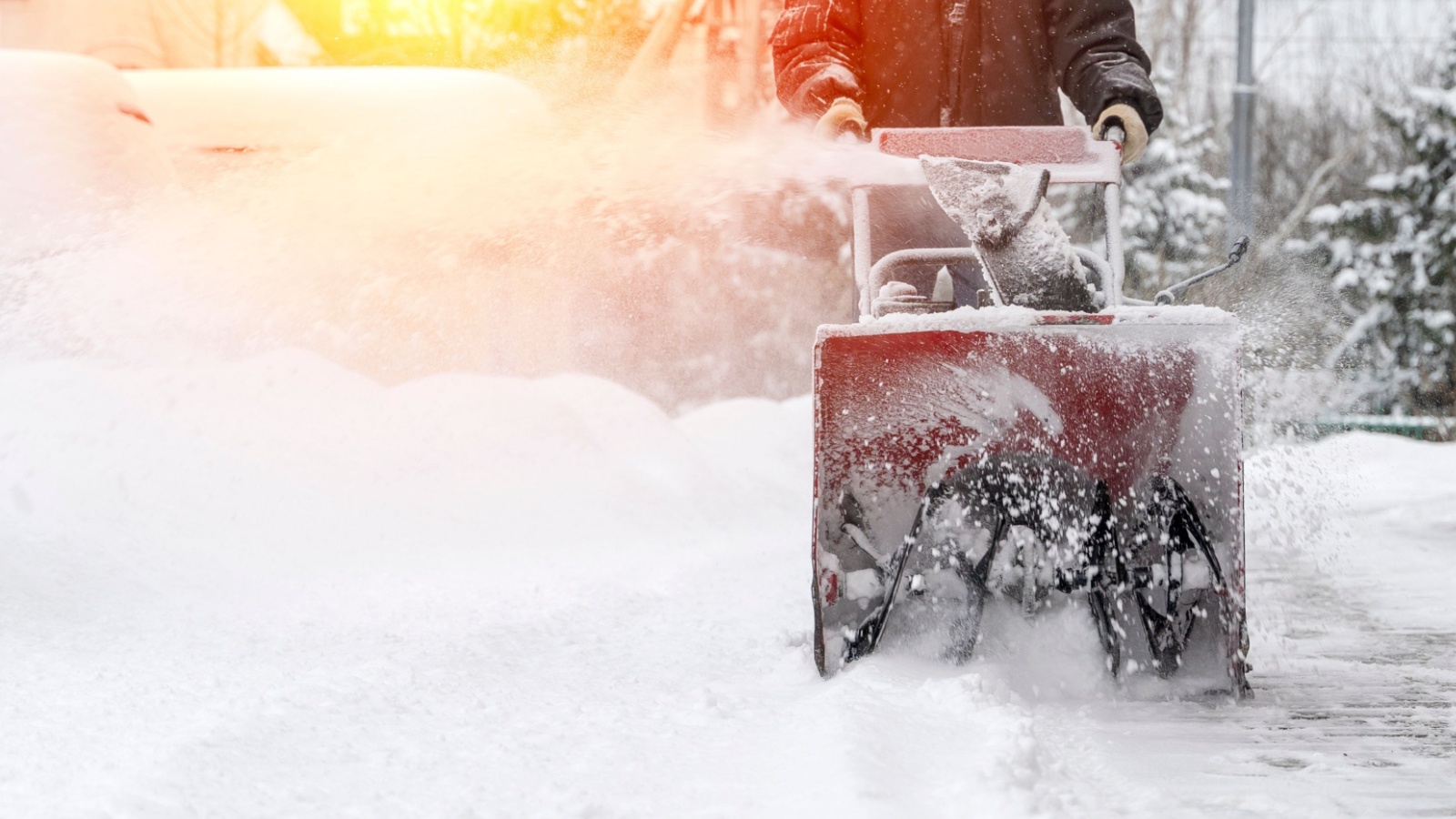
Electric start models rely heavily on battery power. A weak battery makes the starter motor slow and unreliable. Cold temperatures drain batteries faster than expected. Try charging the battery overnight or jump-starting with a portable booster. If the machine starts after boosting, you likely need a replacement. Some snowblowers include a manual pull cord, which can be used while waiting for a new battery. Storing the battery indoors between snowfalls can also extend its life. A healthy battery takes the load off the starter.
Frozen Fuel or Moisture Inside the Engine
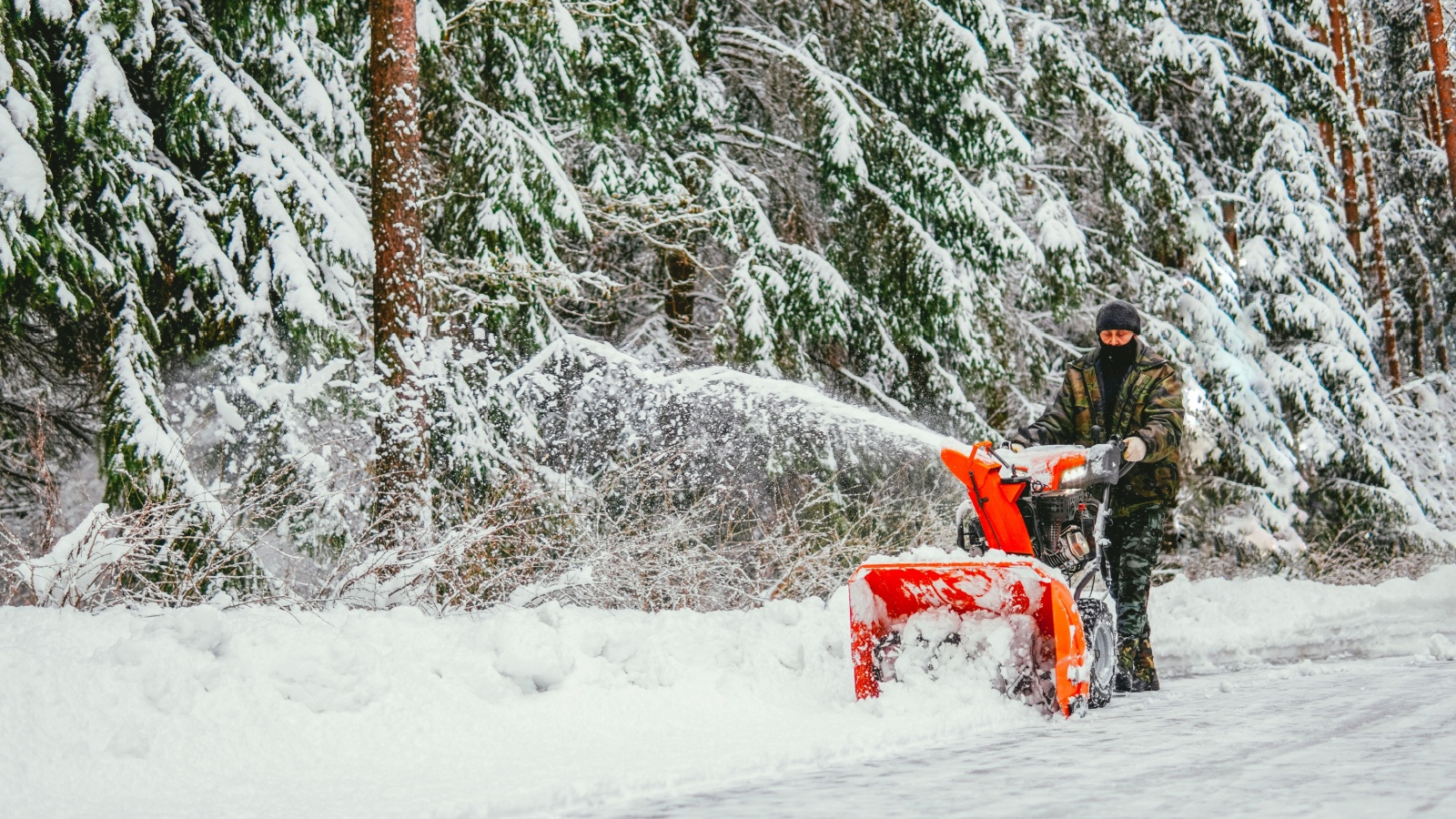
Moisture can mix with fuel during long storage periods. That moisture freezes during winter and blocks fuel delivery. Bringing the snowblower into a warm garage for a few hours sometimes solves it without tools. You can also add gas line antifreeze, which removes water from fuel systems. This helps prevent refreezing during future storms. Fuel that looks cloudy or separated inside the tank usually contains water. Replacing the fuel completely is the safest fix when moisture is present.
The Safety Key or Switch Is Off
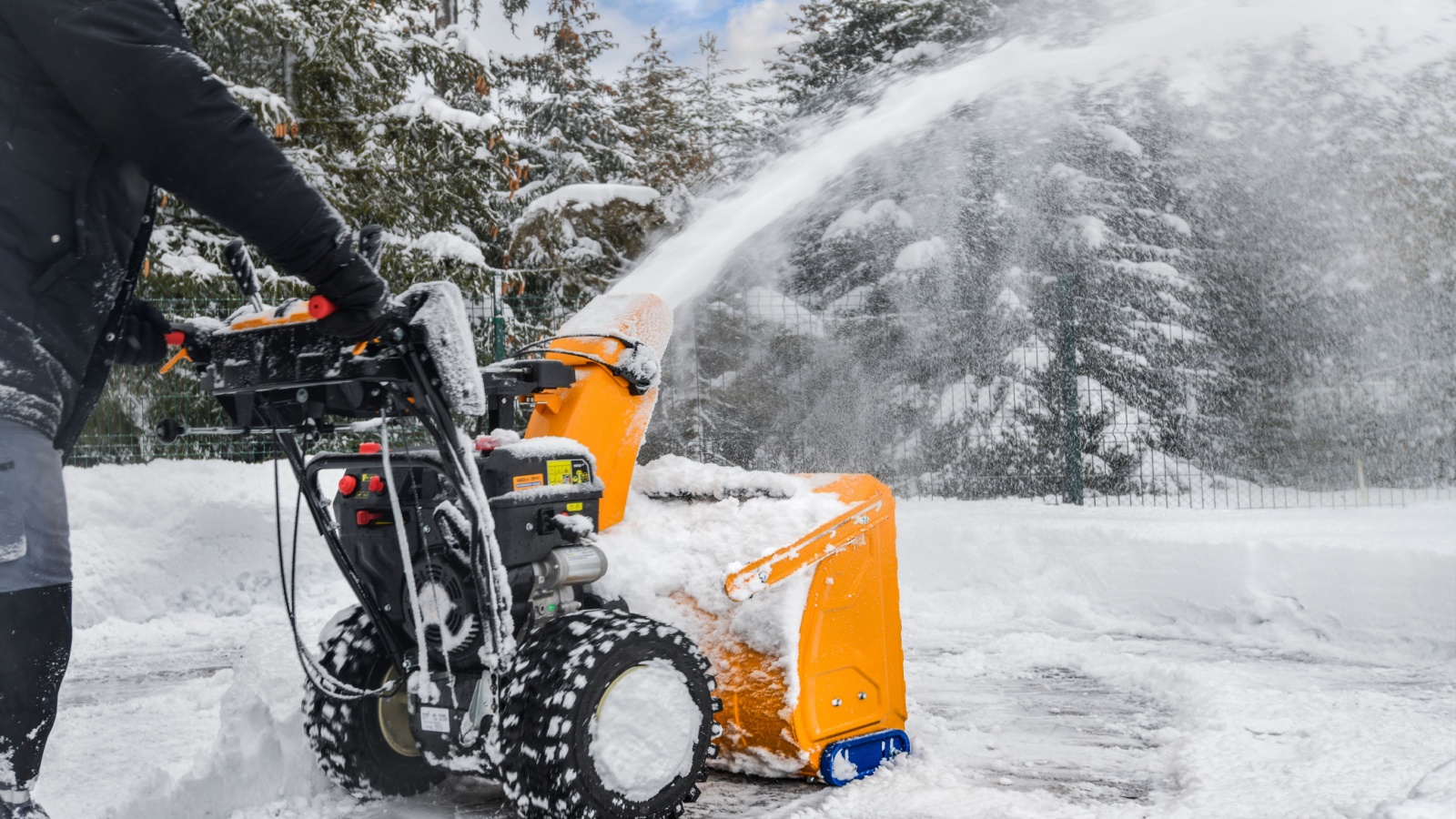
Most snowblowers include a safety key or kill switch to prevent accidental starting. If the key is removed or the switch is off, the machine will never start. People sometimes remove the key during storage and forget to reinsert it later. Check the dashboard or handle area for the key slot or switch. Press it firmly into place and try starting again. This simple detail has frustrated countless winter mornings. Always check for the key before assuming a mechanical failure.
The Recoil Starter Pull Cord Slips or Breaks
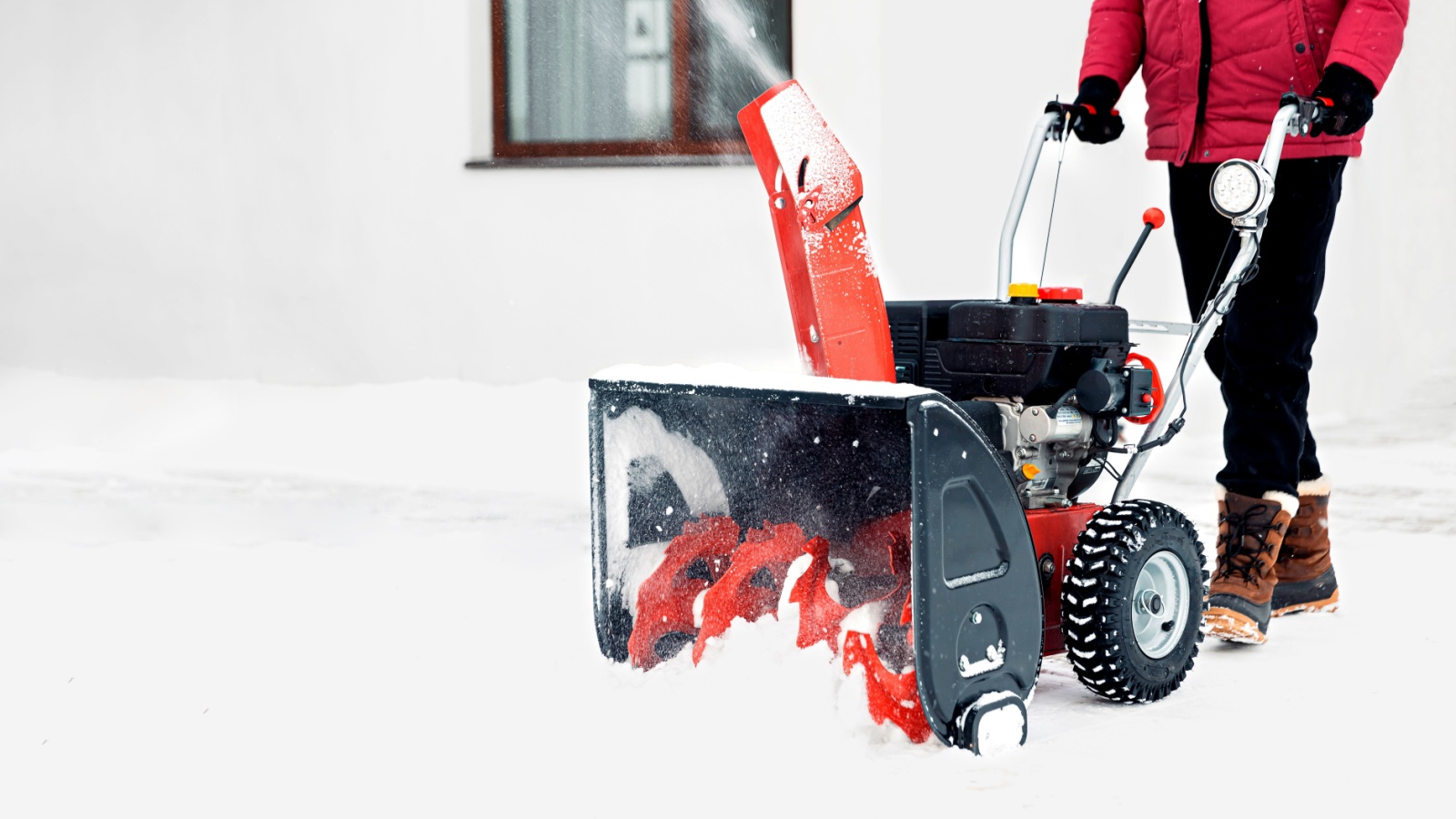
A worn recoil spring can cause the starter rope to snap back without turning the engine. Sometimes the rope frays or breaks entirely. Replace the rope if it looks damaged. For slipping recoil systems, the spring assembly may need replacement. Many homeowners choose repair kits because they handle everything at once. Pulling the cord should feel smooth and strong when fixed. A working recoil starter is important even for electric models because batteries can fail during long, cold spells.
22 Groceries to Grab Now—Before another Price Shock Hits Canada

Food prices in Canada have been steadily climbing, and another spike could make your grocery bill feel like a mortgage payment. According to Statistics Canada, food inflation remains about 3.7% higher than last year, with essentials like bread, dairy, and fresh produce leading the surge. Some items are expected to rise even further due to transportation costs, droughts, and import tariffs. Here are 22 groceries to grab now before another price shock hits Canada.
22 Groceries to Grab Now—Before another Price Shock Hits Canada
