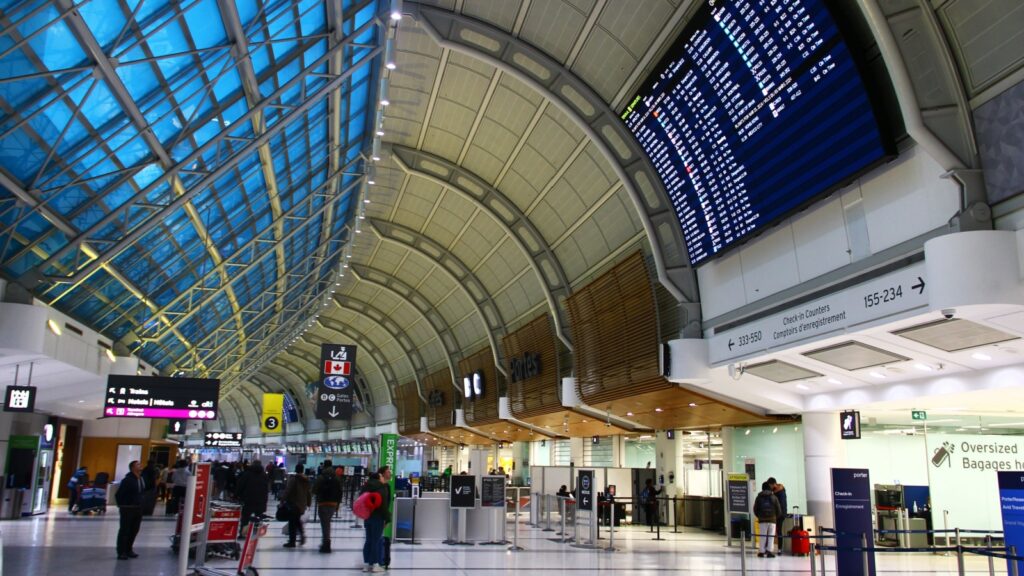
Holiday travel should feel warm and relaxing, but one messy airport can ruin everything. Long lines, delayed flights, lost bags, and constant announcements are not the winter soundtrack anyone wants. Many Canadian airports get crowded at this time of year, and some are harder to deal with than others. If you want to protect your sanity, choosing a better airport can save hours of stress and keep your plans on track. Here are 12 airports to avoid at all costs this winter season.
Toronto Pearson International Airport (YYZ)
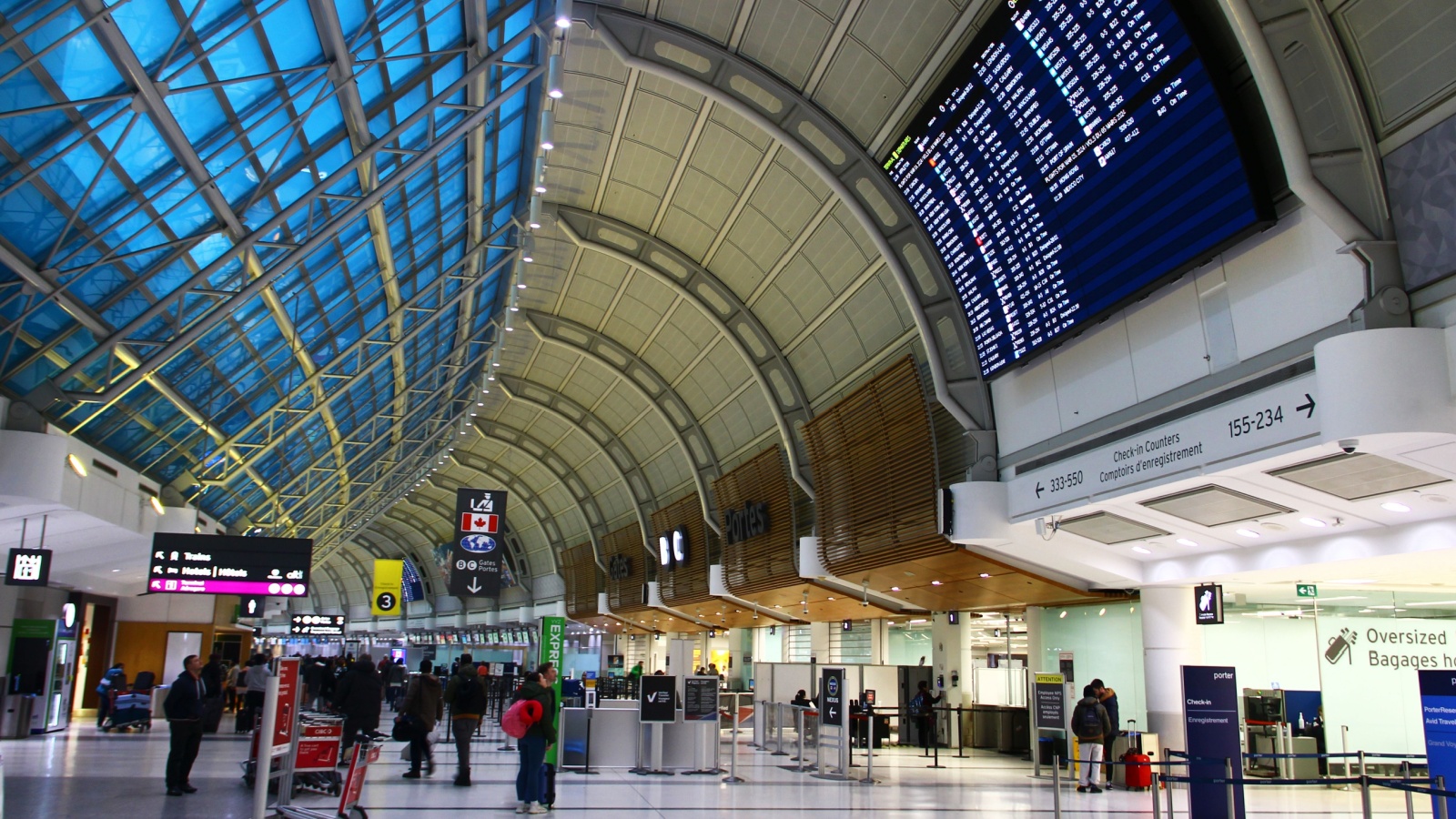
Toronto Pearson handles more flights than any other airport in Canada. During the holidays, that volume often turns into bottlenecks across security, check-in lines, and baggage belts. Crowds start early in the morning and continue late into the night. Last-minute gate changes and delayed takeoffs can turn short trips into long adventures. Because thousands of travelers pass through daily, small disruptions tend to spread quickly. Travelers who are connecting through Pearson might deal with sudden rebooking or lost connections. If you want a quieter journey, consider flying through a smaller Ontario airport or traveling outside peak holiday dates.
Vancouver International Airport (YVR)
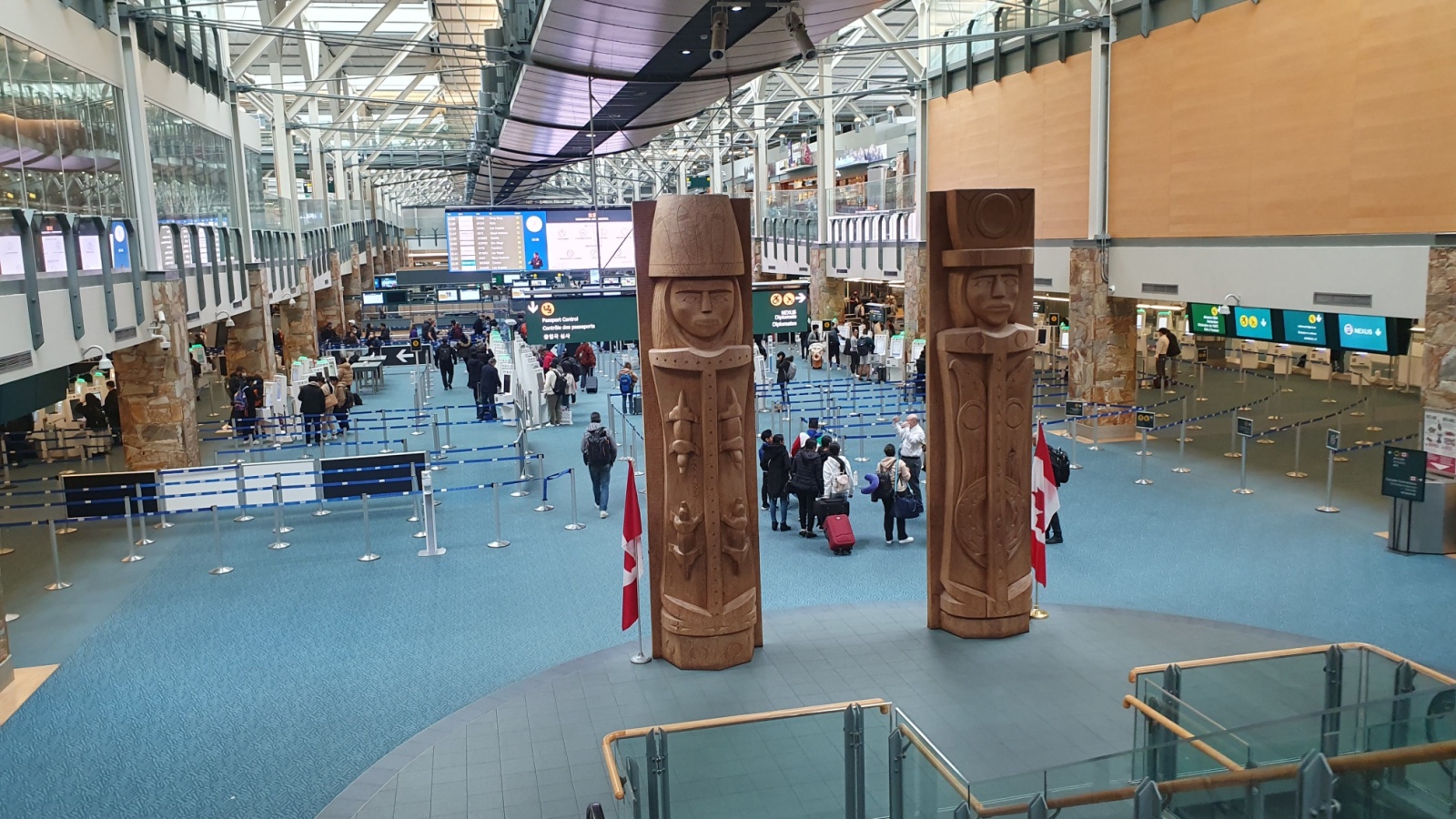
Vancouver International sees huge traffic during the festive season, especially from international visitors and students flying home. The airport becomes crowded fast, and the lines grow longer as the day progresses. Winter weather on the West Coast also contributes to flight delays because fog and rain slow ground operations. That pressure increases stress on staff and travelers. People who have tight itineraries might struggle to catch connecting flights. Baggage pickup can also take longer than usual when the terminals are packed. Booking earlier departure times or shifting to regional airports can help reduce the risk of disruptions.
Montréal-Trudeau International Airport (YUL)
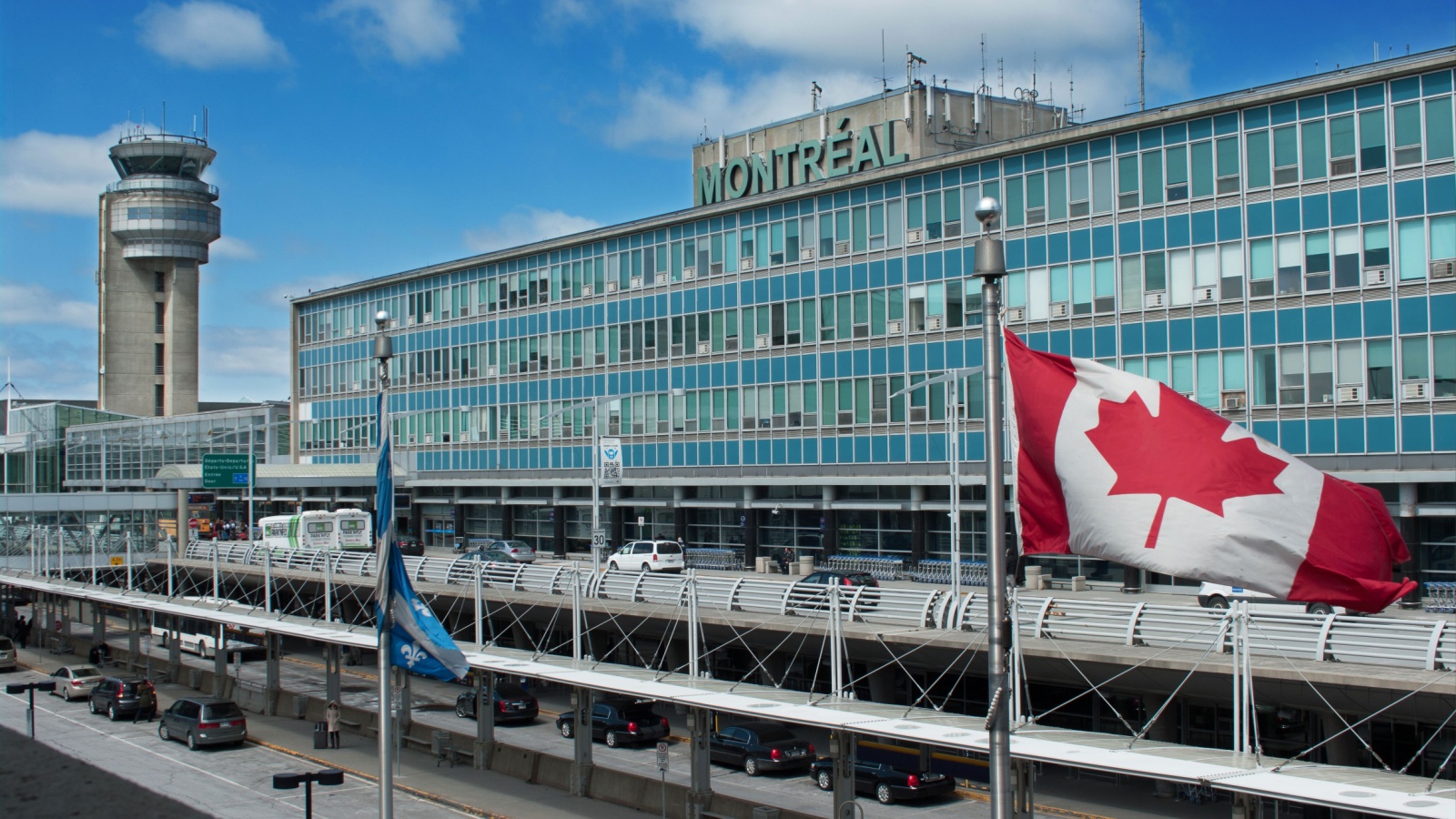
Montréal-Trudeau gets extremely busy in December due to heavy domestic, US, and European travel. The airport faces recurring issues with long wait times at security during peak vacation weeks. Passengers also complain about late departures and crowded terminals that are difficult to navigate when families are travelling together. Communication during delays can feel slower on busy days, which adds to frustration for international flyers. When flights fill up, rebooking becomes difficult because most options are already sold out. Travelers hoping to avoid holiday nerves should give themselves a wide buffer or choose a different Québec airport.
Calgary International Airport (YYC)
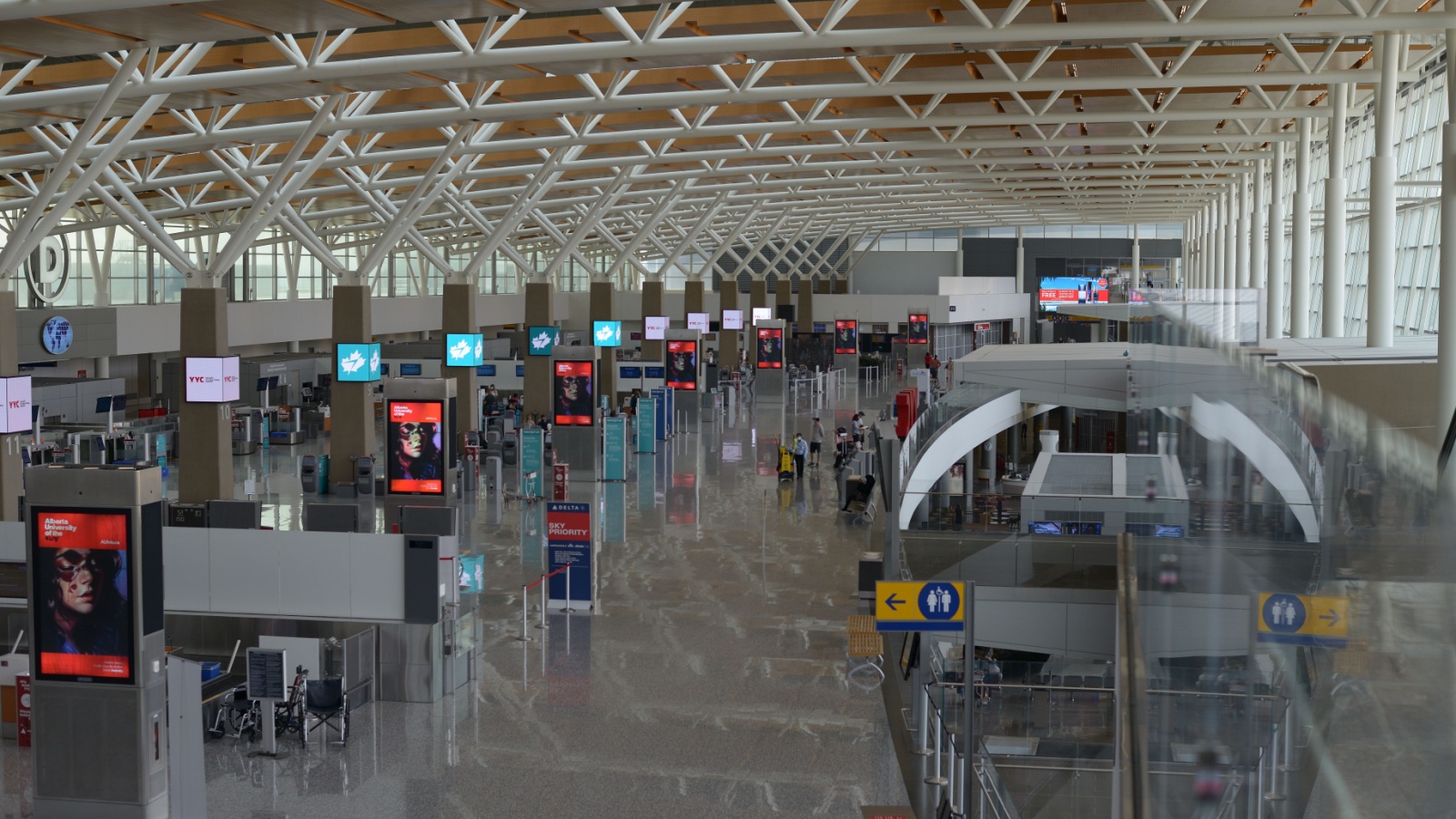
Calgary International experiences a surge of holiday travel due to Canadians flying between provinces and winter vacation spots. Delays are common because the airport juggles heavy domestic and international departures in quick succession. Severe winter temperatures can also increase de-icing times, which hold aircraft at the gate for longer than expected. The layout gets congested when large crowds gather at security. Even simple tasks like grabbing food take more time because shops fill up quickly. If winter storms hit, long lines form at customer service desks. Booking non-stop flights or using Edmonton as an alternative may reduce stress.
Edmonton International Airport (YEG)

Edmonton International can feel overwhelmed when holiday traffic jumps. Travelers report long waiting times at check-in and lengthy lines for security during early morning and evening hours. Staffing levels sometimes struggle to match demand in peak travel weeks, so small delays can turn into cascading disruptions. When flights fill up, it becomes harder to find rebooking options, which leaves passengers stuck in terminals. Bad weather across Alberta sometimes creates ripple effects that push flights to later schedules. Anyone travelling with young children or tight connections may prefer to fly through another airport to avoid high-stress peak days.
Halifax Stanfield International Airport (YHZ)
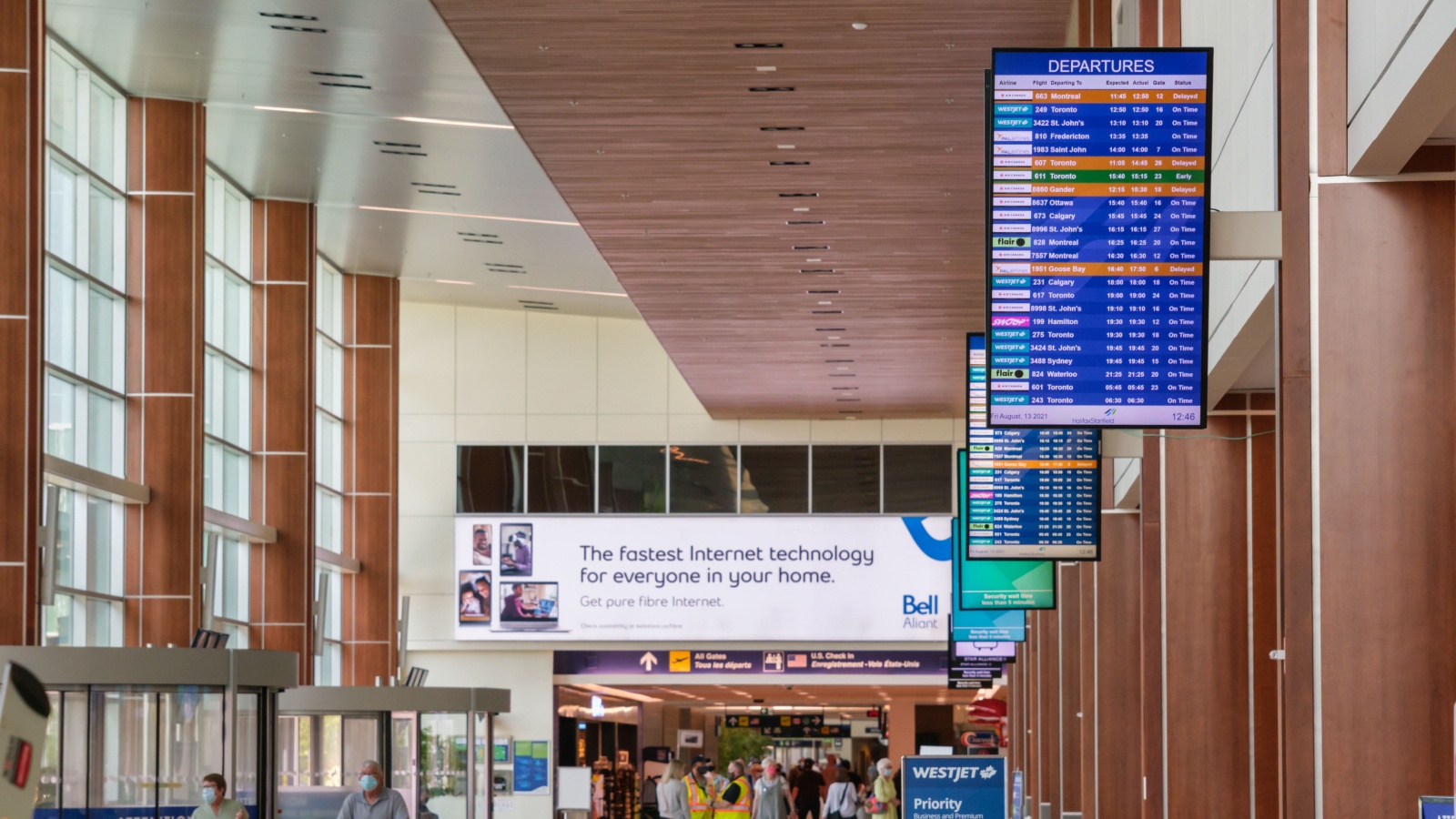
Halifax Stanfield faces heavy holiday pressure because many travelers fly home to visit family across Atlantic Canada. The airport has fewer direct flight options than major hubs, so cancellations or weather issues can disrupt several itineraries at once. If a flight gets delayed, there are often limited alternate routes available, which leads to long waits. The terminals become packed when storms hit, which pushes seating, food spots, and charging stations to full capacity. Travelers on fixed schedules may find the uncertainty frustrating. A safer strategy is planning flexible dates or routing through Montréal or Toronto during calmer periods.
Winnipeg James Armstrong Richardson International Airport (YWG)
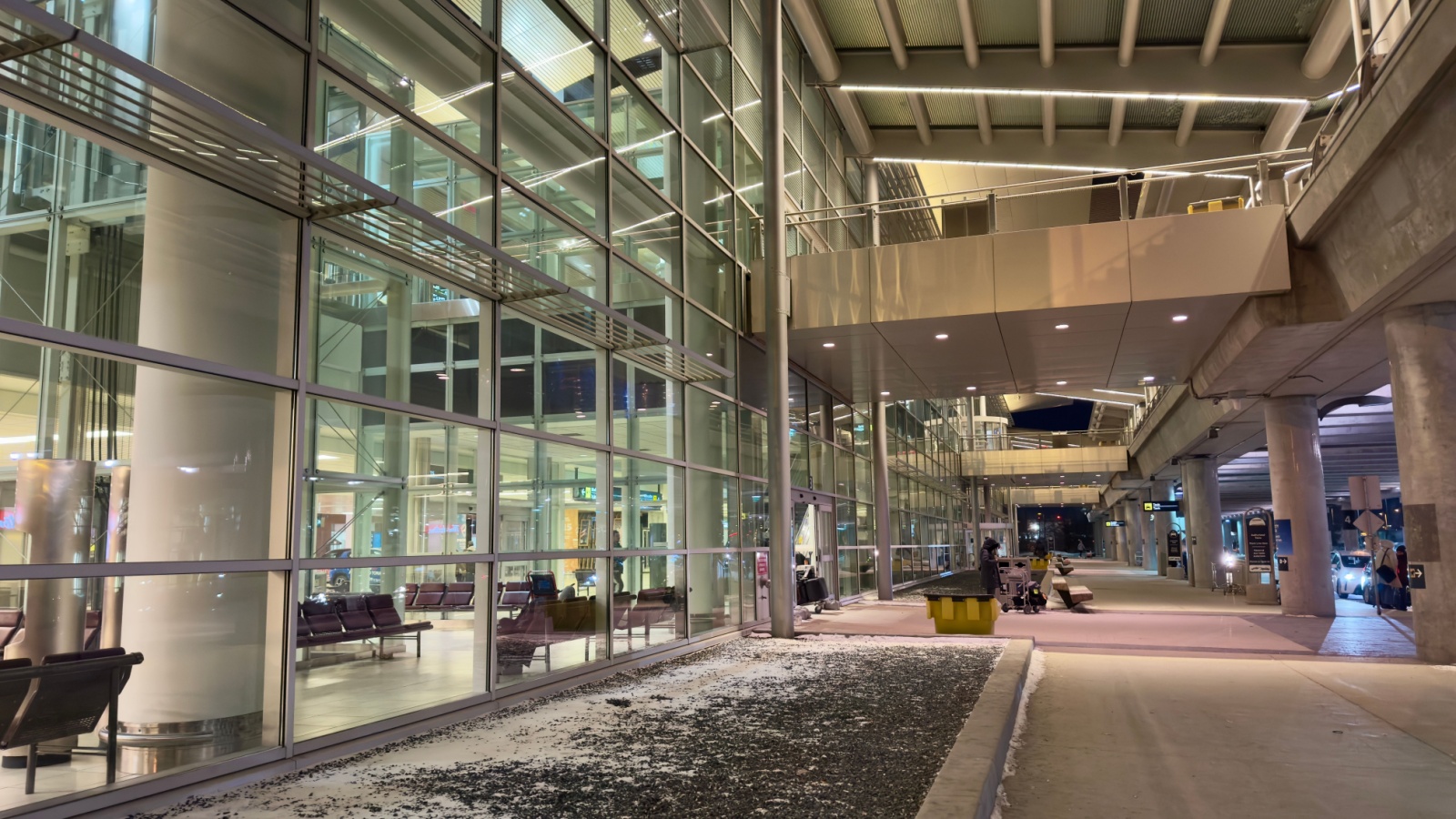
Winnipeg tends to feel the pressure when flight activity spikes around December. Winter storms frequently affect Manitoba and cause delays that stack up throughout the day. Because the airport does not operate at the same scale as Canada’s biggest hubs, options for rebooking can be slim once holiday flights fill. People also report slower baggage pickup when flights arrive close together. Terminals can become congested rapidly when several departures occur within short timeframes. Travelers on tight schedules might experience interruptions that stretch plans. A smoother option is transferring through Calgary or Toronto if you want more route flexibility.
Kelowna International Airport (YLW)
Kelowna International is popular for winter travel because British Columbia draws visitors for both ski trips and family holidays. When the airport reaches full capacity, it struggles to keep wait times manageable. The smaller size limits seating and amenities, so travelers may end up standing for long periods during delays. Harsh snowfall in BC’s Interior can also trigger schedule shifts that create unexpected overnight stays. Since the number of flights is limited, one cancelled plane can disrupt the rest of the day. If your holiday travel is time-sensitive, using Vancouver or Calgary might be more predictable.
Ottawa Macdonald-Cartier International Airport (YOW)
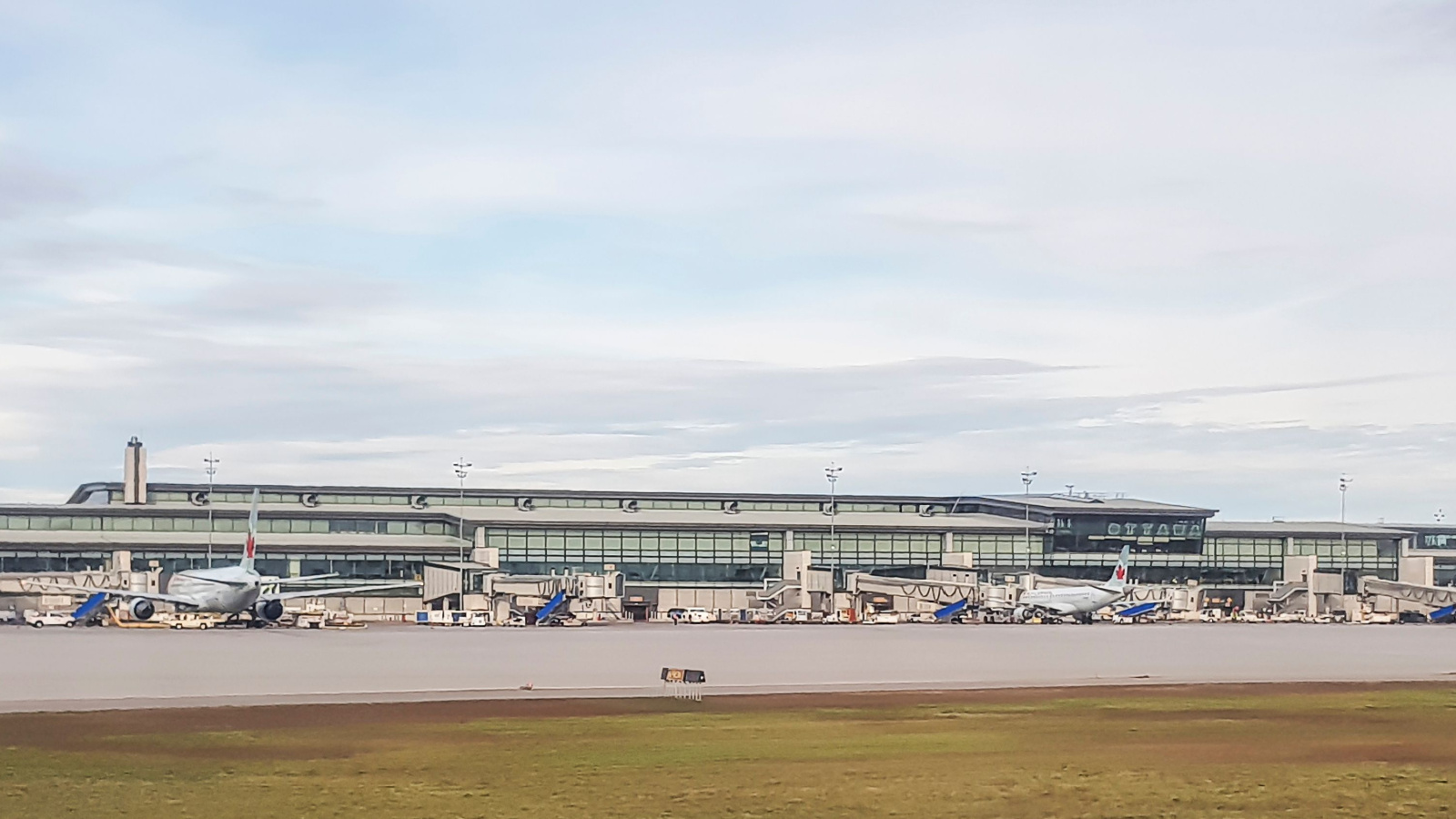
Ottawa is Canada’s capital, which draws heavy business and personal travel during the holidays. Despite a clean layout, the airport becomes crowded fast when multiple flights depart close together. Travelers often report slow security lines when morning rush hours collide with winter weather. Gate changes happen more during peak periods, and families travelling with children feel the pressure most. Like other mid-sized airports, there are fewer backup options if cancellations hit. Customers may spend long hours waiting for new seats or overnight accommodation. If schedule reliability matters, booking through Montréal or Toronto can offer more flexibility.
Quebec City Jean Lesage International Airport (YQB)
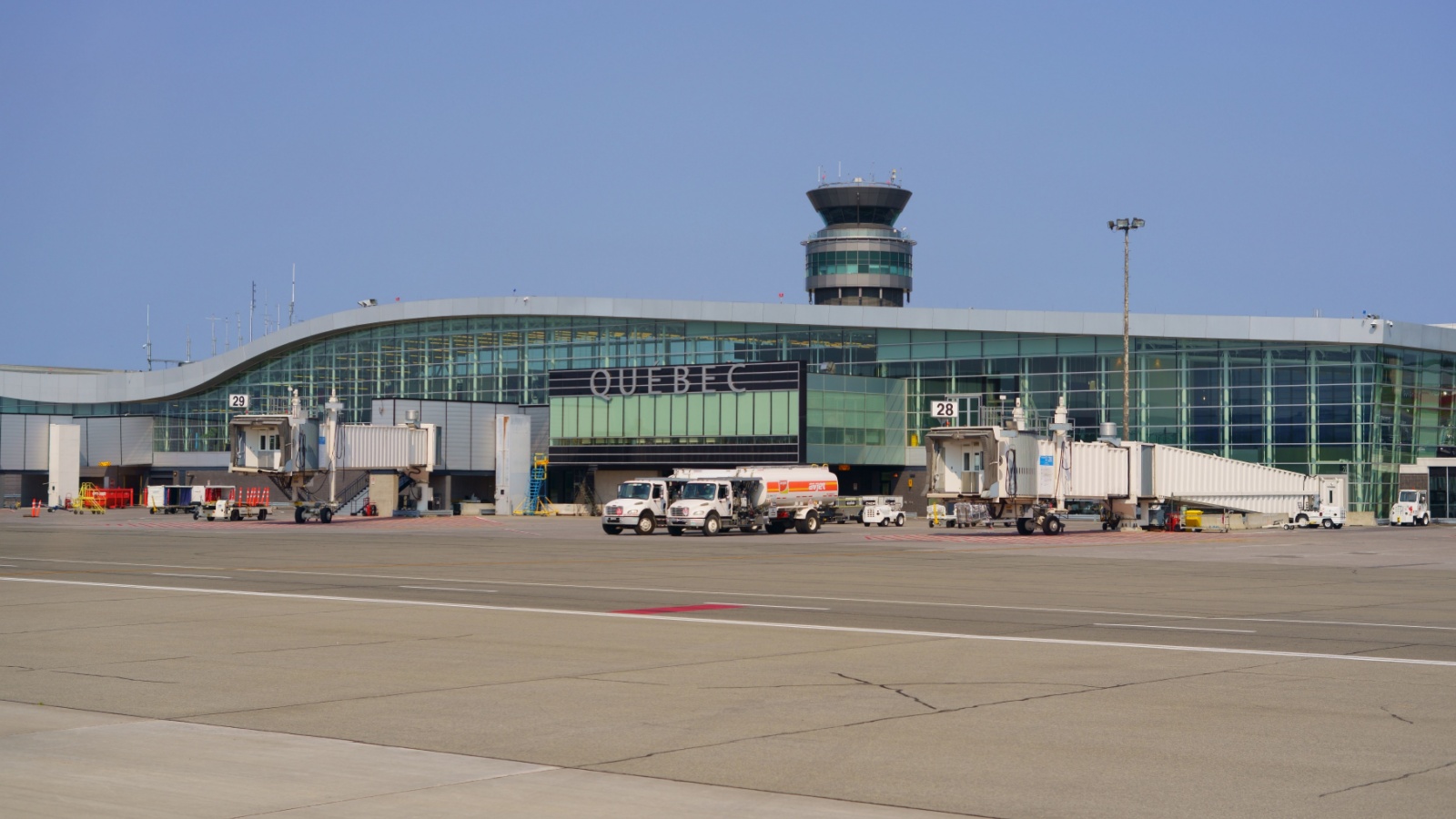
Quebec City’s airport is charming in quieter seasons, but holidays bring a different picture. The terminals feel small when large groups are travelling. Longer check-in lines and slower screen times sometimes frustrate patrons. Snowstorms frequently affect holiday schedules because many flights rely on precise timing. Food vendors reach capacity quickly during delays, which leaves limited places to sit and relax. Rebooking onto onward flights is limited because fewer carriers operate through the airport. Anyone flying with tight connecting plans may benefit from routing through Montréal to avoid stress since options are wider and more dependable.
Hamilton International Airport (YHM)
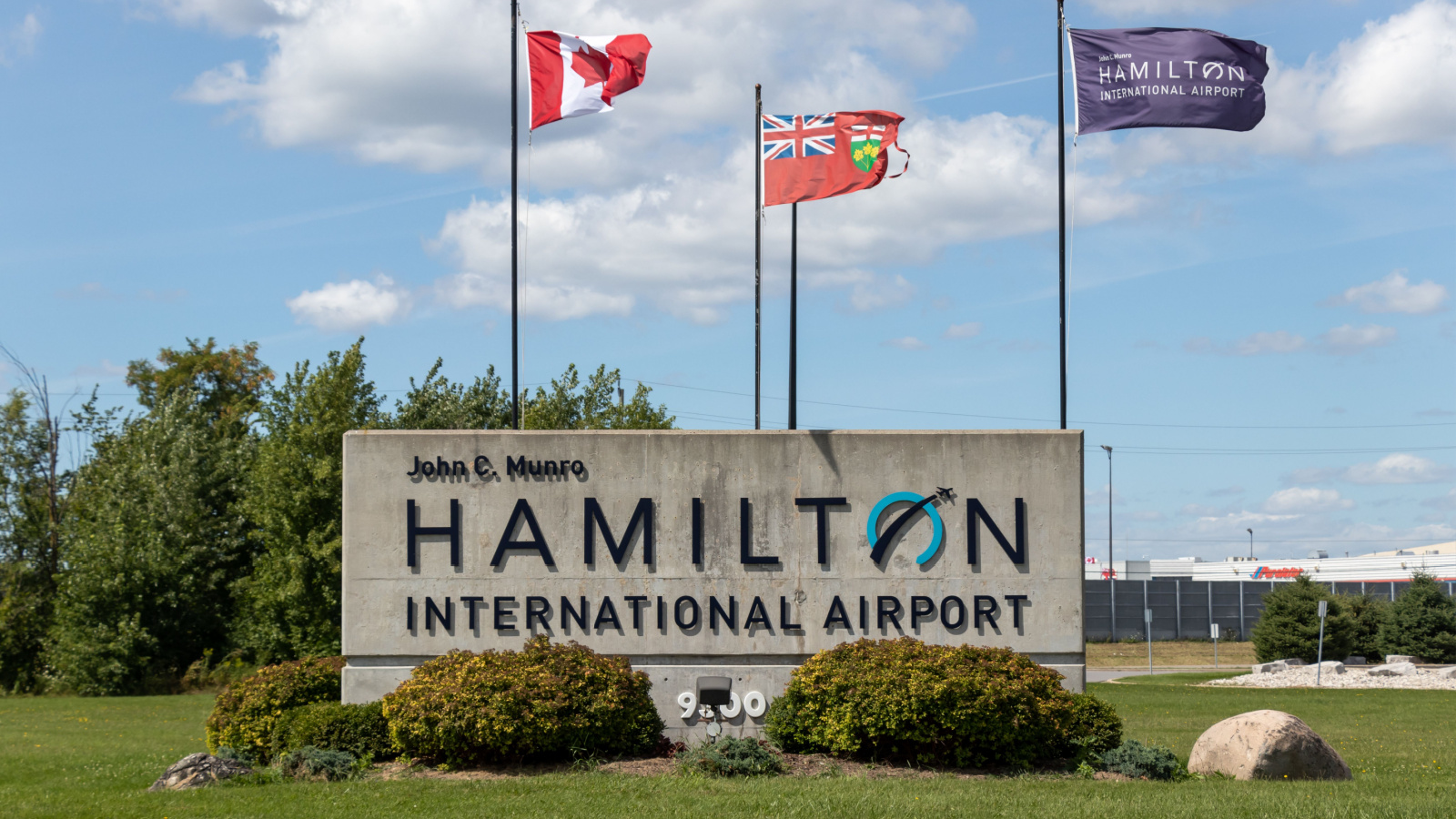
Hamilton International has grown over the years, but holiday traffic still challenges its capacity. The airport depends heavily on a smaller number of airlines and routes, so schedule changes can create large blockages. Many travelers see long waits at the bag drop and customer service when the airport reaches peak volumes. If weather interrupts flights to Toronto or Western Canada, same-day alternatives are often limited. Travelers appreciate the smaller size when things run smoothly, but the risk during December and January is higher. If flexibility matters, flying from Toronto or London might create an easier holiday experience.
Smaller Regional and Remote Northern Airports
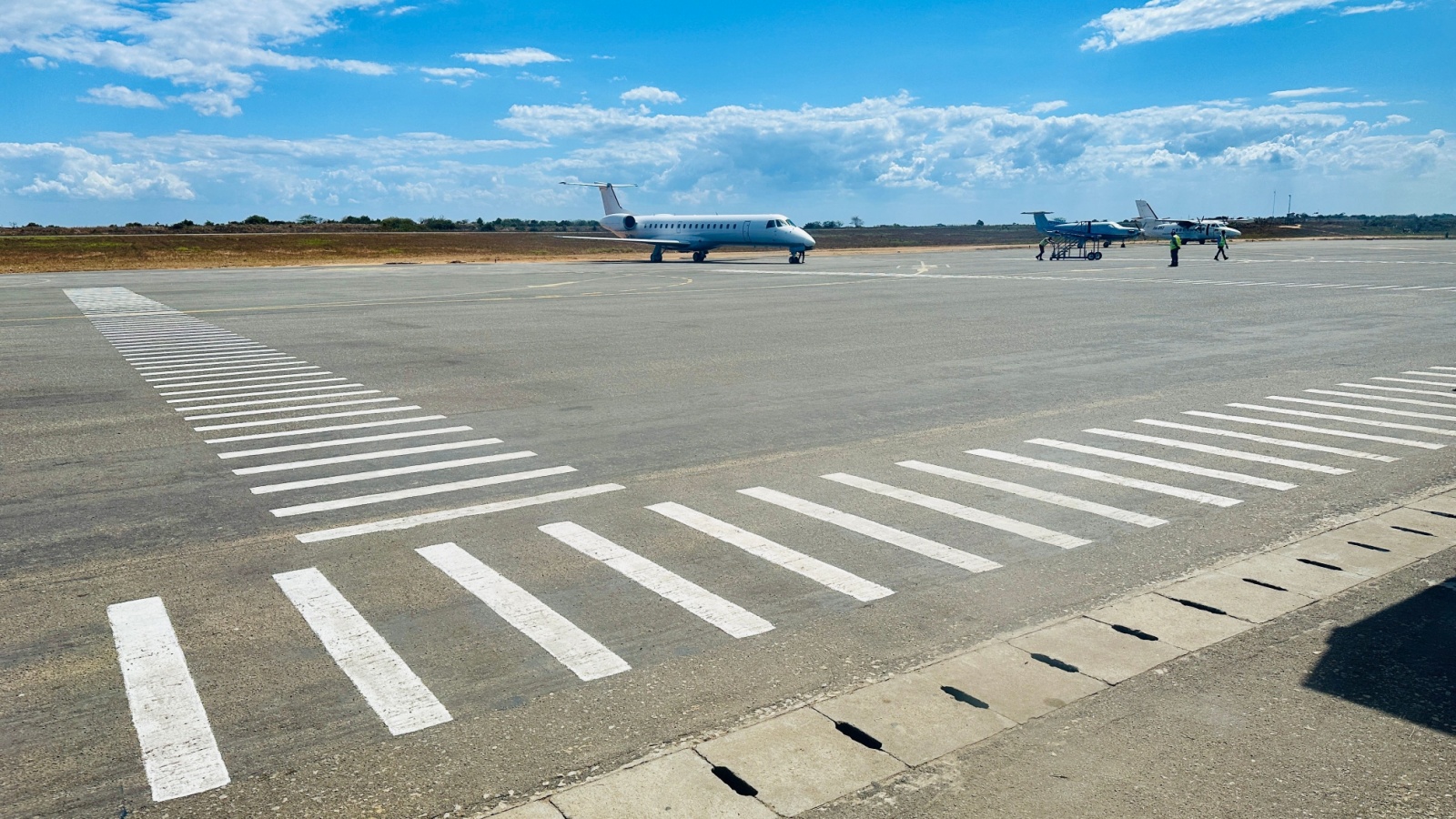
Regional and remote northern airports across Canada provide essential travel links for small communities. Because they operate with limited aircraft and limited frequency, any hiccup during winter can cause widespread travel interruptions. Snow, high winds, and visibility issues sometimes close runways altogether. When that happens during the holiday season, passengers may face long waits without many alternatives. Seating, services, and restaurants fill up quickly when several departures run behind schedule. Anyone traveling for celebrations or tight timelines might experience delays that stretch into days. If possible, fly into larger hubs and connect to regional routes outside peak season.
22 Groceries to Grab Now—Before another Price Shock Hits Canada

Food prices in Canada have been steadily climbing, and another spike could make your grocery bill feel like a mortgage payment. According to Statistics Canada, food inflation remains about 3.7% higher than last year, with essentials like bread, dairy, and fresh produce leading the surge. Some items are expected to rise even further due to transportation costs, droughts, and import tariffs. Here are 22 groceries to grab now before another price shock hits Canada.
22 Groceries to Grab Now—Before another Price Shock Hits Canada
