
Scrolling through health advice has become part of daily life in Canada. Friends, influencers, and ads all share quick fixes. Many tips sound simple and convincing at first. Some promise fast weight loss or stronger immunity. Others claim to remove toxins or balance the body. Over time, Canadians are questioning these claims more closely. Doctors and health experts often give different guidance. Scientific evidence does not support many popular trends. Learning what works helps people spend money and effort wisely. Understanding common myths also protects long-term health. Here are 12 health “hacks” Canadians are finally calling out as fake.
Detox Teas That Claim to “Clean” Your Body
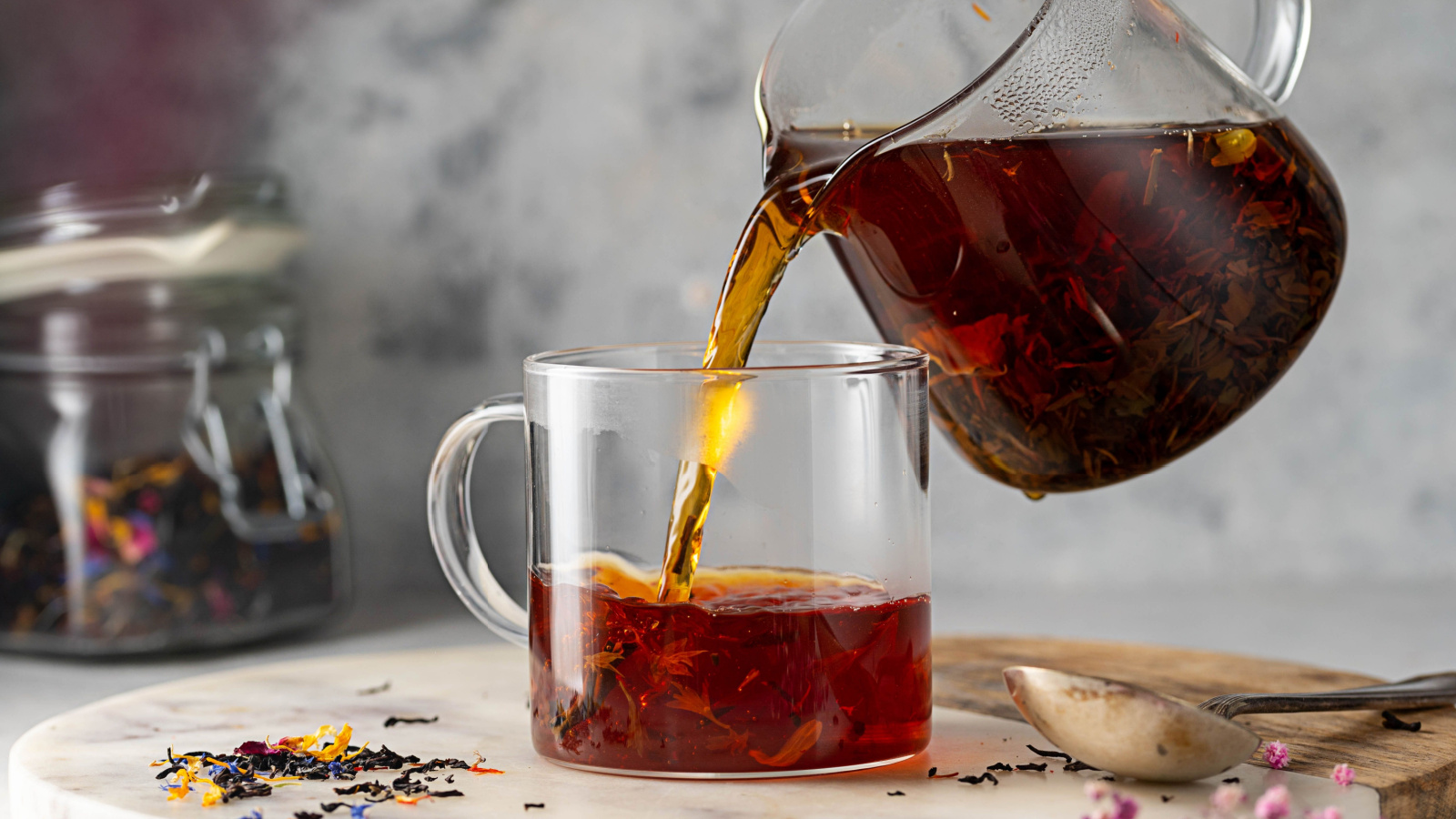
Many detox teas sold in Canada claim to remove toxins from the body. Marketing often links them to quick weight loss. The body already has the liver and kidneys handling waste removal daily. These organs work constantly without special drinks. Most detox teas act as laxatives or diuretics. That means losing water, not body fat. Temporary weight drops can mislead people. Frequent use may cause dehydration and stomach cramps. Some products contain senna or similar herbs. Long-term use can disturb normal bowel function. Health Canada has warned about unapproved natural health products in the past. Drinking water and eating fiber support digestion safely. Balanced meals, sleep, and movement help overall health more than short-term tea routines.
Alkaline Water for Balancing Body pH

Alkaline water products in Canada often promise better health by changing body pH levels. The human body tightly regulates blood pH through breathing and kidney function. Drinking alkaline water does not shift blood pH in healthy people. The stomach is highly acidic, so most alkaline substances are quickly neutralized. Some people report fewer reflux symptoms, but evidence remains limited. Plain tap water in Canada already meets safety standards. Hydration matters more than water type. Expensive bottled alkaline water offers no proven added benefit for most adults. Marketing may sound scientific, but claims often lack strong clinical support. Choosing water you enjoy drinking can help you stay hydrated. Regular hydration supports digestion, energy levels, and general body function without relying on special water labels.
Spot Fat Reduction Workouts

Many Canadians still hear that certain exercises can remove fat from one body area. This idea is called spot reduction. Research shows fat loss happens across the body, not only where muscles work. Doing many abdominal exercises can build core strength. That does not directly burn belly fat alone. Fat loss depends on overall energy balance and consistent activity. Genetics also influences where fat is reduced first. Social media often promotes quick targeted routines. These programs can set unrealistic expectations. Strength training, cardio, and balanced eating support gradual fat loss. Progress often takes weeks or months. Measuring health with energy levels, strength gains, and endurance gives a fuller picture. Focusing only on one body part can lead to frustration and stopping exercise early.
Vitamin C Prevents All Colds

Vitamin C supplements remain popular in Canada during the cold season. Many believe high doses can stop colds completely. Research suggests vitamin C may slightly shorten cold duration for some people. It does not prevent most people from catching colds. Colds come from many viruses spreading through contact and the air. Handwashing and staying home when sick reduce the spread better. Very high vitamin C intake can cause stomach upset or diarrhea. Most people get enough vitamin C from fruits and vegetables. Oranges, peppers, and broccoli are good sources. Supplements may help people with limited diets, but they are not a magic protection. Sleep, stress control, and regular activity support immune function. Relying only on pills can give a false sense of security.
Sweating More Means Better Fat Loss

Sweat often feels like proof of a hard workout. Many Canadians link heavy sweating with greater fat loss. Sweat mainly cools the body during activity or heat exposure. The fluid lost through sweat is mostly water and electrolytes. Body weight may drop after exercise because of water loss. Drinking fluids usually restores that weight quickly. Fat loss occurs when the body uses stored energy over time. Workout intensity, duration, and food intake influence this process. People sweat at different rates based on genetics and environment. Wearing heavy clothing to sweat more can increase the risk. Monitoring effort through heart rate or perceived exertion gives better feedback. Consistent habits matter more than how wet clothes feel after exercise.
Natural Means Always Safe for Everyone
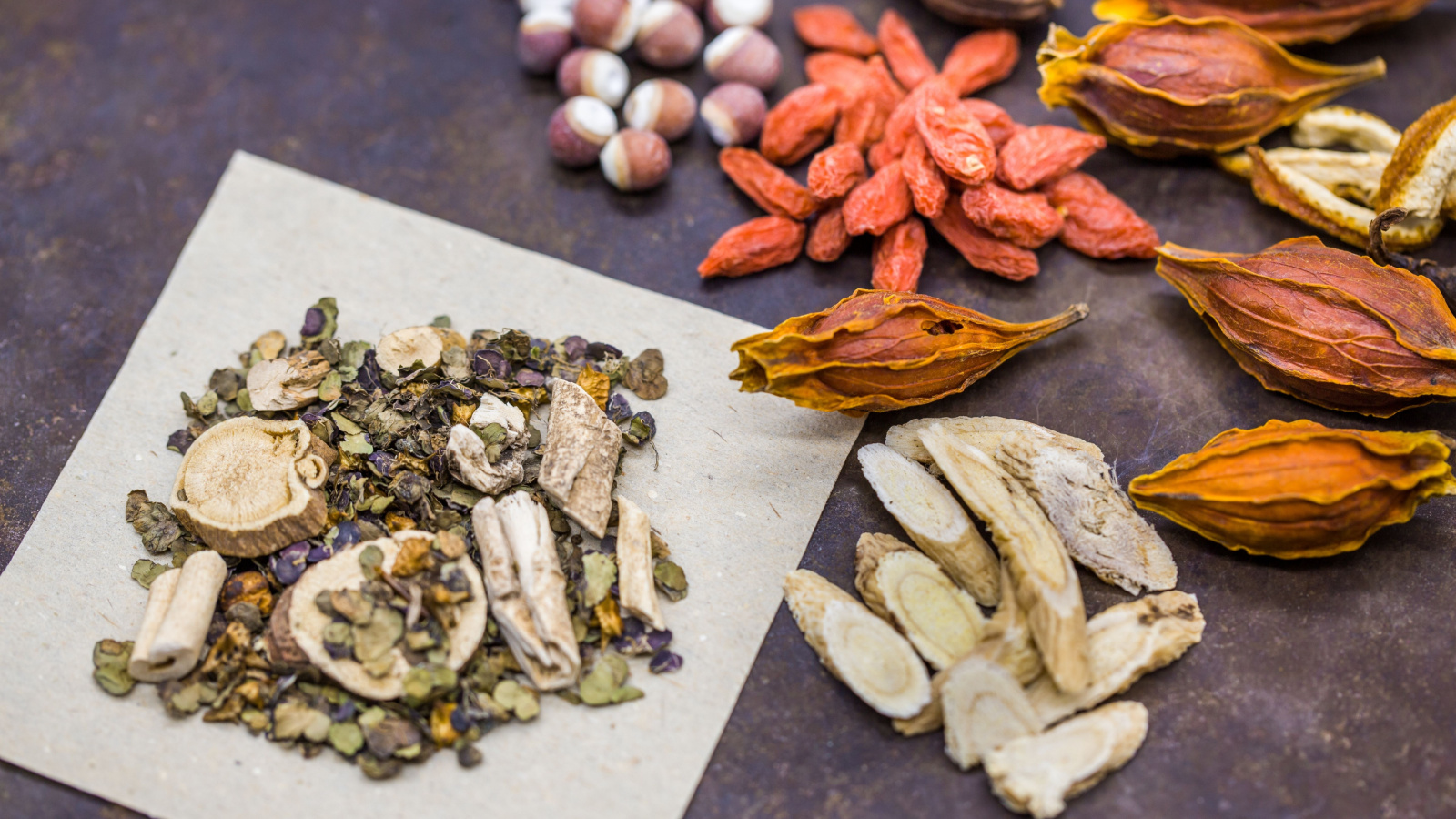
Many products in Canada use the word natural to attract buyers. Natural does not always mean safe for every person. Poison ivy and some mushrooms are natural but harmful. Herbal remedies can interact with prescription medicines. This may change how drugs work in the body. Some natural health products lack strong testing. Doses may vary between brands or batches. Allergic reactions can also happen with plant-based products. Pregnant people and those with health conditions need extra caution. Health Canada regulates many natural health products, yet risks still exist. Reading labels and talking with a pharmacist helps reduce problems. Choosing products based on evidence, not only marketing terms, supports safer decisions for personal health.
Charcoal Products Removing Body Toxins

Activated charcoal products appear in drinks, toothpaste, and supplements across Canada. Ads often claim they pull toxins from the body. In hospitals, activated charcoal treats certain poisonings under medical care. That use differs from everyday wellness products. Charcoal in food or drinks may bind to some substances. It can also bind to medicines, reducing their effect. There is little evidence supporting routine detox benefits. The body already removes waste through the liver and kidneys. Charcoal toothpaste may be abrasive on enamel with frequent use. Overuse of charcoal supplements can cause constipation. Health Canada has raised concerns about some unapproved products before. Regular hydration, fiber intake, and balanced meals support normal body functions without relying on charcoal trends.
Skipping Meals for Faster Weight Loss

Skipping meals seems like a quick way to cut calories. Many Canadians try this when aiming for weight loss. Missing meals can lead to strong hunger later in the day. This may increase overeating or choosing high-calorie foods. Energy levels can drop, affecting work, study, or driving. Some people feel dizzy or irritable without regular meals. Consistent meal timing helps manage appetite and blood sugar. Intermittent fasting plans exist, yet they still require balanced nutrition. Simply skipping random meals rarely builds healthy habits. Weight loss depends on overall intake and activity over time. Eating regular meals with protein, fiber, and healthy fats can support fullness. Sustainable patterns often work better than short bursts of restriction.
Supplements Replacing a Balanced Diet

Supplement shelves in Canada carry vitamins, minerals, and herbal products. Some ads suggest pills can replace healthy meals. Supplements can help fill specific nutrient gaps. They cannot copy the full value of whole foods. Fruits, vegetables, grains, and proteins provide fiber and many compounds. These components work together in ways pills cannot match. Relying only on supplements may hide poor eating patterns. Some nutrients can build up to unsafe levels with high doses. Health Canada regulates many products, yet quality can still vary. A doctor or dietitian can guide supplement choices. Building meals with varied foods supports long-term health. Supplements work best as support, not as the main source of daily nutrition.
Late Night Eating Automatically Causes Weight Gain

Many Canadians hear that eating late always leads to weight gain. Body weight changes depend on total daily intake and activity. Eating at night does not automatically cause fat gain. Late meals may link with weight gain if they add extra calories. Nighttime snacking often involves high-calorie foods. Tiredness can also reduce mindful choices. Shift workers may need to eat at different times. Their schedules do not make weight gain unavoidable. Listening to hunger and fullness cues helps guide timing. Balanced meals earlier in the day can reduce late overeating. Sleep quality also affects appetite hormones. Focusing on overall habits matters more than the clock alone when managing body weight.
More Pain During Exercise Means Better Results

Soreness after exercise is common, especially with new activities. Many Canadians think more pain means better progress. Muscle soreness can come from small tissue stress. It does not measure workout quality or future results. Sharp or severe pain may signal injury. Ignoring pain can delay recovery and training consistency. Progress comes from gradual overload and proper rest. Muscles grow and adapt during recovery periods. Good form, warm-ups, and cooldowns reduce injury risk. Pushing through intense pain can lead to setbacks. Mild discomfort during effort can be normal. Tracking strength, endurance, and movement quality gives better feedback. Smart training supports long-term gains more than chasing painful sessions.
Health Trends on Social Media Equal Medical Advice

Social media in Canada spreads health tips at high speed. Many posts come from influencers rather than health professionals. Personal stories can sound convincing but lack scientific support. Algorithms often show popular content, not accurate information. Following viral trends can lead to unsafe practices. Some advice may conflict with medical guidance. Conditions like diabetes or heart disease need professional care. Online tips rarely consider individual health history. Checking sources and looking for qualified credentials helps. Canadian health organizations share evidence-based information online. Talking with doctors, nurses, or dietitians supports safer choices. Social media can inspire interest in health, yet it should not replace proper medical advice.
22 Groceries to Grab Now—Before another Price Shock Hits Canada

Food prices in Canada have been steadily climbing, and another spike could make your grocery bill feel like a mortgage payment. According to Statistics Canada, food inflation remains about 3.7% higher than last year, with essentials like bread, dairy, and fresh produce leading the surge. Some items are expected to rise even further due to transportation costs, droughts, and import tariffs. Here are 22 groceries to grab now before another price shock hits Canada.
22 Groceries to Grab Now—Before another Price Shock Hits Canada
