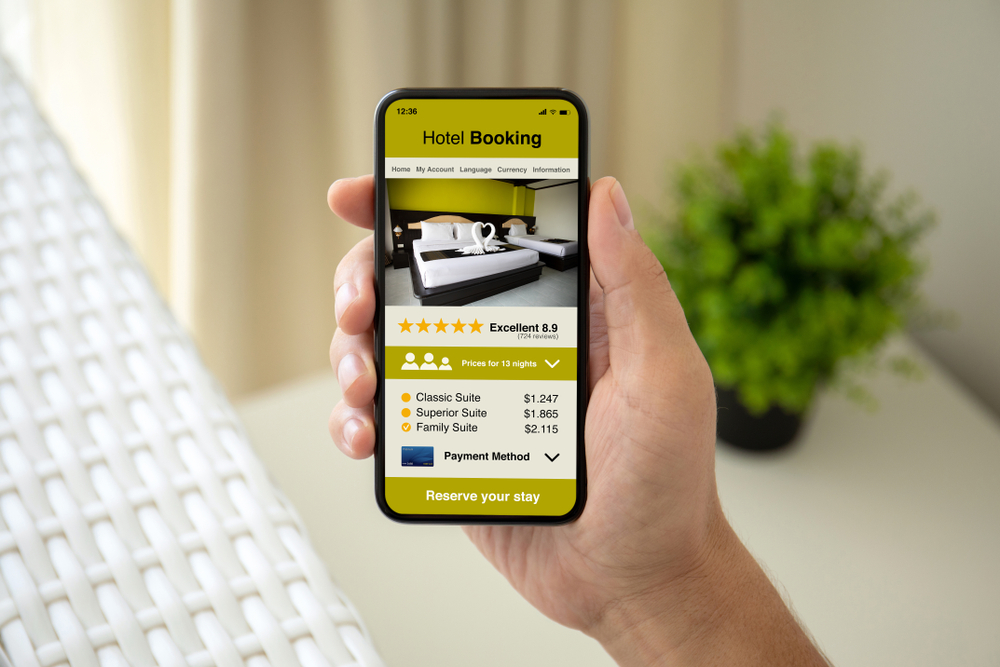
Hotel pricing often looks simple until extra fees appear at checkout. Many travelers focus on the nightly rate and overlook additional charges. Fees for services, timing, or amenities can add a noticeable amount. These costs may not be obvious during booking. Guests often feel frustrated when paying for features they did not use. Understanding common hotel charges helps travelers plan better. Here are 13 hotel fees Canadians hate the most and how to dodge them.
Resort Fees
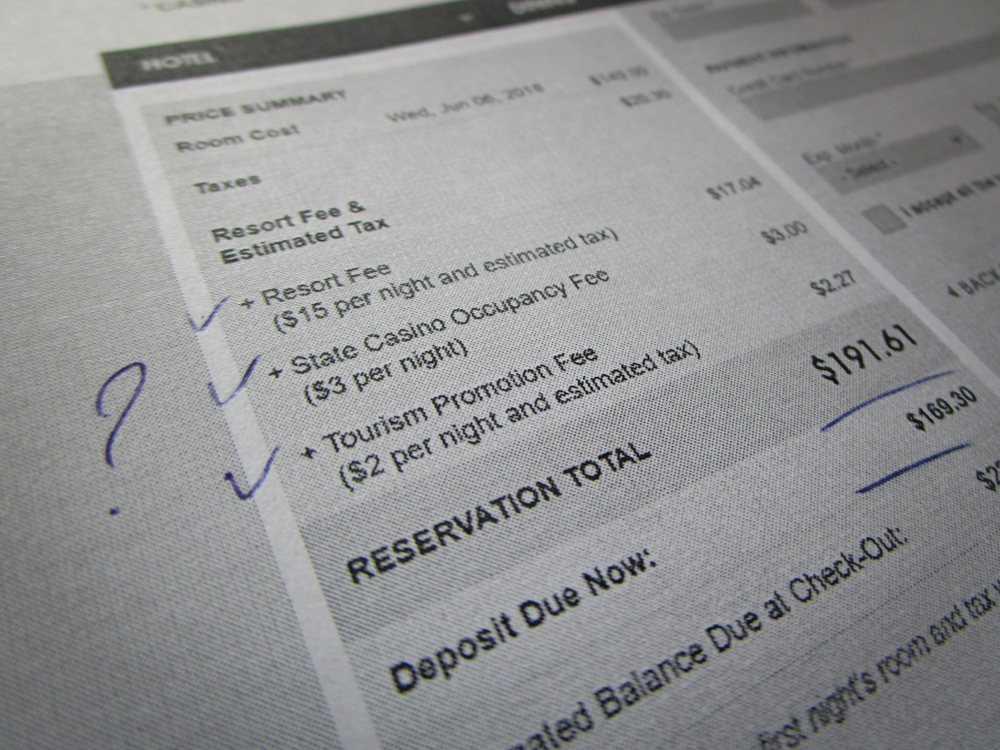
Resort fees are daily mandatory charges added to advertised room rates. Hotels claim they cover amenities like pools, gyms, or beach chairs. Guests often feel frustrated when they do not use those services. These fees can significantly increase the total cost of the stay. They may appear only in fine print during booking. Asking for the full price breakdown before confirming helps avoid surprises. Some properties remove fees for loyalty members. Choosing hotels with transparent pricing reduces unexpected costs. Reading confirmation emails carefully helps prevent disputes at checkout.
Parking Charges
Parking charges are common at hotels in cities and resort areas. Daily rates can be high, especially for valet service. Self-parking does not always mean free parking. Travelers often discover the cost only after arrival. Limited nearby parking can leave few alternatives. Checking hotel websites for parking details before booking helps. Public garages nearby may offer lower rates. Some hotels bundle parking into special packages. Asking about in-and-out privileges also matters. Planning helps avoid unexpected expenses and reduces frustration during the stay.
Early Check-In Fees
Early check-in fees apply when guests request access before the standard check-in time. Hotels may charge extra for room availability before the set hour. Travelers arriving on early flights often face this fee. Even if rooms are ready, charges can still apply. Requesting early arrival during booking may help. Some hotels waive fees for loyalty members or during low occupancy. Storing luggage and returning later can avoid costs. Confirming policies in advance prevents misunderstandings. Knowing arrival timing helps manage expectations and control extra expenses.
Late Check Out Fees

Late check-out fees occur when guests stay past the standard departure time. Hotels often charge hourly rates or a half-day fee. Travelers with evening flights may request extra time. Availability depends on occupancy levels. Even short delays can trigger charges. Asking politely on the day of departure sometimes leads to free extensions. Loyalty status can help. Planning airport transfers around checkout times helps avoid issues. Understanding the hotel’s policy in advance reduces surprise charges. Clear communication with front desk staff helps manage timing.
Wi Fi Upgrade Charges

Some hotels offer basic Wi Fi for free but charge for faster speeds. Guests may need a higher speed for work or streaming. Upgrade fees can appear during login or at checkout. Travelers often assume Wi Fi is fully included. Reading room details before booking helps set expectations. Business travelers should confirm internet quality in advance. Loyalty programs sometimes include premium access. Using mobile data hotspots can be an alternative. Asking staff about free options helps avoid unnecessary charges during the stay.
Mini Bar Restocking Fees

Mini bars often include snacks and drinks priced far above store rates. Guests may also face restocking or service fees once items are moved. Some hotels use sensors that charge automatically when products shift. Travelers sometimes open the fridge to store personal items, which can trigger charges. Checking the mini bar policy at arrival helps avoid confusion. Asking staff to empty it for medical or personal use can prevent fees. Careful review of the final bill is important. Avoiding mini bar use remains the simplest way to control unexpected room charges.
Housekeeping Service Fees

Some hotels now charge optional or automatic housekeeping service fees. Reduced cleaning schedules became common, but charges sometimes remain. Guests may not realize daily cleaning is no longer standard. Requests for extra towels or linen changes can carry fees. Policies vary by property and stay length. Asking about housekeeping frequency at check-in helps. Opting out of daily service may remove charges. Eco programs sometimes offer credits instead. Understanding cleaning policies in advance prevents surprises on the final bill.
Energy or Utility Surcharges
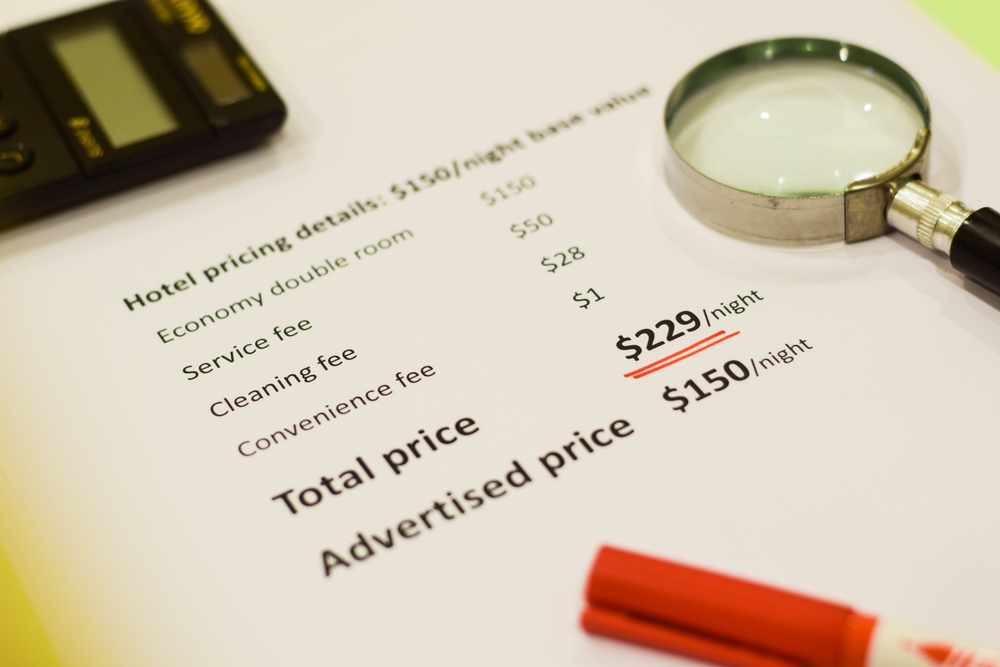
Energy or utility surcharges appear as small daily fees on hotel bills. Properties say they offset rising electricity or water costs. These charges often feel unclear to guests. They may not appear prominently during booking. Over several nights, they add noticeable cost. Asking for a full breakdown before confirming helps. Some destinations include such fees in advertised rates; others do not. Comparing the total price instead of the base rate gives a clearer picture. Awareness of these add-ons helps travelers budget accurately and avoid checkout disputes.
Baggage Storage Fees

Baggage storage fees apply when guests leave luggage before check-in or after checkout. Some hotels provide this service free; others charge per bag. Travelers with late flights often rely on storage. Fees may vary by duration. Asking about cost at arrival helps avoid surprises. Nearby stations or lockers may offer alternatives. Tipping staff does not always replace official fees. Careful planning of departure timing reduces the need for storage. Knowing policies in advance helps control travel budgets and avoid last-minute expenses.
Room Safe Fees

Room safes sometimes carry daily rental fees, even if unused. Guests may notice the charge only on the final bill. Hotels justify fees as security services. Travelers often assume safes are complimentary. Asking the front desk staff about charges helps. Some properties remove fees upon request. Storing valuables at the reception may be another option. Reviewing bills carefully ensures incorrect charges are corrected. Understanding safe policies before use prevents unnecessary expenses during the stay.
Extra Guest Charges

Hotels often set room rates based on a standard number of occupants. Adding another adult may incur additional guest charges. Fees may apply even if no extra bed is needed. Children’s policies vary by property. Travelers sometimes forget to list all occupants at the time of booking. Front desk staff may update charges at check-in. Taxes can also increase with occupancy. Reviewing room capacity rules helps avoid surprises. Booking the correct room type is important. Clear communication ensures accurate pricing and prevents unexpected charges on the final invoice.
Amenity or Facility Fees
Amenity or facility fees cover access to gyms, pools, or business centers. These may appear separately from room rates. Guests sometimes pay even if they do not use the facilities. Hotels describe them as service or destination fees. Charges can apply daily. Asking what is included helps determine value. Some properties waive fees for loyalty members. Comparing total cost, not just base rate, supports better decisions. Understanding amenity charges in advance prevents frustration and billing disputes.
Booking Change or Cancellation Fees

Booking changes or cancellations incur fees. Non-refundable rates usually carry strict penalties. Even flexible bookings may have deadlines. Travelers sometimes cancel after the allowed window. Hotels and booking platforms enforce policies automatically. Travel disruptions do not always remove fees. Reading cancellation terms before payment is important. Choosing refundable options provides flexibility. Documenting communication with the hotel helps in disputes. Awareness of policies reduces unexpected financial loss when travel plans change.
22 Groceries to Grab Now—Before another Price Shock Hits Canada

Food prices in Canada have been steadily climbing, and another spike could make your grocery bill feel like a mortgage payment. According to Statistics Canada, food inflation remains about 3.7% higher than last year, with essentials like bread, dairy, and fresh produce leading the surge. Some items are expected to rise even further due to transportation costs, droughts, and import tariffs. Here are 22 groceries to grab now before another price shock hits Canada.
22 Groceries to Grab Now—Before another Price Shock Hits Canada
