Office dress codes used to feel carved in stone. You wore what the handbook recommended and hoped HR would approve. In 2026, most workplaces look different. Hybrid schedules, relaxed policies, and shifting expectations changed how Canadians show up. People still dress professionally, but the old pressure has eased. Suits are optional in many spaces. Personal style slips into boardrooms without drama. Standards still exist, but they are more flexible. Here are 13 office fashion rules Canadians are breaking again (And Nobody Cares).
Skipping the Full Suit
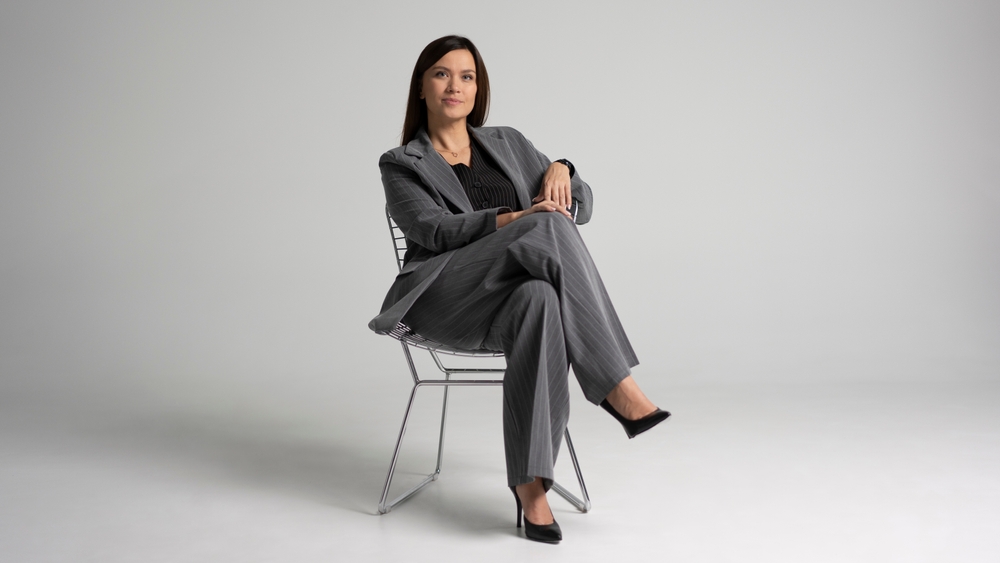
The matching blazer and trousers combo once signaled seriousness. Now, many Canadians split the set. A tailored blazer with dark denim appears in client meetings. Dress pants pair with knit tops instead of crisp shirts. Even finance offices have relaxed their expectations slightly. The suit is not gone. It simply shows up less often. Employees save it for presentations or formal events. On regular days, comfort wins. A polished look still matters, but it feels more flexible. The idea that authority depends on a full suit no longer holds much weight in many workplaces.
Wearing Sneakers to Work
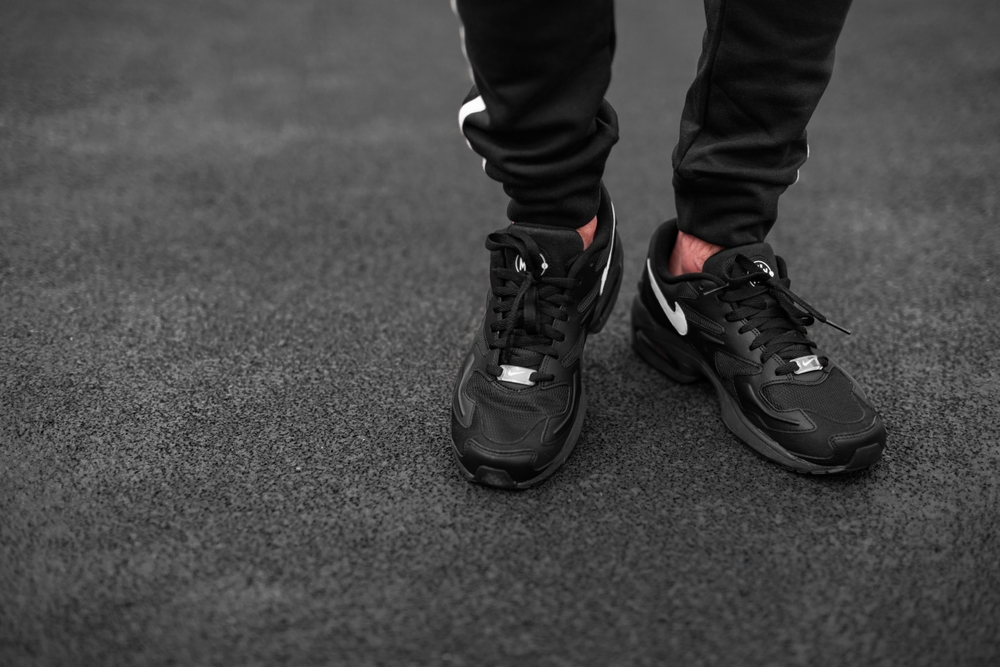
Sneakers once belonged strictly to commutes. You changed into proper shoes before stepping inside. That ritual has faded. Clean, minimal sneakers now pass in many offices. Leather styles blend easily with business casual outfits. Even managers embrace them during long days. Comfort carries more value than stiff footwear. The shift reflects practical needs. Canadians walk, commute, and stand often. Supportive shoes make sense. As long as they look tidy, few colleagues object. The old belief that professionalism requires uncomfortable shoes feels outdated. Sneakers have earned a quiet place in modern office wardrobes.
Ditching Pantyhose
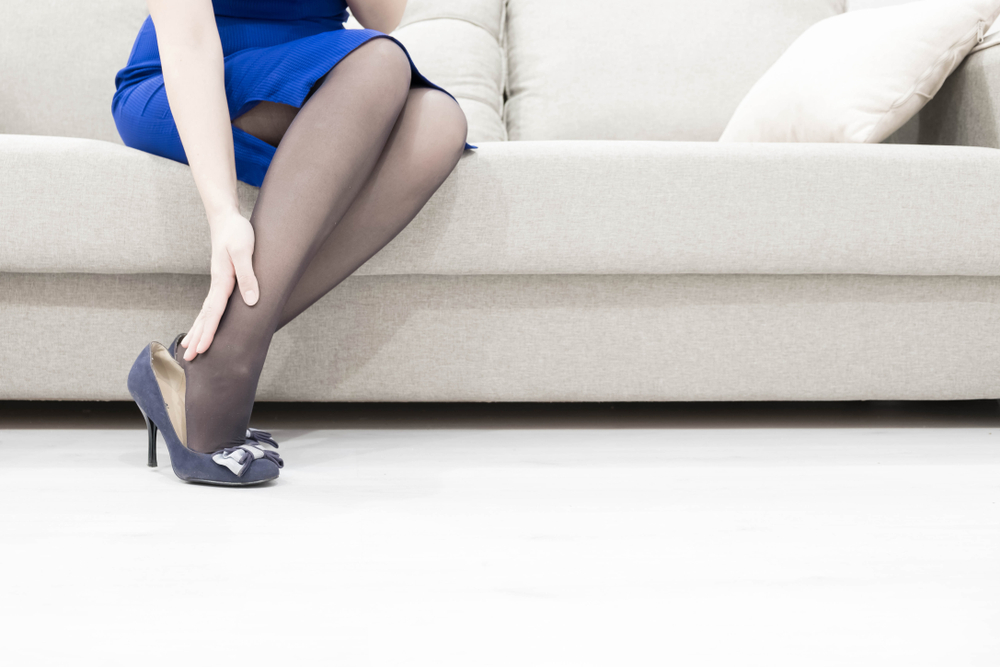
There was a time when bare legs seemed risky in corporate settings. Pantyhose felt mandatory with skirts and dresses. Today, most offices ignore that rule. Many Canadian workplaces focus on overall appearance instead of specific items. Colleagues rarely comment on legwear choices anymore. The change mirrors broader comfort trends. People prefer breathable fabrics and simple routines. Pantyhose sales have dropped over the years for this reason. If someone chooses to wear them, fine. If not, no one reacts. The expectation faded without ceremony. It simply stopped mattering to most professionals.
Showing Tattoos

Visible tattoos once raised eyebrows in interviews. Long sleeves hid personal ink in conservative offices. That caution has softened. Many Canadian employers now care more about skills than skin art. Tattoos appear in tech, marketing, healthcare, and even some corporate roles. Context still matters in certain industries. However, blanket bans feel rare. Younger managers often view tattoos as normal self-expression. As long as the content is respectful, few problems arise. Employees no longer rush to conceal every design. Personal style and professionalism coexist more comfortably than before.
Wearing Jeans Beyond Casual Friday
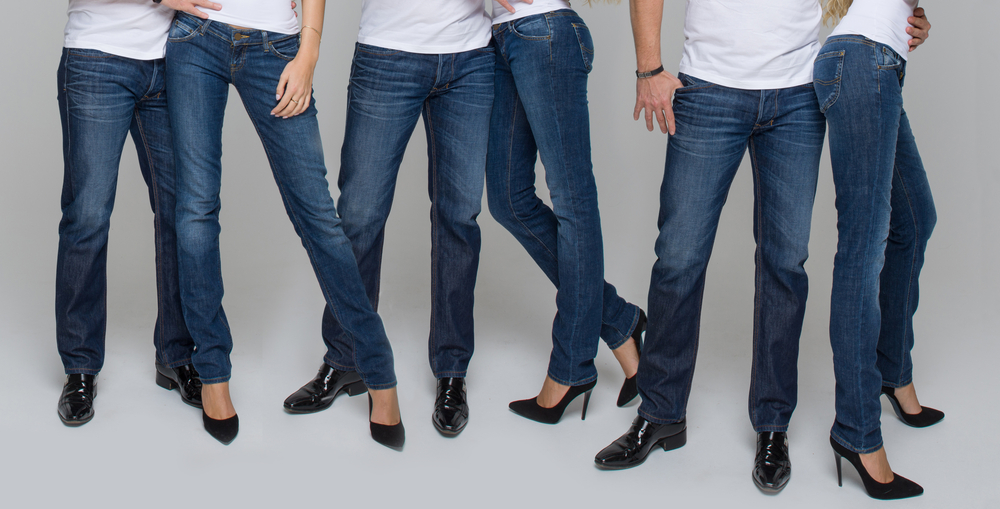
Casual Friday used to feel like a small holiday. Now, jeans show up throughout the week. Dark washes and structured cuts blend easily with polished tops. Canadians balance comfort with neat styling. Ripped or overly distressed pairs may still raise concerns. However, classic denim rarely sparks debate. Hybrid work also changed expectations. When employees spend fewer days onsite, dress codes loosen naturally. Many offices value results over rigid clothing rules. Jeans have become routine instead of rebellious. The calendar no longer controls when denim appears in the workplace.
Mixing Athleisure with Workwear
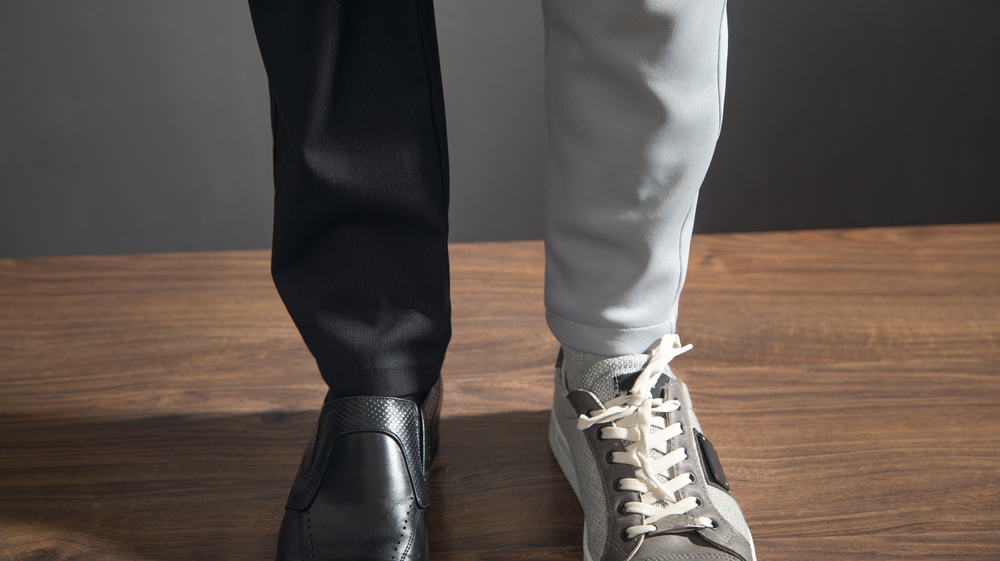
Yoga pants at the office once sounded unthinkable. Now, tailored joggers and structured leggings appear in some settings. Athleisure brands design pieces that resemble traditional trousers. Canadians appreciate stretch fabrics during long desk hours. The key lies in balance. A fitted sweater or blazer keeps the look polished. Workplaces that encourage movement adapt faster to this shift. Not every office accepts it fully. Still, the line between gym wear and business casual keeps blurring. Athleisure no longer signals laziness. It reflects modern routines and comfort priorities.
Choosing Bold Colours
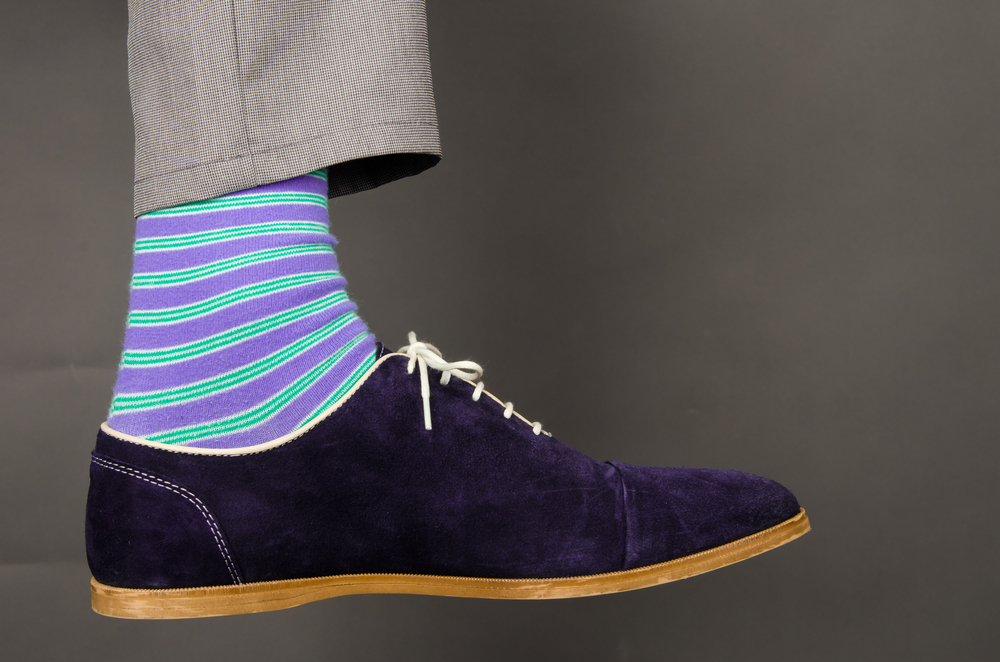
Neutral tones once dominated office wardrobes. Black, navy, and grey felt safest. Recently, brighter shades gained ground. Canadians experiment with emerald blazers, cobalt trousers, and patterned blouses. Colour does not automatically undermine credibility anymore. Many leaders embrace it as personal branding. A vibrant piece can stand out in a meeting without looking careless. Dress codes still suggest moderation in formal sectors. Yet strict color policing has eased. Employees express personality through thoughtful choices. Subtle does not mean colourless. Offices feel visually more varied than they did a decade ago.
Wearing Open-Toe Shoes
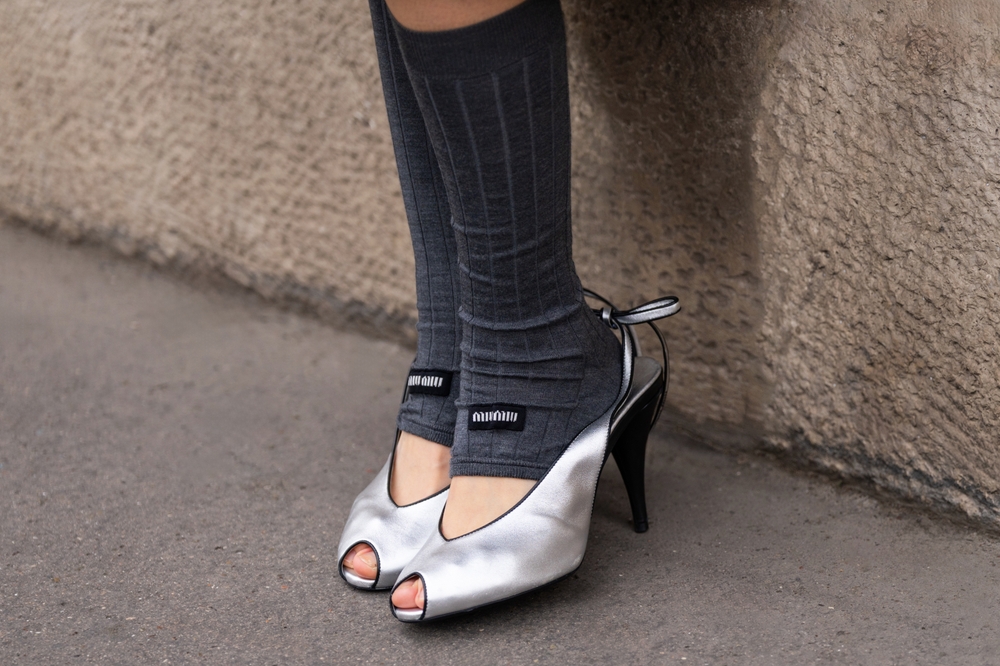
Open-toe shoes were often labeled unprofessional. Many companies discouraged them outright. That stance softened in numerous Canadian workplaces. During warmer months, tasteful sandals appear regularly. Clean design and neat grooming matter more than strict coverage. Industries tied to safety standards may still limit footwear choices. However, corporate offices rarely enforce blanket bans now. The focus stays on the overall presentation. Employees understand the boundary between casual flip flops and refined sandals. As climates warm and comfort rises, footwear guidelines adapt. The once-rigid rule has relaxed considerably.
Skipping the Tie
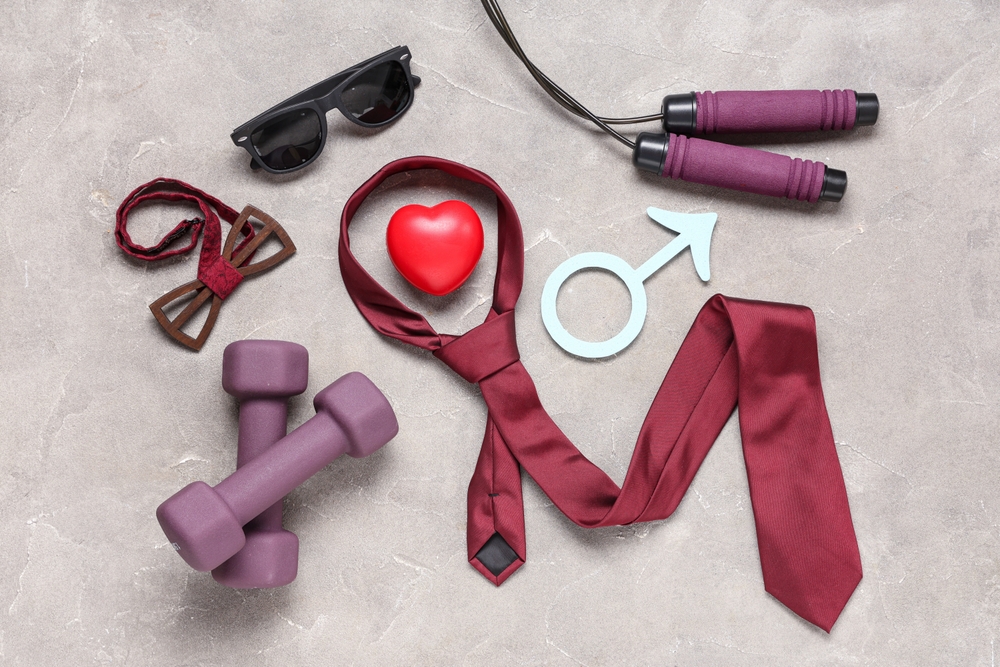
The tie symbolized office formality for generations. Many men wore one daily without question. That expectation has largely disappeared outside the formal sectors. Open collars now dominate Canadian offices. Even executives often skip the tie except for major events. The shift reflects a broader cultural change. Authority no longer depends on a strip of fabric. A well-fitted shirt still conveys professionalism. Removing the tie simply reduces stiffness. Younger professionals rarely view it as essential. It remains useful for special occasions, but not as a daily uniform requirement.
Wearing Statement Accessories

Large earrings or bold necklaces once felt risky at work. Accessories stayed minimal and quiet. That restraint has eased. Canadians now use jewelry and watches to signal style. Statement pieces appear in creative and corporate roles alike. The difference lies in balance. Overpowering choices may distract, but thoughtful accents rarely cause concern. Offices accept individuality more openly. A distinctive accessory can even spark conversation. The old advice to avoid drawing attention feels less strict. Personal flair, when tasteful, fits comfortably within modern professional settings.
Layering Casual Pieces

Hoodies under blazers once sounded contradictory. Now, layering feels common in many cities. Canadians deal with fluctuating weather and office temperatures. A structured jacket over a knit hoodie blends comfort with polish. The result looks intentional rather than sloppy. Hybrid schedules also encourage relaxed combinations. Employees dress for both video calls and quick errands. Traditional boundaries between casual and formal garments blur. The outfit still appears neat, yet less rigid. Practical layering reflects real daily routines instead of outdated ideals about how work clothing should look.
Ignoring Gendered Dress Codes

Older dress codes often separated rules by gender. Women faced skirt length guidelines. Men received tie instructions. Many Canadian workplaces now use neutral language. Policies focus on professionalism rather than gender. Employees choose clothing that fits their identity and comfort. This change reduces awkward enforcement. It also reflects broader cultural shifts. Clear expectations still exist about neatness and appropriateness. However, the detailed prescriptions have faded. Staff members appreciate the flexibility. Clothing standards feel simpler and more inclusive than in previous decades.
Repeating Outfits Frequently

Wearing the same outfit twice once invited whispers. Now, repetition barely registers. Canadians increasingly value practicality and sustainability. Capsule wardrobes gain popularity for this reason. Investing in quality basics encourages reuse. Colleagues focus more on performance than outfit rotation. Social media may spotlight constant novelty, but offices operate differently. Repeating a well-styled outfit feels efficient. It signals confidence rather than laziness. As long as clothes remain clean and appropriate, few notice. The pressure to appear endlessly new has eased in everyday professional life.
22 Groceries to Grab Now—Before another Price Shock Hits Canada

Food prices in Canada have been steadily climbing, and another spike could make your grocery bill feel like a mortgage payment. According to Statistics Canada, food inflation remains about 3.7% higher than last year, with essentials like bread, dairy, and fresh produce leading the surge. Some items are expected to rise even further due to transportation costs, droughts, and import tariffs. Here are 22 groceries to grab now before another price shock hits Canada.
22 Groceries to Grab Now—Before another Price Shock Hits Canada
