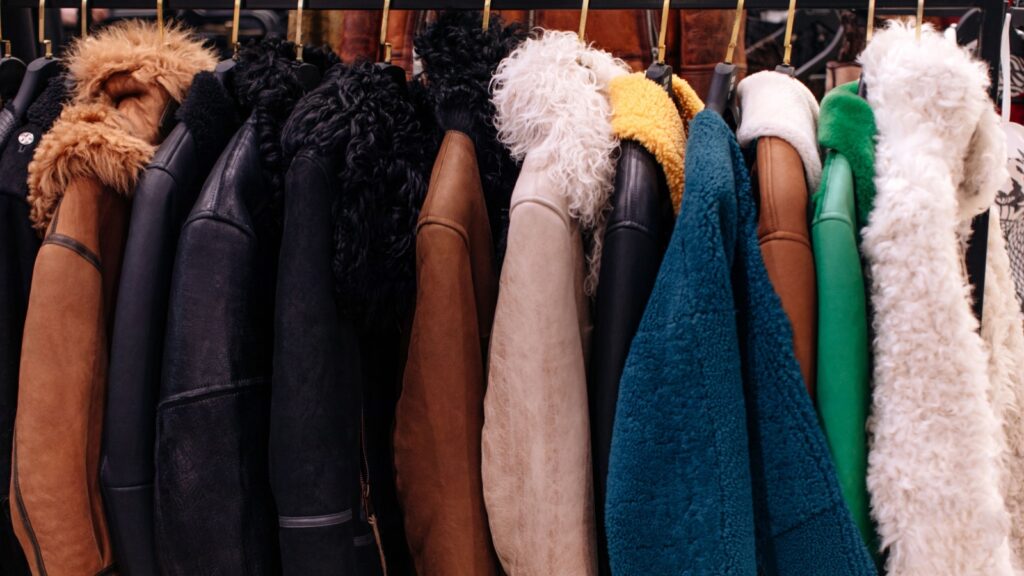
January in Canada hits hard with frigid temperatures and endless snow, which convinces many shoppers that it is the perfect time to buy a winter coat. Stores appear busy, price tags look tempting, and marketing emails make the deals sound urgent. The problem is that January is not the smart shopping month it looks like. Prices shift, quality drops, and stores quietly prepare for end-of-season changes that catch buyers off guard. The smartest shoppers wait instead of rushing during the coldest stretch of the year. Here are 13 Reasons you should never buy a winter coat in January.
January pricing is still near peak retail

Retailers understand that Canadians desperately need winter coats in January, so prices stay high even when signs say “sale.” The holiday rush may be over, but the demand from freezing weather continues. Most coats only see modest markdowns early in the month because customers are still willing to pay close to full price. The real price reductions don’t appear until stores begin rotating inventory out for spring. January is packaged like a discount month, but it is still part of peak pricing season. People who buy early usually discover the exact same coat drops dramatically only weeks later.
Retailers hold back the deepest discounts
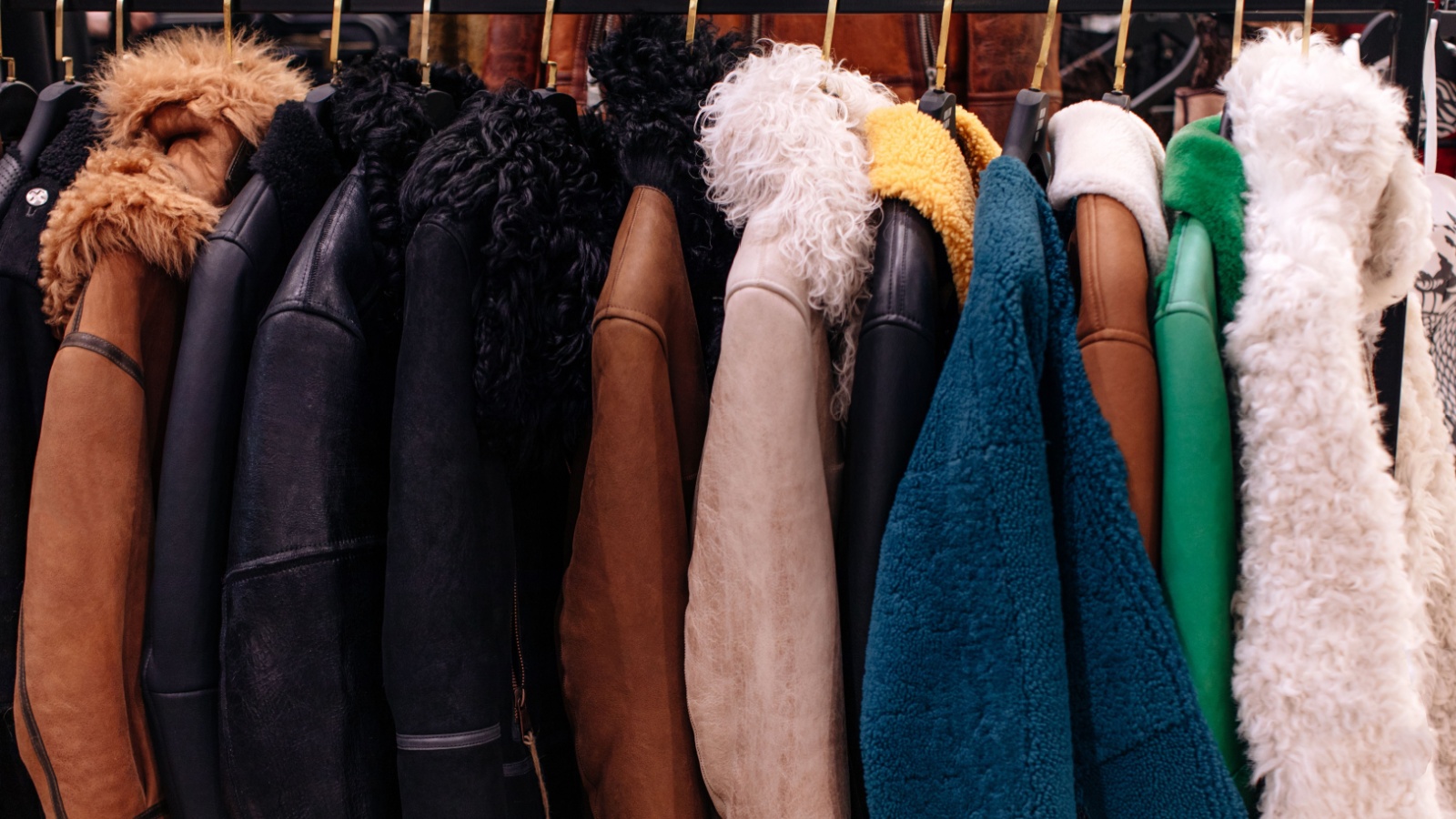
The biggest deals do not happen in January because retailers want to squeeze as much revenue as possible during the ongoing cold weather. They hold the actual clearance tags until February and March, when spring shipments start arriving, and storage space becomes expensive. Many end-of-season sales around Family Day and later outperform Black Friday discounts from the same brands. This is when stores finally get aggressive with pricing to move winter stock fast. Shoppers who buy in January miss the moment the industry finally gives up on holding margins and pushes deep markdowns across major brands and sizes.
Inventory hasn’t peaked yet

People assume that early in the new year means most of the inventory has been picked over. In reality, January is still part of the first wave of winter stock. A second inventory surge arrives later when brands release additional sizes and midseason designs. Many Canadian retailers receive their largest shipments in late January or February because winter lasts so long here. This is when racks suddenly gain more colours and fuller size ranges rather than dwindling selections. Shoppers who buy too early settle for whatever is already out, while people who wait get access to a much broader selection with better pricing.
Limited editions start dropping in price later
Popular Canadian brands such as Canada Goose, Rudsak, Moose Knuckles, and Kanuk rarely discount special editions or top sellers in January. They wait until overall demand slows and supply catches up. Once temperatures start to fluctuate and fashion cycles shift toward spring, high-end models suddenly drop in price. Many shoppers experience the frustration of paying full price for a luxury coat only to see it fall by hundreds shortly after. Buyers who wait not only save money but also get access to premium pieces that previously felt financially out of reach earlier in the winter.
Return windows work against January shoppers
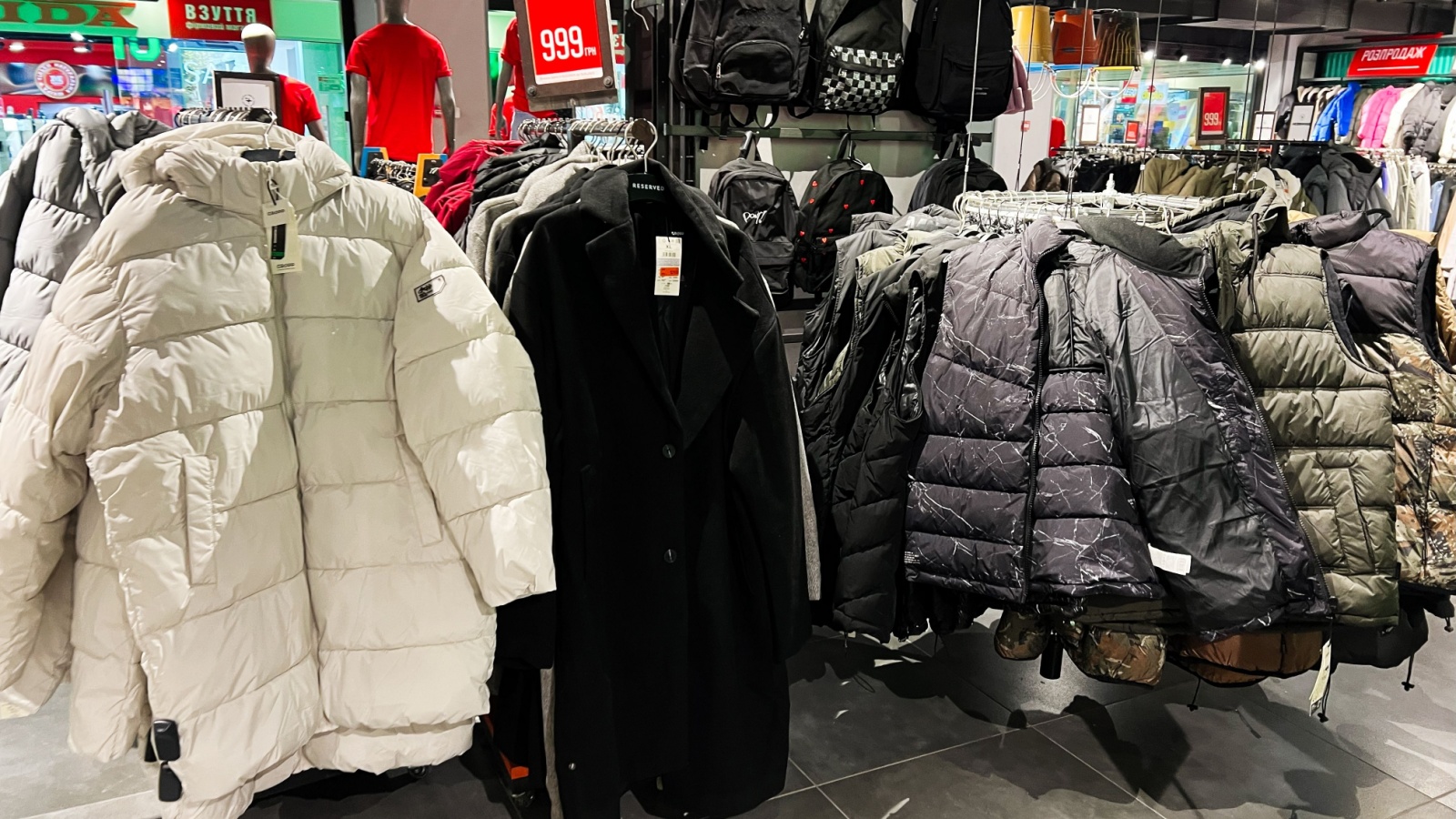
Stores tighten their return policies in January because they deal with heavy exchange traffic from the holidays. Return deadlines get shorter, and some retailers begin charging restocking fees on large outerwear purchases. People who buy winter coats in mid-January often discover they cannot return or exchange them once seasonal restrictions shift. Fit issues, unexpected travel, and sudden changes in weather make it frustrating when a coat can’t be sent back. Buying a month or two later gives clearer and more generous return terms, since retailers have fewer holiday complications and rely more on keeping customers happy toward spring.
Stores push impulse-driven buying in January

January is the peak impulse month for winter spending because of extreme temperatures and long commutes. Retailers place coat displays right at store entrances to catch people rushing in from the cold. Ads target shoppers who feel uncomfortable instead of thinking logically about pricing trends. Many Canadians make purchases based on urgency instead of research. Stores know that once the weather eases even slightly, sales fall. Waiting separates emotional buying from smart purchasing. The same jackets feel much less urgent when shoppers aren’t freezing at a bus stop, and that pause leads to better buying decisions every single time.
Coat quality changes midseason
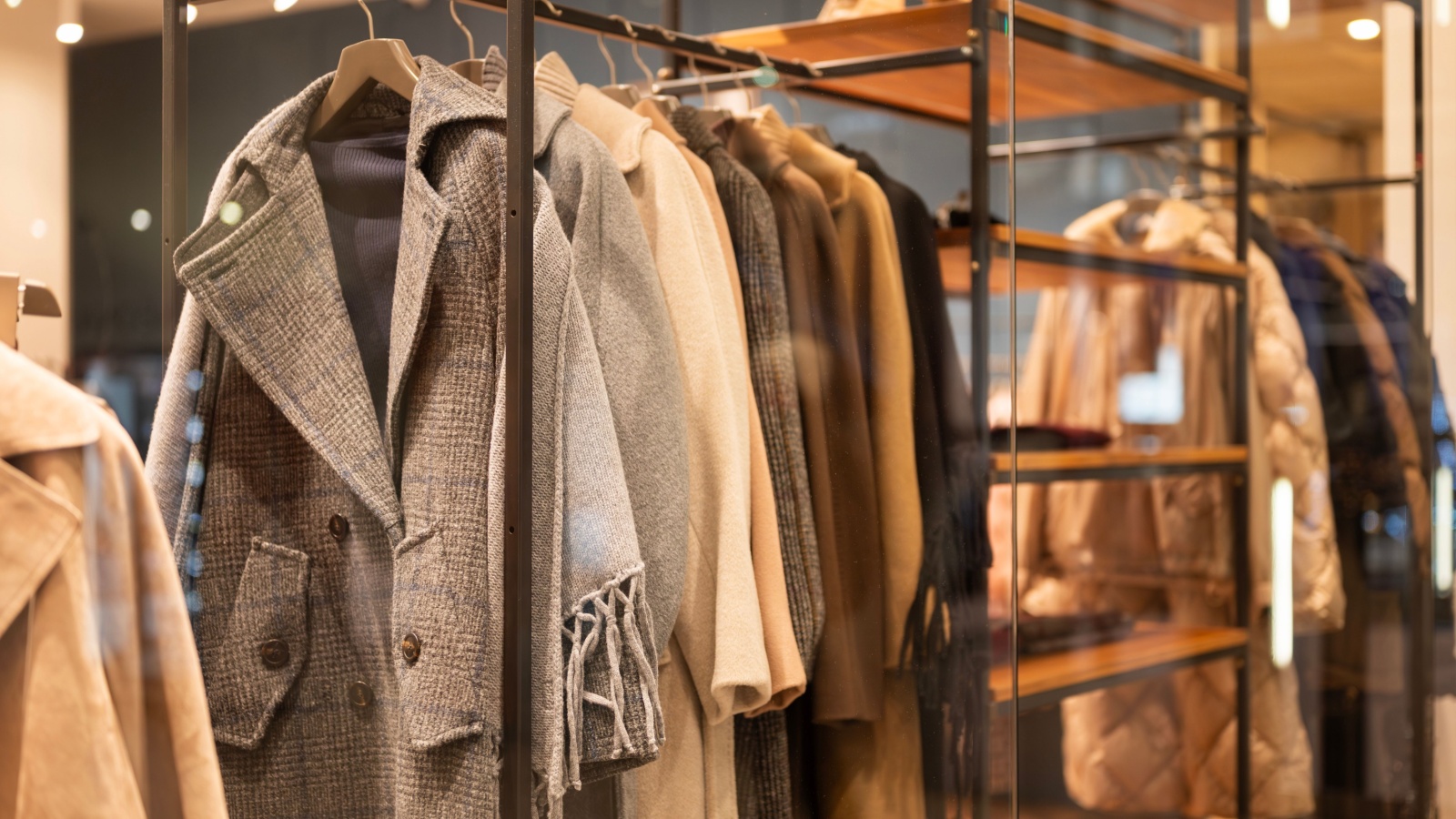
Some brands release fast-production versions of winter coats midseason to handle increased demand from cold regions. These jackets look identical to flagship models but use lower-cost material, lighter insulation, or thinner shell fabrics. They appear heavily discounted in January, even though they never carried premium pricing to begin with. Shoppers mistake these jackets for great deals when they are budget-grade versions designed for volume sales. Waiting a few more weeks gives shoppers time to compare original releases with later batches. The difference in warmth, stitching, and durability becomes much clearer once reviews and comparisons start circulating.
Online outlets open their best stock later

Canadian online retailers don’t load their clearance sections fully until February. Sites like The Last Hunt, Sporting Life Outlet, and Hudson’s Bay Outlet gradually add premium stock as spring collections begin to push winter gear out. People who wait gain access to size runs that have not been seen in stores for weeks. Many shoppers score high-quality down coats at huge discounts without digging through crowded racks. January buyers pay more because they fear inventory loss, which rarely happens online. The strongest outlet stock actually appears late in the season, not early, no matter how cold it is.
Loyalty program releases stack later in winter

Retail loyalty programs become more rewarding after the holiday rush. Sporting Life, Simons, Atmosphere, Canadian Tire Triangle, and other programs release better bonus point events once the new year settles. February and March often include seasonal multipliers that turn sale purchases into massive value. People who time their purchase with both a price markdown and a points event pay dramatically less. January shoppers miss out on stacking opportunities because retailers don’t need extra incentives during the height of winter demand. Waiting means combining rewards, discounts, and price drops instead of accepting only one at full retail.
New winter models appear after January

Some Canadian outerwear companies release additional winter designs when late cold snaps hit the Prairies, Ontario, or Quebec. They adjust their product calendars based on weather forecasts rather than marketing schedules. These new models improve insulation, add updated features, or fix complaints from early-season buyers. People who already bought a coat in January often feel annoyed when a better or warmer version appears. Shoppers who wait get first access to the updated models. They buy once instead of wishing they had waited. The cold lasts long enough in Canada that new releases still make sense late in winter.
Large cities get delayed inventory cycles

Cities like Toronto, Calgary, Montreal, and Vancouver have longer seasonal buying periods because residents purchase winter gear well into March. Retailers know this and often delay big inventory loads for urban locations. The result is that shoppers who wait get a fresh round of coats instead of leftovers. In contrast, buyers who shop in early January get only the first cycle of the season. Larger markets tend to receive high-end brands later as well, meaning the best-looking and warmest coats often arrive just when many shoppers assume options are gone. Waiting increases access, not reduces it.
Climate fluctuations flip pricing fast

Canadian winters are unpredictable, and retailers react to unusual weather. A mild January leads stores to slash prices quickly because winter spending slows. A sudden cold wave in the west or Ontario increases demand in different parts of the country, shifting where inventory goes. Shops use reductions to balance sales when weather patterns change rapidly. People who buy too early risk paying the highest price simply because temperatures stayed low for a few extra weeks. Shoppers who wait protect themselves from climate-driven price swings that drop coats suddenly across both in-store and online markets.
More value over multiple seasons when purchased later

Many people justify buying in January by saying they get more weeks of use. Winter coats are not seasonal one-year items. Canadians typically wear the same coat for several years, sometimes longer if the quality is high. Waiting until February or March means saving more money without sacrificing long-term wear. A warm and reliable jacket purchased later still performs across many winters. The budget saved can go toward boots, gloves, or travel instead of being lost to midseason pricing pressure. Long-term value comes from timing, not panic buying during the coldest stretch of the year.
22 Groceries to Grab Now—Before another Price Shock Hits Canada

Food prices in Canada have been steadily climbing, and another spike could make your grocery bill feel like a mortgage payment. According to Statistics Canada, food inflation remains about 3.7% higher than last year, with essentials like bread, dairy, and fresh produce leading the surge. Some items are expected to rise even further due to transportation costs, droughts, and import tariffs. Here are 22 groceries to grab now before another price shock hits Canada.
22 Groceries to Grab Now—Before another Price Shock Hits Canada
