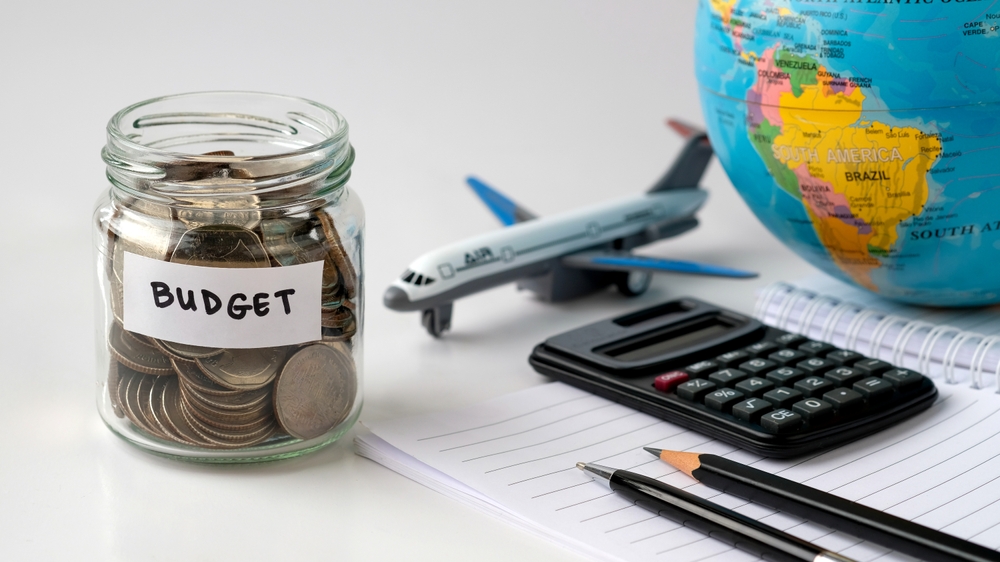
Air travel costs continue to rise, prompting Canadians to seek ways to save money and stay comfortable. Frequent flyers often share practical strategies that stretch baggage limits, reduce fees, or improve seating. Many of these tactics follow official rules but reduce airline revenue. Others involve careful timing or flexibility rather than loopholes. Social media and travel forums have spread these ideas widely. While airlines may discourage them, passengers see them as smart planning. Not every hack works on every trip, but many remain popular. Here are 13 travel “hacks” Canadians swear by that airlines hate.
Using a Personal Item That Fits More Than Expected
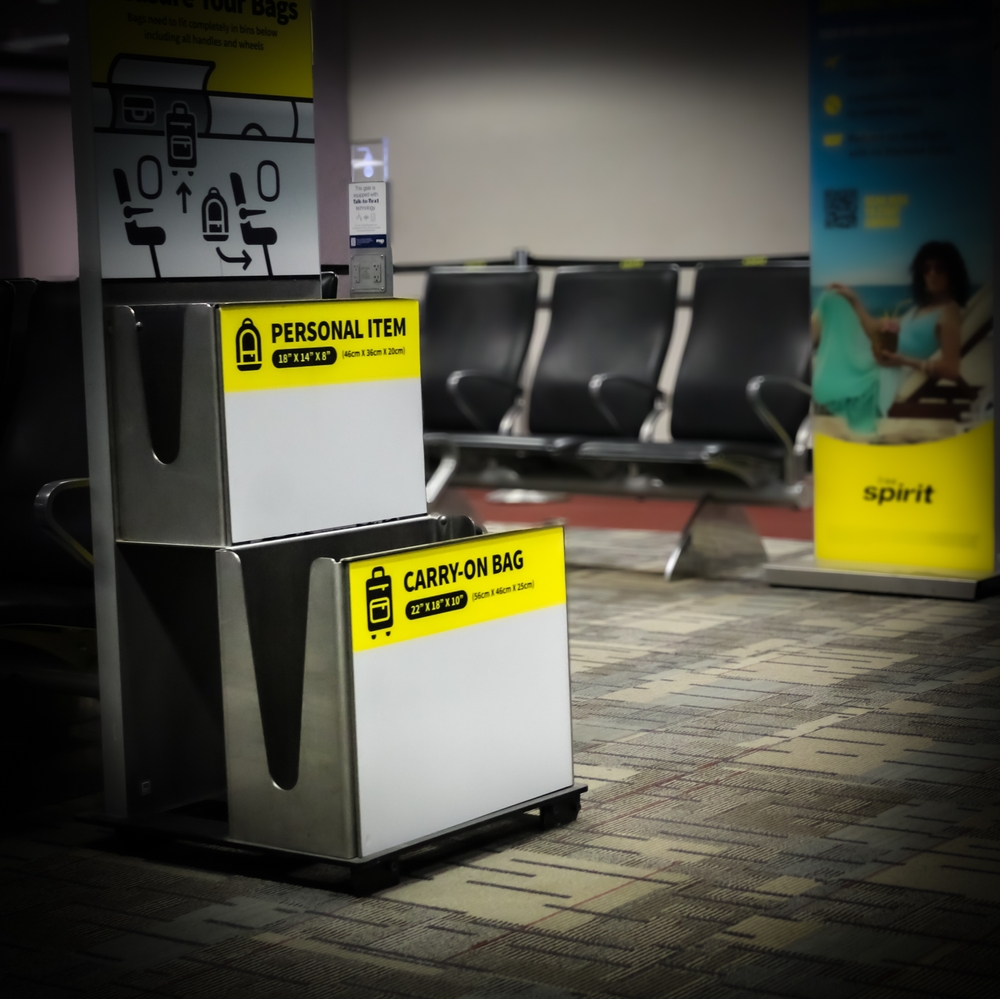
Airlines allow one personal item in addition to carry-on luggage. Many Canadians choose soft bags that compress easily. Backpacks or tote bags can hold more than rigid cases. As long as the item fits under the seat, it is usually accepted. Overstuffed bags may draw attention at the boarding. Strategic packing maximizes space without extra fees. Essentials remain accessible during the flight. This approach reduces the need for checked baggage. Airlines dislike lost revenue from unused baggage allowances. Travelers view it as smart packing rather than rule-breaking. The tactic remains widely shared online.
Packing Bulky Items in Wearable Form
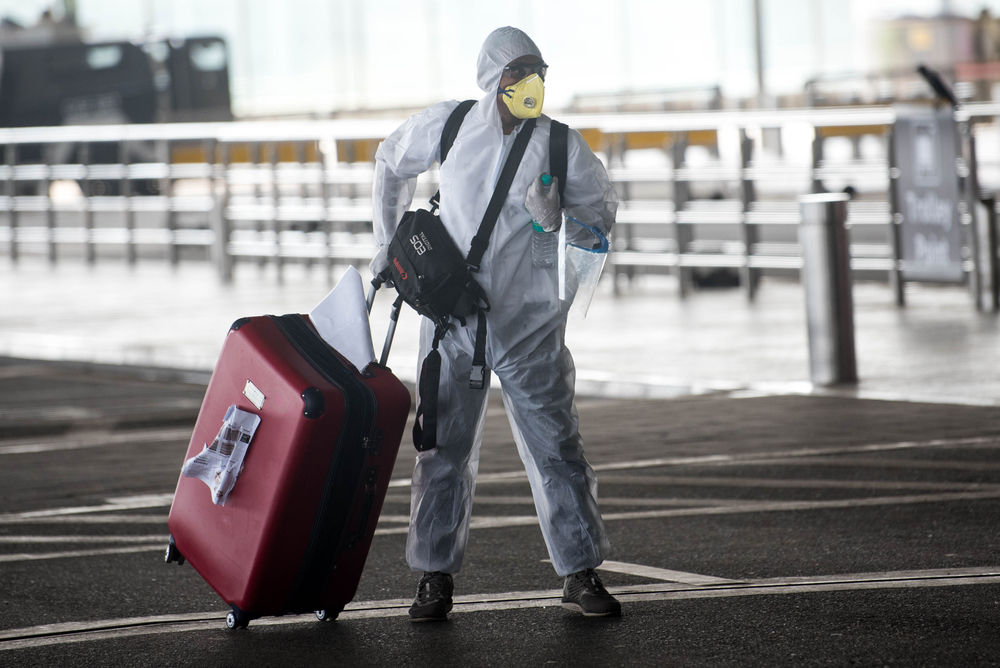
Wearing heavy clothing reduces bag weight and volume. Jackets with large pockets can carry small items discreetly. Canadians traveling from cold climates often use this method. Bulky sweaters or boots are worn instead of being packed. Cabin temperatures may feel warm once onboard. Layers can be removed after boarding if needed. Security screening may require removing outerwear. This tactic helps avoid overweight baggage charges. Airlines prefer luggage to comply with size limits. Passengers see it as a practical use of personal belongings. The strategy is especially common on winter routes.
Booking Flights on Separate Tickets to Save Money

Some travelers purchase two one-way tickets instead of a return ticket. Mixing airlines can reduce overall costs significantly. Canadians often use this method for international travel. Separate bookings provide flexibility in timing. However, missed connections become the traveler’s responsibility. Checked baggage may not transfer automatically. Travel insurance is advisable when using this approach. Airlines lose revenue from bundled round-trip fares. Price comparison tools make finding combinations easier. Careful planning is required to avoid disruptions. Savings can be substantial when executed correctly.
Choosing Seats Strategically for Extra Space
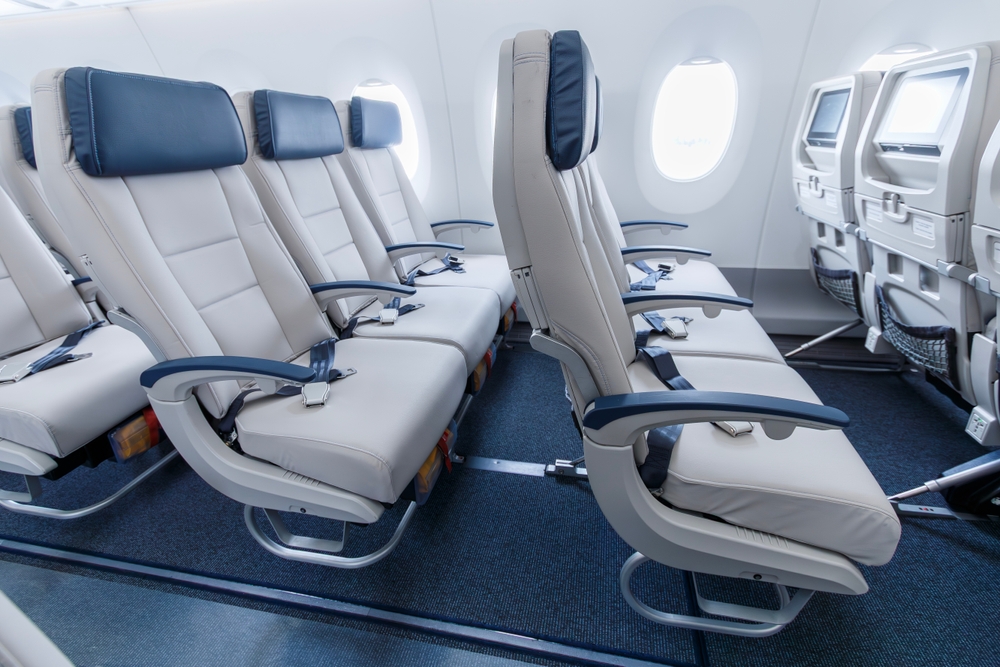
Seat selection can improve comfort without upgrading cabins. Exit rows often provide additional legroom. Bulkhead seats may offer more forward space. Some travelers monitor seat maps before departure. Changes sometimes occur as flights fill up. Certain seats have limitations, such as restricted recline. Airlines often charge extra for preferred positions. Frequent flyers may receive access at no cost. The timing of seat selection can influence availability. Passengers view this as informed planning. Airlines see it as bypassing premium upgrades.
Bringing Empty Water Bottles Through Security
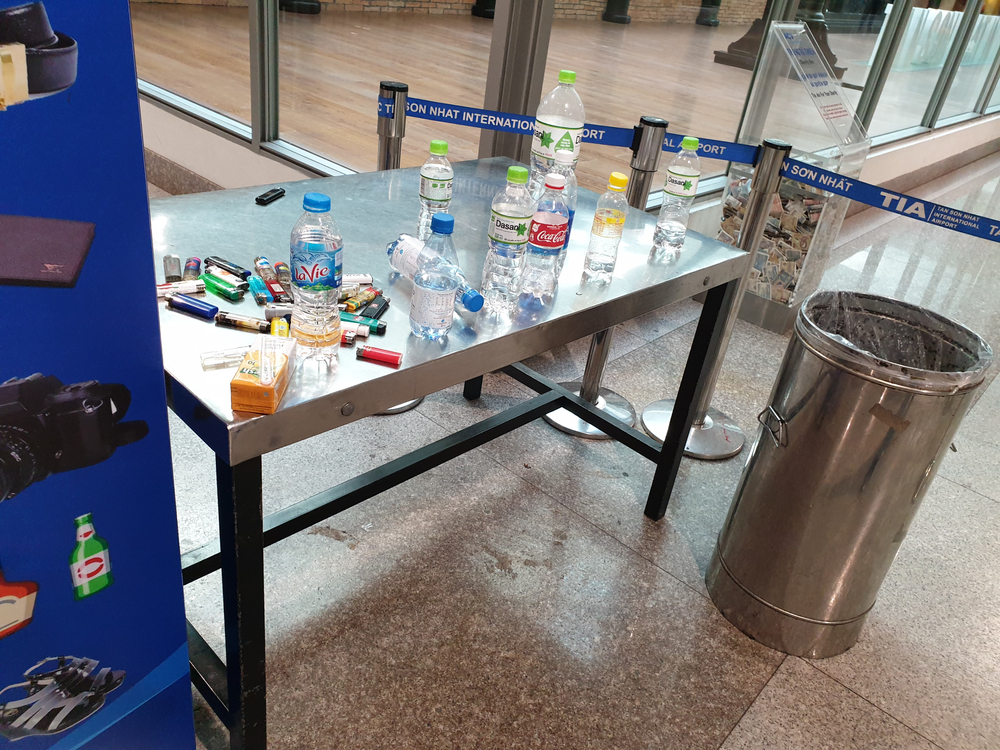
Liquid restrictions apply only to filled containers. Empty bottles can pass through screening without issue. Canadians refill them at airport water stations afterward. This avoids paying high prices for bottled drinks. Reusable bottles also reduce plastic waste. Some airports provide hydration stations near gates. Insulated bottles keep water cool during long flights. Security officers may inspect containers briefly. Airlines do not profit from outside beverages. Travelers consider this both economical and environmentally friendly. The tip is widely recommended by frequent flyers.
Checking In Late to Avoid Seat Assignments
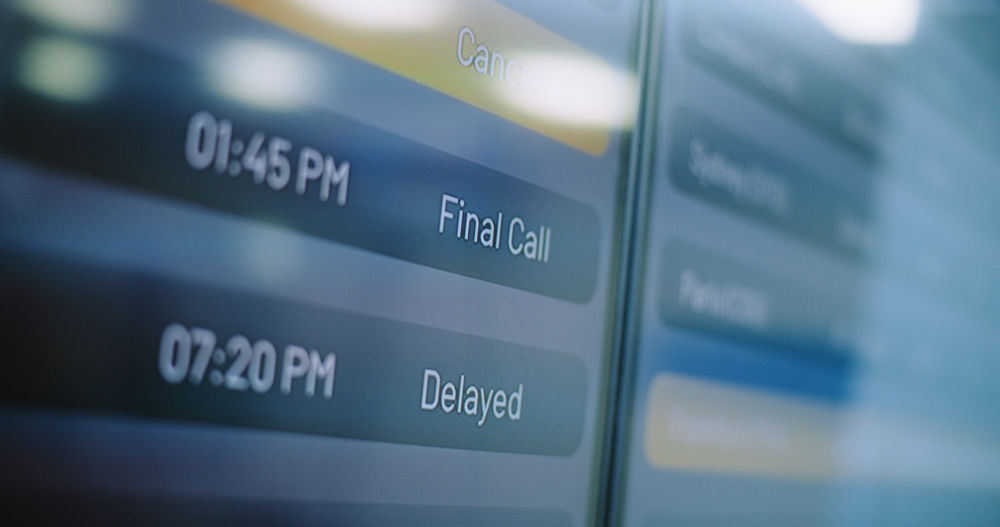
Some travelers delay check-in in the hope of getting a better seat. Airlines may release blocked or unsold seats closer to departure. Canadians sometimes aim for empty rows or aisle positions. This tactic carries risk if the flight is full. Assigned seats could be less desirable than earlier options. Online check-in deadlines must still be met. Gate agents may reassign seats during boarding. Airlines prefer that passengers choose seats in advance. Late check-in can complicate boarding logistics. Travelers see it as a gamble for improved comfort. Results vary depending on demand for the flight.
Monitoring Price Drops After Booking

Flight prices can change frequently before departure. Canadians track fares hoping to capture lower rates later. Some airlines allow rebooking with travel credit if prices fall. Flexible tickets provide the greatest opportunity for adjustments. Refundable fares usually cost more initially. Price tracking tools send automated alerts. Rebooking may involve administrative steps or fees. Airlines prefer stable pricing after purchase. Travelers view this as protecting their budget. Success depends on fare rules and timing. Careful monitoring can produce noticeable savings.
Using Airline Credit Cards for Hidden Benefits
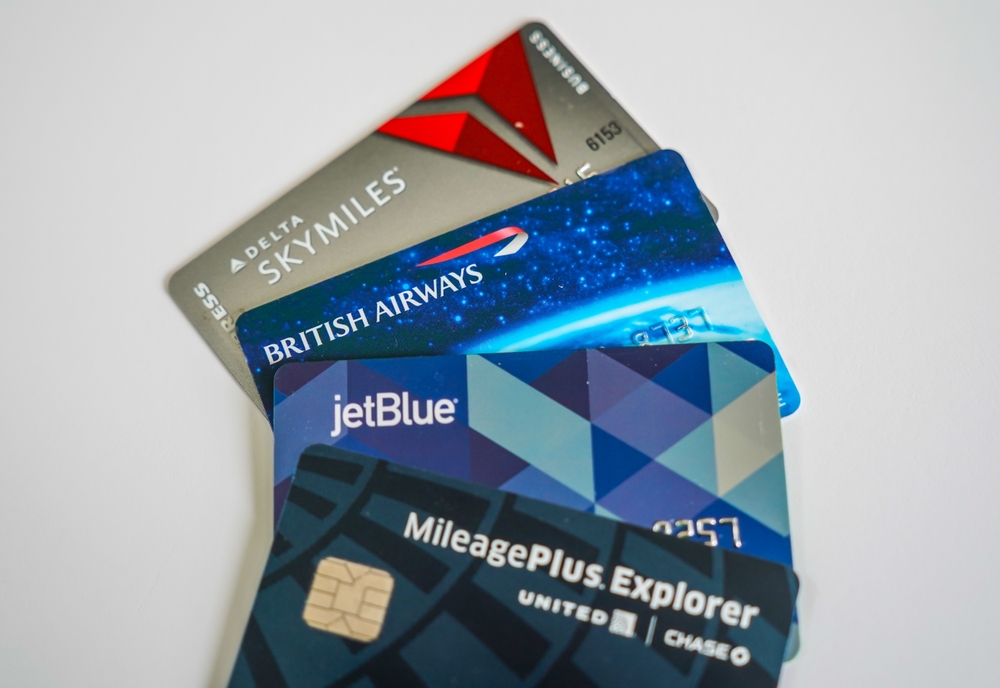
Co-branded credit cards often include travel perks. Canadians may receive free checked bags or priority boarding. Lounge access and insurance coverage are common features. Reward points can offset future travel costs. Annual fees may apply depending on the card. Benefits vary by airline partnership. Using the card for bookings activates certain privileges. Airlines design these programs to encourage loyalty. Savvy users maximize value beyond basic rewards. Understanding terms prevents missed advantages. This strategy turns everyday spending into travel savings.
Booking Flights at Off-Peak Times
Flights during less popular hours often cost less. Early morning or late night departures are common examples. Midweek travel can also reduce prices significantly. Canadians who are flexible with schedules benefit most. Airports tend to be less crowded during these periods. Connections may be easier to manage without delays. Some travelers find inconvenient times difficult. Airlines fill seats that might otherwise remain empty. Savings vary depending on route demand. Planning improves the availability of cheaper options. This tactic balances cost against convenience.
Carrying Snacks Instead of Buying Onboard Food
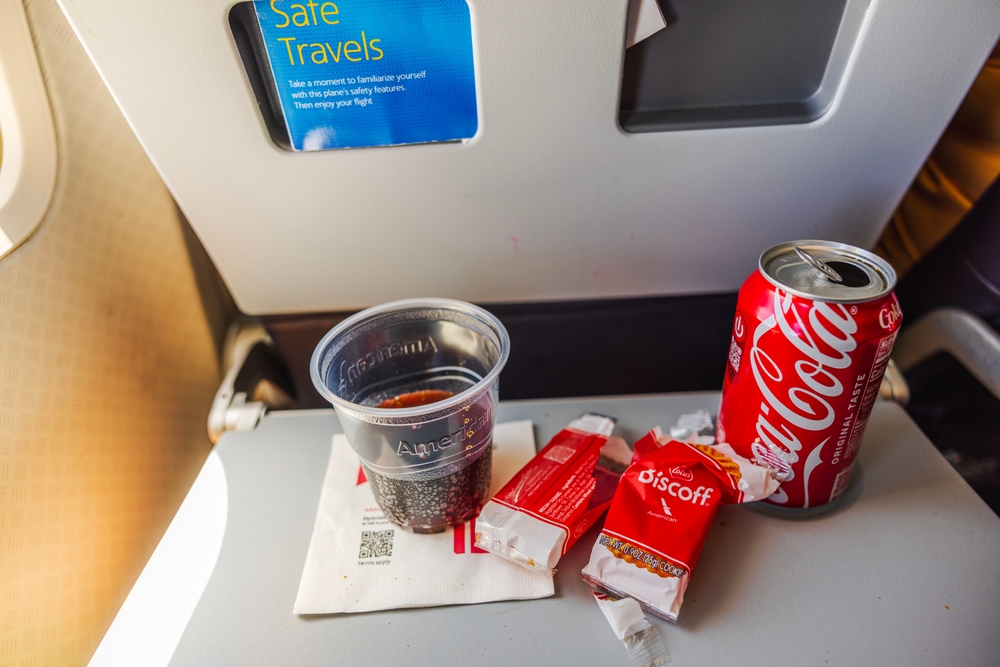
Onboard meals and snacks can be expensive. Many Canadians bring food purchased before boarding. Security rules allow most solid items in carry-on bags. Familiar snacks suit dietary preferences better. Odor-conscious choices prevent disturbing others. Longer flights make personal supplies especially useful. Packaging should be easy to open in a limited space. Waste disposal must be managed responsibly. Airlines earn revenue from onboard sales. Travelers prefer controlling costs and quality. This habit is common among frequent flyers.
Taking Advantage of Flexible Cancellation Rules

Flexible tickets allow changes without heavy penalties. Canadians often choose these during uncertain travel periods. Some airlines offer credits instead of cash refunds. Deadlines usually apply to making changes. Terms vary widely between fare types. Reading conditions carefully prevents surprises later. Rebooking early improves the availability of preferred flights. Airlines prefer passengers to commit to fixed plans. Travelers value the ability to adjust schedules if needed. Higher initial prices may offset potential fees. This approach prioritizes security over the lowest cost.
Using Airport Lounges Through Day Passes
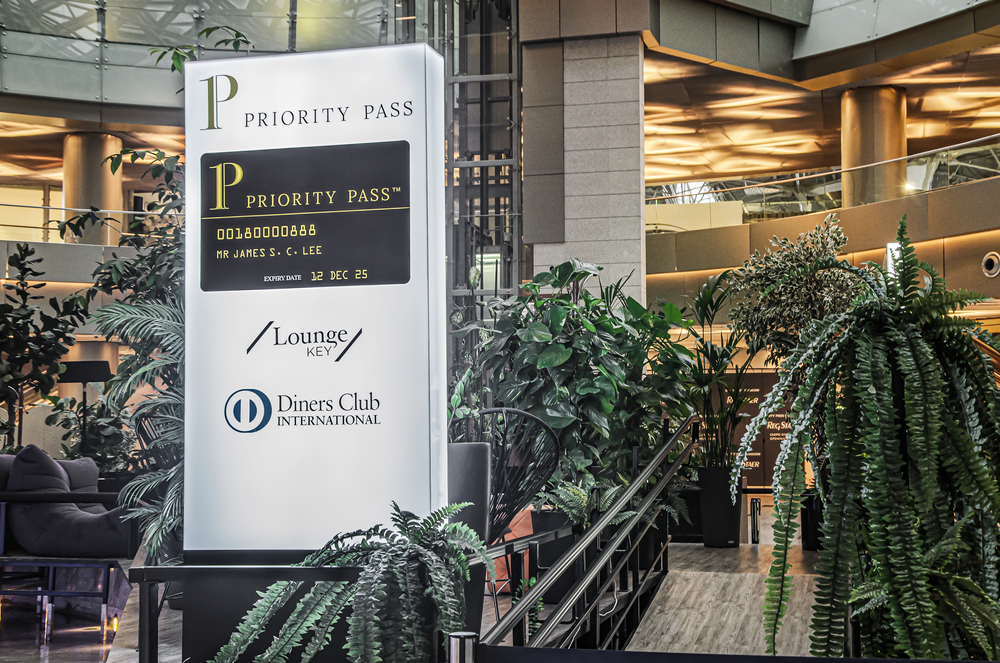
Airport lounges provide quieter spaces away from crowded terminals. Canadians sometimes purchase single-entry passes when traveling. Amenities may include seating, food, and Wi Fi. Availability depends on capacity at the time. Peak hours can limit access even with payment. Credit cards occasionally offer discounted entry. Lounges are designed primarily for premium passengers. Day passes allow occasional users to benefit temporarily. Rules differ between airports and operators. Early arrival increases chances of entry. This option offers comfort without frequent flyer status.
Tracking Flights for Overbooking Compensation Opportunities
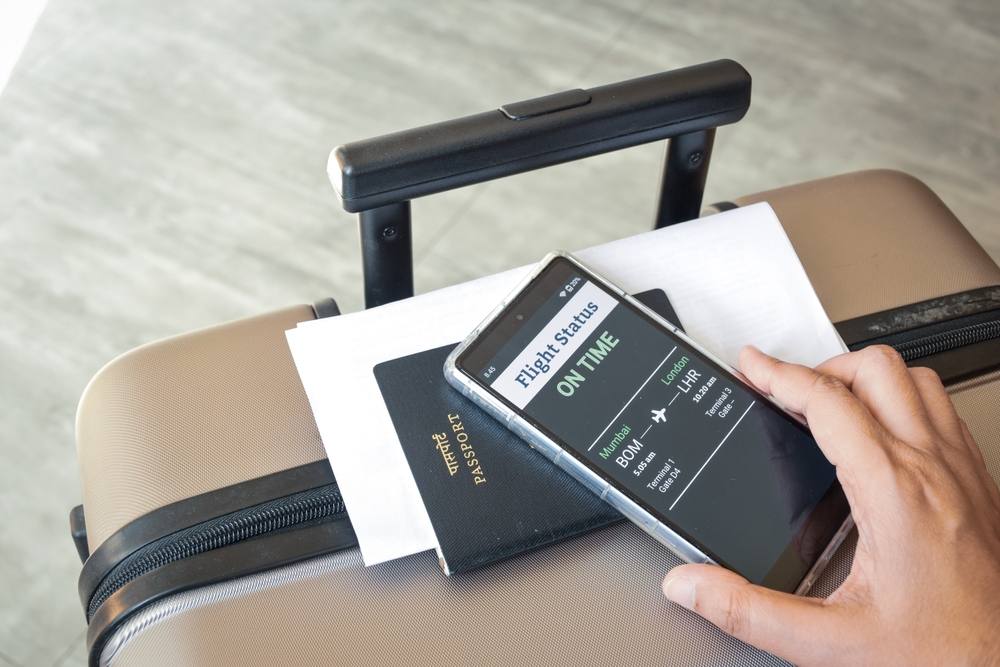
Airlines sometimes sell more tickets than available seats. Volunteers may be asked to take later flights. Compensation can include vouchers or cash payments. Canadians who are flexible with schedules may benefit financially. Policies vary by airline and jurisdiction. Rebooking details should be confirmed before accepting offers. Delays could extend travel time significantly. Airlines prefer minimizing disruption to operations. Not all flights become oversold. Monitoring announcements at the gate is essential. This tactic appeals to travelers willing to trade time for rewards.
22 Groceries to Grab Now—Before another Price Shock Hits Canada

Food prices in Canada have been steadily climbing, and another spike could make your grocery bill feel like a mortgage payment. According to Statistics Canada, food inflation remains about 3.7% higher than last year, with essentials like bread, dairy, and fresh produce leading the surge. Some items are expected to rise even further due to transportation costs, droughts, and import tariffs. Here are 22 groceries to grab now before another price shock hits Canada.
22 Groceries to Grab Now—Before another Price Shock Hits Canada
