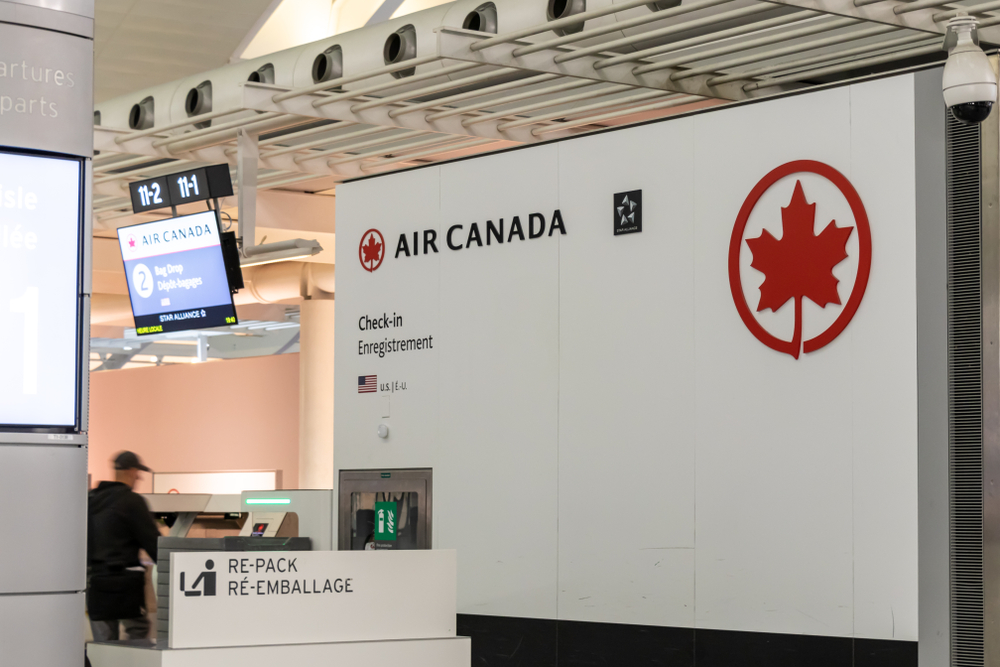
Air travel rules continue changing as technology and security systems evolve. Canadian travelers may notice new procedures at airports in 2026. Identification checks, screening steps, and boarding methods are gradually being updated. Digital systems are replacing paper processes in several areas. Health, safety, and efficiency remain key priorities. Some changes may differ by airport or airline. Here are 14 airport rules shifting for Canadian travellers in 2026 (what to know before you fly).
Transport Canada ID Requirements Updates
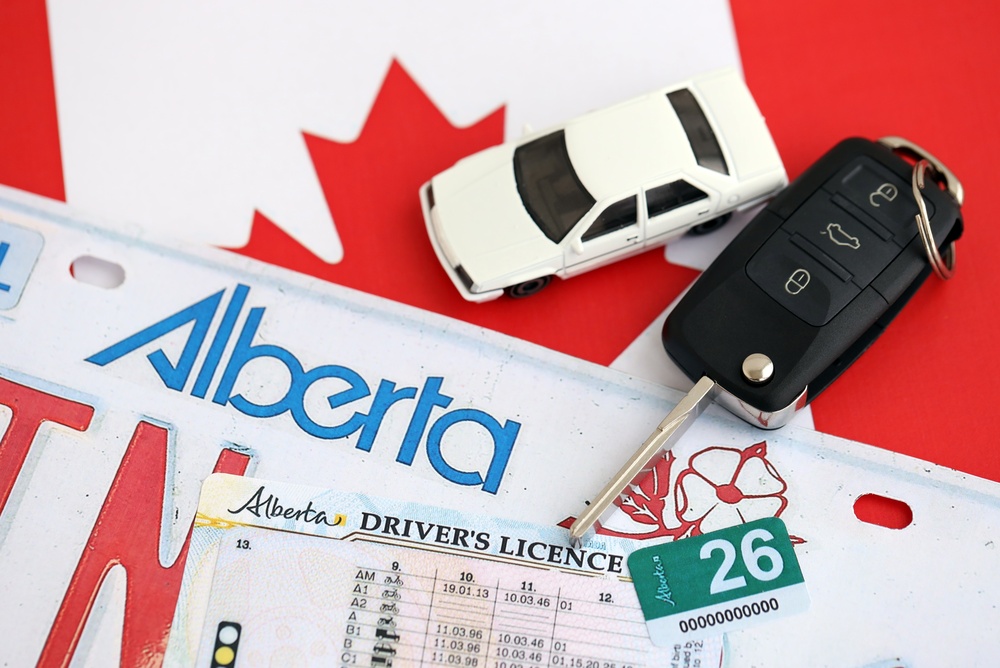
ID rules for air travel continue evolving as security systems modernize. Transport Canada periodically updates accepted identification standards. Travelers may see stricter matching between ticket names and government ID. Expired documents are less likely to be accepted, even for domestic flights. Digital ID pilots and secure document verification systems may expand. Name changes or mismatches can cause delays at check-in. Carrying backup identification helps. These updates focus on identity accuracy and fraud prevention. Checking requirements before departure reduces issues at airport screening points.
Canadian Air Transport Security Authority Screening Procedure Changes
Security screening procedures change as new technologies roll out. CATSA continues introducing updated scanners and automated lanes. Some airports may use advanced imaging systems that alter how items are placed in bins. Instructions from officers may differ from past experiences. Random secondary checks remain part of the process. Travelers should follow posted guidance at each airport. Removing items incorrectly can cause delays. Screening updates focus on safety and efficiency. Being prepared for small procedural changes helps keep lines moving smoothly.
Carry On Liquid Restrictions Adjustments
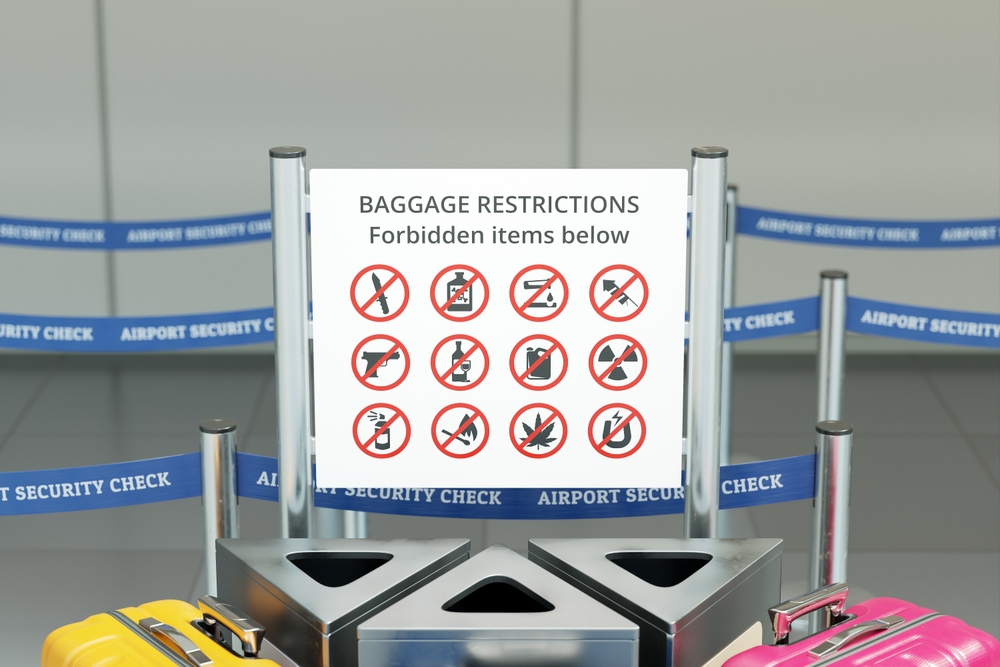
Liquid rules can shift as screening equipment improves. Some airports may test scanners that better detect contents inside containers. This could affect how liquids are organized in carry-on bags. Standard size limits may still apply during transitions. Travelers should continue using clear bags for toiletries unless told otherwise. Duty-free liquids may face sealing requirements. Changes may not appear everywhere at once. Checking airport guidance before travel helps avoid surprises. Liquid screening rules balance safety with passenger convenience.
Electronics Screening Rules
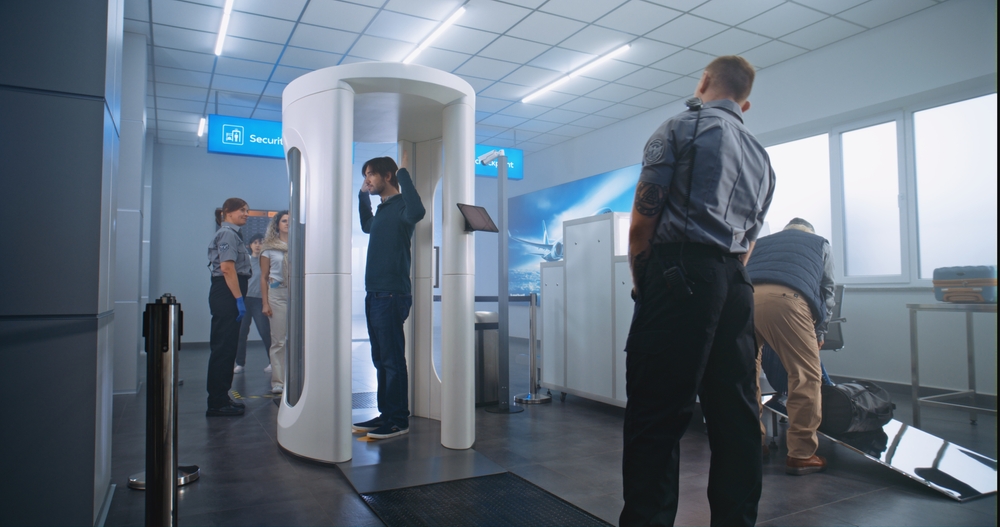
Electronics screening continues to adapt to security technology. Laptops and large devices may not always need removal if advanced scanners are in use. Smaller electronics might remain inside bags at some airports. Instructions vary depending on the equipment installed locally. Officers may still request removal during secondary checks. Chargers and loose cables should be easy to access. Power banks remain subject to battery rules. These updates aim to speed lines while maintaining safety. Listening carefully to instructions helps avoid re-screening delays.
Biometric Boarding Expansion
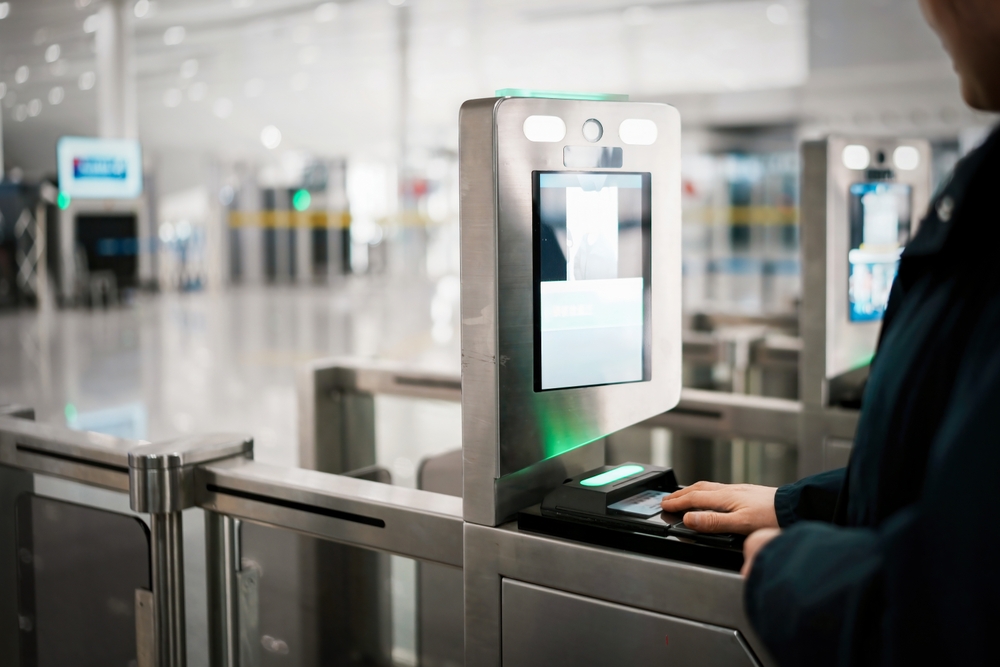
Biometric systems are expanding in some airports for identity verification. Facial recognition can match travelers to passport or ticket records. This may reduce the need to show documents repeatedly. Participation is usually optional, depending on the airline and airport. Privacy rules govern how data is stored and used. Travelers may see designated biometric boarding lanes. Traditional boarding methods remain available. These systems aim to improve efficiency and reduce boarding times. Understanding options helps travelers choose their preferred process.
Digital Boarding Pass Requirements
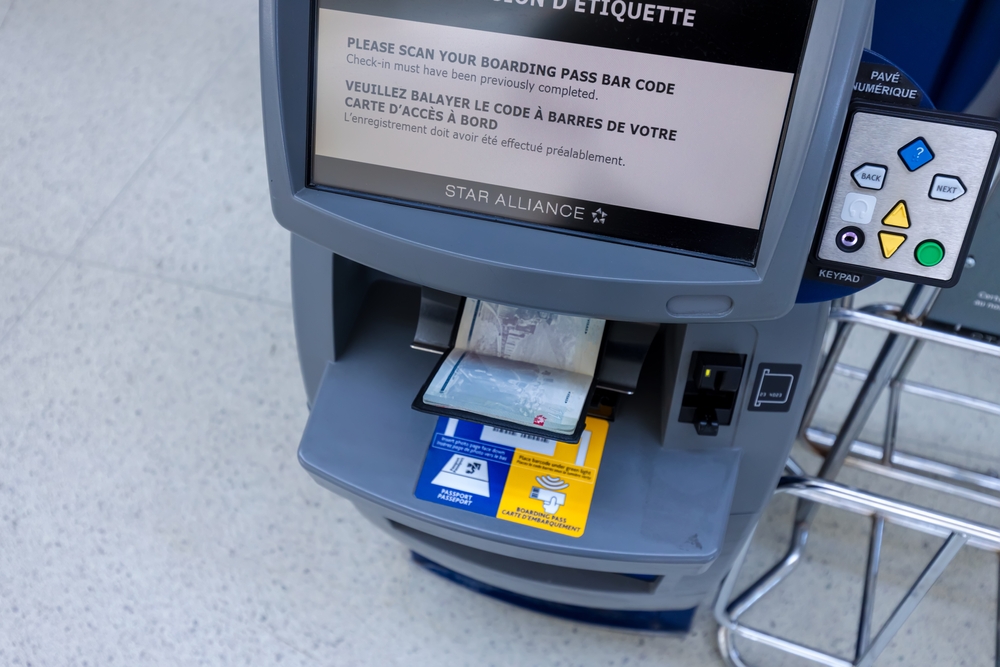
Airlines increasingly encourage digital boarding passes instead of paper versions. Mobile passes link directly to booking and ID information. Some airports may prioritize digital scanning lanes. Screens must be bright and undamaged for scanners to read codes. Battery failure on phones can cause delays, so backups help. Screenshots may not update if gate details change. Travelers without smartphones can still request printed passes. Digital systems improve speed and reduce paper use. Keeping devices charged and accessible helps ensure smooth boarding.
Checked Baggage Screening Technology Upgrades
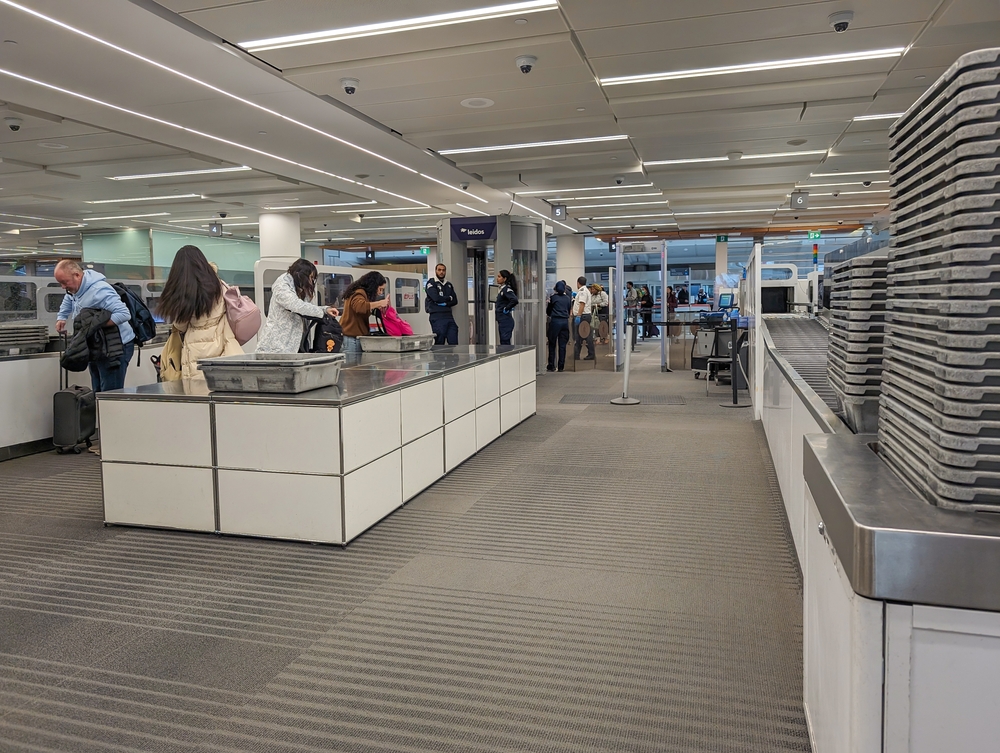
Airports continue adding advanced baggage screening systems. New scanners analyze bag contents in more detail. Automated systems may change how bags move through inspection. Some items that passed before may now trigger manual checks. Travelers might notice tags indicating secondary screening. Packing electronics and dense items neatly helps. Lock types may affect inspection procedures. These upgrades focus on safety and efficiency. Clear packing and following airline guidelines reduce delays during baggage processing.
Security Line Pre-Booking Systems
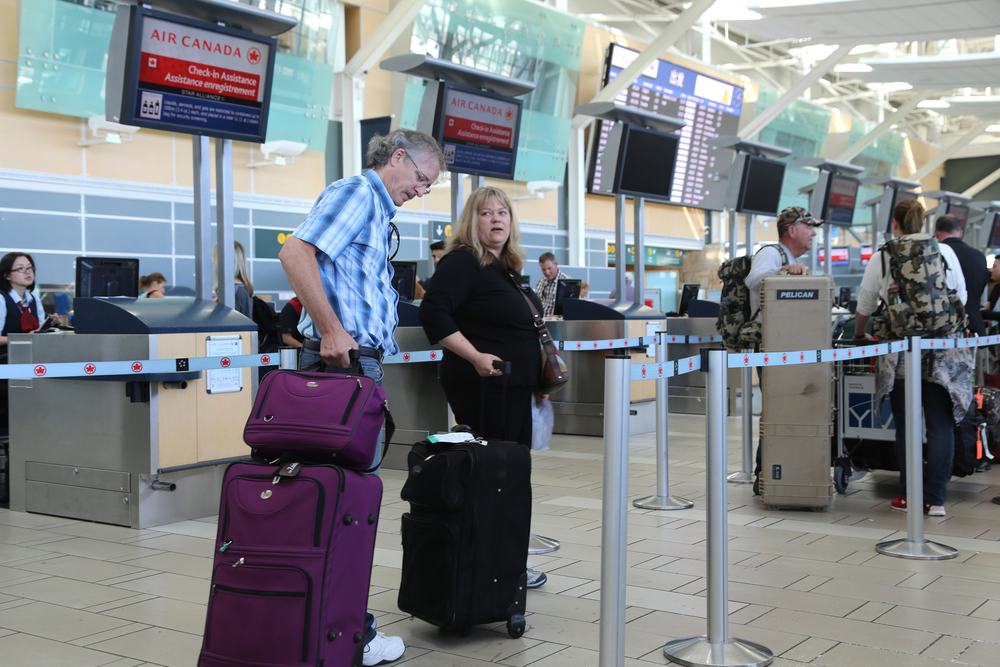
Some airports now test pre-booking for security lines. Travelers reserve a time slot before arriving. This helps spread passenger flow during busy hours. Pre-booked lanes may reduce waiting times. Walk-in screening remains available. Arriving too early or too late may void reservations. Systems often operate through airport apps or websites. These programs improve predictability and crowd control. Checking availability before travel can help with planning. Time slots do not replace standard security requirements.
New Rules for Portable Batteries
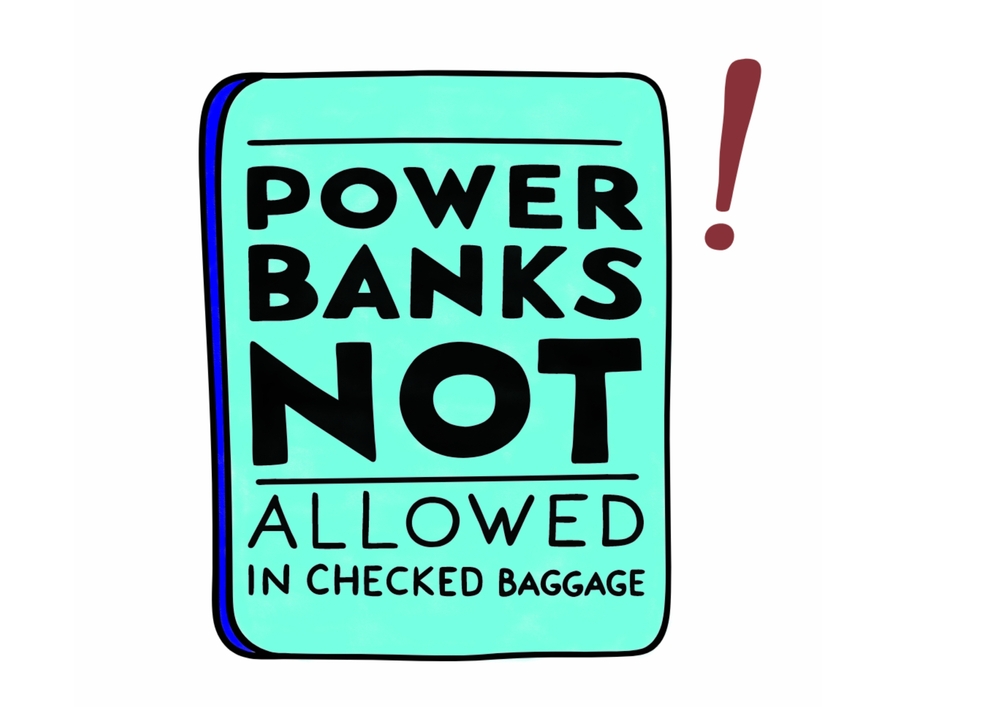
Portable battery rules continue evolving due to fire safety concerns. Lithium batteries must stay in carry-on bags. Damaged or recalled batteries are not allowed. Capacity limits apply to power banks. Loose batteries should be protected from short circuits. Airlines may limit the number of spares. Checked luggage rules remain strict. Travelers should check airline policies before flying. These measures focus on preventing onboard incidents. Proper packing helps avoid confiscation.
Pet Travel Documentation Checks

Pet travel rules increasingly involve document verification. Airlines check vaccination records and health certificates. Destination countries may require additional paperwork. Microchip information must match documents. Age and breed restrictions sometimes apply. Forms may need official signatures. Missing papers can prevent boarding. Travelers should confirm requirements with airlines and authorities. These checks protect animal health and border safety. Preparing documents early avoids airport complications.
Customs Declaration Digitization
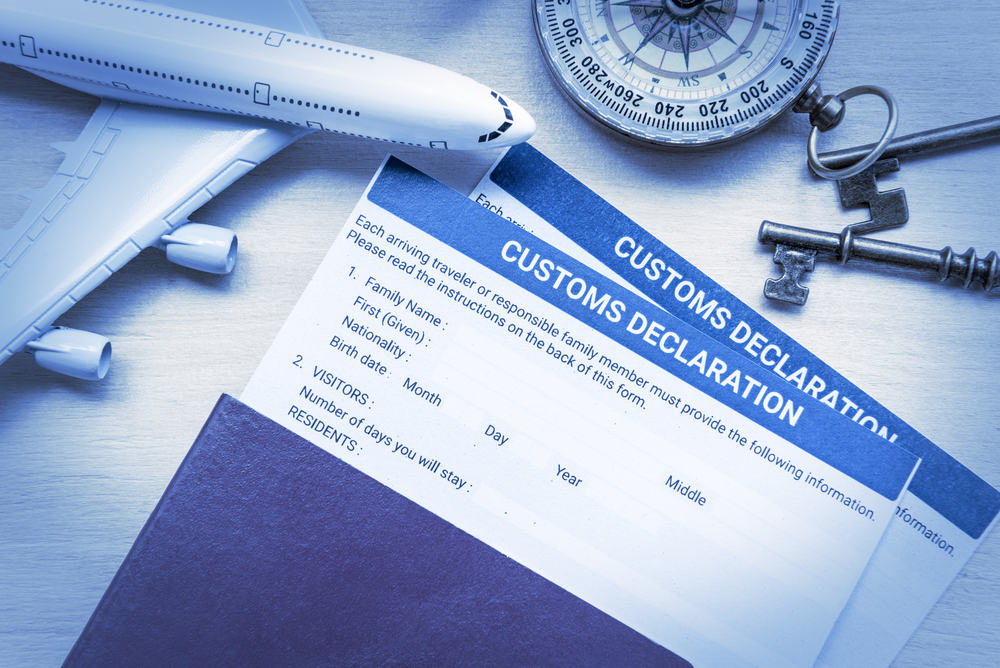
Customs processes increasingly use digital declaration systems. Travelers may complete forms through kiosks or mobile apps. Electronic submissions reduce paper handling and speed processing. Information links directly with the passport and travel data. Officers can review declarations before arrival. Mistakes entered digitally still carry penalties. Receipts and proof of goods may still be requested. Travelers unfamiliar with digital forms should allow extra time. These systems aim to improve efficiency and accuracy. Following instructions carefully helps avoid delays during entry procedures.
Arrival Health Screening Protocols
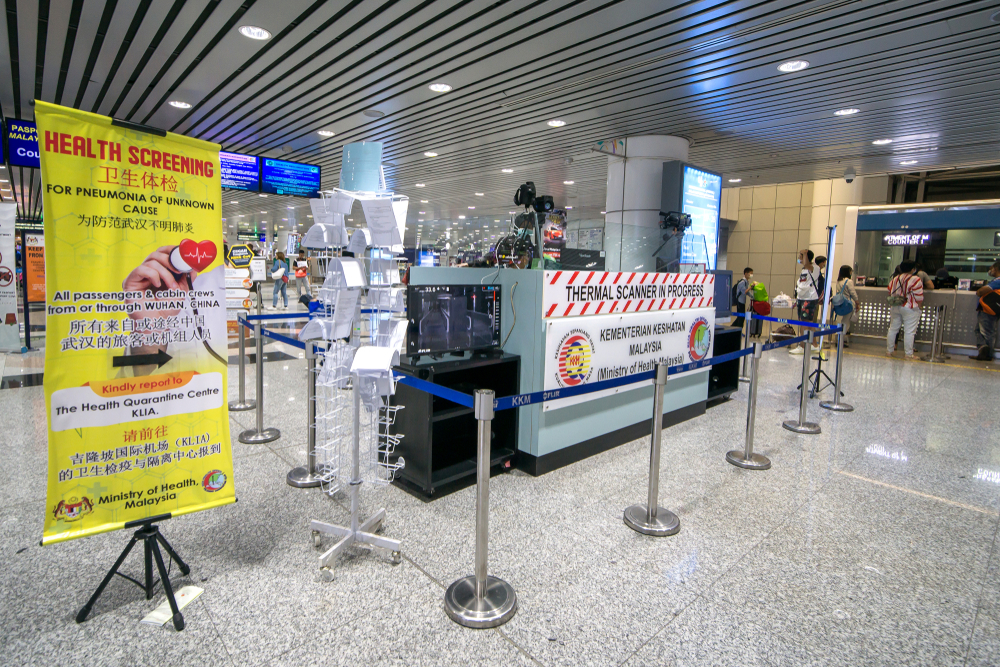
Health screening procedures can return during outbreaks or public health alerts. Travelers may answer health questions or undergo temperature checks. Digital health forms may be required before landing. Airlines and airports follow federal health guidance. Requirements can change quickly based on global conditions. Travelers should check official updates before departure. Screening focuses on protecting public safety. Honest answers help avoid penalties. These measures may be temporary but can affect arrival processing times.
Duty Free Carry-On Bag Sealing Policies

Duty-free liquids often require special sealed bags for transfer flights. Seals must remain intact until final security checks. Breaking seals can lead to confiscation. Receipts may need to stay inside the bag. Rules vary by airport and connection country. Travelers should confirm procedures before flying. These policies allow the safe transport of liquids through multiple checkpoints. Following the sealing instructions helps avoid losing purchases. Duty-free handling rules focus on aviation security standards.
Expanded No Fly List Enforcement

Air travel security systems continue to strengthen passenger screening. Name matching with watchlists may become more precise. Additional identity checks can occur if names are similar. Travelers may need to provide their full legal names as on their ID. Mistakes in booking details can cause delays. Airlines coordinate with security agencies on screening. These steps focus on aviation safety. Keeping documents accurate helps avoid issues. Early arrival allows time to resolve identity verification questions.
22 Groceries to Grab Now—Before another Price Shock Hits Canada

Food prices in Canada have been steadily climbing, and another spike could make your grocery bill feel like a mortgage payment. According to Statistics Canada, food inflation remains about 3.7% higher than last year, with essentials like bread, dairy, and fresh produce leading the surge. Some items are expected to rise even further due to transportation costs, droughts, and import tariffs. Here are 22 groceries to grab now before another price shock hits Canada.
22 Groceries to Grab Now—Before another Price Shock Hits Canada
