Crossing back into Canada often feels routine right up until a border officer asks one extra question and points a traveller toward secondary. That shift can feel dramatic, but the process is usually less about suspicion than verification. CBSA officers are tasked with checking declarations, confirming exemptions, and identifying goods, money, food, animals, or travel details that need a closer look.
The 14 questions below are built from official Canadian declaration forms, secondary-inspection guidance, and border rules that returning residents regularly encounter. Some are simple on the surface. What turns them into a secondary-inspection moment is usually vagueness, inconsistency, missing documents, or an answer that suggests undeclared goods, restricted items, or a declaration that needs to be checked more carefully.
1. “How long were you away?”
This sounds harmless, but it is one of the most important questions at the border because time away affects what a returning resident can claim. A same-day shopping trip does not get the same treatment as a 24-hour, 48-hour, or seven-day absence, and alcohol and tobacco rules are tied to those thresholds. An answer that is fuzzy, revised mid-conversation, or inconsistent with travel records can quickly push a file from routine to secondary.
That is why this question matters so much in practice. A traveller who says the trip was “basically overnight” but was only away for a few hours may suddenly need more follow-up. CBSA also has entry and exit information it can use to verify the timeline. A small mismatch can turn into a closer look at receipts, purchases, and exemption claims, especially when the value of imported goods seems high for the declared absence.
2. “What was the purpose of your trip?”

Purpose matters because border processing is not only about what was purchased. Officers are also testing whether the travel story makes sense. A clear answer such as vacation, business meeting, medical appointment, wedding, or shopping trip gives context to the declaration. A vague answer like “just stuff” or “nothing really” can create friction, especially if the traveller has luggage, receipts, or a pattern of frequent crossings.
This question also helps officers decide whether the goods being brought back fit the story. A one-day visit that suddenly includes high-value electronics, multiple boxed items, or work equipment naturally invites more scrutiny. Business travel can also blur into commercial importation, which is treated differently from personal-use goods. When the explanation feels incomplete or out of step with the belongings in the car or suitcase, secondary becomes the place where the story and the goods are matched up.
3. “What exactly did you buy or acquire outside Canada?”

CBSA does not limit declarations to shopping bags from a mall. Returning residents are expected to declare purchases, gifts, prizes, duty-free items, and even repairs or alterations made abroad to things like vehicles or other property. That broad scope is where many travellers get caught off guard. Someone may honestly think they bought “nothing major” while forgetting a repaired watch, outlet shopping haul, or items mailed home during the trip.
Officers care about specifics because broad answers hide details. Saying “just clothes” is far less useful than saying “two jackets, shoes, vitamins, and a tablet.” Secondary often starts when the answer is too general for the goods visible in the vehicle or luggage. If several bags are present and the declaration sounds thin, the next step is often a detailed inventory. That is when forgotten purchases, unopened merchandise, or duty-free items suddenly become much more important than they seemed in line.
4. “What is the total value of everything you’re bringing back?”
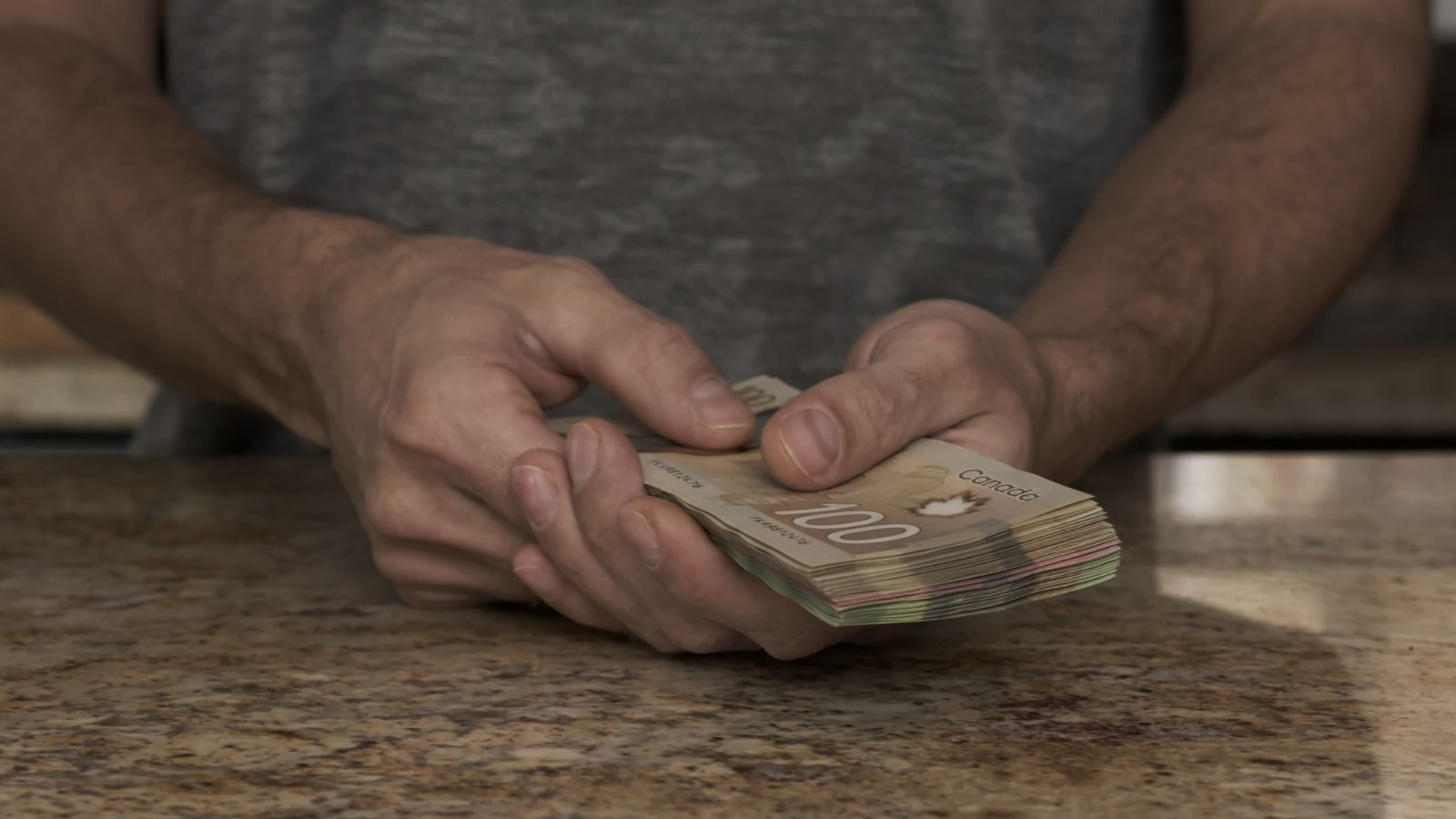
Value is one of the core customs questions because duty and taxes depend on it. Officers are not only asking what was bought, but what the total is once everything is added together. Travellers often underestimate because they round down, forget converted exchange rates, or leave out gifts, duty-free purchases, and items shipped separately. That is the kind of mistake that can turn a quick declaration into a longer conversation in secondary.
The value question also works as a consistency test. If someone says the total is modest but the luggage contains luxury boxes, multiple shopping bags, or new electronics, an officer has a reason to verify. Even when the numbers are not wildly off, incomplete totals can change whether a personal exemption applies. Secondary is where officers can slow the process down, ask for a breakdown, and assess what is actually owed. At that point, even an innocent miscalculation can become an expensive lesson.
5. “Do you have receipts for those purchases?”

Receipts are not a formality. They are often the fastest way to show that a declaration is accurate. CBSA specifically advises travellers to keep original receipts for purchases and repairs made abroad, and officers may request them to account for spending or purchases made outside Canada. A traveller with organized proof can usually move through the process far more easily than one who estimates from memory under pressure.
This question becomes more serious when the declared value seems unusually low, unusually neat, or not fully believable. A person claiming only a few hundred dollars in purchases while returning with clearly new goods may find that the receipt question sends the whole interaction sideways. Secondary gives officers time to review receipts, inspect merchandise, and compare what was declared to what is physically there. Even when the declaration is ultimately corrected, missing paperwork tends to make the process slower, more stressful, and more expensive.
6. “Are any of these items for someone else?”
This is where many people stumble because doing a favour for a friend can change how goods are treated. Personal exemptions are intended for personal or household use, souvenirs, and genuine gifts, not items bought on commission or as an accommodation for someone else. Even government travel advice warns Canadians not to take anything across a border for another person, not even something that seems as minor as an envelope.
That matters because once a traveller admits the goods belong to someone else, officers may want a fuller explanation. Was the traveller paid? Is the item really a gift, or is it simply being carried in for another person? If the answer sounds improvised, secondary is the natural next step. That is where border officers can separate true personal-use imports from goods that may not qualify under the traveller’s exemption. A simple favour can suddenly look like undeclared importing when the facts are not clearly explained.
7. “Are any of these commercial goods, samples, tools, or equipment?”
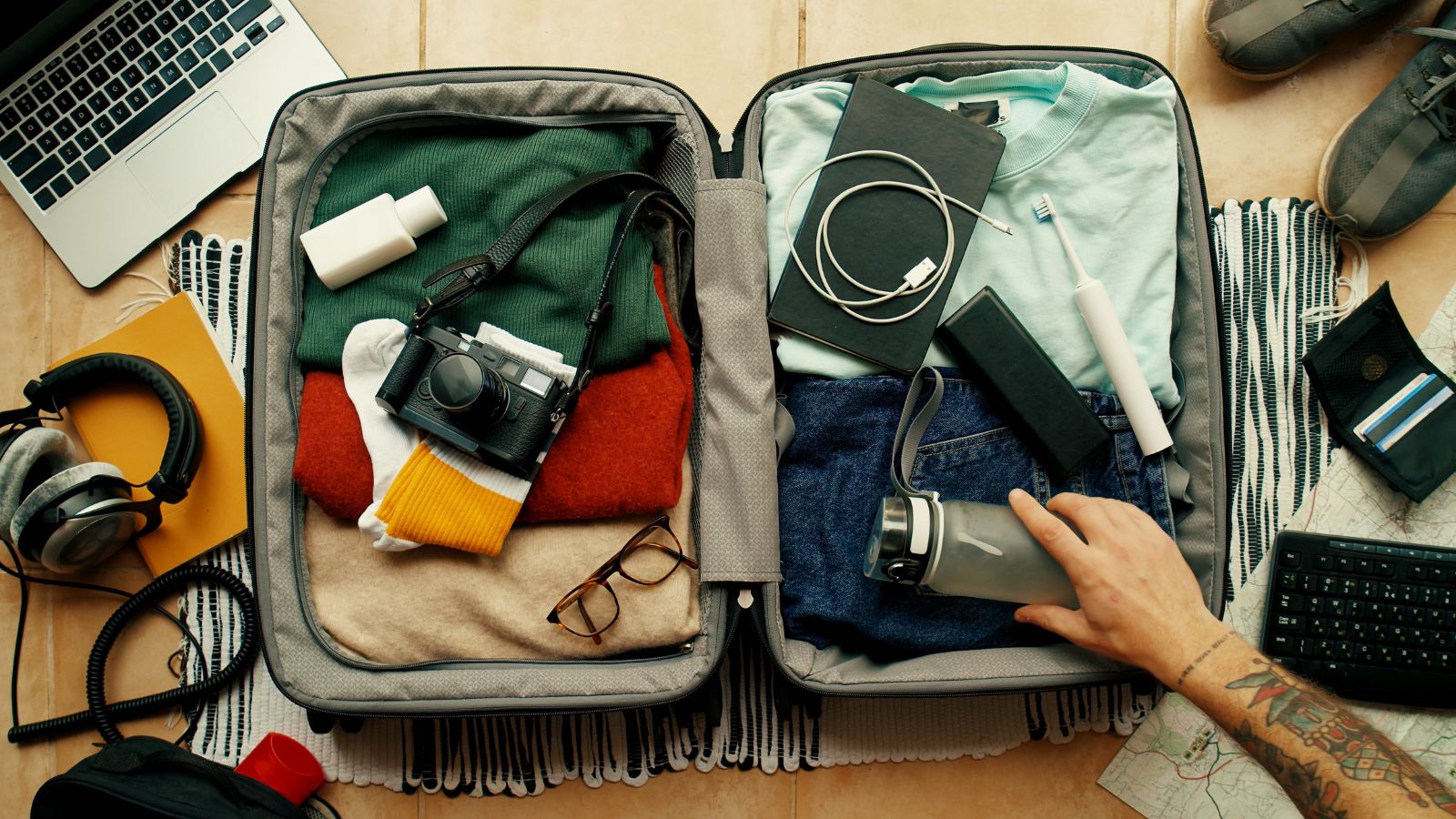
This is not a niche question. It appears directly on the CBSA declaration card because commercial goods are handled differently from casual personal imports. A photographer returning with demo gear, a contractor with new tools, or a business owner carrying promotional samples may think the items are “just work stuff,” but officers may see goods that fall outside an ordinary personal exemption.
The distinction matters because goods for commercial use are not treated the same way as souvenirs or household purchases. A person heading home from a trade show with sample products or sales materials can end up in secondary even if nothing illegal is involved. The issue is classification, documentation, and whether the goods were properly declared in the right category. Trusted-traveller programs are also stricter here. In practice, work-related goods create some of the fastest referrals because the border officer often needs more than a simple verbal answer.
8. “Are you bringing back alcohol or tobacco?”
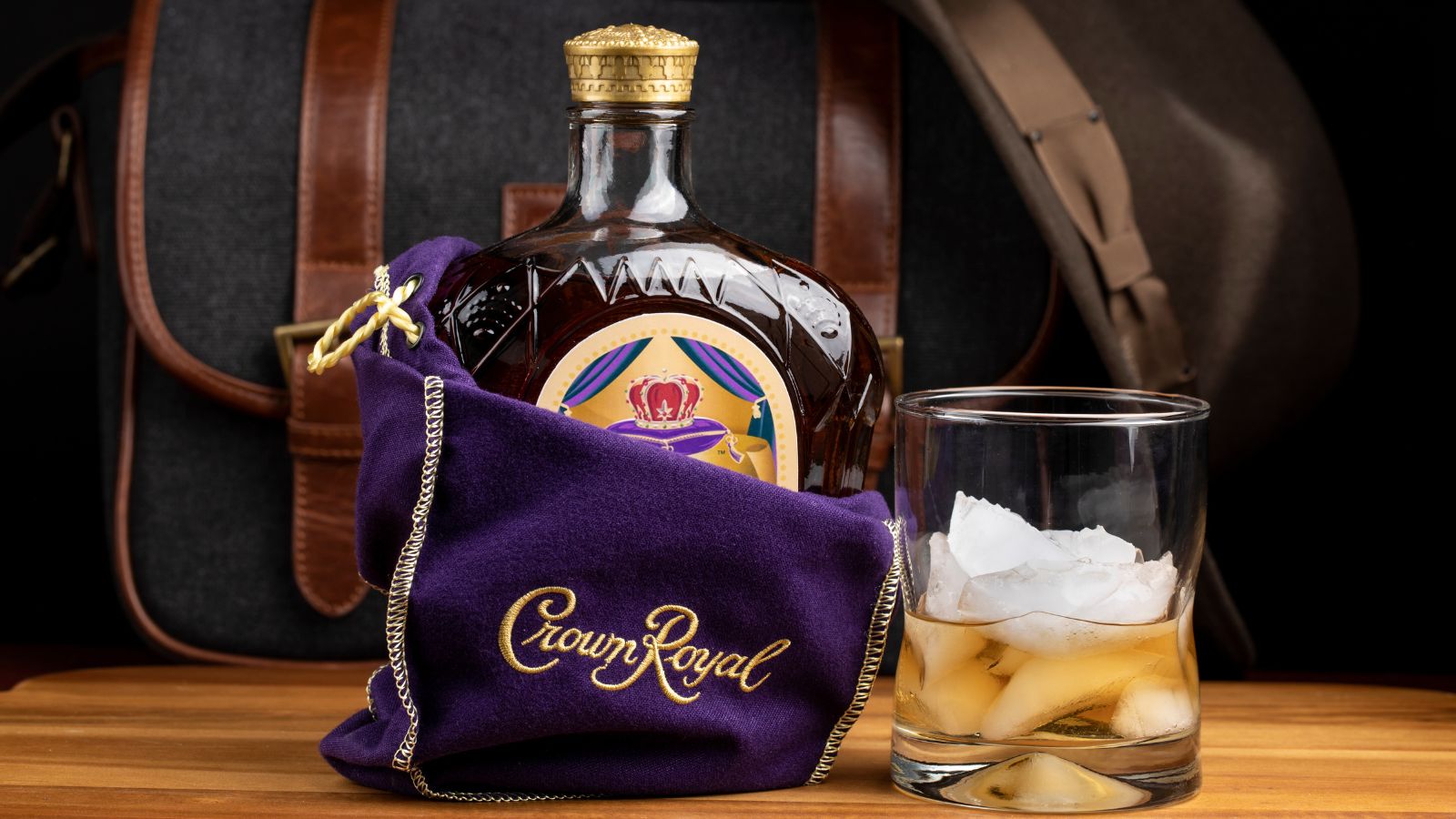
Alcohol and tobacco are classic border triggers because the rules are more specific than many travellers realize. Personal exemptions only cover them after certain absence thresholds, and the quantity limits are exact. Provincial and territorial liquor rules can also matter once the amount goes over the standard allowance. A traveller who says “just a bit” is not really answering the question in a way that helps an officer assess compliance.
This becomes secondary territory when the declared quantity sounds off, the trip was too short for the claimed exemption, or the amounts appear split across travellers in a way that does not quite add up. Tobacco and alcohol also have to accompany the traveller to qualify for the relevant exemption. Someone coming back after a short trip with multiple bottles, cartons, or unclear timing may be sent for a more detailed calculation. The items themselves are common, but the rules around them are precise enough to create frequent border friction.
9. “Do you have cannabis or anything containing cannabis or CBD?”
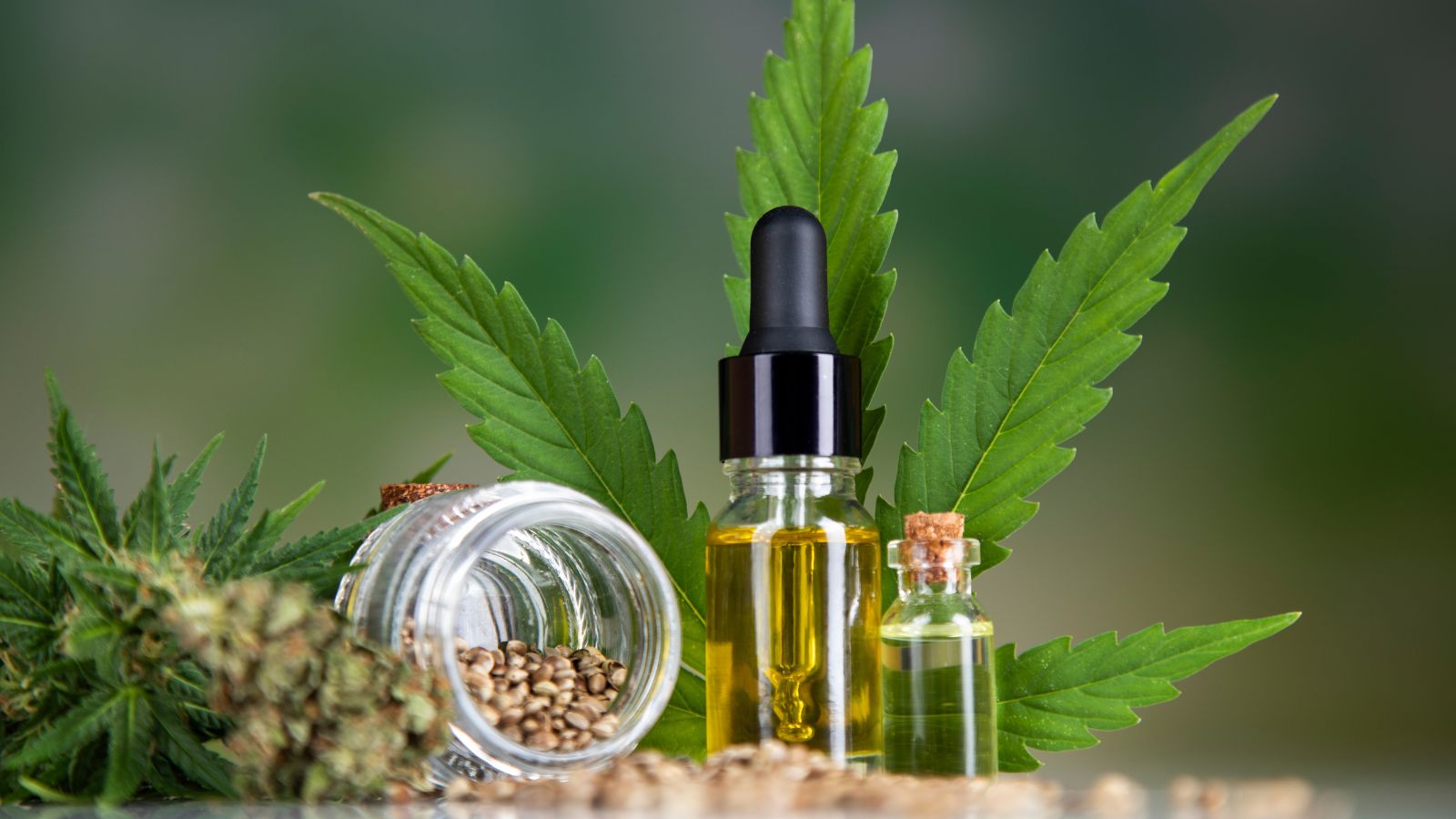
This may be the question that surprises the most Canadians because domestic legality creates a false sense of safety. Cannabis remains a serious border issue. Bringing cannabis across the border is illegal unless there is a narrow Health Canada authorization, and that includes products containing CBD. Official guidance is blunt: travellers should not take cannabis across the border, even in small amounts, even if it was obtained legally, and even when travelling to or from places where it is legal.
That is why this question can escalate so quickly. A traveller who casually mentions gummies, oil, a vape cartridge, or a CBD product may find the conversation ending at primary inspection. Not declaring cannabis can lead to penalties, and authorities also warn that border consequences can include confiscation, arrest, or prosecution. Secondary is where officers sort out exactly what the product is, how much is involved, and whether the declaration was truthful. This is one of the clearest examples of Canadian domestic law not matching border law.
10. “Are you bringing any meat, fruit, vegetables, seeds, plants, or animal products?”
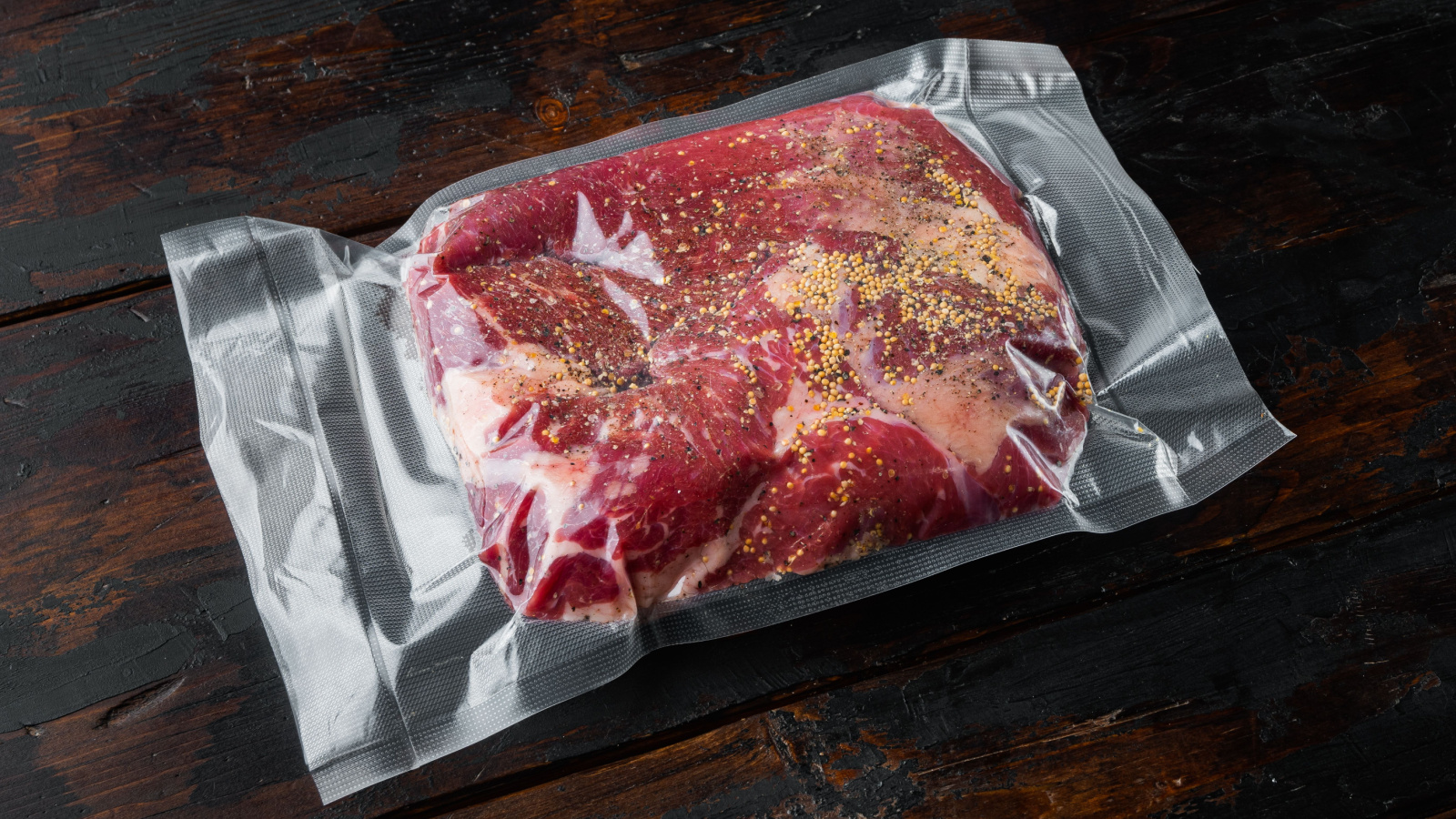
This is another direct declaration-card question, and it catches travellers who assume personal snacks or groceries are too minor to matter. At the border, food and agricultural products are not minor. They are regulated because they can carry pests and disease. Meat, seafood, eggs, dairy, produce, seeds, nuts, flowers, wood, and many animal by-products all fall into the risk category, which is why officers ask the question in such broad terms.
A forgotten apple, homemade sausage, or bag of seeds is often enough to send someone to secondary because the rules are product-specific and sometimes country-specific. Canada’s food and inspection agencies take this seriously. In 2024, CBSA reported $2.1 million in penalties tied to food, plant, and animal import violations. That figure helps explain the tone officers use when this question comes up. Secondary allows them to identify the product, check whether it is admissible, and decide whether it should be released, seized, or penalized.
11. “Are you travelling with a pet or any other animal?”
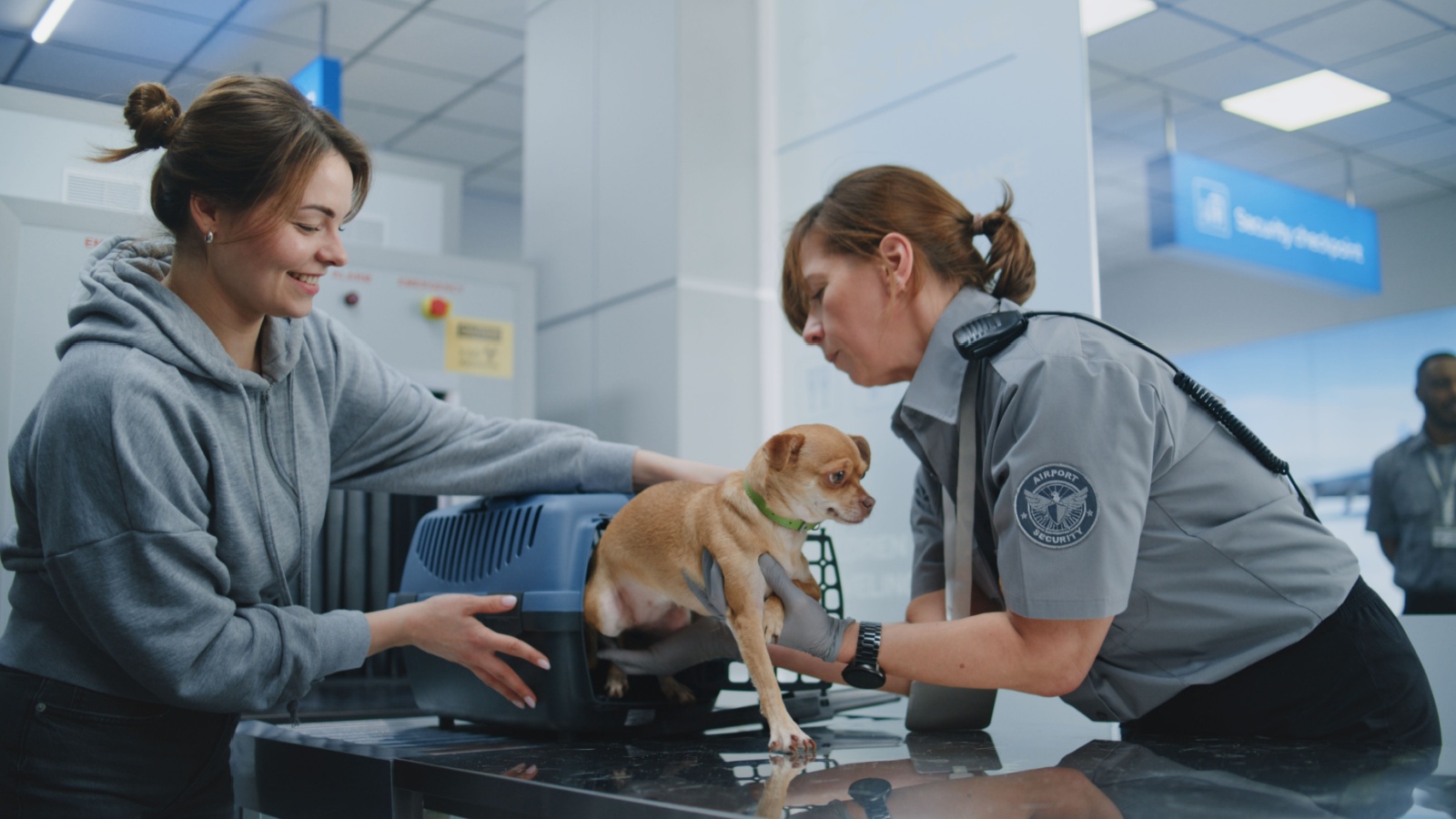
Travellers often expect the pet question to be straightforward, but animal import rules can be paperwork-heavy and highly specific. Dogs, cats, birds, and other animals may require certificates, vaccination records, endorsements, or inspections depending on species, country of origin, and travel circumstances. Both CBSA and the CFIA warn that missing documents can lead to delays and, in some cases, refusal at the border.
This question also reaches beyond the family dog. Border guidance notes that officers may visually examine pets or other animals in secondary, and some animal imports require inspection by CFIA personnel at the first point of arrival. That means even a well-meaning traveller can end up delayed simply because the right document is incomplete, expired, or not available on arrival. In practice, animals move a border crossing out of the “routine declaration” category very quickly. Once the answer is yes, the next steps are usually document checks, admissibility questions, and sometimes a formal inspection.
12. “Do you have any firearms, pepper spray, knives, or other weapons?”
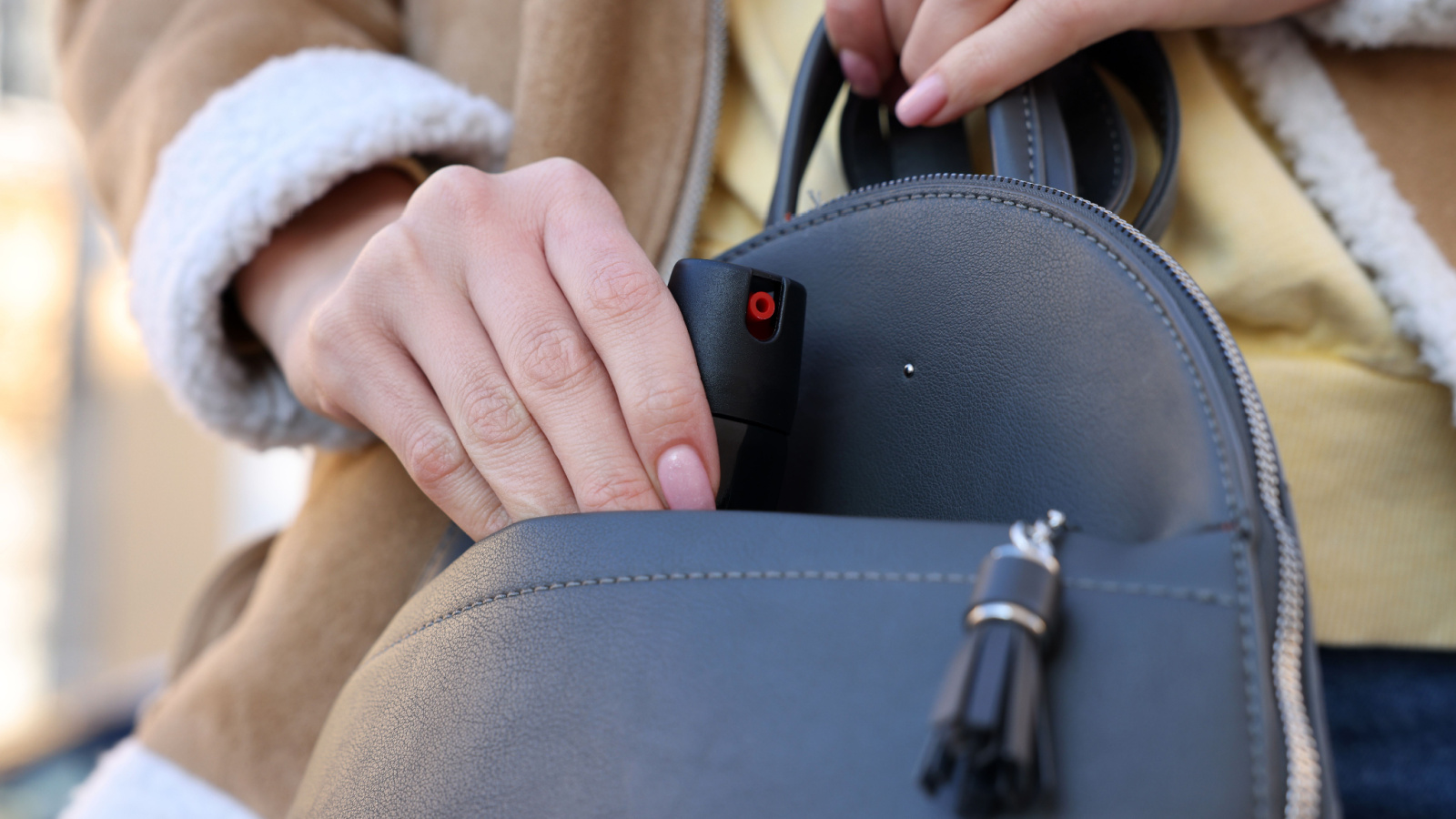
This question is also printed right on the declaration card, and the examples are more revealing than many people expect. CBSA lists firearms as well as switchblades and Mace or pepper spray. That matters because some travellers carry self-defence products purchased abroad without realizing they may be prohibited in Canada. Canadian guidance is explicit that pepper spray intended for use against people is considered a prohibited weapon and cannot be imported.
The enforcement numbers show why officers take the issue seriously. CBSA reported 17,771 weapons seized in 2025, and earlier public reporting listed thousands of prohibited knives and hundreds of pepper spray seizures as well. A traveller who answers yes, hesitates, or gives an incomplete answer is very likely headed to secondary, where officers can inspect the item and determine whether it is restricted, prohibited, or admissible with conditions. This is one of the clearest examples of a question that sounds routine but can become a legal problem very quickly.
13. “Are you carrying CAN$10,000 or more in cash or monetary instruments?”
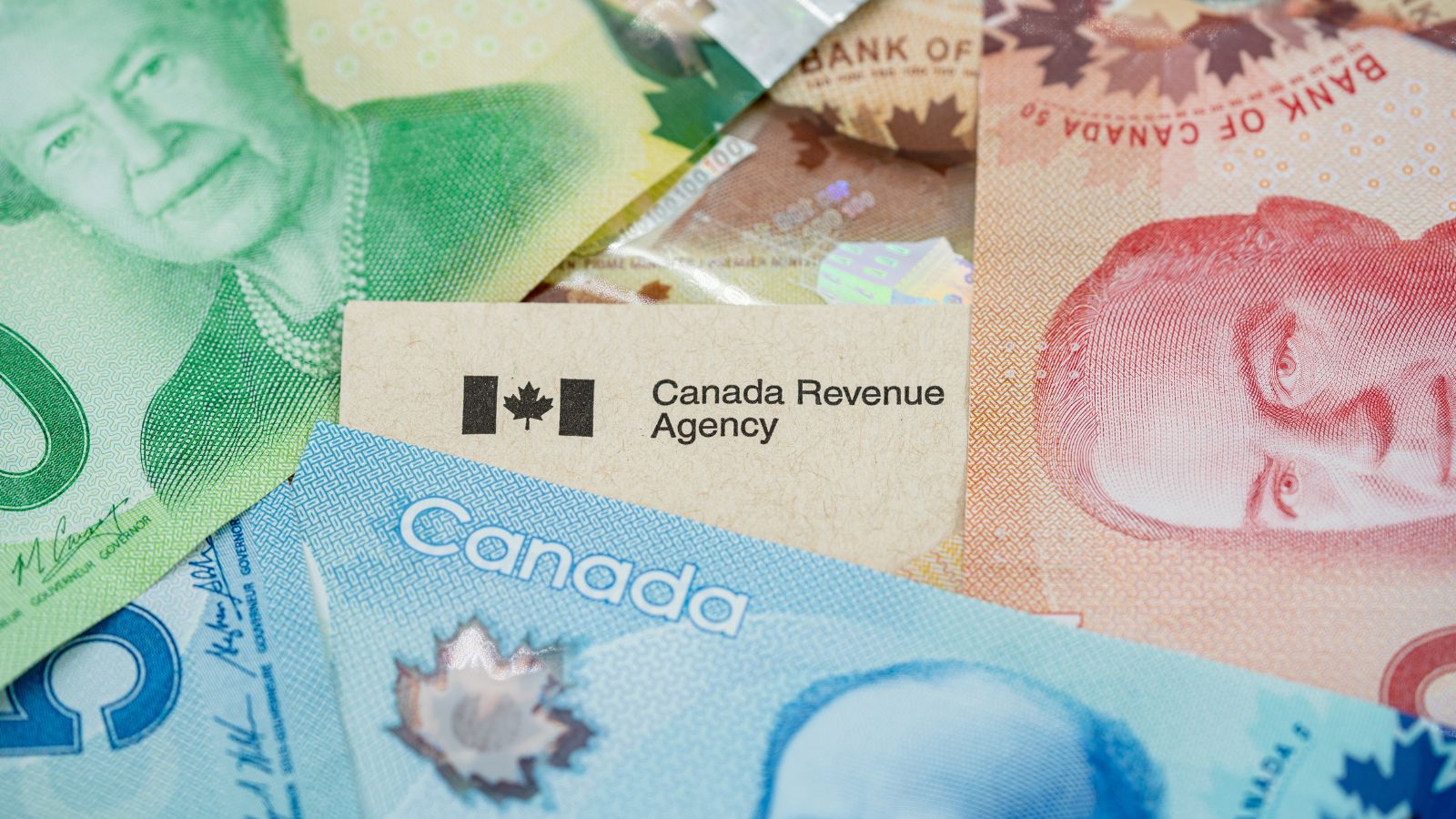
Large amounts of money are legal to carry across the border, but they must be declared. That threshold applies to Canadian or foreign currency, and it includes monetary instruments such as cheques, money orders, bank drafts, stocks, bonds, and traveller’s cheques. Many travellers wrongly assume the rule only applies to cash stuffed in a bag. At the border, the definition is wider and the declaration requirement is strict.
This question often leads to secondary because officers may need to verify the amount, count the money, or ask for documentation. CBSA explicitly says undeclared currency can be seized. NEXUS users are also not supposed to use NEXUS lanes when carrying C$10,000 or more. A traveller who answers too casually or seems surprised by the rule can suddenly face a much more serious interaction. Secondary is where officers can document the funds, review the forms, and decide whether the traveller simply failed to declare properly or created a more significant enforcement concern.
14. “Are you travelling with a child, and can you prove you have permission?”

Families are often surprised by how quickly this question changes the tone of a crossing. CBSA says one reason for secondary is to confirm the guardianship of children travelling with a person. Travel.gc.ca also recommends consent letters for children travelling with only one parent, with relatives, with a group, or alone, and notes that border officials may ask to see proof that the non-travelling parent or guardian agrees.
For most families, this is about protection, not accusation. Still, missing paperwork can create long delays at the worst possible moment. A parent may be entirely legitimate and still get referred to secondary because the officer needs to resolve a custody, consent, or surname mismatch before letting the child proceed. Copies of court orders, parenting agreements, and signed consent letters can make a major difference. Few border questions feel more personal, but from the officer’s side, it is one of the clearest areas where a quick check can prevent a serious problem.
19 Things Canadians Don’t Realize the CRA Can See About Their Online Income

Earning money online feels simple and informal for many Canadians. Freelancing, selling products, and digital services often start as side projects. The problem appears at tax time. Many people underestimate how much information the CRA can access. Online platforms, banks, and payment processors create detailed records automatically. These records do not disappear once money hits an account. Small gaps in reporting add up quickly.
Here are 19 things Canadians don’t realize the CRA can see about their online income.
