The clean beauty movement has influenced the Canadian skincare and cosmetics market for several years. Many brands promote products as safer, healthier, or more natural alternatives to traditional cosmetics. However, in 2026, Canadian consumers are becoming more informed and skeptical about some of these claims. Social media discussions, dermatology advice, and ingredient transparency have encouraged shoppers to question marketing language more carefully. Here are 14 clean beauty claims Canadians are finally side-eyeing in 2026.
“Chemical Free”
One of the most common clean beauty claims Canadians now question is the idea that a product can be “chemical free.” From a scientific perspective, everything in skincare and cosmetics is made of chemicals, including water, plant oils, and natural extracts. This means that the phrase itself is technically impossible. Canadian consumers have become more aware of this through online ingredient education and dermatology content. As a result, many shoppers now see the term as a marketing tactic rather than a meaningful description. The phrase often attempts to create fear around synthetic ingredients while suggesting that natural ones are automatically safer. In reality, both natural and synthetic ingredients can be safe or irritating depending on formulation and concentration. Canadians increasingly prefer brands that clearly explain ingredients rather than rely on misleading buzzwords.
“Toxin Free”
Another phrase that Canadians increasingly question is the claim that a beauty product is “toxin free.” The word toxin often appears in marketing materials without a clear explanation of what it actually refers to. Many brands use the term broadly to imply that conventional cosmetics contain harmful substances, even though most cosmetic ingredients approved for sale in Canada have undergone safety evaluation. Consumers are becoming more aware that the word toxin has no standardized definition in the beauty industry. In many cases, it simply serves as a dramatic way to make products appear safer than competitors. Canadian shoppers now look for detailed ingredient lists and regulatory approval rather than relying on emotionally charged language. Dermatologists and cosmetic chemists frequently explain that safety depends on dosage and formulation rather than whether an ingredient sounds natural or synthetic.
“100 Percent Natural”

The promise that a beauty product is “100 percent natural” once appealed strongly to Canadian shoppers interested in plant-based skincare. However, many consumers now question what this label truly means. Natural ingredients can vary widely in purity, quality, and safety. Some plant extracts may cause irritation or allergic reactions depending on the formulation. Canadians are also learning that natural ingredients often require preservatives to prevent bacterial or mold growth. Without these stabilizing components, products may become unsafe over time. As a result, many consumers now recognize that natural does not always equal better or safer. In some cases, carefully designed synthetic ingredients can actually offer greater stability and consistency. Canadians increasingly value balanced formulations that combine effective natural ingredients with scientifically tested components.
“Preservative Free”
Preservative-free claims once sounded appealing because preservatives are often associated with concerns about irritation or chemical exposure. However, Canadians are increasingly aware that preservatives serve an important role in preventing contamination within beauty products. Creams, lotions, and liquid cosmetics can easily support bacterial, yeast, or mold growth when preservatives are absent. Without protection, these microorganisms may cause skin infections or spoilage of products. Many dermatologists now explain that safe preservation systems are essential for maintaining product stability. Canadian shoppers are beginning to recognize that the absence of preservatives does not necessarily make a product safer. Instead, it may shorten shelf life or increase contamination risks. Consumers now often look for balanced formulations that use well-tested preservatives rather than avoiding them completely.
“Non Toxic Beauty”
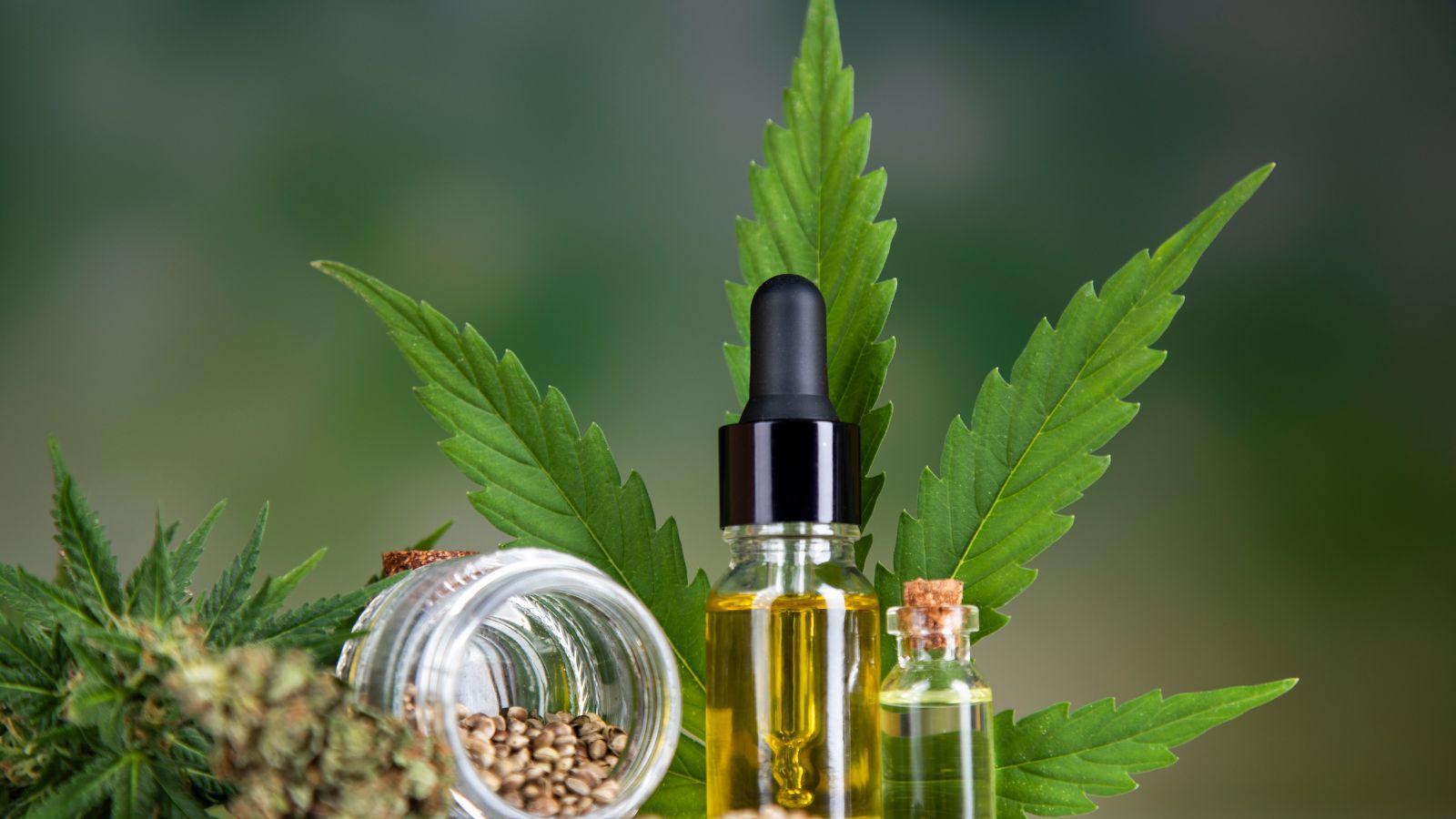
The phrase “non toxic beauty” has become another claim Canadians are beginning to question. While it sounds reassuring, the wording often lacks clear scientific meaning. Most cosmetics sold in Canada must comply with strict safety regulations that already limit the use of harmful substances. The term non-toxic sometimes implies that conventional beauty products contain dangerous ingredients, which can create unnecessary fear among consumers. Canadians increasingly recognize that toxicity depends on dosage and exposure levels rather than simple ingredient labels. Even water can be harmful in extreme amounts, while many regulated cosmetic ingredients remain safe when used properly. Consumers now expect brands to explain the benefits and safety of ingredients rather than relying on emotionally persuasive language.
“Dermatologist Approved”
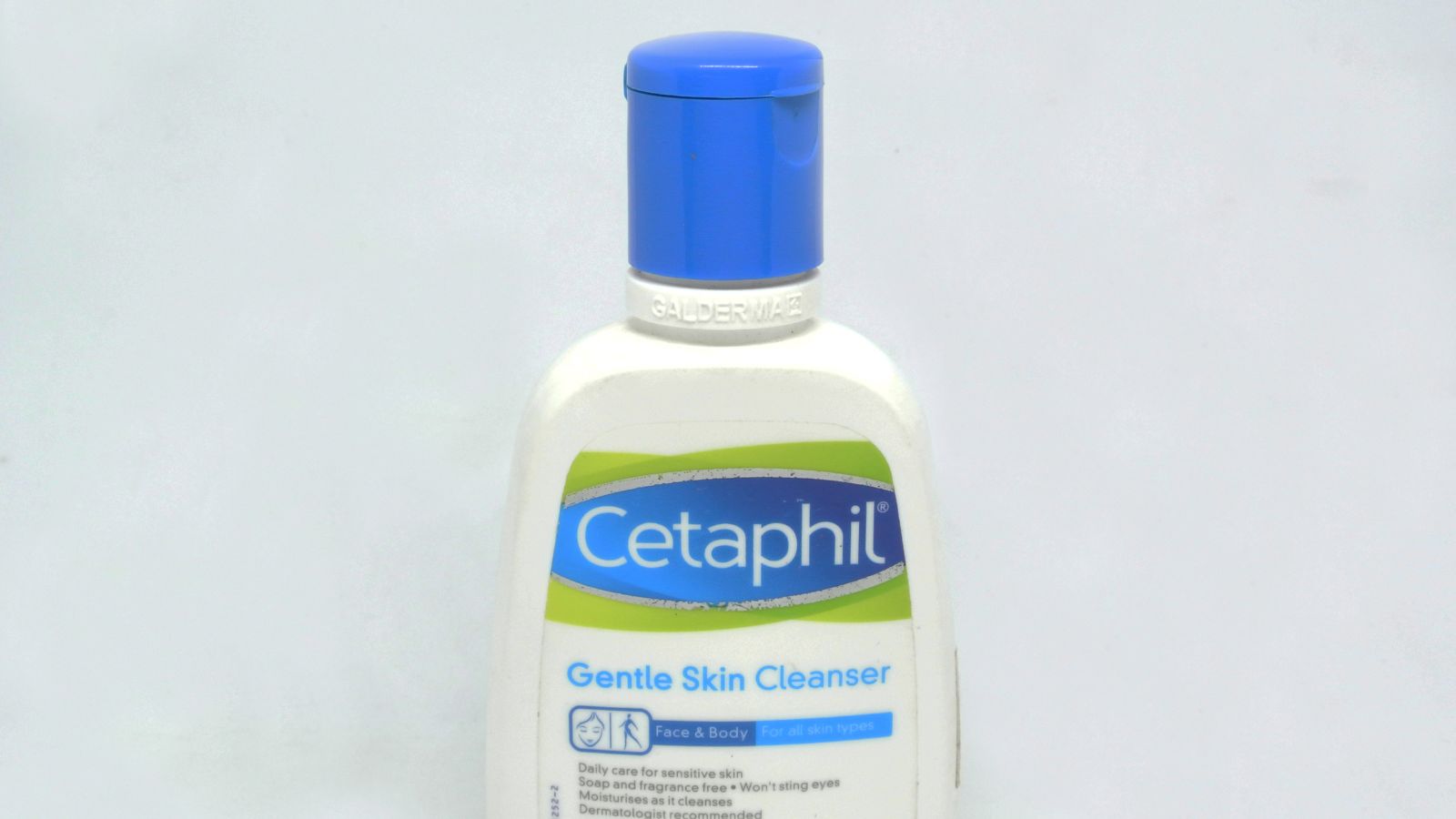
Many clean beauty brands highlight that their products are “dermatologist approved,” but Canadians have begun questioning what that actually means. In many cases, the phrase does not indicate formal clinical testing or endorsement by a large group of dermatologists. Sometimes it simply means that one dermatologist reviewed the formula or participated in limited product testing. Canadian consumers increasingly recognize that this claim lacks standardized criteria. Without additional details, it can be difficult to determine the level of evaluation behind the statement. Shoppers now prefer brands that provide more transparent information about testing procedures, ingredient research, or clinical studies. Clear evidence tends to build more trust than simple approval claims.
“No Synthetic Ingredients”
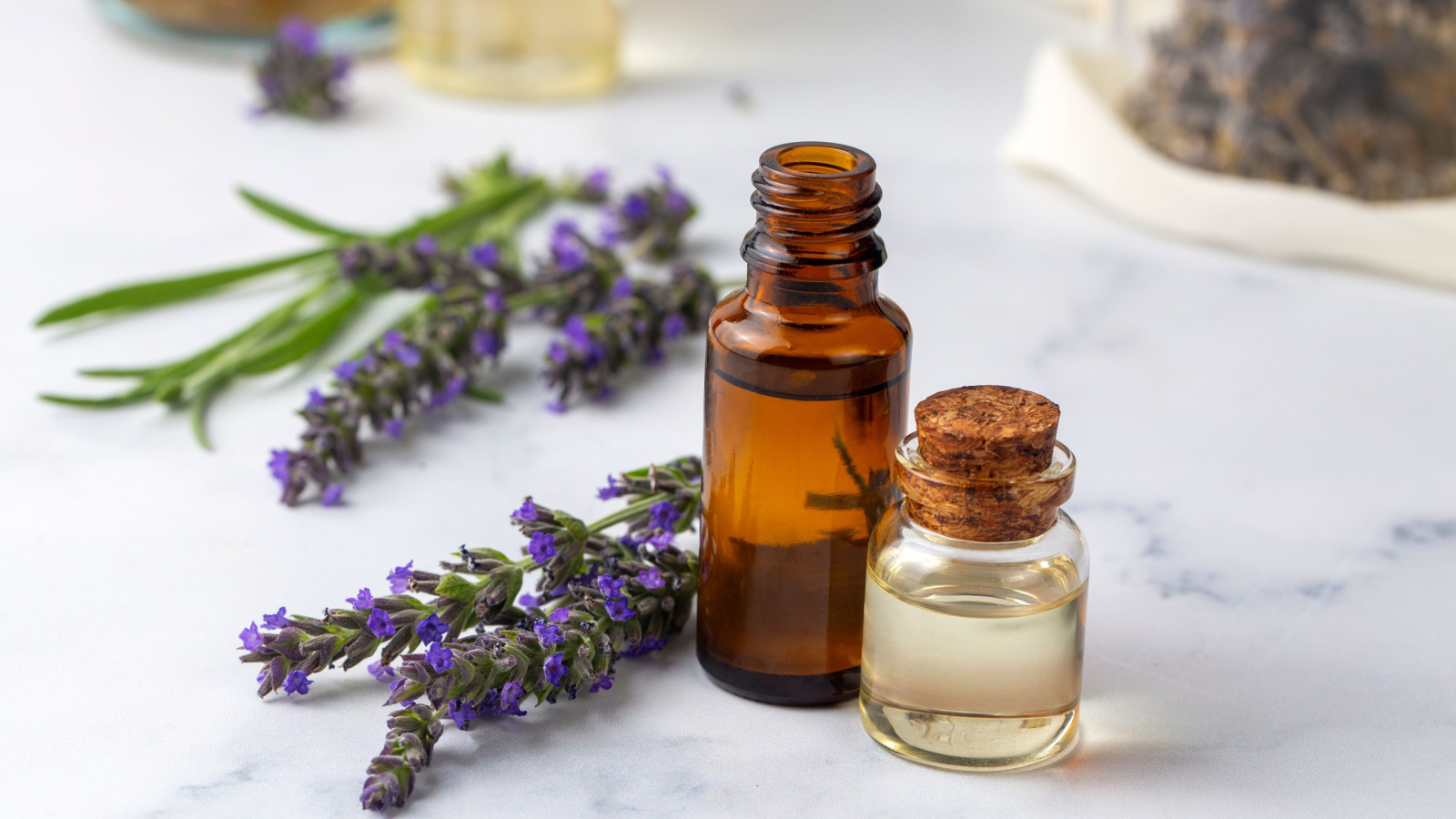
The claim that a product contains no synthetic ingredients once attracted Canadians seeking more natural beauty routines. However, many consumers now question whether avoiding all synthetic components actually benefits skin health. Synthetic ingredients often provide stability, improved texture, and consistent performance within cosmetic formulations. Some synthetic compounds even mimic naturally occurring molecules in the skin. Canadians increasingly understand that natural and synthetic ingredients are simply different categories of chemistry rather than indicators of safety or effectiveness. In some cases, synthetic ingredients can be less irritating than certain plant extracts. As awareness grows, consumers now focus more on ingredient function and formulation quality.
“Fragrance Free Means Safer”
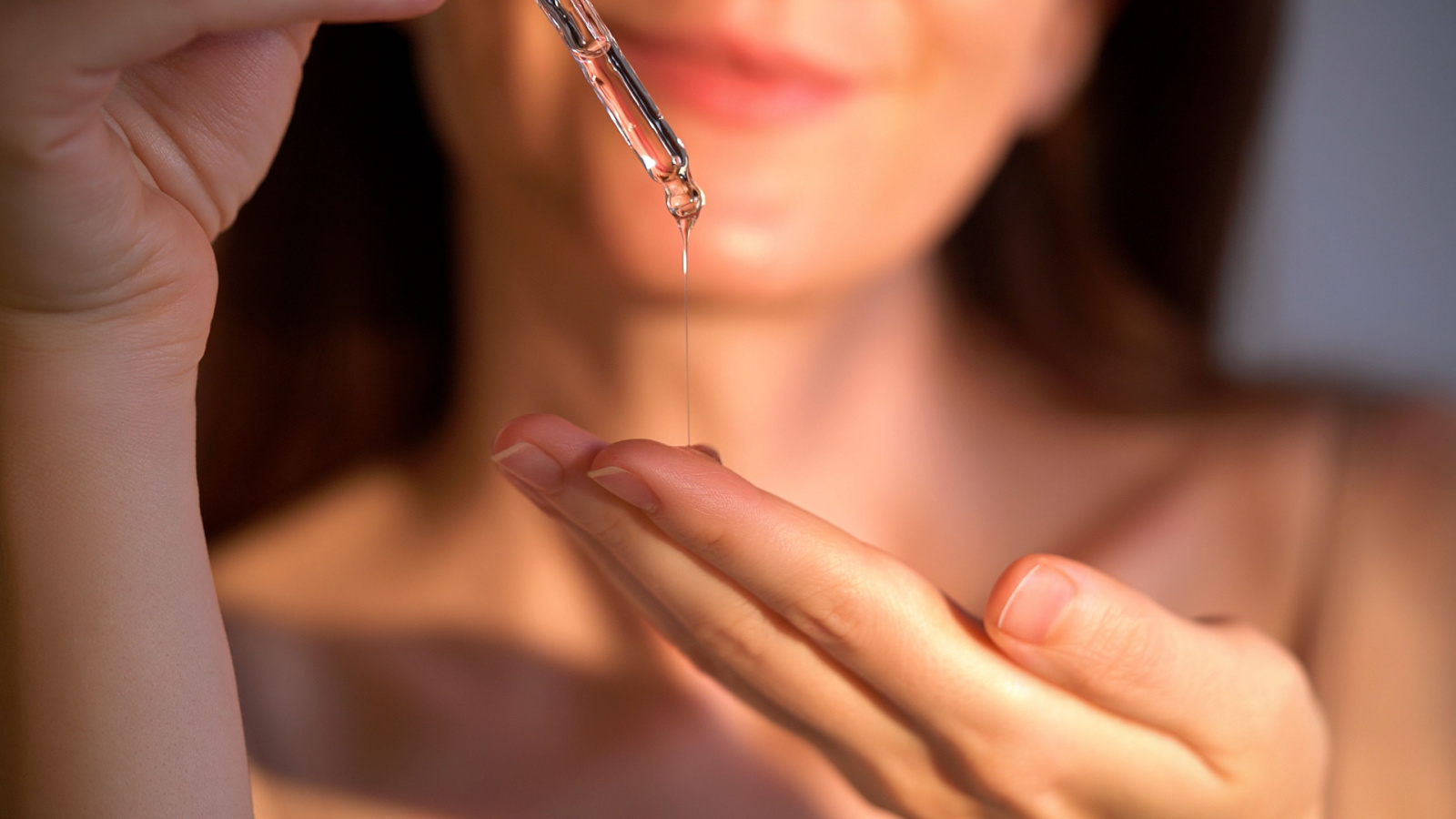
Many Canadians once assumed that products labeled fragrance-free were automatically safer for the skin. However, consumers are increasingly realizing that the term can sometimes be misleading. In some cases, brands remove traditional fragrance ingredients but still include aromatic plant extracts or essential oils that perform a similar role. These ingredients may still trigger irritation for people with sensitive skin. Canadians have also learned that fragrance itself is not inherently harmful, although certain individuals may prefer avoiding it due to allergies or sensitivities. Dermatologists often explain that fragrance sensitivity varies greatly between individuals. As awareness grows, consumers are reading ingredient lists more carefully rather than relying solely on the fragrance-free label.
“Organic Ingredients Are Automatically Better”

Organic labeling has become increasingly popular in the beauty industry, but Canadians are beginning to question whether organic ingredients actually provide superior skincare benefits. While organic farming practices may reduce pesticide use, the organic label does not automatically make a cosmetic ingredient more effective or safer for the skin. Many plant oils, extracts, and butters function similarly, whether they are organically grown or conventionally cultivated. Canadians have also learned that organic ingredients can still cause irritation or allergic reactions depending on an individual’s skin sensitivity. The growing understanding of cosmetic science has encouraged shoppers to focus more on ingredient performance rather than production labels alone.
“Detoxifying Skin Treatments”
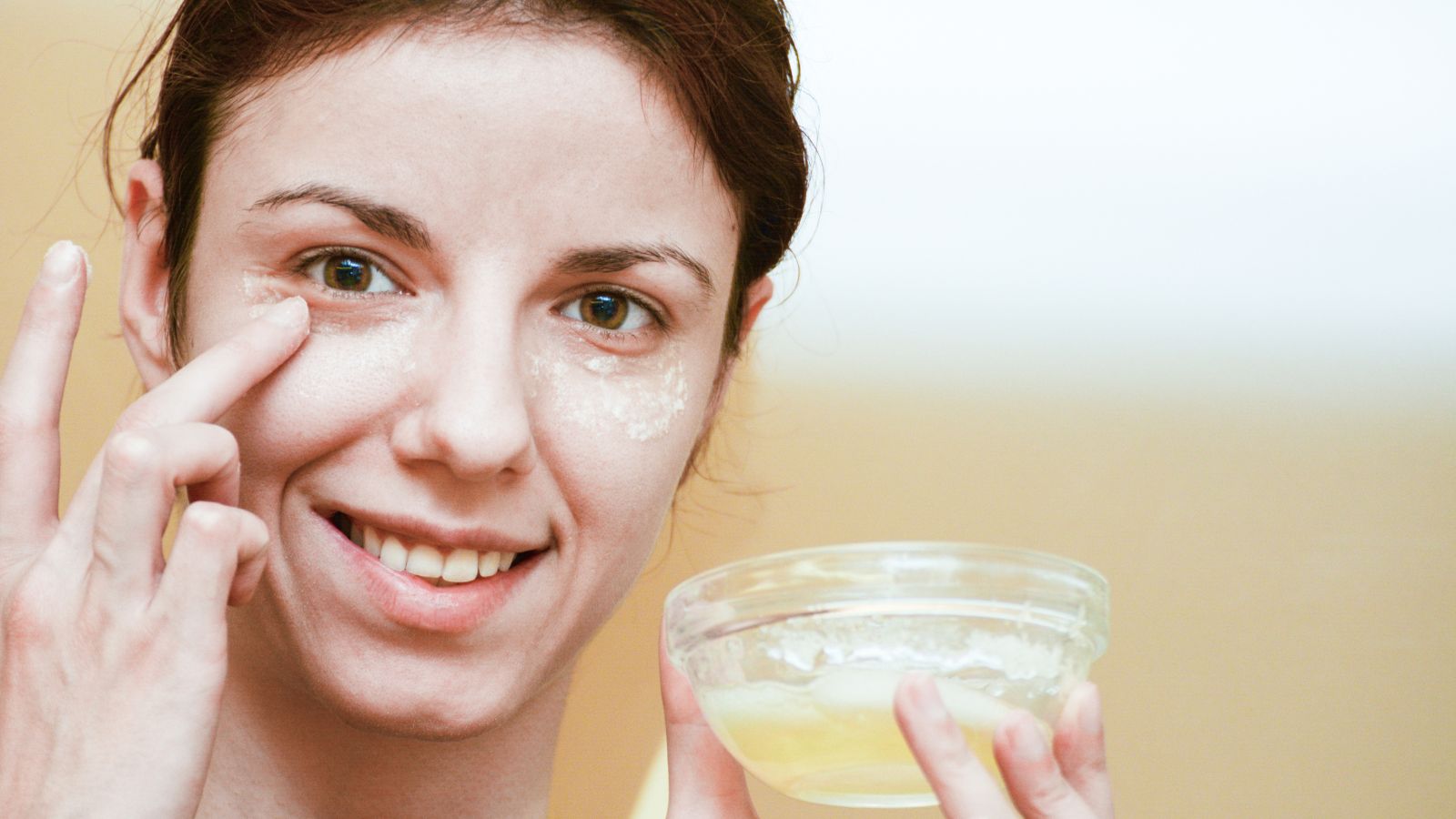
The concept of detoxifying skincare has gained enormous popularity, especially through clay masks, charcoal treatments, and “detox” cleansers. Canadians are increasingly skeptical of this claim because the human body already possesses natural detoxification systems. Organs such as the liver and kidneys perform detoxification functions, while the skin itself primarily acts as a protective barrier. Dermatologists often explain that skincare products cannot truly remove toxins from the body. What many detox products actually do is absorb excess oil or temporarily tighten pores. While these effects may improve the appearance of the skin, they are not equivalent to detoxification. Canadians now recognize that the term detox often serves as a marketing concept rather than a scientific description.
“All Natural Preservatives”

Some clean beauty brands advertise that their products rely solely on natural preservatives rather than conventional preservation systems. Canadians have begun questioning the reliability of these claims. Many natural preservation methods struggle to prevent bacterial or fungal growth in water-based cosmetic products. Without effective preservation, creams and serums may become contaminated during regular use. Canadian consumers have grown more aware of the importance of microbial stability in skincare products. Cosmetic chemists often explain that many synthetic preservatives have been extensively tested and used safely for decades. As a result, Canadians increasingly recognize that effective preservation systems protect both product quality and consumer health.
“Clean Beauty Means Hypoallergenic”
Many consumers once assumed that clean beauty products were automatically hypoallergenic because they often contained plant-based ingredients. Canadians are now learning that natural ingredients can sometimes cause allergic reactions just as easily as synthetic ones. Essential oils, botanical extracts, and plant fragrances are common sources of skin sensitivity. Dermatologists frequently remind patients that hypoallergenic labeling has no strict universal standard in the cosmetic industry. A product marketed as gentle or natural may still trigger irritation depending on individual skin types. Canadians increasingly approach skincare with a more personalized mindset, recognizing that different skin conditions require different ingredient combinations. Rather than assuming a product is safe for everyone, shoppers now pay closer attention to ingredient lists and patch-test recommendations.
“Clean Beauty Products Are Always Better for the Environment”
Environmental concerns play an important role in the clean beauty movement, but Canadians are beginning to recognize that sustainability involves many complex factors. A product labeled clean does not necessarily guarantee environmentally responsible sourcing or manufacturing. Some natural ingredients require large amounts of water or land to cultivate, while others may involve long transportation distances that increase carbon emissions. Canadians now consider packaging materials, supply chain transparency, and refill options when evaluating environmental claims. Sustainable beauty often involves balancing ingredient sourcing with responsible manufacturing practices. As awareness grows, consumers look for brands that provide clear sustainability data rather than relying on vague eco-friendly messaging.
“Clean Beauty Means Better Results”
Perhaps the most significant claim Canadians are questioning is the idea that clean beauty products always perform better than conventional cosmetics. While many clean beauty brands produce excellent skincare and makeup, performance depends on formulation quality rather than marketing categories. Canadians increasingly recognize that both natural and synthetic ingredients can deliver effective results when used correctly. Dermatologists often emphasize that ingredients such as retinoids, niacinamide, and sunscreen filters have strong scientific support regardless of whether a brand identifies as clean. Consumers now look for evidence-based skincare rather than assuming that one philosophy automatically produces superior products.
22 Groceries to Grab Now—Before another Price Shock Hits Canada
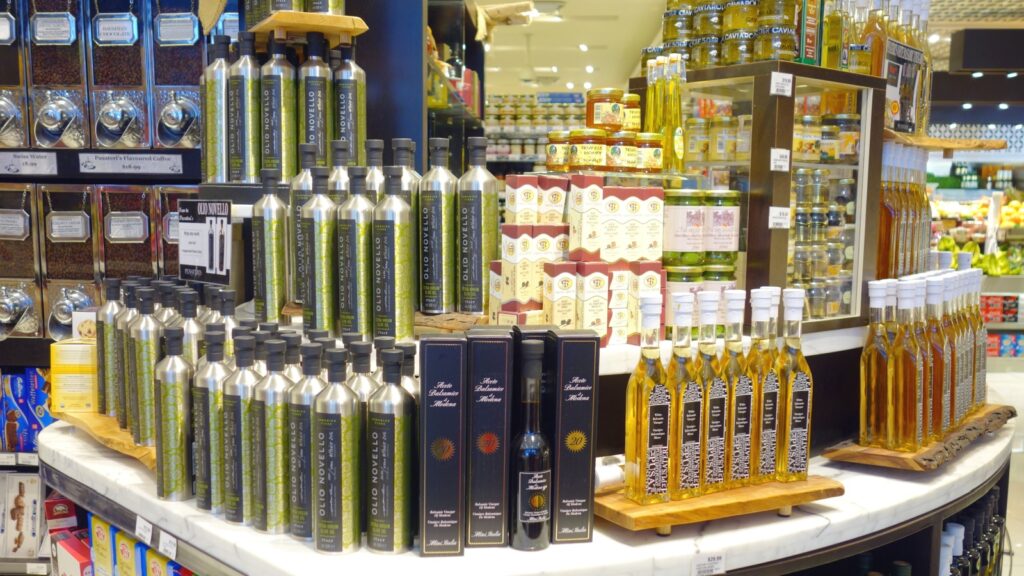
Food prices in Canada have been steadily climbing, and another spike could make your grocery bill feel like a mortgage payment. According to Statistics Canada, food inflation remains about 3.7% higher than last year, with essentials like bread, dairy, and fresh produce leading the surge. Some items are expected to rise even further due to transportation costs, droughts, and import tariffs. Here are 22 groceries to grab now before another price shock hits Canada.
22 Groceries to Grab Now—Before another Price Shock Hits Canada
