
When filing taxes in Canada, many taxpayers attempt to claim deductions they believe are valid, only to have them denied during CRA reviews or reassessments. These claims often come from misunderstandings, outdated advice, or assumptions about what qualifies as a deductible expense. While some deductions are legitimate when properly documented and eligible, others rarely hold up under scrutiny. The CRA applies strict criteria, and even small errors can lead to denied claims, penalties, or requests for repayment. Here are 14 CRA deductions Canadians try to claim that rarely hold up.
Clothing Expenses for Work

Many Canadians attempt to claim clothing expenses as a work-related deduction, believing that anything worn for professional purposes should qualify. However, the CRA generally does not allow deductions for everyday clothing, even if it is required for a job. This includes suits, business attire, or any clothing that can reasonably be worn outside of work. The only exceptions are specialized uniforms or protective gear that are not suitable for regular use. The misconception arises because clothing is often necessary for employment, but necessity does not equal deductibility under CRA rules. Taxpayers who attempt to claim these expenses often have their deductions denied during review. Even if receipts are provided, the CRA focuses on the nature of the clothing rather than the context in which it is used. Understanding this distinction is important to avoid reassessment.
Home Office Expenses Without Eligibility

Home office expenses are frequently claimed incorrectly by Canadians who assume that working from home automatically qualifies them for deductions. The CRA requires specific conditions to be met, such as having a dedicated workspace and meeting employment criteria outlined in tax guidelines. Many taxpayers attempt to claim a portion of rent, utilities, or internet costs without meeting these requirements. This often results in denied claims during reassessment. Another common issue is overestimating the percentage of the home used for work, which inflates deductions beyond what is considered reasonable. Proper documentation and employer verification may also be required, depending on the method used. Canadians who fail to meet these criteria risk having their deductions rejected.
Vehicle Expenses for Personal Use

Vehicle expenses are commonly misclaimed by Canadians who use their cars for both personal and work purposes. The CRA allows deductions only for the portion of use directly related to earning income. Many taxpayers attempt to claim a larger percentage than justified, or fail to maintain proper records, such as mileage logs. Without detailed documentation, claims are difficult to support and often denied. Another issue arises when individuals attempt to include commuting costs, which are generally not deductible. The CRA distinguishes between business use and personal travel, and misunderstanding this difference leads to incorrect claims. Canadians who do not track usage accurately may face reassessment. Maintaining clear records is essential to support any vehicle-related deduction.
Meals and Entertainment Without Business Justification

Meals and entertainment expenses are often claimed without sufficient business justification, leading to frequent denial by the CRA. While certain business-related meals may be partially deductible, they must meet strict criteria and be directly connected to earning income. Many Canadians attempt to claim everyday meals or social outings, assuming they qualify. Without clear documentation of the business purpose, such claims are unlikely to hold up. Receipts alone are not enough, as the CRA requires evidence of who attended and the reason for the expense. Personal meals are not deductible, even if discussed in a work context. Overclaiming in this category is a common issue that leads to reassessment. Canadians should ensure that any meal expense claimed is reasonable, necessary, and properly documented. Misunderstanding these rules often results in denied deductions and adjustments to tax returns.
Internet and Phone Bills Without Allocation

Internet and phone expenses are frequently claimed in full by Canadians who use these services for both personal and work purposes. The CRA requires that only the portion related to income generation be deducted. Many taxpayers fail to allocate usage correctly, leading to inflated claims that do not hold up under review. Without clear evidence supporting the percentage claimed, deductions are often reduced or denied. Another issue is claiming services that are primarily personal with minimal work use. Canadians must be able to demonstrate how these expenses relate directly to earning income. Proper allocation and documentation are essential for these claims to be accepted.
Charitable Donations Without Proper Receipts

Charitable donations are a valid deduction, but many Canadians attempt to claim them without proper documentation. The CRA requires official receipts from registered charities, and informal records are not accepted. Some taxpayers rely on bank statements or estimates, which are insufficient for verification. Without proper receipts, claims are often denied during review. Another issue is the misunderstanding of which organizations qualify as registered charities. Donations to unregistered groups do not meet CRA criteria, even if they are legitimate causes. Canadians must ensure that donations are made to recognized entities and that receipts are retained. Failing to meet these requirements can result in denied deductions and reduced refunds.
Medical Expenses That Do Not Qualify

Medical expenses are often misunderstood, leading Canadians to claim items that do not qualify under CRA guidelines. While many healthcare costs are deductible, they must meet specific criteria and be considered eligible expenses. Common mistakes include claiming over-the-counter products, cosmetic procedures, or general wellness items that are not recognized by the CRA. Without proper documentation or eligibility, these claims are frequently denied. Canadians may assume that any health-related expense qualifies, but the CRA maintains a detailed list of acceptable items. Claims must also exceed a certain threshold to be beneficial. Attempting to include ineligible expenses can lead to reassessment and adjustments. Understanding which medical costs qualify is essential for accurate filing. Keeping receipts and verifying eligibility helps ensure claims are accepted.
Moving Expenses Without Meeting Distance Requirements
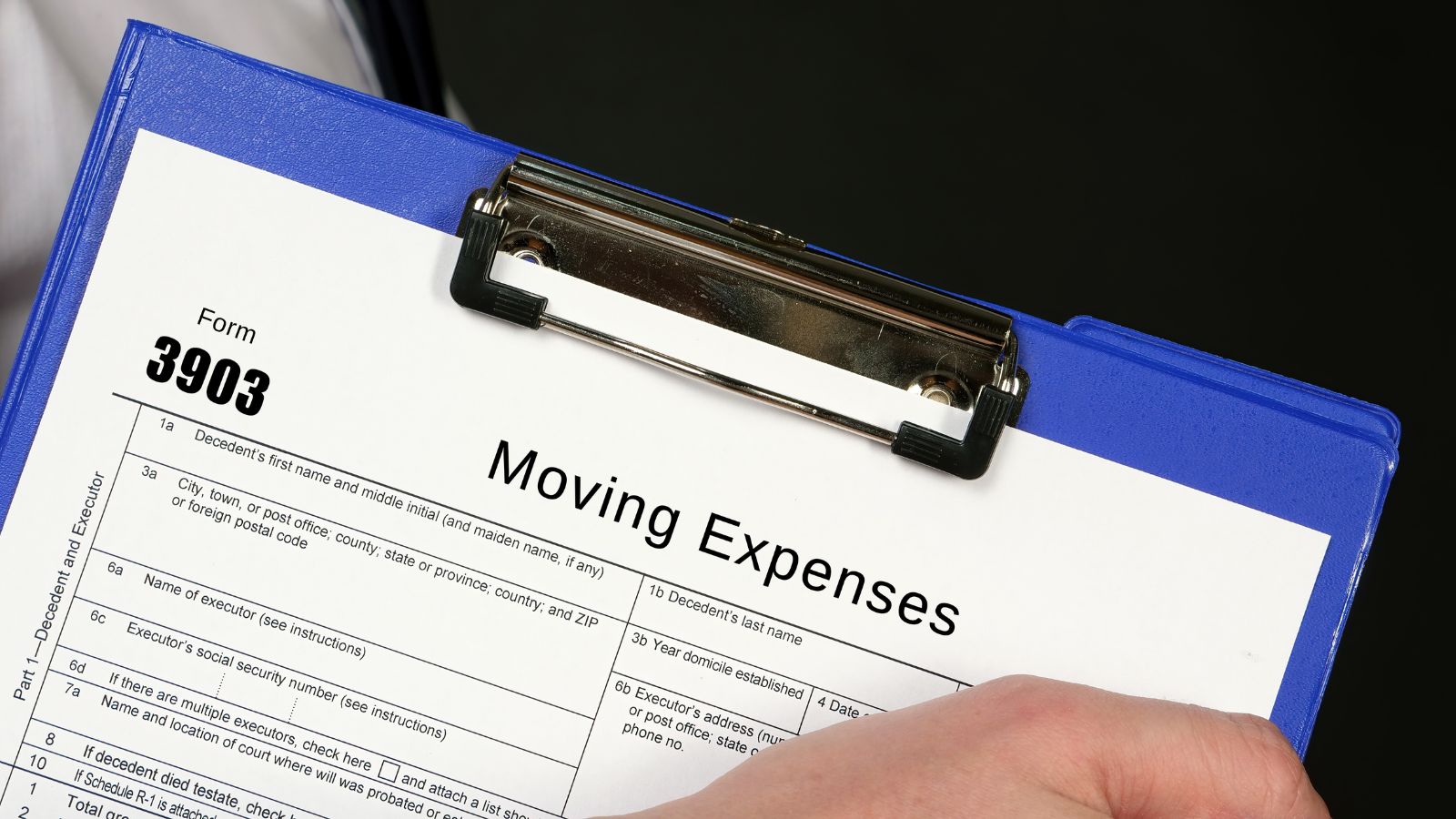
Moving expenses are often claimed by Canadians who believe that any relocation for work or education qualifies for a deduction. However, the CRA has strict distance requirements that must be met, including a minimum reduction in commuting distance. Many taxpayers overlook this condition and attempt to claim expenses for moves that do not meet the criteria. This includes local relocations or moves that do not significantly change the distance between home and workplace or school. Another common issue is claiming expenses without proper documentation, such as receipts for transportation, storage, or temporary accommodation. The CRA requires detailed records to support these claims. Without meeting both eligibility and documentation requirements, deductions are frequently denied during reassessment.
Childcare Expenses Paid to Ineligible Individuals

Childcare expenses can be deducted under certain conditions, but many Canadians attempt to claim payments made to individuals who do not qualify under CRA rules. For example, payments to a spouse, common-law partner, or certain family members are not eligible. Some taxpayers are unaware of these restrictions and include such expenses in their returns, leading to denied claims. Another issue is failing to obtain proper receipts that include required details such as the caregiver’s information and the amount paid. Without accurate documentation, even eligible expenses may not be accepted. Canadians must ensure that childcare providers meet CRA criteria and that all records are properly maintained.
Rental Losses Without Reasonable Expectation of Profit

Rental losses are often claimed by Canadians who own property, but the CRA closely examines whether there is a reasonable expectation of profit. Some taxpayers attempt to deduct ongoing losses without demonstrating that the property is operated as a business. This can include charging below-market rent or failing to actively manage the property to generate income. The CRA may deny such claims if the activity is not considered a legitimate income-generating operation. Another issue is inadequate record-keeping, which makes it difficult to support expenses. Canadians must show that their rental activity is conducted with the intention of earning profit and that expenses are reasonable. Without this, deductions may be disallowed during reassessment.
Business Use of Home Without Proper Documentation

Claiming business use of home expenses is common among self-employed Canadians, but many claims fail due to a lack of proper documentation. The CRA requires clear evidence of how much space is used for business and how expenses are allocated. Some taxpayers estimate percentages without measurement or include areas not exclusively used for business. This often leads to inflated deductions that do not hold up under review. Another issue is failing to keep receipts for utilities, rent, or maintenance costs. Without documentation, claims cannot be verified and may be denied. Canadians must ensure that their calculations are accurate and supported by records. Understanding CRA guidelines for workspace eligibility is also essential. Attempting to claim excessive or unsupported amounts increases the likelihood of reassessment.
Capital Cost Allowance on Personal Assets

Capital cost allowance is a legitimate deduction for depreciating business assets, but many Canadians incorrectly apply it to personal items. The CRA allows this deduction only for assets used to generate income. Some taxpayers attempt to include vehicles, electronics, or equipment that are primarily used for personal purposes. Without a clear separation of personal and business use, these claims are often denied. Another issue is misclassifying assets or applying incorrect depreciation rates. Canadians must follow specific rules for asset categories and usage percentages. Proper records and calculations are essential to support these claims. Attempting to claim capital cost allowance on personal assets rarely holds up under review. Understanding eligibility requirements helps avoid errors and ensures compliance.
Interest on Loans Not Used to Earn Income

Interest expenses can be deductible, but only when the borrowed funds are used to earn income. Many Canadians attempt to claim interest on loans used for personal purposes, such as consumer purchases or lifestyle expenses. The CRA requires a direct connection between the borrowed funds and income-generating activities. Without this link, claims are typically denied. Another issue is failing to maintain clear records showing how funds were used. Mixing personal and business finances can make it difficult to support deductions. Canadians must ensure that loans are clearly tied to investments or business operations. Attempting to claim interest without meeting these criteria rarely holds up.
Education Credits for Ineligible Programs

Education-related credits are often claimed incorrectly by Canadians who assume that any course or program qualifies. The CRA has specific criteria regarding eligible institutions and programs, and not all forms of education meet these requirements. Some taxpayers attempt to claim courses that are recreational, informal, or not recognized by qualifying institutions. Without official tax slips or documentation, these claims are typically denied. Another issue is misunderstanding which expenses are eligible, leading to incorrect reporting. Canadians must ensure that programs meet CRA standards and that proper documentation is available. Attempting to claim ineligible education credits rarely holds up under review.
19 Things Canadians Don’t Realize the CRA Can See About Their Online Income

Earning money online feels simple and informal for many Canadians. Freelancing, selling products, and digital services often start as side projects. The problem appears at tax time. Many people underestimate how much information the CRA can access. Online platforms, banks, and payment processors create detailed records automatically. These records do not disappear once money hits an account. Small gaps in reporting add up quickly.
Here are 19 things Canadians don’t realize the CRA can see about their online income.
