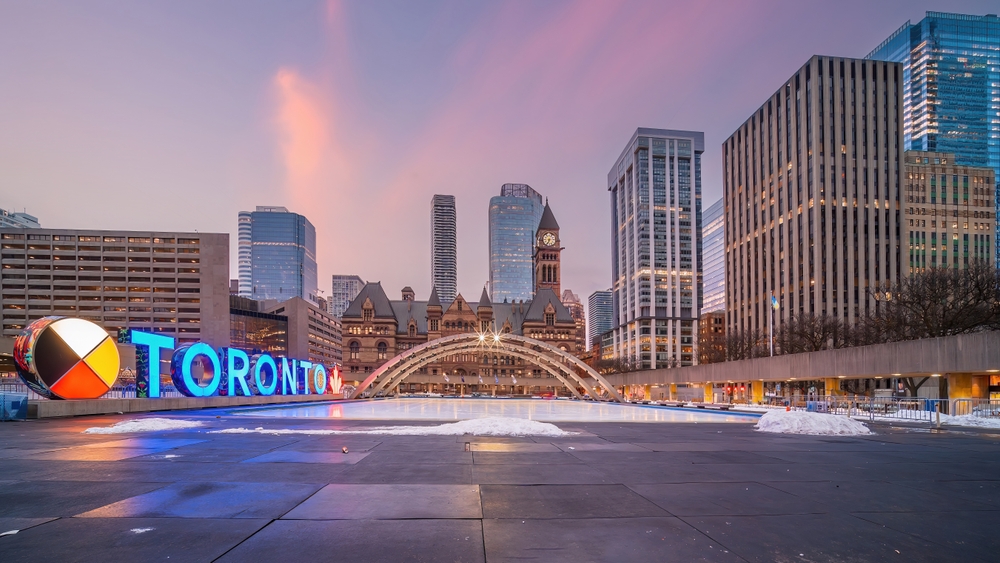
Toronto has long been seen as Canada’s largest cultural and economic center, but its identity keeps evolving. What residents call “so Toronto” often reflects everyday habits rather than tourist attractions. Rapid growth, diversity, and changing lifestyles shape how people experience the city. Some references celebrate local pride, while others highlight ongoing frustrations. Social media has amplified these shared observations across the country. For outsiders, the phrases may seem confusing or exaggerated. Here are 14 things Canadians say are “so Toronto” and what that even means now.
CN Tower Skyline Photos at Sunset
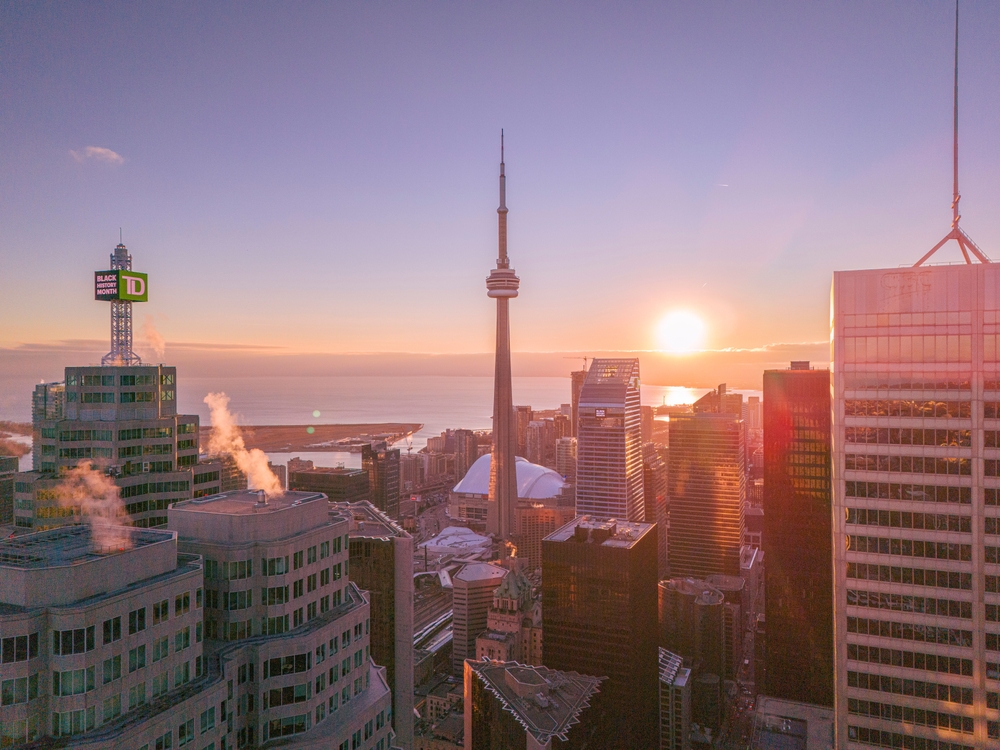
Taking photos of the CN Tower at sunset has become a routine Toronto ritual. Residents and visitors gather along the waterfront for the view. The tower dominates the skyline, making every photo instantly recognizable. Social media feeds fill with similar images each evening. Seasonal changes alter the colors but not the composition. Tourists often plan visits specifically for golden hour. Locals sometimes joke about having too many identical shots. Despite repetition, the scene never loses appeal. Photography accounts frequently feature the skyline as a signature image. The ritual reflects pride in the city’s most famous landmark. It represents how Toronto presents itself visually to the world.
Complaining About TTC Delays While Still Taking It Daily
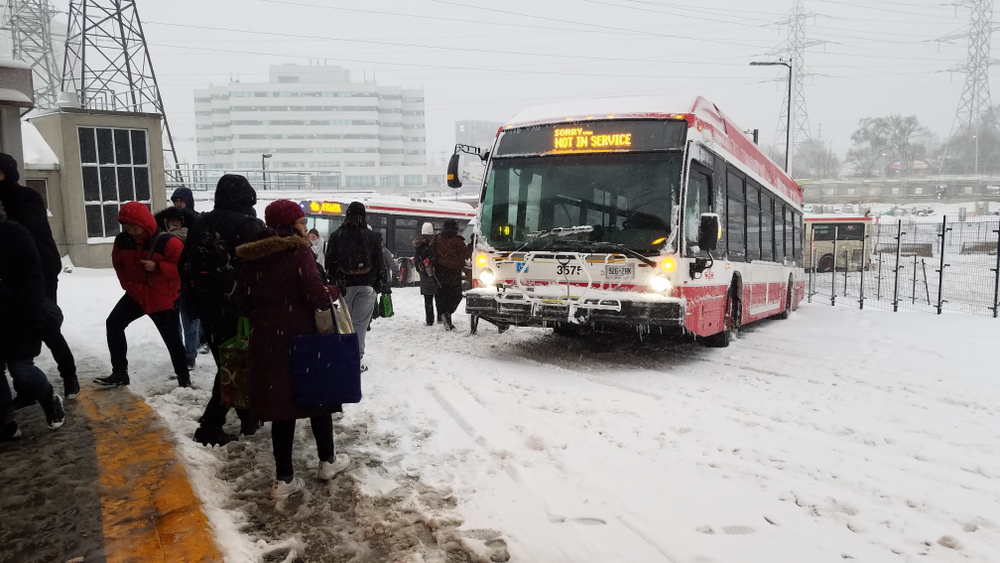
TTC delays are a constant topic of conversation in Toronto. Riders frequently share frustrations about late trains or crowded buses. Service interruptions can disrupt work schedules significantly. Despite complaints, most residents continue relying on transit daily. Alternatives such as driving are often impractical in dense areas. Social media posts about delays spread quickly each morning. Transit announcements are monitored closely by commuters. Humor helps people cope with routine disruptions. Public debates about funding and infrastructure remain ongoing. The situation reflects the system’s importance despite imperfections. Complaining about the TTC has become part of local identity. It signals shared experience among residents.
Condo Living as the Default Lifestyle
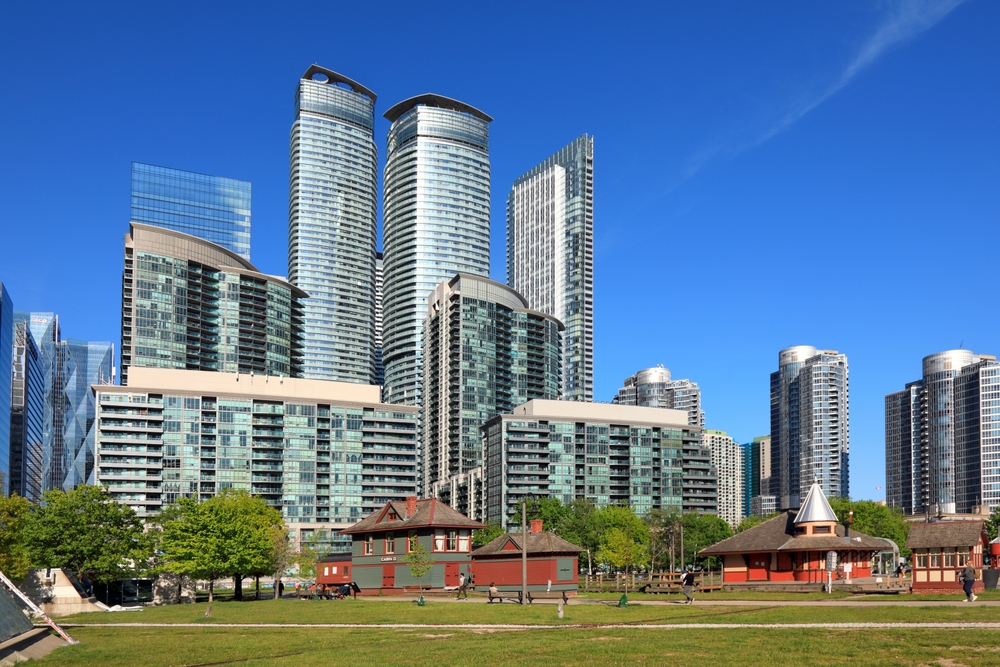
High-rise condominiums now dominate Toronto’s housing landscape. Many residents live in compact units near transit hubs. Developers continue constructing new towers across the skyline. Amenities such as gyms and shared spaces attract buyers. Younger professionals often choose condos over detached homes. Rising prices make other options less accessible. Neighborhood character shifts as towers replace older buildings. Condo boards regulate daily living rules. Social interactions often occur in shared facilities. Critics argue the model lacks a community feel. Supporters value convenience and security. Condo living increasingly defines urban life in Toronto. It represents the city’s rapid growth and density.
Lineups for New Food Spots and Pop-Ups
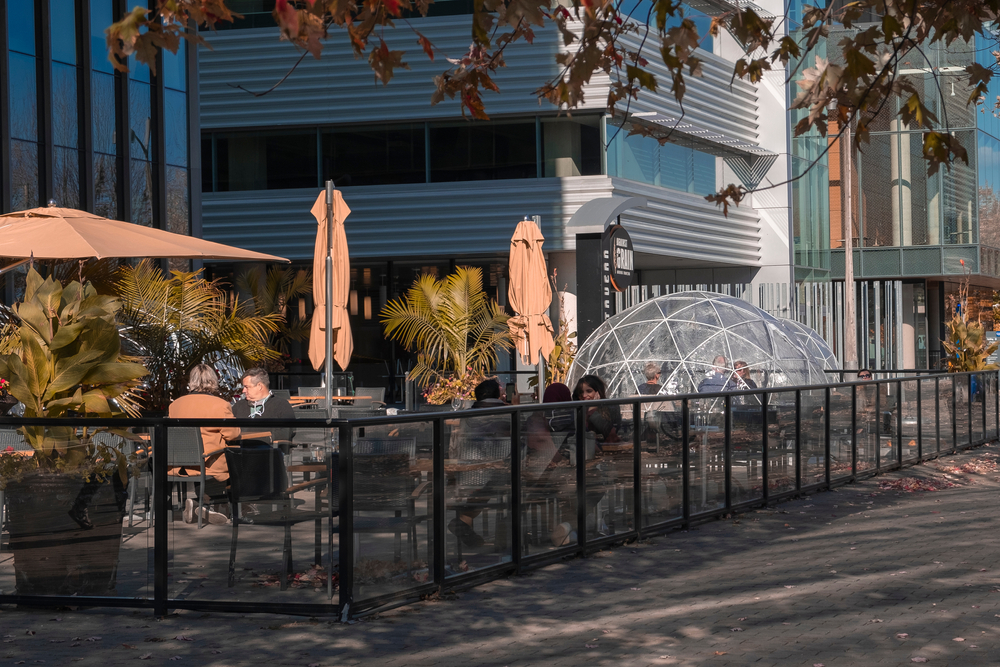
New restaurants in Toronto often attract long lines immediately after opening. Food enthusiasts track announcements through social media. Pop-up events create urgency due to limited availability. Waiting in line becomes part of the experience. Influencers frequently document visits online. Menu items sometimes sell out quickly each day. Diverse cuisine options draw residents from across the city. Media coverage can amplify interest further. Some locals view the trend as excessive hype. Others enjoy discovering new dining experiences early. The phenomenon reflects Toronto’s competitive food scene. Lineups signal both popularity and cultural curiosity among residents.
Saying “Toronto Is Basically New York”
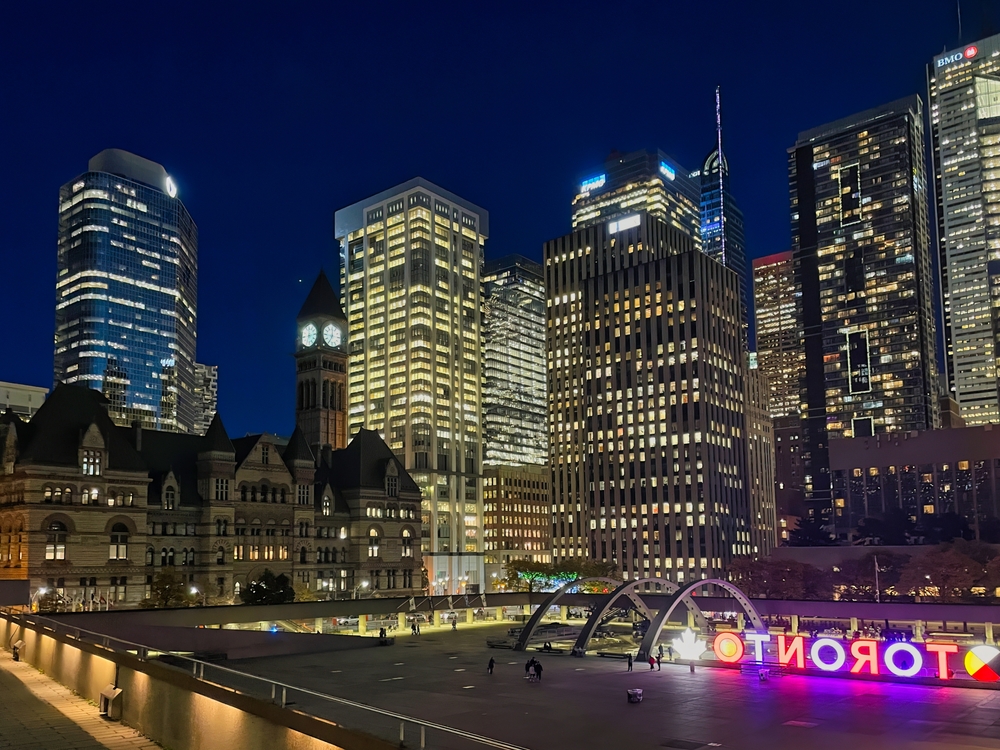
Comparisons between Toronto and New York appear frequently in conversation. Supporters cite skyline growth and cultural diversity. Critics argue that the cities differ significantly in scale. The phrase often reflects aspiration rather than reality. Film productions set in New York are sometimes shot in Toronto. Economic and cultural ties between the cities are strong. Residents debate whether the comparison flatters or oversimplifies. Visitors may notice similarities in urban layout. Media narratives sometimes reinforce the connection. The statement reveals Toronto’s global ambitions. It also highlights insecurity about international recognition. The comparison continues fueling discussion about the city’s identity.
Raptors Gear Everywhere, Year-Round
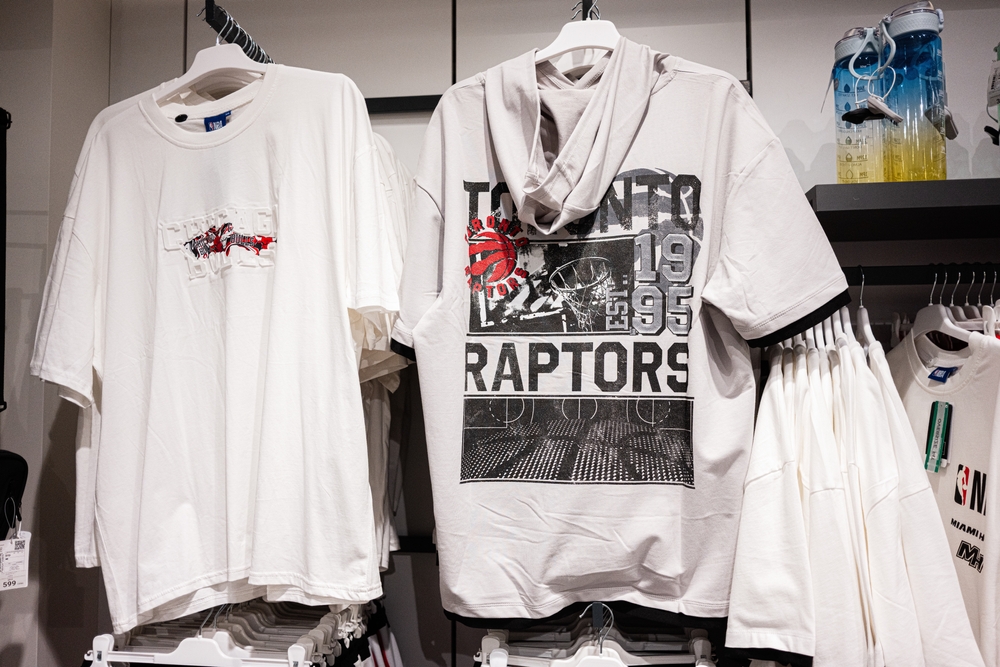
Raptors merchandise remains visible throughout the city regardless of the season. Fans wear jerseys, hats, and hoodies daily. The team’s championship victory strengthened long-term loyalty. Public viewing parties during games draw large crowds. Youth basketball participation increased after the title run. Stores prominently display team apparel year-round. Visitors often purchase gear as souvenirs. Social media profiles feature team colors frequently. Rivalries generate intense debate among supporters. The franchise symbolizes Toronto’s presence in global sports. Wearing Raptors gear signals civic pride as much as fandom. It has become a casual uniform across neighborhoods.
Brunch Culture That Requires Reservations Weeks Ahead
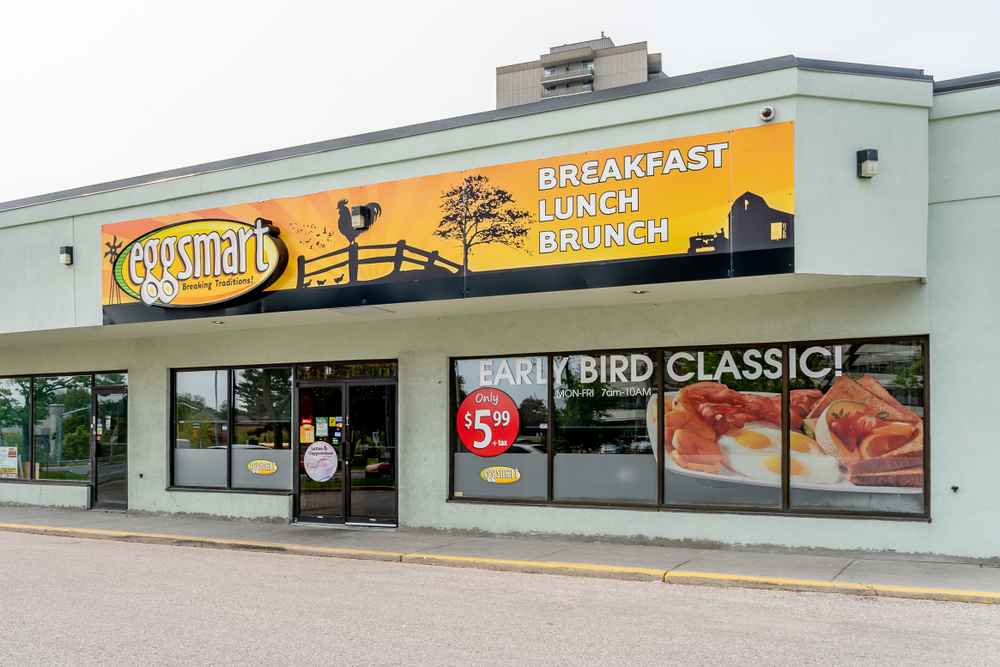
Brunch has evolved into a major social activity in Toronto. Popular restaurants fill reservations quickly, especially on weekends. Groups plan outings far in advance to secure tables. Specialty menus include both classic and international dishes. Waiting times without reservations can be significant. Social media photos highlight presentation as much as taste. Cafés often become gathering places for celebrations. Rising prices have not reduced demand noticeably. Some residents treat brunch as a weekly tradition. Critics argue that the culture has become overly formal. Supporters enjoy the relaxed daytime atmosphere. The phenomenon reflects changing urban social habits.
Multicultural Food Options on Every Block
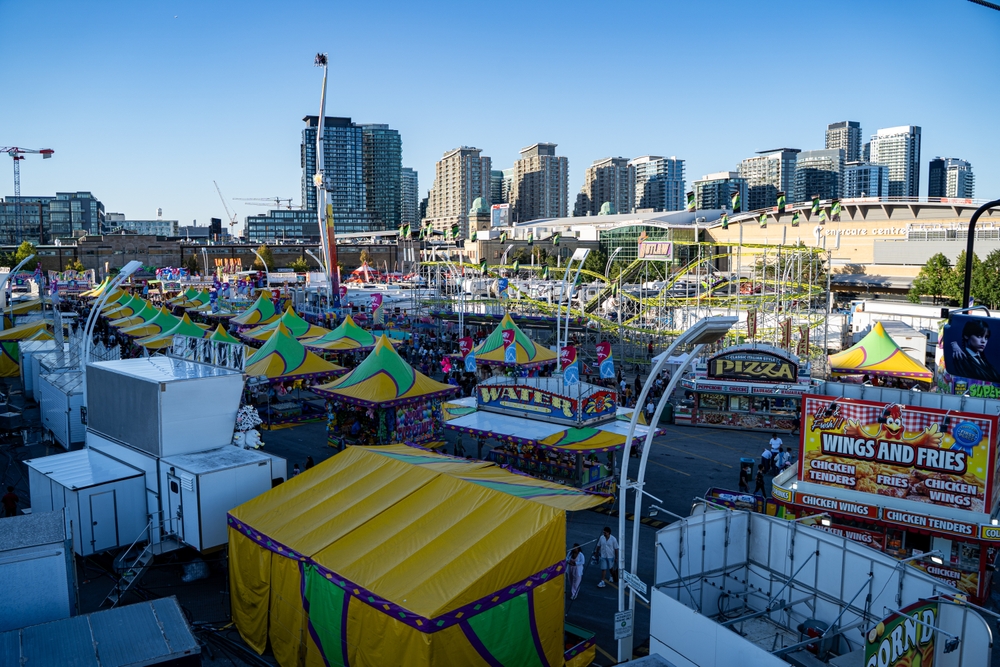
Toronto’s diversity is reflected strongly in its food scene. Restaurants from numerous cultural backgrounds operate close together. Residents can access international cuisine without traveling far. Food courts and street vendors add further variety. Immigrant communities contribute authentic culinary traditions. The media frequently ranks Toronto among the top food cities. Locals take pride in this accessibility. New arrivals often discover familiar dishes from home. Culinary festivals celebrate different cultures annually. Prices range from budget meals to upscale dining. The variety supports tourism as well as local demand. Multicultural food has become a defining feature of Toronto life.
Street Festivals Every Weekend in Summer
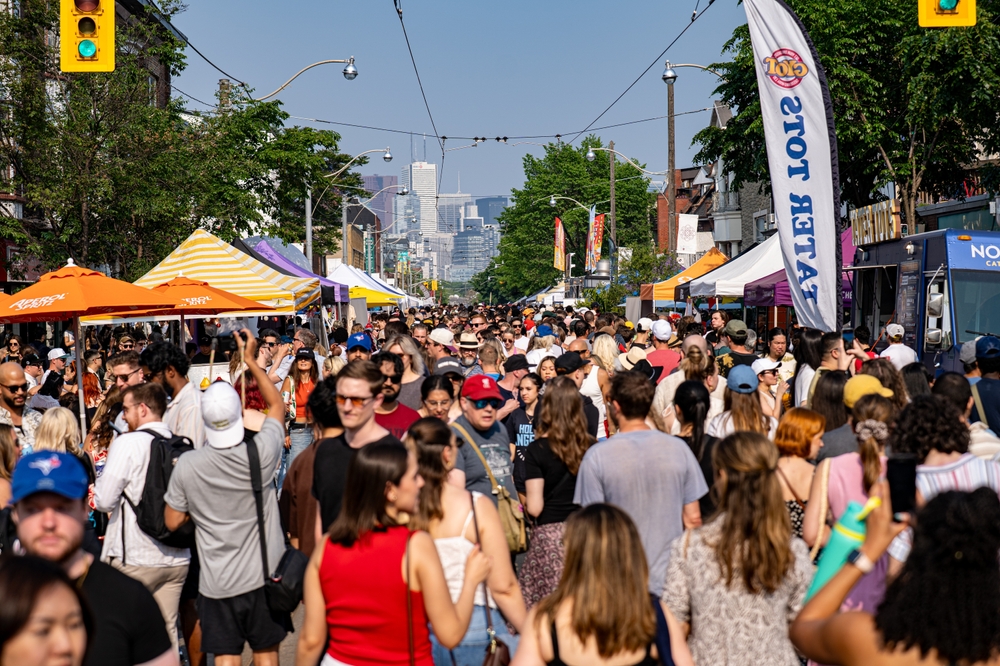
Summer brings a continuous schedule of street festivals across Toronto. Neighborhoods close roads to host cultural celebrations. Events feature music, food, and local vendors. Residents move between festivals on consecutive weekends. Tourism increases during peak months. Families attend daytime activities while nightlife continues later. Weather conditions strongly influence attendance. City services coordinate logistics and security. Community organizations often lead planning efforts. Social media helps promote each event widely. Some residents feel overwhelmed by constant crowds. Others view the festivals as essential to summer identity. They showcase Toronto’s diversity and public life.
Debates About Housing Prices and Rent
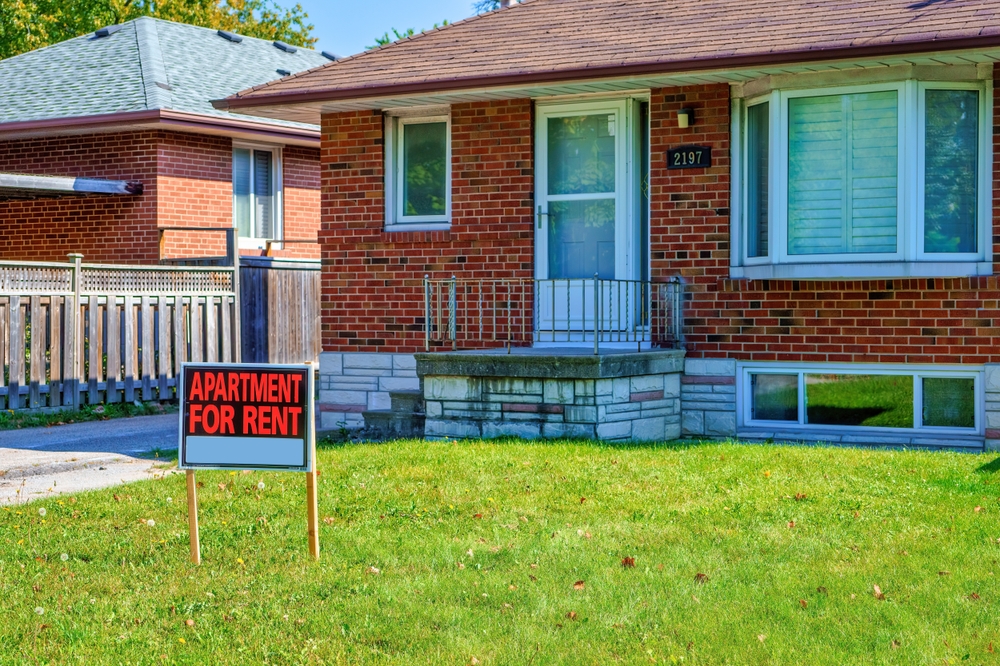
Housing affordability dominates discussions among Toronto residents. Rising prices affect both buyers and renters. Media reports highlight market fluctuations regularly. Younger residents express concern about long-term prospects. Government policies become subjects of debate. Social media discussions often include personal experiences. Urban growth continues to increase demand for housing. Some residents consider moving to the surrounding regions. Developers argue that supply shortages drive costs upward. Advocacy groups call for stronger protections. The issue influences career and lifestyle decisions. Conversations about rent have become unavoidable in daily life. Housing concerns shape perceptions of the city’s future.
Bike Lanes Controversies on Major Streets
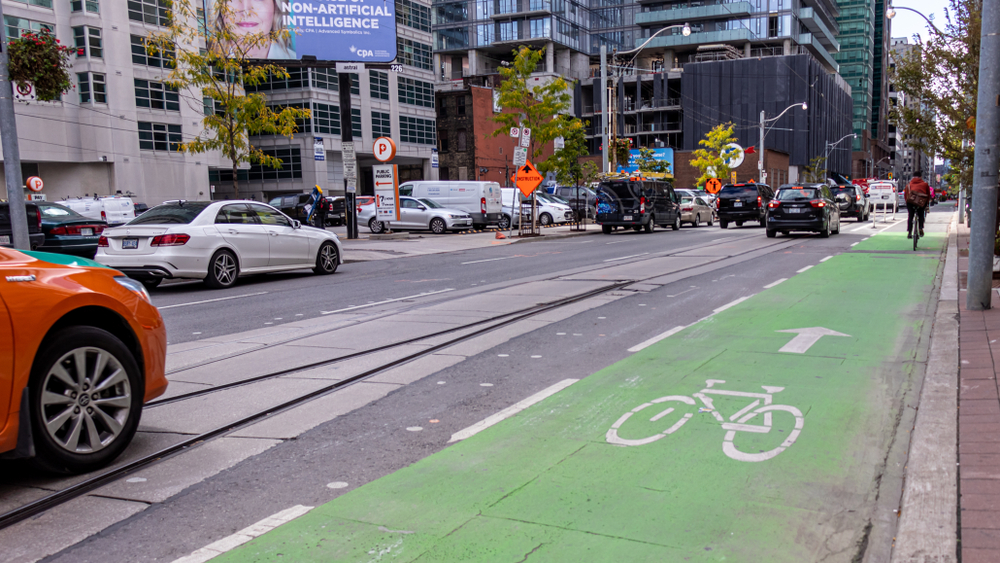
Bike lanes on major roads generate strong opinions in Toronto. Supporters emphasize safety and environmental benefits. Critics argue lanes reduce space for vehicles. Traffic congestion often becomes part of the debate. City planning decisions receive intense scrutiny. Advocacy groups organize campaigns on both sides. Media coverage highlights accidents and infrastructure changes. Commuters experience the impact directly each day. Seasonal weather affects usage levels. Public consultations sometimes draw large attendance. The issue reflects broader tensions about urban mobility. Bike lanes symbolize competing visions for transportation in the city.
Calling Neighborhoods by Their Short Forms (Liberty, Leslieville, The Annex)
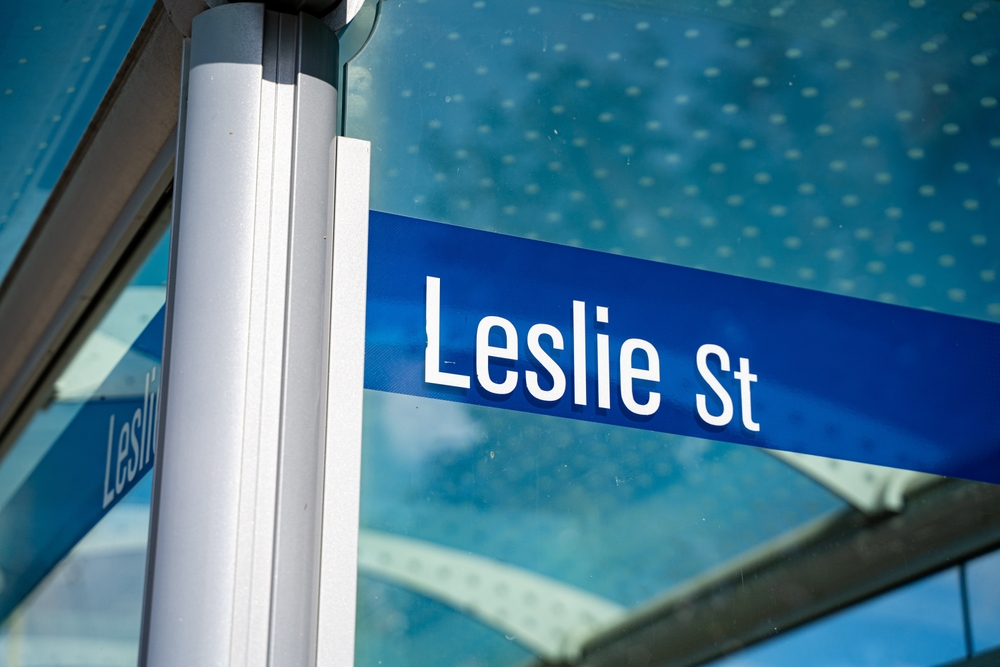
Shortened neighborhood names function as insider terminology in Toronto. Residents use them to signal familiarity with the city. Real estate listings frequently adopt these abbreviations. Each area carries distinct cultural associations. Newcomers may need time to learn the references. Social conversations often revolve around neighborhood identity. Businesses incorporate local names into branding. Media coverage uses short forms routinely. Boundaries between areas are sometimes debated. The practice reinforces micro identities within the city. It also reflects the importance of location in daily life. Using short forms indicates belonging to Toronto culture.
Filming Locations Mistaken for U.S. Cities
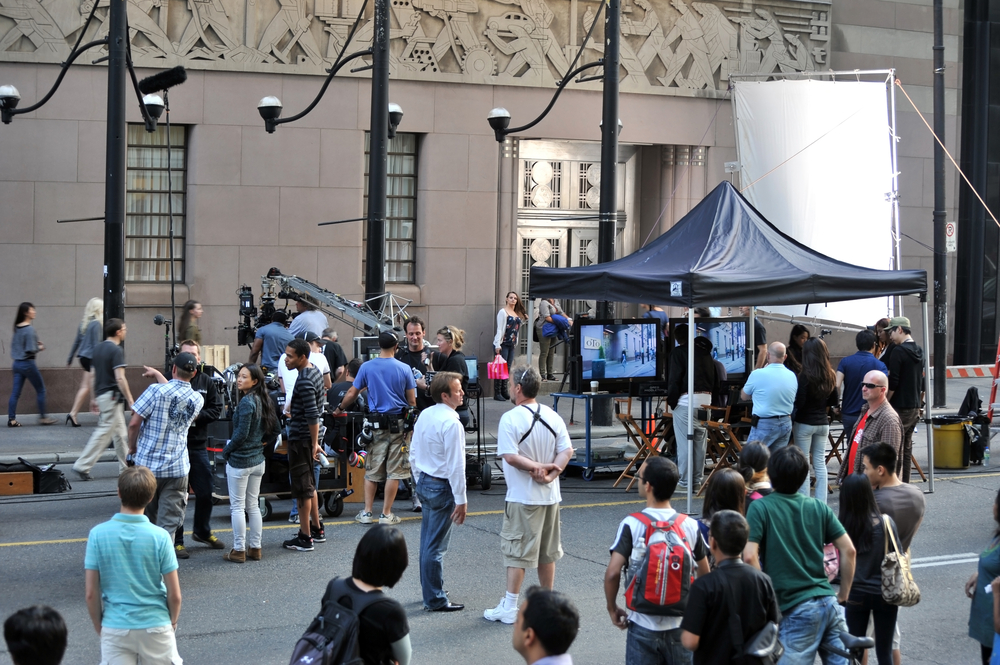
Toronto frequently serves as a stand-in for American locations in films. Production crews use downtown streets for urban scenes. Architecture resembles several U.S. cities convincingly. Residents occasionally encounter road closures during filming. Movie watchers later recognize familiar landmarks on screen. The industry contributes significantly to the local economy. Government incentives attract international productions. Extras and crew positions provide employment opportunities. Tourists sometimes seek filming sites after the release. Media coverage highlights major projects shot locally. The practice reinforces Toronto’s reputation as Hollywood North. It also blurs the city’s own visual identity.
Winter Fashion That Is Both Stylish and Extremely Practical

Toronto winters require clothing suited to harsh conditions. Residents balance warmth with personal style choices. Heavy coats, insulated boots, and layered outfits dominate the streets. Fashion trends adapt to functional needs. Retailers emphasize weather-resistant materials. Commuters prioritize comfort during long outdoor exposure. Accessories such as scarves and gloves are essential. Social media showcases winter outfits despite temperatures. Visitors often underestimate the severity of a cold. Office environments accommodate bulky outerwear storage. Practical fashion reflects resilience during the winter months. Style remains important even in extreme conditions. This balance defines seasonal identity in the city.
22 Groceries to Grab Now—Before another Price Shock Hits Canada

Food prices in Canada have been steadily climbing, and another spike could make your grocery bill feel like a mortgage payment. According to Statistics Canada, food inflation remains about 3.7% higher than last year, with essentials like bread, dairy, and fresh produce leading the surge. Some items are expected to rise even further due to transportation costs, droughts, and import tariffs. Here are 22 groceries to grab now before another price shock hits Canada.
22 Groceries to Grab Now—Before another Price Shock Hits Canada
