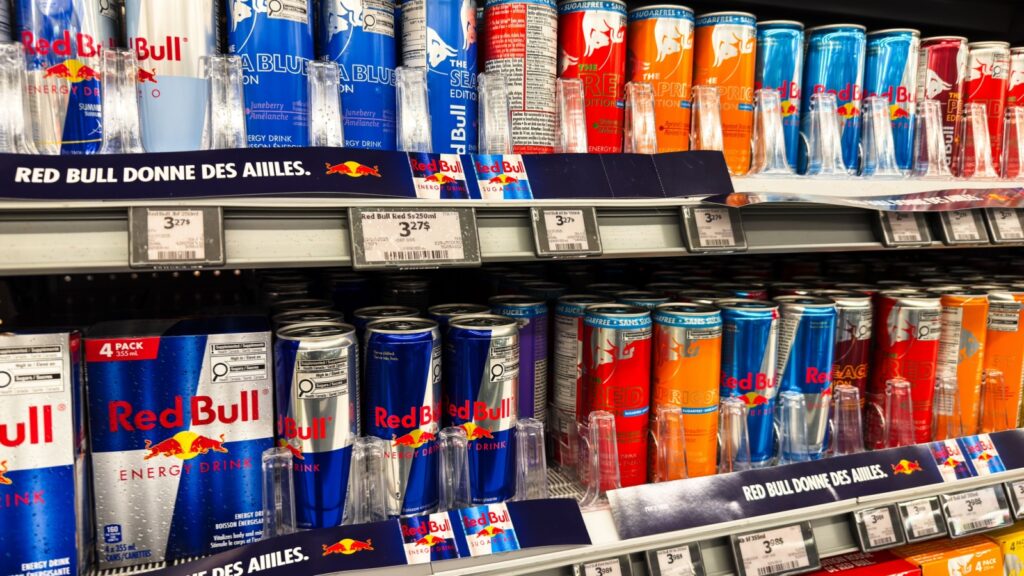
Convenience stores are built for speed, not savings. Prices often run higher than those at supermarkets for the same items. Location, extended hours, and quick access drive these markups. Many purchases happen on impulse or during urgent stops. Small items can carry surprisingly large price differences. Buying them often adds noticeable costs over time. Planning ahead reduces the need for these visits. Here are 14 things Canadians should stop buying at convenience stores (markups are wild).
Bottled Water
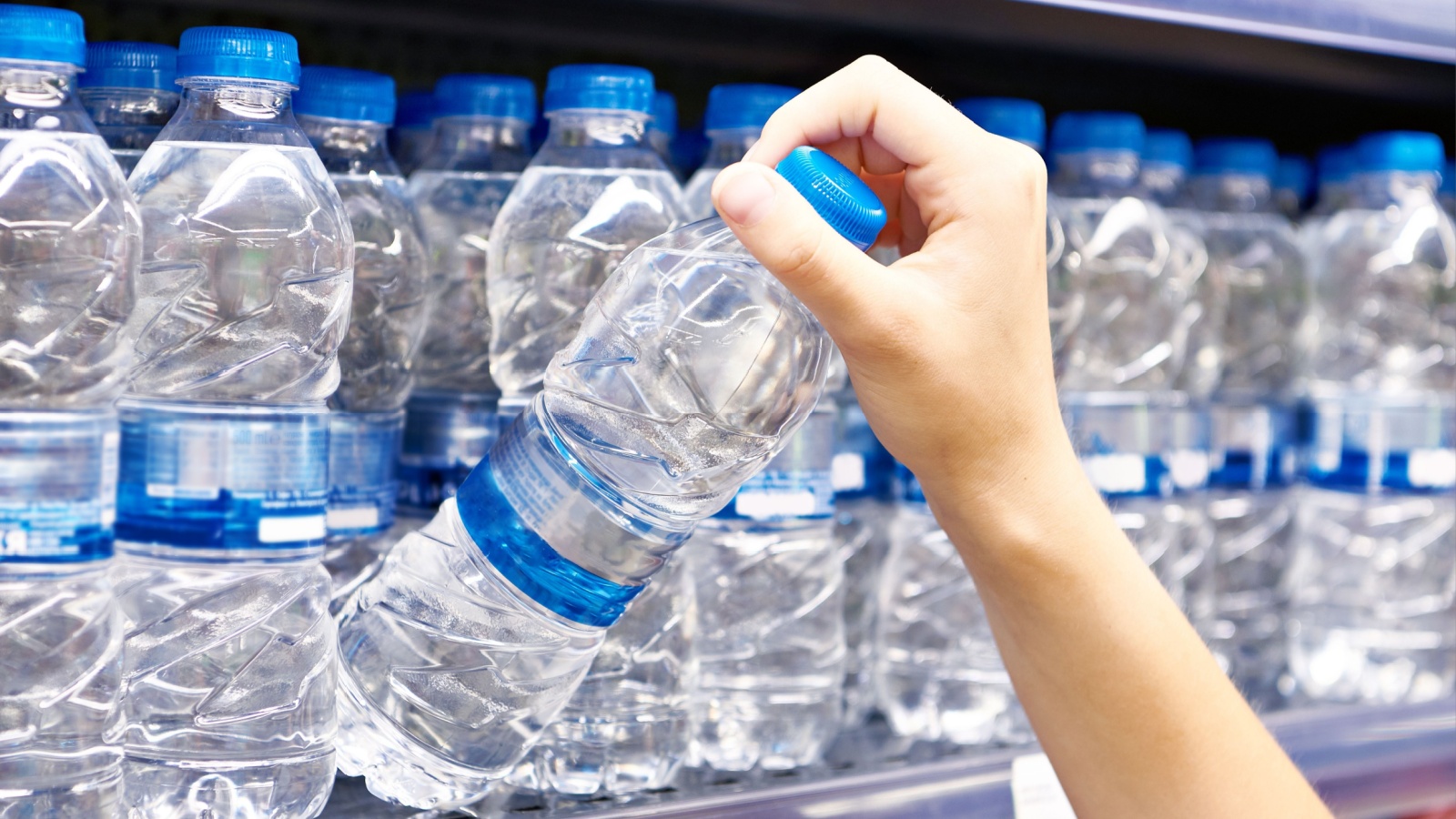
Bottled water at convenience stores often costs much more. The same bottle costs less at grocery stores. You mainly pay for location and convenience. Tap water in many Canadian cities is safe. Refillable bottles reduce repeat spending. Single bottles also create plastic waste. Buying water this way daily adds up fast. Large packs from supermarkets offer better value. Convenience stores rely on quick-need purchases. Prices per litre are often several times higher. Planning ahead helps avoid this markup. Carrying a reusable bottle supports savings.
Single Cans of Soda
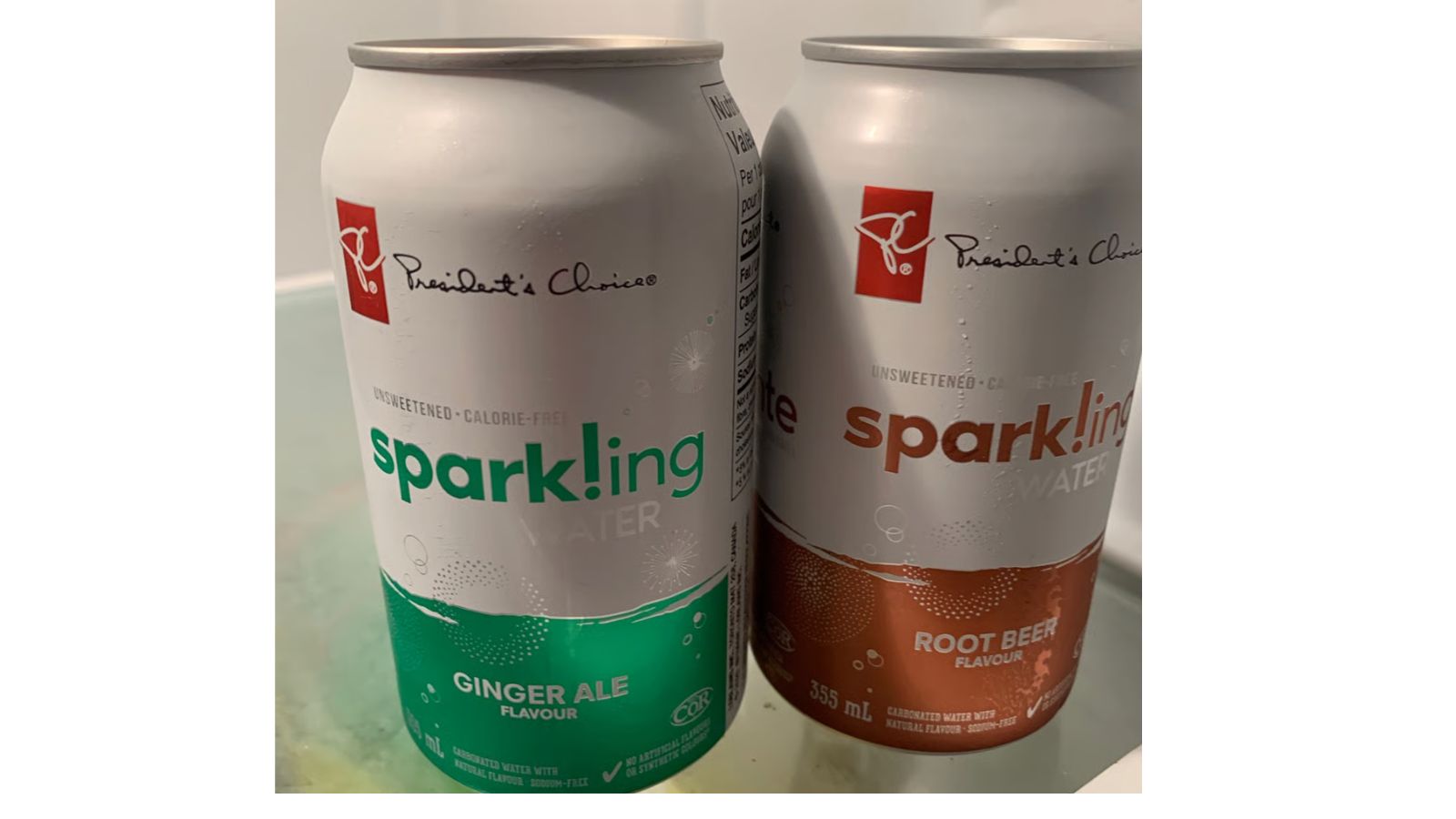
Single soda cans at convenience stores carry steep markups. Multipacks at supermarkets cost less per can. You pay extra for chilled storage and location. Impulse purchases increase total spending quickly. Sugar drinks also offer little nutritional value. Buying one at a time raises monthly costs. Large bottles or packs stretch further. Convenience stores price for urgency. Unit price labels usually show a higher cost. Grabbing soda during fuel stops adds up. Planning drinks ahead lowers spending. Choosing grocery store packs saves money.
Energy Drinks
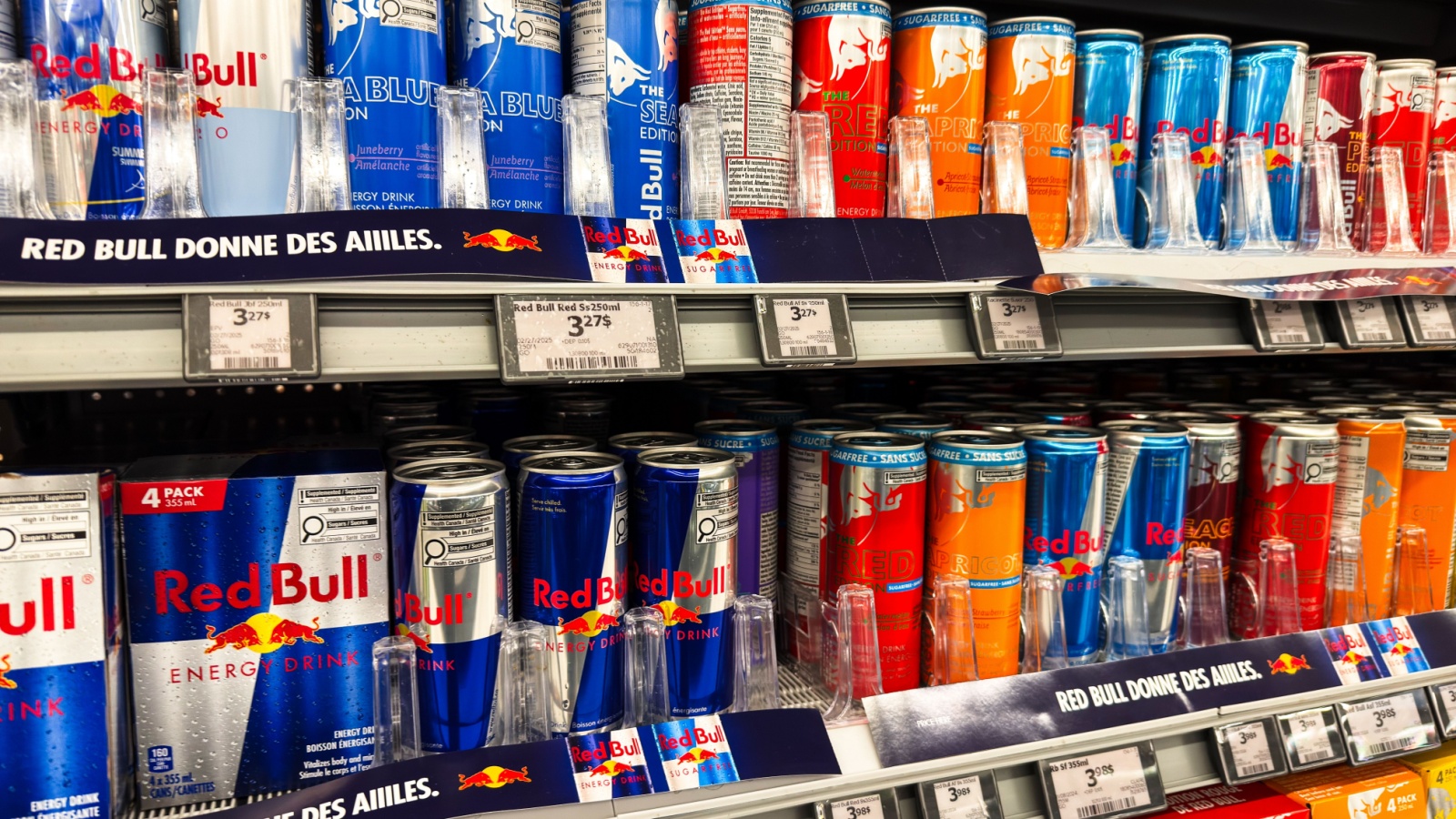
Energy drinks cost more at convenience counters. Prices can be much higher than in supermarkets. Bright displays encourage impulse buying. These drinks often contain caffeine and sugar. Buying daily leads to noticeable monthly costs. Larger packs from grocery stores offer better value. Convenience stores focus on quick grab purchases. Refrigeration adds to the price. Unit cost per millilitre is usually high. Marketing can make them seem essential. Planning purchases reduces spending. Carrying alternatives helps avoid markup.
Chocolate Bars

Chocolate bars at convenience stores often cost more per piece. Checkout placement encourages quick adds. Multipacks at grocery stores lower the price per bar. Impulse buys raise the total bill. Small price differences add up over time. Convenience pricing reflects location and speed. Shoppers may not compare unit costs. Grocery aisles usually offer better deals. Buying snacks with planned shopping helps. Treats feel inexpensive, but repeat purchases grow. Planning ahead reduces overspending. Choosing larger packs saves money.
Chips and Snack Bags
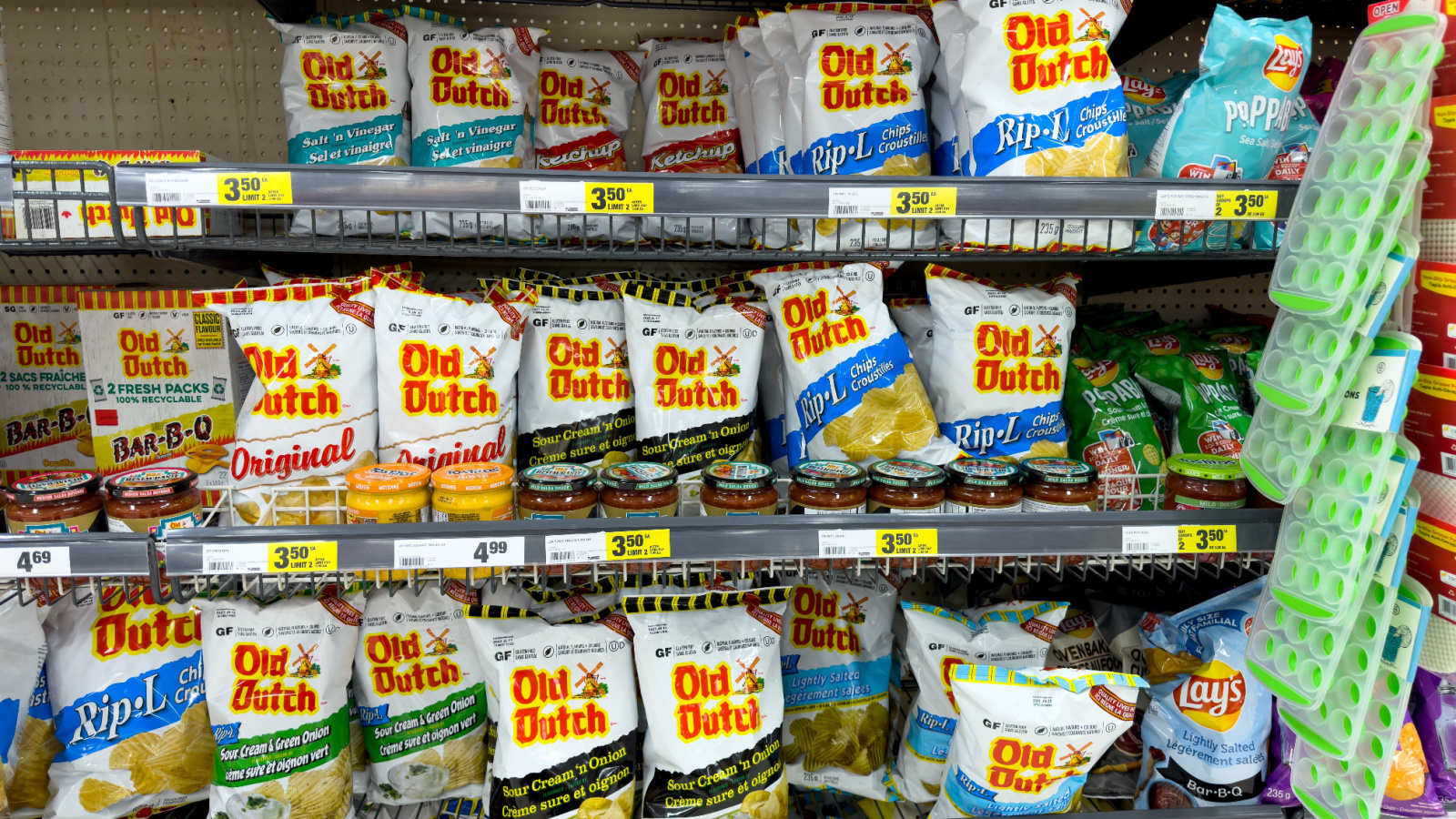
Chips at convenience stores carry higher prices. Grocery stores sell larger bags for less per gram. Small snack bags feel affordable, but add up. Convenience locations have a price for quick access. Impulse buying increases the total cost. Promotions are less common in small stores. Unit price labels often show the difference. Larger grocery packs stretch further. Frequent snack stops raise weekly spending. Planning snacks in advance lowers cost. Keeping snacks at home helps avoid markup. Bulk buying supports better value.
Over-the-counter Pain Relievers

Pain relievers at convenience stores often cost more. Small pack sizes increase the price per tablet. Grocery stores and pharmacies offer larger bottles. Convenience pricing reflects urgent need purchases. Travelers often pay higher prices. Unit price per pill can be much higher. Stocking basic medicine at home helps. Convenience stores carry limited brand choices. Buying during emergencies raises spending. Planning ahead reduces this cost. Comparing prices shows clear differences. Purchasing from larger retailers offers better value.
Phone Charging Cables

Phone charging cables at convenience stores often cost more. You pay for urgency when your battery is low. Product quality can also be inconsistent. Grocery and electronics stores usually offer better prices. Multipacks online offer a lower cost per cable further. Convenience stores stock limited brand options. Markups reflect location and immediate need. Shoppers rarely compare specs at checkout. Buying in advance prevents emergency purchases. Keeping a spare cable at home helps. Unit price differences can be significant. Planning ahead saves money and frustration.
Basic Groceries Like Milk
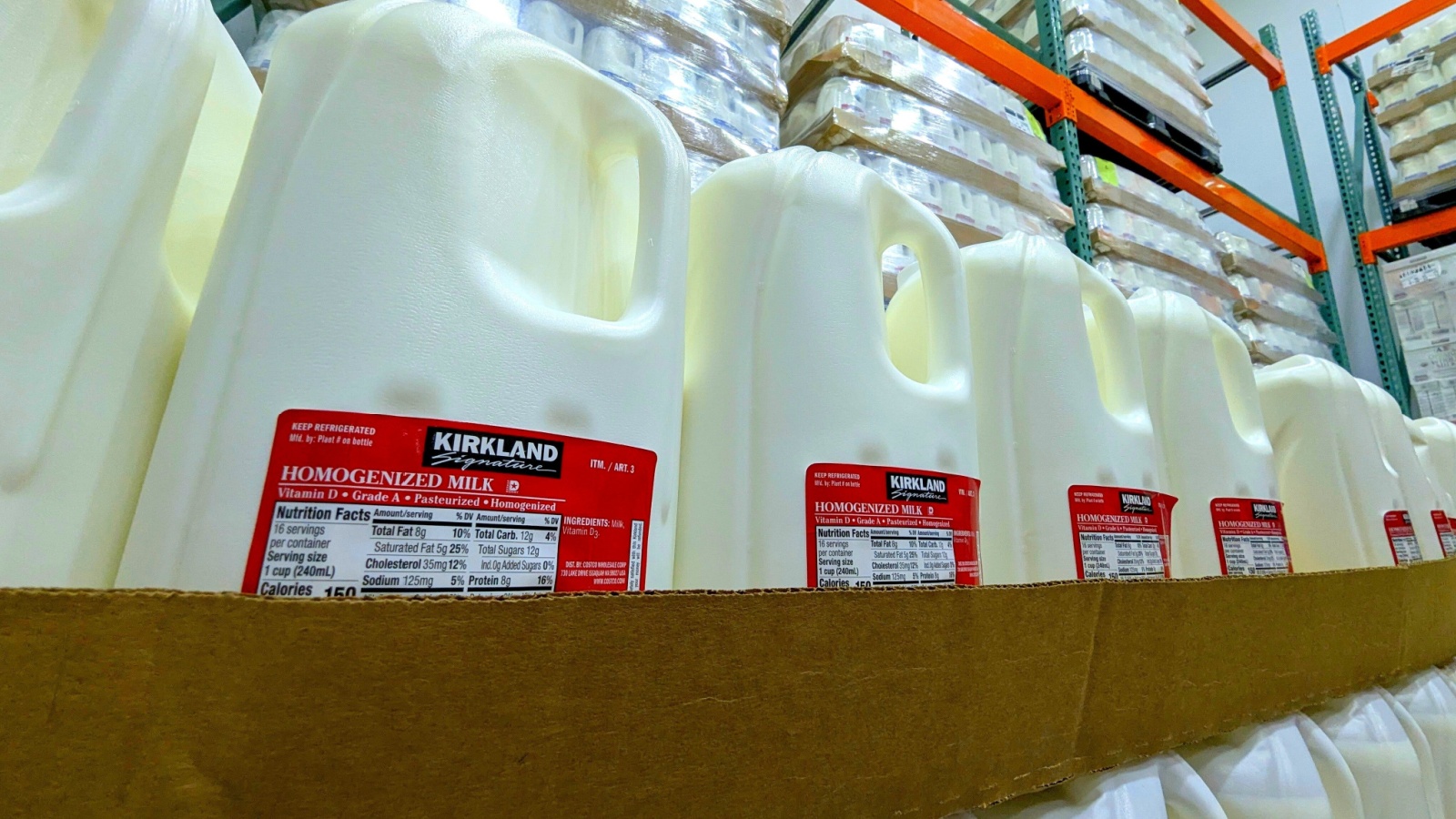
Milk at convenience stores often carries higher prices. Smaller fridges mean limited supply and higher costs. Grocery stores sell larger volumes at lower margins. Convenience locations have a price for quick access. Families buying milk regularly feel the difference. Unit price per litre is usually higher. Promotions are less common in small stores. Emergency purchases raise weekly spending. Planning grocery trips reduces this need. Shelf labels may not show full comparisons. Buying milk with regular shopping saves money. Larger retailers offer better value.
Packaged Sandwiches
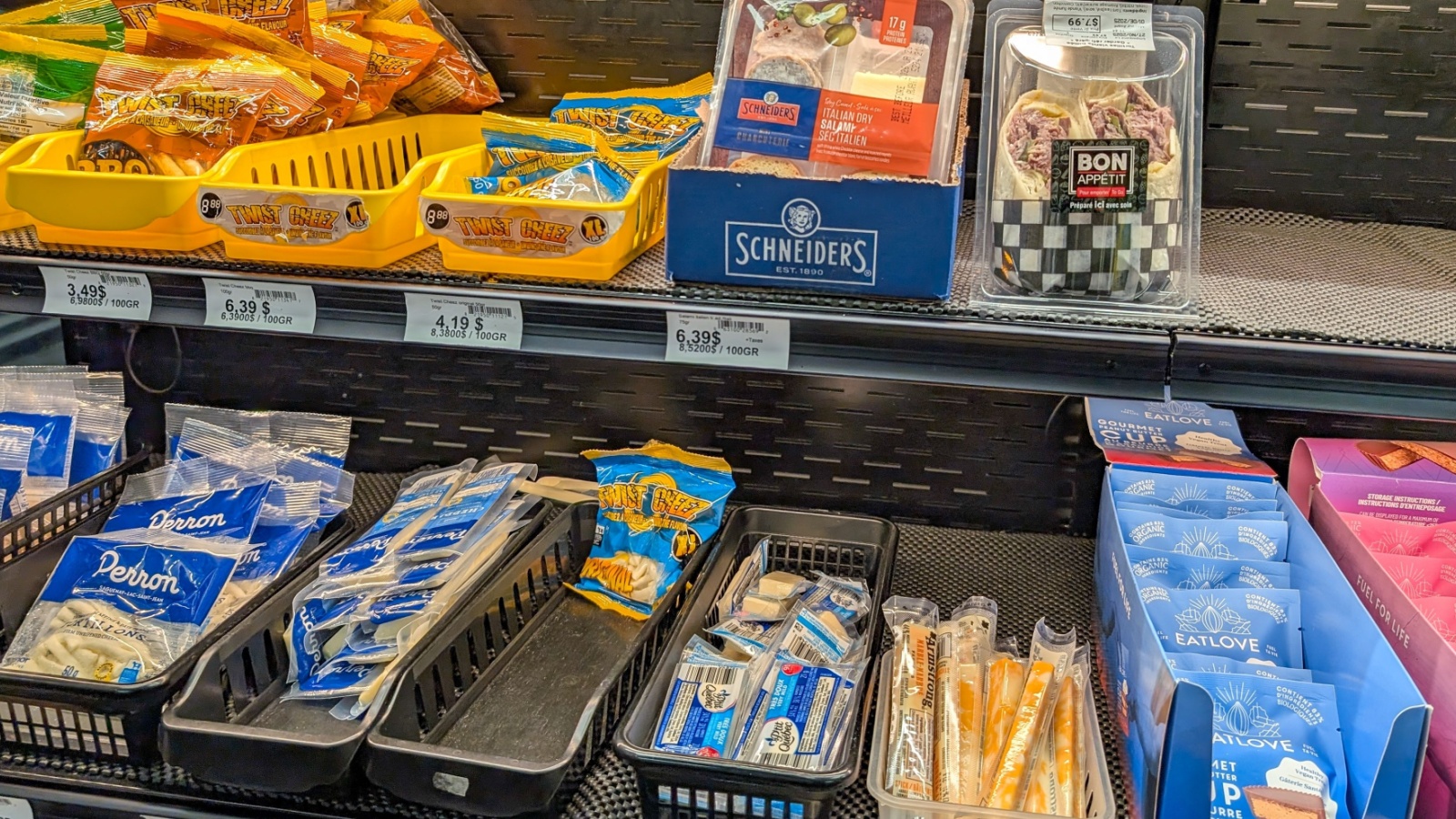
Packaged sandwiches at convenience stores cost more per item. You pay for preparation, storage, and location. Ingredients like bread and cheese are inexpensive. Shelf life is short, which raises risk and price. Portion sizes may feel small. Grocery stores or home preparation cost less. Buying ingredients separately stretches across meals. Convenience purchases rely on hunger and speed. Unit price comparison shows a higher cost. Regular buying increases monthly food spending. Planning meals ahead helps avoid this markup. Homemade sandwiches offer better value.
Ice Cream Novelties

Single ice cream treats at convenience stores often cost more. Freezer space and location raise pricing. Grocery stores sell multipacks at a lower per-piece cost. Impulse purchases during warm weather add up. Portion sizes are small for the price. Convenience stores rarely offer bulk discounts. Unit price differences can be large. Buying larger boxes stretches further. Planning treats during grocery trips helps. Frequent single purchases raise spending. Keeping ice cream at home saves money. Multipacks offer better overall value.
Disposable Batteries
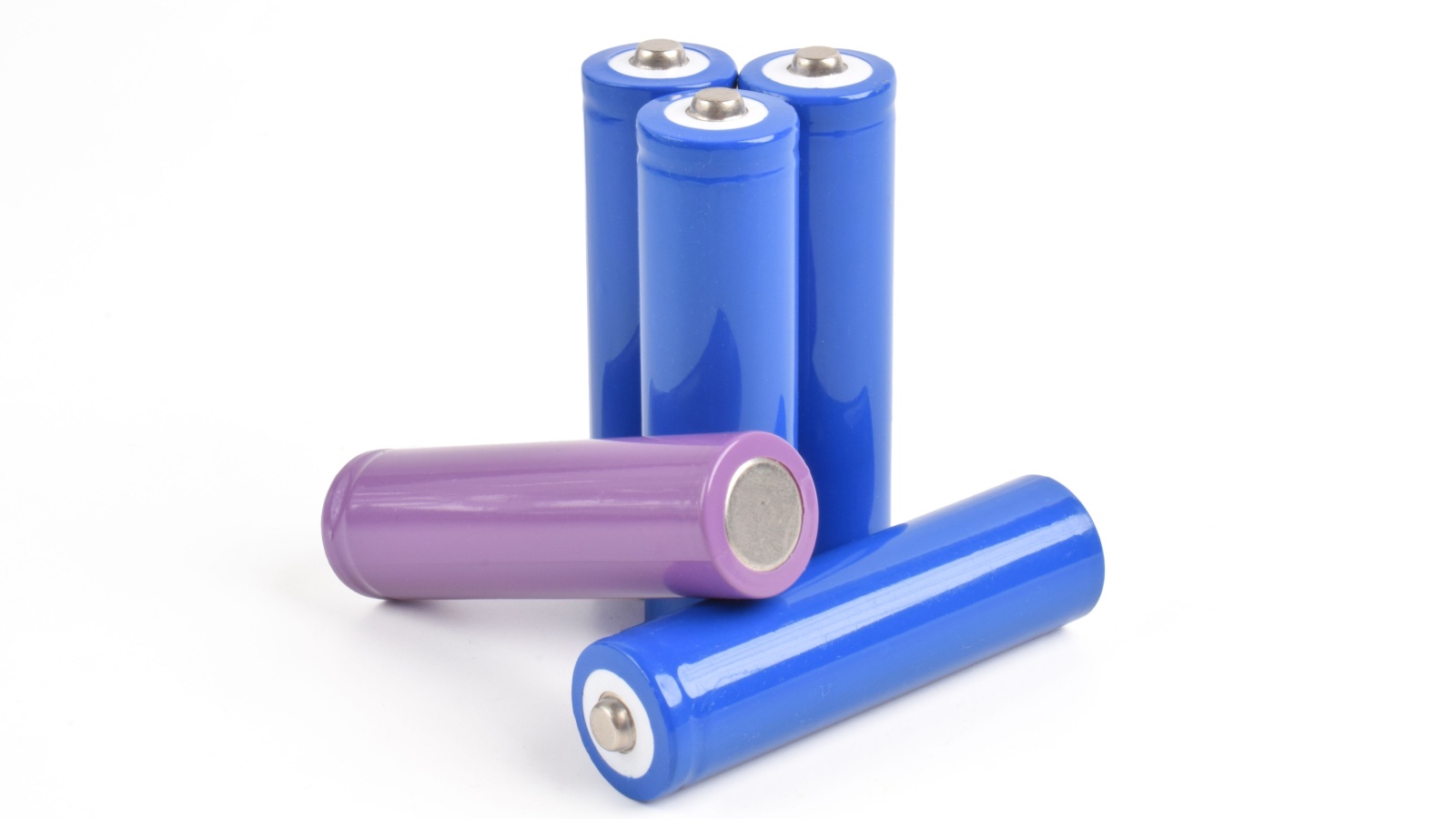
Disposable batteries at convenience stores carry high markups. Small packs increase the price per battery. Grocery and hardware stores sell larger packs for less. Emergency needs often drive these purchases. Convenience stores stock limited types. Unit price differences can be significant. Batteries have a long shelf life at home. Buying multipacks reduces future urgent trips. Planning ahead prevents overspending. Comparing the price per battery shows clear gaps. Regular replacement items cost less in bulk. Larger retailers usually offer better value.
Travel Size Toiletries

Travel-size toiletries at convenience stores often cost more per millilitre. You pay for small packaging and quick access. Grocery and pharmacy stores sell larger sizes for less. Frequent travelers may buy these in a rush. Small bottles run out quickly, increasing repeat purchases. Convenience pricing reflects urgency and location. Multipacks elsewhere usually offer better value. Refilling small containers from home saves money. Unit price comparisons show clear differences. Planning travel items ahead of time avoids markup. Keeping a small kit ready helps. Buying in advance lowers overall spending.
Lottery Ticket Add-ons
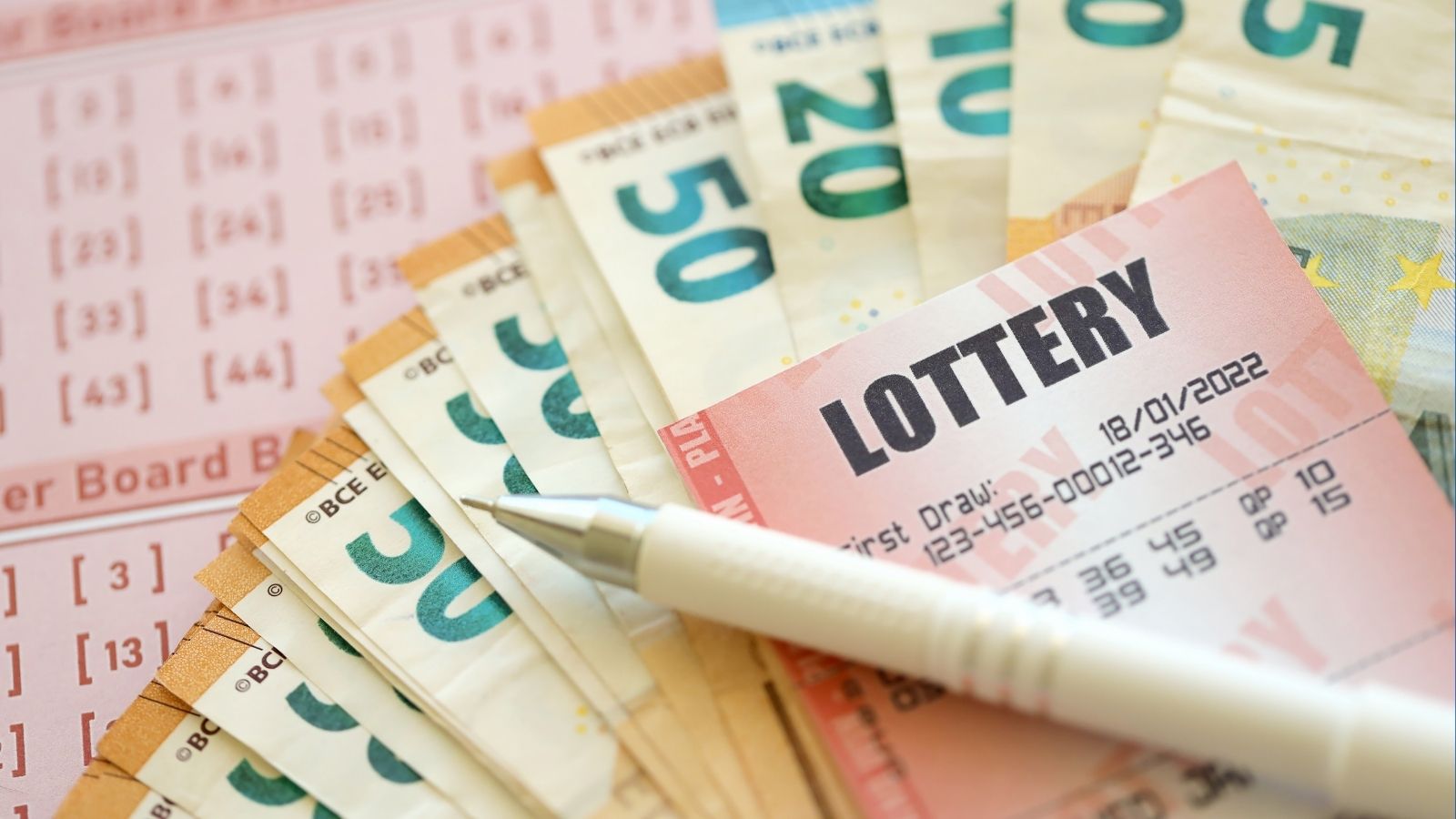
Lottery ticket add-ons at checkout increase spending quietly. Clerks may suggest extra draws or add-ons. Small amounts feel minor during payment. Over time, these extras raise total lottery spending. Convenience stores rely on impulse decisions. Customers may not track these added costs. Add-ons do not improve odds significantly. Quick yes responses happen during busy moments. Planning a set lottery budget helps control costs. Saying no to extras reduces overspending. Being aware of prompts makes a difference. Small choices add up over months.
Bagged Ice
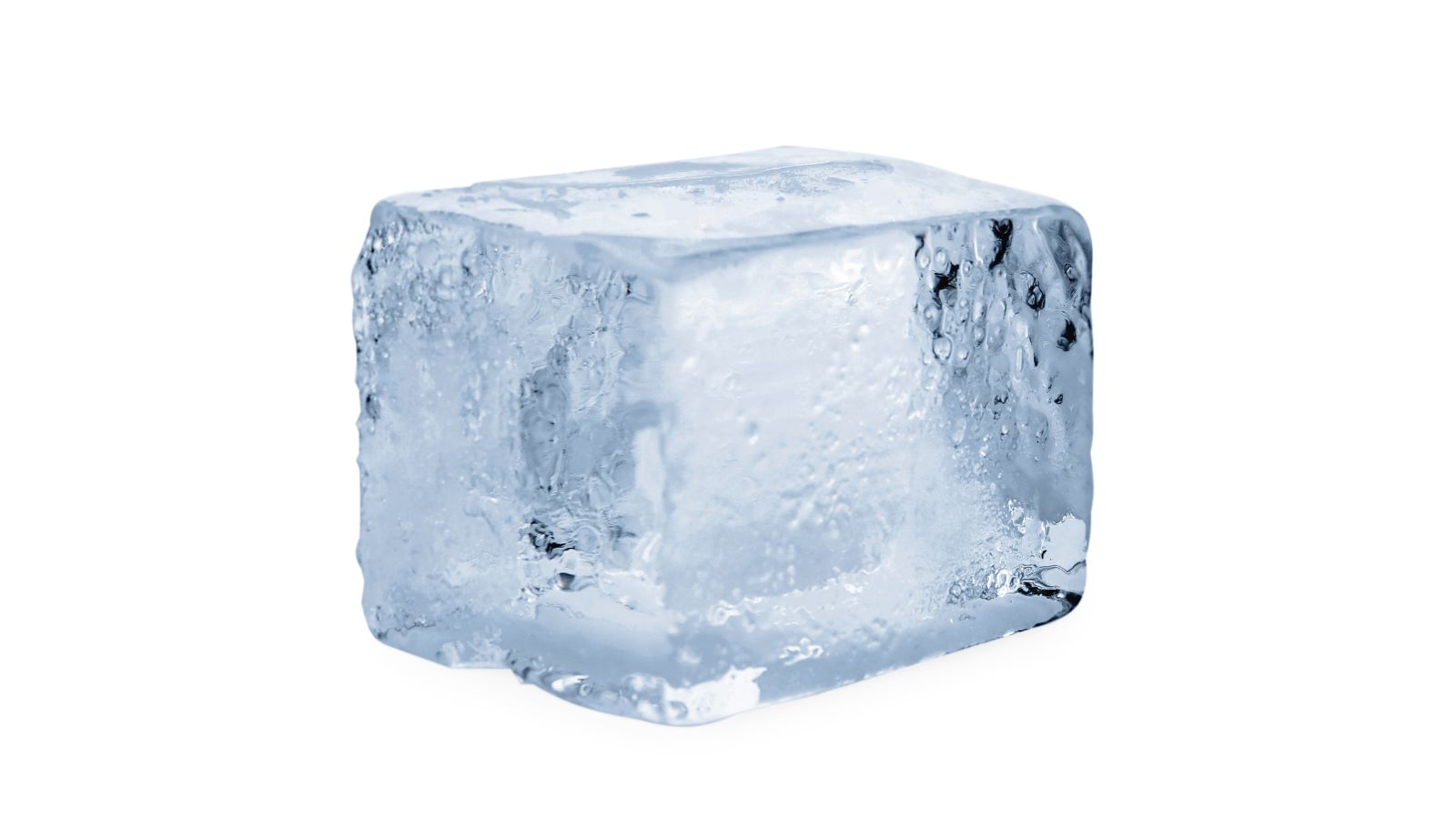
Bagged ice at convenience stores often costs more per kilogram. You pay for freezing, storage, and location. Grocery stores or gas stations may sell larger bags for less. Small bags melt faster during travel. Convenience pricing reflects immediate need. Buying ice regularly this way increases costs. Home freezers can produce ice at a lower cost. Planning ahead for events helps reduce purchases. Unit price comparisons show a higher markup. Keeping reusable ice packs also helps. Avoiding last-minute stops saves money. Larger retailers usually offer better value.
22 Groceries to Grab Now—Before another Price Shock Hits Canada
Food prices in Canada have been steadily climbing, and another spike could make your grocery bill feel like a mortgage payment. According to Statistics Canada, food inflation remains about 3.7% higher than last year, with essentials like bread, dairy, and fresh produce leading the surge. Some items are expected to rise even further due to transportation costs, droughts, and import tariffs. Here are 22 groceries to grab now before another price shock hits Canada.
22 Groceries to Grab Now—Before another Price Shock Hits Canada
