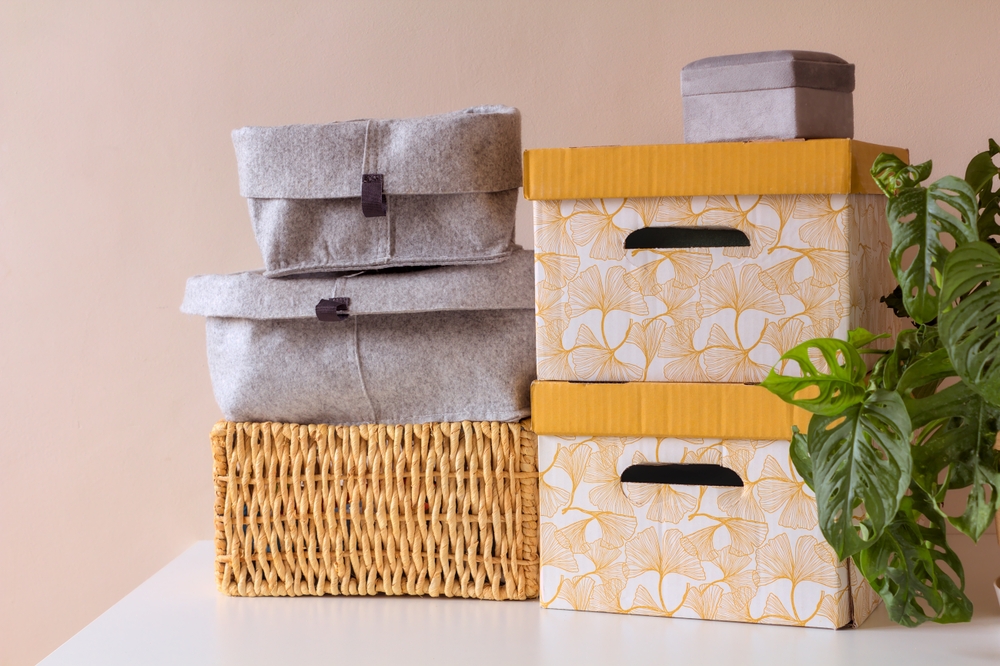
Home organization has become a major focus for Canadians in 2026, especially as people spend more time balancing work, family, and daily responsibilities at home. Instead of complicated systems, the latest trends focus on practical ideas that make spaces easier to use and maintain. Social media has played a big role in spreading simple solutions that anyone can try without major expense. Many of these methods work because they match real lifestyles, seasonal changes, and limited space in modern homes. Here are 14 viral home organization trends Canadians are doing in 2026 (and why they work).
Clear Bin Storage Systems for Every Room

Clear storage bins have become popular because they remove the guesswork from organizing. Canadians use them in kitchens, bathrooms, closets, and garages to keep similar items grouped. Since the contents are visible, there is no need to open multiple containers to find something. This reduces daily frustration and saves time. Clear bins also discourage overbuying because duplicates can be seen easily. Stackable designs make them useful for small homes and condos where space is limited. They are especially helpful for seasonal items that rotate throughout the year. Cleaning becomes simpler when everything has a contained place.
Label Everything Organization Method

Labeling has moved beyond offices into everyday home organization. Canadians are labeling pantry jars, storage bins, cables, and even refrigerator sections to maintain order. Labels remove uncertainty about where items belong, which helps all household members follow the same system. This reduces the chance of clutter returning after cleaning. It is especially helpful in shared homes where different people store things differently. Labels also make restocking easier because shortages are visible immediately. Simple printed or handwritten labels work just as well as decorative ones. When everything has a clearly marked place, tidying up becomes faster and less stressful for everyone.
Drawer Dividers for Small Item Control
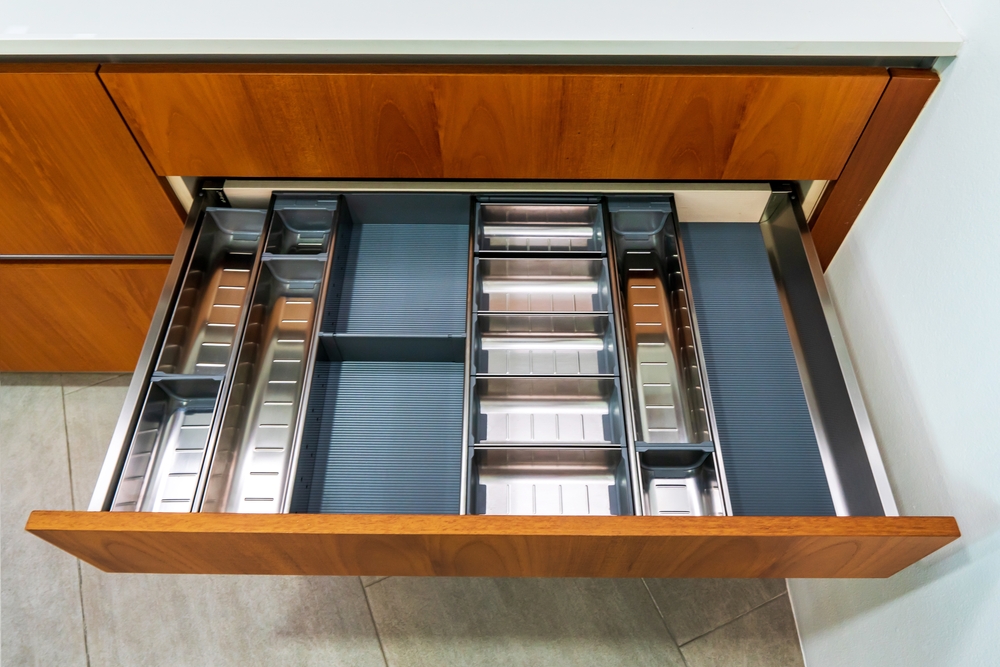
Drawers often become cluttered because small items move around and mix. Divider inserts create separate sections so everything stays in place. Canadians use them for kitchen utensils, makeup, office supplies, and tools. This prevents the need to empty drawers just to find one item. It also protects delicate objects from damage caused by shifting. Adjustable dividers are especially useful because they adapt to different drawer sizes. Once installed, maintaining order requires little effort. The system works because it brings structure to spaces that normally collect random items. Opening a neat drawer also encourages people to keep it that way.
Vertical Storage to Maximize Limited Space
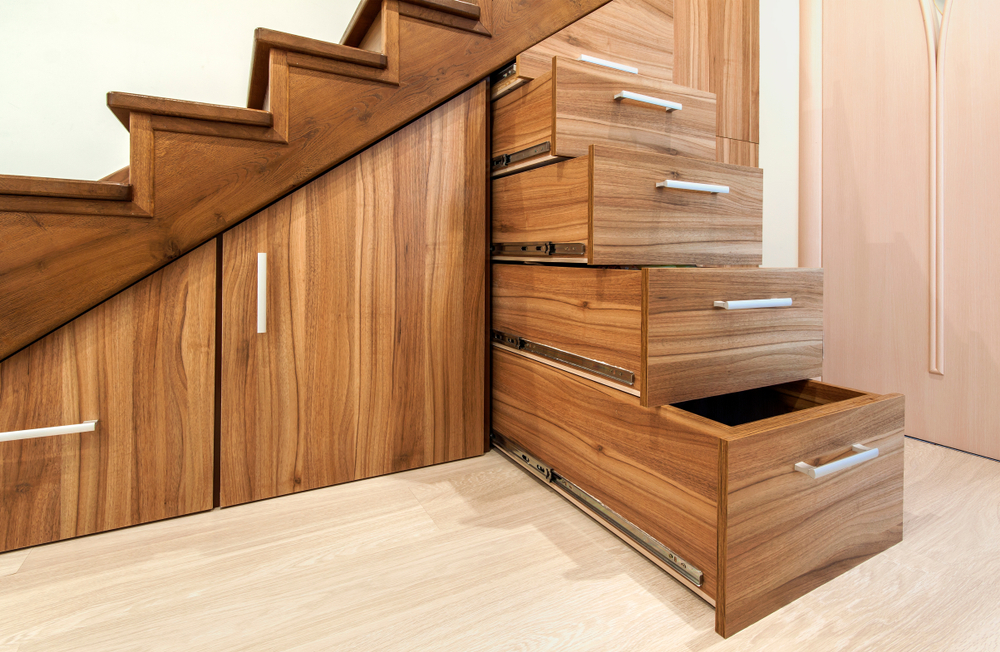
Many Canadian homes, especially urban apartments, have limited floor space. Vertical storage takes advantage of unused wall height instead. Shelves, hooks, and tall cabinets allow items to be stored upward rather than outward. This keeps rooms feeling open while increasing capacity. Vertical systems work well in kitchens, closets, and bathrooms where counters are crowded. They also make frequently used items easier to reach. Using height reduces the need for bulky furniture that occupies valuable floor area. The approach suits both small and large homes because it improves efficiency without major renovation. By thinking upward instead of outward, households gain storage while maintaining a comfortable living space.
Rotating Seasonal Storage Systems
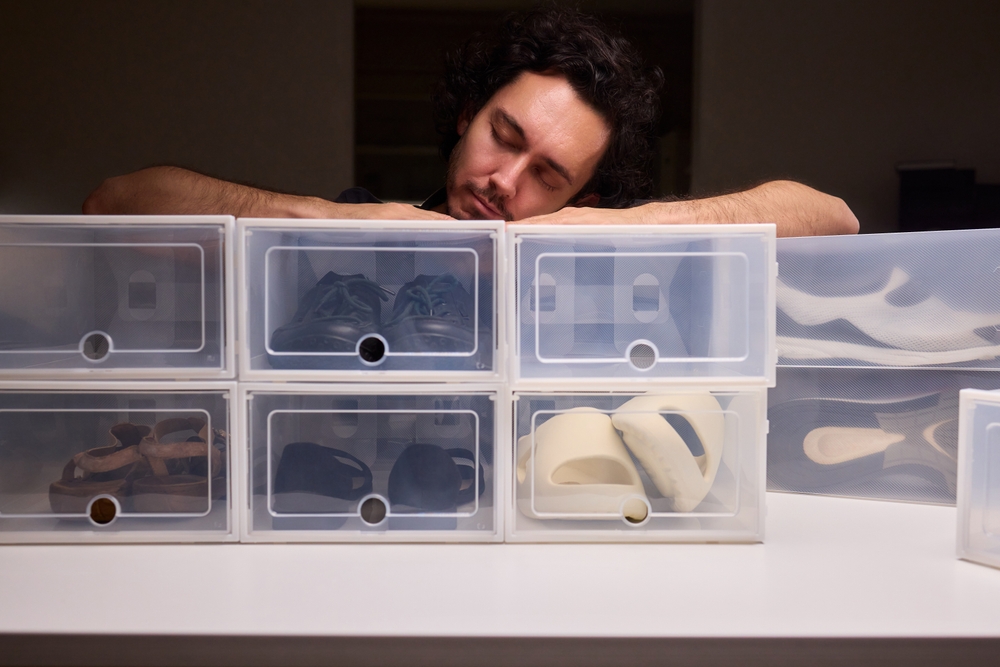
Canadian lifestyles change significantly with the seasons, so storage systems must adapt as well. Rotating seasonal storage keeps only relevant items accessible at any given time. Winter gear moves out when spring arrives, and summer items return later. Clear bins or labeled boxes help track what is stored where. This prevents closets from becoming overcrowded year-round. It also protects off-season items from wear and damage. Families often store seasonal goods in basements, garages, or under beds. The system works because it aligns storage with actual use.
Entryway Drop Zones for Daily Essentials
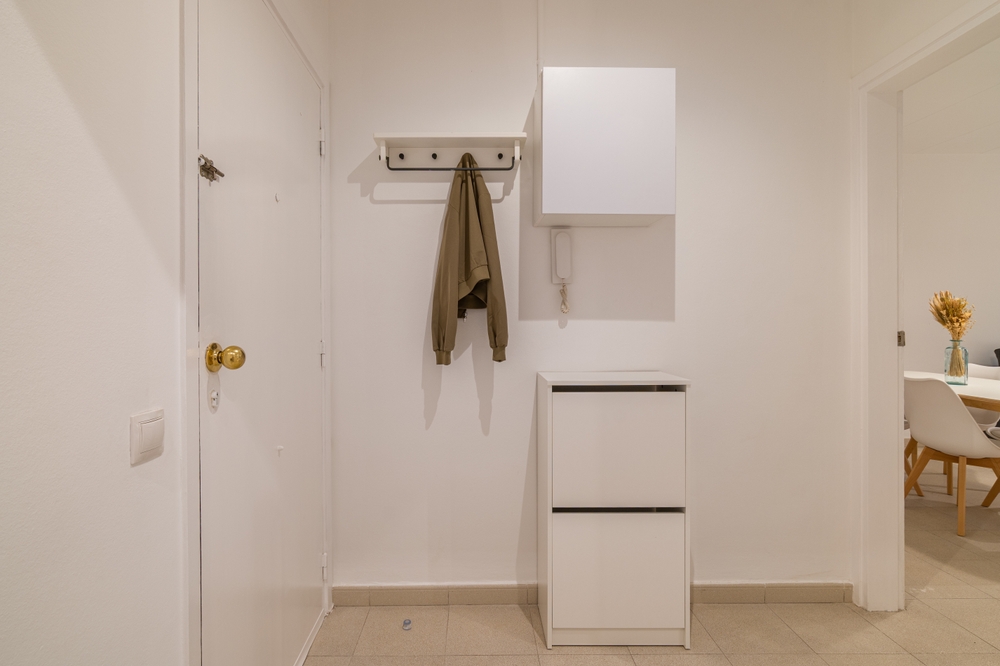
Entryways tend to collect clutter because they handle constant traffic. A designated drop zone solves this by giving everyday items a fixed landing place. Canadians use trays, hooks, and small baskets for keys, bags, mail, and shoes. This prevents items from spreading into living areas. It also saves time when leaving the house because essentials are easy to find. Families benefit especially because multiple people use the same space. Organized entryways create a calmer first impression when entering the home. The system works because it addresses a high-activity with a simple structure. Consistency keeps the space functional without requiring constant tidying.
Pantry Zones Based on Use Frequency
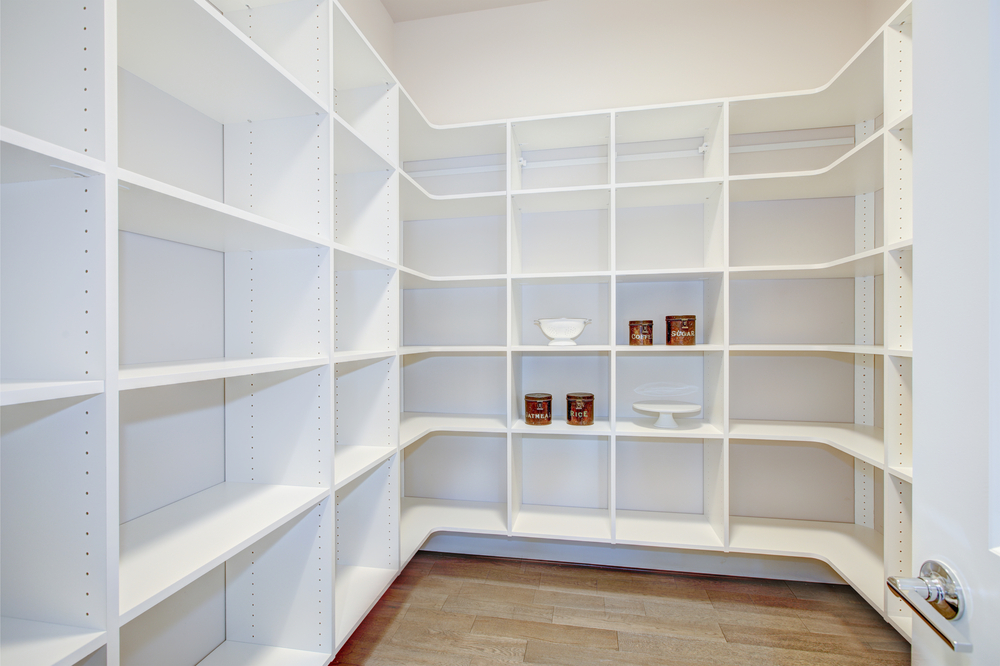
Organizing pantries by how often items are used improves efficiency immediately. Frequently used foods stay at eye level, while occasional items go higher or lower. Canadians are adopting this system to reduce the time spent searching for ingredients. It also helps prevent food waste because items remain visible. Grouping similar products simplifies meal preparation and grocery planning. Children can access snacks safely without disrupting other areas. This method adapts easily to pantries of any size. The logic behind it mirrors retail store layouts, which are designed for convenience.
Under-Bed Storage for Hidden Capacity
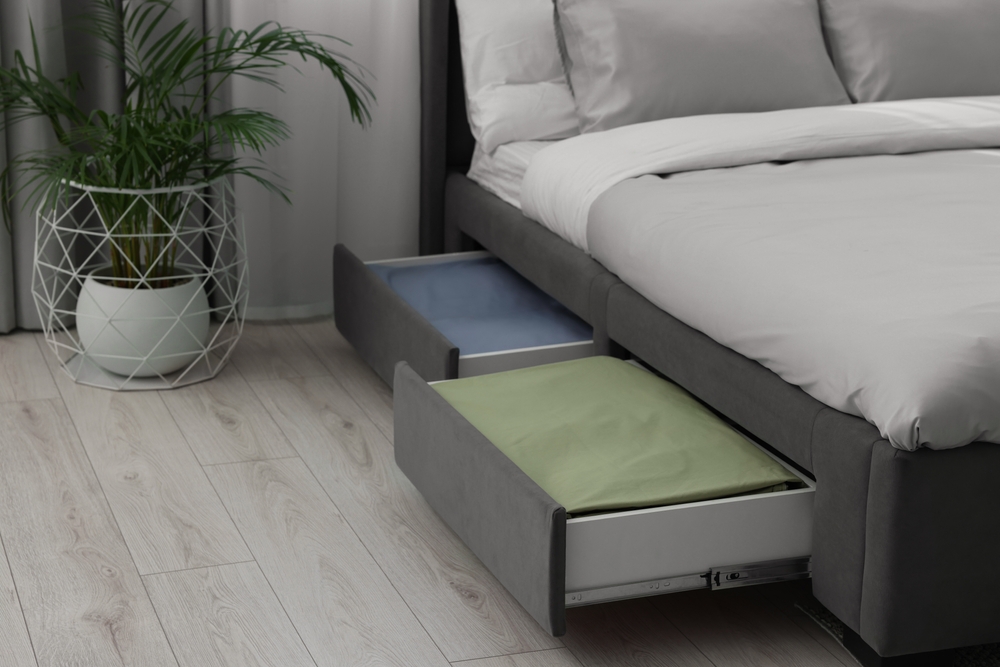
Space under the bed often goes unused despite being ideal for storage. Canadians are using low-profile bins or drawers to store seasonal clothing, extra bedding, or seldom-used items. This approach keeps belongings accessible without crowding closets. It works especially well in smaller homes where storage is limited. Dust-resistant containers protect contents and keep the area tidy. Wheels or handles make retrieval easier. Because items remain out of sight, rooms look cleaner even when storage capacity increases. The system uses space that would otherwise be wasted. By turning hidden areas into functional storage, households gain organization without sacrificing visible living space.
Cable Management Solutions for Tech Areas
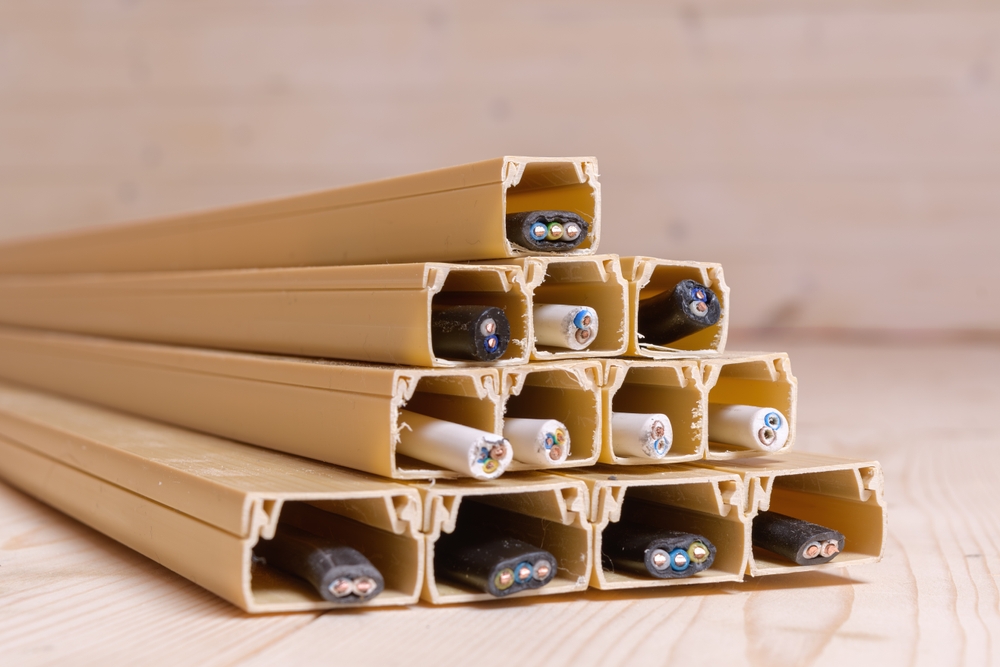
Modern homes contain many electronic devices, which often lead to tangled cables. Cable management systems organize wires using clips, sleeves, or boxes. Canadians use them around desks, entertainment centers, and charging stations. This reduces visual clutter and prevents tripping hazards. Organized cables also protect equipment from damage caused by bending or pulling. Labeling wires makes troubleshooting easier when devices are moved. Clean setups improve both the appearance and functionality of workspaces. As remote work remains common, tidy tech areas support productivity. The trend works because it addresses a modern problem directly.
Minimal Countertop Layouts in Kitchens
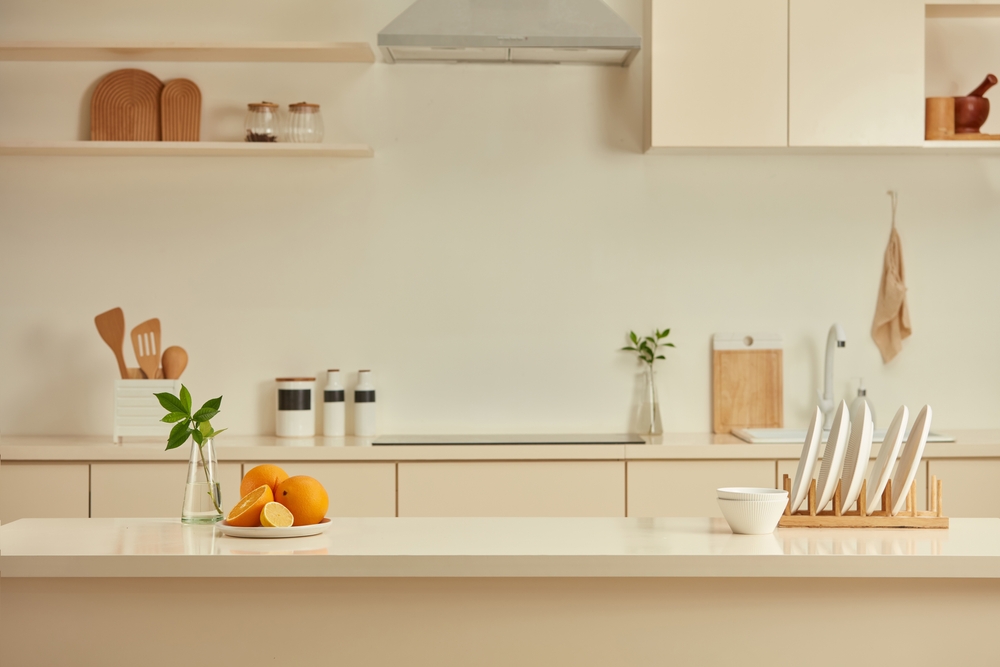
Clear kitchen counters make cooking easier and cleaning faster. Canadians are removing nonessential appliances and decor to create more working space. Only frequently used items remain accessible, while others move to cabinets. This reduces visual clutter and prevents surfaces from becoming catchalls. Food preparation becomes more efficient when tools are not buried under unrelated objects. Minimal layouts also highlight cleanliness, which encourages maintenance. Small kitchens benefit the most because every inch counts. The approach does not require new storage, only thoughtful selection. By prioritizing function over display, households create kitchens that feel larger, calmer, and easier to manage daily.
Closet Capsule Organization Approach
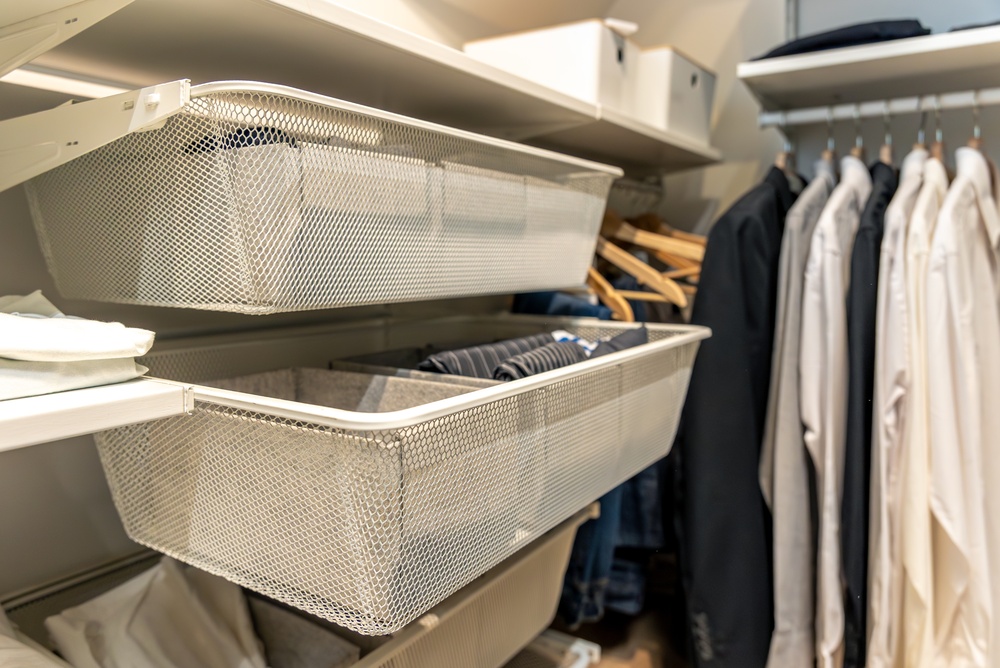
A capsule closet focuses on a limited collection of versatile clothing pieces. Canadians are adopting this method to simplify daily outfit decisions. Instead of storing everything, they keep items that mix easily with each other. Seasonal rotation supports the system by keeping only relevant clothing visible. Fewer options reduce clutter and laundry complexity. The approach also discourages impulse purchases that do not match existing items. Closet space becomes easier to maintain because each piece has a purpose. While styles vary, the principle remains the same. By prioritizing quality and compatibility over quantity, wardrobes become more practical and less overwhelming.
Open Shelving With Curated Items Only
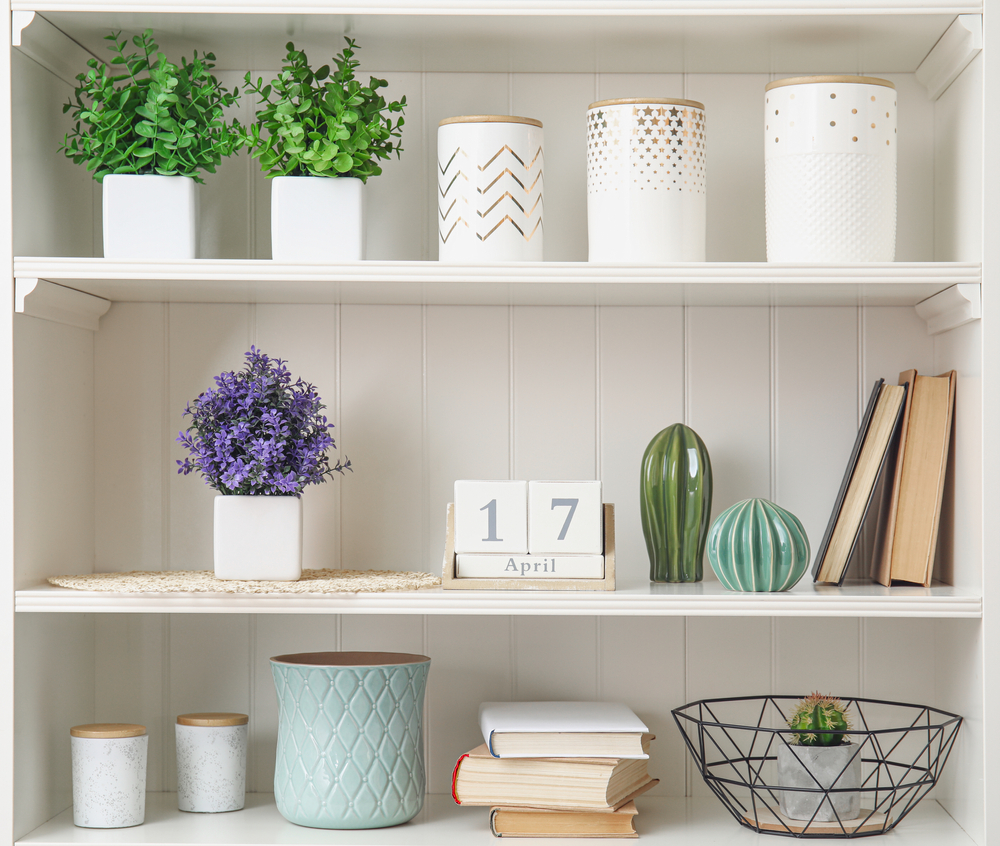
Open shelves can look cluttered unless carefully managed. Canadians are using them to display only items that are both useful and visually appealing. Every day, dishes, books, or decor pieces are arranged thoughtfully rather than packed tightly. Limiting what is displayed prevents dust buildup and visual overload. This approach combines storage with decoration. It also encourages regular editing of items to maintain balance. Open shelving works best when objects share similar colors or shapes. The system succeeds because it treats storage as part of design rather than purely functional space. When done carefully, shelves remain attractive while still serving practical needs.
Multipurpose Furniture With Built-In Storage
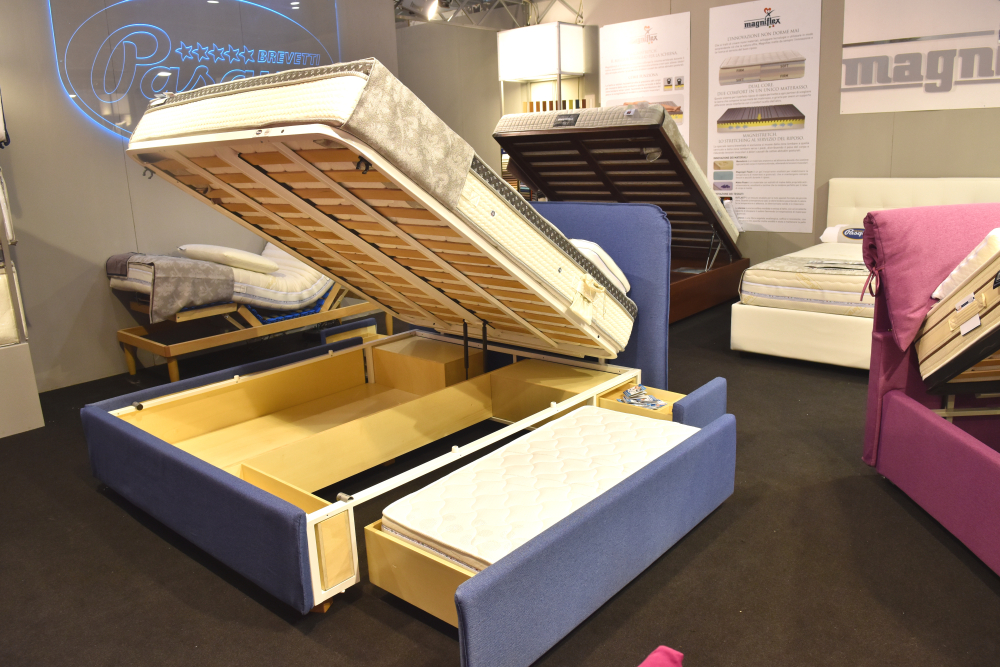
Furniture that includes hidden storage solves two problems at once. Canadians are choosing beds with drawers, ottomans with compartments, and coffee tables with shelves. These pieces store items without requiring additional cabinets. They are especially valuable in smaller homes where space is limited. Seasonal clothing, blankets, or electronics can be kept out of sight but within reach. Multipurpose designs reduce visual clutter while maintaining comfort. The trend reflects a shift toward practical living rather than decorative excess. By combining function and storage, households maximize space without sacrificing usability.
Weekly Reset Cleaning and Organization Routine

Instead of waiting for clutter to build up, many Canadians are adopting a weekly reset routine. This involves spending a short period restoring order across the main living areas. Tasks may include clearing surfaces, returning items to their places, and preparing for the upcoming week. Regular resets prevent mess from becoming overwhelming. They also reduce the need for large cleaning sessions later. Families often participate together to finish quickly. The routine supports consistency rather than perfection. Over time, homes stay organized with less effort overall. This trend works because it aligns maintenance with real schedules, making organization a habit rather than an occasional project.
22 Groceries to Grab Now—Before another Price Shock Hits Canada

Food prices in Canada have been steadily climbing, and another spike could make your grocery bill feel like a mortgage payment. According to Statistics Canada, food inflation remains about 3.7% higher than last year, with essentials like bread, dairy, and fresh produce leading the surge. Some items are expected to rise even further due to transportation costs, droughts, and import tariffs. Here are 22 groceries to grab now before another price shock hits Canada.
22 Groceries to Grab Now—Before another Price Shock Hits Canada
