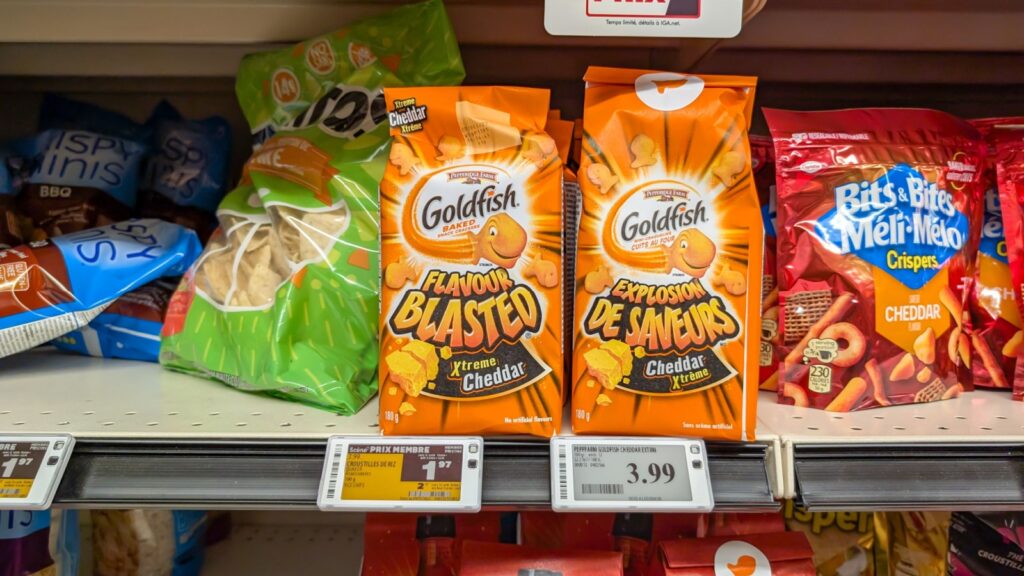
Canadian grocery shoppers have long relied on store brands and budget labels to reduce overall spending, especially during periods of rising food costs. However, recent pricing trends have quietly shifted this assumption. Due to supply chain pressures, retailer pricing strategies, and promotional cycles, many so-called budget items are no longer consistently cheaper than their branded counterparts. In several cases, Canadians are paying equal or higher prices for generic products without realizing it. Here are 15 budget groceries that cost more than name brands now.
Store-Brand Milk

Store-brand milk has traditionally been viewed as a dependable lower-cost option, but in Canada, pricing has become far more uniform across both generic and branded products. Supply management systems closely regulate pricing, so the base cost of milk does not vary significantly between brands. However, what has changed is the role of promotions. Name-brand milk is increasingly discounted through flyers and loyalty programs, occasionally making it cheaper than store-brand alternatives. Meanwhile, store-brand milk tends to remain at a fixed price, reducing flexibility and eliminating its historical advantage. Canadians who rely on habit rather than checking weekly deals may unknowingly pay more.
Generic Bread

Generic bread used to be one of the easiest ways for Canadians to cut grocery costs, but pricing has become much less predictable. Rising input costs, such as wheat, fuel, and packaging, have impacted both store brands and major manufacturers, narrowing the price gap significantly. What makes the difference now is promotional activity. Name-brand bread is frequently included in multi-buy deals or temporary price reductions, which can bring its cost below that of generic versions. Store-brand bread, on the other hand, is often priced consistently without frequent discounts. This stability may seem appealing, but it removes opportunities for savings. Additionally, loaf sizes have quietly decreased in some cases, increasing the effective price per unit.
Frozen Vegetables
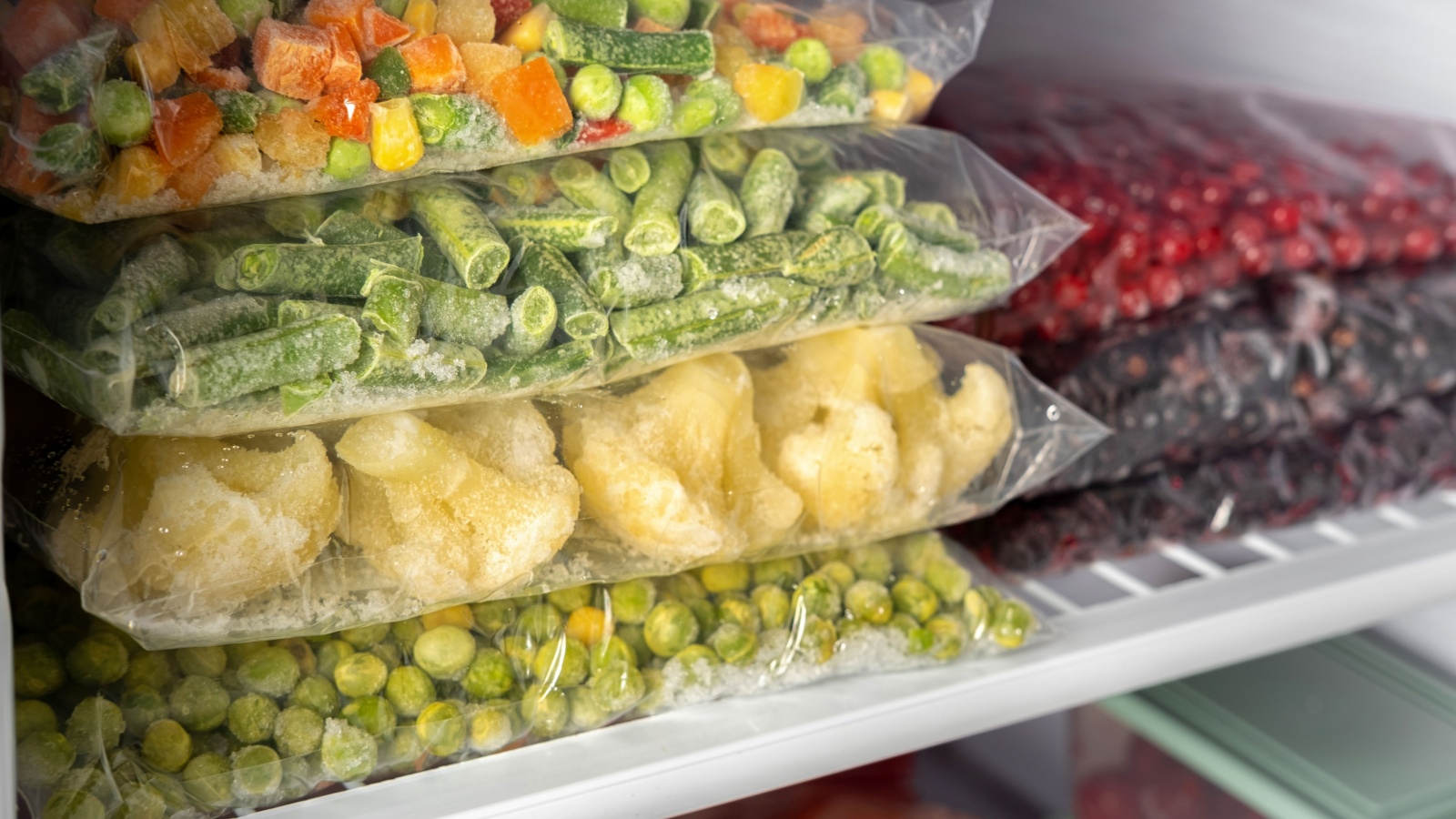
Frozen vegetables have long been positioned as a cost-effective alternative to fresh produce, especially under store-brand labels. However, pricing trends in Canada have reduced the gap between generic and branded options. Increased costs related to freezing, packaging, and transportation have affected all suppliers, but store brands have not always maintained a clear price advantage. Name-brand frozen vegetables are frequently included in promotions, especially during seasonal sales, which can make them cheaper than generic versions. Meanwhile, store-brand products often remain at steady pricing, limiting opportunities for savings. Portion sizes and packaging variations also play a role, as some generic products offer slightly less content at similar price points. Canadians who assume they are saving money by choosing store brands may not realize that better deals are available through branded options.
Canned Soup
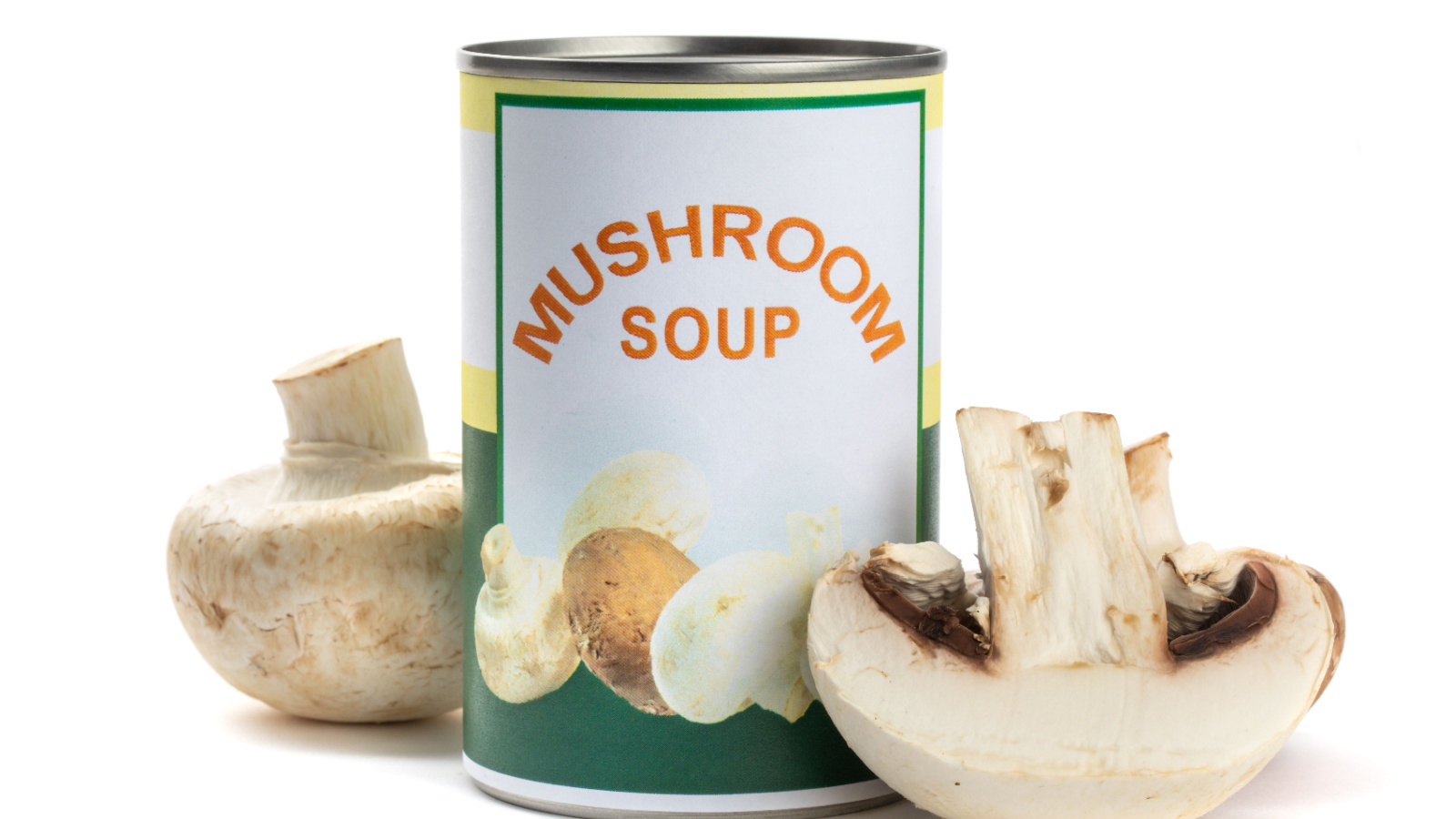
Canned soup is another category where the expected price advantage of store brands has weakened. Rising costs for ingredients such as vegetables, meat, and packaging have affected all manufacturers, reducing the gap between generic and branded products. Name-brand soups are frequently promoted through discounts and bundle offers, which can bring their prices below store-brand equivalents. In contrast, generic soups often maintain stable pricing without significant promotional adjustments. This creates situations where Canadians pay more for store-brand options simply due to habit or assumption. Additionally, differences in portion size and ingredient quality can influence overall value, even when prices appear similar. Some generic soups contain slightly less product, increasing the cost per serving. Over time, this has turned canned soup into a category where perceived savings do not always match reality.
Pasta

Pasta has traditionally been one of the most affordable pantry staples, but pricing trends have made store-brand options less consistently cheaper. Production costs, including wheat and energy, have increased globally, affecting both generic and branded products. While store-brand pasta is still positioned as a budget option, name brands frequently offer promotions that reduce their prices below generic alternatives. These promotions are often temporary, but they occur often enough to influence overall value. Store-brand pasta typically maintains a steady price, which can be higher than discounted branded options during sales. Canadians who rely on routine purchases may not notice these fluctuations.
Cooking Oil

Cooking oil has seen significant price increases in recent years, and store-brand options are no longer consistently cheaper than name brands. Global supply issues, including crop disruptions and transportation costs, have affected all oil products. While store-brand oils maintain relatively stable pricing, name-brand options often benefit from promotional discounts that temporarily reduce their cost. Canadians who assume that generic oils are always cheaper may miss these opportunities. Additionally, packaging sizes and product variations, such as blends or specialty oils, can affect pricing comparisons. Some generic oils are priced similarly to premium branded options, reducing their value advantage.
Yogurt

Yogurt is another category where store-brand pricing has become less competitive compared to name brands. Increased demand for higher-quality ingredients and specialized products has raised production costs across the board. While generic yogurt is still positioned as a budget option, name brands frequently offer promotions that bring their prices down to similar or lower levels. These discounts can make branded yogurt a better value, especially when combined with loyalty programs. Store-brand yogurt, however, often maintains consistent pricing without significant variation.
Cheese Slices
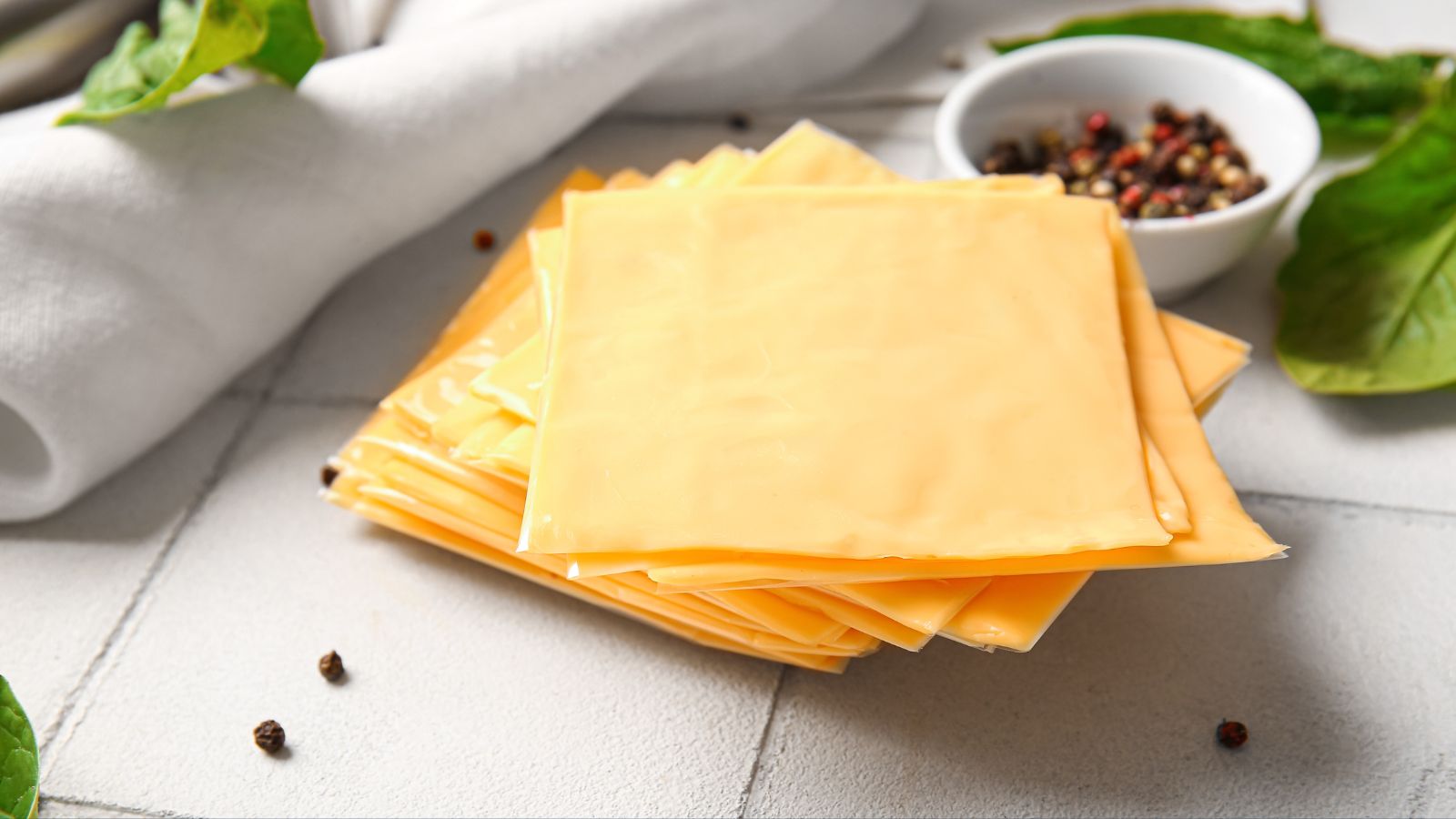
Cheese slices have become another example of how store-brand products are no longer guaranteed to be cheaper than name brands in Canada. Supply management and production costs influence pricing across all dairy products, resulting in relatively small differences between generic and branded options. Name-brand cheese slices are frequently included in promotions, which can reduce their price below store-brand equivalents. Meanwhile, generic versions often maintain stable pricing, limiting opportunities for savings. Canadians who assume store brands are always more affordable may end up paying more without realizing it.
Cereal

Cereal has become one of the clearest examples where store-brand options no longer guarantee savings for Canadian shoppers. While generic cereals were once significantly cheaper, rising ingredient and production costs have narrowed the gap between store brands and major manufacturers. Name-brand cereals are frequently included in promotional cycles, especially through multi-buy offers and loyalty discounts, which can reduce their effective price below that of generic versions. Store-brand cereals, on the other hand, tend to maintain stable pricing with fewer discounts. This creates situations where consumers pay more for generic products simply due to habit or assumption.
Frozen Pizza
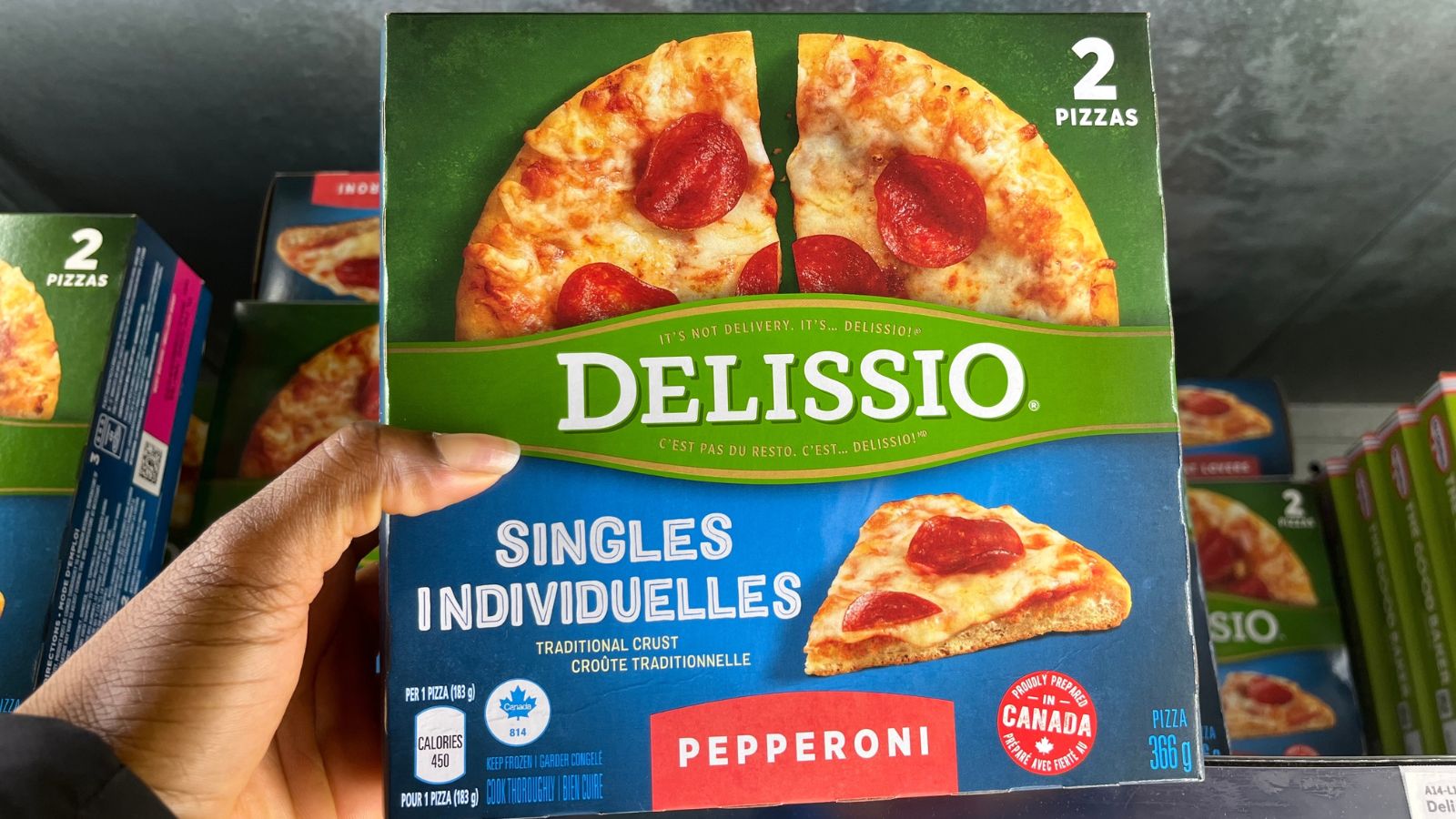
Frozen pizza is another category where store-brand pricing has become less competitive compared to name brands. Rising costs for cheese, wheat, and transportation have affected all manufacturers, reducing the difference between generic and branded products. Name-brand frozen pizzas are often promoted through discounts and bundle deals, which can bring their prices below store-brand equivalents. In contrast, generic versions tend to remain at steady pricing, limiting opportunities for savings. Canadians who assume that store-brand frozen pizza is always cheaper may end up paying more, especially during promotional periods.
Crackers
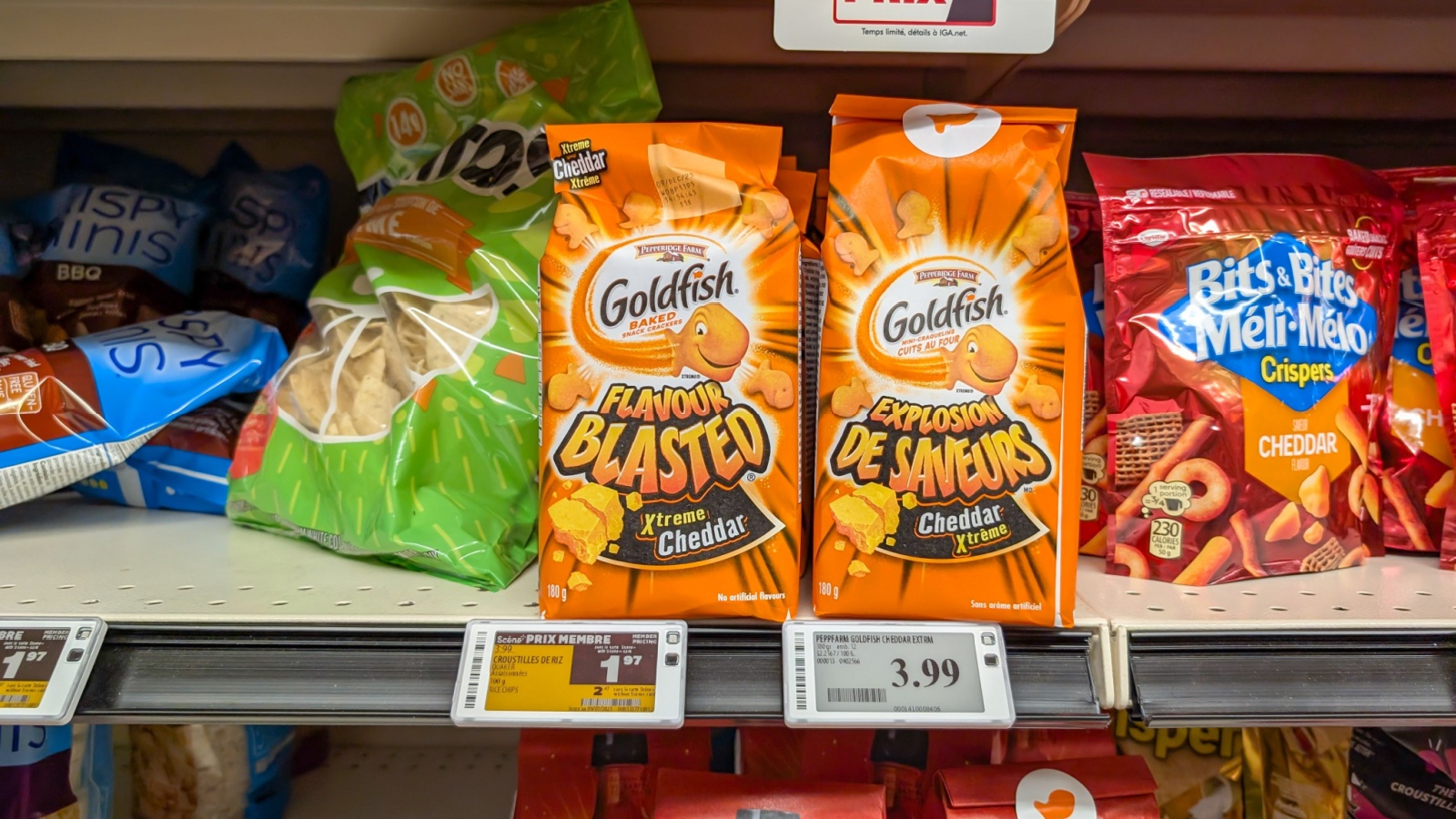
Crackers have traditionally been a low-cost pantry item, but store-brand versions are no longer consistently cheaper than name brands. Increased costs for grains, packaging, and distribution have affected pricing across all products. Name-brand crackers are frequently included in sales promotions, which can reduce their price below generic options. Store-brand crackers often maintain stable pricing, creating situations where they are more expensive than discounted branded alternatives. Canadians who rely on routine purchases may not notice these differences. The traditional advantage of store brands has weakened, making it important for consumers to evaluate pricing rather than rely on assumptions.
Peanut Butter

Peanut butter has seen pricing shifts that make store-brand options less consistently cheaper than name brands. Rising costs for peanuts, processing, and transportation have affected all products, reducing the price gap. Name-brand peanut butter is often included in promotions, which can temporarily make it cheaper than generic versions. Store-brand options typically maintain consistent pricing, limiting opportunities for savings. Canadians who assume generic peanut butter is always the better deal may overlook these promotional advantages. Packaging sizes and ingredient differences, such as added oils or sugar, can also affect value.
Rice
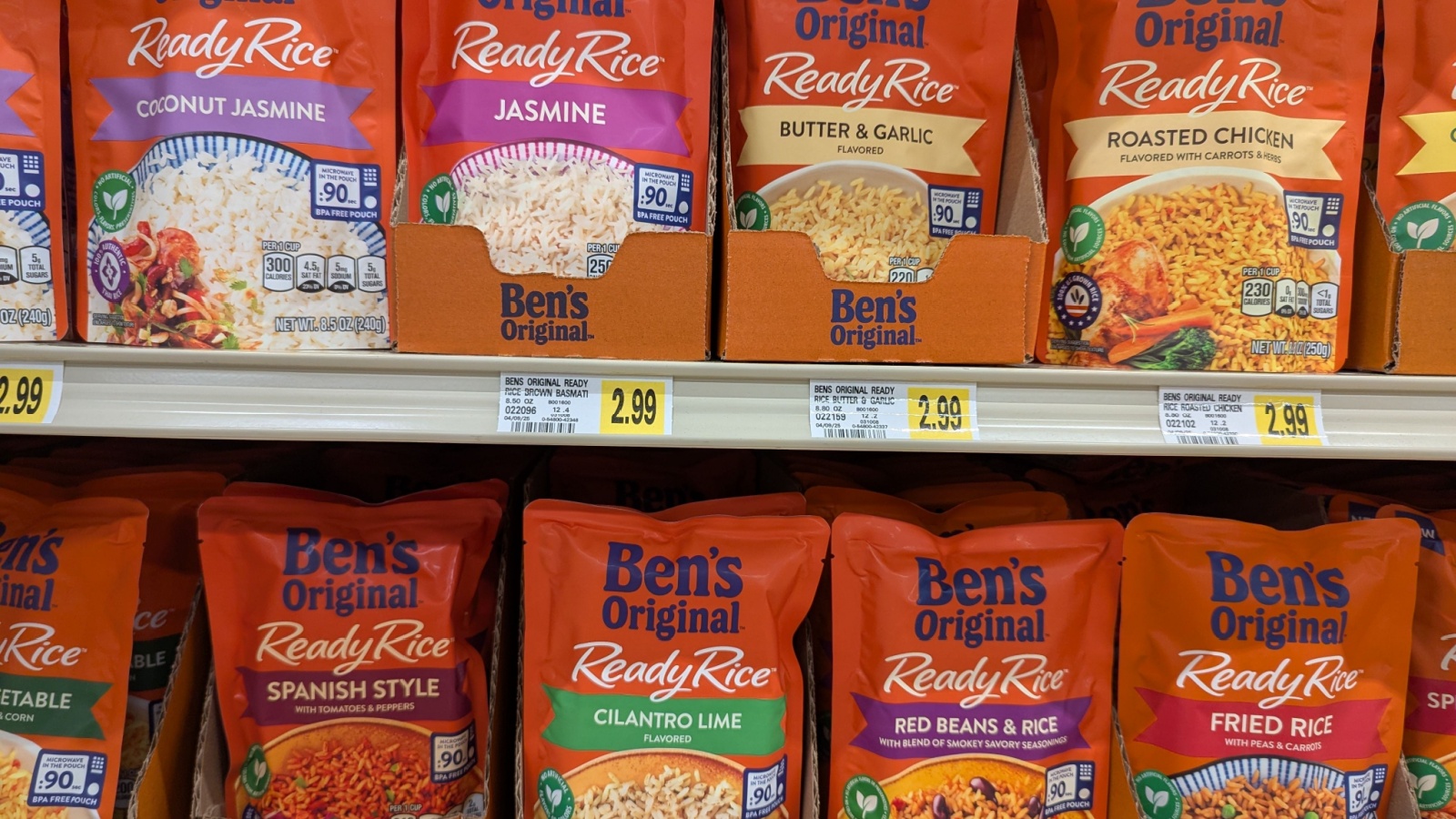
Rice has long been considered a budget staple, but store-brand pricing is no longer consistently lower than name brands. Global supply fluctuations, transportation costs, and packaging expenses have influenced pricing across all products. Name-brand rice is often discounted through promotions, making it competitive or cheaper than generic options. Store-brand rice typically maintains steady pricing, which can be higher during promotional periods. Canadians who rely on habit may not notice these changes.
Ice Cream

Ice cream has become a category where store-brand options are not always the cheapest choice. Rising dairy costs and production expenses have affected all products, narrowing the price gap between generic and branded options. Name-brand ice cream is frequently promoted through discounts, especially during seasonal sales, which can reduce prices below store-brand versions. Meanwhile, generic ice cream often maintains consistent pricing. Canadians who assume store brands are cheaper may pay more without realizing it. Portion sizes and ingredient quality also influence value, as some generic products offer less content or lower-quality ingredients at similar prices. This has made ice cream a category where careful comparison is necessary.
Frozen Fries
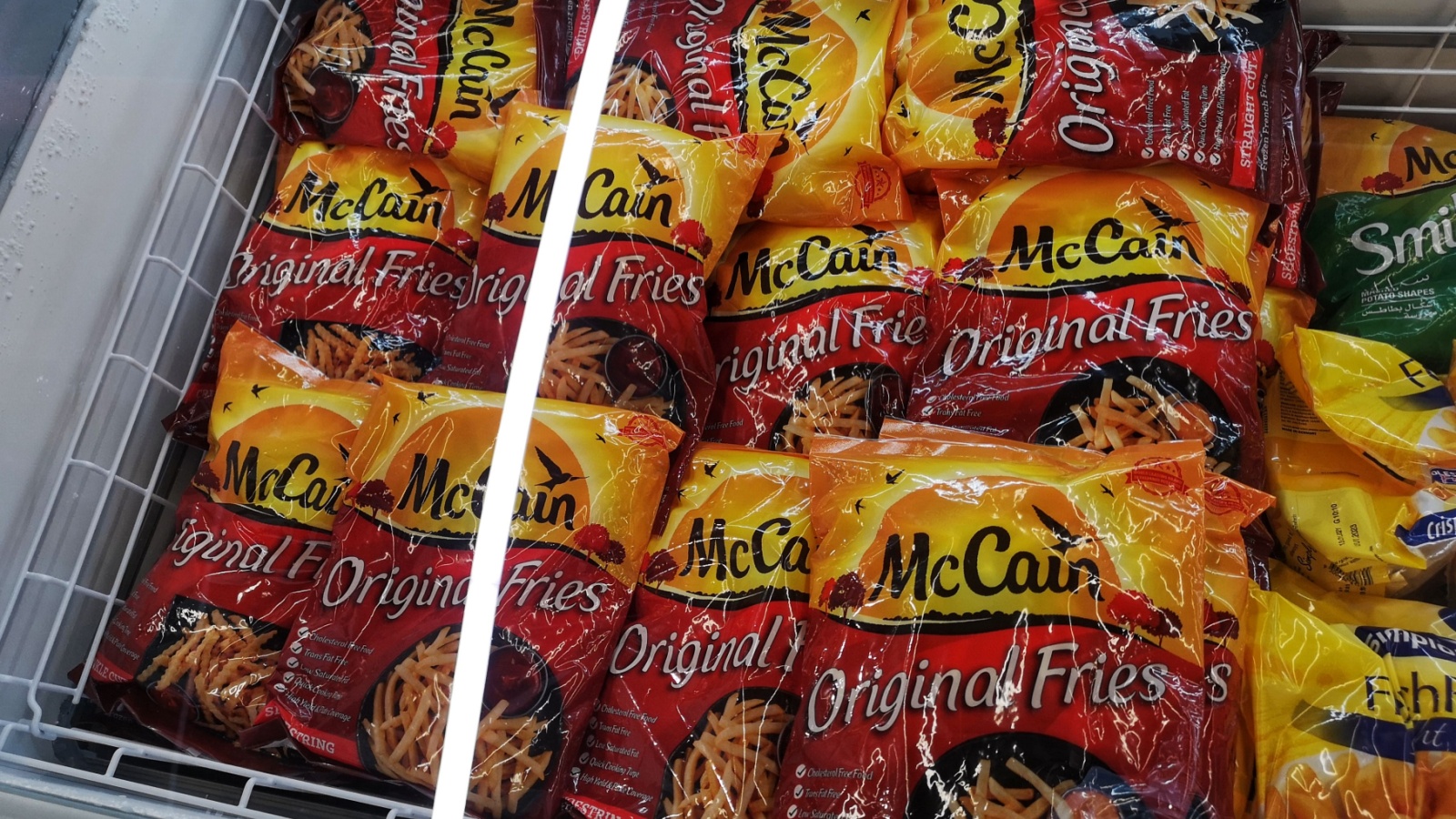
Frozen fries are a staple in many Canadian households, but store-brand versions are no longer consistently cheaper than name brands. Increased costs for potatoes, processing, and transportation have affected pricing across the category. Name-brand frozen fries are often included in promotions, which can bring their prices down to levels below those of generic options. Store-brand fries typically maintain steady pricing, limiting savings opportunities. Canadians who rely on assumptions may end up paying more for generic products. Packaging size and cut variations also influence value, making comparison important. This shift highlights how grocery pricing has become more dynamic, requiring active evaluation rather than relying on labels.
19 Things Canadians Don’t Realize the CRA Can See About Their Online Income

Earning money online feels simple and informal for many Canadians. Freelancing, selling products, and digital services often start as side projects. The problem appears at tax time. Many people underestimate how much information the CRA can access. Online platforms, banks, and payment processors create detailed records automatically. These records do not disappear once money hits an account. Small gaps in reporting add up quickly.
Here are 19 things Canadians don’t realize the CRA can see about their online income.
