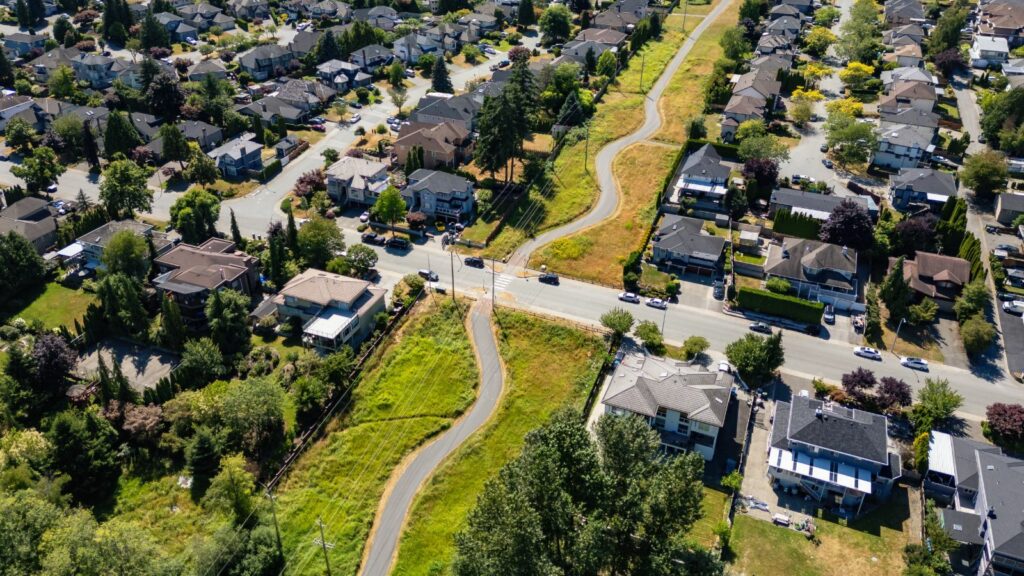
Canada’s most interesting city story in 2026 is not just about cranes or headline growth. It is about daily life getting easier, greener, faster, and more enjoyable in visible ways. Across the country, transit extensions, waterfront rebuilds, housing acceleration, street redesigns, and major civic projects are starting to reshape how people move, gather, and live. These 15 Canadian cities stand out because the upgrades feel tangible rather than theoretical. Some are already open and changing routines now, while others are far enough along to influence where people choose to live, work, and spend time. Taken together, they show how quality of life has become one of the country’s biggest urban competitions.
1. Toronto

Toronto’s 2026 lifestyle upgrade is no longer just a planning document. The eastern waterfront has become more real, more usable, and more inviting with the arrival of Ookwemin Minising and Biidaasige Park. That matters because Toronto’s biggest weakness has often been the gap between its growth and its public realm. A new island edged by wetlands and major parkland changes the city’s feel, not just its skyline, giving residents more room to walk, cycle, linger, and actually enjoy the lakefront rather than merely pass by it.
The next shift is mobility. Waterfront East Transit now has firm government backing, and it is designed to connect Union Station to the eastern waterfront while unlocking a large new housing corridor. That kind of project changes how people think about the city’s future: the east end stops feeling like a promising edge case and starts feeling like a fully connected urban district. In a city where commute quality shapes almost everything, that is a genuine lifestyle upgrade.
2. Montréal
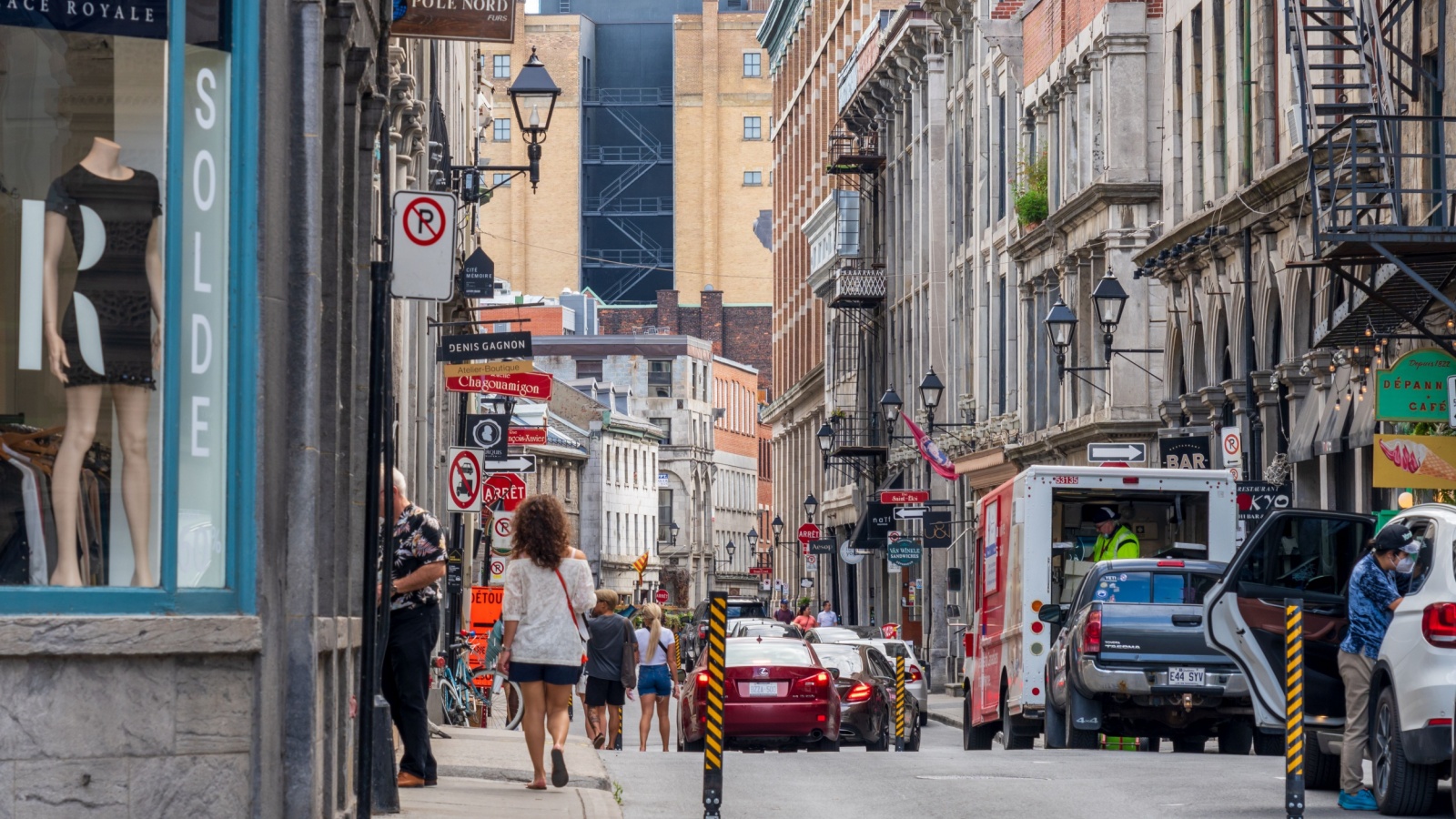
Montréal enters 2026 looking even more like North America’s most livable big city for people who want a richer street life and less dependence on a car. Its cycling system keeps getting harder to ignore. The city’s Express Bike Network is planned as a 191-kilometre protected system, and Montréal’s total bike network already stretches well past 1,000 kilometres, with a large year-round portion. That does not just help athletes or urbanists. It changes weekday life for students, parents, office workers, and anyone who wants an easy errand city instead of a stressful one.
Transit and east-end growth are also pushing the city forward. STM’s bus network redesign is rolling into service in spring 2026, while the long-awaited Blue Line expansion remains one of the most important projects for better access in the east. Together, those moves reinforce what Montréal already does well: neighbourhood living. The upgrade here is not one flashy ribbon-cutting. It is the steady deepening of a city where daily routines can feel lighter, more flexible, and more local.
3. Calgary
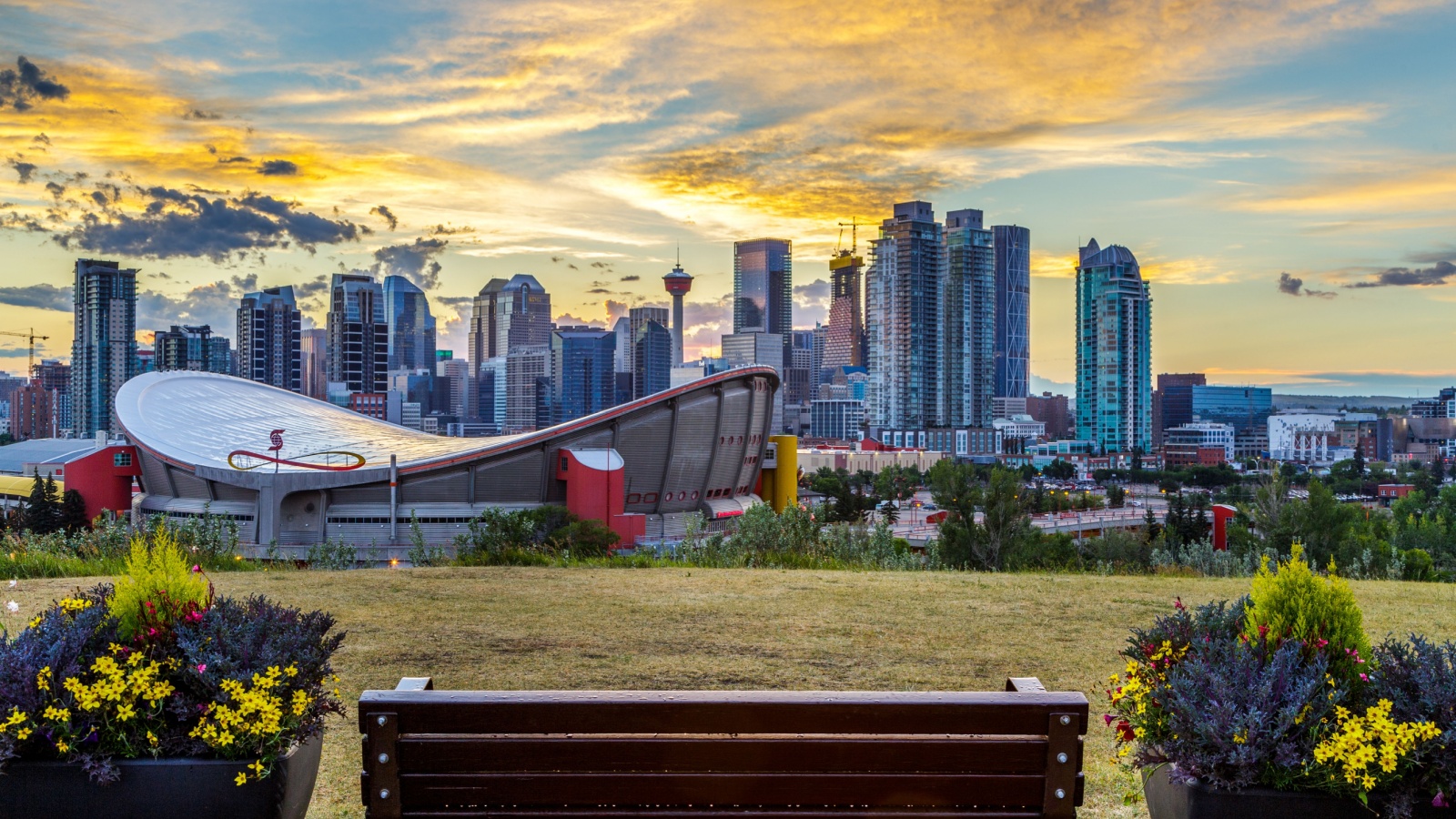
Calgary’s lifestyle jump in 2026 is tied to one of the clearest downtown reinventions in the country. The expanded BMO Centre has already given the city a bigger convention and events engine, and the surrounding cultural investments are making the core feel more ambitious. Projects tied to the Werklund Centre transformation, Olympic Plaza, and Stephen Avenue signal that Calgary is not merely adding square footage. It is trying to make downtown more walkable, more active, and more culturally magnetic for residents as well as visitors.
The second piece is housing and movement. Calgary’s office-conversion program has become one of the most practical urban recovery stories in Canada, with thousands of homes being created from underused downtown office space. Add in the Green Line finally moving into a more decisive construction phase, and Calgary starts to feel less like a city built only around driving and detached houses. The result is a more mixed, more urban, and more interesting version of Calgary that gives people better options for where and how they want to live.
4. Halifax
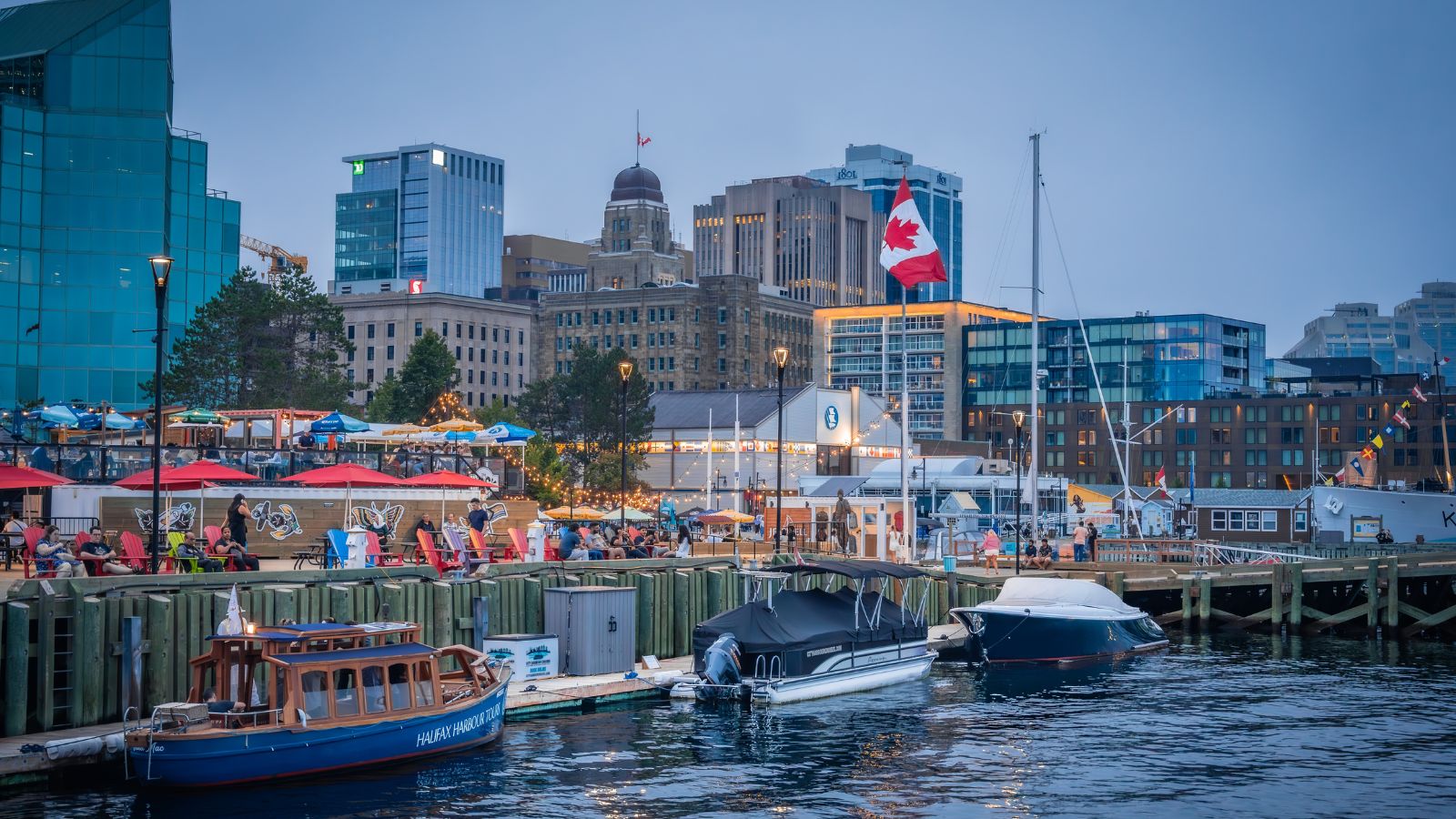
Halifax has one of the most visible city-building stories in Canada right now because its upgrades are reshaping the heart of the city itself. The Cogswell District project is turning old road infrastructure into a new mixed-use neighbourhood with restored street connections, development blocks, cycling routes, open spaces, and a central urban square. That kind of change is unusually powerful in a mid-sized city. It reconnects places that were cut apart and makes downtown feel less like a collection of fragments and more like a real urban fabric again.
Transit and housing are reinforcing that momentum. Halifax’s rapid transit strategy envisions four bus rapid transit lines and three new ferry routes, a combination that could materially improve how the region moves. At the same time, its housing accelerator work is aimed at producing thousands of new units and widening housing choices. Put together, Halifax is upgrading both the postcard version of the city and the practical version. It is becoming easier to picture a life there that is not only scenic, but smoother and more functional.
5. Ottawa
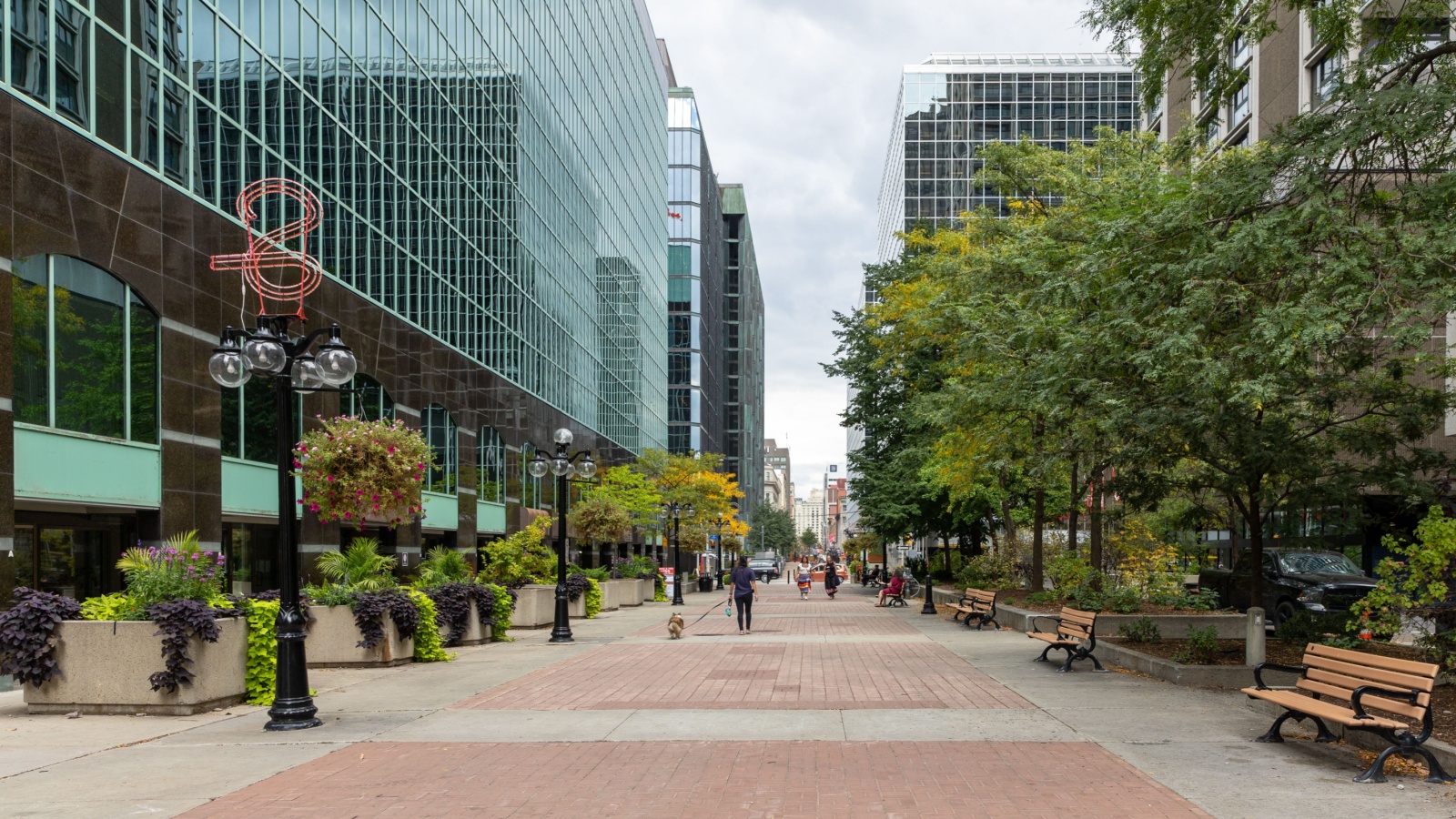
Ottawa’s 2026 upgrade is easy to underestimate because the city’s changes often arrive quietly. But the return and expansion of O-Train Lines 2 and 4 significantly improved the south-end network, including the airport link, and that matters in a city where mobility has often felt patchy outside the core. When rail becomes more useful for ordinary trips, the city starts feeling smaller in the best possible way. Commutes simplify, transfers feel less punishing, and whole parts of Ottawa become more realistic for work, school, and leisure.
Then there is Ādisōke, the major new joint facility from Ottawa Public Library and Library and Archives Canada, set to open in 2026. Projects like that do more than add architecture. They give a city a modern civic anchor, somewhere that symbolizes culture, learning, and public life at once. Add Ottawa’s housing accelerator funding and the ByWard Market public-space work moving toward construction, and the city begins to look more rounded. It still has its government-town reputation, but 2026 is making it feel more like a complete city.
6. Edmonton
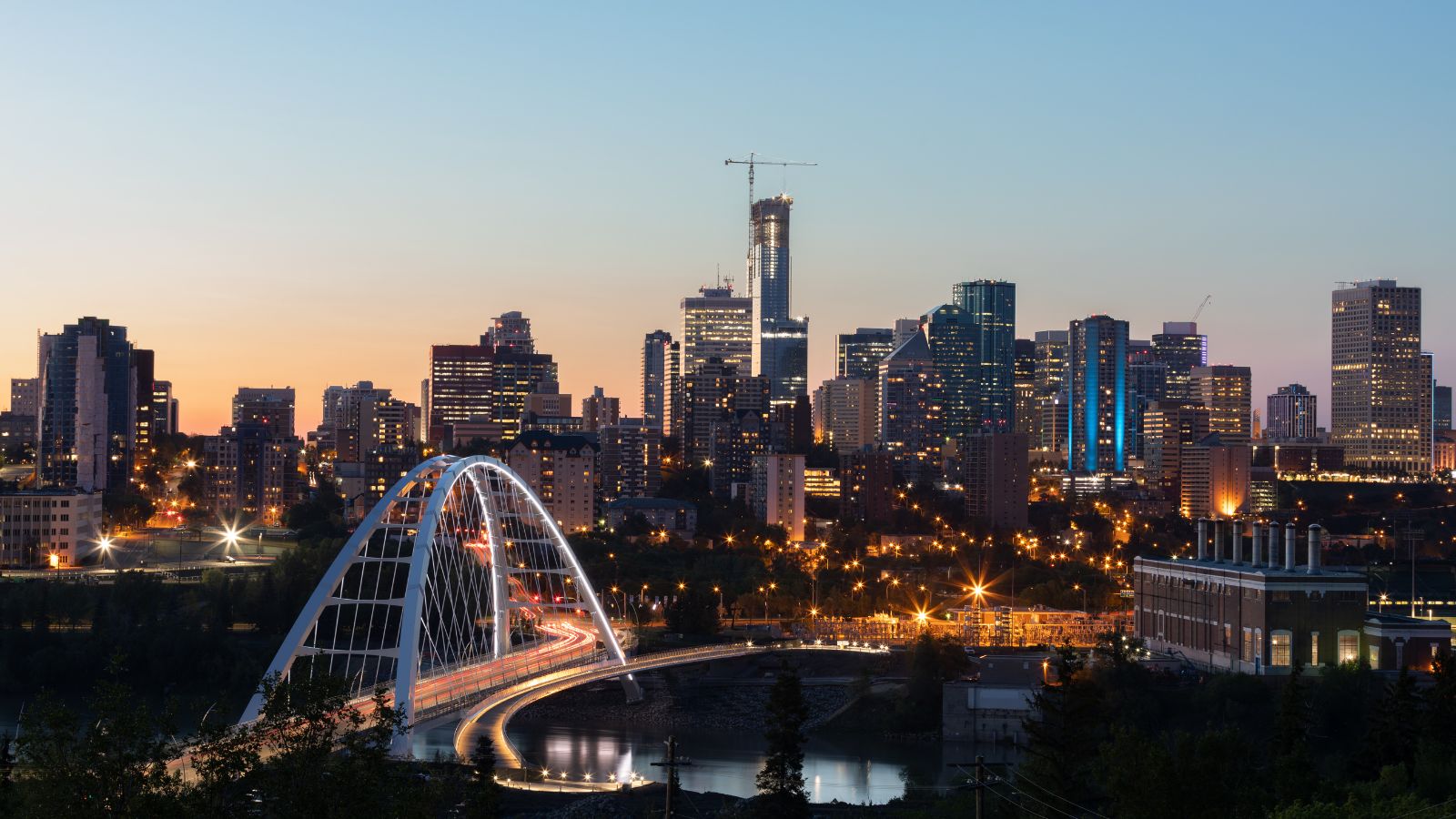
Edmonton’s 2026 lifestyle upgrade is rooted in a more human downtown. O-day’min Park, the former Warehouse Park project, has turned what had been rougher and less memorable land into a significant new public green space. Parks can sound soft compared with transit megaprojects, but in practice they matter enormously. They change how a district feels after work, whether families linger, and whether new housing nearby seems desirable instead of merely available. Edmonton’s downtown needed more reasons to stay, not just more reasons to pass through.
The city is also making structural changes that affect ordinary housing choices. Edmonton’s new zoning bylaw is being implemented, and its downtown attainable housing incentive launched in 2026 to help reduce vacant lots and speed more practical rental supply. Meanwhile, Blatchford continues to represent a different model of central living, with parks, LRT access, bike connections, and local retail built into the vision. Edmonton’s upgrade is therefore broader than one shiny project. It is a shift toward a more flexible, greener, and more lived-in urban experience.
7. Vancouver
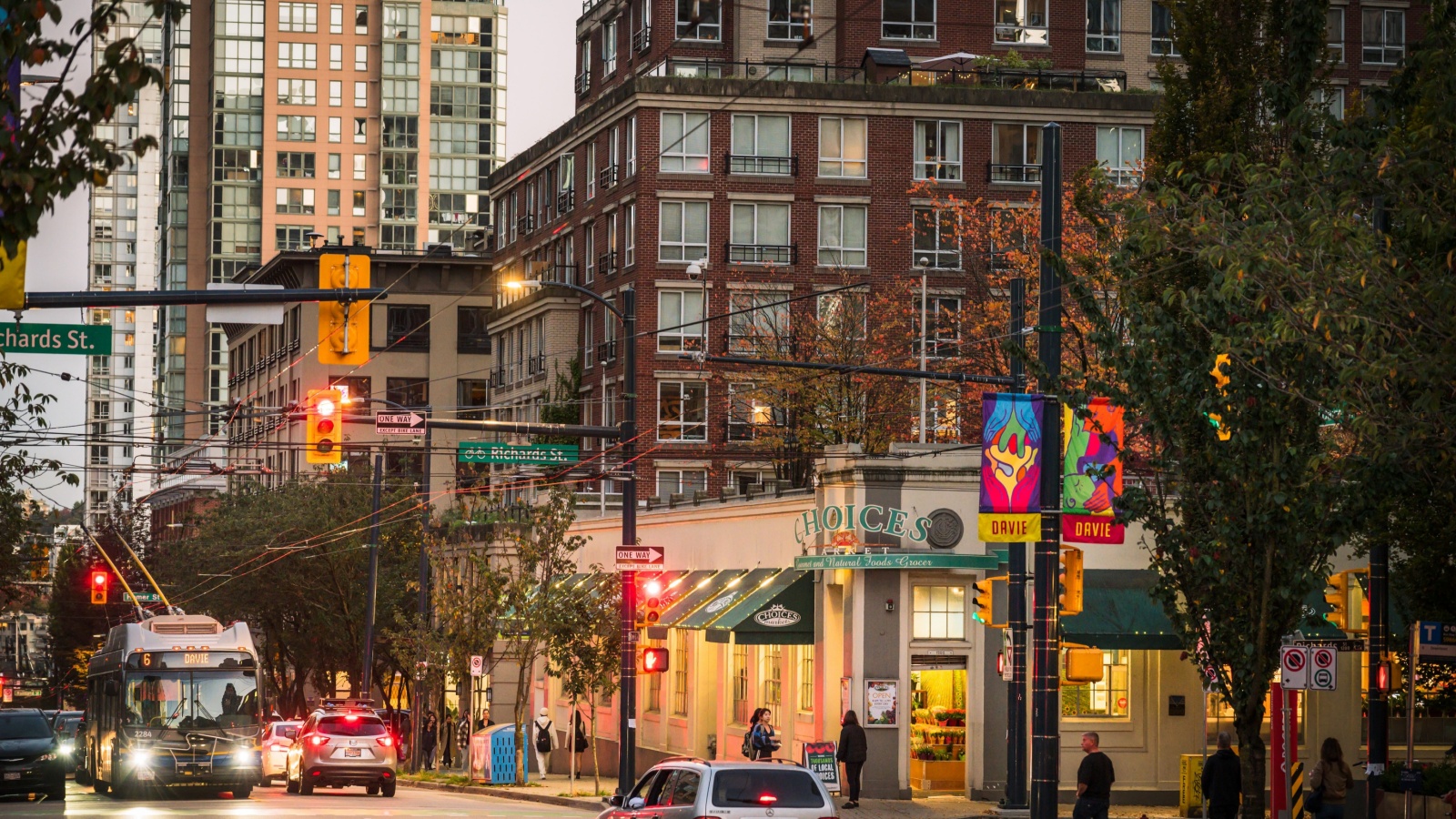
Vancouver’s 2026 upgrade is defined by a corridor that is already shaping the city before the trains even start running. The Broadway Subway will dramatically cut travel time between VCC–Clark and Arbutus and will carry far more people than the current 99 B-Line. Even before opening, that level of transit certainty changes behaviour. It affects where developers build, where renters look, where businesses expand, and how residents imagine the city’s future. The result is a corridor that feels like it is maturing into a more complete urban spine.
That shift is backed by the broader Broadway Plan, which points to major new housing and job growth over time. In practical terms, Vancouver is trying to add density in one of the few ways that can actually feel livable: pairing more homes with rapid transit, services, and public amenities. The city’s 2026 budget also maintained important community services, which matters in a place where affordability pressure can easily hollow out everyday life. Vancouver is still expensive, but 2026 is pushing it toward a city where convenience and density align a little better.
8. Winnipeg
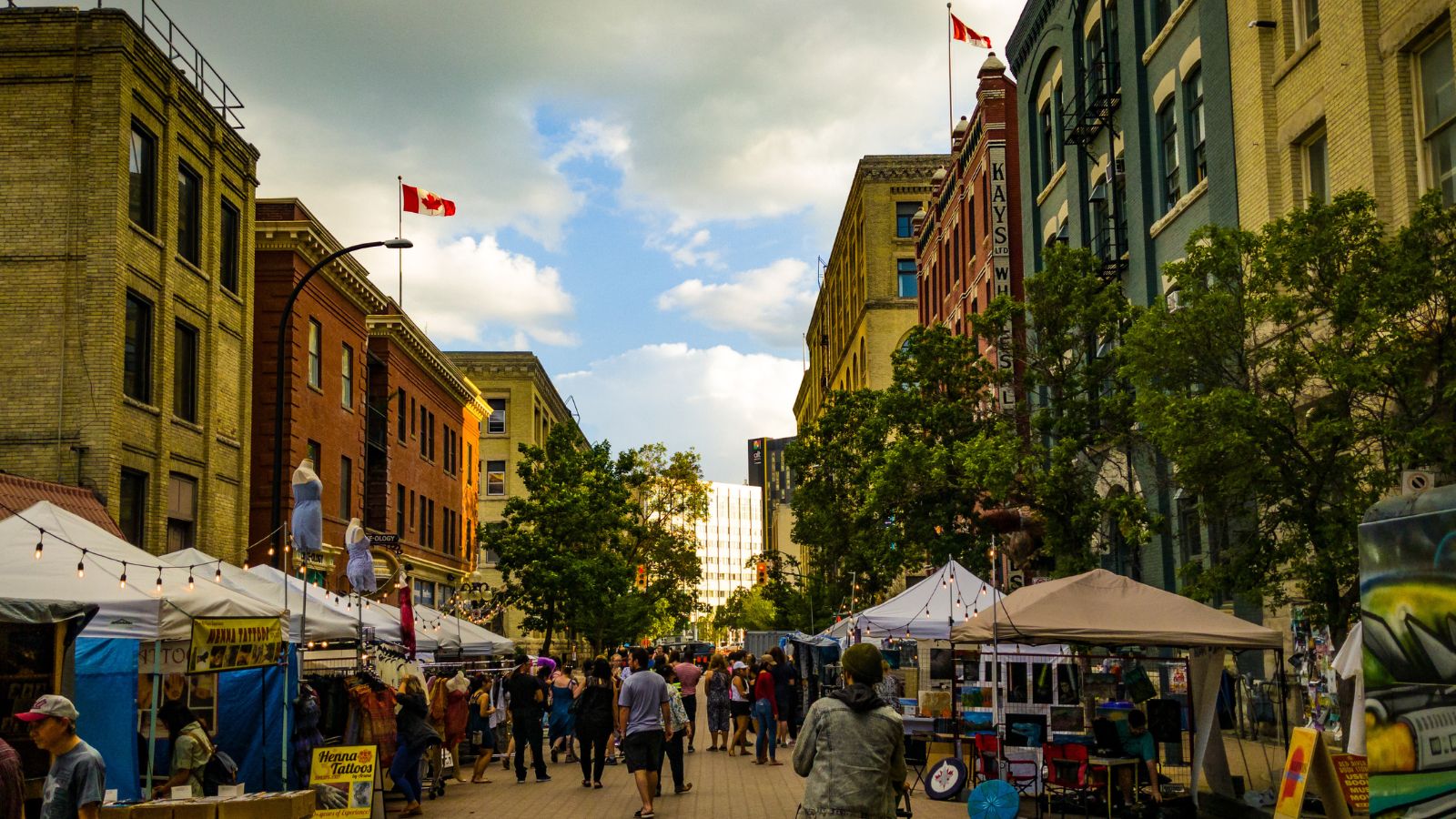
Winnipeg’s 2026 upgrade feels more dramatic than outsiders might expect. The Primary Transit Network launched in 2025, replacing the old route structure with a new system meant to be more frequent and more legible. That is the kind of change residents notice quickly, because it touches school runs, job commutes, and weekend plans. Around the same time, Portage and Main reopened to street-level pedestrians for the first time in decades, which was not just symbolic. It altered the feel of one of the city’s defining intersections.
The city is also starting to line up housing and downtown planning behind those changes. CentrePlan 2050 is intended to guide how downtown parks, streets, and buildings evolve, while Housing Accelerator Fund work is supporting affordable and missing-middle projects. Winnipeg’s best 2026 story is that it is getting easier to imagine a more walkable and connected version of the city. That may sound modest compared with a brand-new subway, but for daily quality of life, those shifts can be just as meaningful.
9. Hamilton
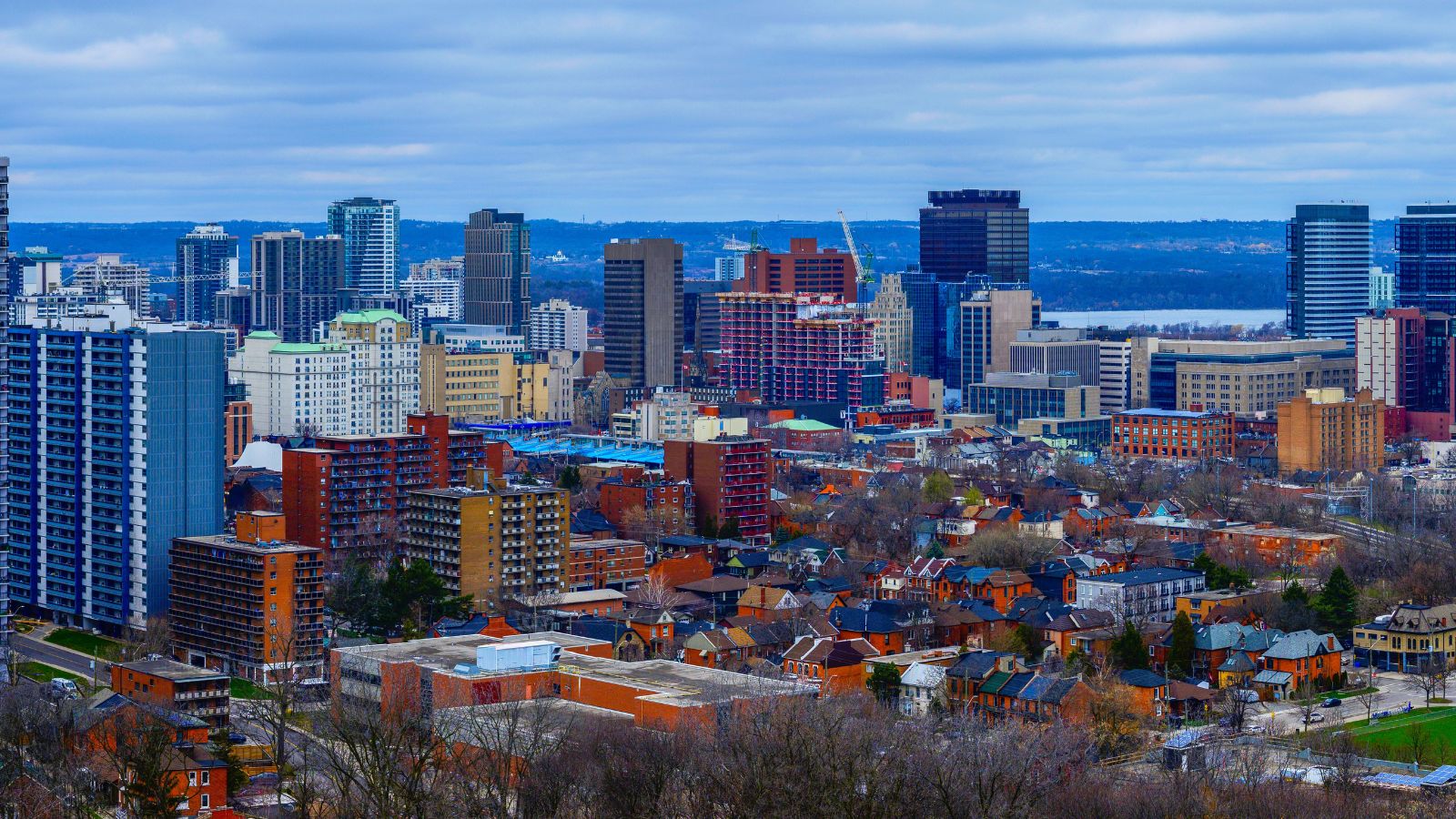
Hamilton’s 2026 lifestyle upgrade is about momentum finally becoming visible. The LRT remains the headline project because it promises a more reliable east-west spine through the city, direct connections to major destinations, and a streetscape upgrade along the corridor. That matters because Hamilton’s future depends heavily on making urban living feel easier and more coherent. A city with better transit and better streets is a city where more people can justify living centrally, spending locally, and building daily routines around neighbourhood life instead of constant driving.
The waterfront story matters just as much. The transition of Hamilton Waterfront Trust services and assets to city management in 2026 gives Hamilton a chance to treat its waterfront more as a core civic asset than a separate zone. That complements the larger West Harbour redevelopment vision and the city’s ongoing housing accelerator work. Hamilton has long had the ingredients of a great lifestyle city: water, topography, historic neighbourhoods, and Toronto access. What 2026 shows is a city getting more serious about turning those ingredients into a stronger everyday experience.
10. Surrey

Surrey’s upgrade in 2026 is unusually future-facing, but it is already changing the city’s identity. The Surrey Langley SkyTrain is under active construction, and the project is not a minor extension. It is a 16-kilometre expansion that will improve regional access in one of the fastest-growing parts of the country. When a suburb gets that kind of transit backbone, it begins to behave less like a commuter appendage and more like a city with its own gravity. That is a major lifestyle shift for residents who want mobility without always pointing west to Vancouver.
Health care and housing are adding to that momentum. The new Surrey hospital and BC Cancer Centre is meant to bring more care closer to home, and Surrey’s housing action plan has already delivered a substantial number of approved units. The result is a city that is becoming more complete in practical ways: better transit, more housing, more health infrastructure, and a larger civic confidence. Surrey’s 2026 upgrade is not about polishing what already existed. It is about maturing into a place with its own full urban logic.
11. Kitchener-Waterloo
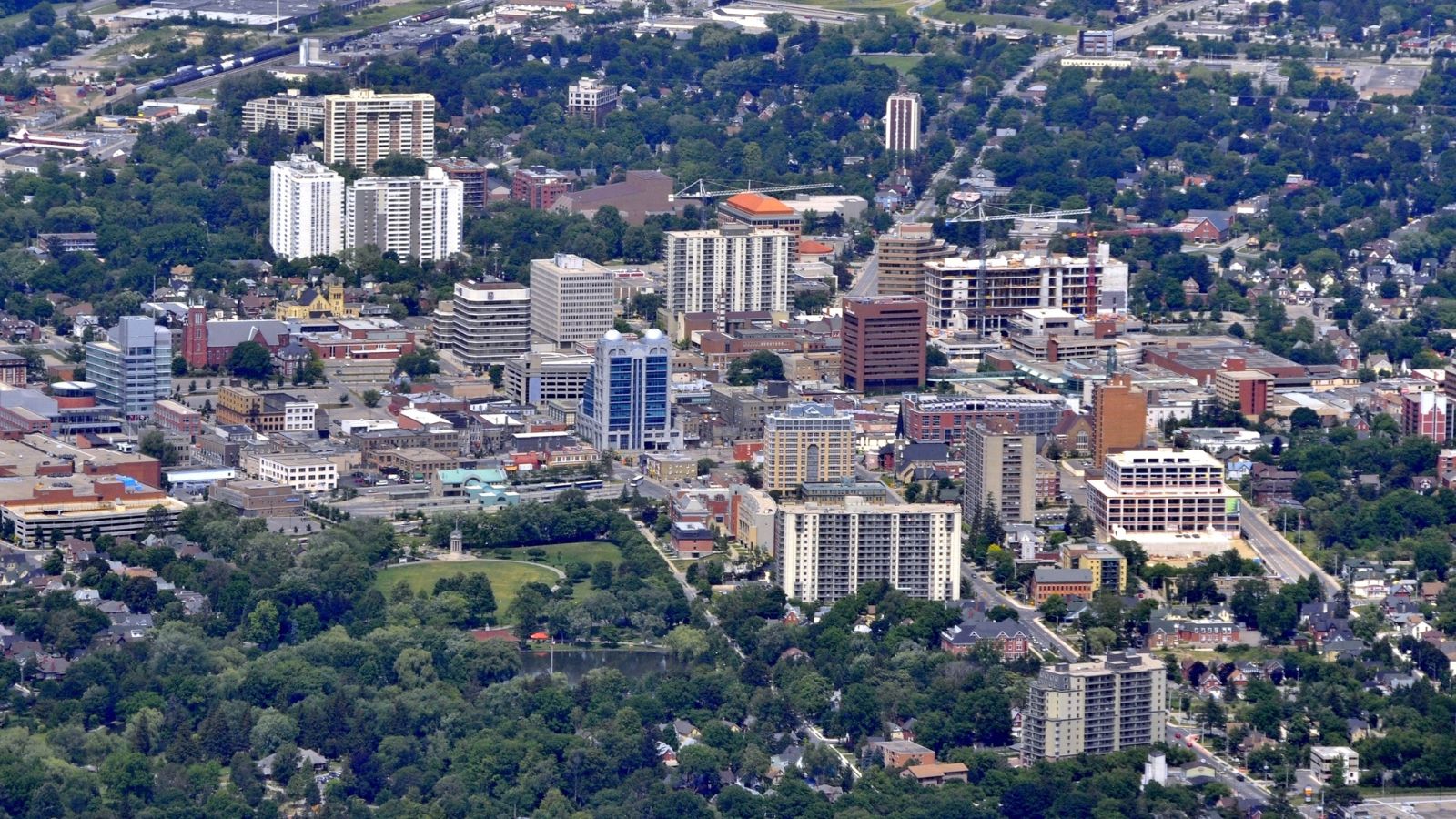
Kitchener-Waterloo’s 2026 upgrade is the kind that makes a region feel more grown up. The Kitchener Central Transit Hub is being treated as a transformational gateway project, and that framing makes sense. Places start to feel like major urban centres when arrival points matter, when transit is not merely functional but part of the civic identity. The region is also adding hybrid buses and continuing to upgrade transit infrastructure, which helps reinforce the idea that this is no longer just a cluster of adjacent municipalities with separate rhythms.
Health care and housing add depth to that story. Waterloo Region’s new hospital planning points to a much bigger long-term care platform, while transit improvements and redevelopment efforts continue to reshape how people use Kitchener and Waterloo day to day. The region’s appeal has already grown because of tech employment, universities, and relative affordability compared with Toronto. In 2026, the lifestyle upgrade is that the public realm and public systems are catching up. The corridor is starting to feel not just economically successful, but increasingly convenient and complete.
12. Victoria
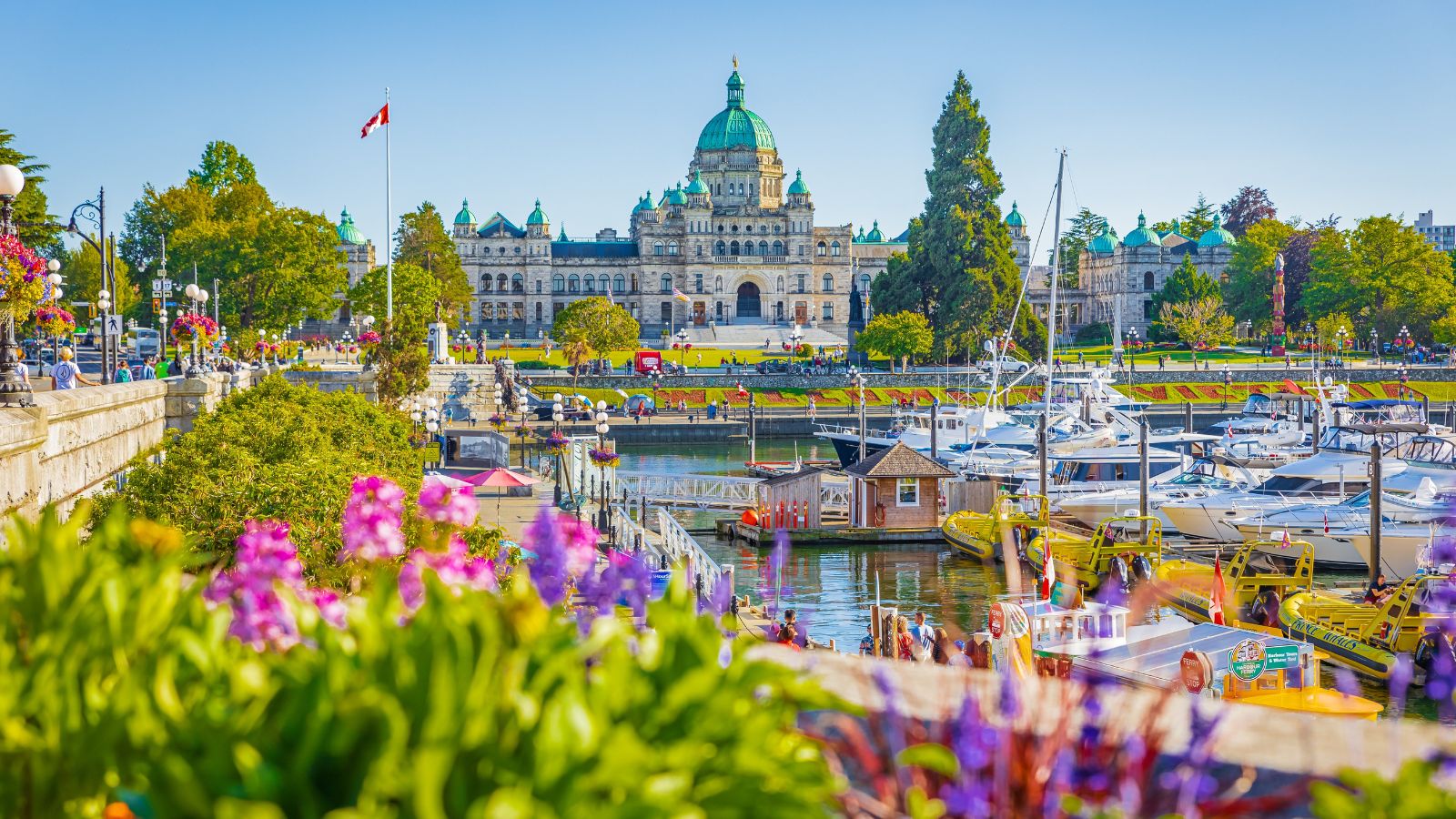
Victoria’s 2026 upgrade is understated, but it is real and unusually coherent. The Belleville Terminal redevelopment is modernizing a crucial Inner Harbour gateway, improving the travel experience while refreshing one of the city’s most visible arrival points. At the same time, the city is continuing multi-modal upgrades on important corridors like Blanshard and Cook. Those are the sorts of projects that can sound technical in a budget document but feel meaningful in real life: safer crossings, better cycling space, smoother sidewalks, and streets that work better for more kinds of users.
Victoria already had a strong lifestyle base, which is why these improvements matter. They build on a city where a high share of trips are already made by walking, cycling, or rolling. Housing policy is also part of the picture, especially measures that aim to support non-market rental supply. So Victoria’s 2026 leap is not an abrupt reinvention. It is refinement. The city is getting better at the details that make everyday life feel civilized: how people arrive, how they move, and whether they can imagine staying long term.
13. Kelowna
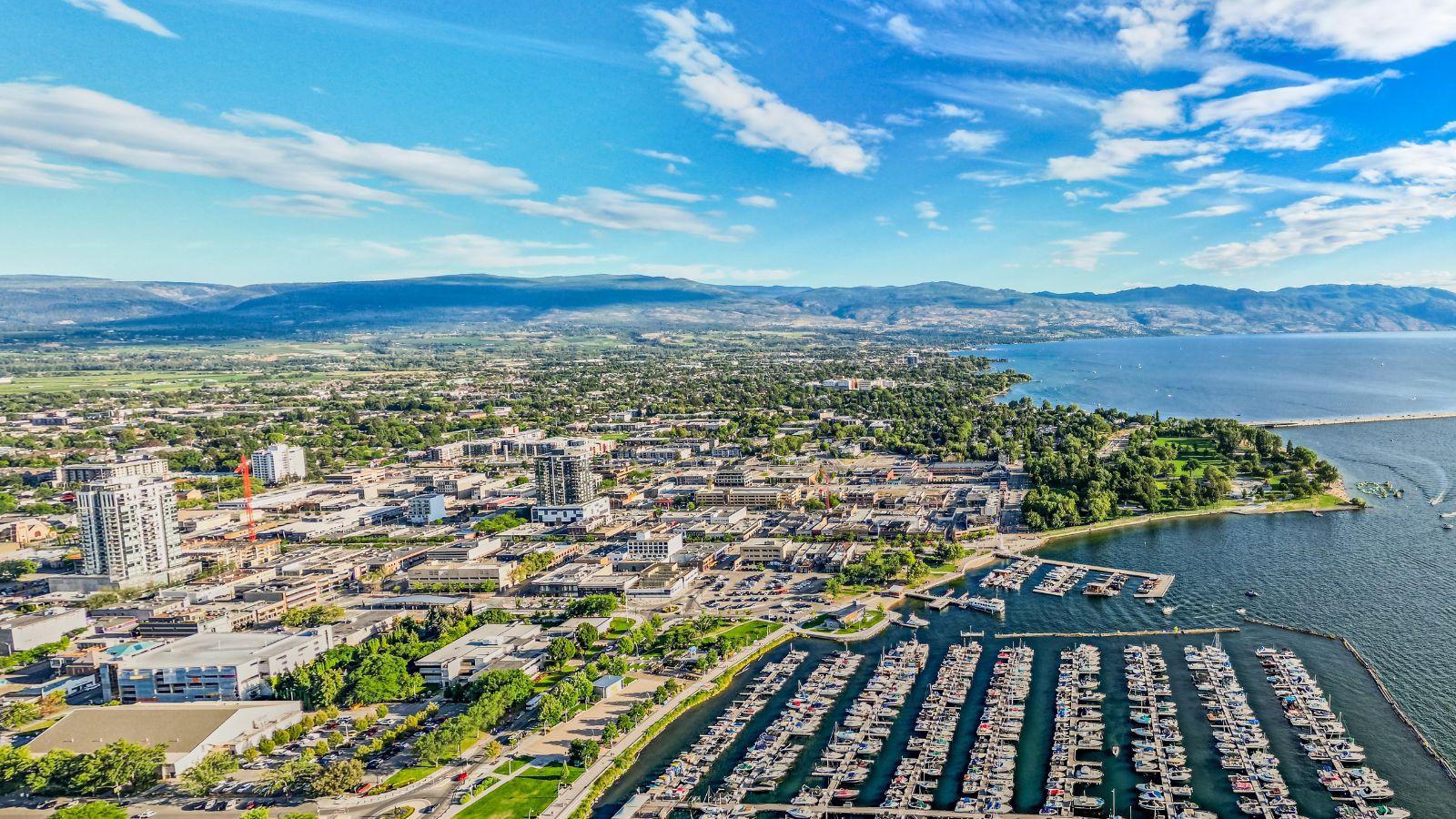
Kelowna’s 2026 upgrade is unusually broad because it is happening across transportation, recreation, education, and public space at the same time. The city is advancing a very large infrastructure program this year, including transportation projects, utility work, and park improvements. That matters in a fast-growing place where quality of life can slip quickly if roads, trails, and civic facilities lag behind growth. Kelowna’s current approach suggests the city understands that growth only feels positive when it is matched by real upgrades in how people get around.
Transit service improved again at the start of 2026, with more hours and better service on key routes, while the UBCO Downtown project continues to add intellectual and cultural weight to the core. There is also a clear link between transportation work and access to the future Parkinson Recreation Centre. Together, those projects make Kelowna feel less like a beautiful place struggling with growth and more like a city building the systems to support it. That is a meaningful shift for residents deciding whether the Okanagan lifestyle can still function year-round.
14. Moncton
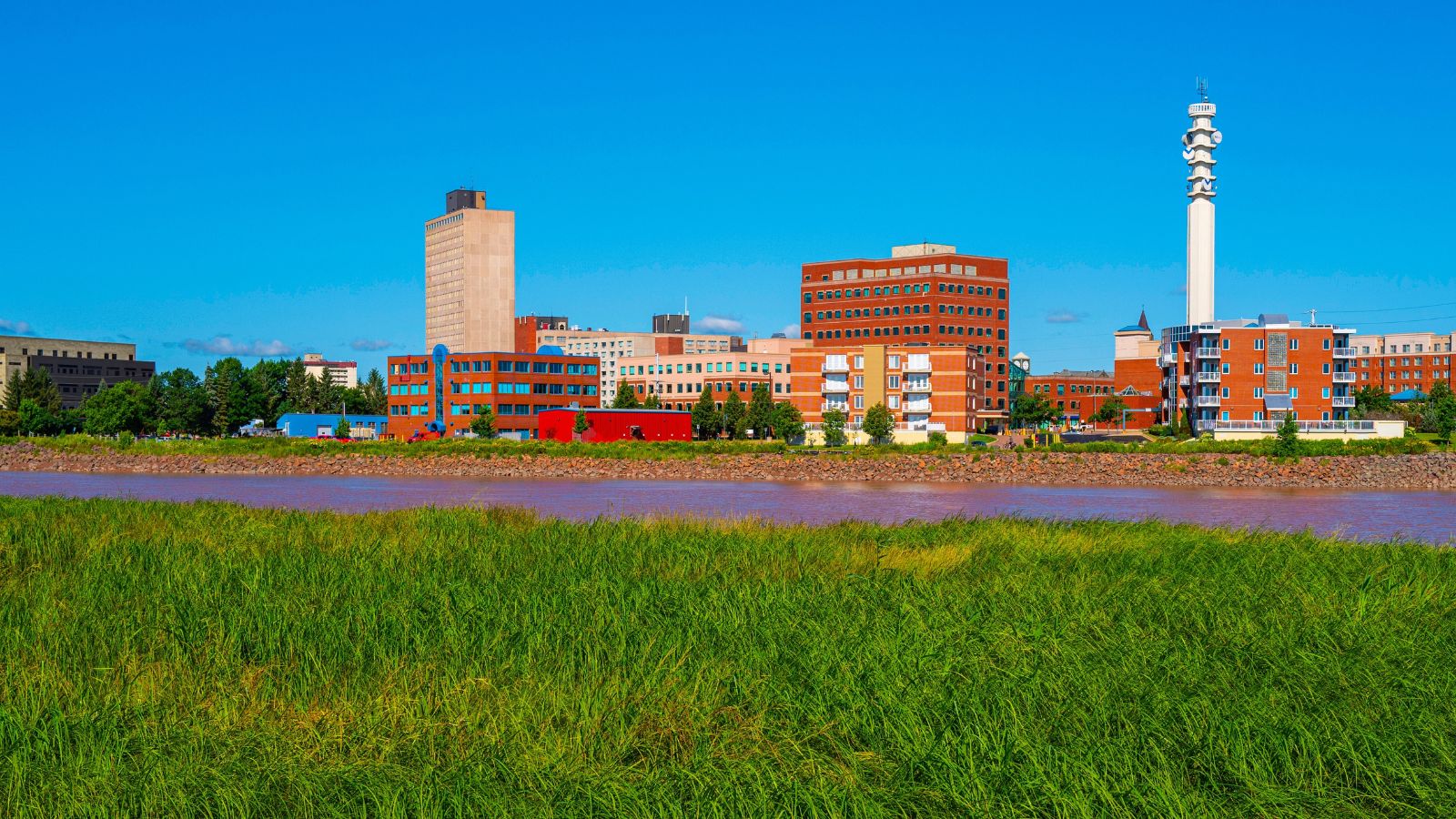
Moncton’s 2026 upgrade is driven by sheer development momentum. The city just posted a record year for building permits, and the scale of that growth says something important: Moncton is no longer only a lower-cost alternative in Atlantic Canada. It is becoming a city where expansion is visible in housing, institutions, and commercial activity all at once. That matters because lifestyle is partly about confidence. When a city is clearly investing and growing, residents feel the difference in energy, amenities, and the range of choices available to them.
What makes Moncton more interesting is that the city is pairing that growth with a stronger long-range urban idea. Its Urban Growth Strategy gives priority to downtown and speaks directly to housing options and year-round activity. Even smaller upgrades, like modernizing parking systems, matter in a city trying to make the core easier to use. Moncton’s 2026 lifestyle jump is therefore not just about more buildings. It is about becoming more urban in the practical sense: easier to live in, easier to navigate, and more compelling beyond pure affordability.
15. Windsor
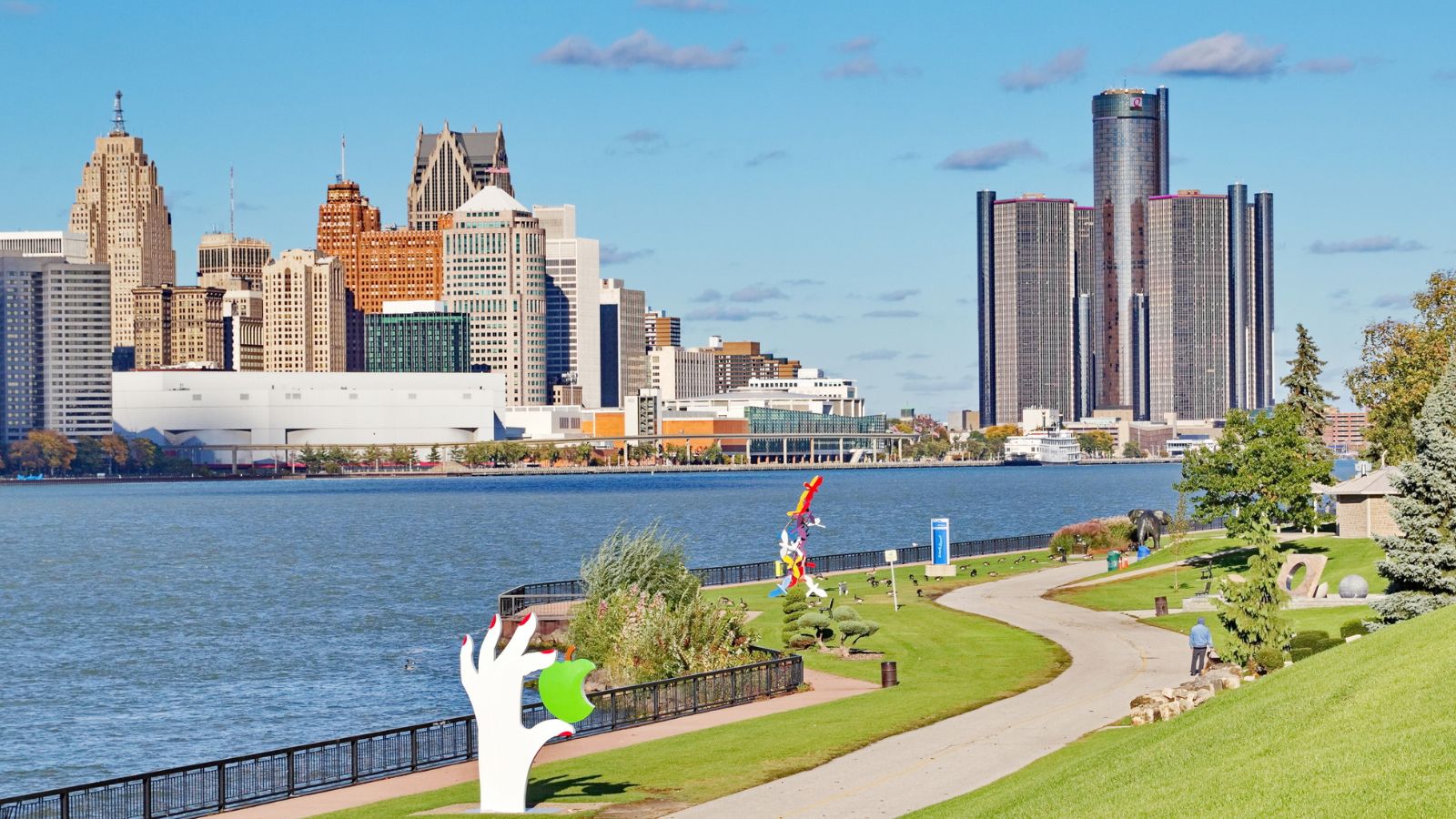
Windsor’s 2026 upgrade comes from an unusual combination of industrial scale and urban catch-up. The grand opening of the massive NextStar battery facility adds jobs, supply-chain confidence, and a sense that Windsor is part of a much bigger North American manufacturing story again. That kind of momentum spills into everyday life faster than many people assume. It changes confidence, spending, and the seriousness with which housing and downtown plans are pursued. Cities often feel more livable when they feel more economically certain, and Windsor is getting some of that lift.
The municipal side matters too. Windsor’s 2026 budget includes its largest 10-year capital plan ever, with spending for community services, transit, roads, and culture. Housing projects on city-linked sites, including major downtown and riverfront opportunities, point to a city trying to translate economic momentum into a better urban experience. Add waterfront-related community benefits tied to the Gordie Howe bridge corridor, and Windsor starts to look less like a city waiting for renewal and more like one actively building it into daily life.
19 Things Canadians Don’t Realize the CRA Can See About Their Online Income

Earning money online feels simple and informal for many Canadians. Freelancing, selling products, and digital services often start as side projects. The problem appears at tax time. Many people underestimate how much information the CRA can access. Online platforms, banks, and payment processors create detailed records automatically. These records do not disappear once money hits an account. Small gaps in reporting add up quickly.
Here are 19 things Canadians don’t realize the CRA can see about their online income.
