
March is often the time when many Canadians finally start removing the signs of winter from their vehicles. Months of snow, road salt, sand, and slush can leave cars looking dirty and worn. These winter conditions can also cause long-term damage if the buildup is not cleaned properly. As temperatures rise and roads begin to clear, many drivers focus on giving their vehicles a deep seasonal clean. From undercarriage washes to interior vacuuming, spring cleaning habits help protect vehicles after harsh winter driving. These cleaning routines also improve comfort and visibility on the road. Here are 15 car cleaning trends Canadians are following in March to remove winter salt and refresh their vehicles.
Booking Full Undercarriage Washes to Remove Winter Salt

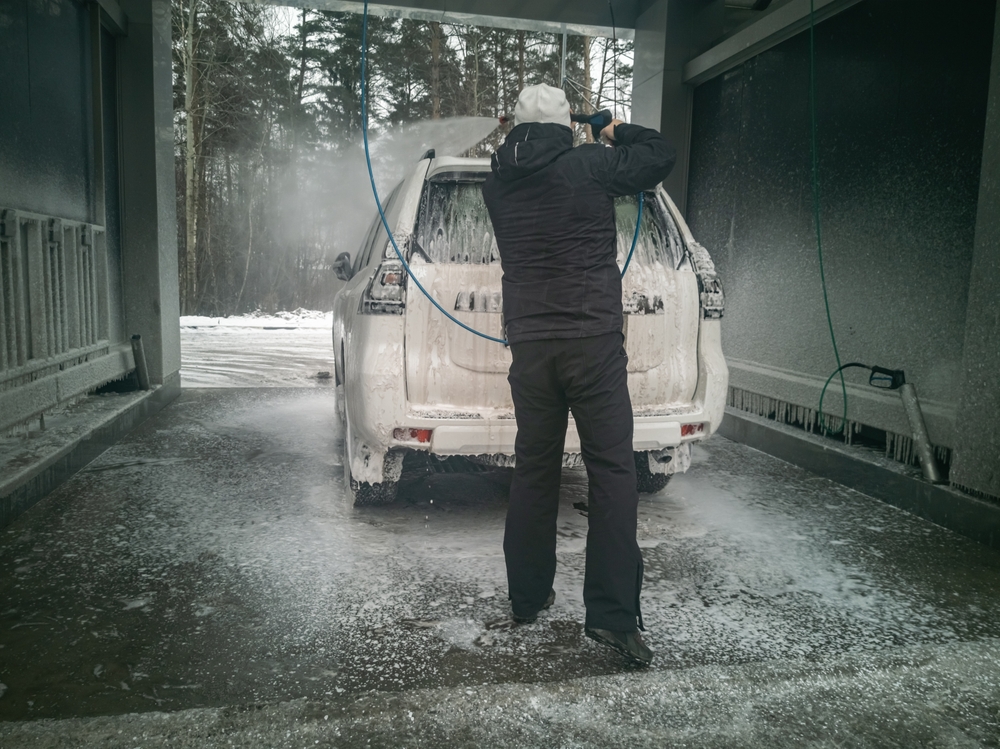
Winter roads across Canada often contain large amounts of salt used to melt ice. While this helps improve road safety, salt can collect underneath vehicles during the season. Over time, this buildup may lead to rust and corrosion on metal components. Many Canadians schedule full undercarriage washes in March to remove this salt residue. Car wash facilities often offer specialized cleaning options that spray water beneath the vehicle. This process helps wash away salt that may be difficult to reach during regular cleaning. Removing salt early helps protect suspension parts, brake lines, and other components. A thorough undercarriage wash is one of the most effective ways to prevent long-term damage after winter driving.
Using Touchless Car Washes More Frequently

Touchless car washes have become popular during early spring cleaning. These systems use high-pressure water and cleaning solutions instead of rotating brushes. Many Canadians prefer this method because it reduces the risk of scratching the vehicle’s paint. After winter, vehicles often carry layers of salt, mud, and road debris. Touchless washes help remove these materials quickly without physical contact. Drivers also appreciate the convenience of fast cleaning during busy weeks. Regular washes throughout March help prevent salt buildup from lingering on the vehicle. Keeping the exterior clean improves the car’s appearance and protects paint surfaces from corrosion caused by leftover winter road chemicals.
Cleaning Wheel Wells to Prevent Rust

Wheel wells collect large amounts of snow, slush, and road salt during winter driving. These areas often remain dirty even after a basic car wash. If salt stays trapped inside the wheel wells, moisture may create rust over time. Many Canadians now pay more attention to this part of their vehicle during spring cleaning. Using a pressure hose or detailed cleaning tools helps remove salt and debris. Some drivers also apply protective coatings after cleaning to help reduce corrosion. Regular attention to wheel wells helps extend the life of metal components near the tires. Cleaning these areas is an important step in protecting vehicles after harsh winter road conditions.
Vacuuming Winter Sand and Salt From Car Carpets
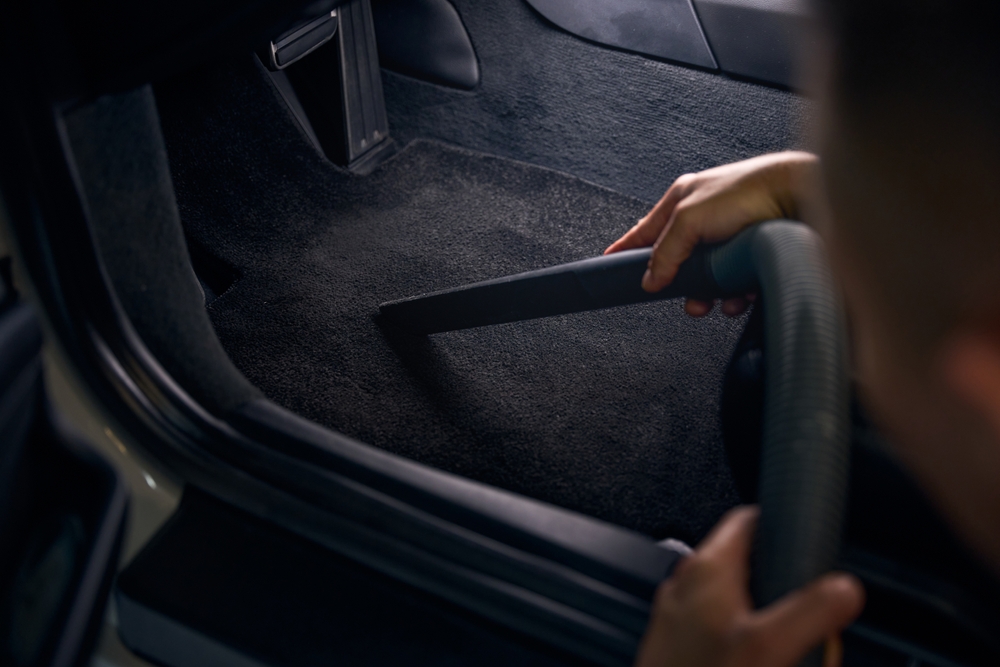
Winter driving often brings sand, salt, and moisture into vehicle interiors. Snow on boots melts inside the car and leaves behind gritty residue on carpets and floor mats. By March, many Canadians notice that their vehicle interiors feel dirty or damp. Vacuuming the carpets helps remove this accumulated debris. Strong vacuums can pull out salt particles that become trapped deep in carpet fibers. Removing this material also helps prevent unpleasant odors. Some drivers also shampoo carpets to restore their appearance. Cleaning the interior during early spring makes the vehicle more comfortable for everyday driving and prepares it for warmer weather.
Switching to Spring Interior Cleaning Products

Winter interior cleaning often focuses on removing moisture and heavy dirt. As spring arrives, many Canadians change the products they use inside their vehicles. Lighter cleaning sprays and interior wipes become more useful during warmer months. These products help remove dust and leftover winter grime from dashboards, consoles, and door panels. Some drivers also choose cleaners that protect surfaces from sunlight damage. Fresh interior products can improve the appearance and smell of the vehicle’s cabin. Regular interior cleaning helps maintain a pleasant driving environment after months of winter travel. Spring cleaning routines often include wiping surfaces and refreshing the entire interior.
Washing Floor Mats to Remove Salt Stains
Floor mats often collect the most salt during winter driving. Snow from shoes melts and leaves behind white salt stains that become difficult to remove. By March, many drivers notice these marks spreading across their mats. Washing the mats thoroughly helps remove both salt and trapped dirt. Rubber mats can be rinsed easily with water and mild cleaning solutions. Fabric mats may require deeper cleaning to restore their appearance. Allowing the mats to dry completely before placing them back in the vehicle helps prevent moisture buildup. Clean floor mats improve the look of the vehicle’s interior and reduce the amount of salt carried inside.
Using Microfiber Towels for Streak-Free Windows

Many Canadians focus on cleaning their vehicle windows once winter ends. During colder months, windshields often collect salt spray, road grime, and moisture streaks. By March, this buildup can reduce visibility, especially during sunny afternoons. Microfiber towels have become a popular choice for cleaning glass surfaces. These cloths remove dirt effectively without leaving lint behind. They also help prevent streaks that often appear when using paper towels or rough cloths. Drivers usually pair microfiber towels with glass cleaning spray for better results. Clean windows improve visibility during spring rain and bright sunlight. Keeping the windshield and window glass clear helps drivers maintain safer road awareness throughout the changing spring season.
Cleaning Door Seals and Rubber Trim After Winter

Rubber door seals and trim protect vehicle interiors from water and cold air. During winter, these seals collect salt, dirt, and moisture from snowy roads. By the time spring arrives, buildup may cause the rubber to dry or crack. Many Canadians now clean these areas as part of their spring car care routine. Wiping the seals with mild cleaners removes dirt and helps maintain flexibility. Some drivers apply rubber protectant products to keep the material from drying out. Properly maintained door seals prevent water leaks during spring rainstorms. Cleaning these areas also reduces squeaking or sticking doors that sometimes occur after long winter driving seasons.
Applying Protective Wax After Winter Road Damage
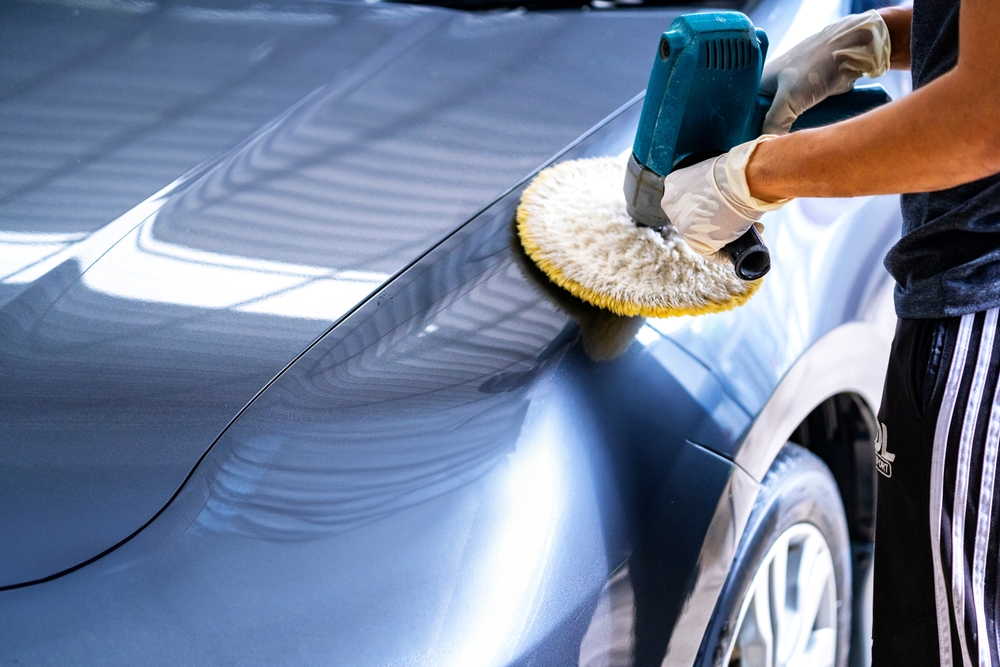
Winter conditions can be harsh on a vehicle’s exterior paint. Road salt, sand, and ice may leave small scratches or dull spots on the surface. As spring arrives, many Canadians apply a protective wax layer to restore shine. Wax creates a barrier that helps protect the paint from moisture and dirt. This protective coating also makes it easier to wash the vehicle later. Regular waxing can extend the life of the paint finish and improve the vehicle’s appearance. Some drivers choose to apply wax themselves, while others visit professional detailing services. Adding a fresh wax layer during spring helps protect the vehicle after months of winter road exposure.
Cleaning Headlights and Taillights for Better Visibility
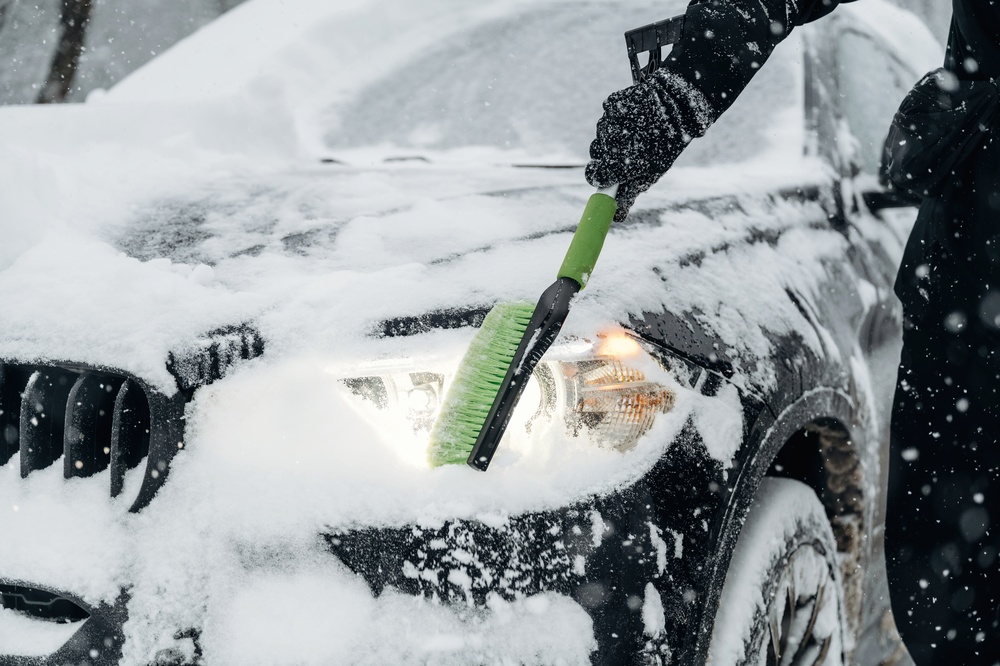
Headlights and taillights often collect grime during winter driving. Salt spray, mud, and road debris can leave these lights covered with dull residue. This buildup reduces brightness and visibility for both drivers and other vehicles. Cleaning the light covers during spring helps restore their clarity. Many Canadians use special plastic cleaners or polishing products for this task. These products remove cloudy film that sometimes develops over time. Clear headlights improve nighttime visibility and help drivers see the road better. Clean taillights also make braking signals more visible to other vehicles. Maintaining clear lighting helps improve overall road safety.
Removing Winter Storage Items From the Vehicle
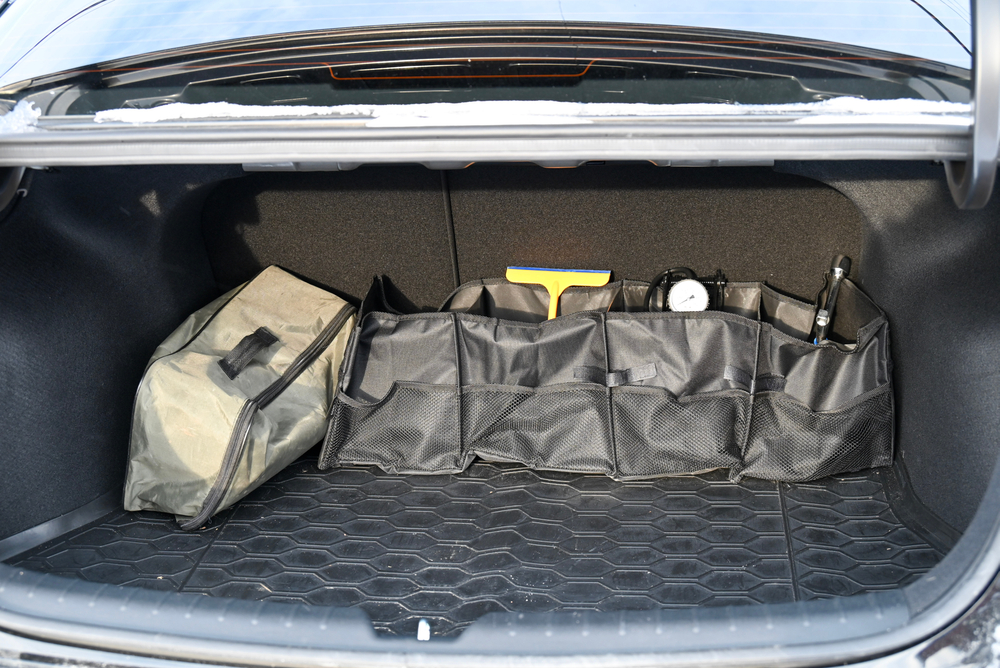
Many drivers store extra items in their vehicles during the winter months. Snow brushes, ice scrapers, heavy blankets, and salt bags are common examples. By March, these items may no longer be needed every day. Removing unnecessary winter gear creates more space inside the vehicle. It also helps reduce extra weight that can affect fuel efficiency slightly. Some drivers organize these items in garages or storage bins until next winter. Clearing out winter supplies also makes room for seasonal items such as sports equipment or travel bags. This simple step helps refresh the vehicle interior after months of winter preparation.
Deep Cleaning Trunks After Winter Travel
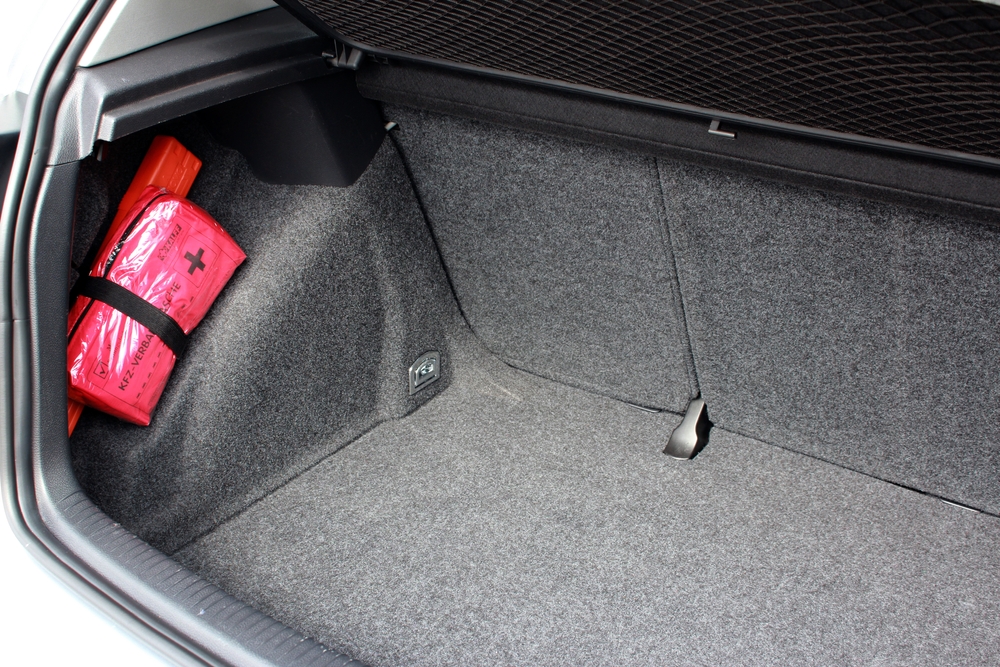
Vehicle trunks often collect dirt and clutter during winter travel. Snow-covered boots, road salt, and wet gear may leave residue inside the trunk area. By spring, these items can create unpleasant odors or stains. Many Canadians choose to deep clean their trunks during seasonal car cleaning. Removing all stored items allows drivers to vacuum and wipe the interior surfaces. Some people also clean trunk mats to remove trapped dirt. Organizing emergency supplies and tools during this process helps keep the trunk tidy. A clean trunk improves vehicle organization and prepares the car for spring road trips or outdoor activities.
Using Interior Deodorizers After Wet Winter Months

Winter often brings moisture into vehicle interiors. Wet boots, snow, and slush can leave carpets and seats damp for long periods. Over time, this moisture may create musty odors inside the vehicle cabin. Many Canadians use interior deodorizers during spring cleaning to refresh the air inside their cars. These products help remove lingering winter smells and restore a cleaner scent. Some drivers also air out their vehicles during warmer days. Combining deodorizing products with thorough interior cleaning provides better results. Fresh interiors improve comfort for everyday driving. Removing winter odors helps create a more pleasant vehicle environment for the new season.
Cleaning Air Vents and Cabin Filters for Spring
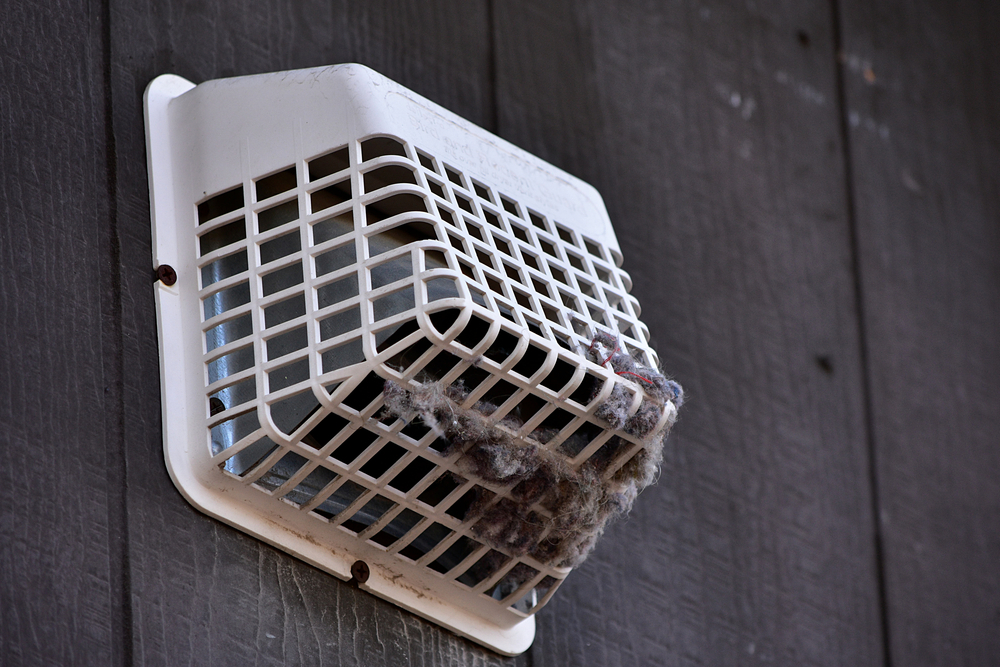
Air vents and cabin filters often collect dust, salt particles, and debris during winter driving. When heaters run frequently during cold months, small particles may circulate through the ventilation system. By the time spring arrives, these particles can build up inside the vents. Many Canadians clean air vents during seasonal car cleaning to improve air quality inside the vehicle. Using a small brush or compressed air helps remove dust from the vent openings. Checking the cabin air filter is also important because it traps pollen, dirt, and road debris. Replacing a clogged filter improves airflow and keeps the vehicle interior fresher during the spring months.
Scheduling Professional Car Detailing for Seasonal Reset

After months of winter driving, some Canadians choose professional car detailing as part of their spring routine. Winter conditions can leave vehicles with stubborn salt stains, interior dirt, and exterior grime. Professional detailing services provide deeper cleaning than regular car washes. Detailers often clean carpets, polish paint surfaces, and remove buildup from hard-to-reach areas. They may also apply protective coatings to help shield the vehicle from future damage. Many drivers schedule detailing appointments in March or early spring to reset their vehicles after winter. This process helps restore the vehicle’s appearance and prepares it for the warmer driving season ahead.
22 Groceries to Grab Now—Before another Price Shock Hits Canada

Food prices in Canada have been steadily climbing, and another spike could make your grocery bill feel like a mortgage payment. According to Statistics Canada, food inflation remains about 3.7% higher than last year, with essentials like bread, dairy, and fresh produce leading the surge. Some items are expected to rise even further due to transportation costs, droughts, and import tariffs. Here are 22 groceries to grab now before another price shock hits Canada.
22 Groceries to Grab Now—Before another Price Shock Hits Canada
