Checkout lines in Canadian grocery stores are designed for speed and convenience. However, many shoppers feel extra tactics appear during the final step. Small prompts, signs, and displays can influence spending decisions. These moments often happen when attention is divided. Quick choices may lead to higher bills without clear awareness. Some practices rely on urgency or limited information. Others use placement to encourage impulse buys. Understanding these patterns helps shoppers stay in control. Here are 15 grocery store checkout tricks Canadians say feel like a scam.
Candy and Snacks Placed at Eye Level
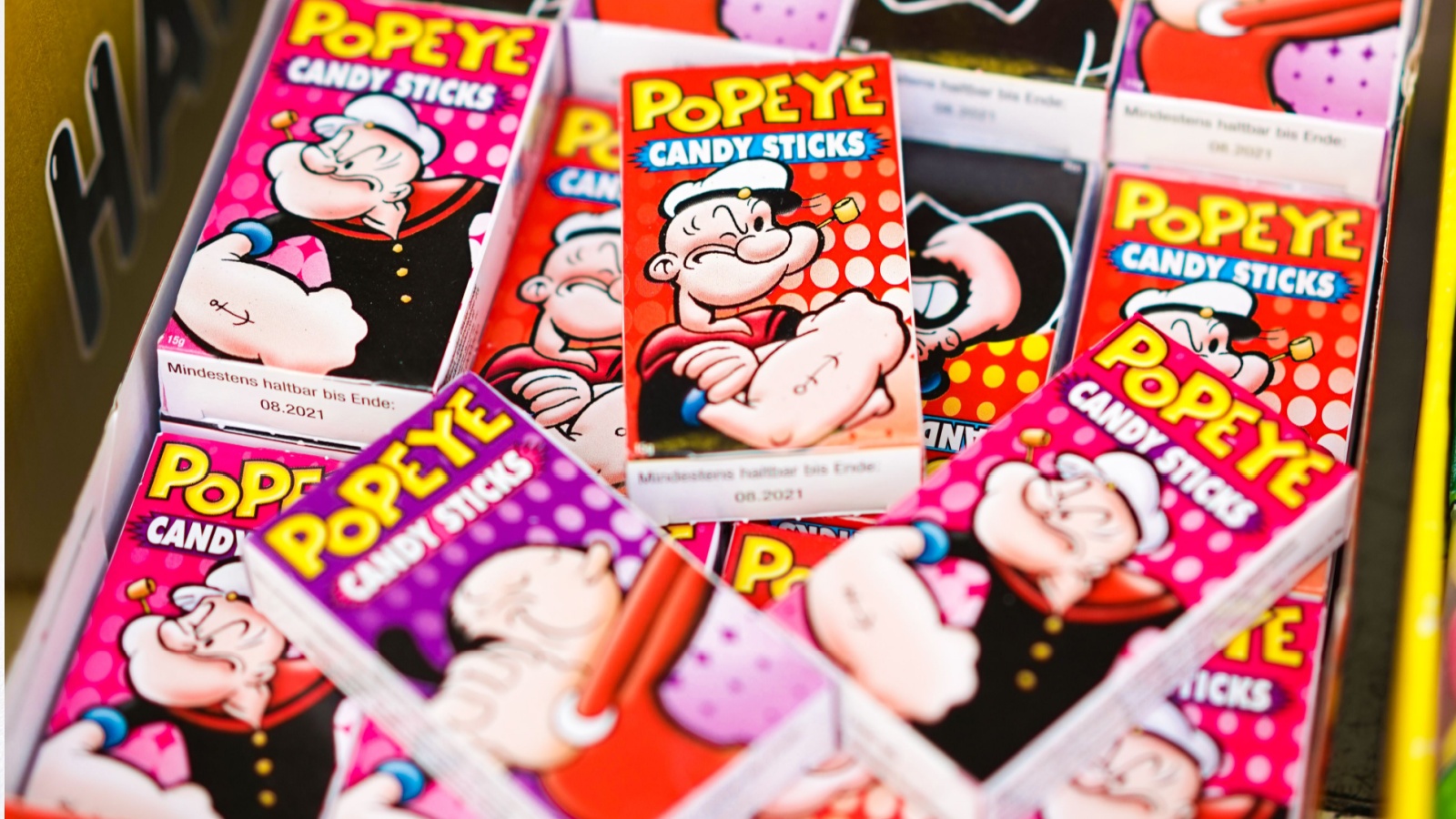
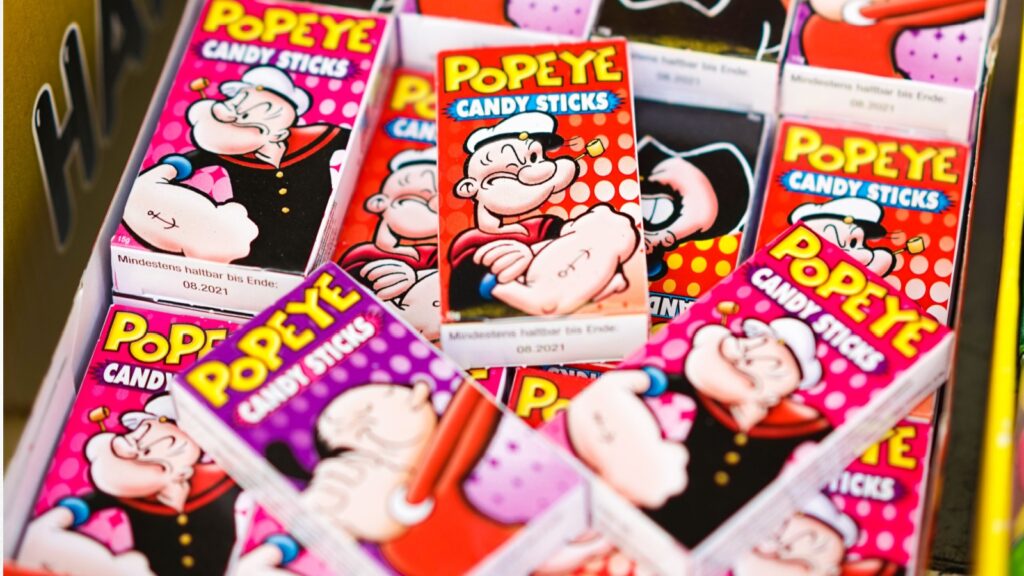
Checkout lanes often display candy and snacks at eye level. This placement targets impulse decisions while customers wait. Children also notice these items quickly. Prices per gram for these products are usually higher. Shoppers may add them without planning. Smaller packs can feel inexpensive but add up. Stores use this layout to boost last-minute sales. Healthier options rarely receive the same space. Waiting time increases exposure to these displays. Unit pricing often shows a lower value. Skipping these items helps control spending. Planning purchases before reaching checkout reduces impulse buying.
Limited Time Deal Signs Without Clear End Dates

Some deal signs highlight savings without listing an end date. Shoppers may feel pressure to buy immediately. The urgency can push unplanned purchases. These signs often use bright colours and large fonts. Fine print may not explain the promotion clearly. Customers might assume the deal will vanish soon. In reality, prices may stay similar later. Comparing unit prices still matters. Stores benefit when shoppers act quickly. Lack of clear timelines can cause confusion. Taking a moment to compare helps avoid overspending. Careful reading protects your grocery budget.
Multi Buy Offers That Raise Unit Price
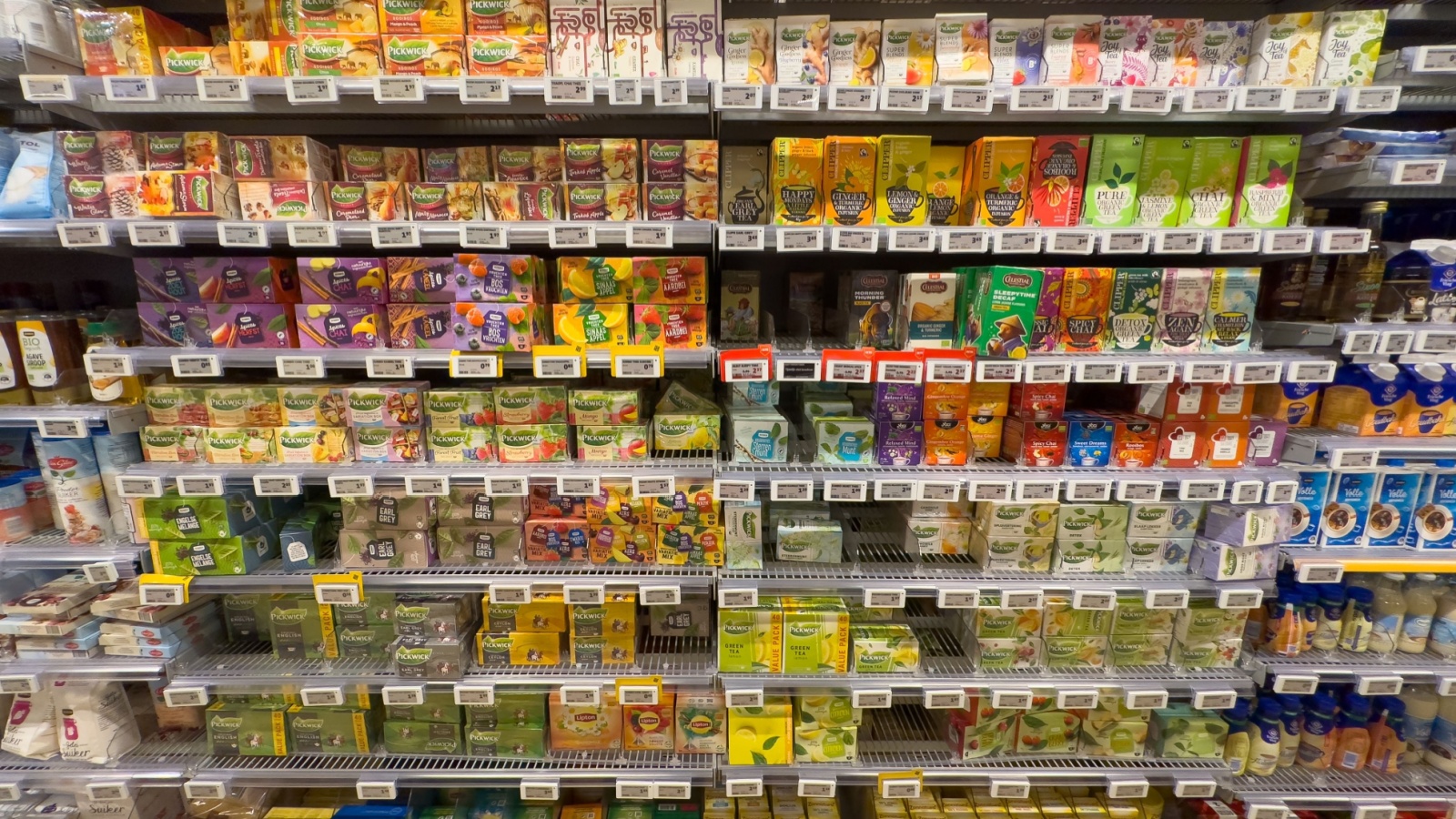
Multi-buy offers sometimes encourage buying more than needed. Signs may show deals like two for a set price. Unit cost can be higher than single-item pricing. Shoppers focusing on the deal sign may miss this. Buying extra increases total spending at checkout. Perishable goods can spoil before use. Stores rely on customers not checking unit prices. Larger quantities also fill carts quickly. Comparing shelf labels gives better value insight. Buying only what you need helps reduce waste. Reading price details prevents falling for misleading offers.
Oversized Carts Encouraging Bigger Purchases
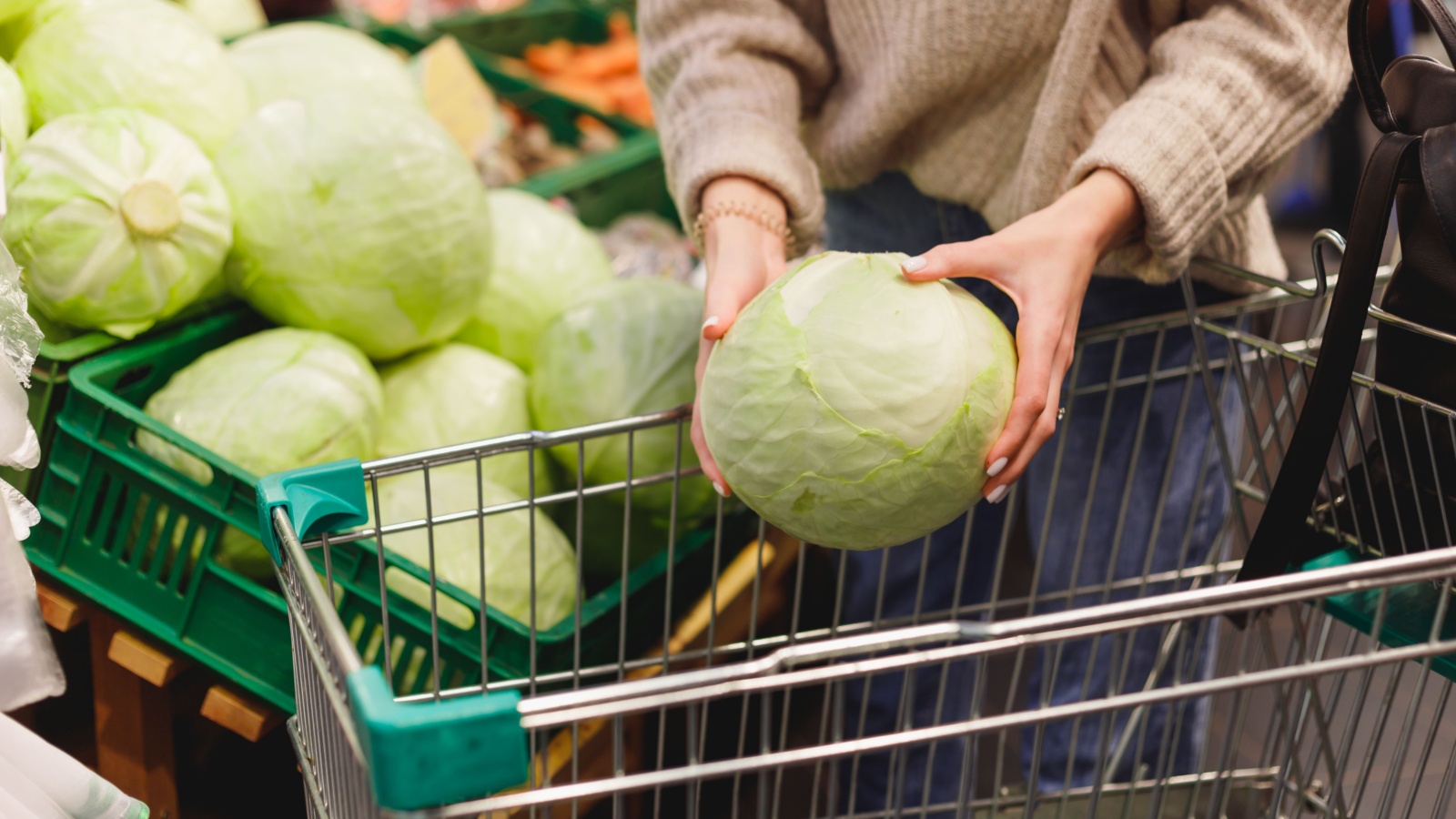
Many grocery carts are larger than in past years. Extra space can make small loads look insufficient. Shoppers may add more items to fill the cart. This increases total spending without a clear intent. Large carts also reduce awareness of rising totals. Bulk items take up less visible space. Stores benefit when customers buy extra products. Smaller baskets often limit impulse additions. Using a basket for short trips can help control costs. Planning a list before entering also reduces overspending. Cart size subtly shapes buying behaviour.
Loyalty Prices Only Shown at Checkout

Some stores advertise lower prices only for loyalty members. Shelf tags may not clearly show the difference. Discounts appear after scanning at checkout. Shoppers without cards may pay more unknowingly. This can feel confusing during payment. Customers may feel pushed to join programs. Personal data collection is part of these systems. Comparing receipts helps spot price differences. Non-members may miss advertised savings. Reading shelf labels carefully matters. Asking staff about loyalty pricing can help. Awareness reduces surprise charges at the register.
Self-Checkout Prompts for Donations by Default
Self-checkout screens often display donation requests automatically. Prompts may appear before payment is complete. Some screens highlight suggested amounts clearly. Shoppers in a hurry may press buttons quickly. This can lead to accidental donations. The request usually appears during the final steps. Decline options may seem less visible. Stores partner with charities through these systems. Customers should feel free to choose either option. Taking a moment to read screens helps avoid mistakes. Reviewing the total before paying is useful. Staying attentive prevents unexpected extra charges.
Confusing Unit Pricing Labels
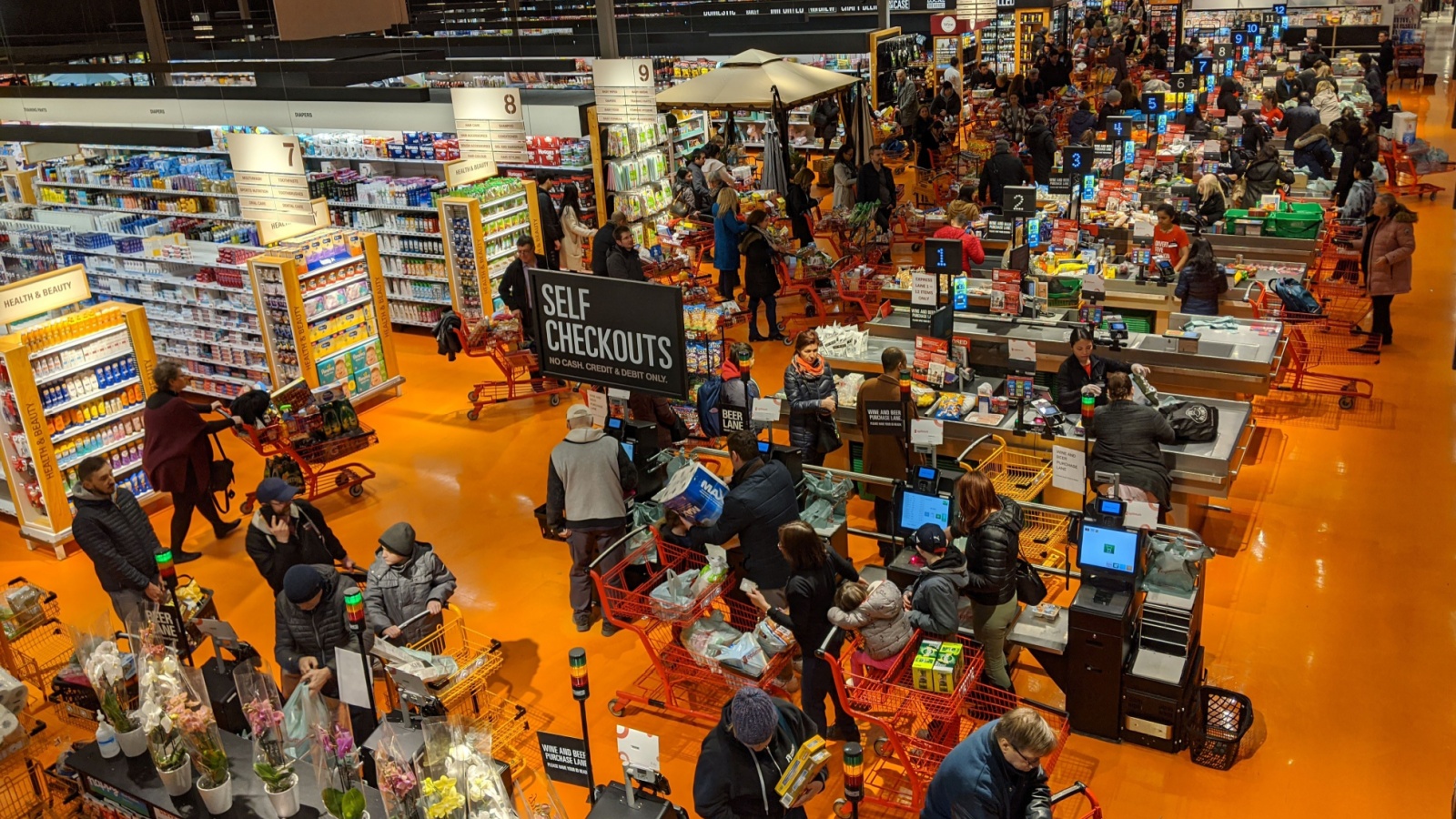
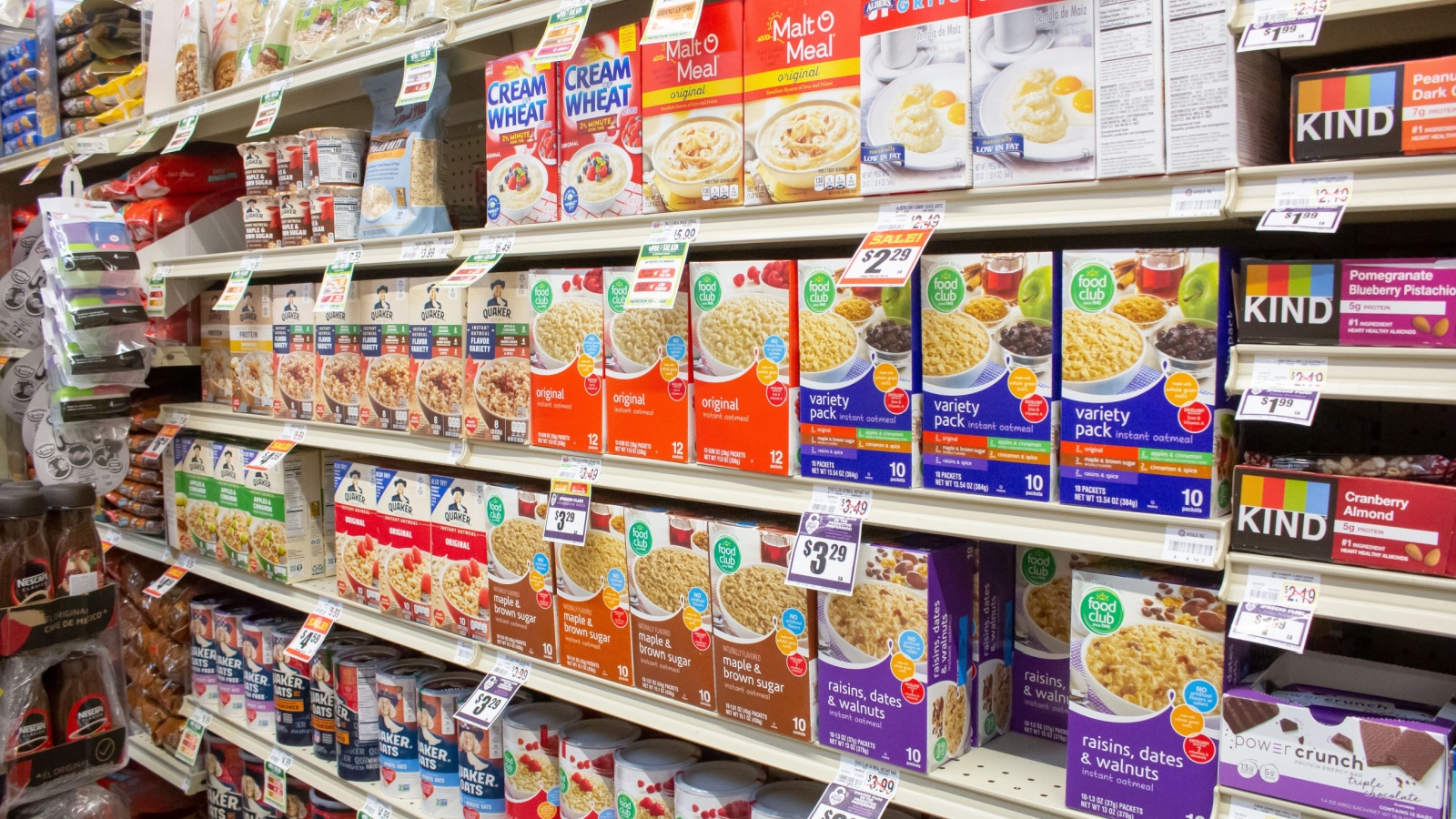
Unit pricing labels should help shoppers compare value easily. Some labels use small print or unclear units. Different products may show price per gram or per piece. This makes comparisons harder during busy shopping trips. Shelf tags may also appear in different locations. Shoppers often focus only on sale prices. Missing unit price details can hide higher costs. Stores benefit when buyers skip these checks. Taking time to read the fine print helps. Consistent units make better comparisons possible. Awareness of unit pricing supports smarter spending. A clear understanding reduces checkout surprises.
Last Minute Add-On Displays Near Payment
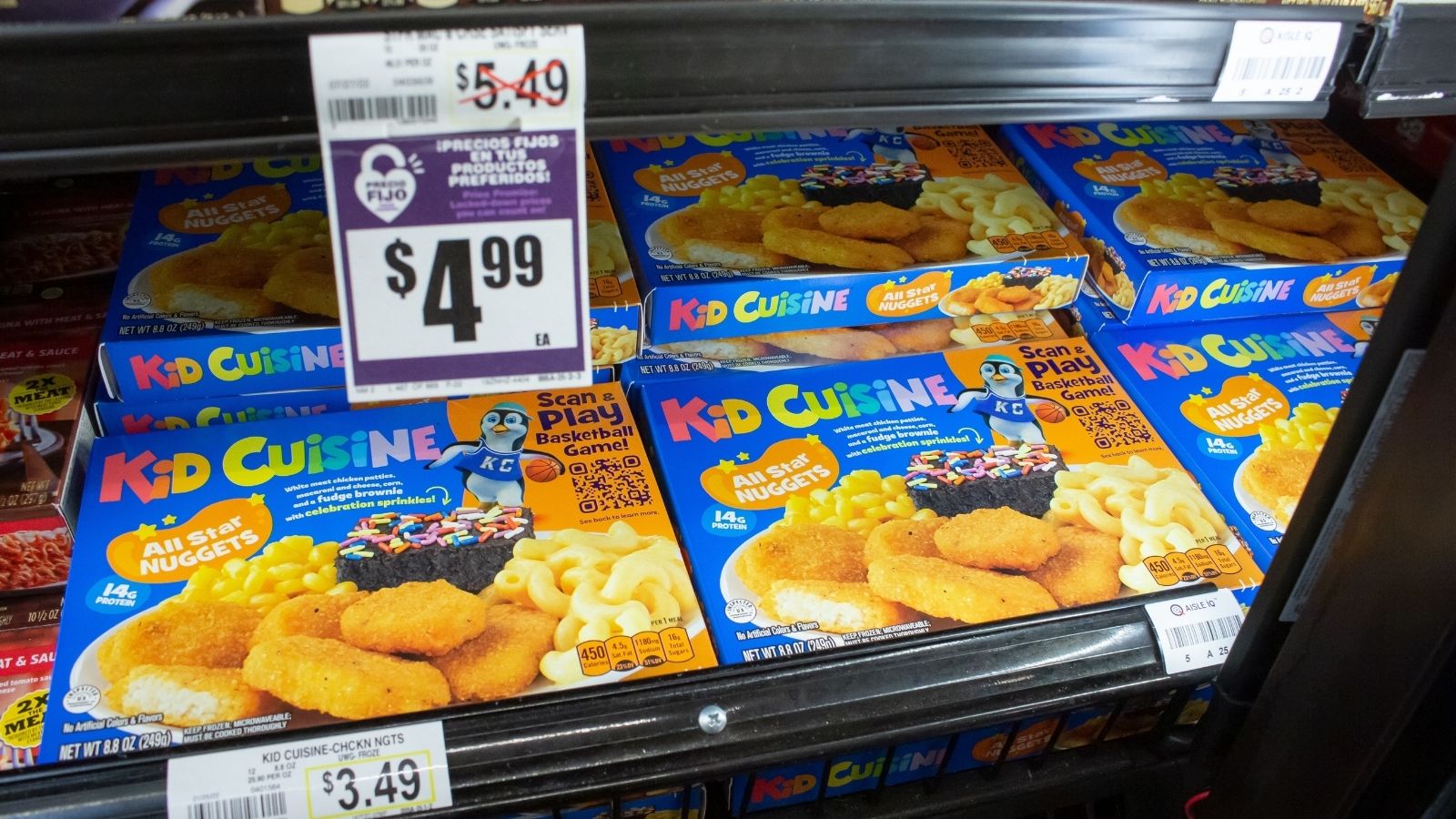
Areas near payment often feature small add-on products. Items like batteries or magazines sit within easy reach. Shoppers waiting in line may grab them casually. These products often carry higher margins. Prices per item may be higher than aisle versions. The placement encourages unplanned additions. Busy checkout moments reduce careful decision-making. Small purchases can raise totals quickly. Comparing aisle prices may reveal better deals. Planning purchases before lining up helps. Keeping hands free near checkout reduces impulse grabs. Staying focused limits last-minute spending.
Price-Matching Rules That Are Hard to Use
Some stores offer price matching with strict conditions. Customers may need printed proof from competitors. Digital ads may not always qualify. Product size and brand must match exactly. These rules can discourage shoppers from claiming savings. Long lines make the process harder. Staff may need manager approval during checkout. Time pressure often leads customers to skip the request. Stores benefit when fewer matches happen. Reading policy details in advance helps. Keeping proof ready speeds up the process. Understanding rules makes price matching more effective.
Bag Charges Not Clearly Displayed
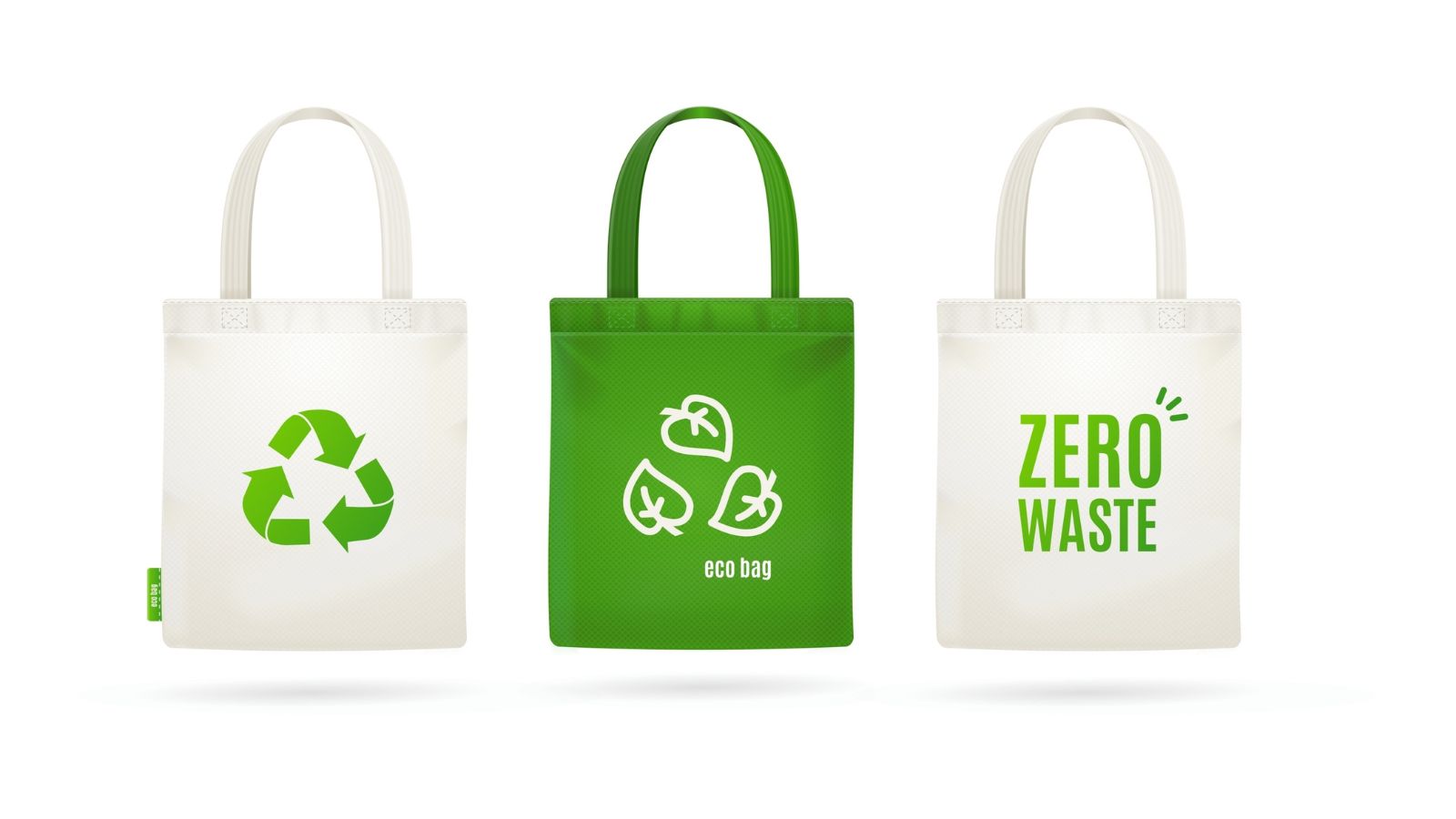
Many Canadian stores charge for shopping bags. Signs about fees may appear small or distant. Charges show up only during payment. Shoppers without reusable bags may feel surprised. Small per-bag fees add up over time. Busy checkout lines reduce time to react. Some stores ask bag questions quickly. Customers may agree without hearing the cost. Bringing your own bags avoids these charges. Watching the screen during payment helps. Asking about bag pricing in advance prevents confusion. Awareness helps control small extra costs.
Automatic Substitutions in Online Orders
Online grocery orders sometimes include automatic substitutions. Out-of-stock items get replaced without clear notice. Substitute products may cost more. Package sizes can also differ from the original. Shoppers might notice changes only at delivery. Refunds may require extra steps. Stores set systems to keep orders moving quickly. Customers may forget to disable substitutions. Reviewing cart settings helps avoid surprises. Checking the final invoice is important. Clear communication reduces unexpected charges. Monitoring substitutions keeps online grocery spending under control.
Extended Warranty Prompts on Non-Food Items

Checkout systems sometimes suggest extended warranties on small non-food items. Prompts appear during payment on screens. Items like blenders or electronics may trigger the offer. The added cost can feel minor at the moment. However, coverage details may not justify the price. Many products already include manufacturer warranties. Shoppers in a hurry may accept without reading the terms. Return policies can overlap with warranty coverage. Stores earn extra revenue from these add-ons. Taking time to review product reliability helps. Declining unnecessary warranties keeps totals lower. Awareness reduces impulse spending at checkout.
Small Print on Rain Check Limits
Rain checks allow a later purchase when sale items run out. Fine print often sets limits on quantity or time. Shoppers may expect to buy large amounts later. Expiry dates can be shorter than assumed. Product sizes must match exactly. Some promotions exclude certain brands. These conditions may appear in small text. Customers might discover limits only when redeeming. Stores control costs through these restrictions. Reading details before accepting a rain check helps. Keeping the slip safe is also important. Understanding limits prevents disappointment later.
Round Up for Charity Requests at Payment
Many checkout systems ask customers to round up totals. The small extra amount goes to charity. Prompts appear quickly during payment steps. Shoppers may feel social pressure to agree. The option to decline can seem less visible. Individual amounts feel small but add up. Customers should feel free to choose. Donations through other methods may offer tax receipts. Stores often handle large collection programs. Taking a moment to read the screen helps. Deciding calmly avoids accidental contributions. Staying attentive keeps spending decisions clear.
Receipt Coupons for Unrelated Products
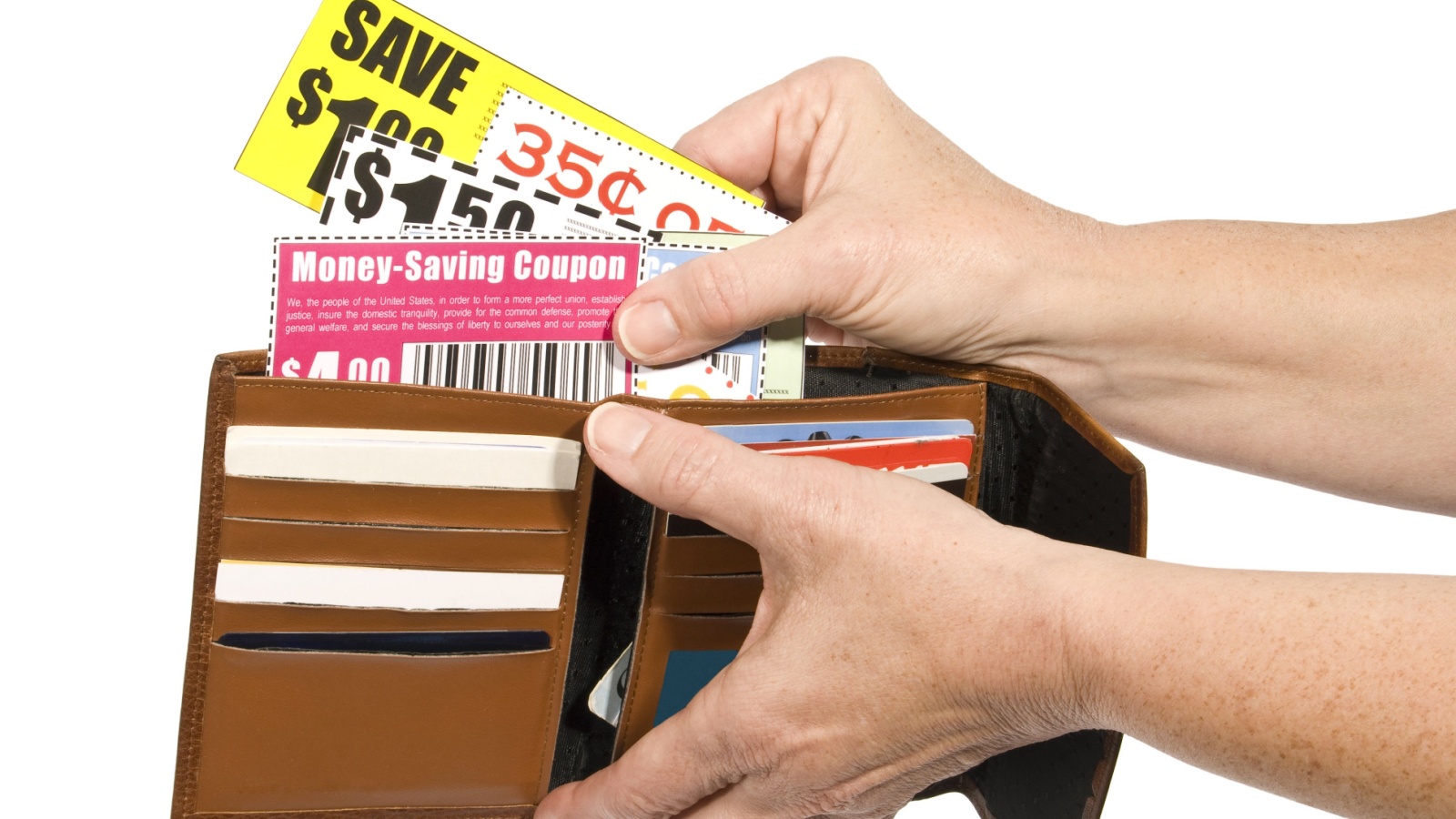
Receipts often print coupons for future purchases. These deals may promote unrelated products. Shoppers might return to use them quickly. This can lead to unplanned spending. Coupons often require buying specific brands. Expiry dates may be short. Savings may apply only after a minimum spend. Stores use coupons to encourage repeat visits. Customers may buy items they do not need. Comparing regular prices still matters. Ignoring irrelevant coupons can reduce extra trips. Careful planning keeps grocery budgets under control.
22 Groceries to Grab Now—Before another Price Shock Hits Canada
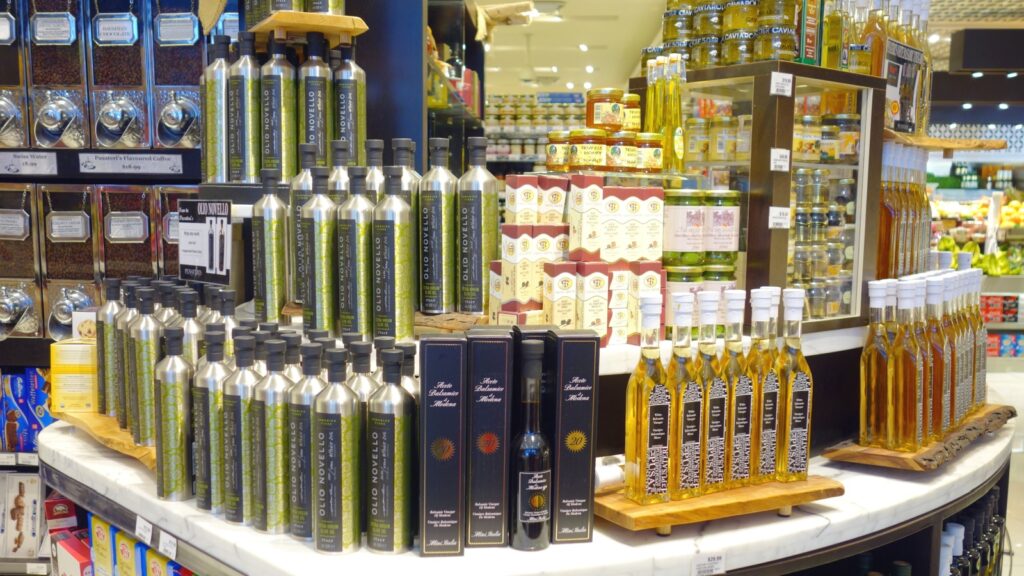
Food prices in Canada have been steadily climbing, and another spike could make your grocery bill feel like a mortgage payment. According to Statistics Canada, food inflation remains about 3.7% higher than last year, with essentials like bread, dairy, and fresh produce leading the surge. Some items are expected to rise even further due to transportation costs, droughts, and import tariffs. Here are 22 groceries to grab now before another price shock hits Canada.
22 Groceries to Grab Now—Before another Price Shock Hits Canada
