Road trips across Canada often feel relaxed and open, but many popular stops come with rules that catch travellers off guard. These restrictions are usually tied to safety, conservation, or local bylaws, yet they are not always clearly communicated. As a result, Canadians sometimes face fines or warnings for activities they assumed were harmless. From parking rules to drone bans and permit requirements, these hidden regulations can quickly turn a simple stop into an unexpected issue. Here are 15 popular Canadian road trip stops with surprise bans, fines, or permits.
Banff National Park (Alberta)
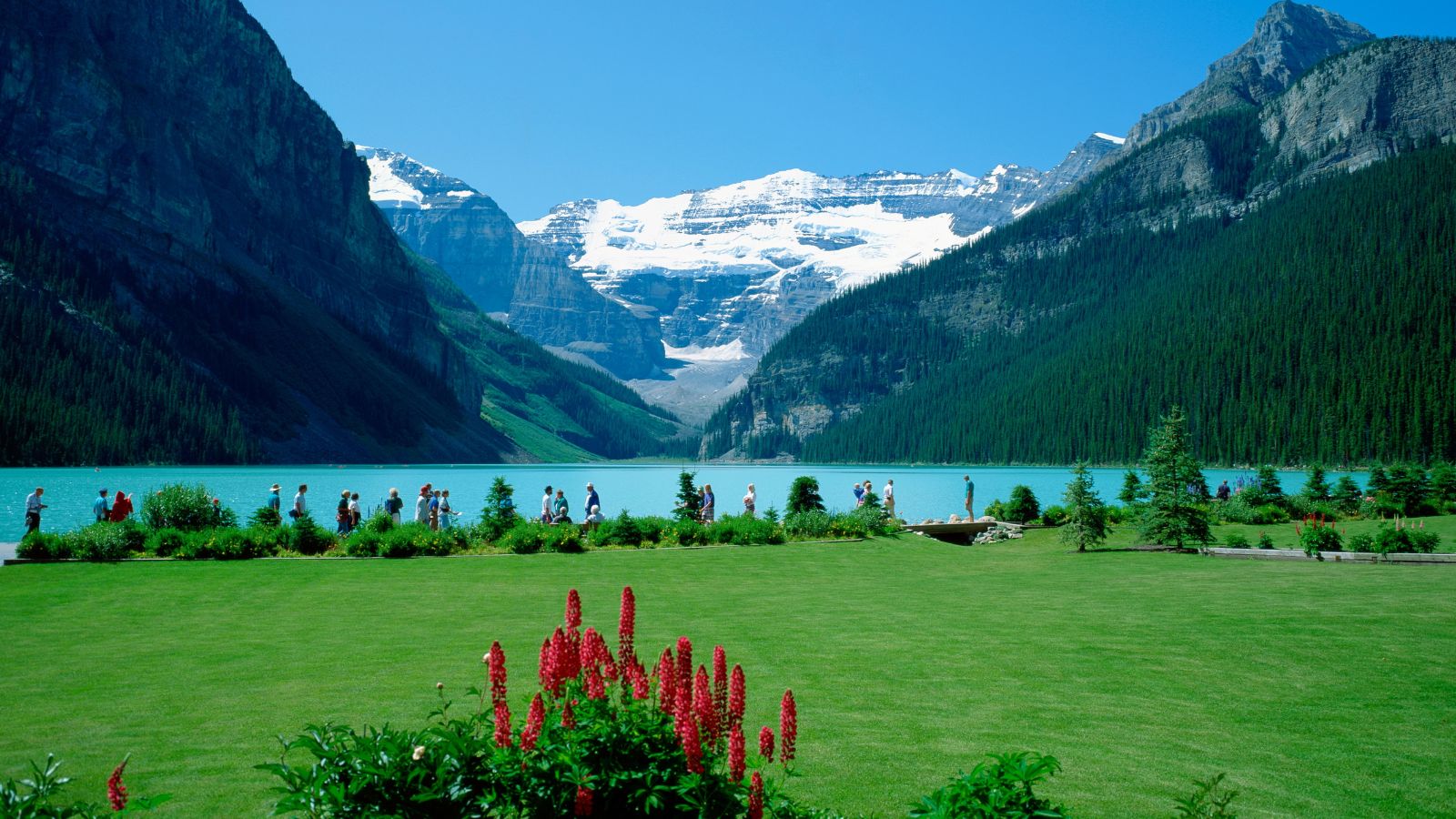
Banff National Park is one of the most popular road-trip destinations in Canada, but it comes with strict rules that many visitors overlook. One of the most common surprises is the requirement to purchase a valid park pass before entering or parking anywhere within park boundaries. Many travellers assume that stopping briefly does not require a pass, which can result in fines. Additionally, parking regulations are strictly enforced, especially around high-traffic areas like Lake Louise, where time limits and designated zones must be followed. Wildlife protection laws also prohibit feeding animals or approaching them too closely, with significant penalties for violations. Drone use is banned without special permits, which catches many visitors off guard who expect open outdoor spaces to allow recreational flying. Campfires are only permitted in designated areas, and restrictions may change depending on weather conditions.
Niagara Falls (Ontario)
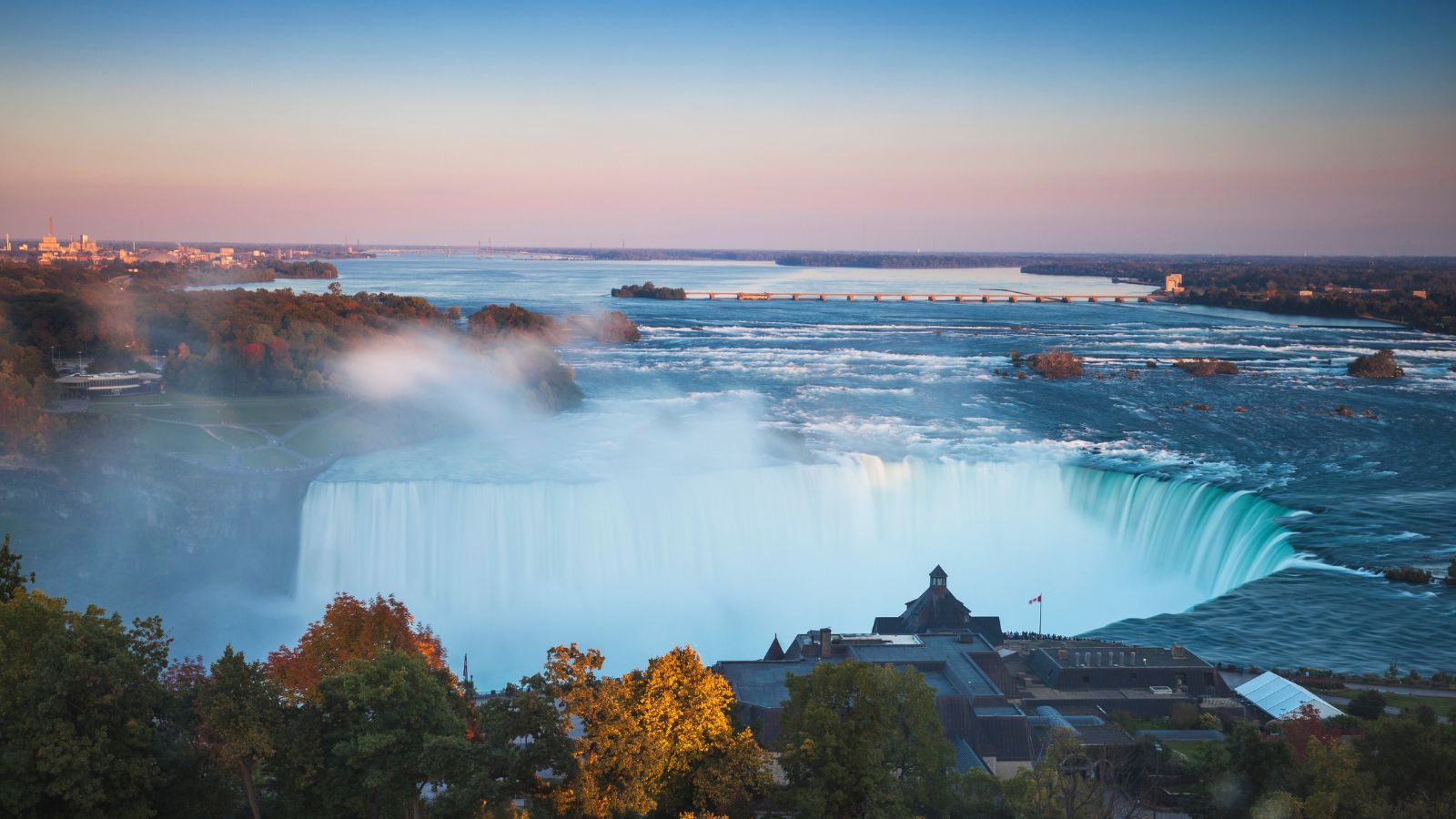
Niagara Falls attracts millions of visitors each year, but several local rules can surprise travellers. One common issue is parking restrictions near the falls, where only designated areas are permitted, and enforcement is strict. Many visitors attempt to park in nearby residential areas to avoid fees, which can result in fines or towing. Drone use is also restricted in the area due to safety and security concerns, requiring special authorization. Another lesser-known rule involves alcohol consumption, which is not permitted in most public spaces around the falls. Street performances and commercial photography may also require permits, especially in high-traffic zones. These regulations are designed to manage large crowds and maintain safety, but they are not always obvious to visitors.
Peggy’s Cove (Nova Scotia)
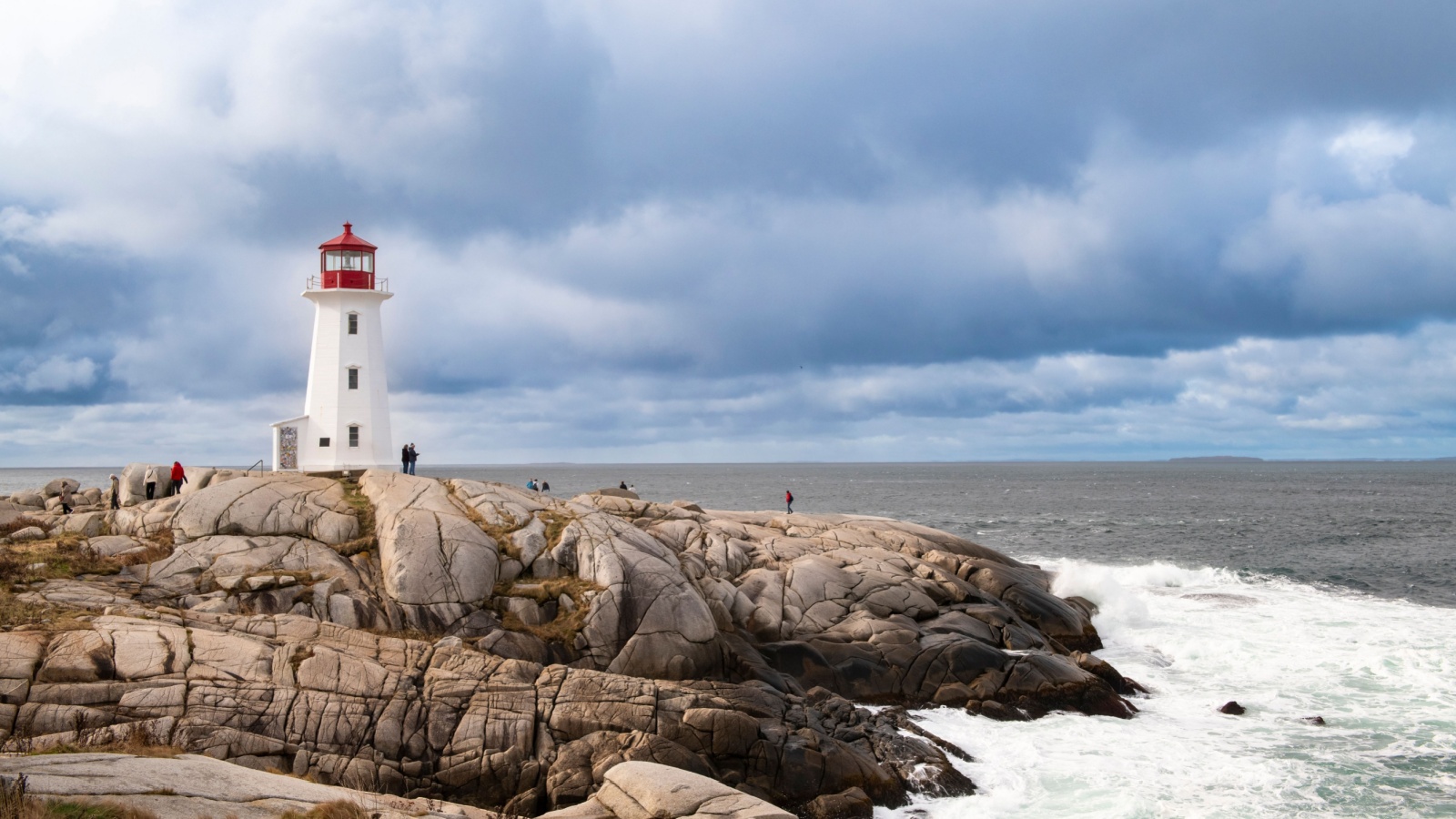
Peggy’s Cove is a well-known coastal destination, but it has strict safety rules that many visitors underestimate. One of the most important restrictions involves access to certain rock areas near the ocean, which can become extremely dangerous due to sudden waves. Visitors are warned to stay within designated safe zones, and ignoring these warnings can result in fines or enforcement actions. The site also has limitations on commercial photography and drone use, which often require permits. Parking is limited, and unauthorized parking can lead to fines. Many travellers assume that natural sites are unrestricted, but safety concerns have led to increased regulation. These measures are designed to prevent accidents and protect visitors, but they can feel unexpected for those unfamiliar with the area.
Stanley Park (Vancouver)

Stanley Park is one of Vancouver’s most visited attractions, but it has several rules that can surprise road-trippers. One of the most common issues involves cycling and driving regulations on the Seawall, where directions and designated lanes must be followed carefully. Parking restrictions are also strictly enforced, with limited time zones and paid parking in many areas. Barbecues and open fires are not allowed except in designated locations, which many visitors overlook. Drone use is prohibited within the park, and fines can be issued for violations. Wildlife protection laws also apply, including rules against feeding animals. These regulations are designed to maintain safety and environmental balance, but they are not always obvious to visitors.
Old Quebec City (Quebec)
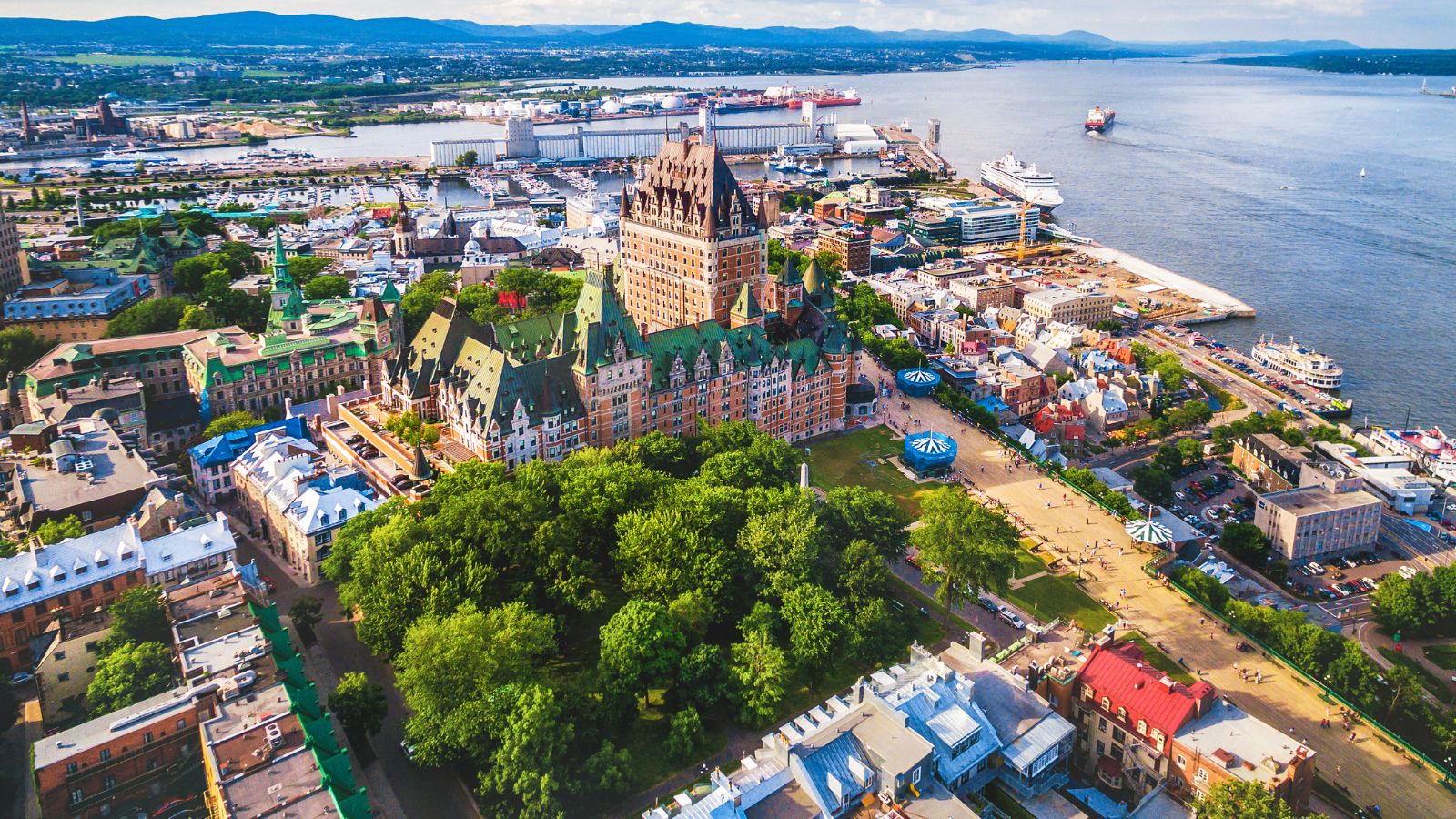
Old Quebec City is a historic destination with strict regulations that can catch visitors off guard. One of the main issues is parking, as many streets are restricted or require permits. Unauthorized parking can result in fines or towing. The area also has limitations on vehicle access, with certain streets restricted to local traffic only. Street performances, guided tours, and commercial photography may require permits, especially in busy areas. Noise regulations are also enforced, particularly in residential sections. Visitors often assume that historic districts are more relaxed, but preservation efforts have led to stricter rules. Understanding local bylaws helps prevent issues and ensures a more enjoyable visit.
Tofino Beaches (British Columbia)
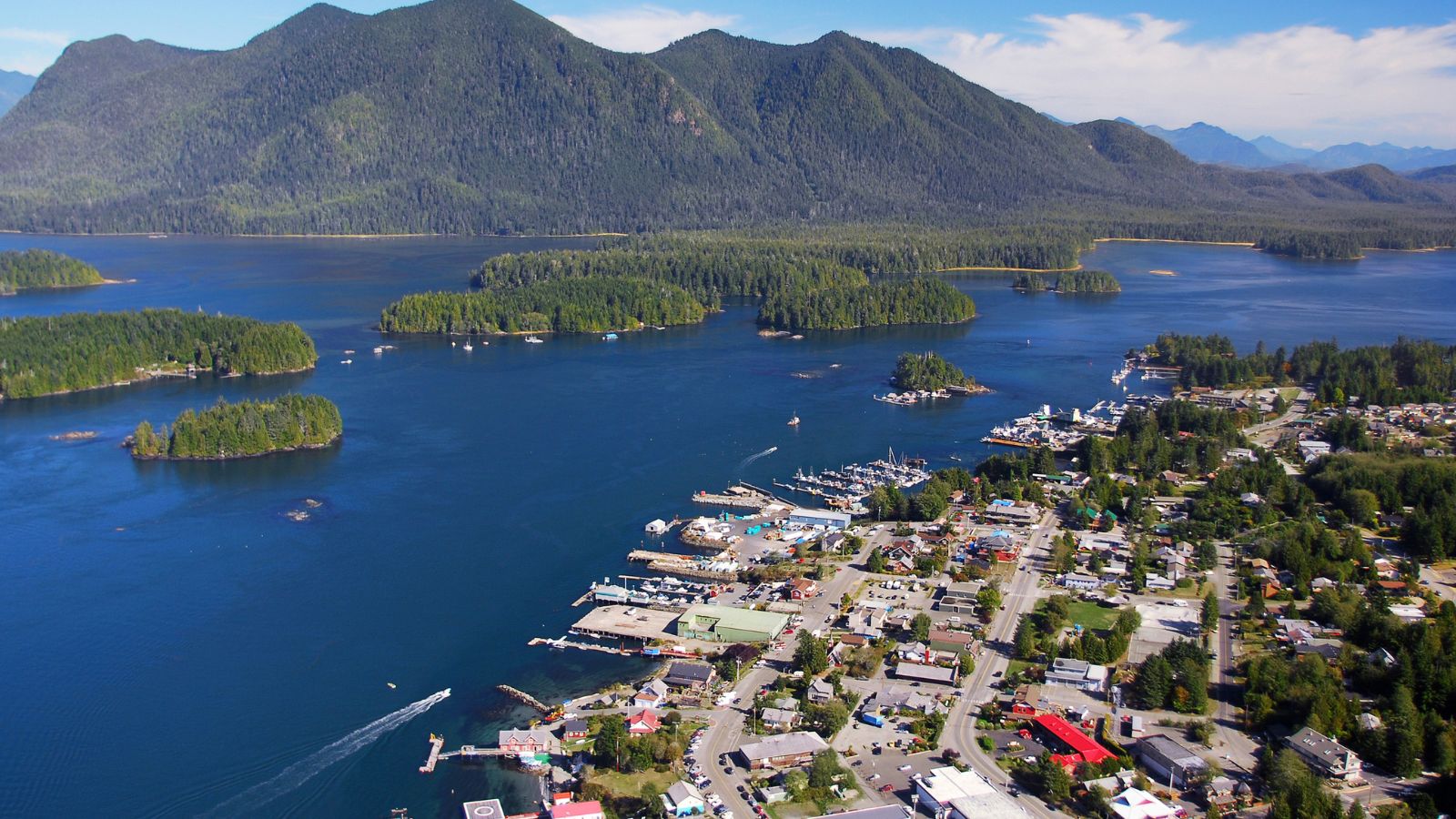
Tofino’s beaches are popular for their natural beauty, but they come with specific rules that travellers may not expect. Parking is limited and often requires payment or permits, especially during peak seasons. Campfires are only allowed in designated areas and may be restricted during certain times due to environmental concerns. Drone use is limited in many areas to protect wildlife and maintain safety. Visitors are also required to follow guidelines related to marine life and protected zones. These rules are designed to preserve the environment, but can be surprising for those unfamiliar with the area. Planning ahead helps avoid fines and ensures compliance.
Jasper National Park (Alberta)
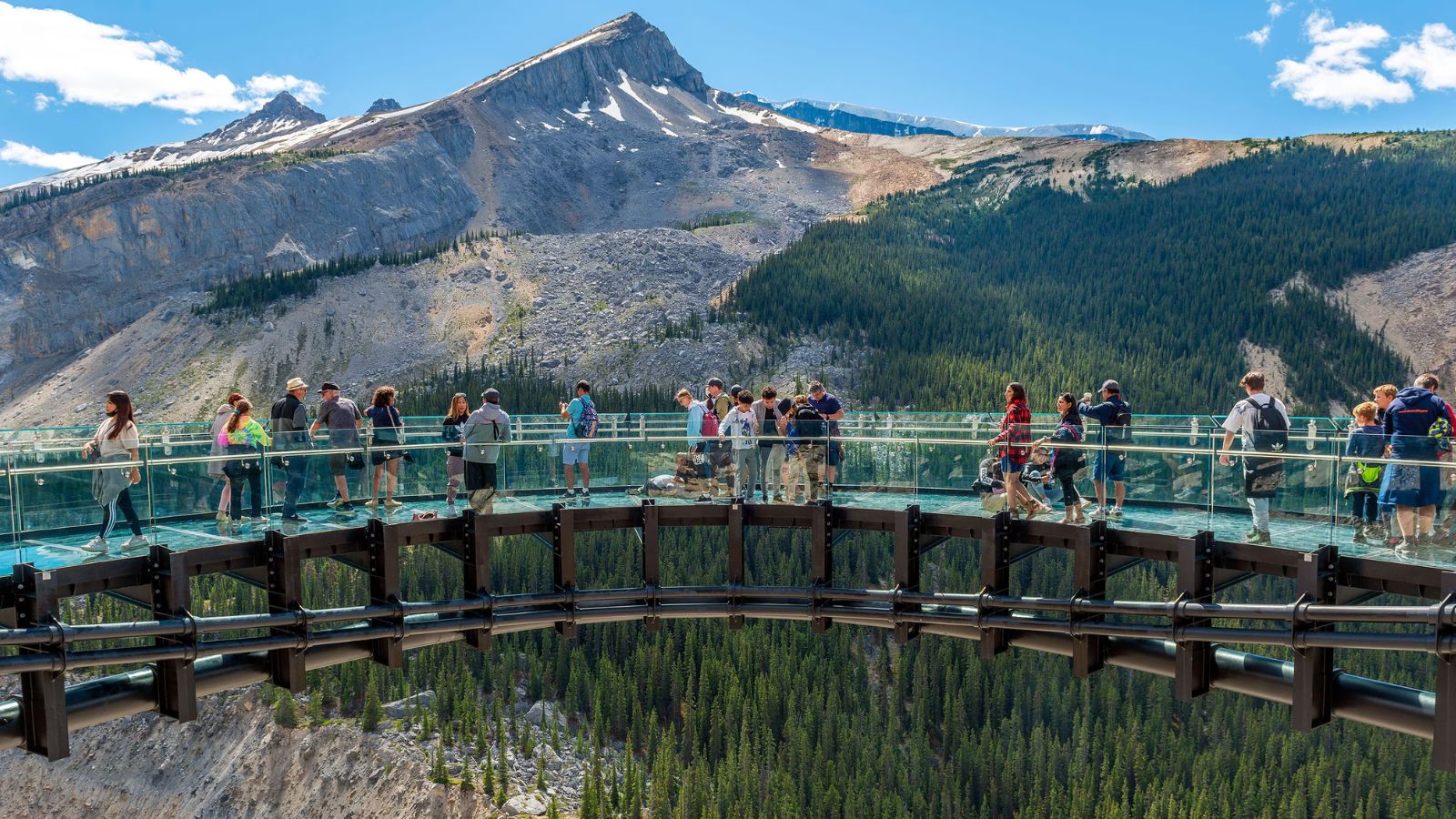
Jasper National Park has similar regulations to Banff, including mandatory park passes and strict wildlife protection laws. Visitors may be fined for approaching animals or leaving food unattended. Parking restrictions are enforced in popular areas, and camping requires permits. Drone use is also restricted without authorization. These rules are essential for conservation but may catch travellers off guard. Understanding park policies helps avoid penalties and ensures a safer experience.
Parliament Hill (Ottawa)
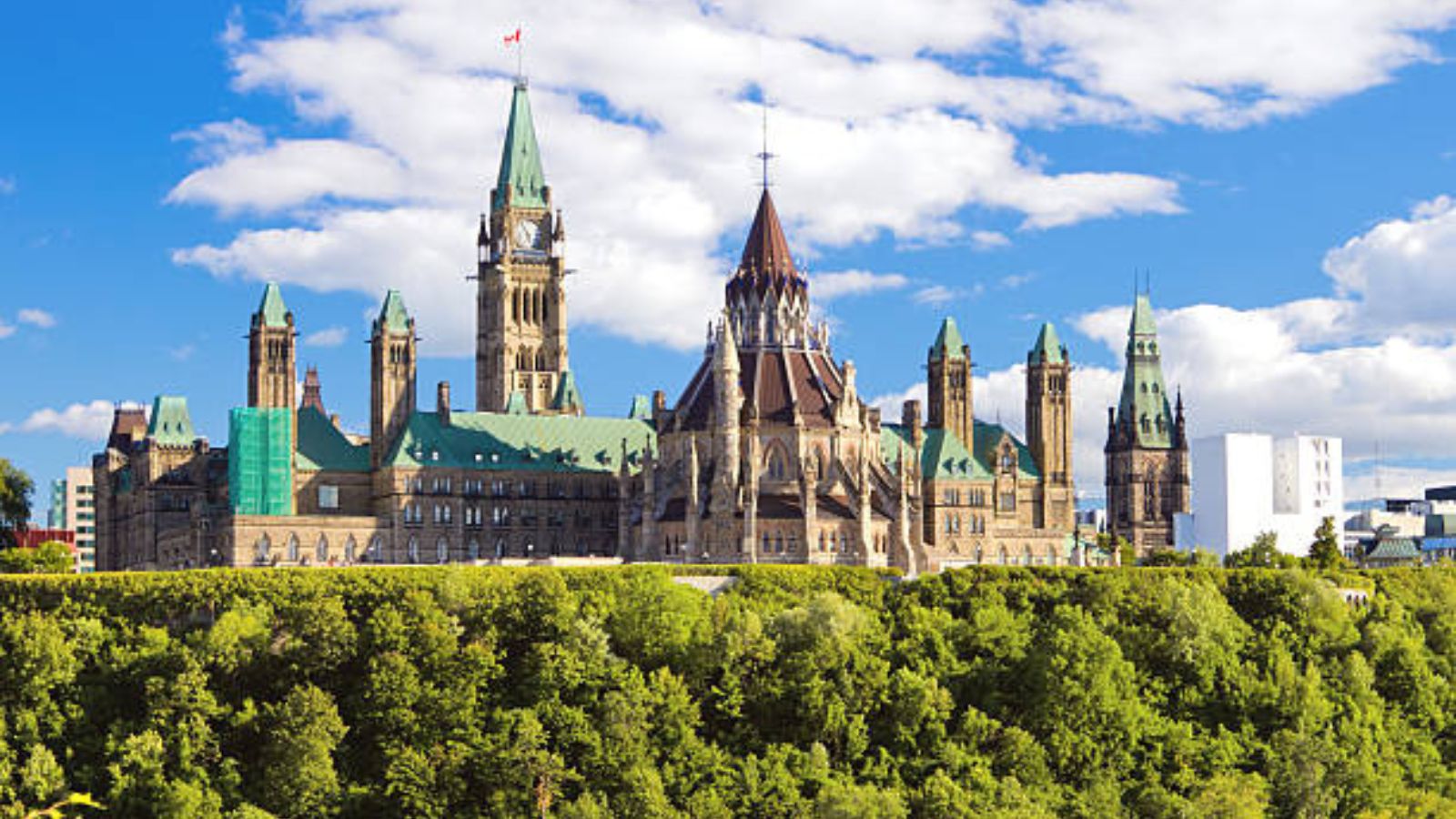
Parliament Hill is a major tourist attraction, but it has strict security and usage rules. Large bags, certain items, and activities may be restricted, especially during events. Drone use is prohibited, and photography in certain areas may be limited. Public gatherings or demonstrations require permits. Visitors often assume open access, but security protocols are carefully enforced. Being aware of these rules helps avoid delays or issues during visits.
Whistler Village (British Columbia)
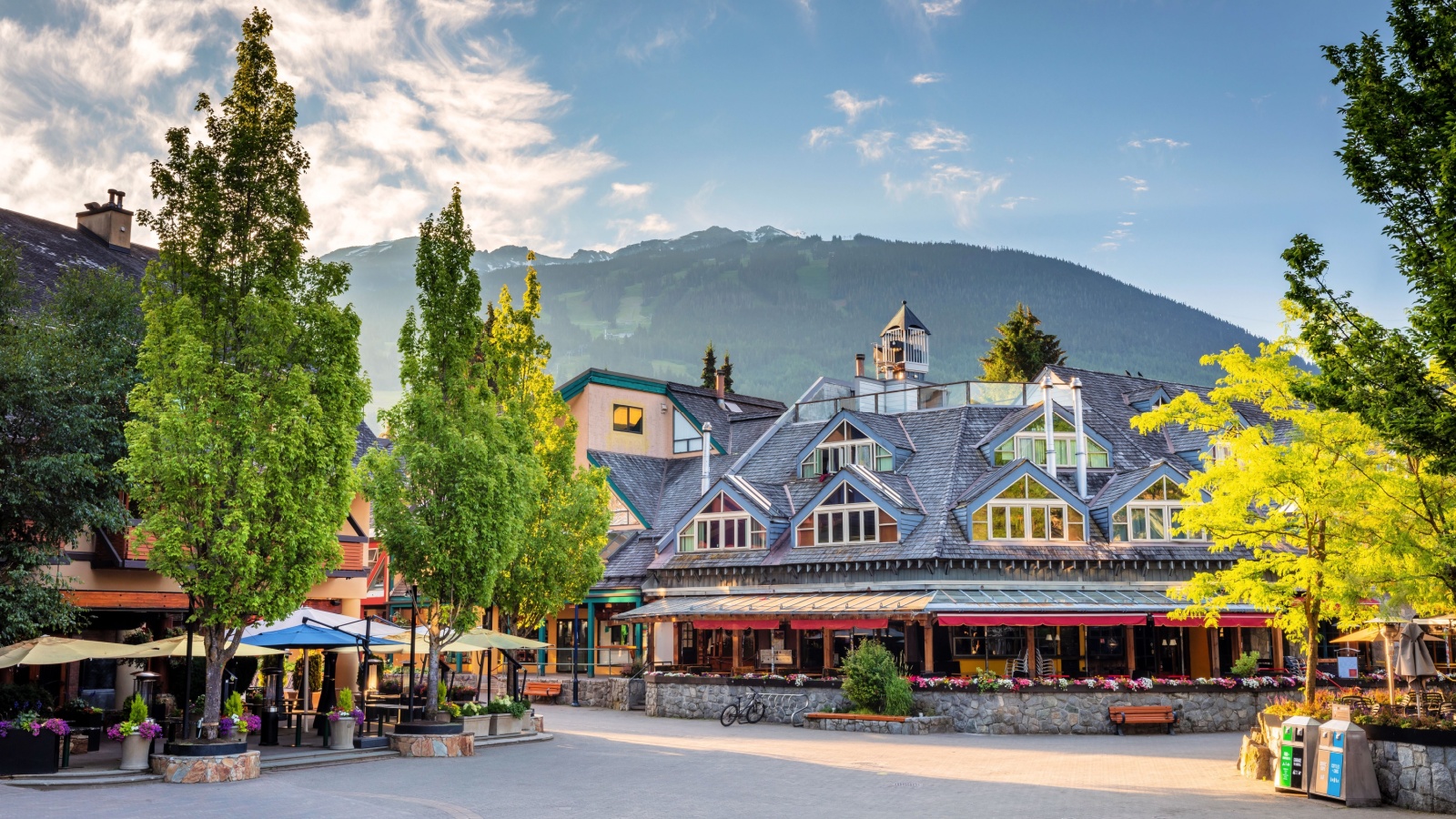
Whistler Village is a popular stop for road-trippers, but it has several rules that can surprise visitors. One of the most common issues is parking, as most central areas are paid and strictly monitored. Many travellers assume short stops are free, but time limits and enforcement are consistent throughout the village. Overnight parking restrictions also apply, with fines issued for violations. Another unexpected rule involves noise bylaws, which are strictly enforced due to the residential nature of the area. Visitors may receive warnings or fines for loud gatherings, especially during late hours. Alcohol consumption is limited to licensed areas, and open alcohol in public spaces can result in penalties. Drone use is also restricted, requiring permits in many cases. Commercial photography and filming may need approval depending on the location.
CN Tower Area (Toronto)
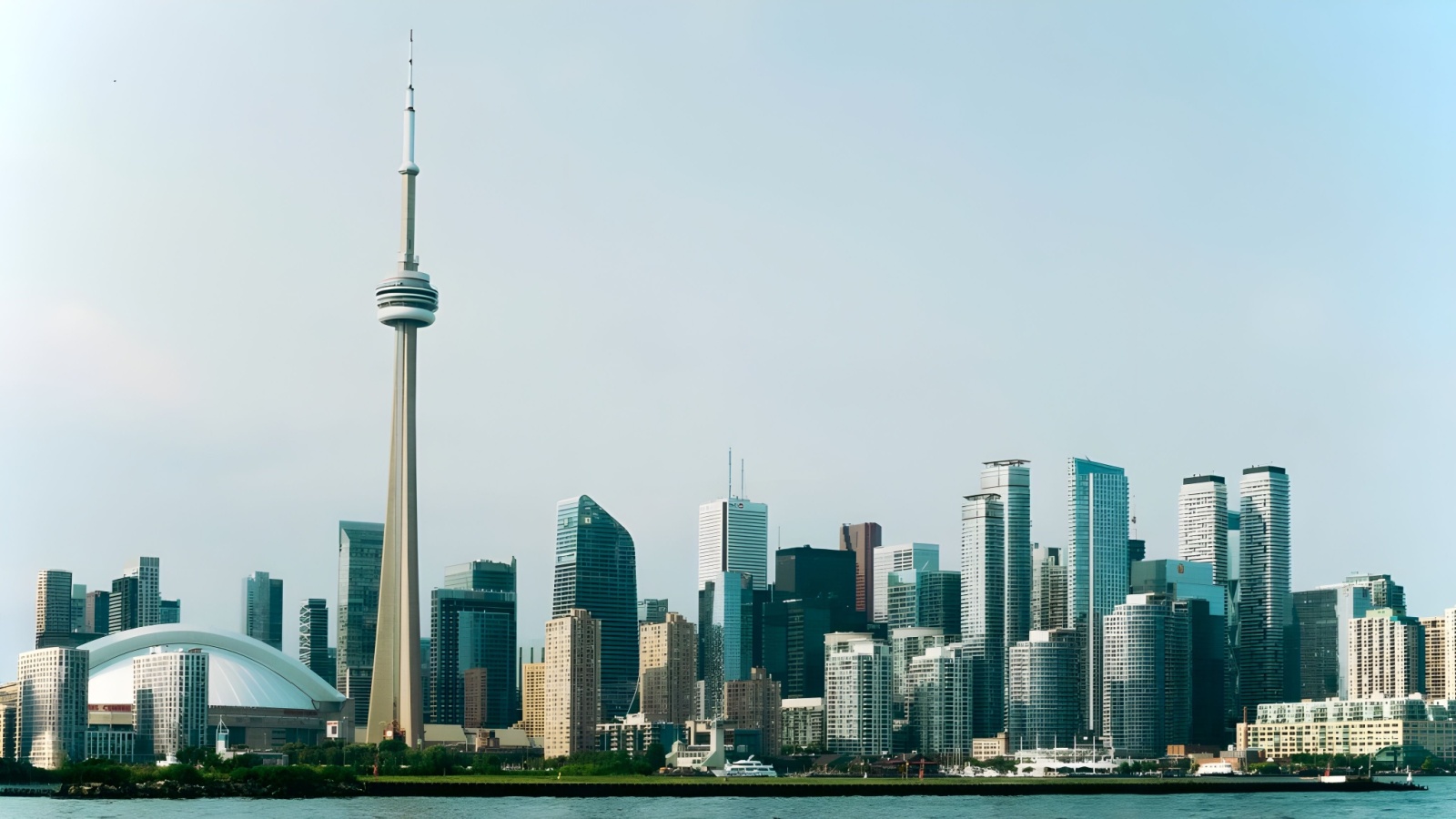
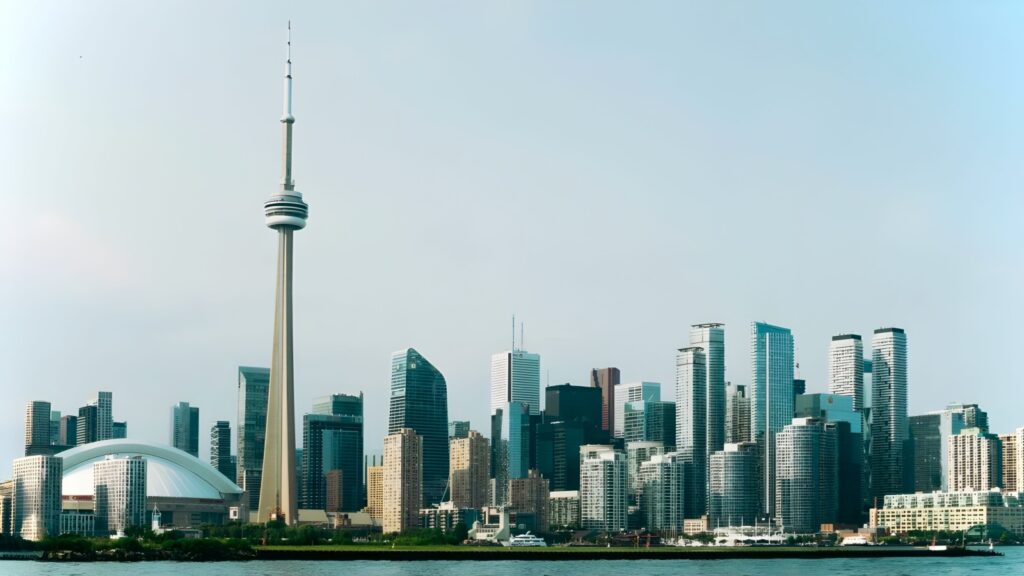
The CN Tower area is one of Toronto’s busiest tourist zones, and it comes with strict regulations that can catch visitors off guard. Parking is limited and often expensive, with enforcement applied consistently in surrounding streets. Unauthorized parking or overstaying time limits can result in fines or towing. Drone use is prohibited in the area due to safety concerns and proximity to controlled airspace. Many visitors assume open outdoor spaces allow recreational flying, but this is not the case. Street performances, filming, and commercial photography may require permits, especially in high-traffic zones. Public alcohol consumption is not allowed, and enforcement is visible. Security presence is also higher due to the location’s importance, which means certain items or activities may be restricted. Canadians often expect tourist areas to be flexible, but dense urban zones operate under stricter bylaws. Reviewing local rules before visiting helps prevent issues.
Hopewell Rocks (New Brunswick)
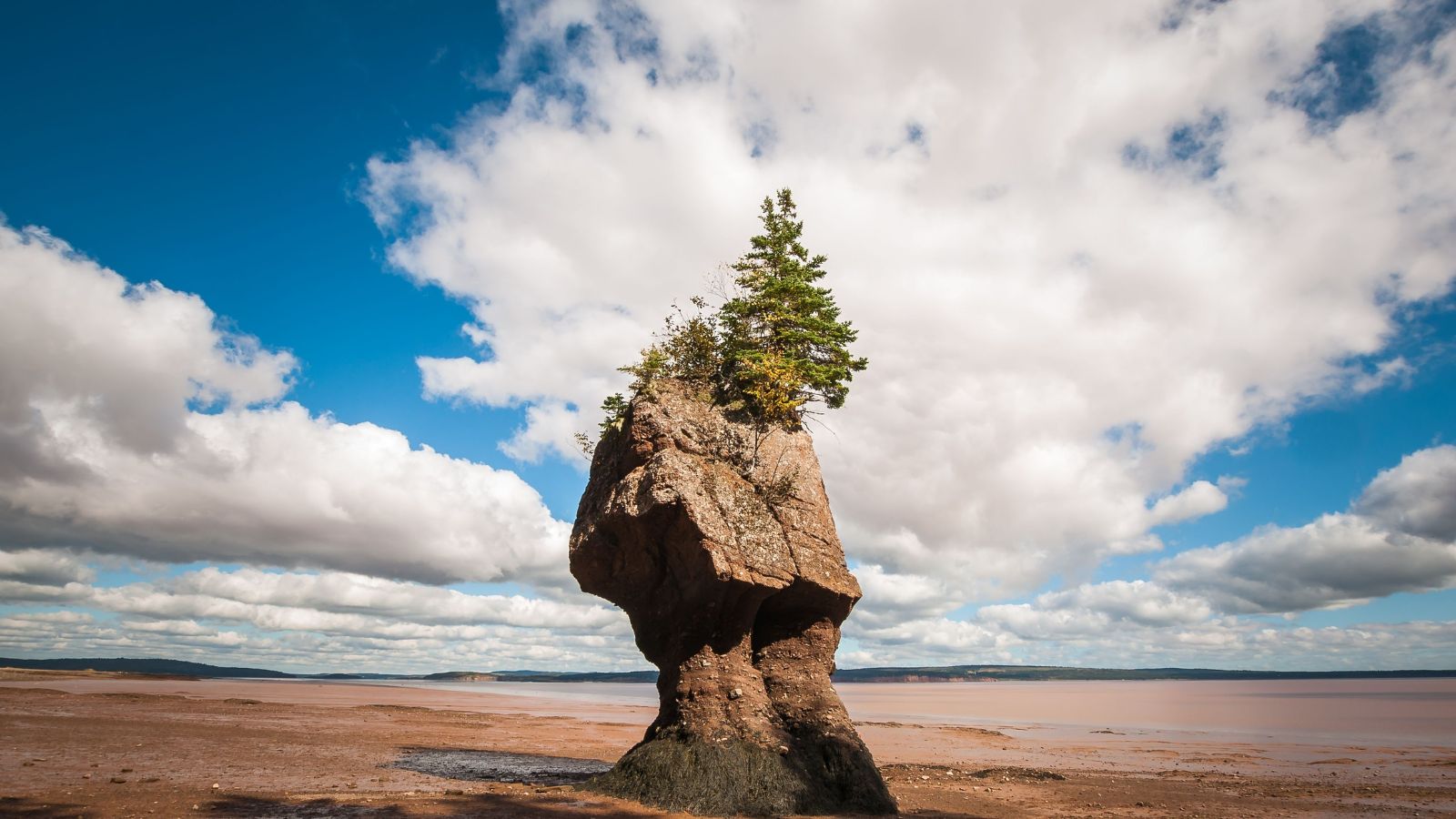
Hopewell Rocks is a unique natural attraction, but it has several rules that may surprise visitors. Access to the ocean floor is controlled by tidal schedules, and visitors must follow designated times to ensure safety. Entering restricted areas outside approved hours can result in fines or enforcement action. Parking requires payment, and unauthorized parking is monitored closely. Visitors are also expected to follow marked paths and avoid climbing on sensitive rock formations, which can cause damage. Drone use is restricted to protect both visitors and the environment, often requiring permits. Commercial photography or organized tours may also need prior approval. Many travellers assume natural attractions are freely accessible, but safety and conservation concerns have led to stricter regulations. These rules are designed to protect both visitors and the site itself.
Lake Louise (Alberta)
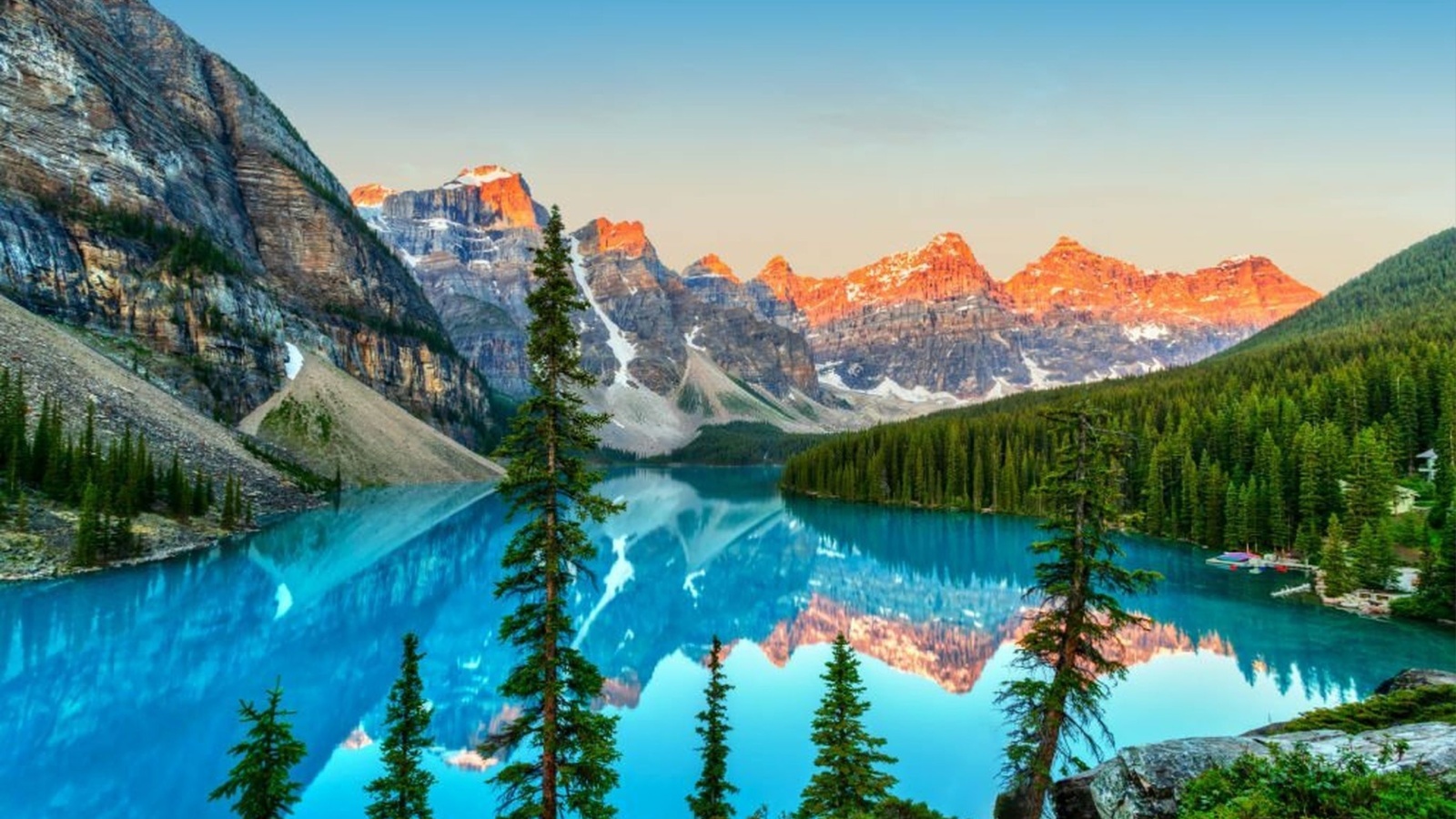
Lake Louise is one of the most photographed locations in Canada, but it comes with strict access and parking rules that often surprise visitors. Parking at the lake is limited and fills quickly, with fees applied throughout the day. Many travellers arrive expecting to park nearby, only to be redirected to shuttle services. Unauthorized parking or stopping along access roads can result in fines. Seasonal restrictions may also apply, including mandatory shuttle use during peak periods. Drone use is prohibited without permits, and wildlife protection laws are strictly enforced. Visitors are not allowed to approach animals or leave food unattended. Commercial photography may require authorization, especially for organized shoots. These regulations are designed to manage high visitor volume and protect the environment. Canadians often underestimate the level of planning required for a visit.
Cabot Trail Scenic Stops (Nova Scotia)
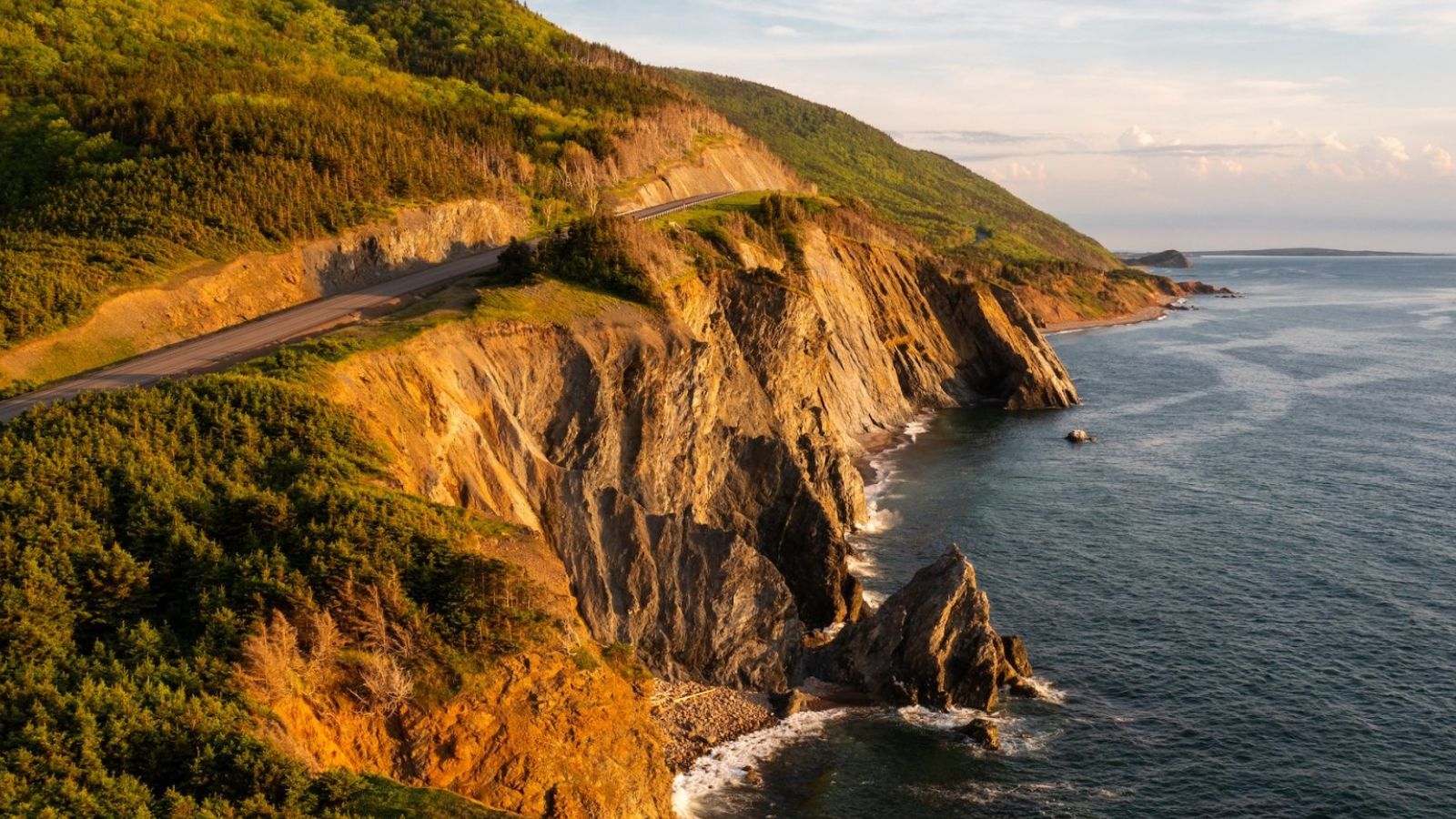
The Cabot Trail offers stunning scenic stops, but many of these locations come with rules that travellers may not expect. Parking is limited in popular viewpoints, and stopping along road shoulders is not always permitted. Some areas require designated parking only, with fines issued for unsafe or unauthorized stops. Visitors often assume they can pull over anywhere for photos, which is not always allowed. In certain sections, commercial photography or drone use may require permits due to safety and environmental concerns. Wildlife regulations also apply, including rules against feeding animals. These stops are designed for viewing, but they are still subject to traffic and safety laws. Canadians often treat scenic routes as informal spaces, but enforcement is present in high-traffic areas.
Moraine Lake (Alberta)
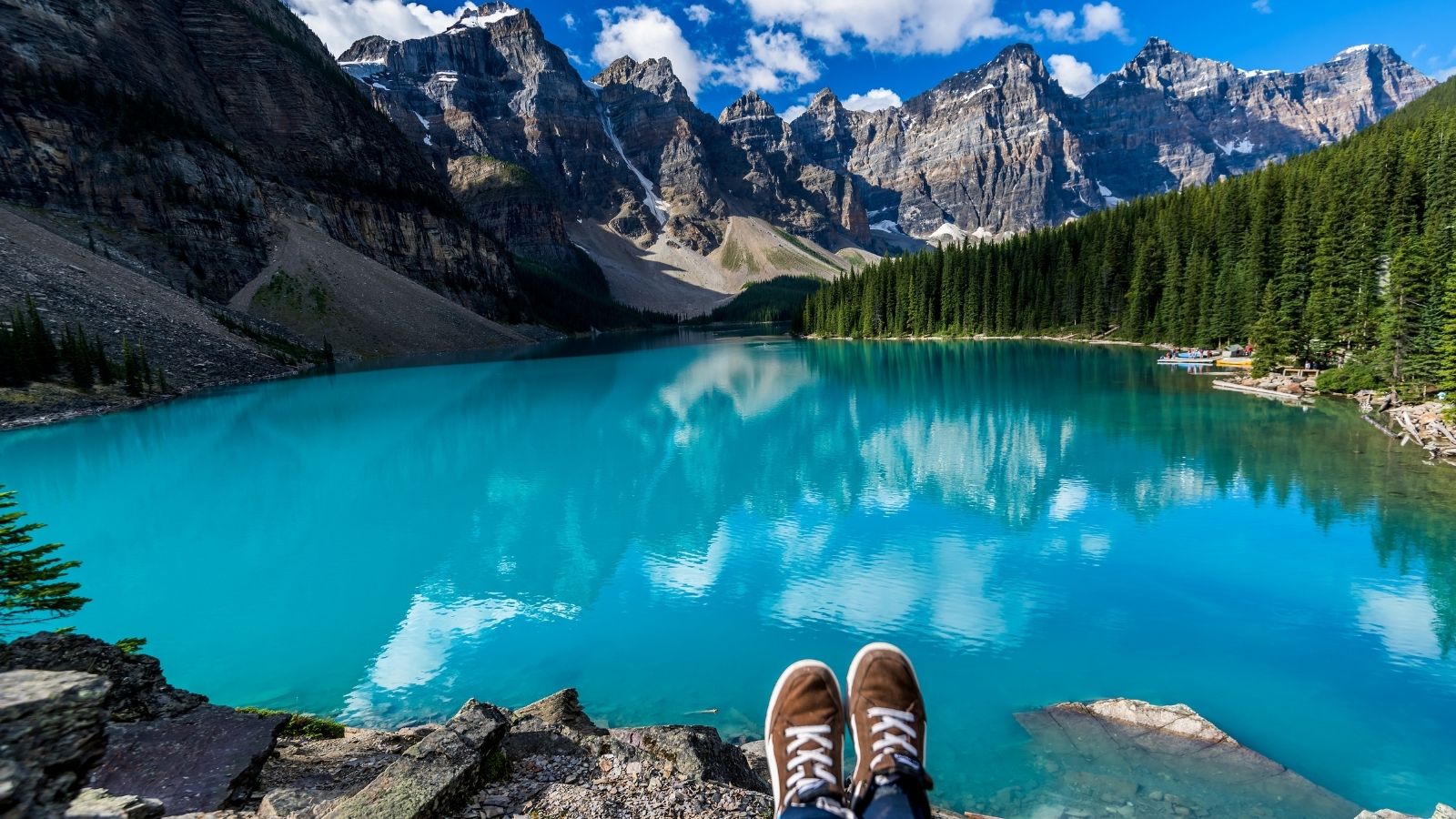
Moraine Lake has become one of the most regulated tourist destinations in Canada due to high visitor demand. Private vehicle access is often restricted during peak seasons, requiring visitors to use shuttle services or authorized transport options. Many travellers arrive expecting direct access, only to be turned away. Parking is extremely limited, and unauthorized stops along the road can result in fines. Drone use is prohibited, and strict environmental protection rules apply. Visitors must stay on designated trails and avoid disturbing wildlife. Commercial photography may require permits, especially for organized shoots. These restrictions are in place to manage overcrowding and protect the natural environment. Canadians often underestimate how controlled access has become.
Signal Hill (Newfoundland and Labrador)
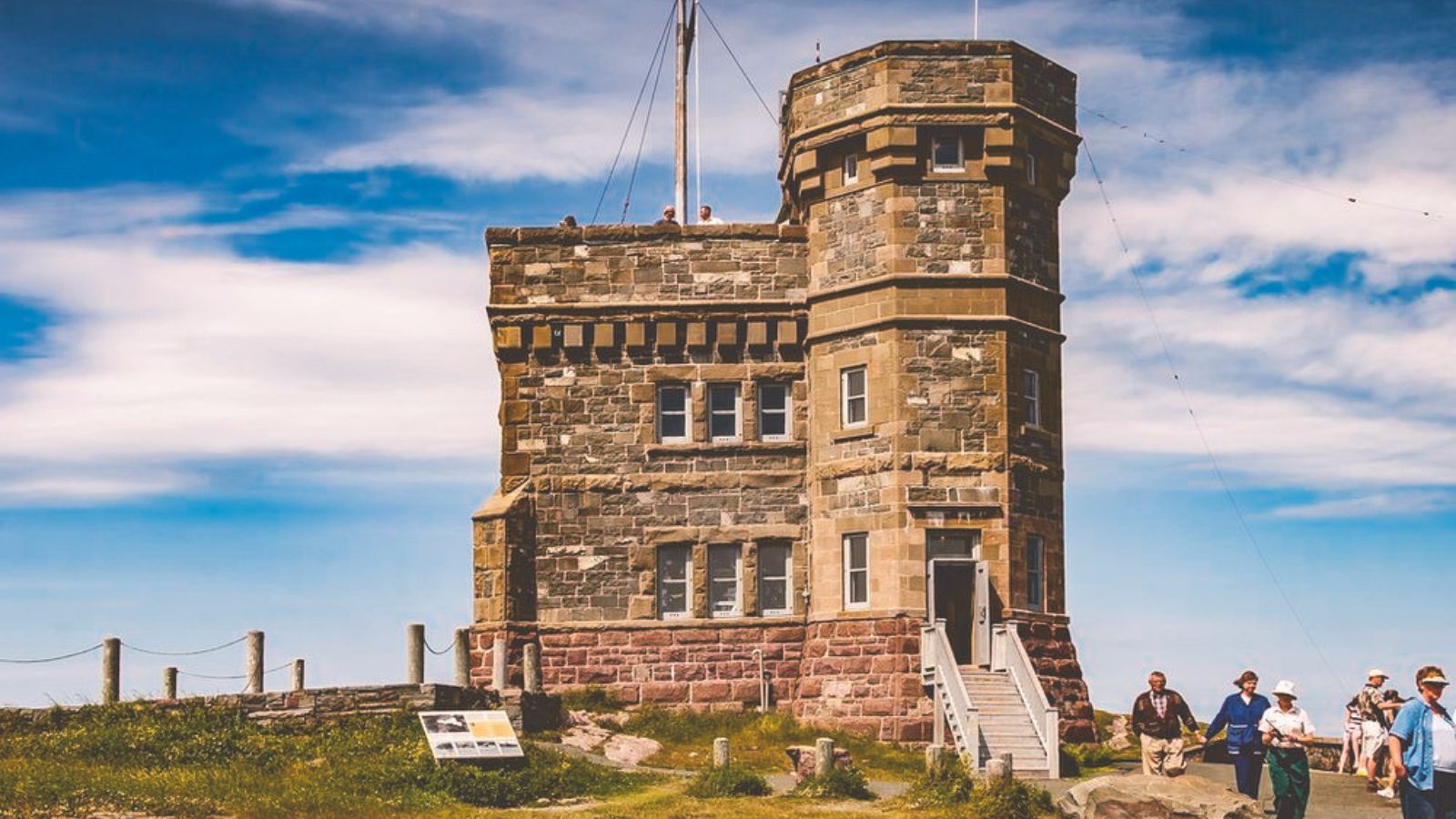
Signal Hill is a historic and scenic site, but it includes several regulations that visitors may not expect. Parking is limited and closely monitored, with fines issued for unauthorized areas. Visitors are required to stay on marked paths to protect both safety and the landscape. Climbing on certain structures or restricted areas is prohibited. Drone use is limited due to safety and heritage-preservation concerns and often requires permits. Commercial photography and filming may also need prior approval. Weather conditions can change quickly, and access to certain areas may be restricted for safety reasons. Canadians often assume open access to scenic sites, but historical locations come with additional rules. These measures are designed to preserve the site and ensure visitor safety.
19 Things Canadians Don’t Realize the CRA Can See About Their Online Income

Earning money online feels simple and informal for many Canadians. Freelancing, selling products, and digital services often start as side projects. The problem appears at tax time. Many people underestimate how much information the CRA can access. Online platforms, banks, and payment processors create detailed records automatically. These records do not disappear once money hits an account. Small gaps in reporting add up quickly.
Here are 19 things Canadians don’t realize the CRA can see about their online income.
