
Short video clips now shape health choices across Canada. One doctor’s viral advice can drive a rush toward certain supplements. Many people see quick tips and start buying products right away. These clips often highlight benefits without full context. Supplements can support health in specific situations. They also carry limits and possible risks. Not every product suits every person. Diet, lifestyle, and medical history still matter. Understanding what these supplements actually do helps people make smarter decisions. Looking at evidence can separate useful options from hype. Here are 23 supplements Canadians are buying because of one viral doctor clip.
Vitamin D Capsules

Vitamin D capsules are widely purchased across Canada, especially during long winters. Limited sunlight reduces natural vitamin D production in the skin. Health Canada recognizes vitamin D as important for bone health. It helps the body absorb calcium from food. Some people believe higher doses prevent many illnesses. Evidence supports bone support, but not every viral claim. Too much vitamin D can cause nausea and kidney problems. Blood testing may guide proper dosing for some individuals. Fatty fish and fortified milk also provide vitamin D. Supplements can help those with low levels. Talking with a healthcare professional helps choose a safe amount. More is not always better when using fat-soluble vitamins.
Magnesium Glycinate

Magnesium glycinate has gained attention in Canada for sleep and stress claims. Magnesium supports muscle and nerve function in the body. Some people use this form because it is gentle on the stomach. Evidence suggests magnesium may help people with low intake. It may support sleep quality for some individuals. It does not cure anxiety or insomnia alone. Excess magnesium from supplements can cause diarrhea and cramping. People with kidney issues need caution with magnesium use. Nuts, seeds, legumes, and whole grains contain magnesium naturally. A balanced diet often meets daily needs. Checking labels and dose strength helps avoid taking too much from multiple products.
Omega-3 Fish Oil

Omega-3 fish oil supplements remain popular in Canadian households. These fats, including EPA and DHA, support heart and brain function. Health Canada allows certain heart health claims for omega-3s. Some viral clips suggest fish oil fixes many conditions. Evidence mainly supports heart benefits for specific groups. High doses can increase bleeding risk for some people. Fish oil may interact with blood-thinning medicines. Eating fatty fish like salmon provides omega-3s naturally. Two fish meals weekly can contribute meaningful amounts. Supplements may help people who rarely eat fish. Quality and purity vary, so choosing tested brands matters. Reading labels helps understand EPA and DHA amounts per capsule.
Probiotic Supplements

Probiotic supplements have become common in Canada for digestive health. These products contain live bacteria similar to gut microbes. Some strains may help with certain digestive issues. Effects depend on the specific strain and dose used. Not all probiotics work the same way. Viral advice often overlooks these differences. For many healthy people, benefits may be modest. Fermented foods like yogurt and kefir also provide beneficial bacteria. Probiotics can cause gas or bloating at first. People with weakened immune systems need medical advice before use. Health Canada regulates many products, yet evidence varies by brand. Choosing products studied for specific conditions can lead to more realistic expectations.
Ashwagandha Capsules

Ashwagandha capsules are marketed in Canada for stress and energy support. This herb comes from traditional Ayurvedic practices. Some studies suggest it may reduce stress in certain adults. Evidence is still developing and not uniform. Claims about hormone balance or major disease treatment lack strong proof. Ashwagandha can cause stomach upset in some users. It may interact with thyroid or sedative medicines. Pregnant or breastfeeding people should avoid it without medical advice. Natural does not mean risk-free for everyone. Lifestyle habits like sleep and activity also affect stress levels. Talking with a healthcare professional helps decide if this supplement fits personal health needs.
Collagen Powder

Collagen powder has become popular in Canada for skin, hair, and joint support. Collagen is a protein found in skin, bones, and connective tissue. Supplements usually come from animal sources. Some small studies suggest collagen may improve skin elasticity. Results are often modest and vary between people. The body breaks collagen into amino acids during digestion. It does not travel directly to wrinkles or joints. Protein from regular foods also supplies these building blocks. Claims about dramatic anti-aging effects often go beyond evidence. People with allergies to source ingredients should check labels carefully. A balanced diet with enough protein supports natural collagen production over time.
Vitamin B12 Tablets

Vitamin B12 tablets are widely used in Canada, especially by older adults and vegetarians. B12 supports red blood cell formation and nerve function. Deficiency can lead to fatigue and nerve problems. People who eat little animal food may need supplements. Some viral claims suggest B12 boosts energy for everyone. Extra B12 does not increase energy if levels are normal. The body excretes excess amounts through urine. Very high doses are usually safe but often unnecessary. Fortified plant milks and cereals also provide B12. Blood tests can confirm deficiency before starting supplements. Targeted use makes more sense than routine high dosing without medical guidance.
Zinc Lozenges

Zinc lozenges are often bought in Canada during cold and flu season. Zinc plays a role in immune function. Some research suggests zinc may shorten cold duration slightly. It does not prevent most people from getting sick. Lozenges can cause a metallic taste or nausea. High zinc intake over time may lower copper levels. Using more than recommended doses can create imbalances. Foods like meat, beans, and nuts contain zinc naturally. Supplements may help people with low intake. Starting zinc after symptoms begin may offer limited benefit. Following label instructions and avoiding long-term high doses supports safer use during illness periods.
Iron Supplements

Iron supplements are commonly used in Canada, especially by women and adolescents. Iron helps carry oxygen in the blood. Low iron can cause anemia, fatigue, and weakness. Supplements can correct a deficiency when confirmed by tests. Taking iron without deficiency can cause constipation and stomach pain. Excess iron may harm organs over time. Vitamin C helps improve iron absorption from supplements. Tea and coffee may reduce absorption if taken together. Lean meats, beans, and fortified grains provide dietary iron. Doctors often recommend blood tests before starting iron therapy. Using the correct dose for the right duration helps restore levels safely and avoid unnecessary risks.
Melatonin Gummies

Melatonin gummies have gained popularity in Canada for sleep support. Melatonin is a hormone that helps regulate sleep cycles. Supplements may help with jet lag or shift work changes. They are not a cure for chronic insomnia. Taking melatonin at the wrong time can disrupt sleep patterns. Side effects may include daytime drowsiness or vivid dreams. Doses in gummies can vary between brands. More is not always more effective. Good sleep habits remain essential for lasting results. Reducing screen time before bed can help promote natural melatonin release. Short-term use may help some people, but ongoing sleep problems deserve medical evaluation and guidance.
Turmeric Curcumin Capsules

Turmeric curcumin capsules are widely sold in Canada for joint and inflammation support. Curcumin is the main active compound in turmeric. Some studies suggest mild benefits for joint discomfort. Results vary and are not equal to medical treatment. Curcumin absorbs poorly without added ingredients like piperine. High doses may cause stomach upset or nausea. It can interact with blood-thinning medicines. Cooking with turmeric provides small amounts naturally. Supplements may help some people, but claims often sound stronger than evidence. People with gallbladder issues should use caution. Discussing supplement use with a healthcare professional helps avoid interactions and unrealistic expectations about pain relief.
Electrolyte Powders
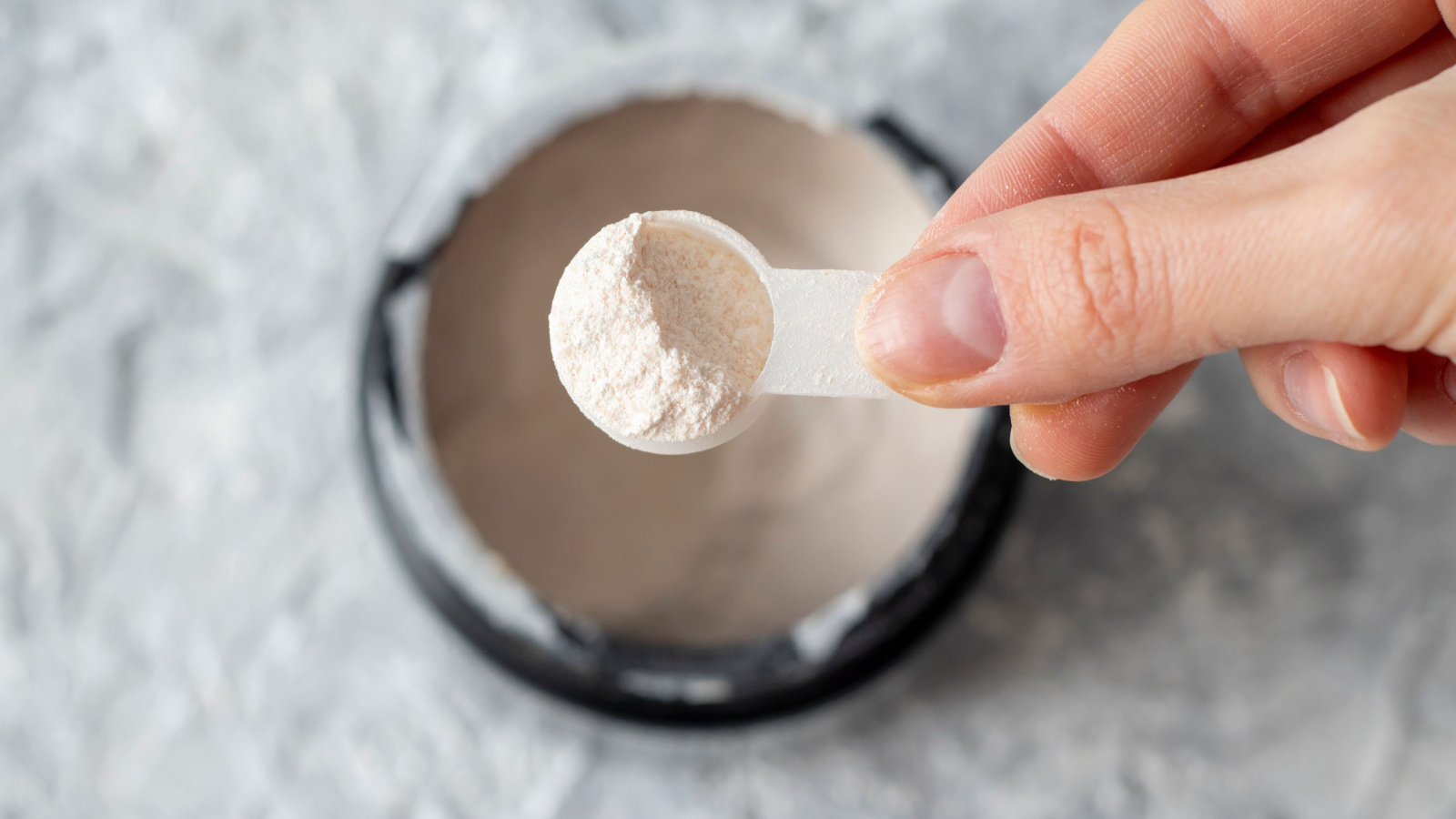
Electrolyte powders are popular in Canada for hydration during workouts. These products contain minerals like sodium and potassium. They help replace fluids lost through heavy sweating. Most people meeting normal activity levels do not need them daily. Plain water works well for routine hydration. High sodium content can add extra salt to the diet. Some powders also contain added sugars. Marketing may suggest they boost energy or detox the body. Benefits mainly relate to fluid balance during long or intense exercise. People with certain medical conditions must watch electrolyte intake. Checking labels helps avoid excess amounts. Regular meals already provide many essential minerals needed by the body.
Apple Cider Vinegar Capsules

Apple cider vinegar capsules are sold in Canada for weight and blood sugar control. Vinegar has been studied in small research settings. Some findings suggest minor effects on blood sugar after meals. Evidence for major weight loss remains weak. Capsules avoid the strong taste of liquid vinegar. They still may irritate the stomach lining. Vinegar products can affect tooth enamel in liquid form. Capsules may vary in actual vinegar content. They are not a substitute for balanced eating. People taking diabetes medicines should be cautious. Lifestyle habits still play the main role in weight management. Marketing claims often sound stronger than current scientific support.
Creatine Monohydrate

Creatine monohydrate is one of the most studied sports supplements in Canada. It helps muscles produce energy during short, intense activity. Research supports its role in strength and power performance. It does not directly burn fat or build muscle without training. Some people gain water weight in muscles at first. This effect is not harmful for healthy individuals. Drinking enough fluids remains important while using creatine. People with kidney disease should avoid it unless advised. Meat and fish contain small amounts of creatine naturally. Typical doses used in studies are moderate. Following label directions helps reduce the risk of stomach discomfort or misuse.
Fiber Supplements

Fiber supplements are widely used in Canada for digestive health. Fiber supports regular bowel movements and gut function. Many people do not meet the daily fiber intake from food. Supplements like psyllium can help increase intake. They may support cholesterol and blood sugar control. Drinking enough water is necessary when using fiber powders. Too much fiber suddenly can cause bloating or gas. Whole foods provide fiber along with vitamins and minerals. Fruits, vegetables, and whole grains remain important. Supplements can help when the diet falls short. Starting with small amounts and increasing gradually improves tolerance. Fiber works best as part of an overall balanced eating pattern.
Multivitamin Tablets

Multivitamin tablets remain common in Canadian households. They combine many vitamins and minerals in one pill. These products aim to fill gaps in daily intake. For people eating varied diets, benefits may be limited. Multivitamins do not replace healthy food choices. Some nutrients can exceed safe levels if combined with other supplements. Fat-soluble vitamins can build up in the body. Labels often show high percentages of daily values. More is not always more beneficial. Specific groups, like older adults, may need certain nutrients. A healthcare professional can guide choices based on diet and health status. Targeted supplements often make more sense than broad daily formulas.
Biotin Supplements

Biotin supplements are popular in Canada for hair, skin, and nail support. Biotin is a B vitamin involved in energy metabolism. True biotin deficiency is rare in the general population. Most people get enough biotin from regular foods. Eggs, nuts, and whole grains contain this vitamin. Claims about rapid hair growth often lack strong evidence. Extra biotin may not improve hair if levels are normal. High doses can interfere with some lab test results. This may affect thyroid or heart test readings. People should tell healthcare providers about biotin use. Balanced nutrition supports hair and nail health more reliably than high-dose single vitamin supplements.
Coenzyme Q10

Coenzyme Q10, often called CoQ10, is sold in Canada for heart and energy support. It plays a role in cell energy production. Some research suggests benefits for certain heart conditions. People taking statin medicines sometimes use CoQ10. Evidence for general energy boosts in healthy people remains limited. CoQ10 supplements can be expensive. Side effects may include stomach upset or headaches. The body produces CoQ10 naturally. Meat, fish, and nuts also provide small amounts. Supplements may help specific groups under medical guidance. They are not a universal solution for fatigue. Discussing use with a healthcare professional helps match expectations with current scientific understanding.
Calcium Tablets

Calcium tablets are widely used in Canada for bone health. Calcium helps maintain strong bones and teeth. Some people, especially older adults, may need supplements. Dairy foods, fortified drinks, and leafy greens provide dietary calcium. Taking too much calcium can cause constipation. High intake may increase kidney stone risk for some people. Vitamin D also affects calcium absorption. Supplements should match individual needs, not general trends. Splitting doses can improve absorption. Bone health also depends on weight-bearing activity. Tablets alone do not prevent bone loss. A healthcare provider can assess diet and risk factors before recommending long-term calcium supplementation.
Green Tea Extract

Green tea extract supplements are marketed in Canada for weight and metabolism support. Green tea contains compounds called catechins and caffeine. Some studies show small effects on metabolism. Results vary and are often modest. High-dose extracts have been linked to liver problems in rare cases. Drinking brewed green tea is generally safer. Supplements can deliver more concentrated compounds than beverages. Claims about rapid fat loss often exaggerate research findings. People sensitive to caffeine may notice side effects. Green tea extract can interact with certain medicines. Balanced eating and regular activity remain central for weight management. Supplements alone do not produce major changes without lifestyle habits.
L Theanine Capsules

L-theanine capsules are sold in Canada for relaxation and focus support. L-theanine is an amino acid found in tea leaves. Some studies suggest it may promote calm feelings without strong drowsiness. Effects are usually mild and vary by person. It does not treat anxiety disorders on its own. Combining it with caffeine may change alertness levels. Side effects are uncommon but possible. Supplements can still interact with other products. Drinking tea provides L-theanine along with other compounds. Capsules deliver more concentrated amounts than beverages. People using medications for mood or blood pressure should ask a healthcare professional before starting this supplement.
Elderberry Syrup Supplements

Elderberry syrup supplements became popular in Canada for immune support. Elderberries contain antioxidants and plant compounds. Some small studies suggest elderberry may shorten cold or flu symptoms. Evidence remains limited and not conclusive. It does not prevent viral infections on its own. Syrups often contain added sugars. Quality and concentration vary between brands. Raw elderberries can be toxic if not prepared properly. Commercial products are processed, yet safety still matters. People with autoimmune conditions should use caution. Vaccination, hygiene, and rest play larger roles in infection control. Elderberry may be a supportive product, but it is not a replacement for medical care.
Protein Powders

Protein powders are widely used in Canada for fitness and meal support. They provide concentrated protein from dairy or plant sources. Protein helps build and repair body tissues. Most people can meet their needs through regular foods. Powders can be useful when appetite is low or schedules are busy. Some products contain added sugars or fillers. Excess protein does not automatically build more muscle. Strength training and total calorie intake also matter. People with kidney disease need medical advice before high-protein use. Reading labels helps compare protein amounts per serving. Whole foods like beans, eggs, and yogurt also offer protein with additional nutrients.
22 Groceries to Grab Now—Before another Price Shock Hits Canada

Food prices in Canada have been steadily climbing, and another spike could make your grocery bill feel like a mortgage payment. According to Statistics Canada, food inflation remains about 3.7% higher than last year, with essentials like bread, dairy, and fresh produce leading the surge. Some items are expected to rise even further due to transportation costs, droughts, and import tariffs. Here are 22 groceries to grab now before another price shock hits Canada.
22 Groceries to Grab Now—Before another Price Shock Hits Canada
