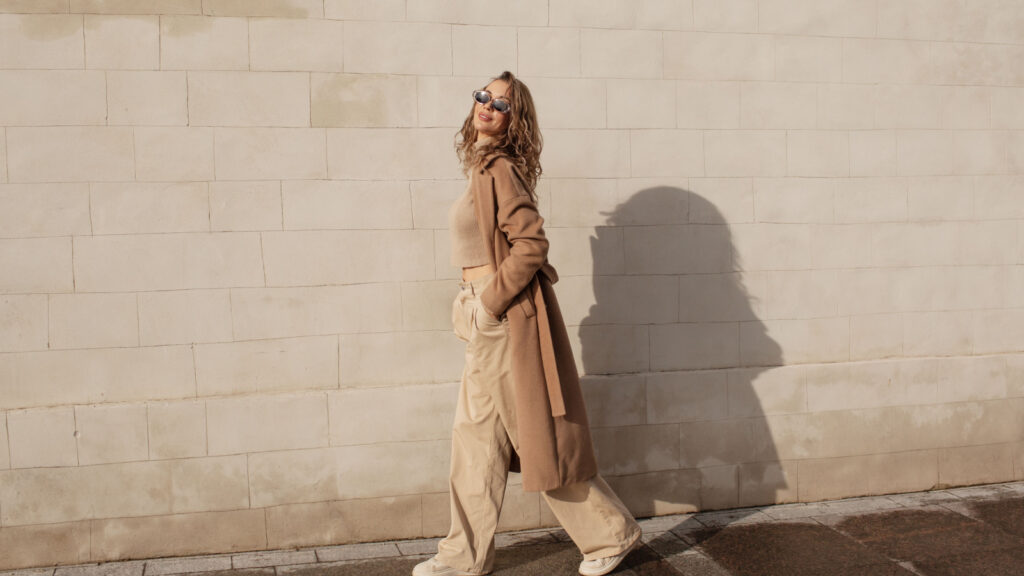
Fashion rules once dictated how Canadians dressed for work, social events, and everyday life. Many of these guidelines were treated as strict instructions rather than suggestions. In 2026, however, personal style feels much more flexible. Social media, resale fashion, and relaxed workplace culture have encouraged people to experiment without worrying about outdated expectations. Canadians now prioritize comfort, individuality, and practicality over rigid fashion traditions. As a result, several long-standing style rules are quietly disappearing from everyday wardrobes. Here are 15 style rules Canadians are ignoring in 2026.
“You Can’t Wear Sneakers With Everything”
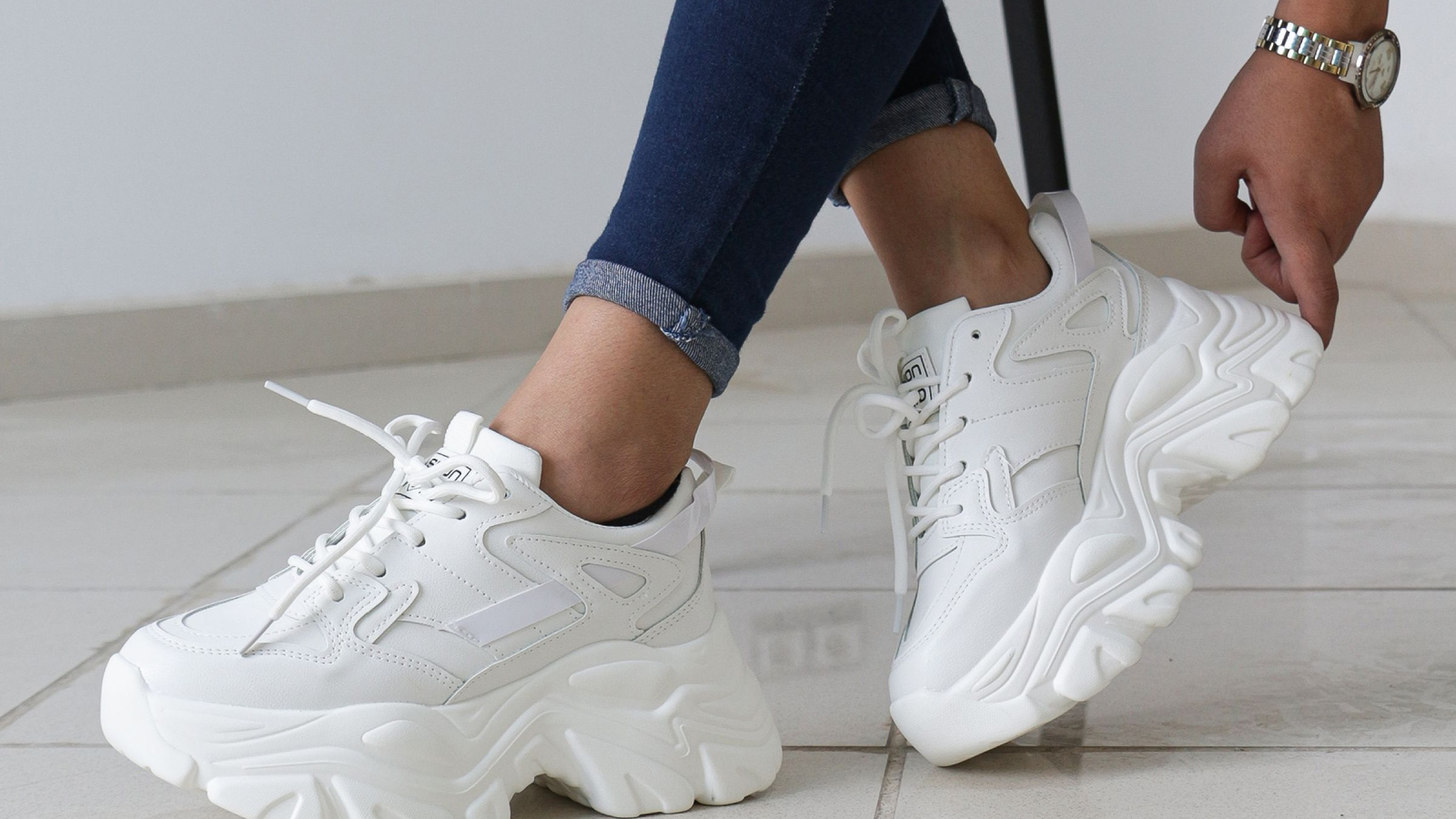
For decades, sneakers were considered strictly casual footwear that belonged in gyms or athletic environments, and wearing them with dresses, tailored trousers, or professional outfits was often criticized as inappropriate. Canadians in 2026 have almost completely abandoned that rule, and minimalist sneakers now appear everywhere from offices and restaurants to social gatherings and travel outfits. The change reflects modern lifestyles where people walk frequently, commute by transit, and value practical footwear that still looks stylish. Sleek sneakers from brands like Adidas, Veja, and New Balance pair surprisingly well with tailored trousers, blazers, or midi dresses, creating outfits that feel balanced rather than sloppy. Instead of making clothing appear underdressed, sneakers now often make outfits feel relaxed and contemporary.
“You Shouldn’t Mix Brown and Black”

Older fashion advice warned people never to combine brown and black within the same outfit because the colours were believed to clash visually. Canadians today rarely follow that rule, and many stylists now consider the combination both sophisticated and modern. Mixing brown boots with black trousers or pairing a black coat with a tan leather bag creates a subtle contrast that adds depth to an outfit. Modern wardrobes also feature many neutral tones that work well together, making strict colour rules feel unnecessary. Canadians who build capsule wardrobes often combine black, brown, beige, and grey intentionally to maximize versatility. The contrast between darker and warmer neutrals can actually make outfits appear more layered and thoughtfully styled.
“Denim on Denim Is a Fashion Mistake”

Double denim once carried a reputation as one of the biggest fashion mistakes someone could make, and many people avoided wearing denim jackets with jeans because fashion magazines warned against the combination. Canadians in 2026 have rediscovered how effective this pairing can be when styled thoughtfully. The key lies in mixing different shades of denim to create visual contrast rather than wearing identical tones. A light denim jacket paired with darker jeans or a dark shirt layered under faded denim can produce a balanced look that feels casual and cohesive. Canadians also appreciate how practical denim remains during transitional seasons like spring, when temperatures shift throughout the day. Denim jackets provide lightweight warmth while jeans remain durable for everyday activities.
“You Must Dress for Your Age”

For many years, fashion advice suggested that people should avoid certain styles after reaching specific ages, often labeling trends like ripped denim, bold prints, or oversized silhouettes as inappropriate for older adults. By 2026, Canadians increasingly reject this idea and choose clothing based on personal taste rather than arbitrary age limits. Social media has helped normalize this shift by showcasing people of all ages confidently sharing their personal style. Canadians in their forties, fifties, and beyond now wear sneakers, statement jackets, and modern silhouettes without feeling restricted by outdated expectations. Instead of dressing according to age categories, people focus on clothing that feels comfortable, expressive, and authentic.
“Athleisure Is Only for the Gym”
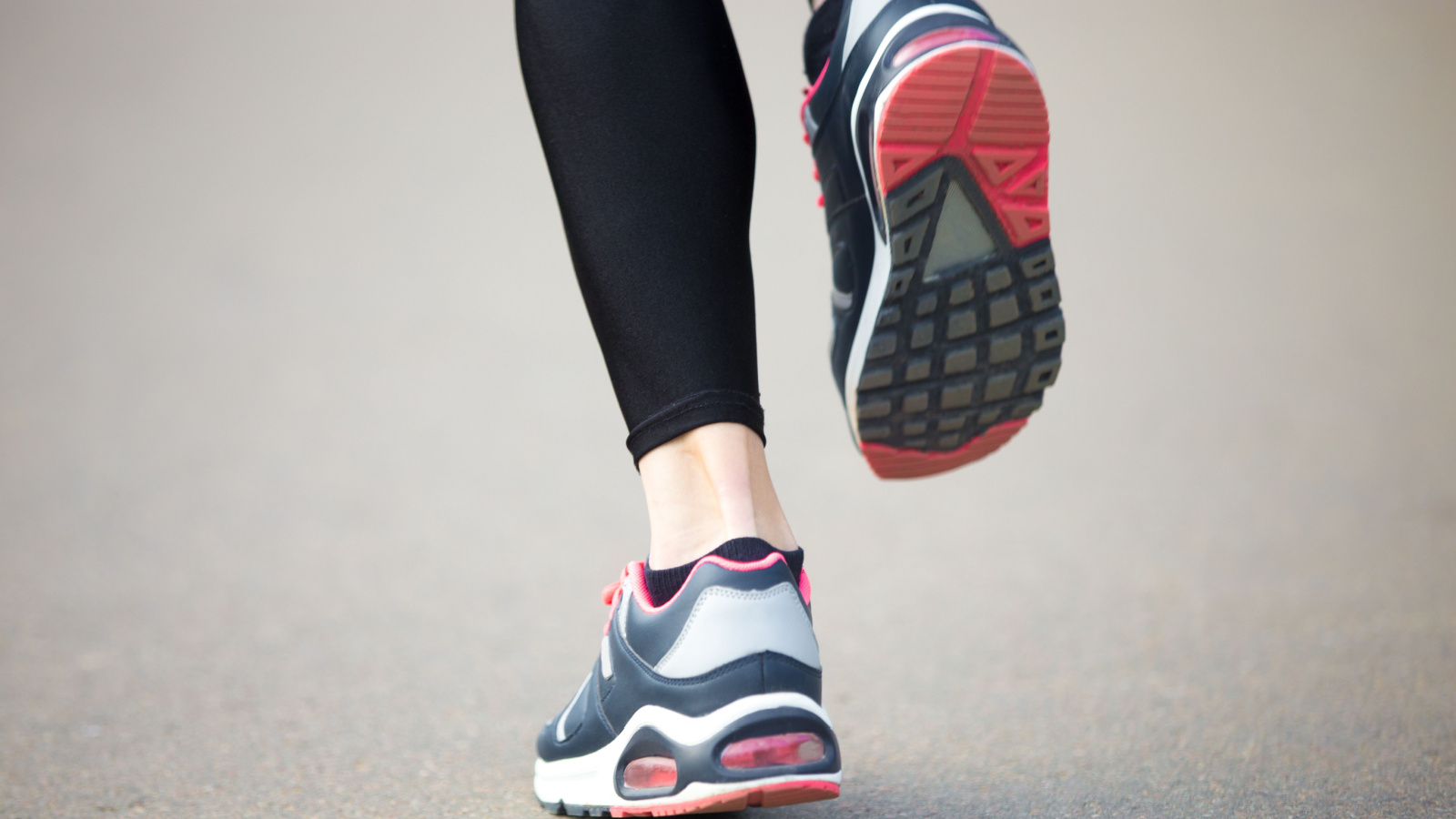
Athletic clothing was once expected to remain inside gyms or workout spaces, and wearing leggings or performance fabrics in everyday settings was often criticized. In 2026, athleisure has become one of the most common everyday styles across Canada, appearing everywhere from coffee shops to casual workplaces. Canadians appreciate clothing that supports active lifestyles while remaining comfortable throughout the day. Leggings, hoodies, and technical jackets now blend seamlessly into everyday outfits because brands have designed athletic clothing that looks as polished as it is functional. Companies such as Lululemon played a major role in making athletic-inspired clothing socially acceptable beyond exercise environments.
“Your Shoes Must Match Your Bag”
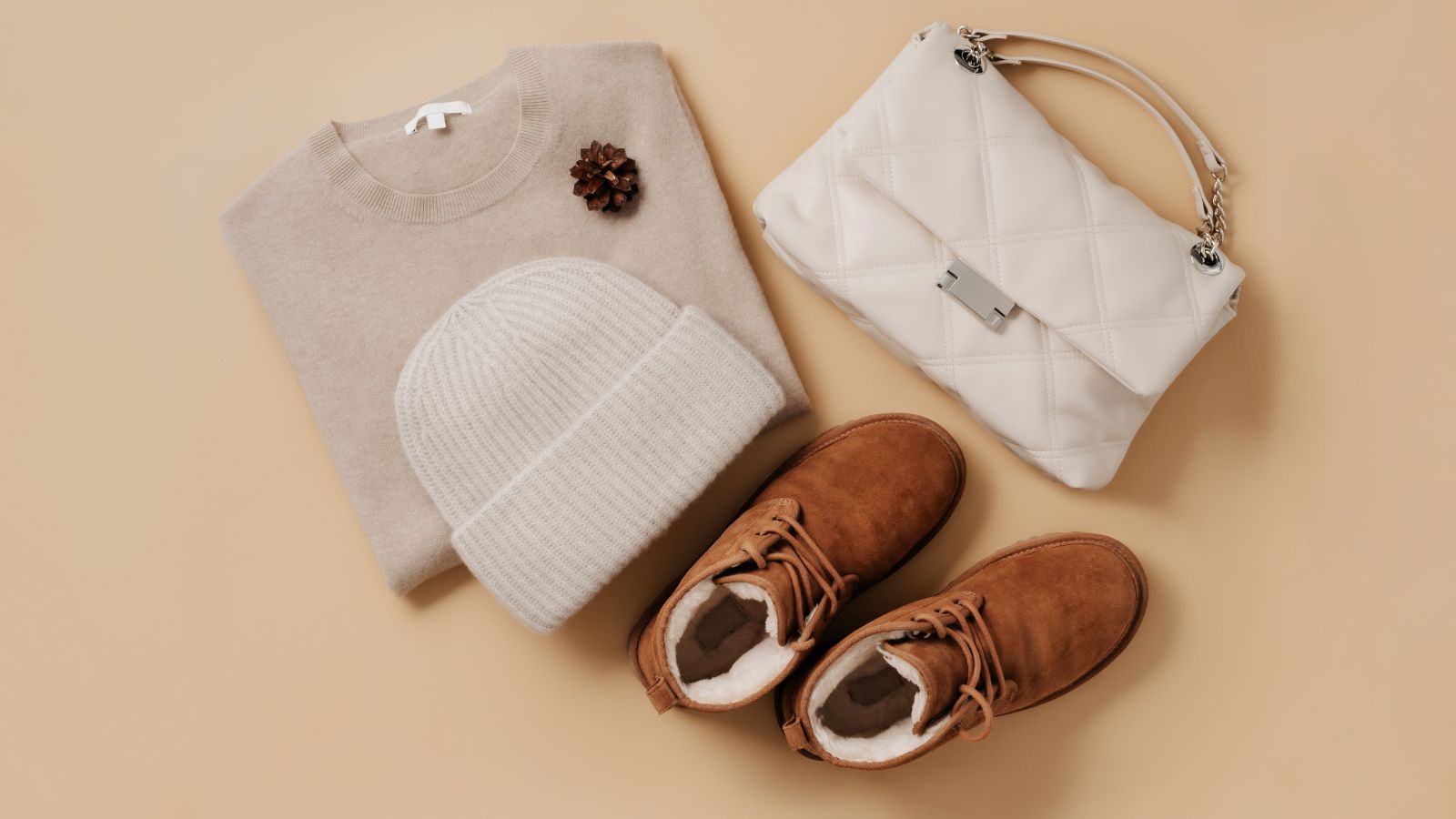
Matching shoes and handbags used to be considered essential for creating polished outfits, and many Canadians grew up hearing that accessories should always coordinate perfectly. In 2026, this rule feels unnecessarily strict and rarely influences everyday styling decisions. Canadians now mix different materials, colours, and textures without worrying about exact matches. For example, pairing white sneakers with a brown leather tote or combining black boots with a neutral canvas bag now feels completely normal. Stylists often argue that a slight contrast between accessories actually adds personality and visual interest to outfits. The disappearance of strict coordination rules reflects a broader shift toward individuality in fashion, where people prioritize balance and creativity over perfect matching.
“Never Wear White Before Summer”
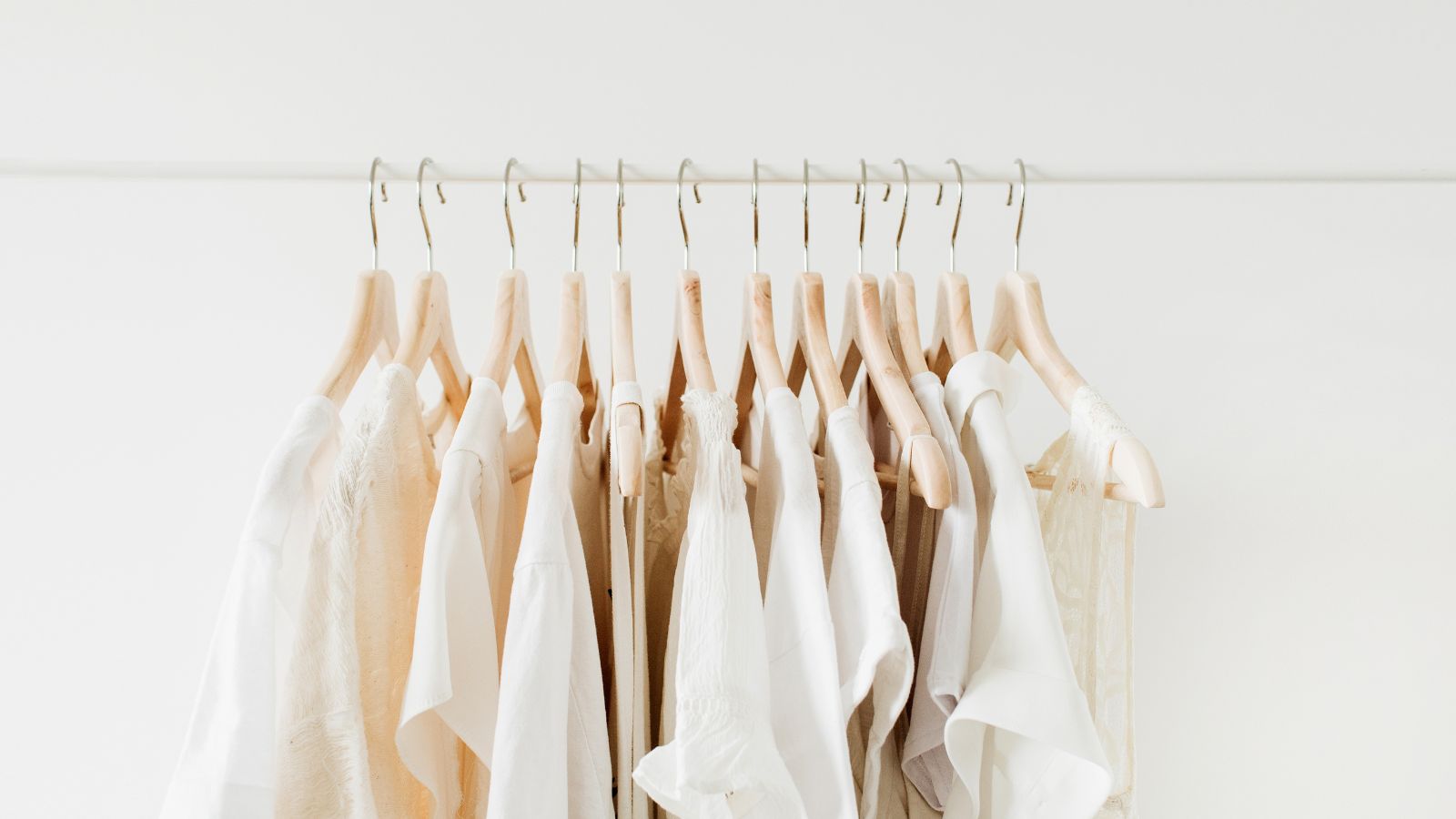
The traditional rule warning people not to wear white clothing before summer once influenced many spring wardrobes, especially in colder climates. Canadians in 2026 rarely follow this outdated guideline and instead wear white year-round. White jeans, sweaters, and sneakers now appear frequently during early spring when people feel ready to transition away from dark winter colours. Canadians appreciate how bright fabrics create a fresh contrast against grey skies and melting snow. Because weather conditions vary widely across the country, seasonal colour rules no longer make much sense. People now choose clothing based on comfort and practicality rather than strict calendar-based fashion traditions. As a result, the old “no white before summer” rule has quietly disappeared from most modern wardrobes.
“Everything Must Match Perfectly”
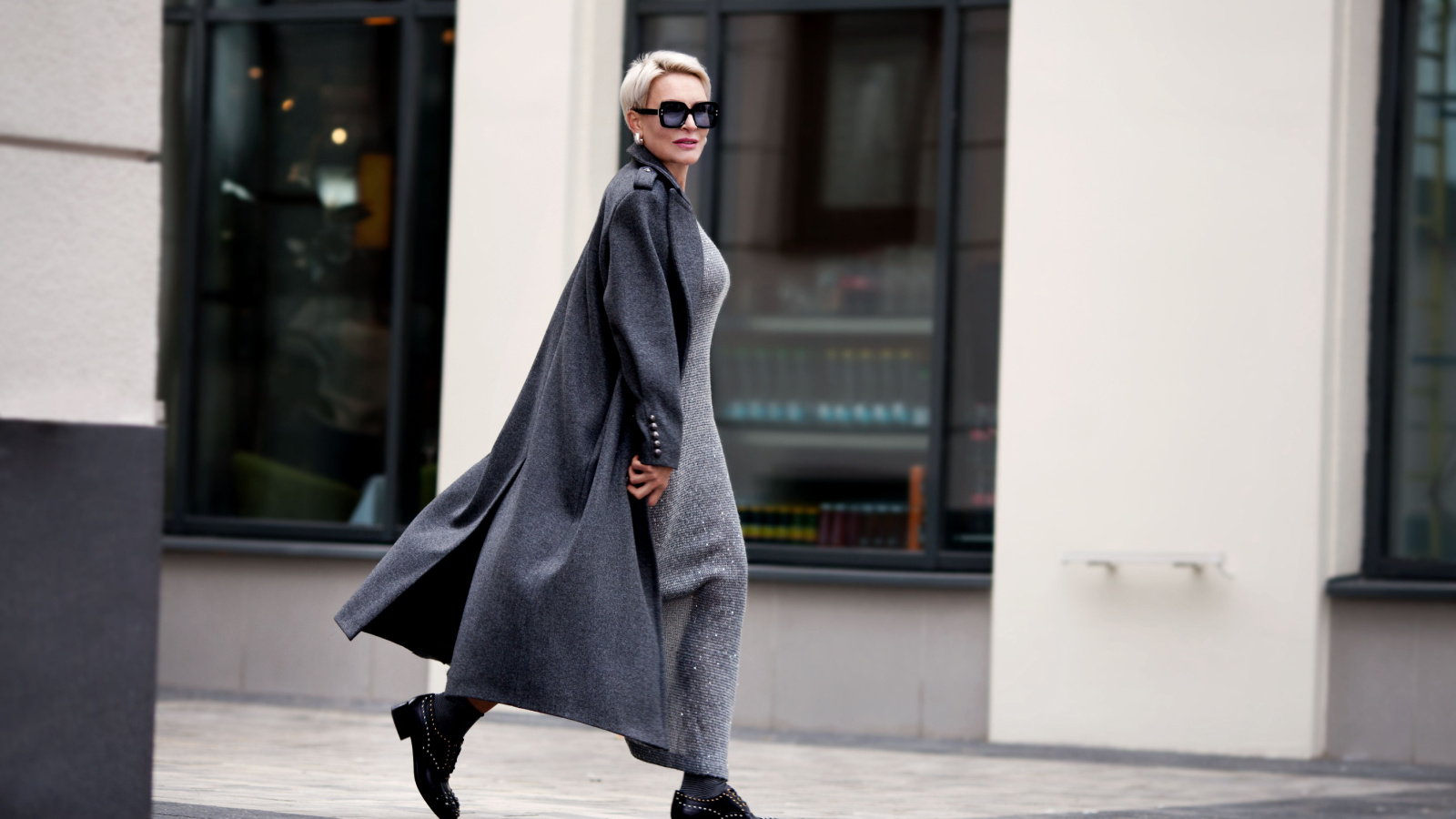
Traditional fashion advice often encouraged perfectly coordinated outfits where colours, patterns, and textures aligned exactly. Canadians in 2026 prefer a more relaxed approach that values balance over strict matching. Mixing textures such as denim, knitwear, and structured tailoring often creates more visually interesting outfits than perfectly coordinated combinations. Canadians frequently pair casual sneakers with tailored trousers or combine soft sweaters with structured coats to create contrast. Social media has also encouraged experimentation by showing how different styles and fabrics can work together in unexpected ways. Rather than worrying about perfect coordination, people now focus on creating outfits that feel comfortable and authentic.
“You Should Only Wear One Statement Piece”
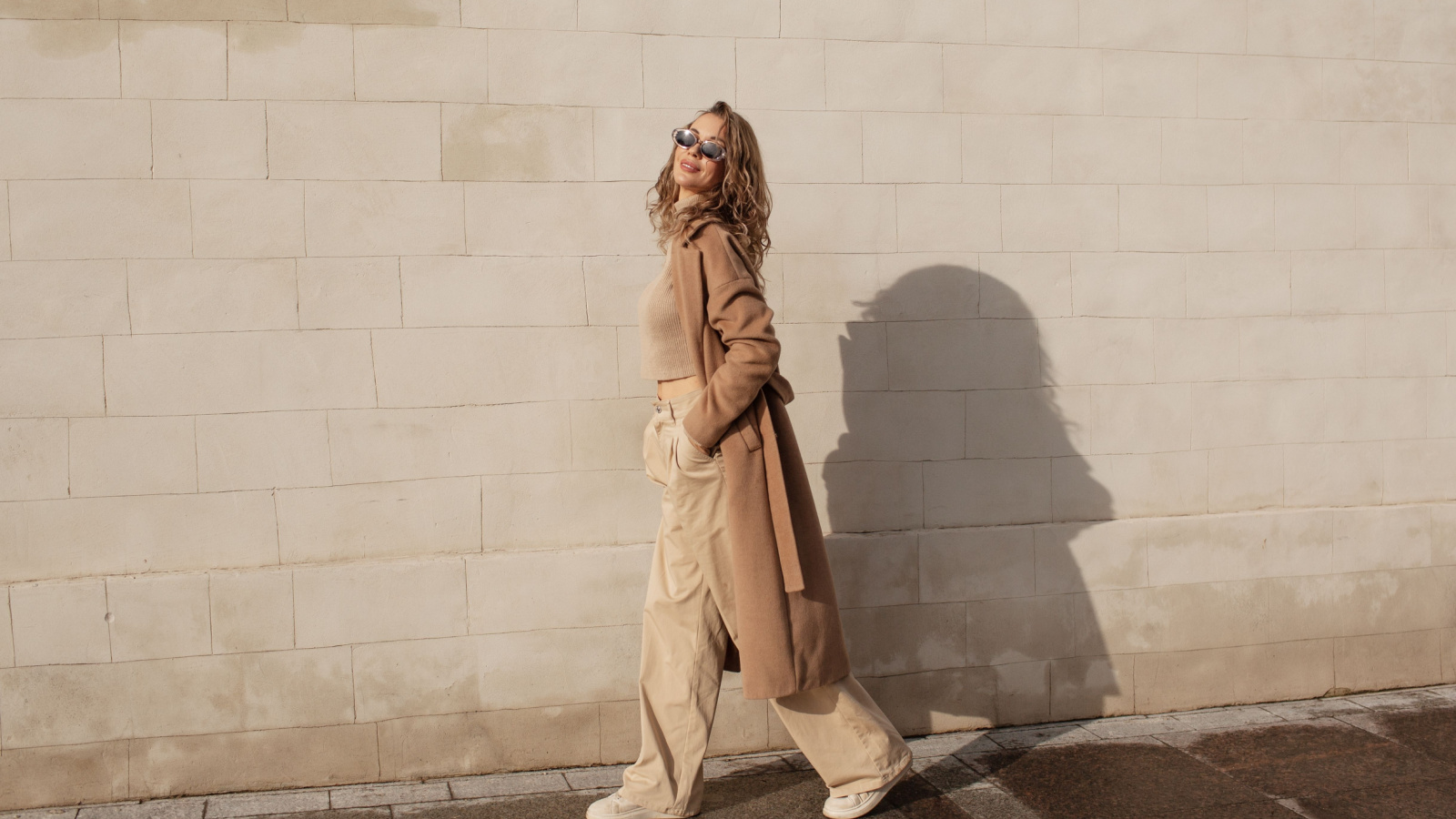
For years, fashion advice often suggested that outfits should include only one statement item at a time. The idea was that wearing multiple bold pieces could overwhelm the overall look. In 2026, Canadians are increasingly ignoring this guideline and experimenting with combinations that feel more expressive. It is now common to see outfits that include statement jackets, textured fabrics, and unique accessories all within the same look. Social media fashion creators have played a major role in encouraging people to try more adventurous styling. The key difference today is that people focus on balance rather than strict limits. For example, combining a bold patterned jacket with chunky sneakers and layered jewelry can feel cohesive when the colours and proportions work together.
“Workwear Must Always Look Formal”
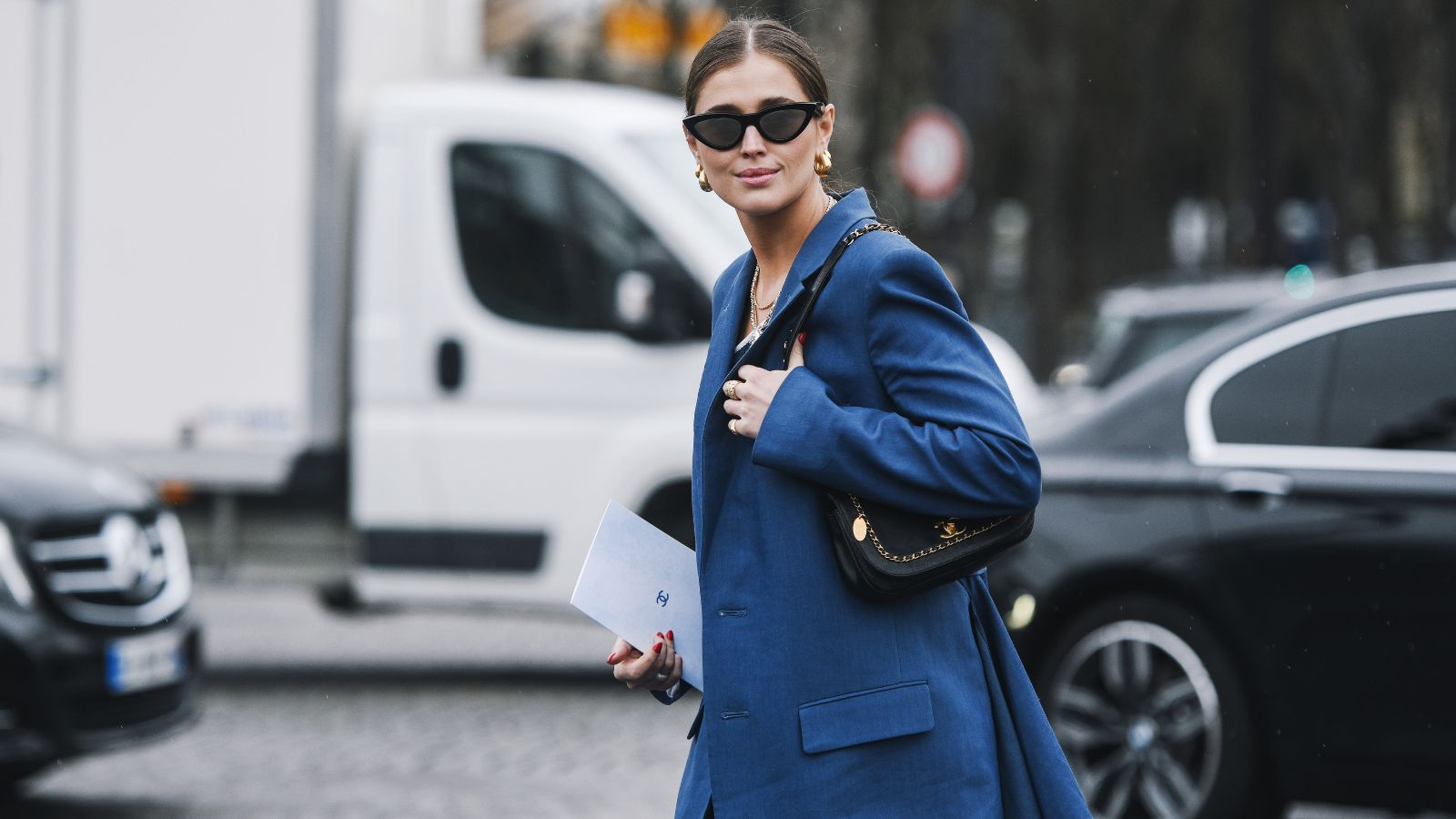
Traditional office dress codes once required structured suits, dress shoes, and highly formal clothing. Many Canadians grew up believing that professional environments demanded strict separation between work clothing and casual outfits. However, workplace culture in 2026 looks very different. Hybrid work schedules and relaxed dress codes have changed how Canadians approach professional wardrobes. Tailored trousers now appear with minimalist sneakers, knit sweaters replace stiff dress shirts, and structured blazers are often worn with denim. Many workplaces have realized that comfort and productivity often go hand in hand. This shift allows employees to maintain polished appearances while still dressing in ways that feel practical for commuting or working long hours.
“Neutral Colours Are the Only Safe Choice”
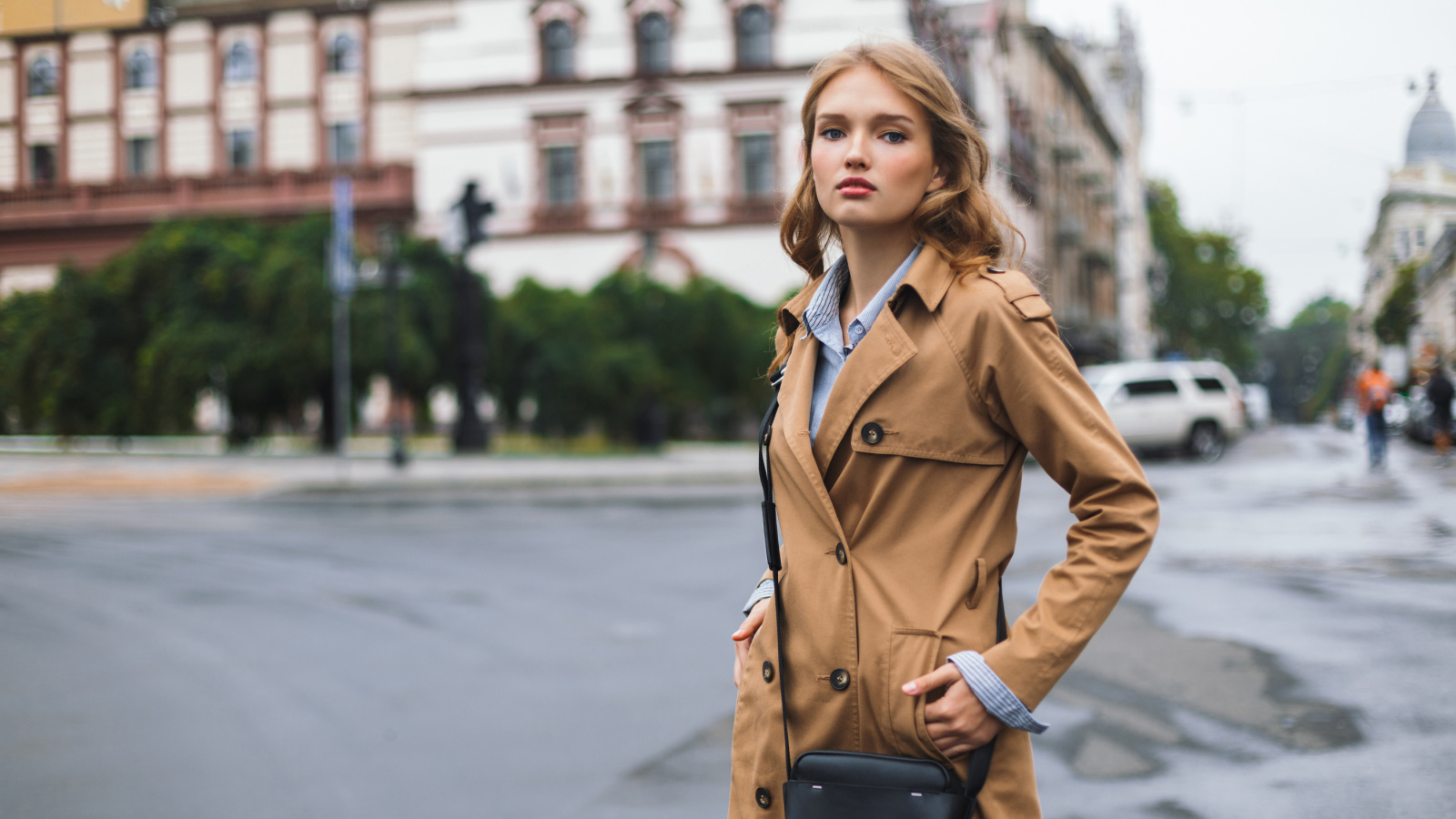
For decades, neutral colours like black, navy, and beige were considered the safest options for building versatile wardrobes. While neutrals still dominate many outfits, Canadians in 2026 are far less restricted by this idea. Many people now incorporate soft colour palettes into everyday clothing without worrying about strict rules. Muted greens, dusty blues, and warm terracotta tones often appear alongside traditional neutrals. Canadians have realized that colour can still feel sophisticated when it remains balanced and understated. This approach allows wardrobes to feel more personal while maintaining a polished appearance. Even minimalists who prefer neutral clothing often add subtle colour through accessories or seasonal pieces.
“You Should Always Dress for the Occasion”

The idea of dressing strictly according to specific occasions once defined many fashion choices. Formal dinners required formal clothing, errands required casual outfits, and social events followed predictable dress codes. In 2026, Canadians are increasingly blending these categories. It is now common to see tailored clothing worn casually or relaxed clothing styled for more polished environments. For example, people might wear blazers with sneakers to dinner or pair elegant dresses with casual footwear during daytime events. This shift reflects a broader cultural movement toward flexibility and individuality. Canadians prefer clothing that adapts to multiple situations rather than requiring entirely separate wardrobes.
“Comfort Means Sacrificing Style”
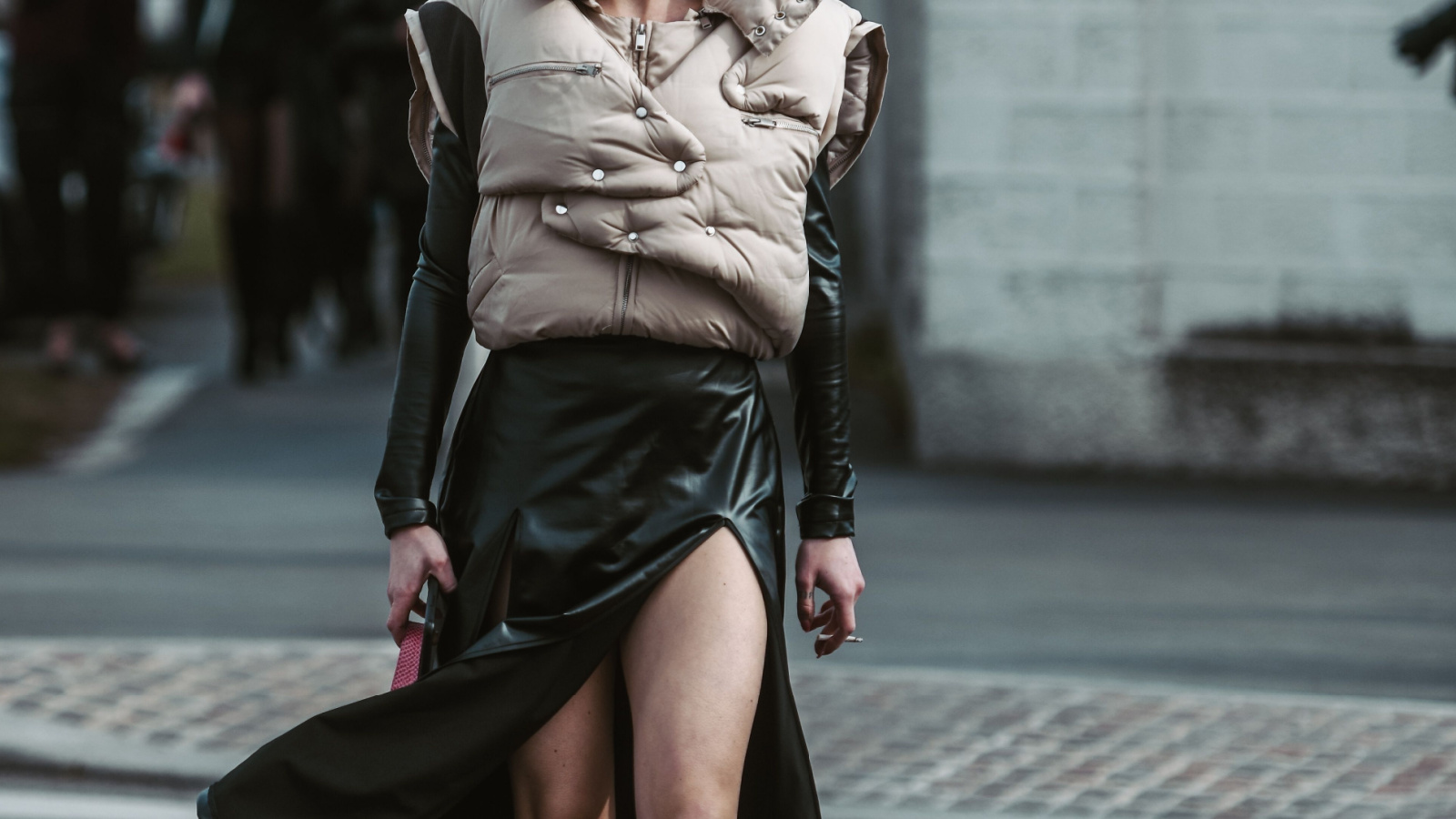
Another outdated rule suggested that comfortable clothing could never look truly stylish. Many people once believed that fashionable outfits required stiff fabrics, narrow silhouettes, or impractical footwear. Canadians in 2026 have completely rejected this idea. Advances in fabric technology and modern design have made it possible for clothing to feel comfortable while still appearing polished. Soft knitwear, relaxed tailoring, and flexible sneakers now appear regularly in fashionable outfits. Brands across Canada increasingly design clothing that prioritizes both aesthetics and practicality. The disappearance of this rule has made fashion far more accessible to people who value practicality in their daily lives.
“You Must Follow Seasonal Trends”
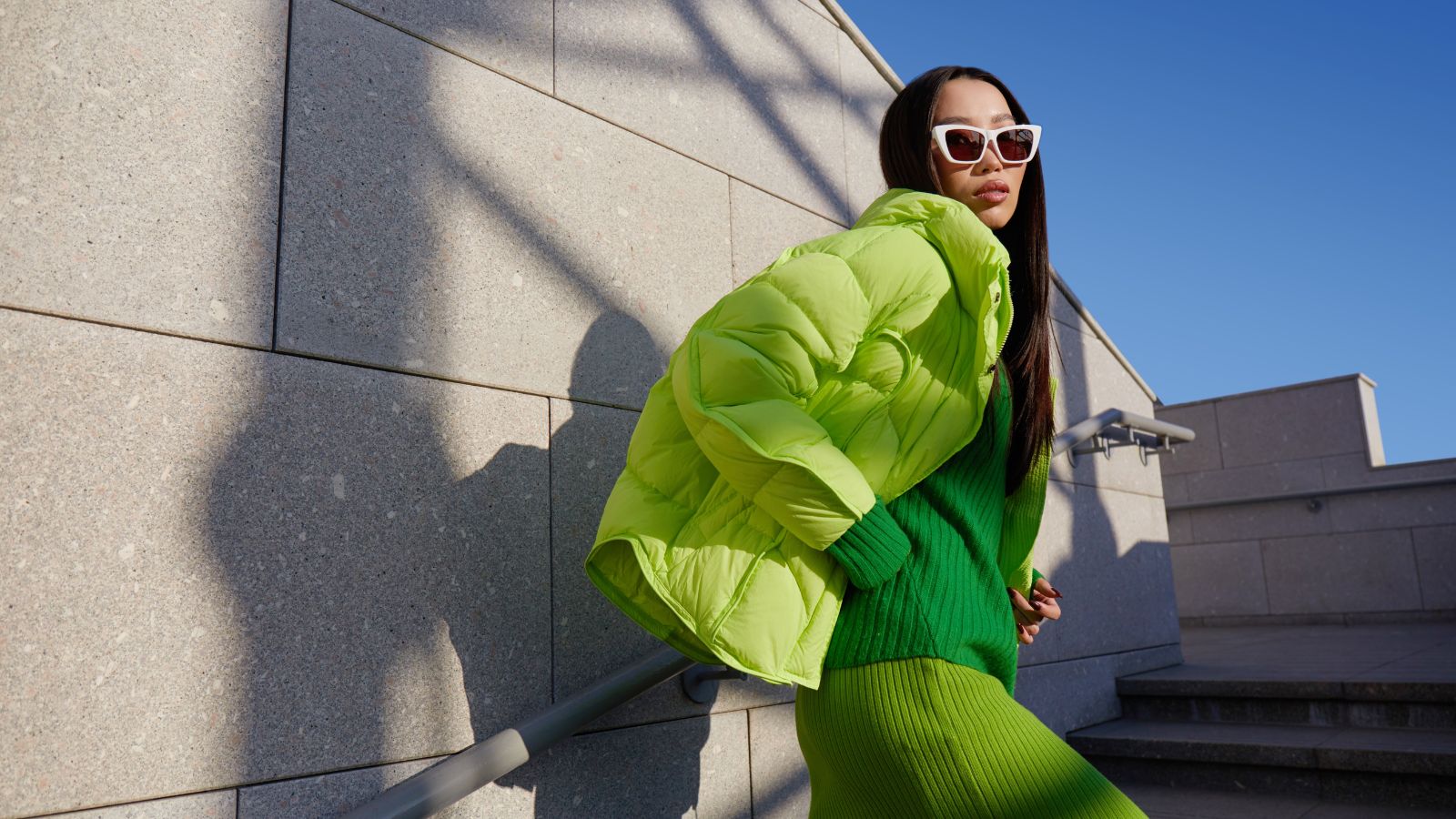
Seasonal trends once influenced nearly every clothing decision, with fashion magazines declaring which styles belonged to each season. Canadians in 2026 are less concerned with constantly updating wardrobes to match new trends. Instead, many people prefer building wardrobes around timeless pieces that work year after year. Capsule wardrobes and sustainable fashion movements have encouraged shoppers to prioritize longevity over seasonal novelty. Canadians often mix older clothing with new pieces rather than replacing entire wardrobes every season. This approach reduces waste while allowing personal style to develop over time.
“Fashion Should Follow Strict Rules”
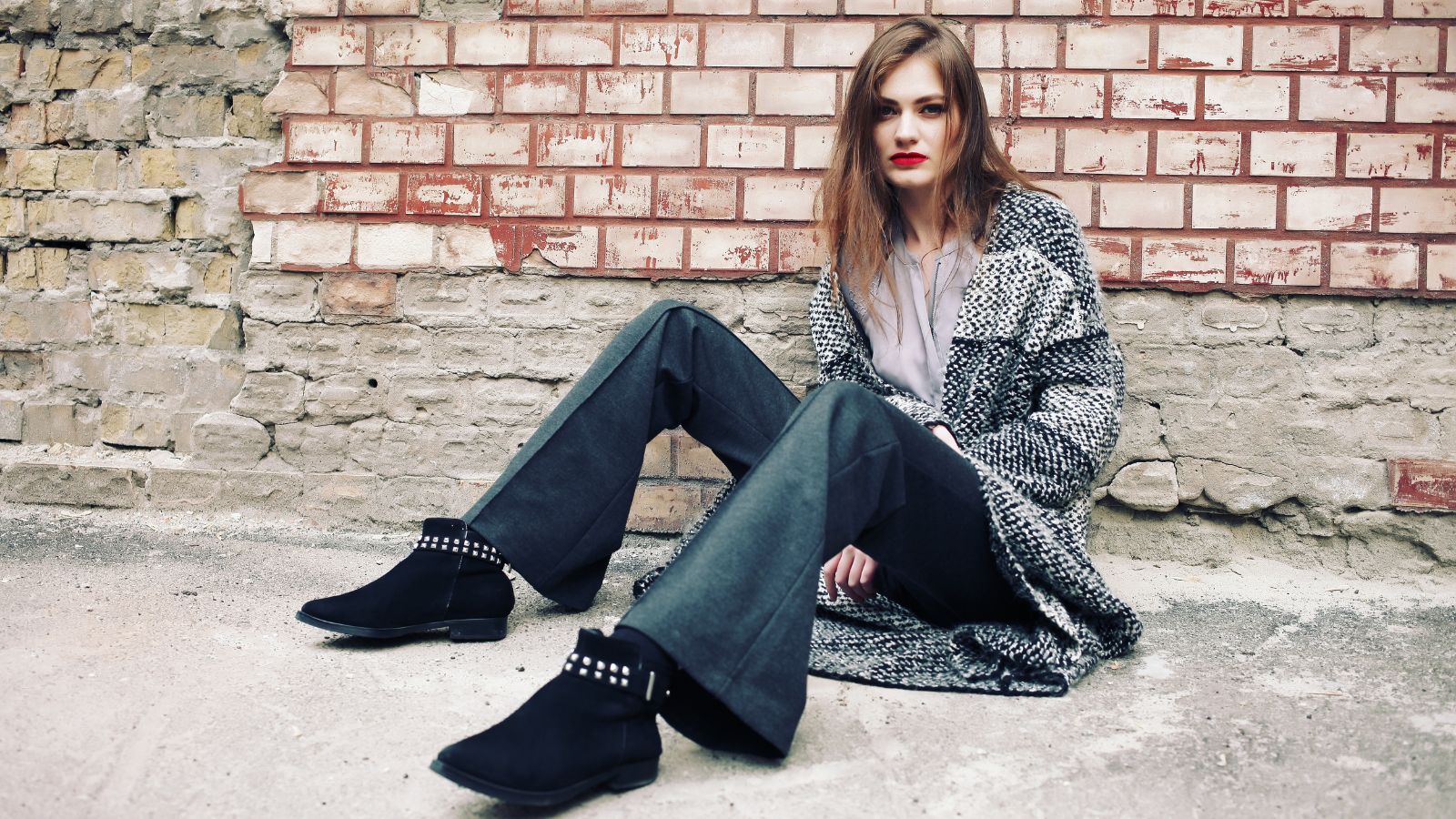
Perhaps the biggest change in Canadian fashion culture is the growing rejection of strict style rules altogether. For decades, magazines and style guides offered long lists of dos and don’ts that people were expected to follow. In 2026, many Canadians see fashion as a form of personal expression rather than a system of restrictions. Individuals now experiment with combinations that once would have been considered mistakes. Mixing formal and casual pieces, combining unusual colours, or layering clothing in unconventional ways has become far more accepted. Social media has played a major role in this shift by showcasing diverse approaches to style. Ignoring old rules has ultimately made fashion more creative, inclusive, and enjoyable for everyone.
22 Groceries to Grab Now—Before another Price Shock Hits Canada

Food prices in Canada have been steadily climbing, and another spike could make your grocery bill feel like a mortgage payment. According to Statistics Canada, food inflation remains about 3.7% higher than last year, with essentials like bread, dairy, and fresh produce leading the surge. Some items are expected to rise even further due to transportation costs, droughts, and import tariffs. Here are 22 groceries to grab now before another price shock hits Canada.
22 Groceries to Grab Now—Before another Price Shock Hits Canada
