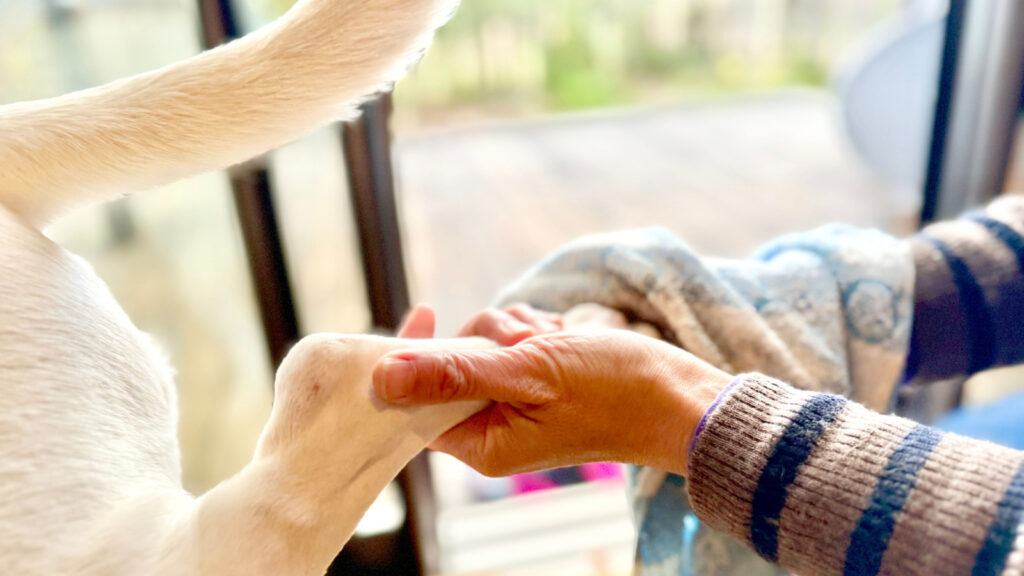
Winter looks beautiful from inside, but sidewalks become hard on dogs once salt and ice show up. Paws dry fast during cold walks, and salt burns skin before owners realize there’s a problem. Dogs don’t complain immediately, so harm builds up quietly. They try to keep walking even when every step feels sharp. Prevention matters more than reacting later, especially when the weather changes quickly. Here are 15 ways to keep your dog safe from road salt and cold paws.
Wipe Their Paws After Every Walk
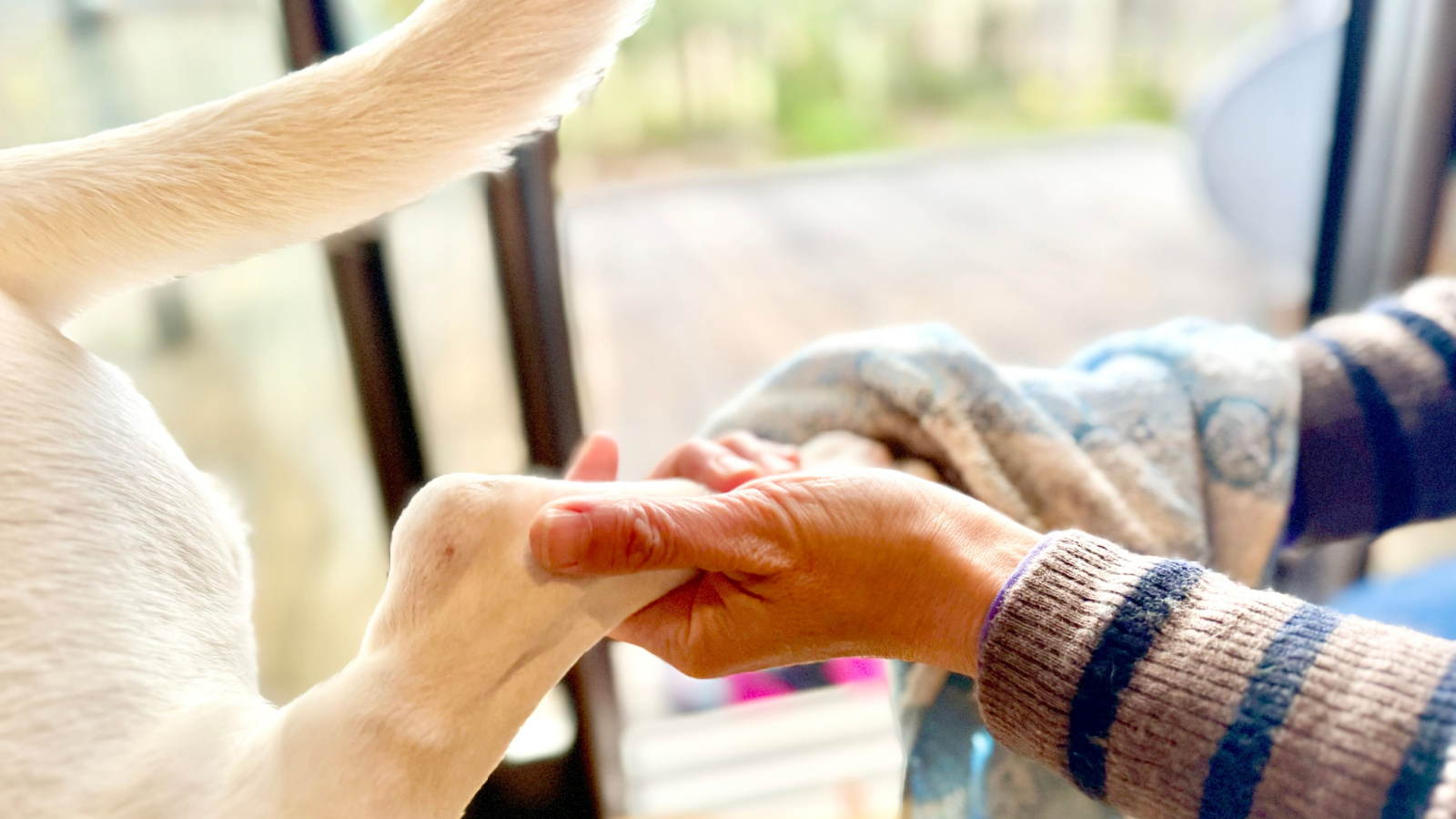
Salt settles between paw pads and keeps pulling moisture from the skin long after the walk is done. A warm towel loosens tiny grains that cause painful stinging later at home. Focus on the cracks near the nails and the soft skin between toes. Dogs usually relax when the irritation disappears, which helps them stop licking. It also gives you a chance to catch redness or swelling early. When wiping becomes a habit, healing problems rarely start. A minute of gentle cleaning protects paws without adding stress.
Use Dog-Safe Paw Balm Before the Walk
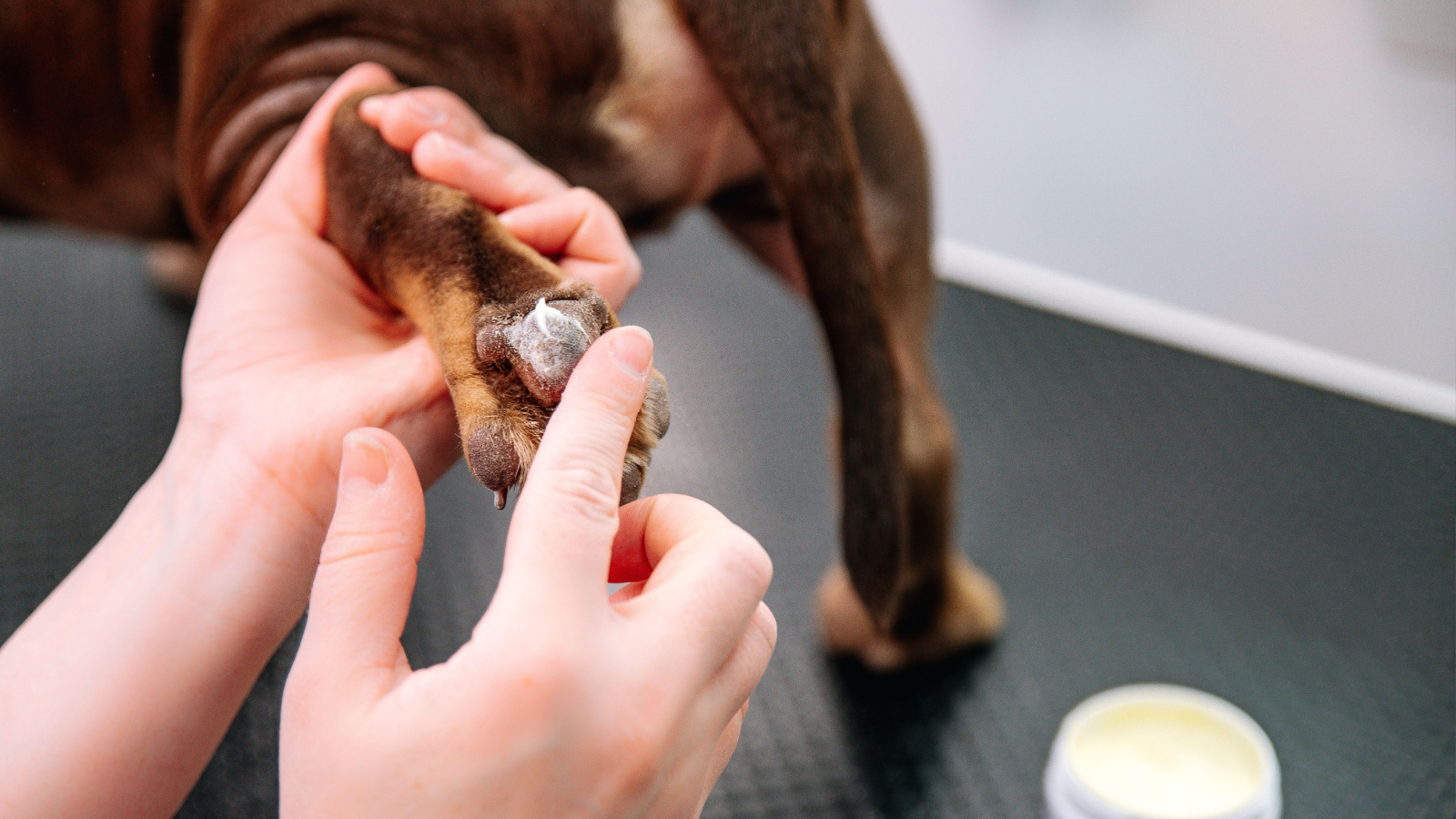
Paw balm protects skin from winter sidewalks by stopping salt from entering surface cracks. It also softens rough paws that already feel dry from past walks. A thin layer before heading out creates a calm barrier that lasts through outdoor play. Many balms include gentle natural ingredients that soothe irritated skin without strong scents. Reapply after the walk for extra relief. Dogs usually lick less once discomfort fades. Regular balm use reduces flaky skin and calms inflamed paw pads. Winter becomes easier once paws stay moisturized in advance.
Try Winter Dog Boots If They Tolerate Them
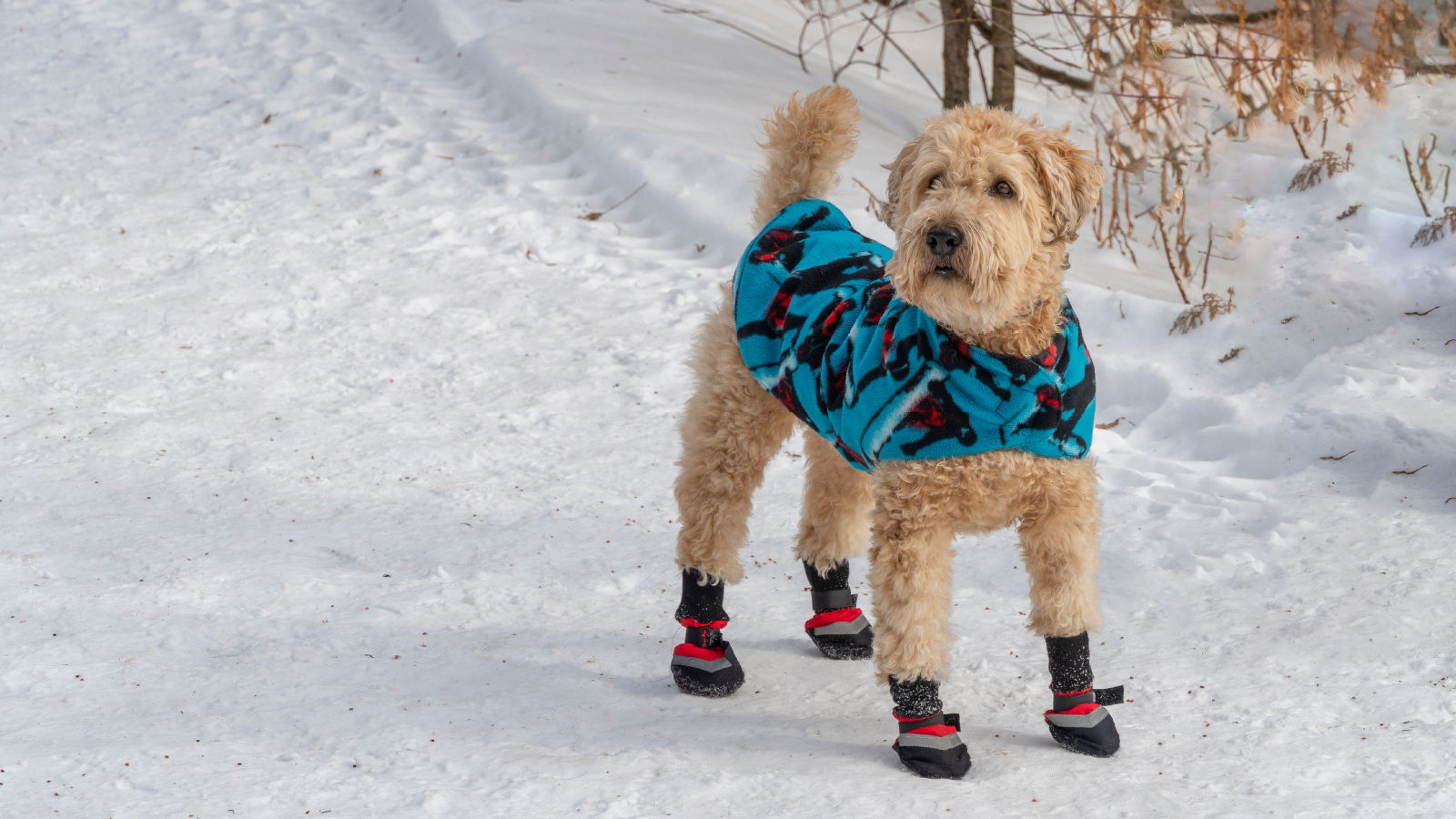
Boots build a barrier between paws and rough, icy sidewalks that stay heavily salted all season. They prevent burning and improve traction on frozen patches that scare nervous walkers. Some dogs accept boots immediately and start running comfortably once they notice no irritation. Others need gradual practice inside to feel steady. Look for soft lining and flexible soles so walking feels natural. A secure fit matters more than brand names or patterns. Once boots stop sliding off, walks feel safer and longer without discomfort.
Pick Routes with Fewer Salted Roads
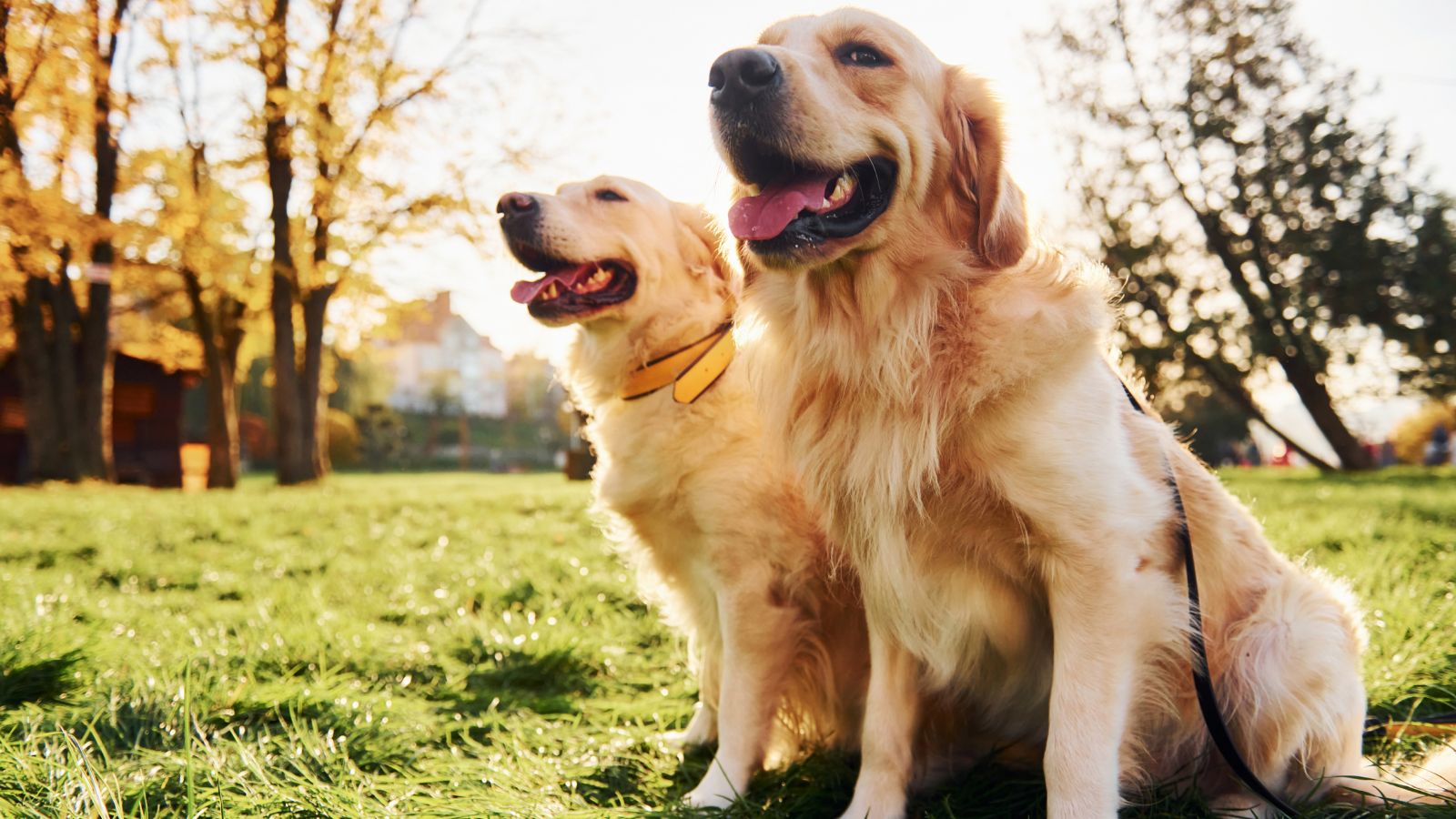
Downtown sidewalks and busy commercial areas receive repeated salt treatments during storms. Alternate routes like quiet residential streets and snow-covered park trails are often safer for paws. Changing where you walk reduces burning and licking without shortening exercise time. Dogs enjoy new smells and open spaces away from traffic noise. Snow cushions paw pads instead of rubbing them dry. A slight route shift beats constant cleaning and healing after every outing. Over time, you’ll notice calmer paws and fewer sudden limps after cold evenings.
Shorten Walks During Deep Cold Spells
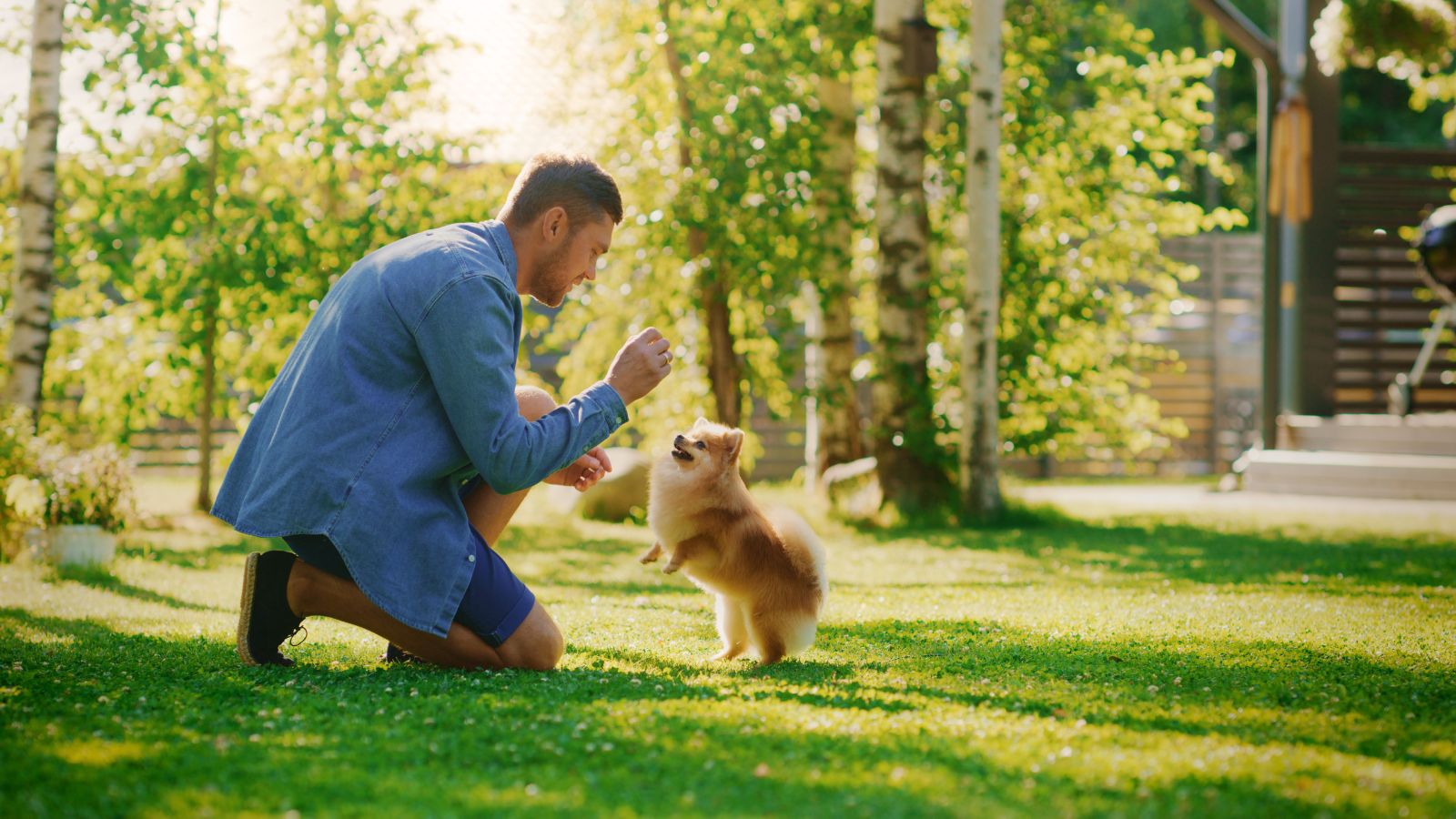
When the temperature drops sharply, paw pads tighten and lose moisture faster than usual. Long walks during this weather trigger cracking and sharp pain once salt lands on dry skin. Shorter walks paired with indoor play protect comfort while maintaining routine. Dogs enjoy tug toys, treat puzzles, and short hallway fetch on freezing days. They stay happy without risking injury outside. Watch for paw lifting or slower walking to judge discomfort. Adjusting walk length to conditions helps avoid vet visits.
Trim Fur Between the Paw Pads
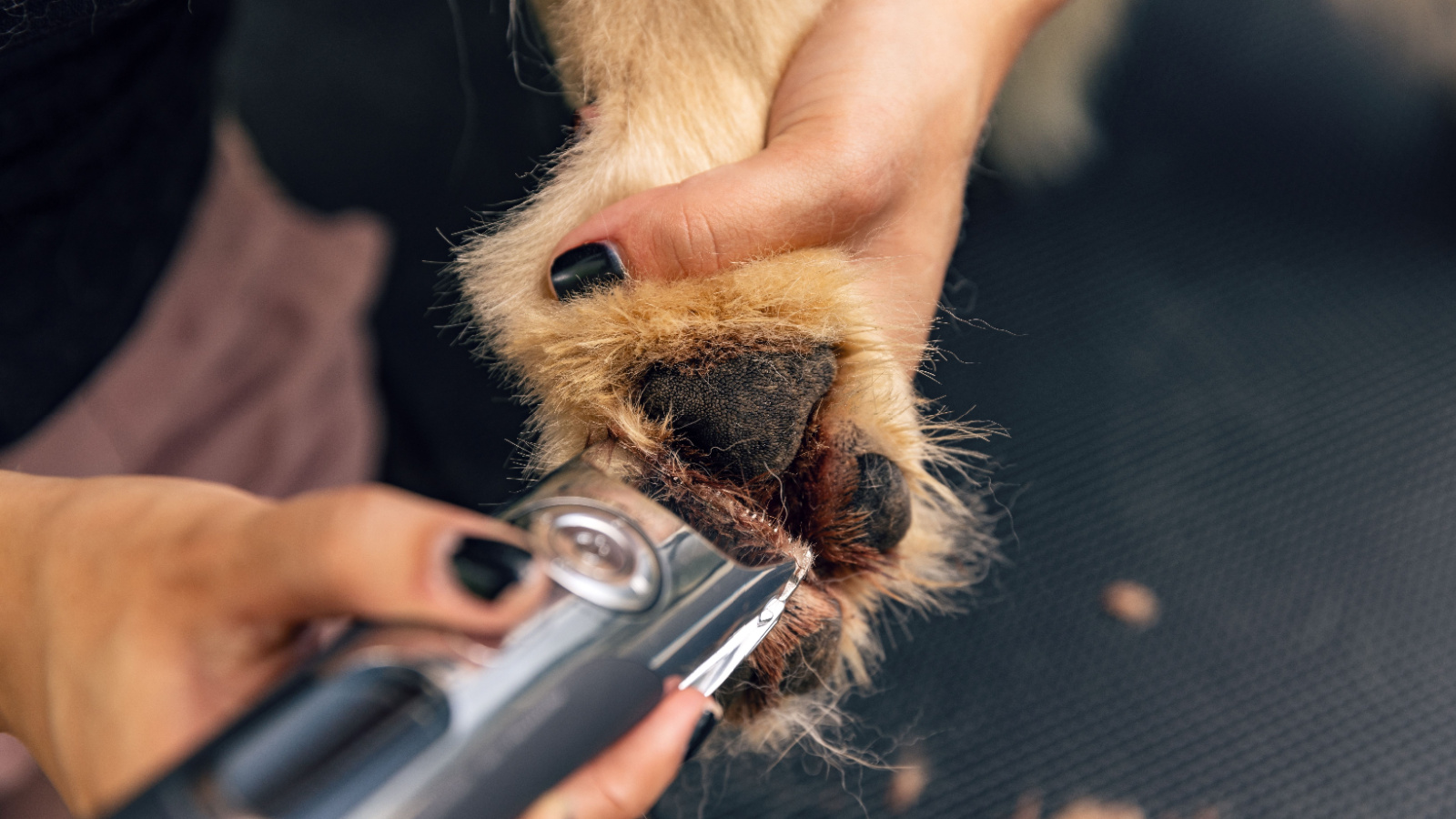
Long fur collects slush, salt, and tiny pebbles that freeze against the skin. Trimming reduces buildup and helps paws stay warm without trapping debris. You don’t need a full grooming appointment to handle this. Small scissors or a gentle pet trimmer do the job if you go slowly. Many dogs walk more confidently once frozen clumps stop forming between toes. Keep the fur short throughout winter so snow doesn’t bunch painfully. A quick home trim every couple of weeks protects paws without hassle.
Carry a Portable Paw Cleaner
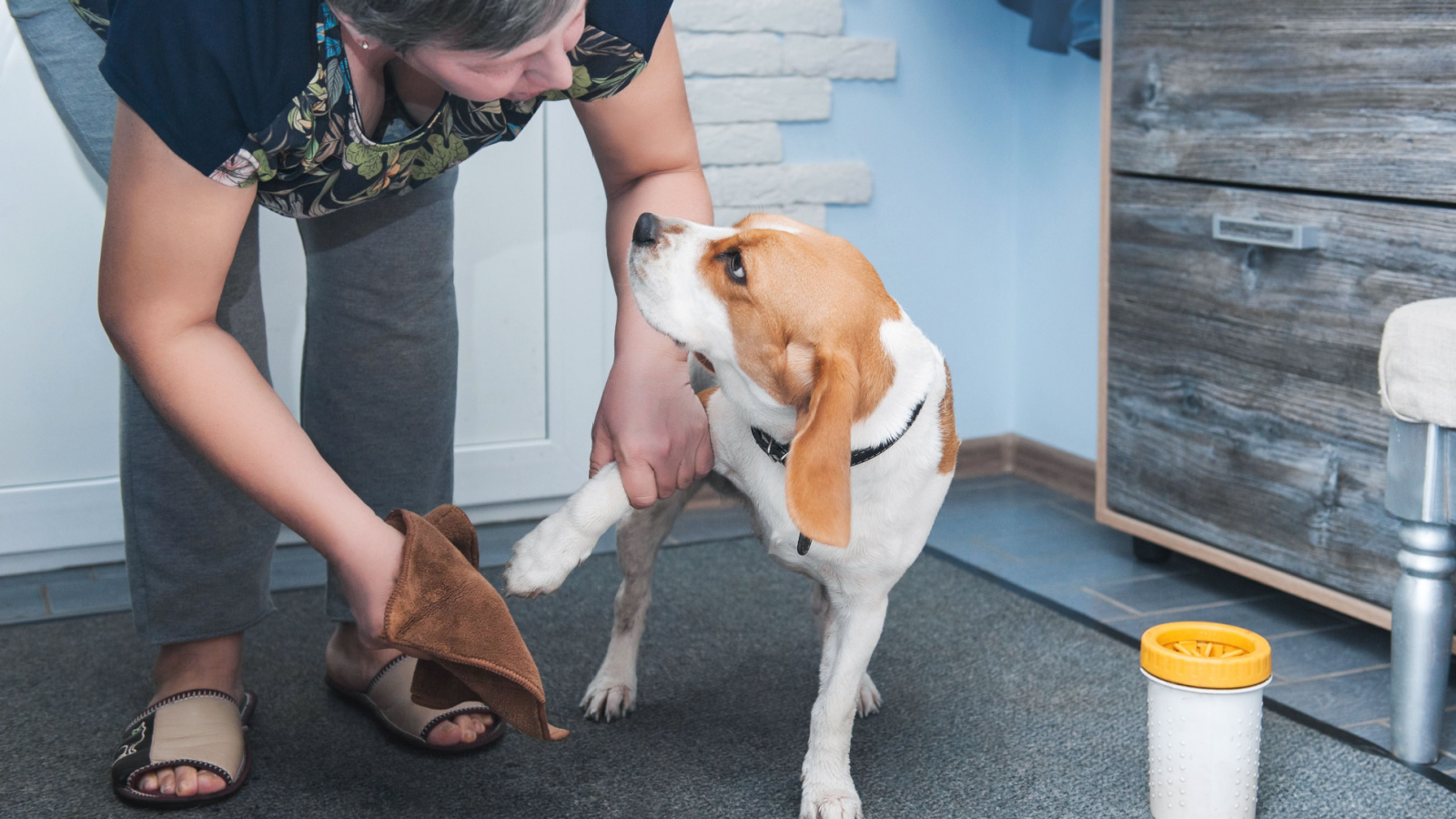
A portable cleaner lets you wash off irritation before reaching home. It’s helpful when dogs step into slush puddles full of salt during rushed walks. Soft bristles loosen sharp grains without hurting sensitive paw pads. Fresh water gives instant relief and stops licking later. It also keeps your car interior clean during winter errands. The cleaner works especially well for dogs who drag paws through roadside salt piles. Removing the problem quickly prevents long recovery cycles.
Watch for Paw Licking or Limping
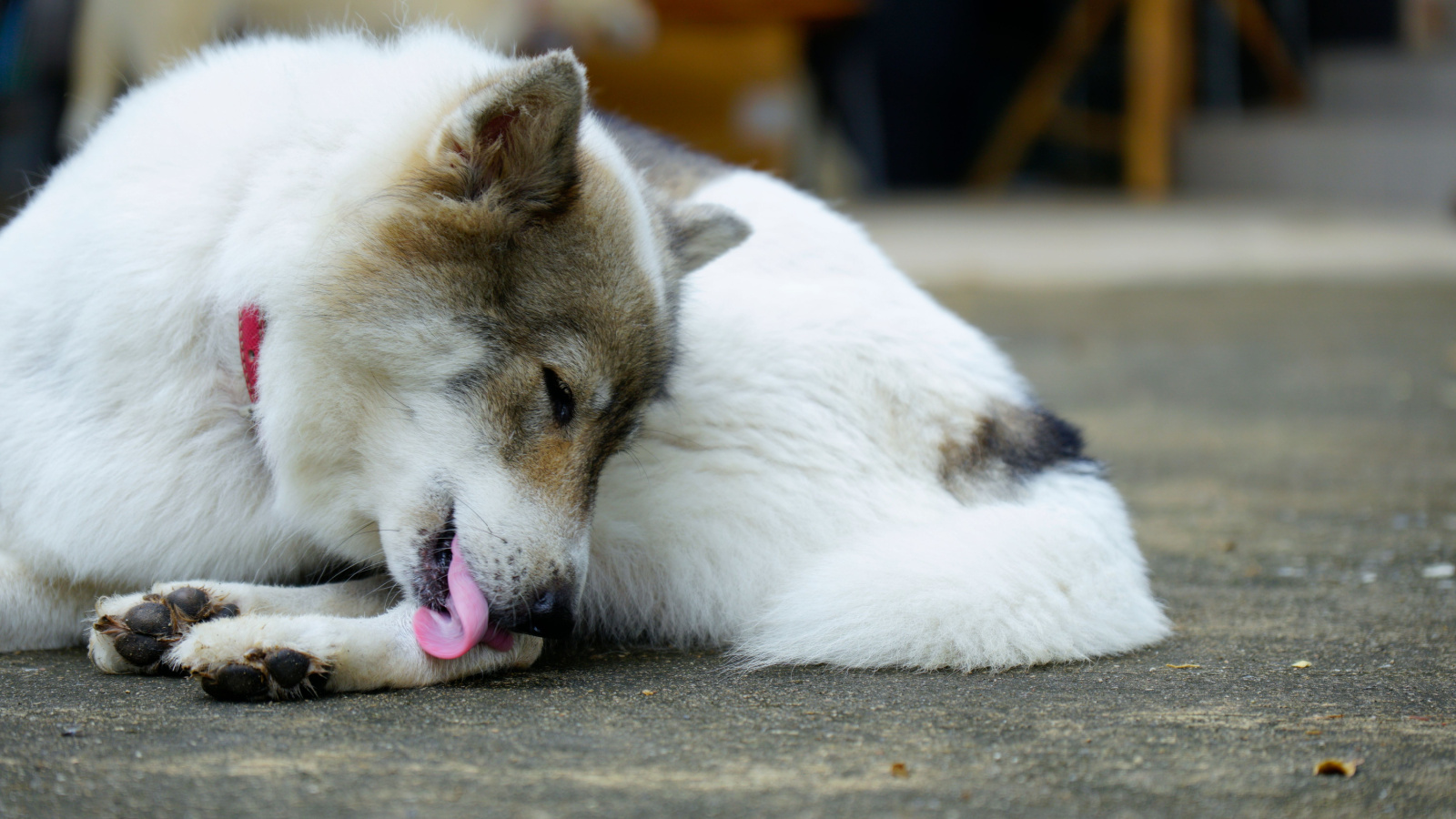
Dogs express discomfort through habit changes instead of noise. Persistent licking or nibbling often signals burning from salt contact. Limping or avoiding pressure on one paw means irritation is becoming serious. Checking feet immediately helps you remove the salt before inflamed skin cracks. Ignoring these early clues makes healing complicated and stressful. When behavior shifts after a winter walk, there’s usually a direct physical reason. Quick attention prevents long-term soreness and expensive treatment later.
Keep Nails Trimmed During Winter
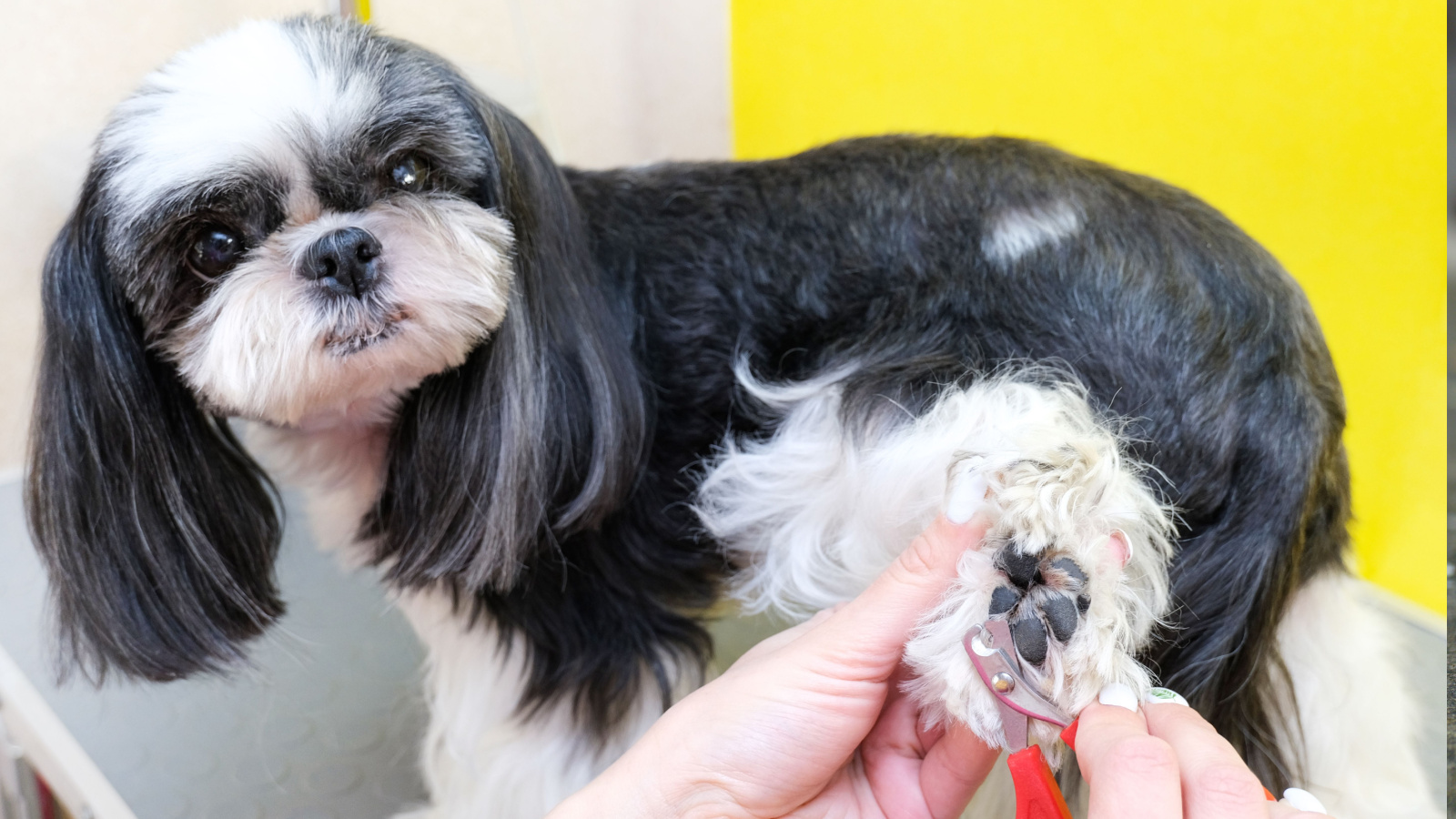
Long nails spread paw pads apart and create spaces that trap more salt during walks. Shorter nails let paws land evenly and improve balance on icy surfaces. Because sidewalks stay covered in snow, nails don’t naturally wear down outdoors. Weekly trimming keeps length under control and prevents extra pressure on joints. Most dogs move with more confidence after trimming because their steps feel secure. Balanced paws collect less debris and stay less irritated during winter outings.
Use a Dog-Safe Deicing Product at Home

Traditional rock salt burns paws as soon as dogs step outside the door. Switching to a pet-friendly melting product keeps your walkway safer during cold mornings. Some homeowners also place a special entry mat that collects salt from shoes before dogs make contact. You limit pain right from the threshold instead of cleaning later. This change protects paws every single day without effort. Neighbors sometimes switch too after seeing the improvement. A safe home entrance builds comfort.
Warm the Paws Slowly After Cold Walks
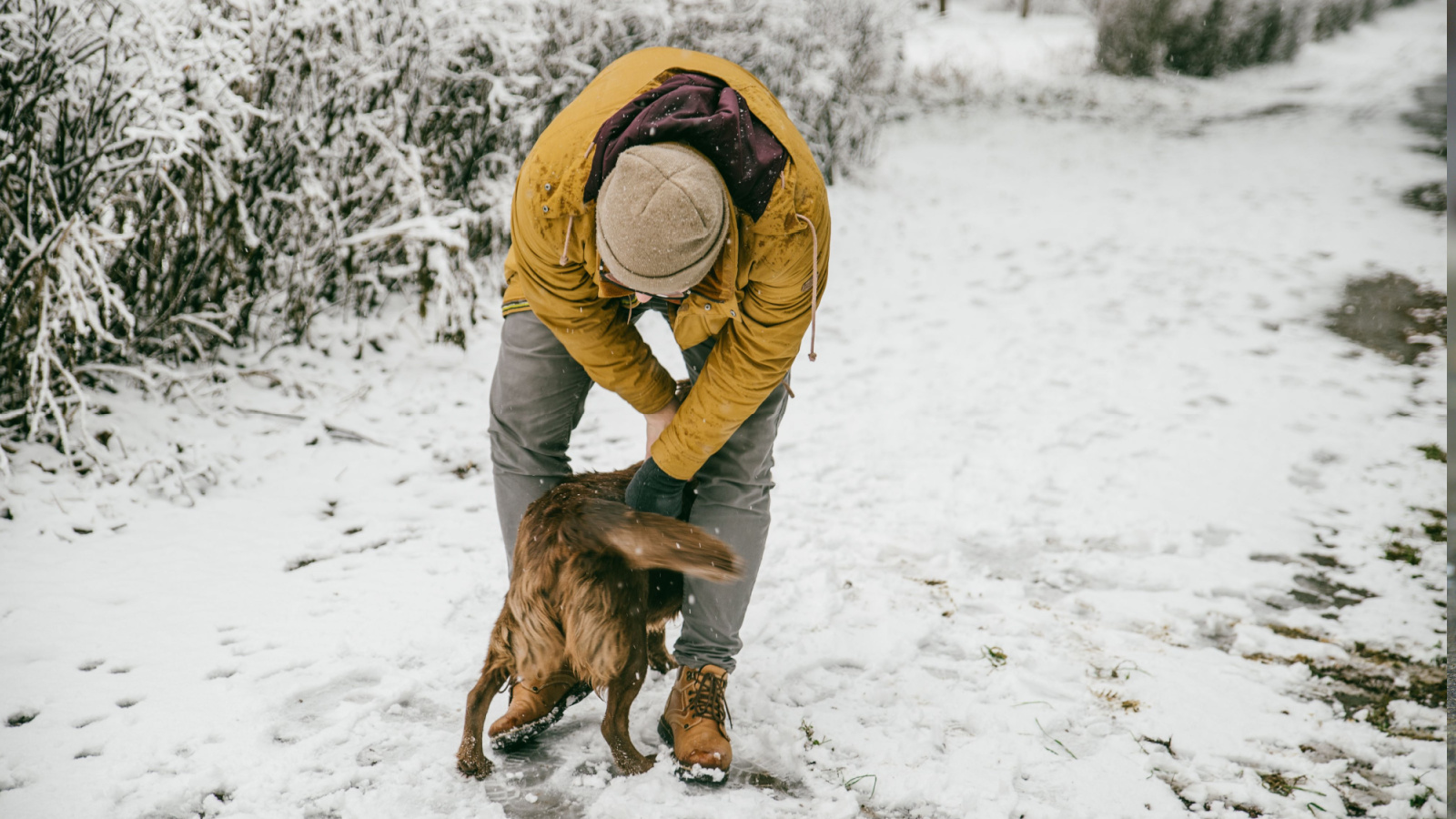
Skin becomes sensitive after walking on frozen ground, so sudden heat causes stinging. Gentle warmth helps the muscles relax without shock. A slightly warmed towel wrapped around each paw soothes irritation and stops licking. Dogs enjoy the comfort and settle quickly afterward. Slow warming dries moisture without friction and reduces cracking. It also prepares paws for balm if you’re using one. This small after-walk routine keeps winter stress low.
Moisturize Overnight With a Dog-Safe Balm
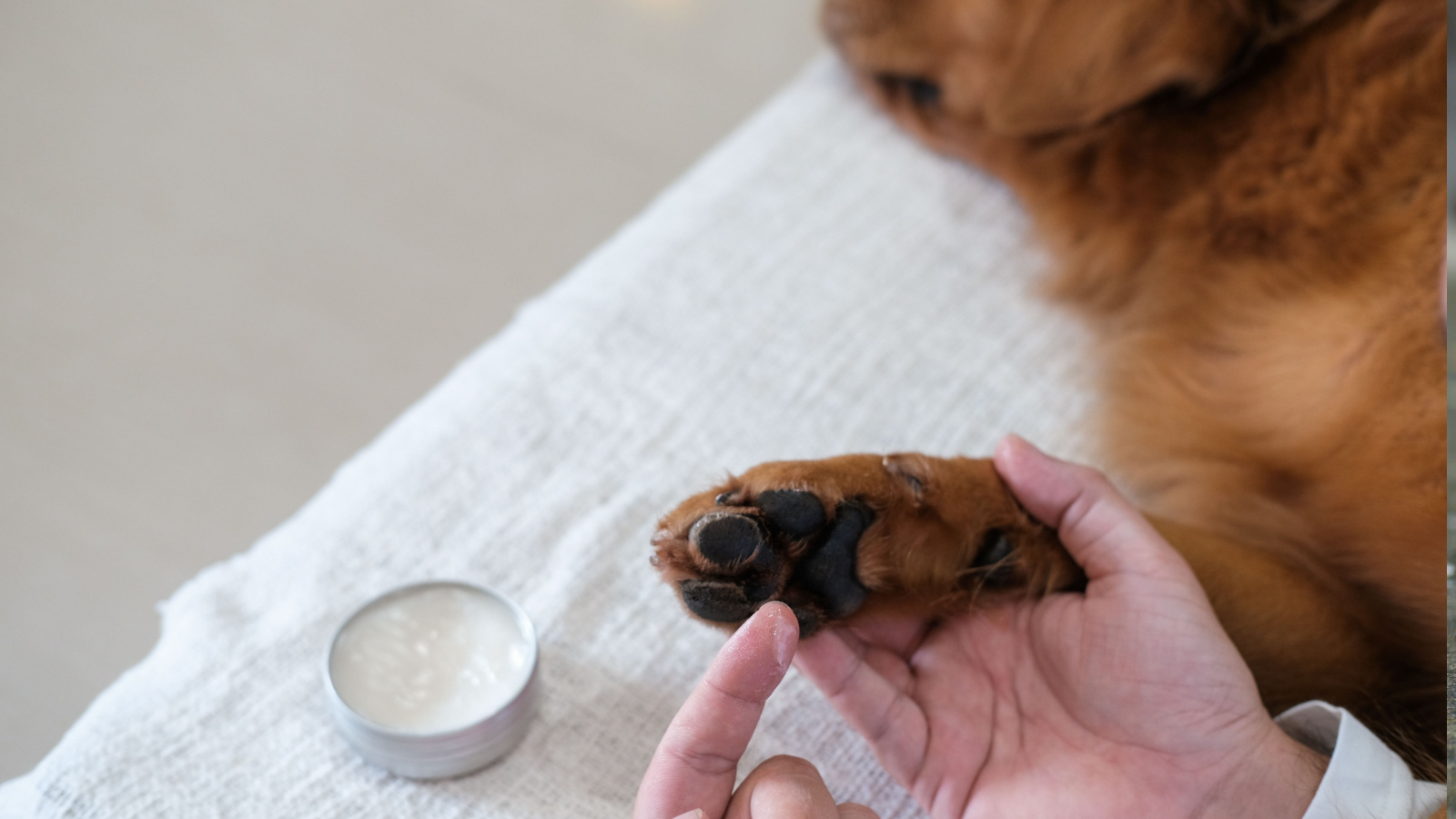
Skin repairs itself overnight while dogs rest, so bedtime balm works well during winter. A light coat on each paw softens dry areas and stops morning stiffness. If your dog licks constantly, a soft sock over each paw prevents distraction. Results show within a few days with consistent use. Walking becomes easier once the pads feel smooth rather than scratchy. Soft skin handles cold sidewalks better and keeps irritation from returning after play outside.
Avoid Rock-Salt Parking Lots

Parking lots often receive repeated rock salt layers that don’t dissolve quickly and stay very sharp. Even a short walk across them can cause sudden burning. If possible, use side snow patches or walk around the outer edge to reduce risk. Some owners carry smaller dogs across the worst areas during winter errands. Eliminating these hot spots from your route lowers irritation dramatically. You’ll see fewer cracks and less licking once this trigger disappears.
Check Paws for Micro-Cuts
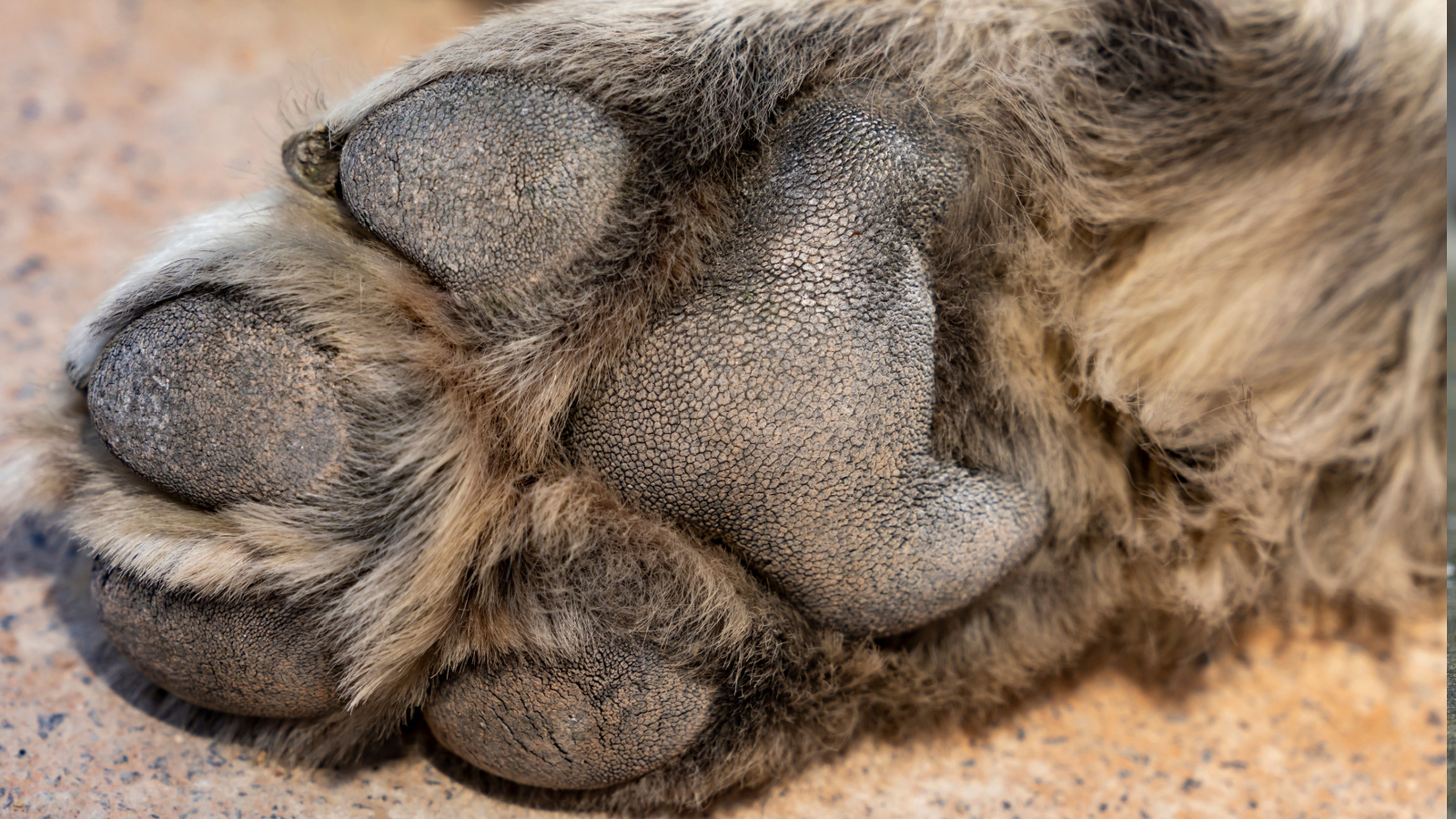
Tiny cuts allow salt to reach deeper, sensitive skin, creating long-lasting pain. These cuts hide easily under fur and look harmless at first. A bright light and gentle fingertip check help you catch them quickly. If your dog pulls away, you probably found a tender spot. Clean the area and apply balm after every walk until healed. Dogs stop licking once the pain fades. Looking often avoids stubborn infections that last beyond winter.
Choose Indoor Play Days When the Weather Is Extreme

Some winter days are too harsh for outdoor walking. Extreme cold or deep salt treatments make sidewalks unsafe for paws. Replace the walk with fun indoor activities to keep energy balanced. Hide treats around the home, play gentle tug, or teach a new trick. Mental focus tires dogs just as much as running. When the weather improves again, paws return outside without damage. Listening to conditions protects comfort without reducing joy.
22 Groceries to Grab Now—Before another Price Shock Hits Canada

Food prices in Canada have been steadily climbing, and another spike could make your grocery bill feel like a mortgage payment. According to Statistics Canada, food inflation remains about 3.7% higher than last year, with essentials like bread, dairy, and fresh produce leading the surge. Some items are expected to rise even further due to transportation costs, droughts, and import tariffs. Here are 22 groceries to grab now before another price shock hits Canada.
22 Groceries to Grab Now—Before another Price Shock Hits Canada
