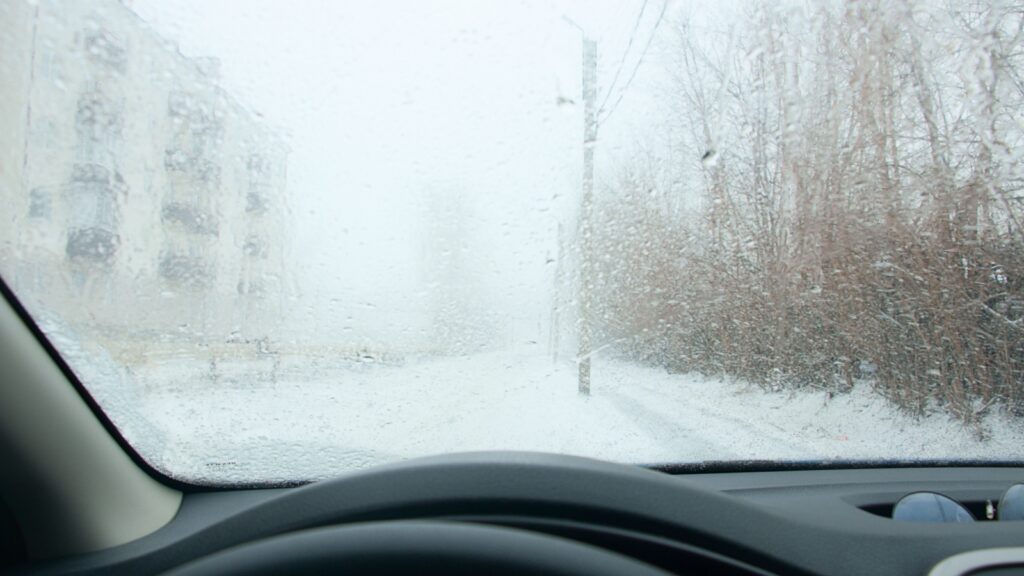
Winter roads in Canada can change from normal to frightening within minutes. Drivers who assume their insurance will always protect them often get hit with a surprise. Policies can be denied after a crash if the driver ignores certain winter rules, even if the mistake seems small. Insurance companies investigate winter collisions in detail. They look at speed, tires, visibility, reckless choices, and maintenance. Here are 15 winter driving mistakes that will void your insurance instantly.
Driving Without Winter Tires in a Snow Zone

Winter tires are designed for cold Canadian temperatures, and the rubber stays soft during snow and ice. All-season tires turn hard in freezing weather and lose grip when the roads are slick. After a crash, an adjuster inspects the tread and tire type. If the car slides because of poor traction, the driver can be blamed. Quebec makes winter tires mandatory during the cold months, and British Columbia requires them on most highways. Even in provinces with no legal requirement, insurance companies can refuse payouts if improper tires played a role in the collision.
Using Bald or Damaged Tires
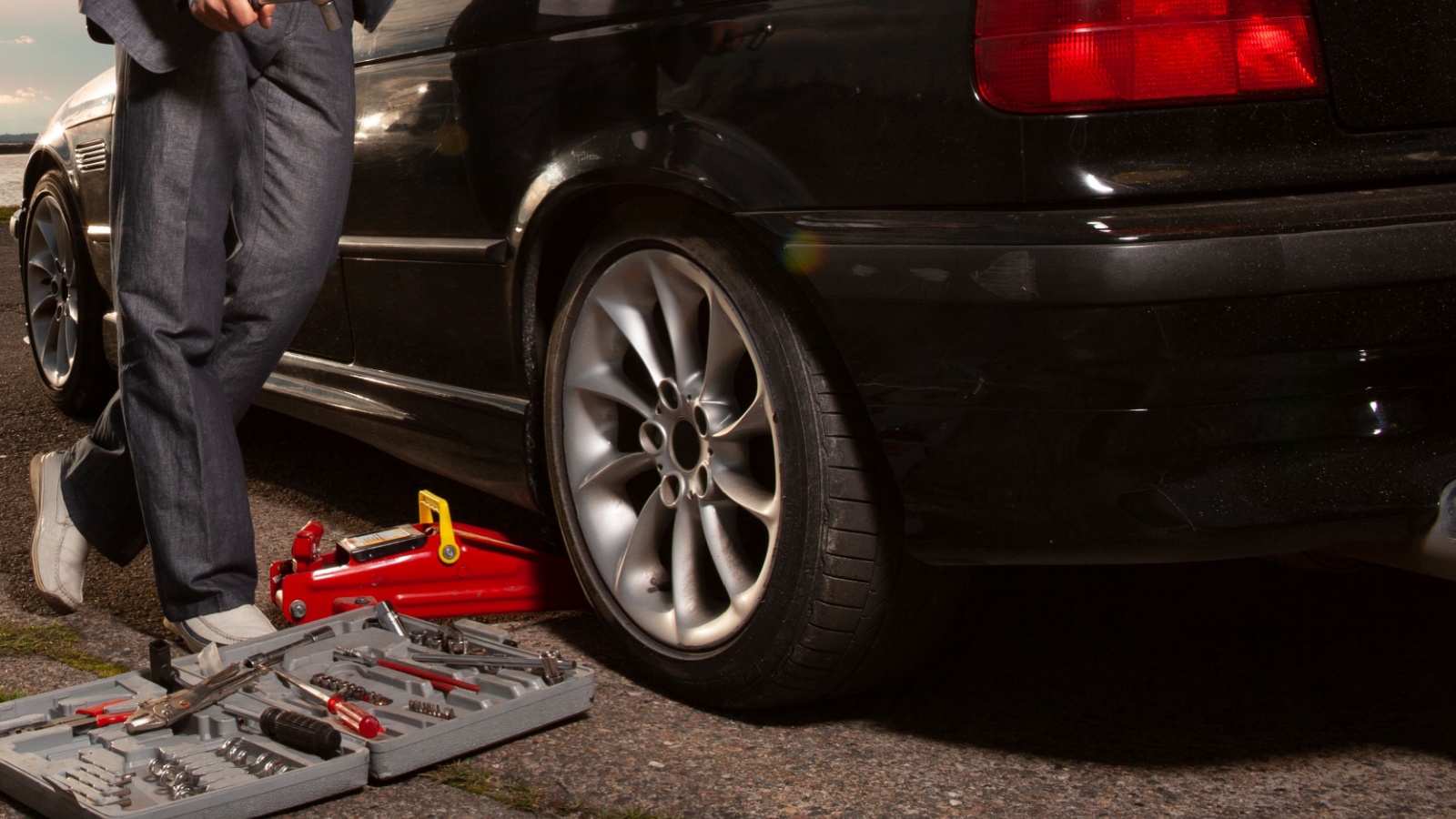
A car with winter tires is still unsafe if the tread is worn down to the point where snow cannot channel away. Bald tires skid on ice, lose control during braking, and struggle on slushy intersections. Insurance companies measure tread depth after a crash to see whether the driver skipped replacements. Any visible cords, cracks, or bulges make things worse because they show that the tire should have been changed earlier. Sliding into another vehicle with unsafe tires can result in the claim being denied and the full repair cost going to the driver.
Driving With Fogged or Frost-Covered Windows
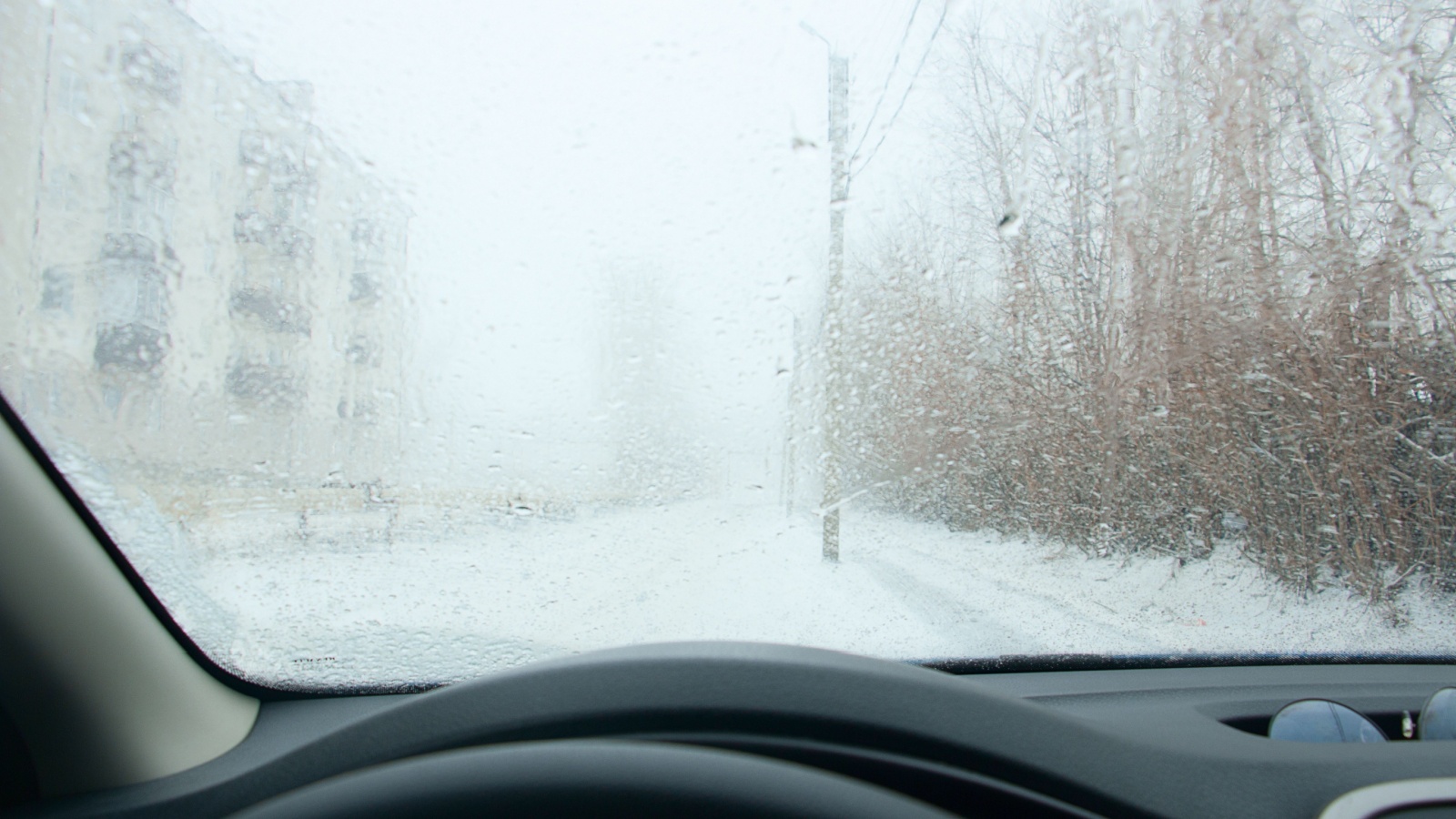
Drivers who rush out of the driveway without clearing the windshield take a major risk. Insurance companies expect full visibility during winter conditions. Fog and frost hide pedestrians and road signs, and also make it harder to see vehicles merging onto busy streets. Photos from the collision scene often reveal whether the car windows were clear. Police reports may include notes about visibility. If the adjuster believes the driver could not see properly, the claim may not go through. Waiting five minutes to warm the vehicle and wipe the windows avoids a costly refusal.
Speeding During Snowstorms or Freezing Rain
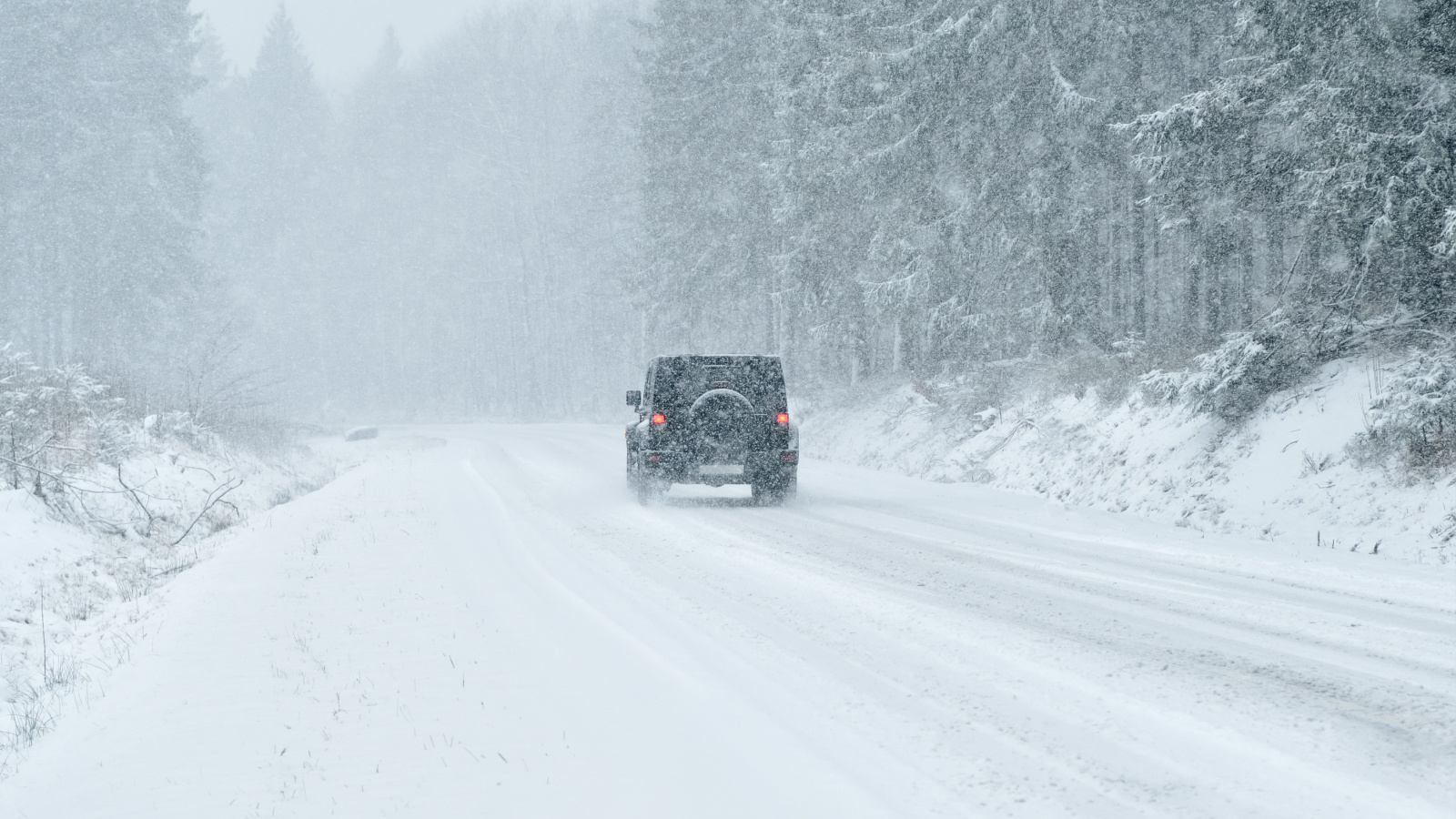
Speeding during winter weather is treated differently because the posted limit assumes dry pavement. Black ice, drifting snow, and freezing rain change everything. Even driving a little over the limit is considered reckless when visibility is low or roads are slippery. If the crash report mentions speed during a storm, the driver is usually blamed. The insurer assumes the situation required slower driving, not a normal pace. Sliding off a rural road without hitting anyone still counts as a loss caused by careless driving. A denied claim adds financial headaches to the stress of the accident.
Ignoring Road Closure Signs
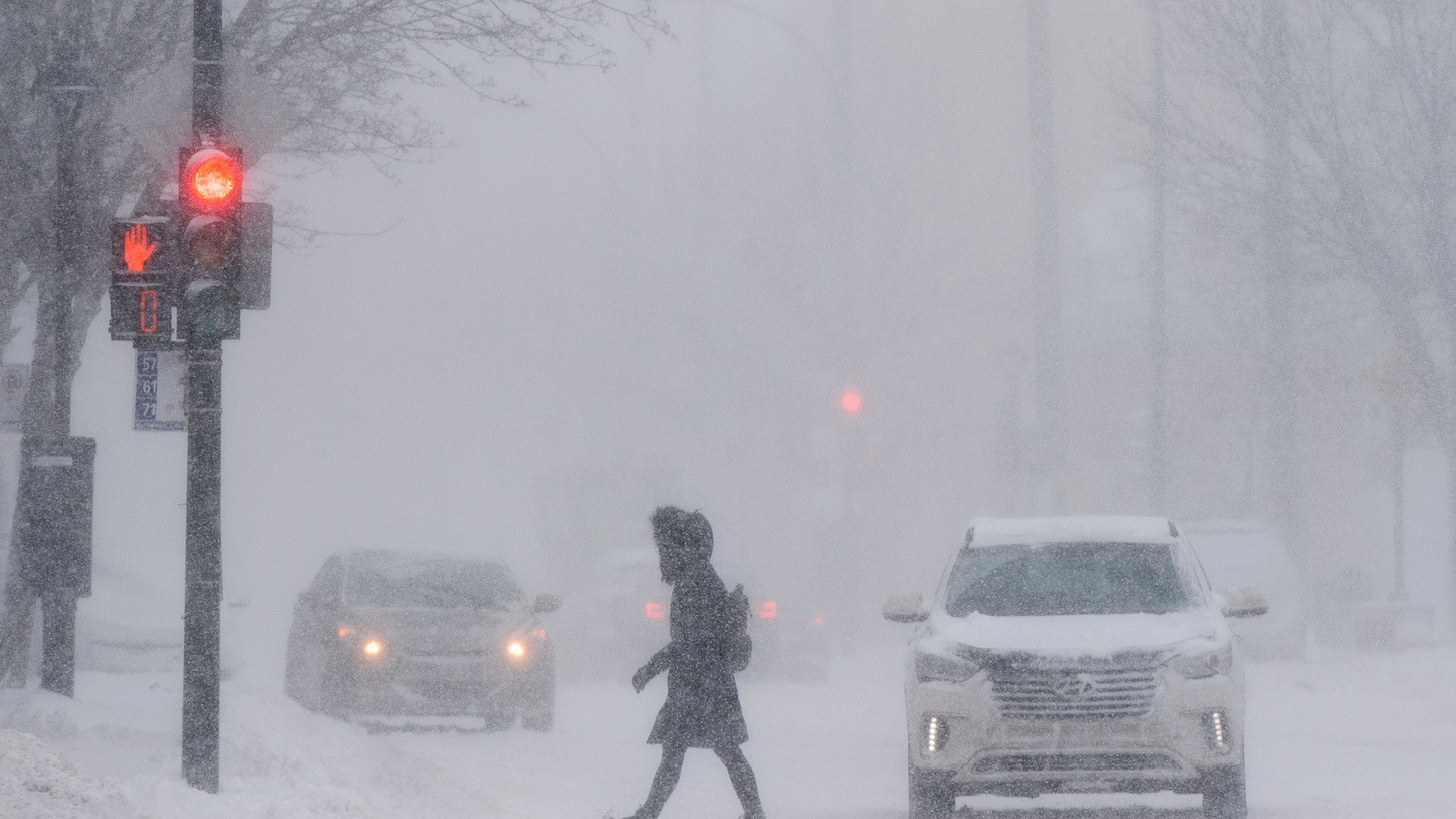
Many highways across Canada close during heavy snow or whiteout conditions to prevent drivers from getting stranded. Some people still move barricades or follow other vehicles through the restricted area. Insurance companies view this behavior as intentional rule-breaking. If a crash happens on a closed road, protection is almost always refused, even if the driver had winter tires and good speed control. Towing companies may take hours to reach the location. Police fines can be added on top of the denied insurance claim. A long detour is cheaper than a full repair bill.
Leaving the Vehicle Running and Unattended
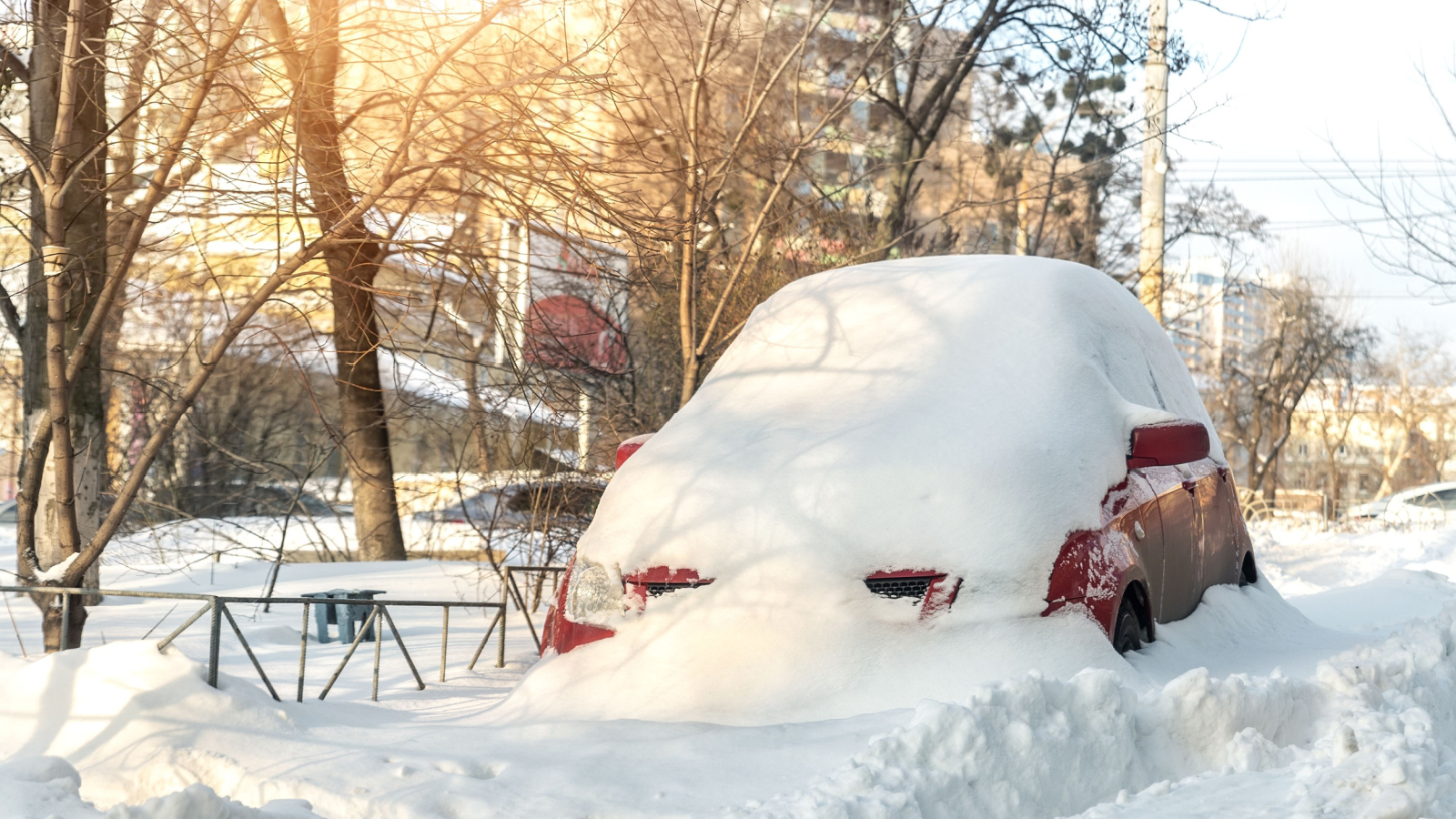
Warmup thefts increase every winter because drivers leave their cars running outside coffee shops or gas stations. Thieves target vehicles with keys inside because they can drive away instantly. Insurance companies classify this situation as voluntary risk because the driver provided easy access. Remote start is fine because the doors stay locked, and the key fob is not inside. If a warming vehicle with keys is stolen, the insurance claim can be refused, and the driver is left to absorb the cost. A few minutes of waiting inside the car prevents a major financial shock.
Driving With Worn-Out Brakes
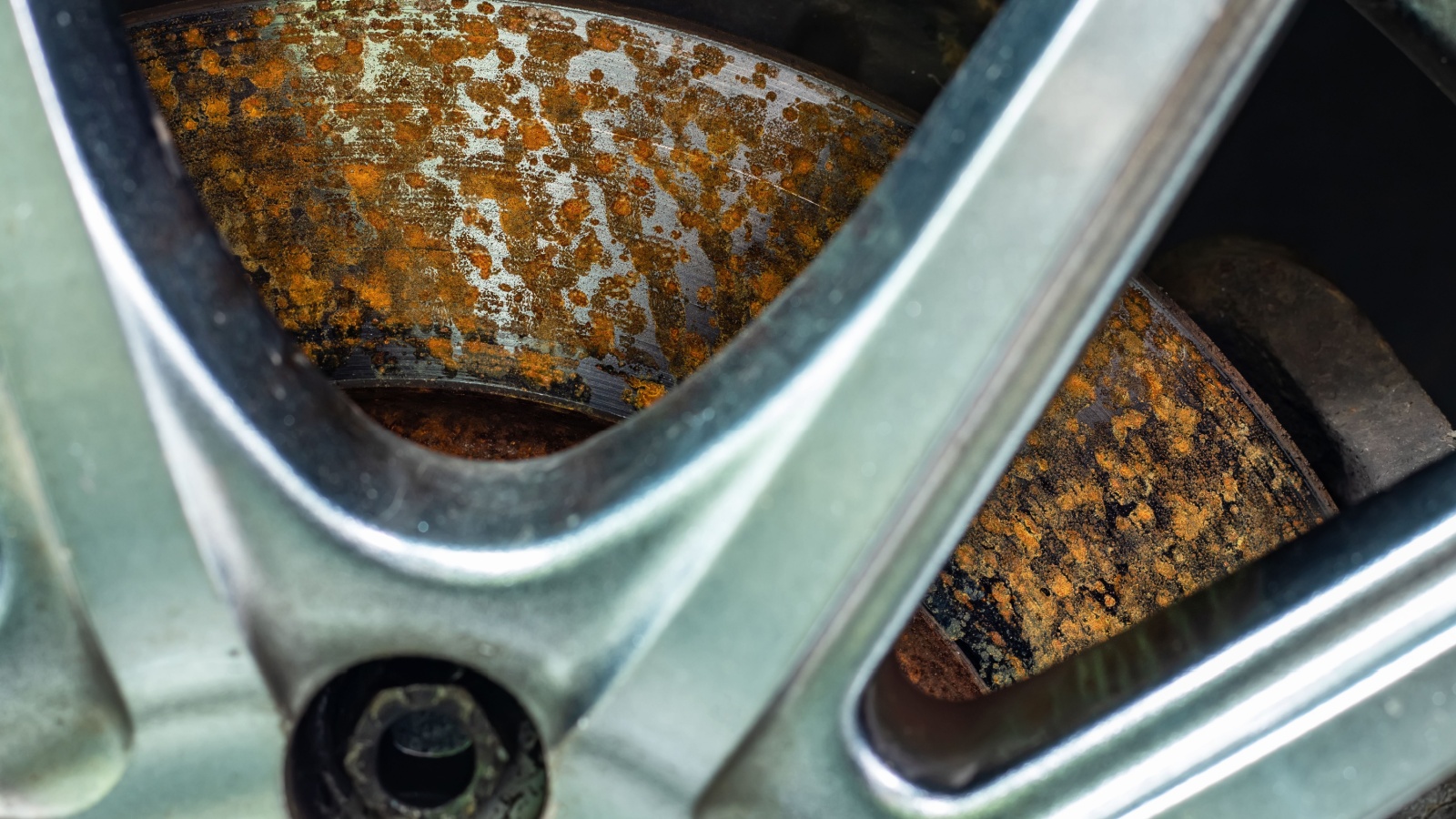
Brakes are one of the first parts to struggle during Canadian winters. Slush, sand, and road salt wear them down quickly. If a crash occurs and the investigation shows that the brakes were already weak, the insurer can deny coverage. Skidding through an intersection is not always blamed on icy roads because a mechanic’s report can reveal overdue brake maintenance. Pad thickness, fluid leaks, and rotor damage can all be used as evidence of neglect. A brake replacement costs far less than paying out of pocket for vehicle repairs after an insurance refusal.
Overloading the Vehicle with Luggage or Equipment
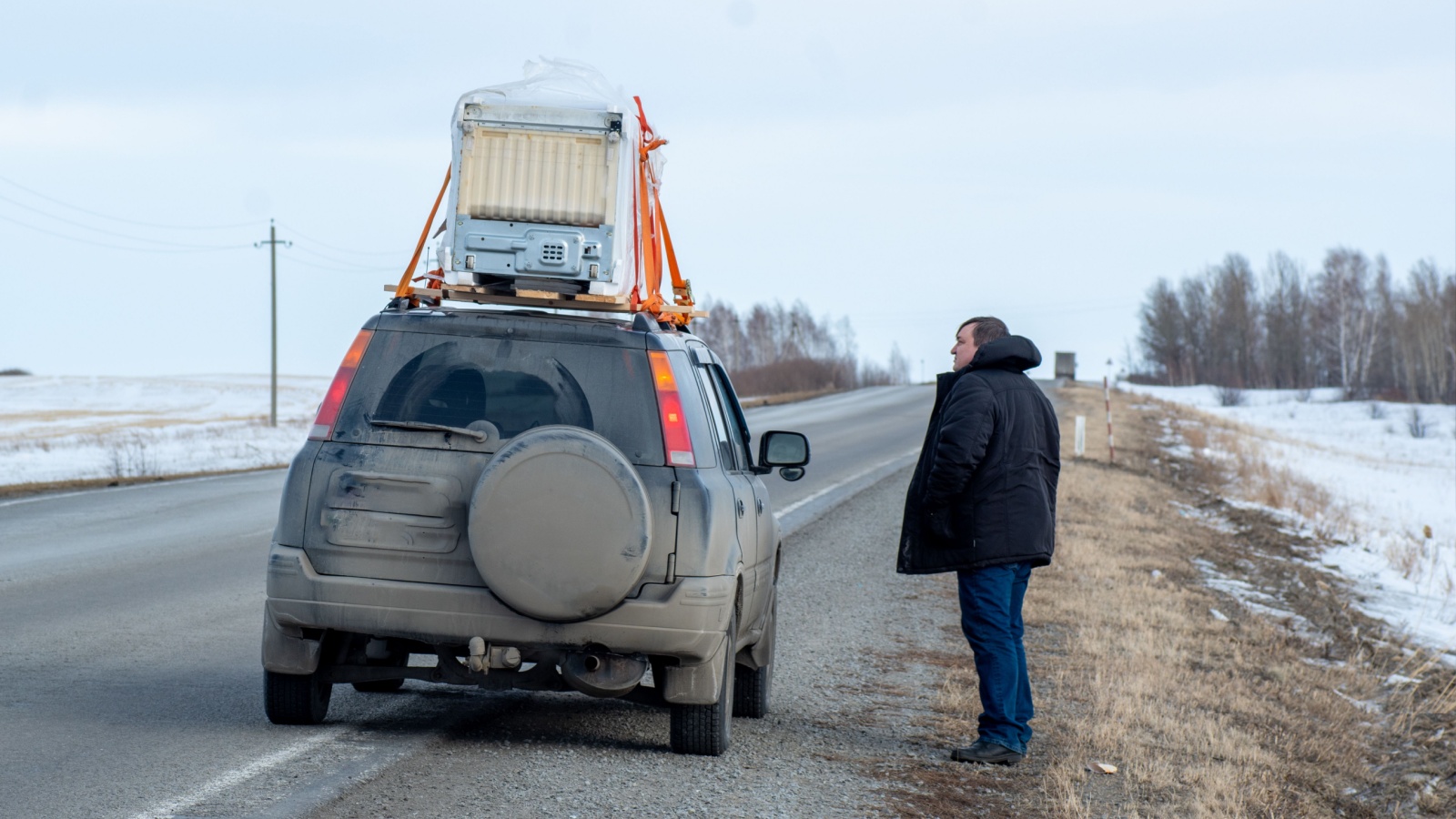
A winter road trip can lead to a packed trunk and roof carrier, but extra weight makes a car stop slower and sway during turns. If overloading makes the vehicle unstable and the driver loses control, an insurance claim can be denied. Blocking the rear window with bags or skis also limits visibility, which increases liability. When an adjuster suspects excess weight contributed to the collision, they can call it driver negligence. It does not matter whether the trip was short or long. A lighter load is safer and keeps insurance protection intact.
Driving With Faulty Headlights or Tail Lights
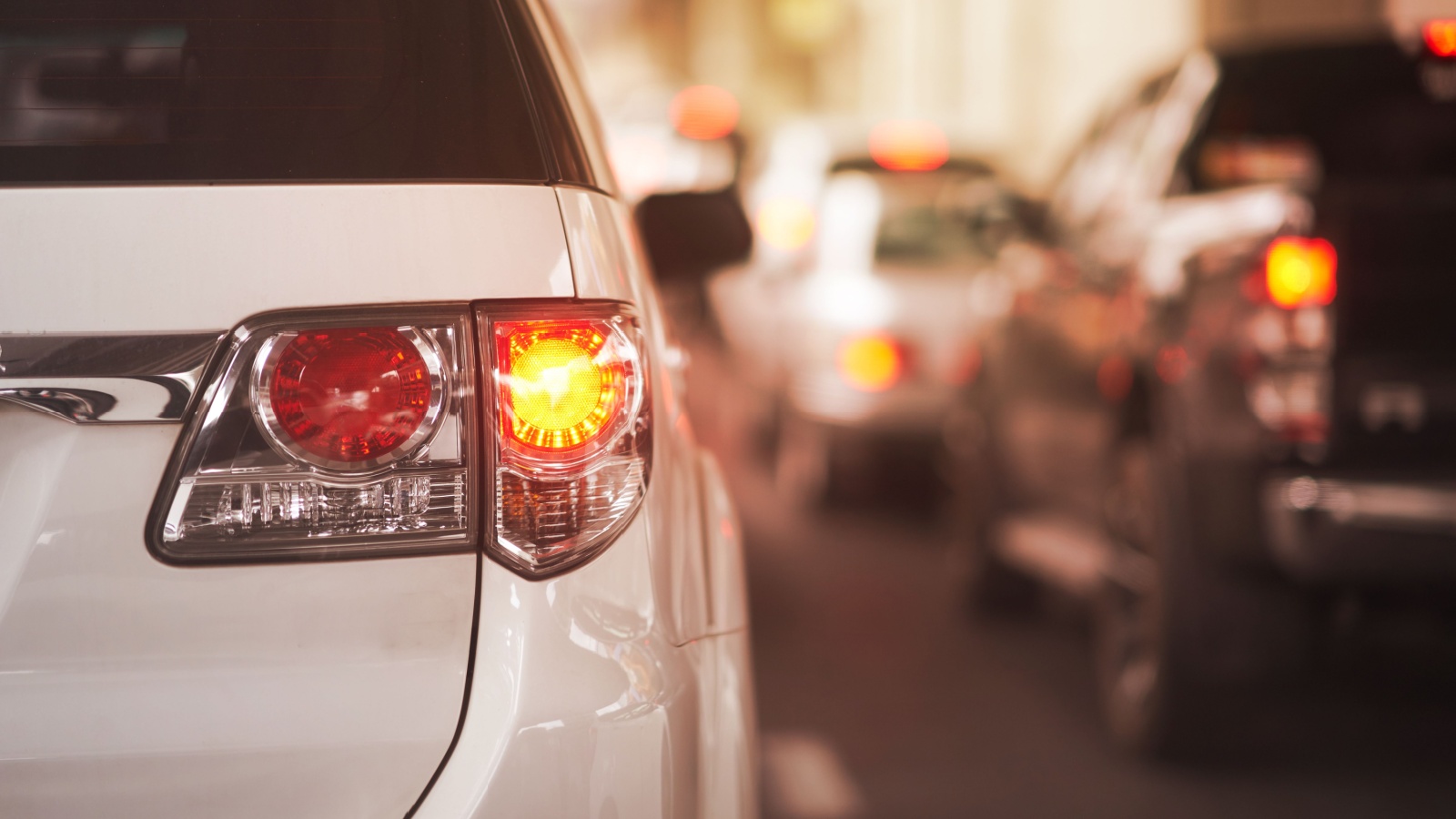
Winter days are dark, and snowstorms can reduce visibility to just a few meters. If headlights or taillights do not work properly, the car becomes hard to see. A rear-end crash may be blamed entirely on the driver with the failed brake light. Even a single burnt bulb can lead to a denied claim if visibility was a factor. Police often list malfunctioning lights in their reports. Insurance adjusters review those details when deciding liability. A simple bulb replacement is nothing compared to covering repairs without insurance support.
Using Summer Windshield Washer Fluid
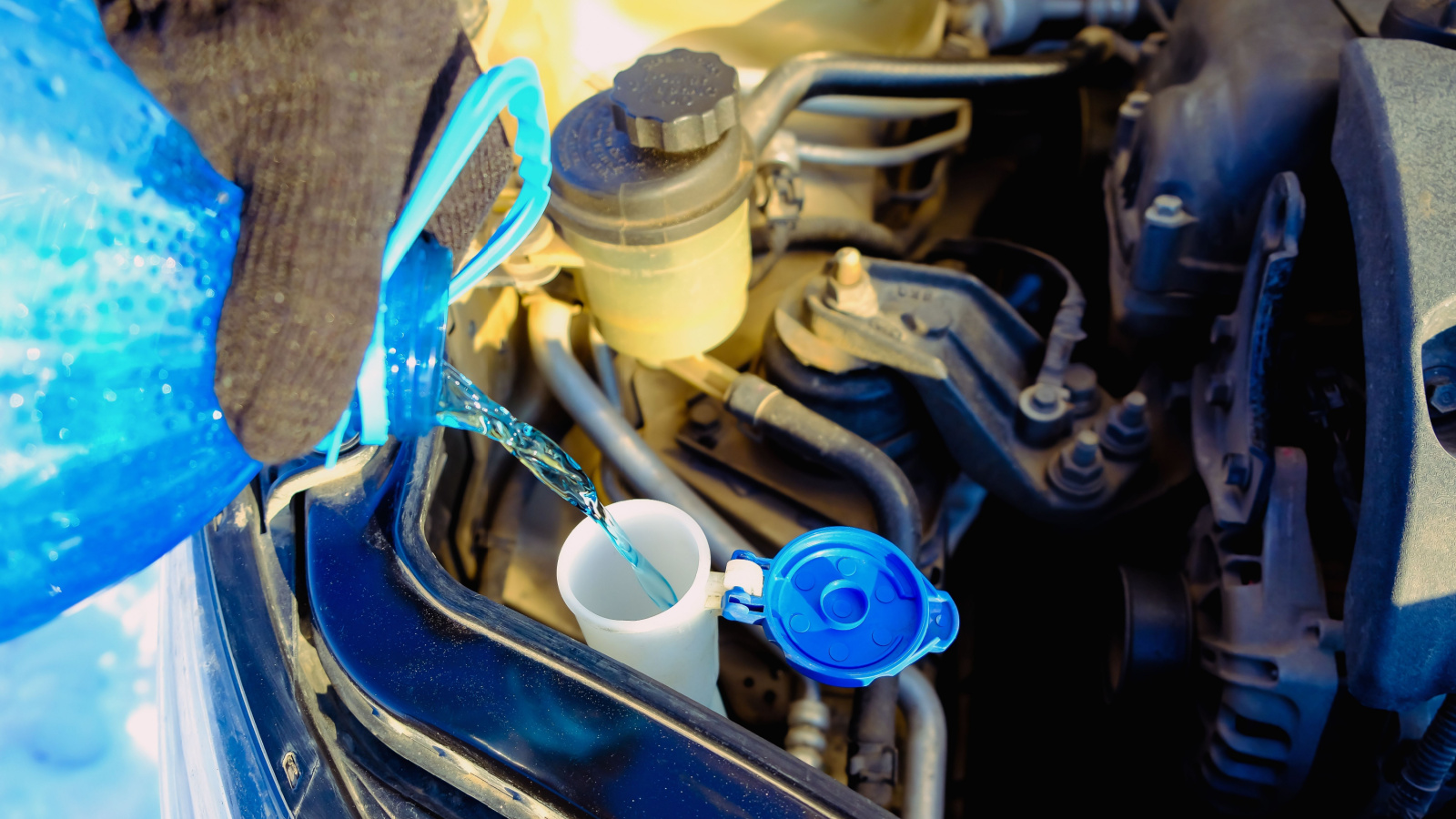
Warm weather washer fluid freezes during winter and blocks the spray nozzles. Road salt and slush cover Canadian windshields quickly, so the inability to clear the glass creates dangerous driving conditions. If a collision report mentions poor visibility and the reservoir is filled with summer fluid, the insurer can deny the claim. The adjuster sees frozen fluid as a preventable mistake rather than bad luck. Switching to winter-rated washer fluid takes only a few minutes but protects the claim. Visibility is one area where insurance companies rarely accept excuses.
Not Removing Snow from the Roof or Hood
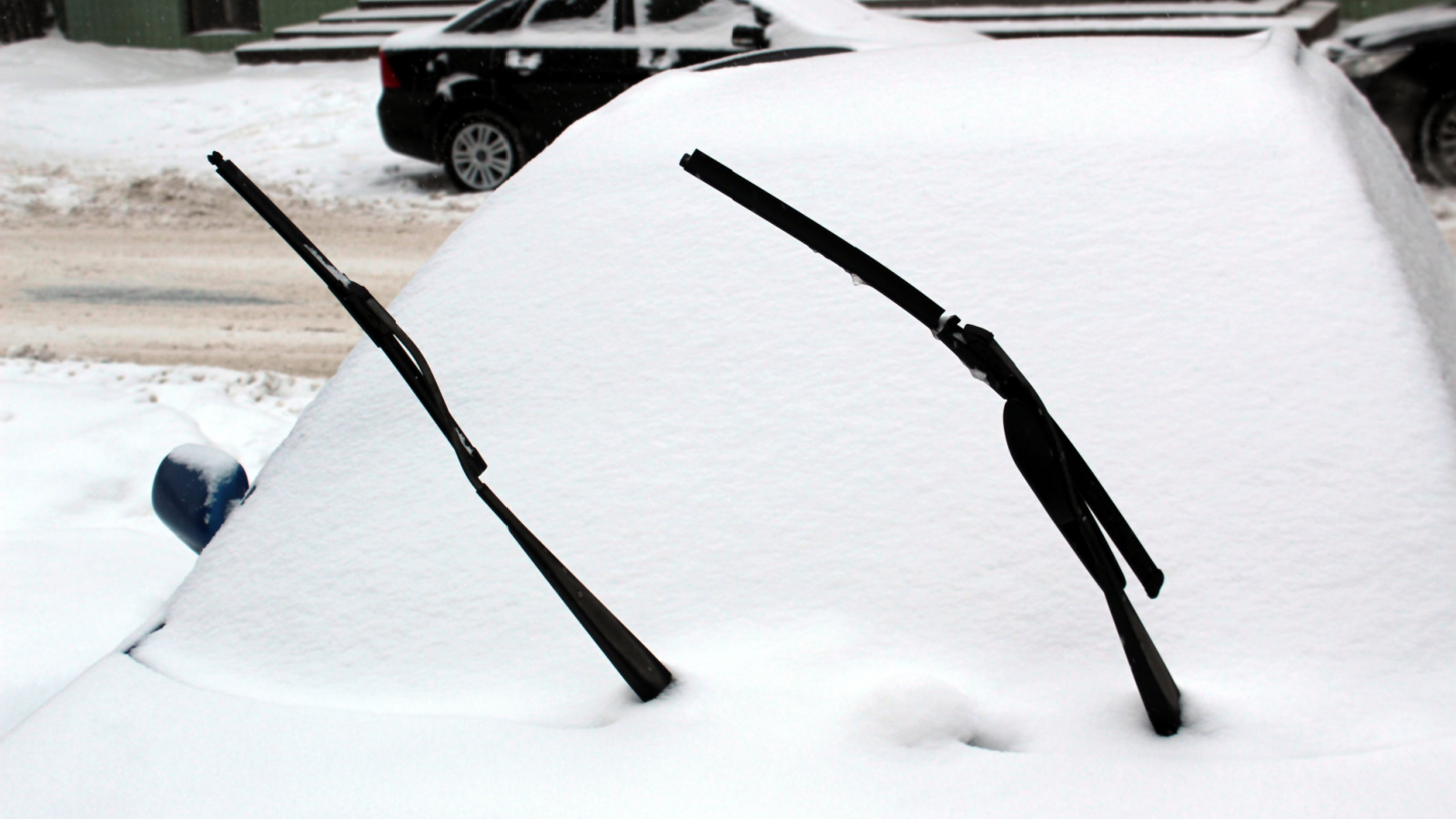
Driving with snow piled on the roof looks harmless until it slides forward during braking and blocks the windshield. Snow can also blow onto nearby cars and reduce their visibility. If flying snow causes a crash, the driver who failed to clear it can be held responsible. Insurance companies treat this as preventable. Several provinces have issued tickets for snow-covered vehicles because of the risk. Removing snow from the entire vehicle is not just a courtesy. It protects visibility, road safety, and the driver’s insurance coverage.
Tailgating on Winter Roads
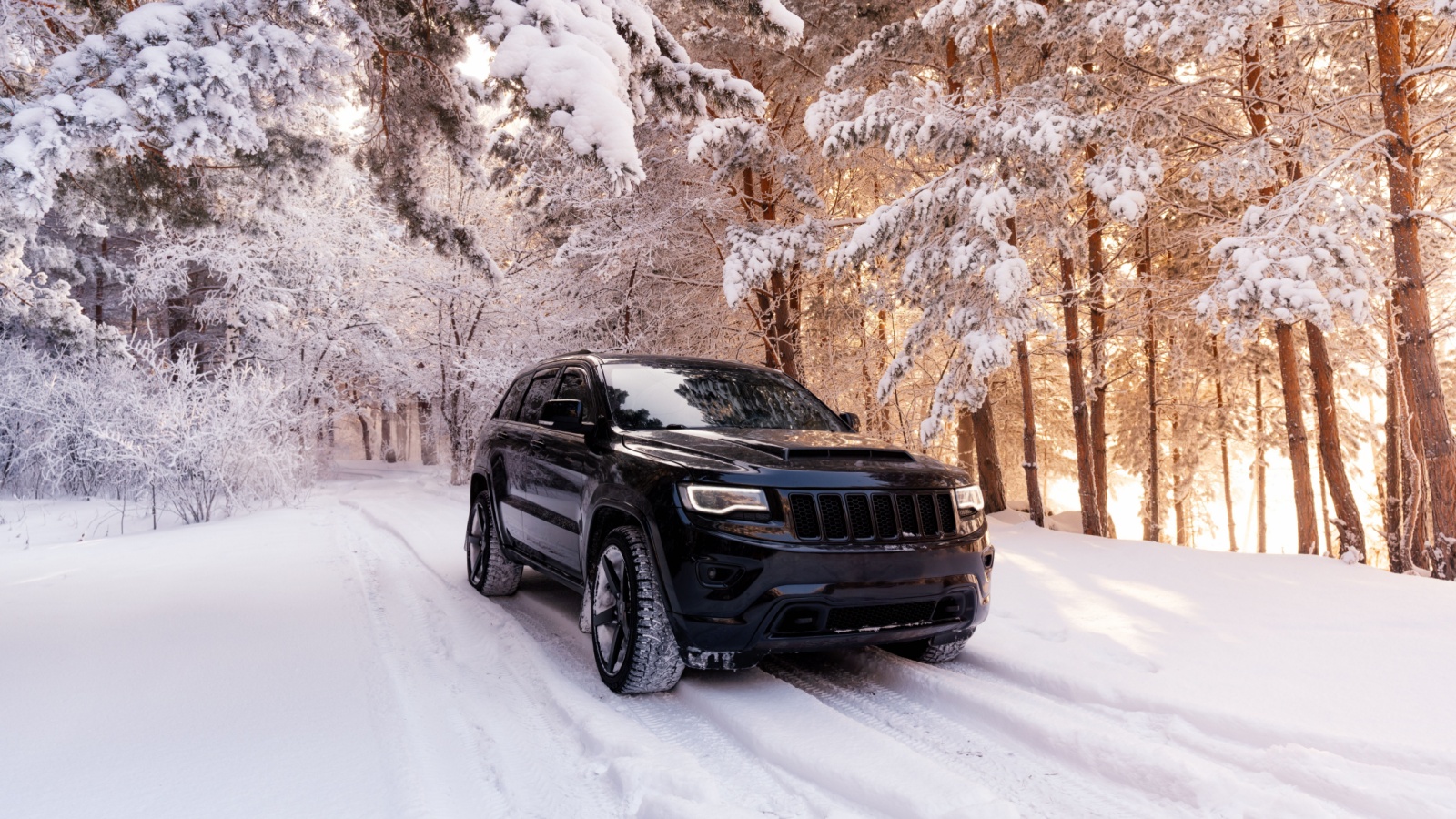
Rear-end collisions are among the most common winter accidents, especially on congested highways and stop-and-go streets. Short following distances give drivers very little time to react during sudden braking. Ice and slush make the stopping distance even longer. Insurance companies almost always blame the driver behind because tailgating is seen as a conscious choice. Even if the vehicle ahead stopped abruptly, the claim usually fails for the driver who followed too closely. A larger gap can prevent a chain reaction crash and also protect insurance coverage during the winter months.
Using Cruise Control on Ice
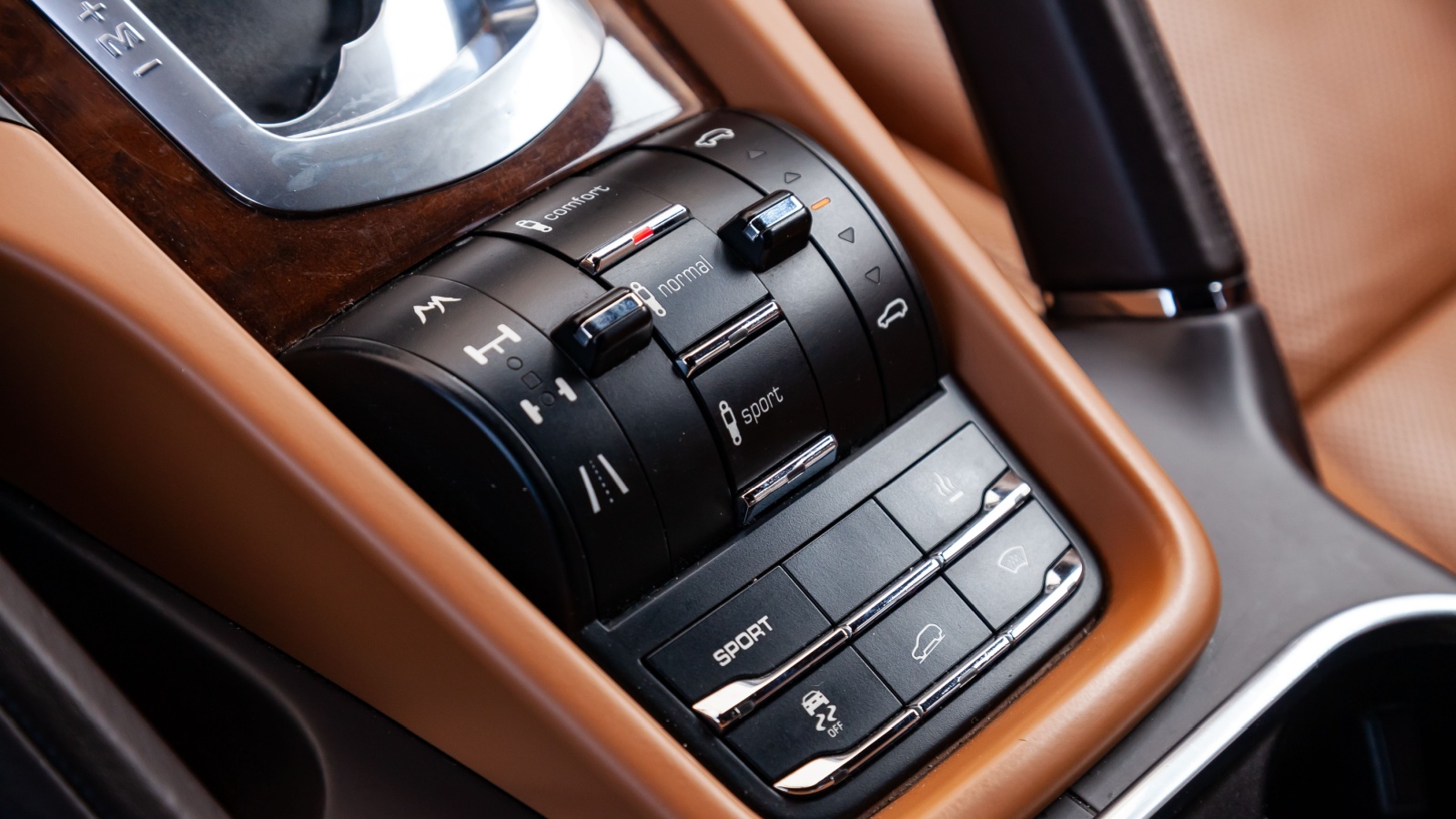
Cruise control holds the speed steady, which is dangerous when the wheels hit ice or packed snow. A small skid becomes worse when the car automatically accelerates to regain speed. The driver loses valuable reaction time. Many manuals specifically warn against using cruise control during winter conditions. If a collision happens with cruise control active, insurers may call it careless driving. It does not matter if the driver felt confident. If the technology contributed to the loss of control, the claim may be denied, and the driver may face full financial responsibility.
Driving With Known Safety Recalls

Car manufacturers issue recalls because a part could fail in real driving situations. If the driver receives a recall notice and ignores it, the vehicle is considered unsafe. If that problem causes or worsens a winter crash, insurance companies may refuse payment. Cold weather increases stress on steering, braking, and electronic traction systems. A quick recall appointment could prevent major damage later. Ignoring a notice shows that the driver accepted the risk. Insurance companies keep that detail in mind during a claim review.
Leaving the Scene After a Minor Collision
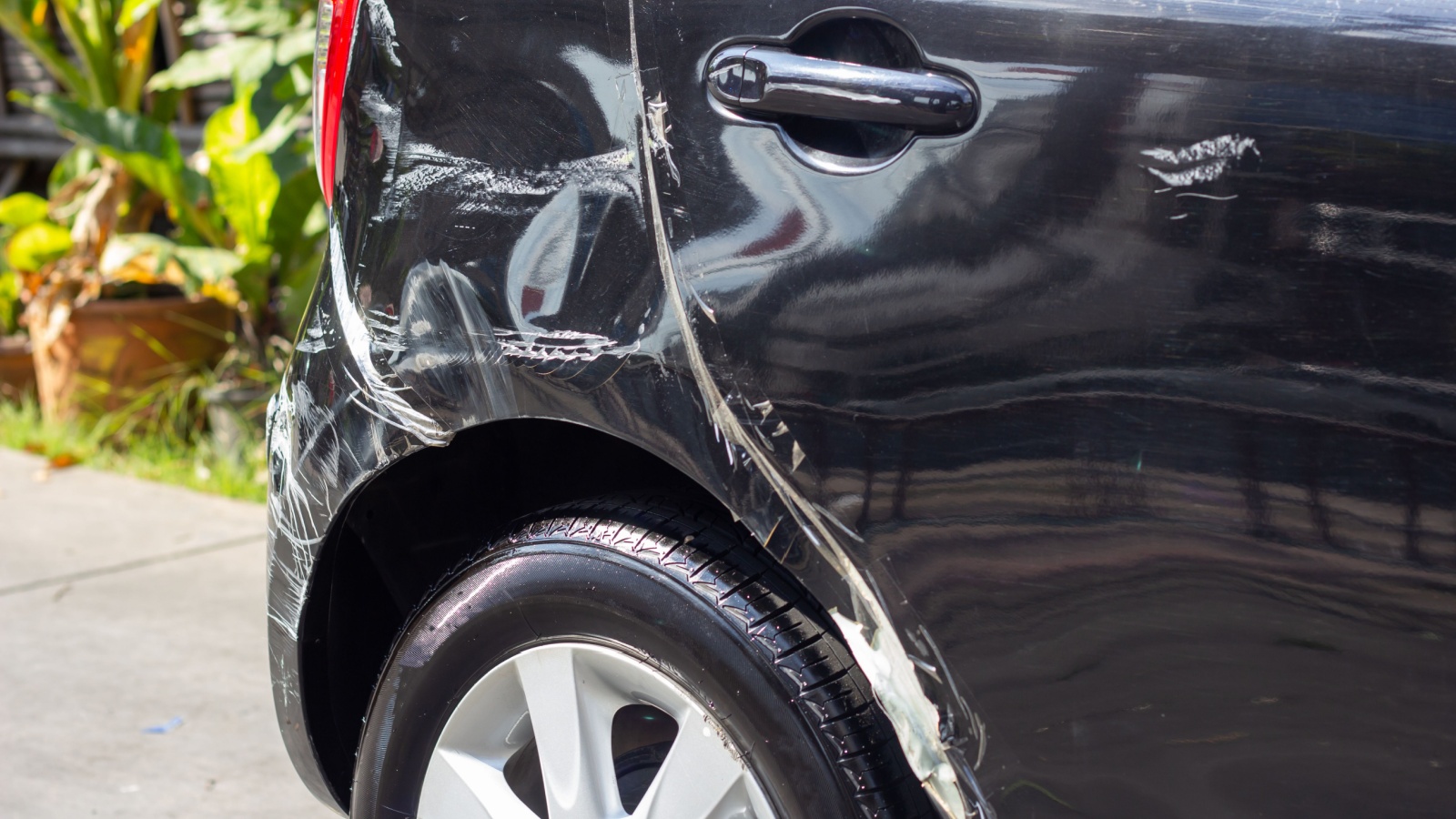
A winter bump in a parking lot may feel insignificant, but leaving without reporting it can void coverage. Sliding into another bumper and driving away is treated as hit and run. Even if the driver later apologizes, the violation is already recorded. Insurance companies require immediate reporting of every winter collision. Police need to document the event for liability decisions. A denied claim and legal consequences are a high price for a moment of panic. Staying at the scene protects coverage and avoids serious problems.
22 Groceries to Grab Now—Before another Price Shock Hits Canada

Food prices in Canada have been steadily climbing, and another spike could make your grocery bill feel like a mortgage payment. According to Statistics Canada, food inflation remains about 3.7% higher than last year, with essentials like bread, dairy, and fresh produce leading the surge. Some items are expected to rise even further due to transportation costs, droughts, and import tariffs. Here are 22 groceries to grab now before another price shock hits Canada.
22 Groceries to Grab Now—Before another Price Shock Hits Canada
