
Crossing the Canada–U.S. border with snacks may seem harmless, but food regulations differ significantly depending on direction and product type. What is allowed when entering one country may be restricted or require a declaration when entering the other. These rules are shaped by agricultural protection, food safety, and import regulations. Many Canadians are surprised to learn that everyday snacks can be confiscated, even when they appear commercially packaged. Here are 16 border snacks that are fine one way but not the other.
Fresh Apples

Fresh apples are one of the most commonly confiscated items at the Canada–U.S. border due to agricultural restrictions. While apples purchased in Canada may seem harmless to bring into the United States, they can be restricted depending on origin and pest control regulations. Similarly, apples bought in the U.S. may not always be allowed into Canada without a declaration. The issue lies in protecting local agriculture from pests and diseases that can be carried on fresh produce. Even commercially purchased apples can be subject to inspection, and officers may ask about their origin. Canadians often assume that store-bought fruit is safe to carry across the border, but rules focus on biological risk rather than packaging.
Homemade Sandwiches

Homemade sandwiches are another item that can cause confusion at the border. While they may be allowed in some cases, the ingredients inside determine whether they are permitted. For example, sandwiches containing fresh meat, certain dairy products, or vegetables may be restricted depending on the direction of travel. Canadians crossing into the United States with a homemade sandwich may face inspection if it contains ingredients subject to agricultural controls. The same applies when returning to Canada. Border officers often ask about contents, and unclear answers can lead to confiscation. The issue is not the sandwich itself but what is inside it. Travellers often overlook this detail, assuming that prepared food is exempt from restrictions.
Cheese
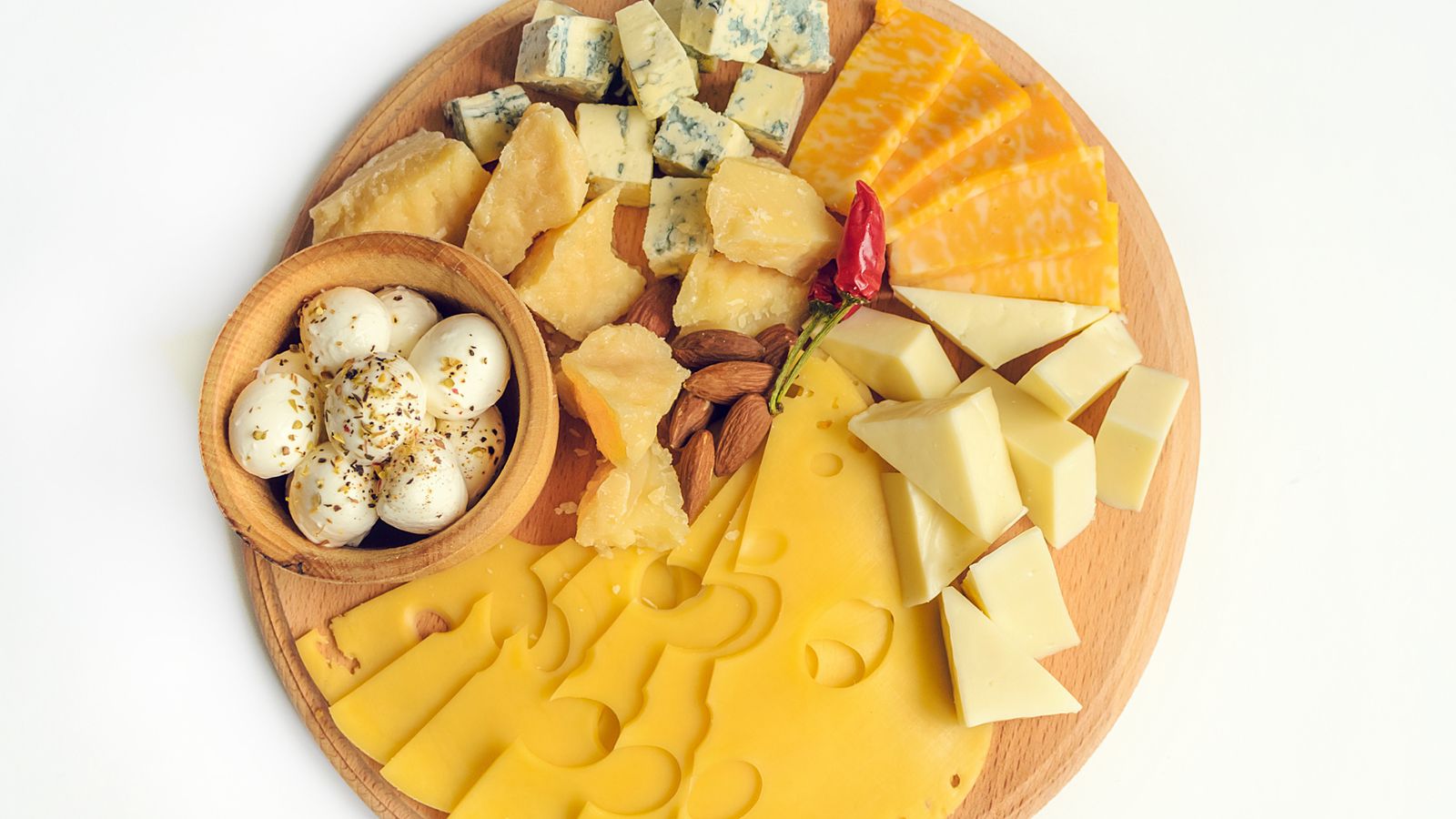
Cheese is generally allowed across the Canada–U.S. border, but some limits and conditions can affect whether it is permitted. Commercially packaged cheese is usually acceptable in reasonable quantities, but certain types may face restrictions depending on processing and origin. Soft cheeses or those made from unpasteurized milk can raise additional concerns. Canadians may assume that all store-bought cheese is allowed, but border officers still have discretion based on current regulations. Quantities also matter, as large amounts may be considered commercial imports rather than personal use. Declaring cheese is important to avoid issues.
Beef Jerky
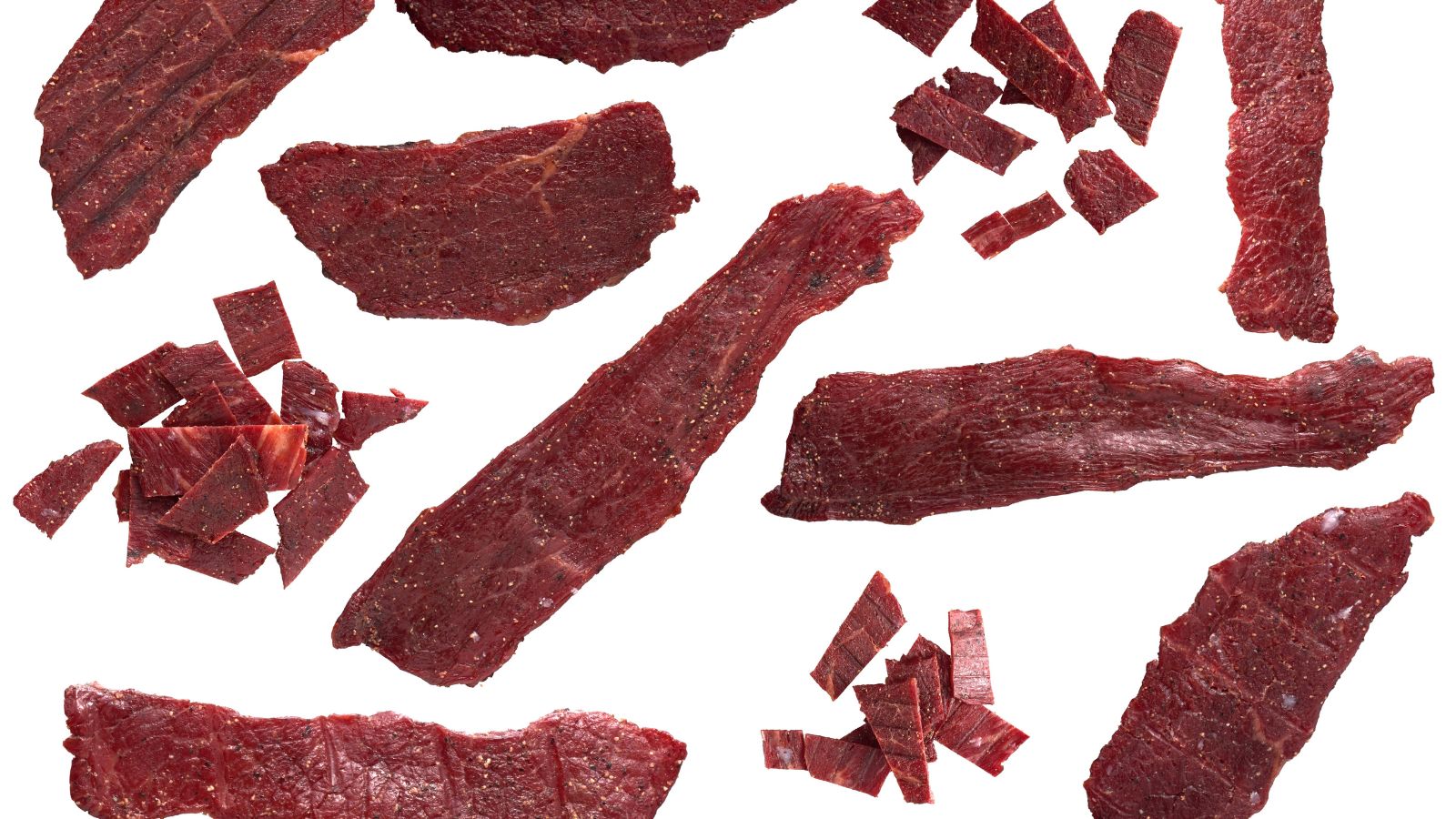
Beef jerky is a popular travel snack, but it is not always permitted across the border. Regulations depend on the country of origin and processing standards. Jerky purchased in Canada may be allowed into the United States if it meets specific requirements, but products from other countries may be restricted. Similarly, bringing jerky into Canada from the U.S. may require declaration and inspection. The concern is related to animal health and disease prevention. Even commercially packaged jerky can be subject to scrutiny.
Eggs
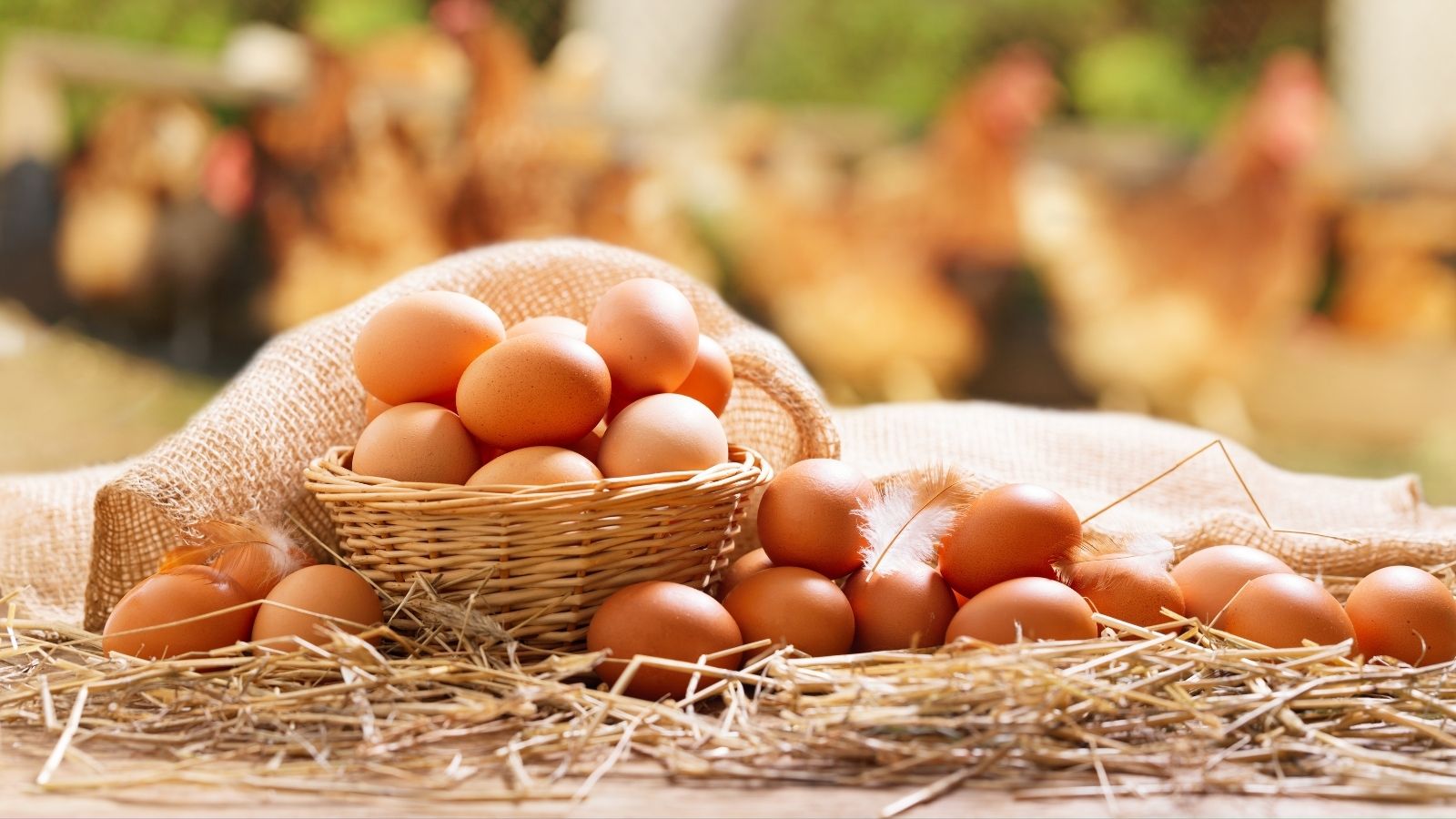
Eggs are subject to strict regulations at the Canada–U.S. border due to concerns about disease and agricultural protection. While eggs purchased in one country may be allowed into the other in limited quantities, restrictions can change in response to outbreaks or policy updates. Canadians often assume that grocery store eggs are safe to transport, but the rules are based on risk rather than packaging. Border officers may ask about origin and quantity, and undeclared eggs can be confiscated. In some cases, they may be allowed if properly declared and within limits.
Fresh Berries
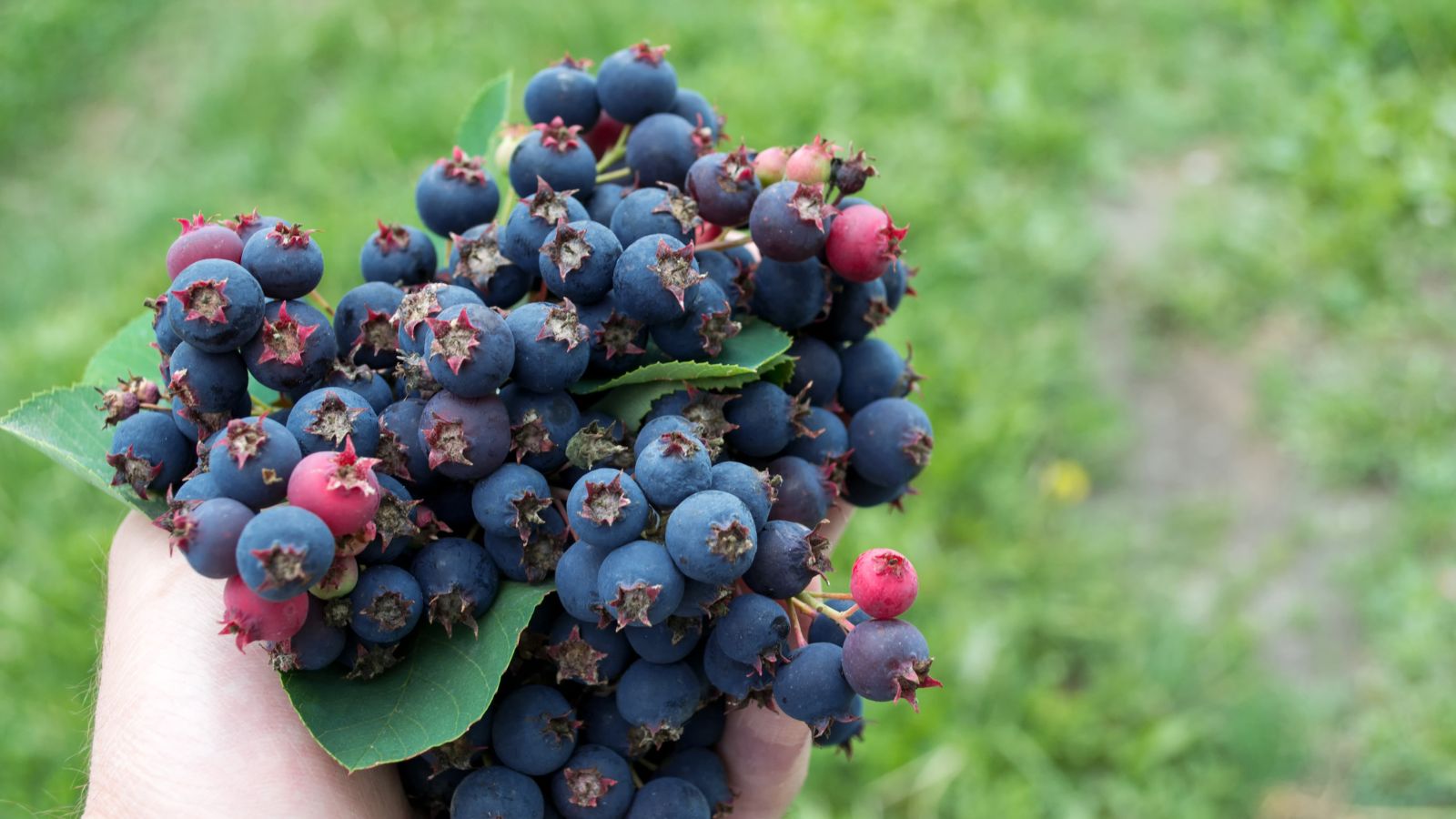
Fresh berries are treated similarly to other produce and are subject to agricultural restrictions. Canadians bringing berries across the border may face inspection or confiscation depending on origin and current regulations. Even small quantities can be restricted if they pose a risk to local agriculture. Travellers often assume that commercially packaged berries are acceptable, but this is not always the case. Declaring the item is essential, as failure to do so may result in penalties. Understanding these rules helps avoid surprises and ensures smoother travel when carrying fresh fruit.
Milk

Milk is allowed in limited quantities across the border, but regulations depend on origin and processing. Canadians may bring milk for personal use, but large quantities or unpasteurized products can be restricted. Border officers may ask about the type and source. Declaring milk is important to avoid issues. Understanding limits and requirements helps ensure compliance and avoid confiscation during travel.
Baked Goods

Baked goods are generally allowed across the border, especially if commercially packaged, but certain ingredients can affect their status. Items containing fresh fruit, cream, or meat fillings may be restricted. Canadians often assume all baked goods are safe to carry, but ingredient rules still apply. Declaring the item helps avoid issues. Understanding these distinctions ensures smoother crossings and reduces the risk of confiscation.
Packaged Chips

Packaged chips are generally one of the safer items to carry across the Canada–U.S. border, but even they are not completely exempt from scrutiny. Chips that are commercially sealed and clearly labeled are usually allowed in reasonable personal quantities. However, issues can arise when chips contain certain flavorings derived from restricted ingredients, such as meat extracts or dairy components that fall under specific import rules. Canadians often assume that all processed snack foods are automatically permitted, but labeling and ingredient sourcing can still matter.
Chocolate Bars

Chocolate bars are usually allowed across the Canada–U.S. border, but there are still nuances that can affect their status. Most commercially packaged chocolate products pass without issue, especially when carried in small quantities for personal consumption. However, certain specialty chocolates containing fillings such as alcohol, cream, or unpasteurized dairy may be subject to additional scrutiny. Canadians often assume that all chocolate is treated equally, but ingredient composition can influence whether an item is permitted. Another factor is quantity, as bringing large amounts may trigger questions about commercial intent.
Protein Bars

Protein bars are commonly carried by travellers, but they can present complications depending on their ingredients. Many protein bars contain dairy, nuts, or even meat-based protein sources, which may be subject to specific import restrictions. Canadians often assume that packaged health products are automatically allowed, but ingredient lists play a significant role in determining admissibility. Bars containing whey, egg products, or certain additives may be subject to inspection. Additionally, large quantities can raise concerns about resale rather than personal use.
Nuts and Trail Mix
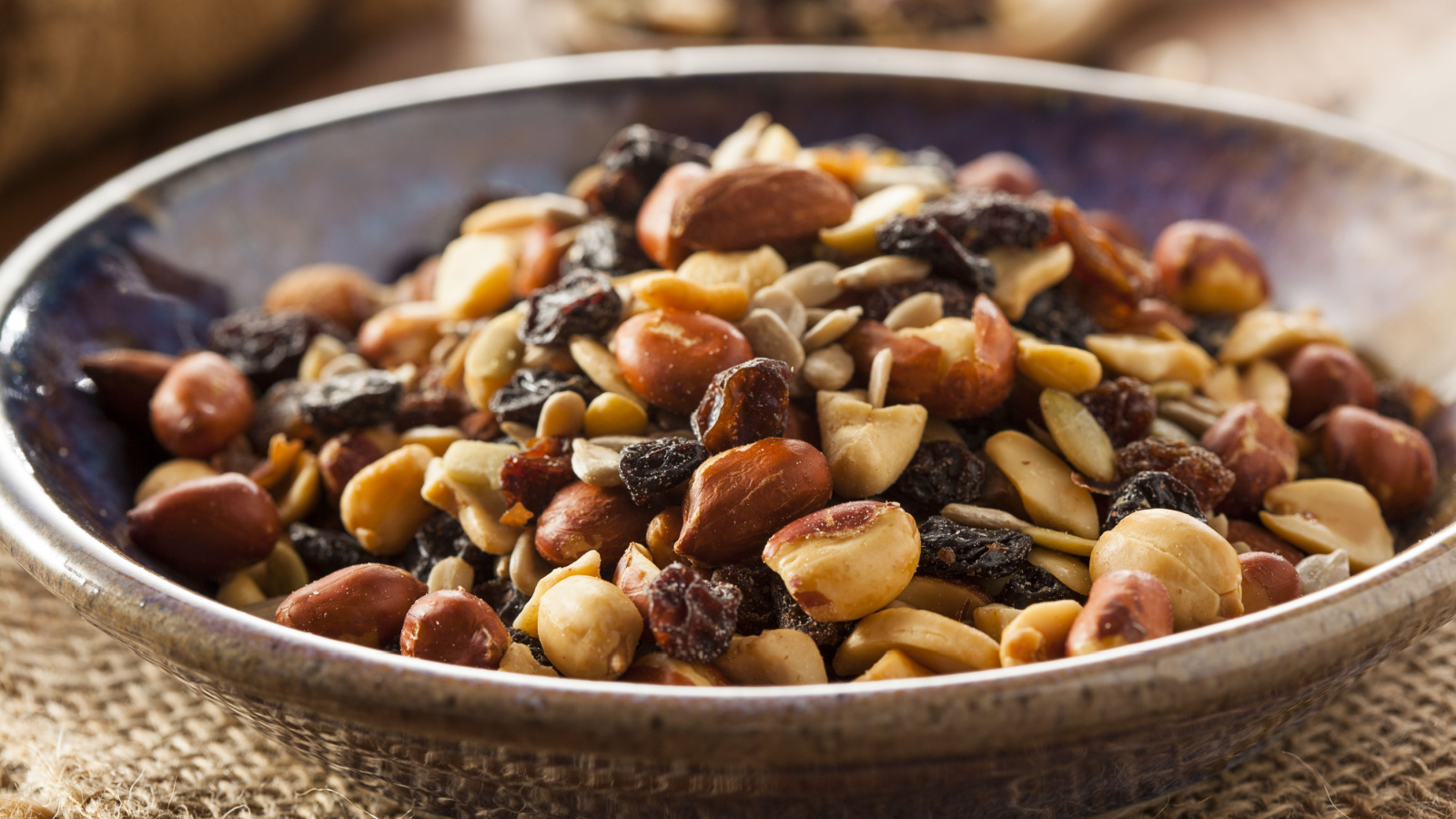
Nuts and trail mix are generally permitted across the border, but there are exceptions based on processing and origin. Raw or untreated nuts may be subject to stricter controls compared to roasted or commercially packaged products. Canadians often overlook the difference, assuming all nuts are treated equally. Trail mix can also include ingredients such as dried fruit or chocolate, which may have their own restrictions depending on origin. Packaging and labeling play an important role in determining whether the item is allowed.
Yogurt

Yogurt is more complicated than it appears when crossing the border due to dairy regulations. While small quantities for personal use may be allowed, restrictions can vary depending on origin and processing. Canadians often assume that sealed yogurt products are automatically permitted, but dairy is subject to strict controls. Border officers may ask about quantity and source, and undeclared items can be confiscated. Yogurt containing additional ingredients, such as fruit or granola, may also be assessed differently.
Dried Fruit
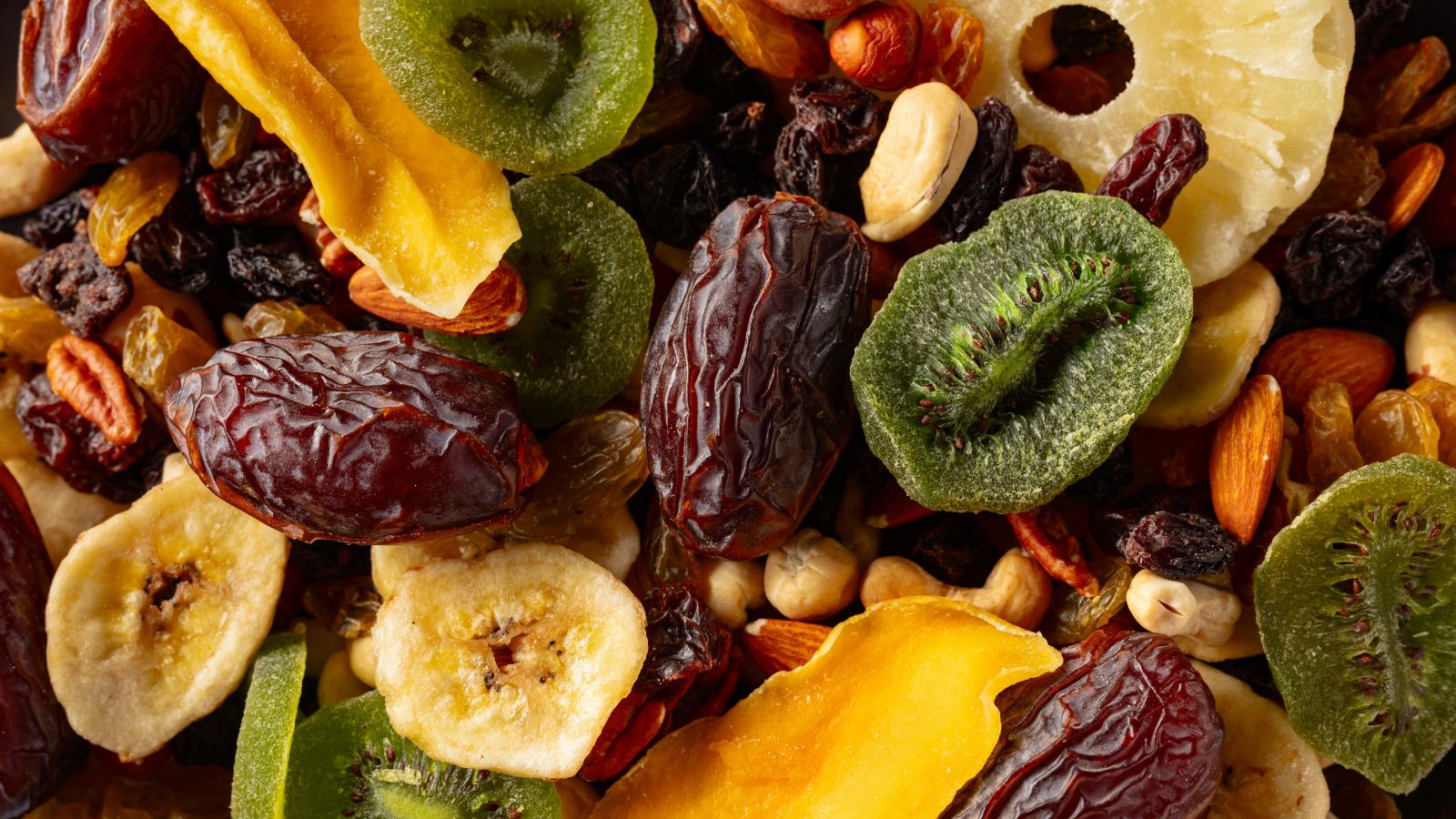
Dried fruit is generally easier to transport across the border than fresh fruit, but it is not entirely unrestricted. Processing reduces risk, but origin still matters. Canadians often assume dried fruit is always allowed, but certain products may be restricted depending on where they were sourced. Commercial packaging and clear labeling improve the chances of acceptance. Declaring dried fruit is still recommended, as regulations can change. Border officers may inspect items to verify compliance. While dried fruit is usually permitted, understanding the role of origin and processing helps avoid confusion. Choosing properly packaged products ensures smoother travel.
Candy

Candy is typically one of the least restricted items when crossing the border, especially if it is commercially packaged. However, certain specialty candies containing alcohol or dairy-based fillings may be subject to additional scrutiny. Canadians often assume candy is completely unrestricted, but ingredient composition can still matter. Large quantities may also raise concerns about resale. Declaring candy is a simple step that helps avoid issues. In most cases, it will be allowed without complication. Understanding that even low-risk items are subject to rules ensures better preparation. Candy is generally safe, but awareness still helps avoid surprises.
Energy Drinks

Energy drinks are usually allowed across the border, but they can still be subject to inspection depending on quantity and ingredients. Canadians often carry these for convenience when traveling, assuming they are unrestricted. However, certain formulations containing specific additives or high caffeine levels may be reviewed more closely. Large quantities can also raise questions about commercial intent. Declaring energy drinks is recommended to avoid issues. Border officers may check labeling and quantity before allowing entry.
19 Things Canadians Don’t Realize the CRA Can See About Their Online Income

Earning money online feels simple and informal for many Canadians. Freelancing, selling products, and digital services often start as side projects. The problem appears at tax time. Many people underestimate how much information the CRA can access. Online platforms, banks, and payment processors create detailed records automatically. These records do not disappear once money hits an account. Small gaps in reporting add up quickly.
Here are 19 things Canadians don’t realize the CRA can see about their online income.
