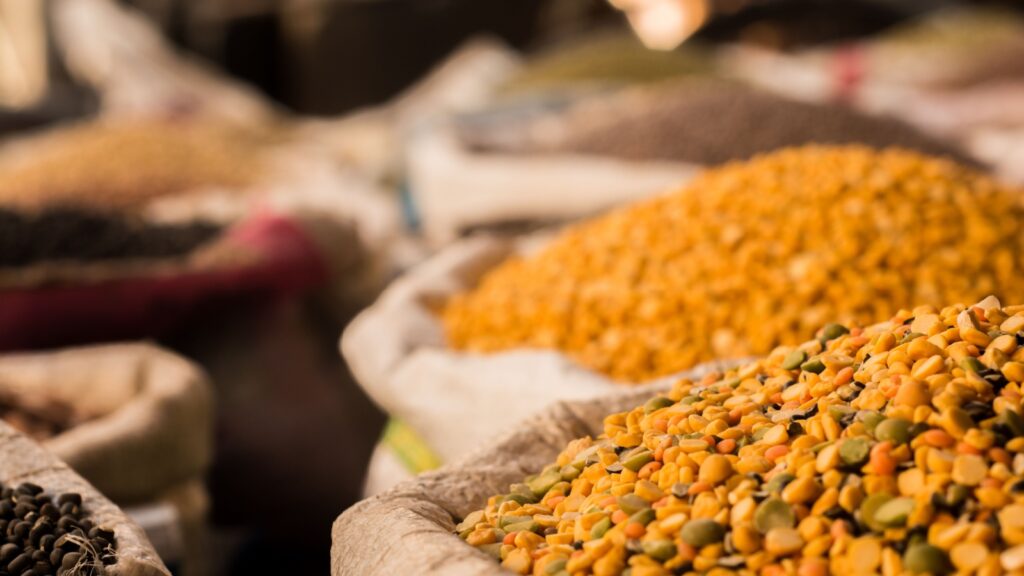
Meal prep remains one of the easiest ways to control food spending. Many Canadians are looking for ingredients that stretch across multiple meals. While grocery prices have risen, some staples still offer strong value. These foods store well, cook easily, and work in many recipes. Buying in larger quantities often lowers the cost per serving. Simple combinations can create filling, balanced meals. Planning ahead reduces food waste and impulse purchases. Here are 16 budget ‘meal prep’ staples Canadians can still buy cheap in 2026.
Dry Lentils
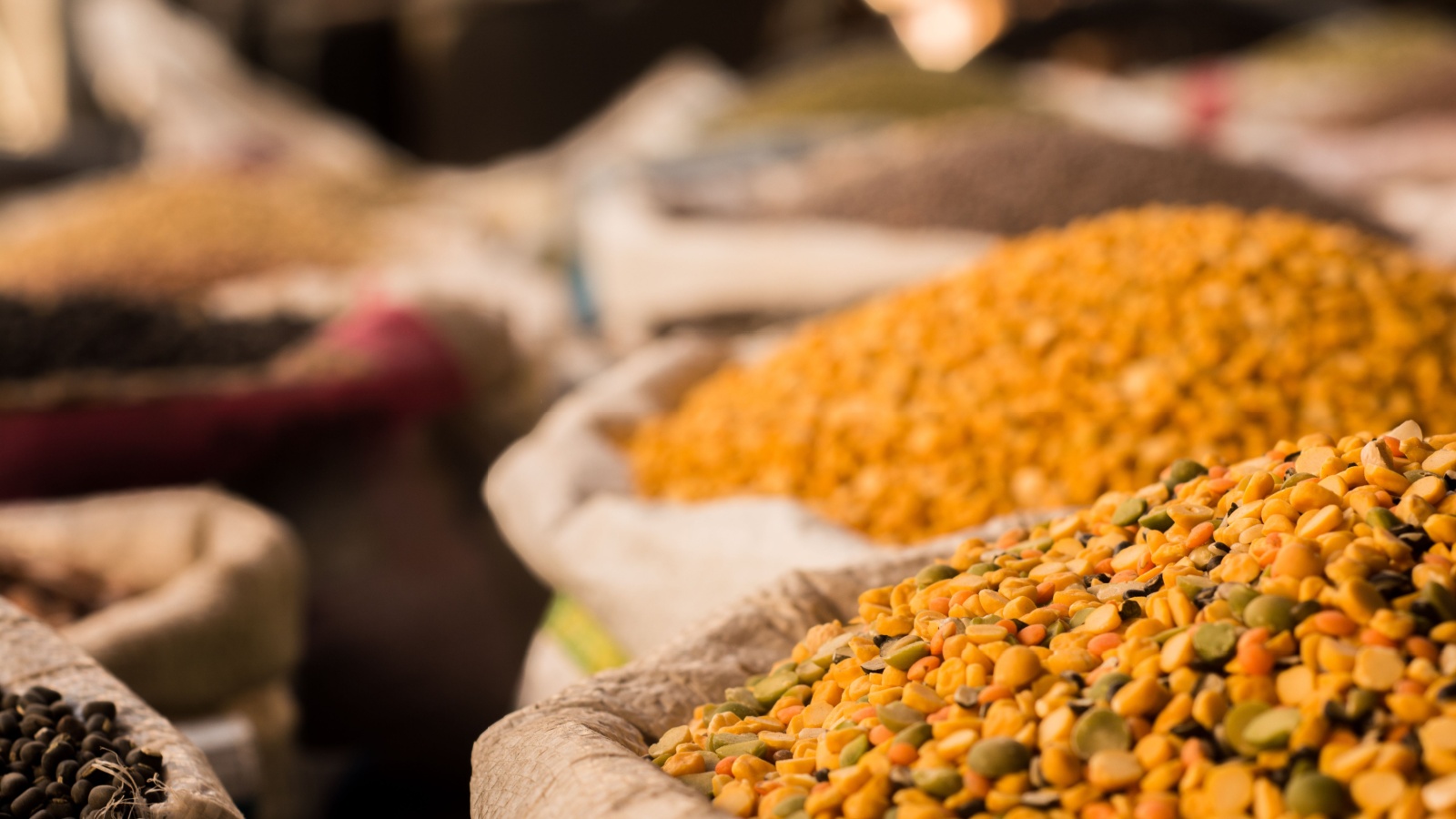
Dry lentils remain one of the most affordable protein staples in Canadian grocery stores. Large bags cost little and last for many meals. They store well in cupboards without spoiling quickly. Cooking only requires water and simple seasoning. Lentils work in soups, stews, curries, and salads. Their high fibre and protein help meals feel filling. Buying dry instead of canned lowers the cost per serving. Batch cooking supports easy weekly meal prep. Cooked lentils also freeze well for later use. Different varieties add texture without major price changes. Comparing the price per gram shows strong value. Many Canadians rely on lentils for low-cost, filling, and flexible meals.
Canned Beans
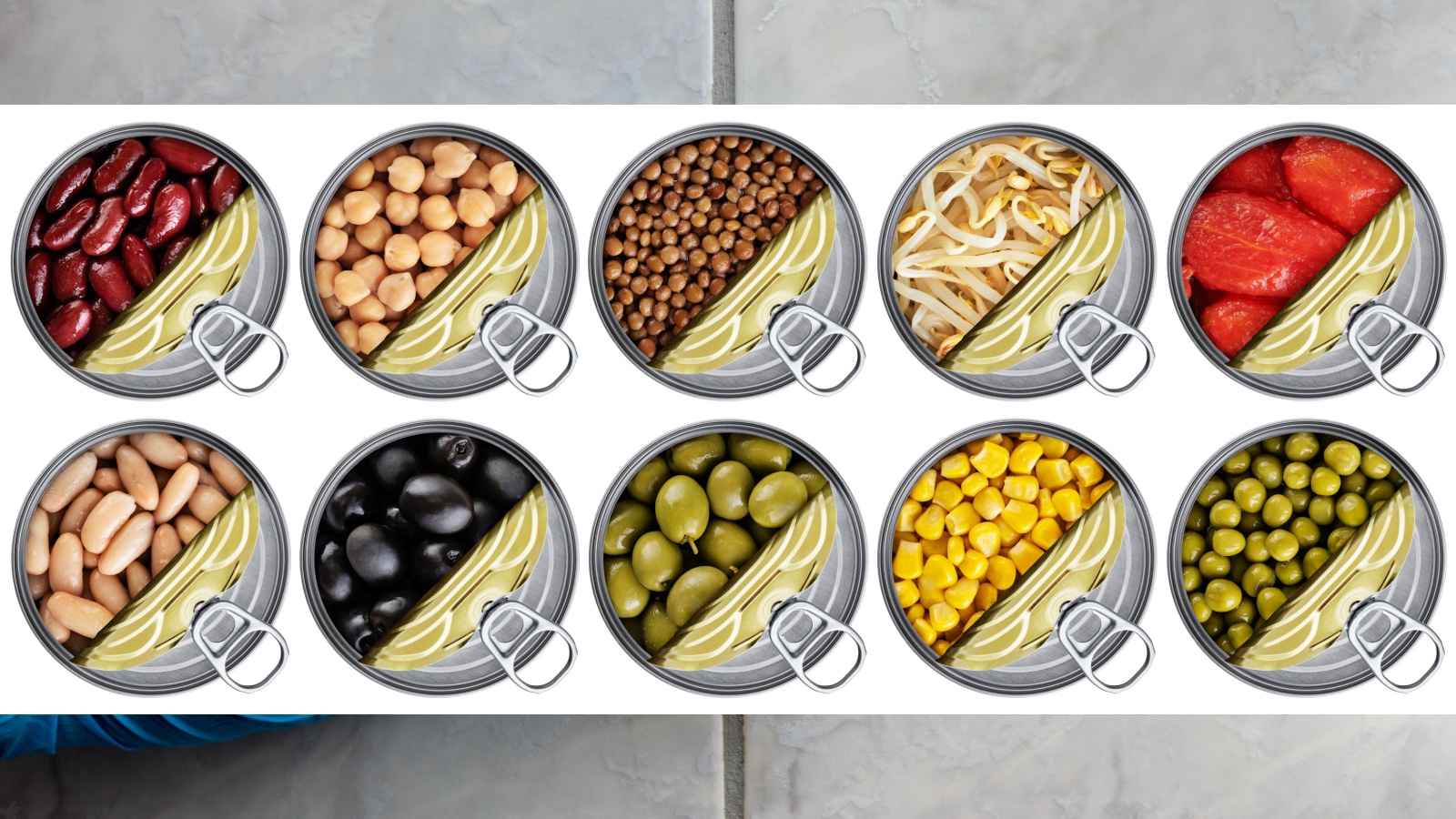
Canned beans stay budget-friendly and convenient for meal prep. They come cooked and ready to use. This saves time during busy weeks. Beans provide protein, fibre, and steady energy. Multipacks often lower the price per can. They work well in chili, salads, wraps, and rice bowls. Shelf life remains long, supporting pantry storage. Rinsing beans reduces excess sodium when needed. Store brands usually cost less than name brands. Comparing the price per gram shows solid value. Combining beans with grains creates filling meals. They stretch recipes without raising costs. Many households keep several cans for quick, affordable meal planning.
White Rice

White rice remains one of the cheapest meal prep staples. Large bags provide many servings at a low cost. Rice pairs easily with vegetables, beans, and meats. It stores for long periods without refrigeration. Cooking in batches supports weekly meal planning. Leftover rice works in stir-fries and soups. Plain rice takes on flavours from sauces and spices. Store brands often offer the best value. Comparing cost per serving shows clear savings. Rice provides filling carbohydrates for balanced meals. It freezes well after cooking. Many Canadians depend on rice as a base for affordable, versatile, and long-lasting meal prep dishes.
Rolled Oats
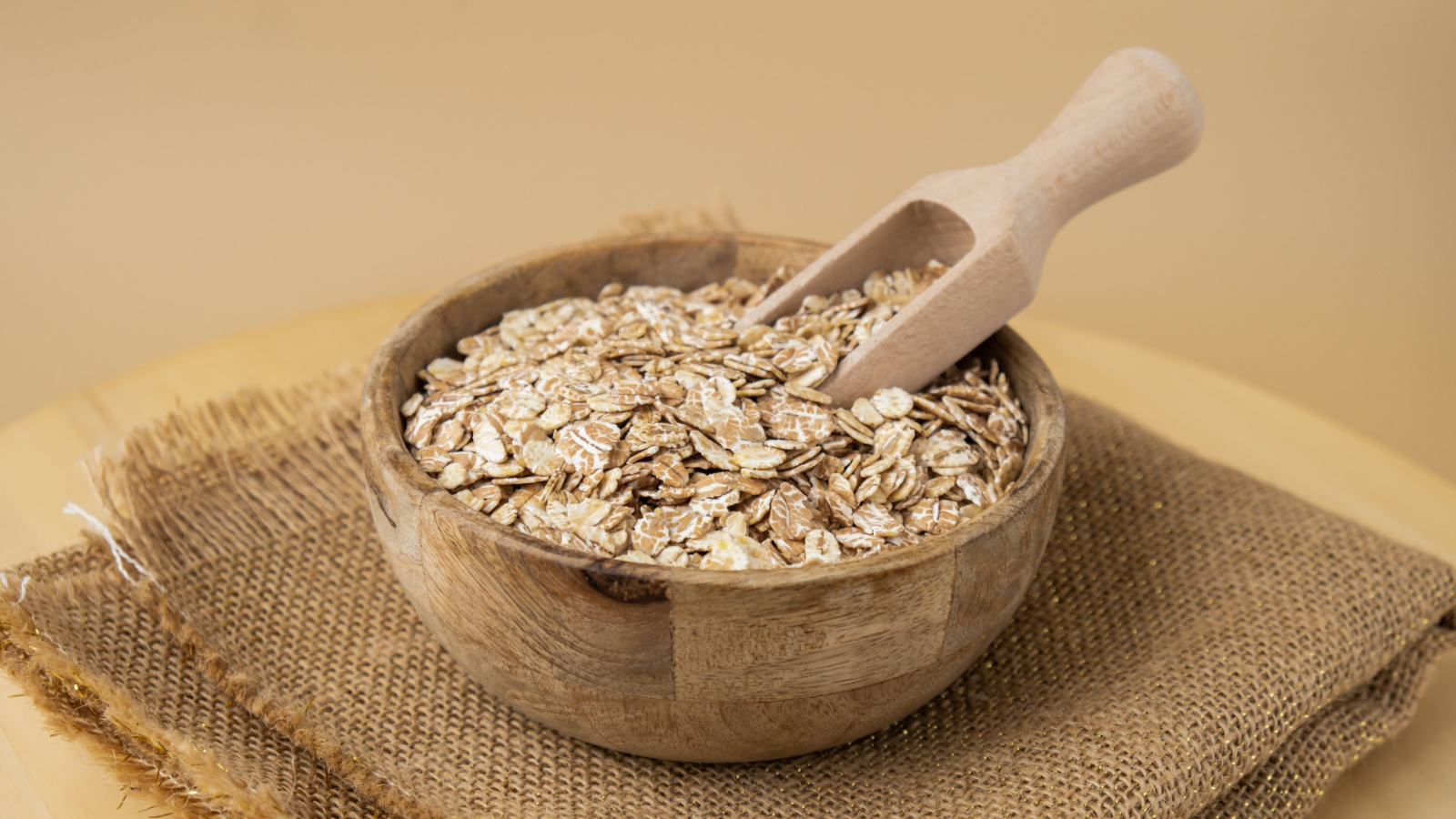
Rolled oats continue to be a low-cost, filling staple. Large bags offer many servings for little money. Oats cook quickly for breakfast or baking. They provide fibre that supports fullness. Oatmeal can be sweet or savoury. Store brands usually cost less than specialty versions. Oats work in overnight jars for easy prep. They also stretch recipes like muffins and granola. Shelf life remains long in sealed containers. Comparing the price per gram shows strong value. Bulk buying reduces the cost further. Many Canadians use oats daily for simple, budget-friendly meals that store well and support flexible meal planning.
Eggs
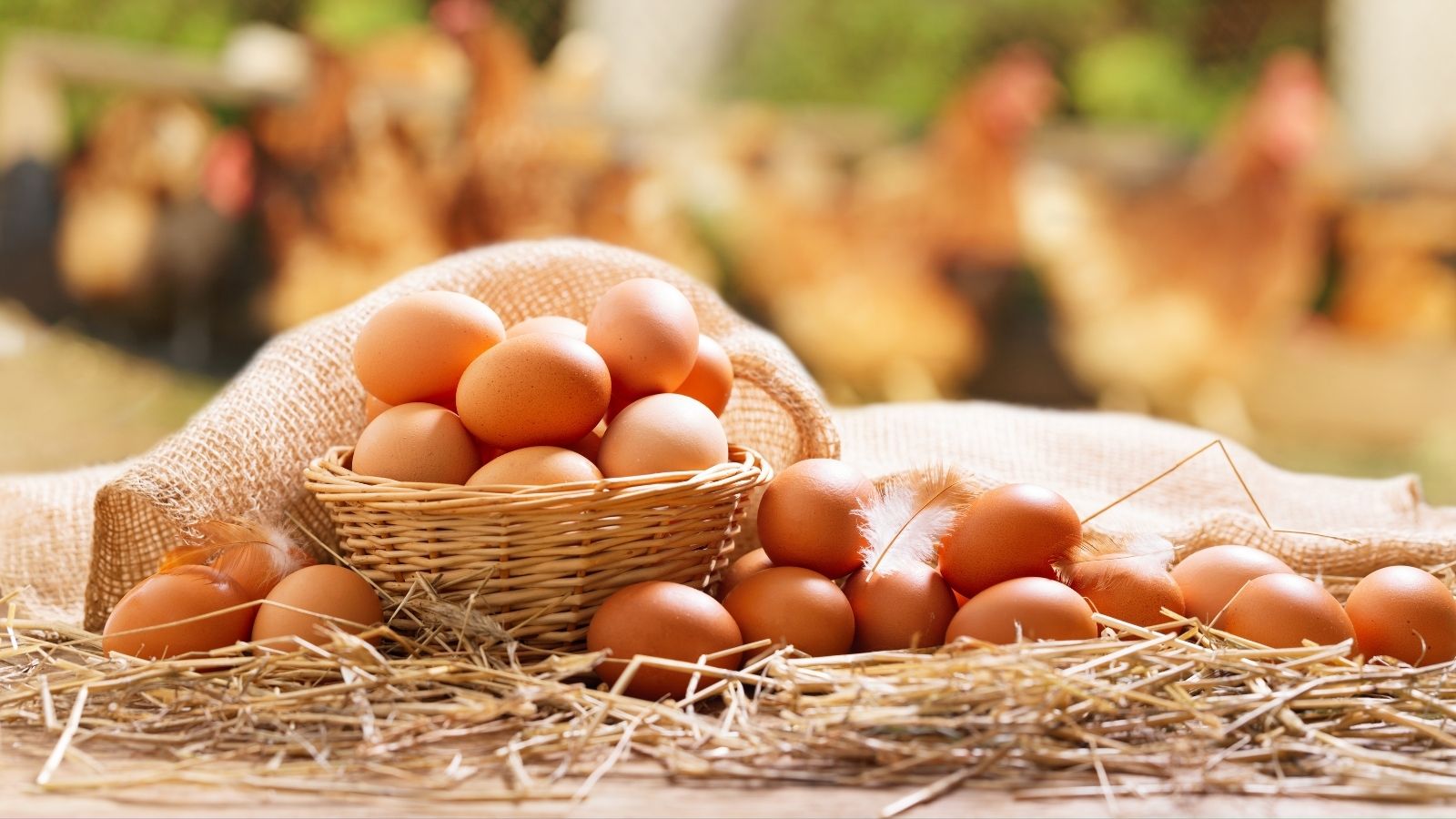
Eggs remain an affordable protein option for many Canadians. They cook quickly and work on many meals. Eggs fit breakfast, lunch, and dinner recipes. Boiled eggs store well for meal prep. Scrambled or baked eggs stretch across multiple servings. Store brands often provide the best price per dozen. Eggs supply protein and important nutrients. They pair well with vegetables and grains. Comparing the cost per serving shows good value. Buying larger cartons lowers the price per egg. Versatility reduces food waste in kitchens. Many households rely on eggs as a flexible, budget-friendly staple for quick, filling, and easy meal preparation.
Potatoes
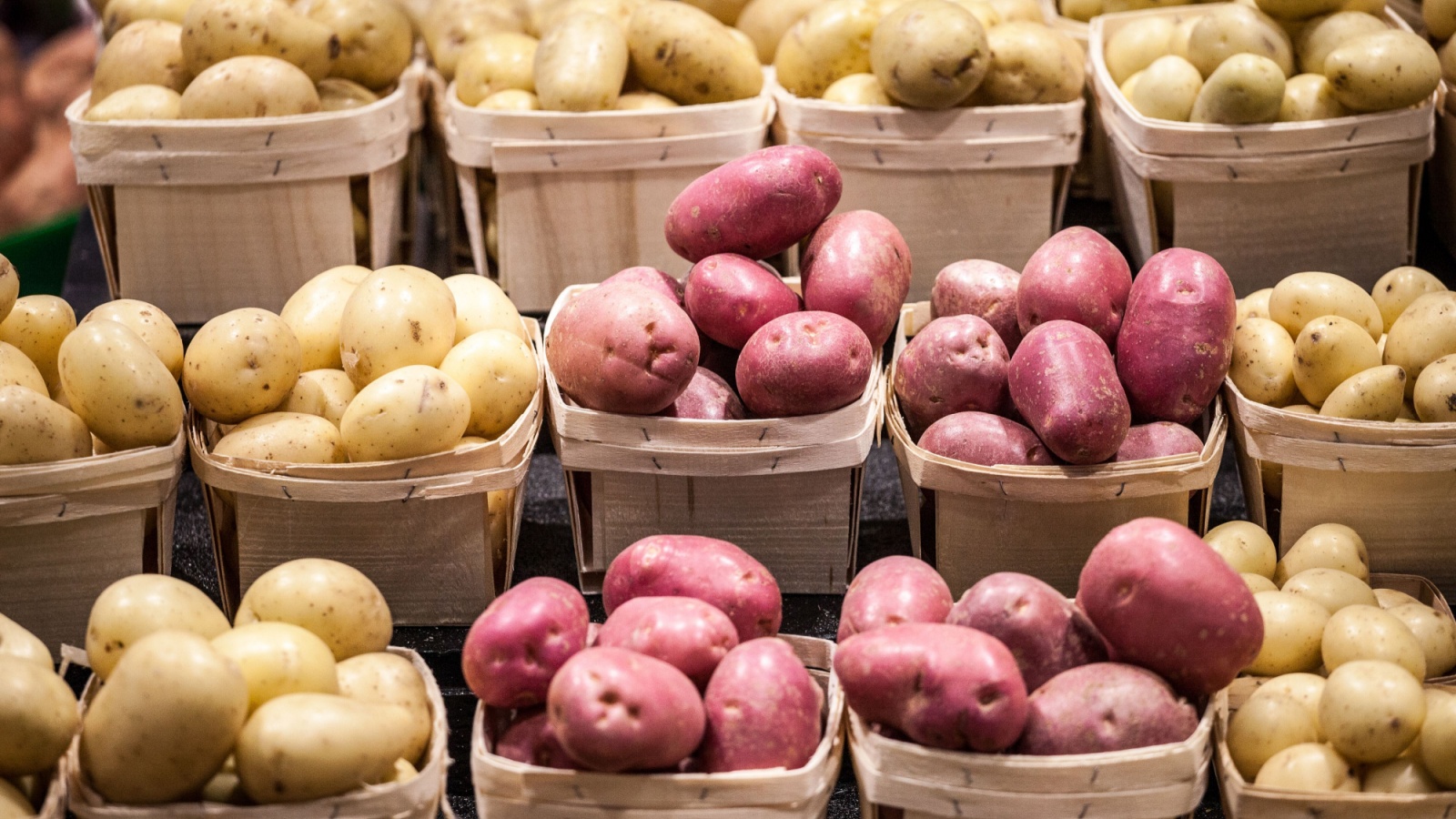
Potatoes remain one of the lowest-cost staples in Canada. Large bags provide many servings at a low price. They store well in cool, dark spaces. Potatoes work for baking, boiling, roasting, and mashing. They pair easily with vegetables, beans, and meats. Their starch helps meals feel filling. Store brands often offer strong value. Comparing cost per kilogram shows clear savings. Leftover potatoes work in soups and hashes. Peels can stay on to reduce prep time. Potatoes support many meal prep dishes. Many Canadians rely on them for affordable, versatile, and long-lasting meals throughout the week.
Carrots

Carrots stay affordable and widely available year-round. Large bags reduce cost per serving. They store well in the fridge for weeks. Carrots work raw, roasted, steamed, or in soups. Their natural sweetness suits many recipes. They add colour and nutrients to meals. Store brands often offer the best pricing. Comparing the price per kilogram shows strong value. Carrots stretch dishes like stews and stir-fries. They also serve as simple snacks. Little prep is required beyond washing and chopping. Many households rely on carrots as a low-cost, flexible vegetable for meal prep and daily cooking.
Cabbage
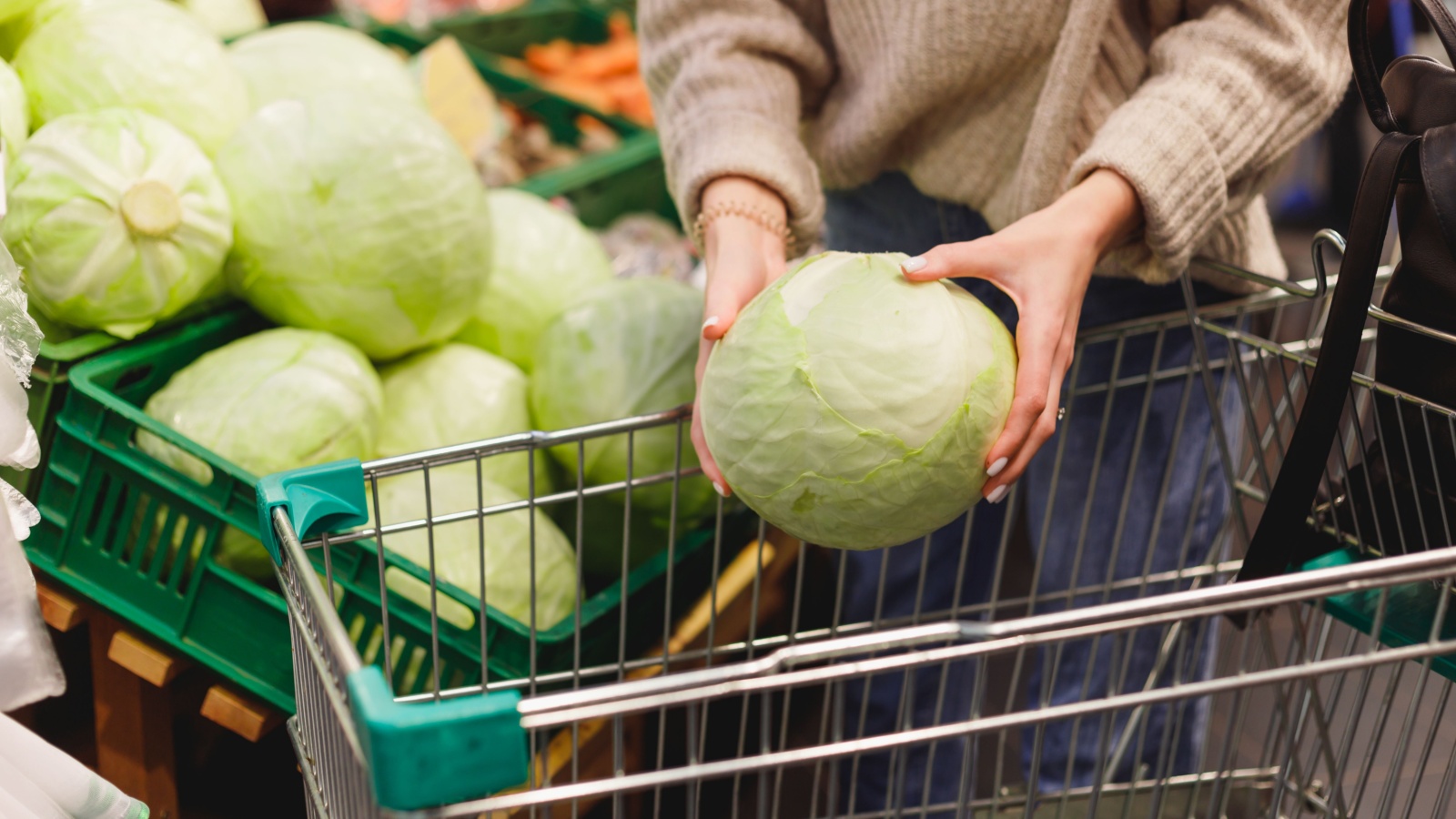
Cabbage remains a very low-cost vegetable option. One head provides many servings. It stores well in refrigerators for long periods. Cabbage works in salads, stir-fries, and soups. It adds crunch and volume to dishes. Cooking softens the flavour for different uses. Store brands often price it affordably. Comparing cost per kilogram highlights its value. Cabbage stretches meals without raising costs. Leftovers keep well for later recipes. Shredded cabbage works as a base for bowls. Many Canadians use cabbage for budget-friendly, filling, and versatile meal prep.
Frozen Mixed Vegetables
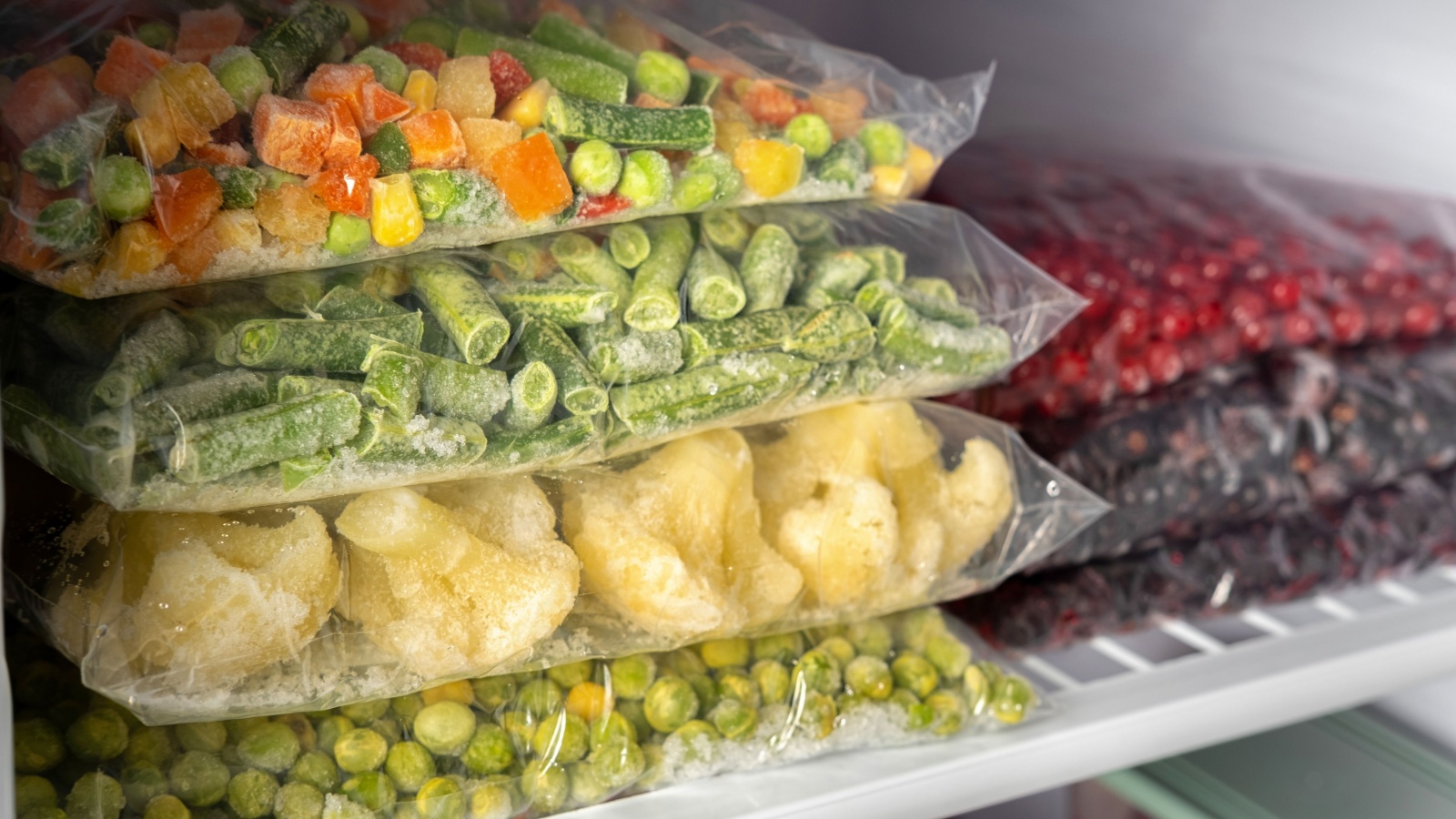
Frozen mixed vegetables offer value and convenience. Bags often cost less per serving than fresh mixes. Freezing helps preserve nutrients. They store long without spoiling. Vegetables come pre-chopped and ready to cook. They work in stir-fries, soups, and rice dishes. Store brands usually cost less than name brands. Comparing the cost per gram shows good value. Frozen options reduce food waste. Portioning is easy for meal prep. Cooking requires little extra preparation. Many households keep these bags for affordable, quick, and reliable vegetable servings during busy weeks.
Pasta
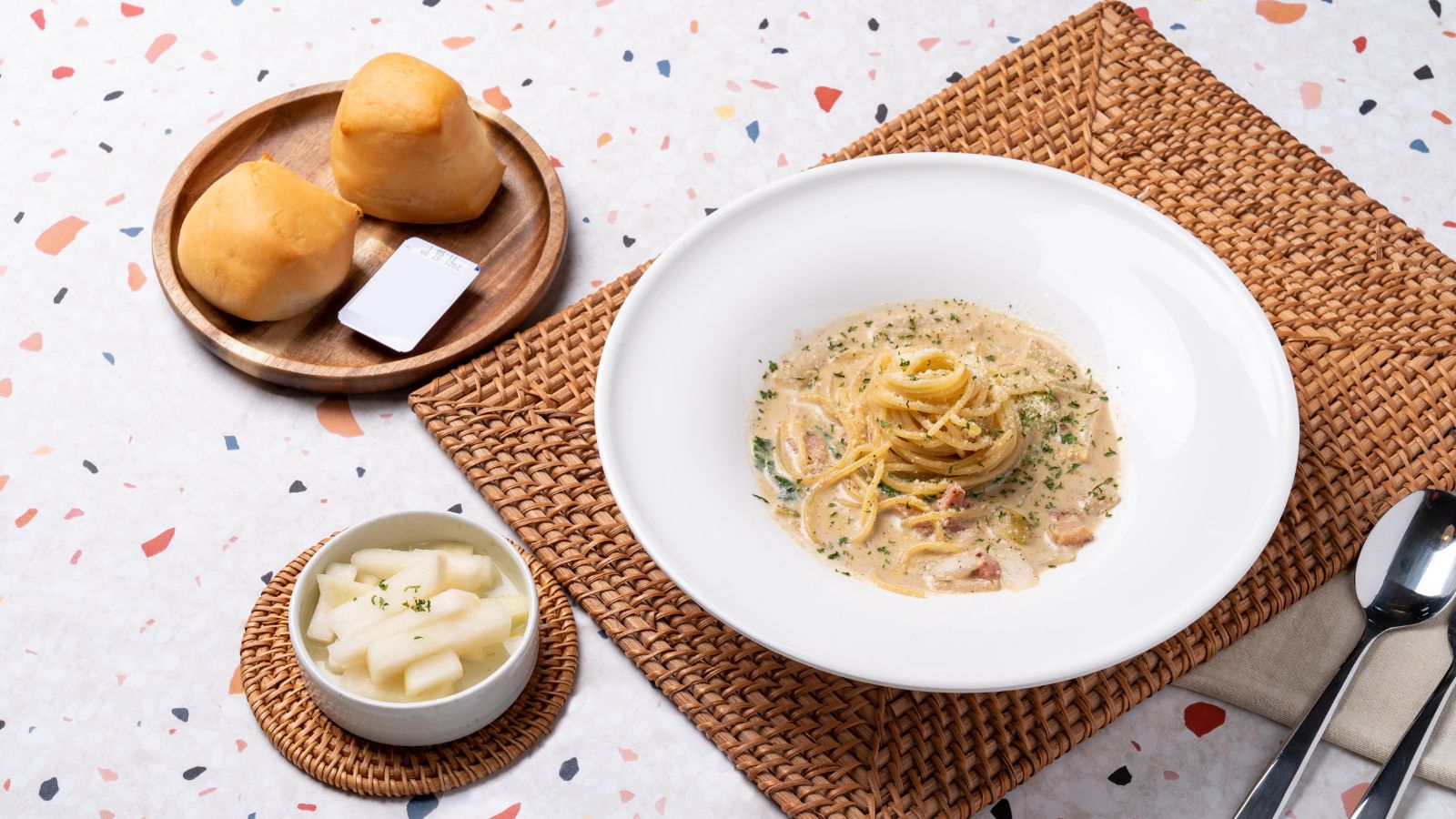
Pasta remains one of the most affordable pantry staples. Large packages provide many servings at a low cost. It cooks quickly and stores easily. Pasta pairs with vegetables, beans, and sauces. Store brands often offer the best value. Comparing cost per serving shows clear savings. Different shapes add variety without a higher price. Leftover pasta works in salads and casseroles. Dry pasta keeps for long periods. Bulk buying reduces cost further. Pasta helps stretch ingredients across meals. Many Canadians rely on it for budget-friendly, filling, and flexible meal prep throughout the week.
Peanut Butter
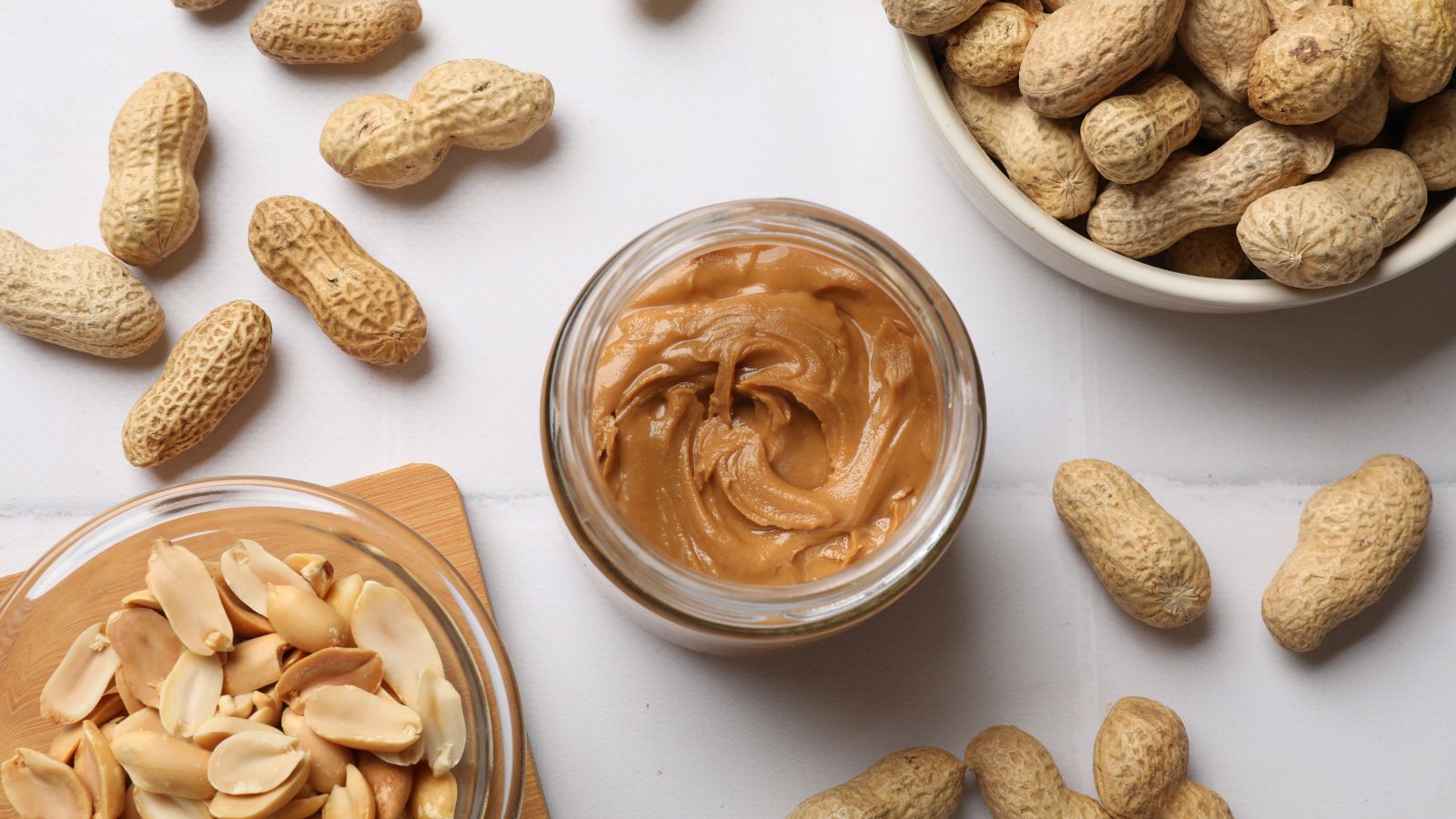
Peanut butter continues to be a budget-friendly protein source. Large jars have a lower cost per serving. It stores well for long periods. Peanut butter works in sandwiches, sauces, and snacks. It adds protein and healthy fats. Store brands often cost less than name brands. Comparing the cost per gram shows good value. Small amounts add flavour and calories. It pairs well with fruit, bread, and oats. Peanut butter requires no cooking. Many households keep jars for quick, affordable meals. It remains a flexible staple for meal prep and everyday eating.
Canned Tuna

Canned tuna remains a low-cost protein option for meal prep. It stores long without refrigeration. Cans open quickly for fast meals. Tuna works in sandwiches, salads, and pasta dishes. Buying multipacks reduces the cost per can. Store brands often offer similar quality. Comparing the cost per gram shows good value. It pairs well with rice and vegetables. Draining liquid helps adjust texture. Tuna requires no cooking, saving time. Portioning cans helps control waste. Many Canadians keep tuna stocked for quick, affordable meals that stretch across several recipes during busy weeks.
Plain Yogurt

Plain yogurt remains an affordable and flexible staple. Larger tubs reduce cost per serving. Yogurt works for breakfast, snacks, and cooking. It pairs with fruit, oats, or savoury dishes. Plain versions avoid added sugar costs. Store brands often provide strong value. Comparing the cost per gram shows savings. Yogurt adds protein and calcium to meals. It can replace cream or mayo in recipes. Portioning from large tubs supports meal prep. Shelf life remains reasonable when refrigerated. Many households use plain yogurt for simple, budget-friendly meals that fit both sweet and savoury recipes.
Bananas
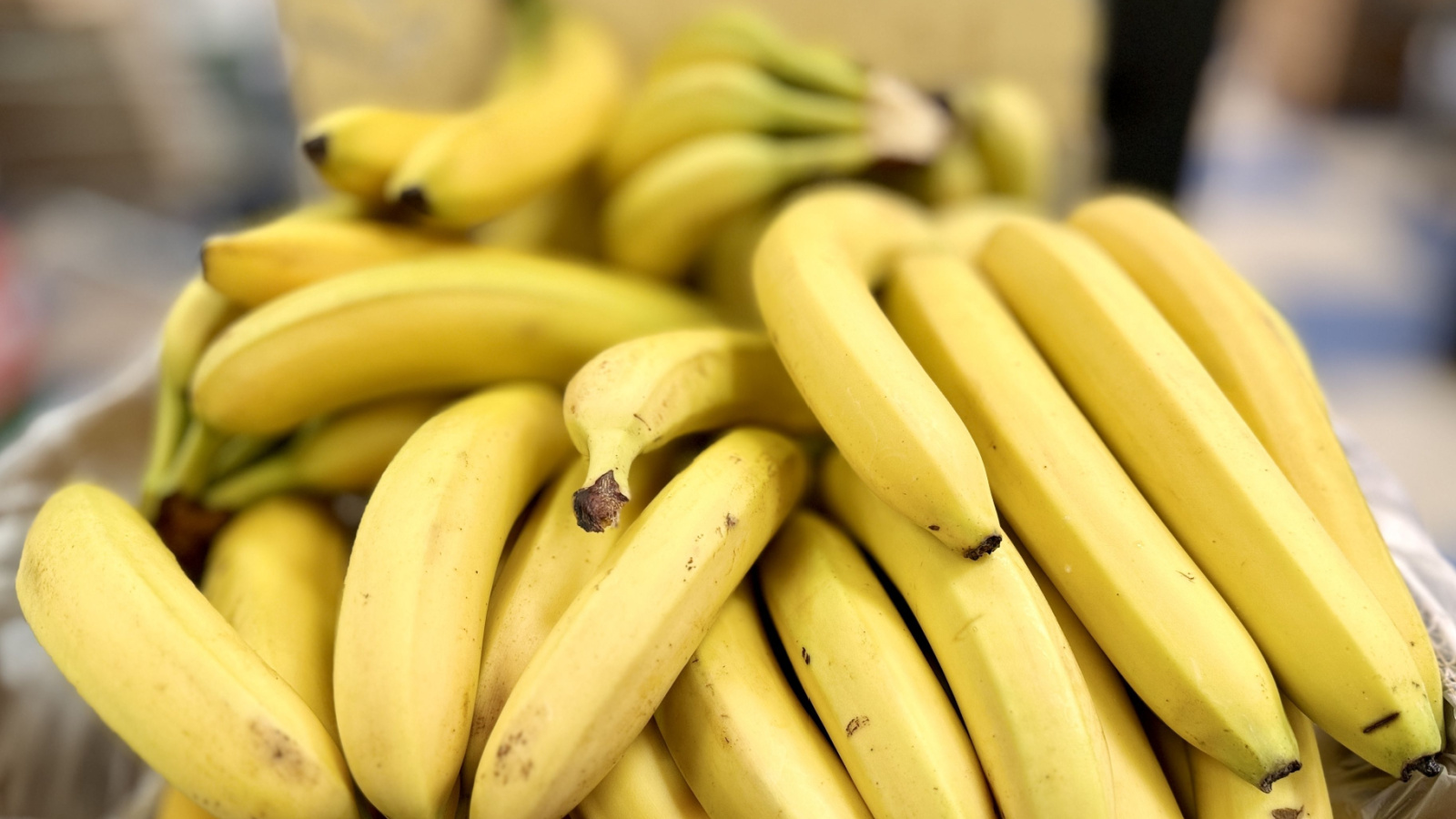
Bananas stay among the most affordable fruits in Canada. They come ready to eat without preparation. Buying by the bunch keeps the cost per piece low. Bananas work in breakfasts, snacks, and baking. They pair well with oats and yogurt. Overripe bananas suit smoothies or muffins. Store brands and loose produce usually cost less. Comparing the price per kilogram shows strong value. Bananas provide natural sweetness and energy. They require no refrigeration until ripe. Many Canadians rely on bananas as a low-cost, filling fruit for daily meal prep and simple snacks.
Onions
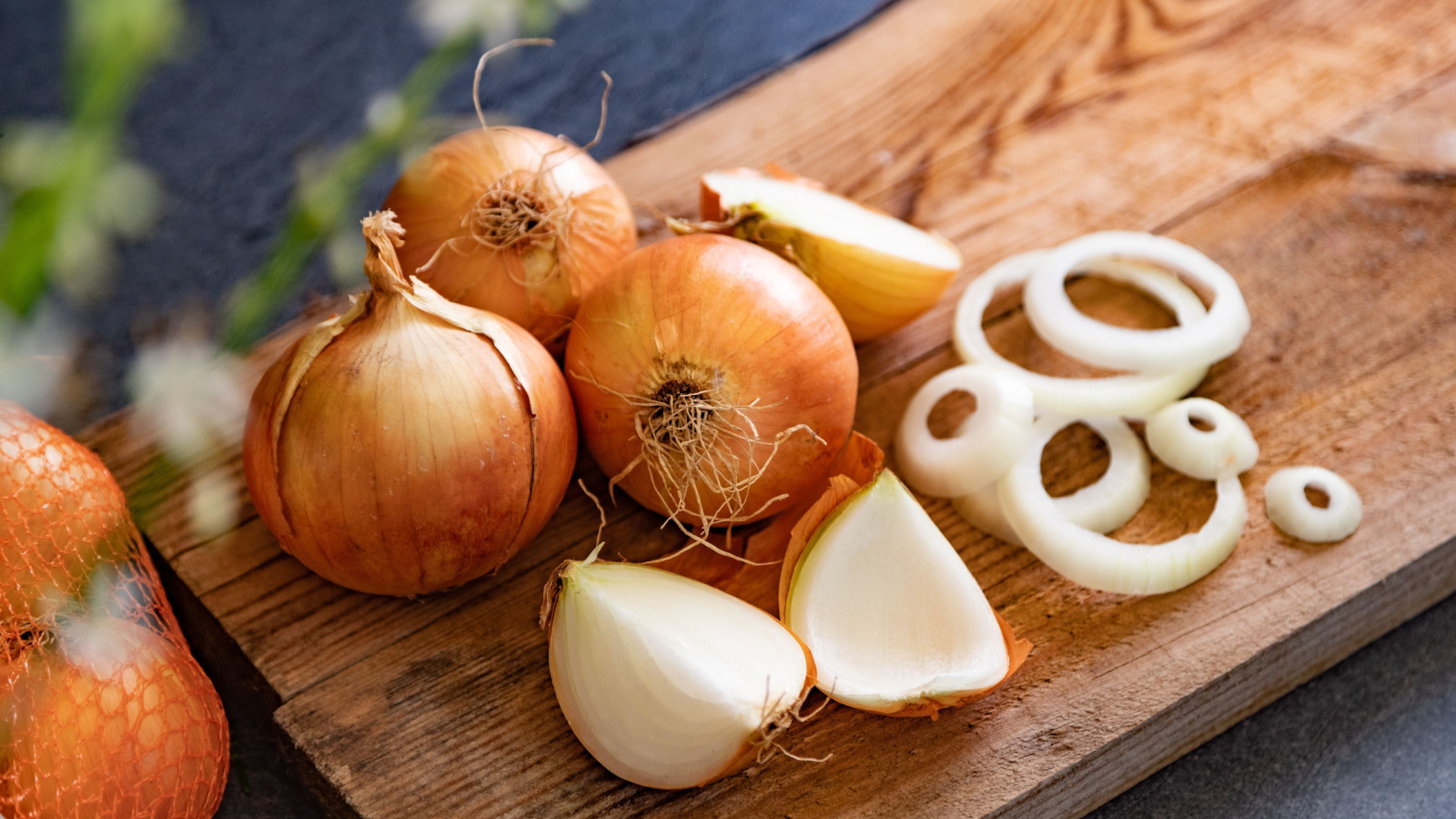
Onions remain a low-cost base ingredient for cooking. Large bags have a lower price per piece. They store well in cool, dry spaces. Onions add flavour to soups, stews, and sauces. They work in nearly every cuisine. Cooking softens their strong taste. Store brands often price them affordably. Comparing the cost per kilogram shows good value. Onions stretch dishes without raising cost. They pair well with beans, rice, and meats. Little preparation is needed beyond peeling and chopping. Many households rely on onions as a budget-friendly flavour base for meal prep.
Whole Chicken
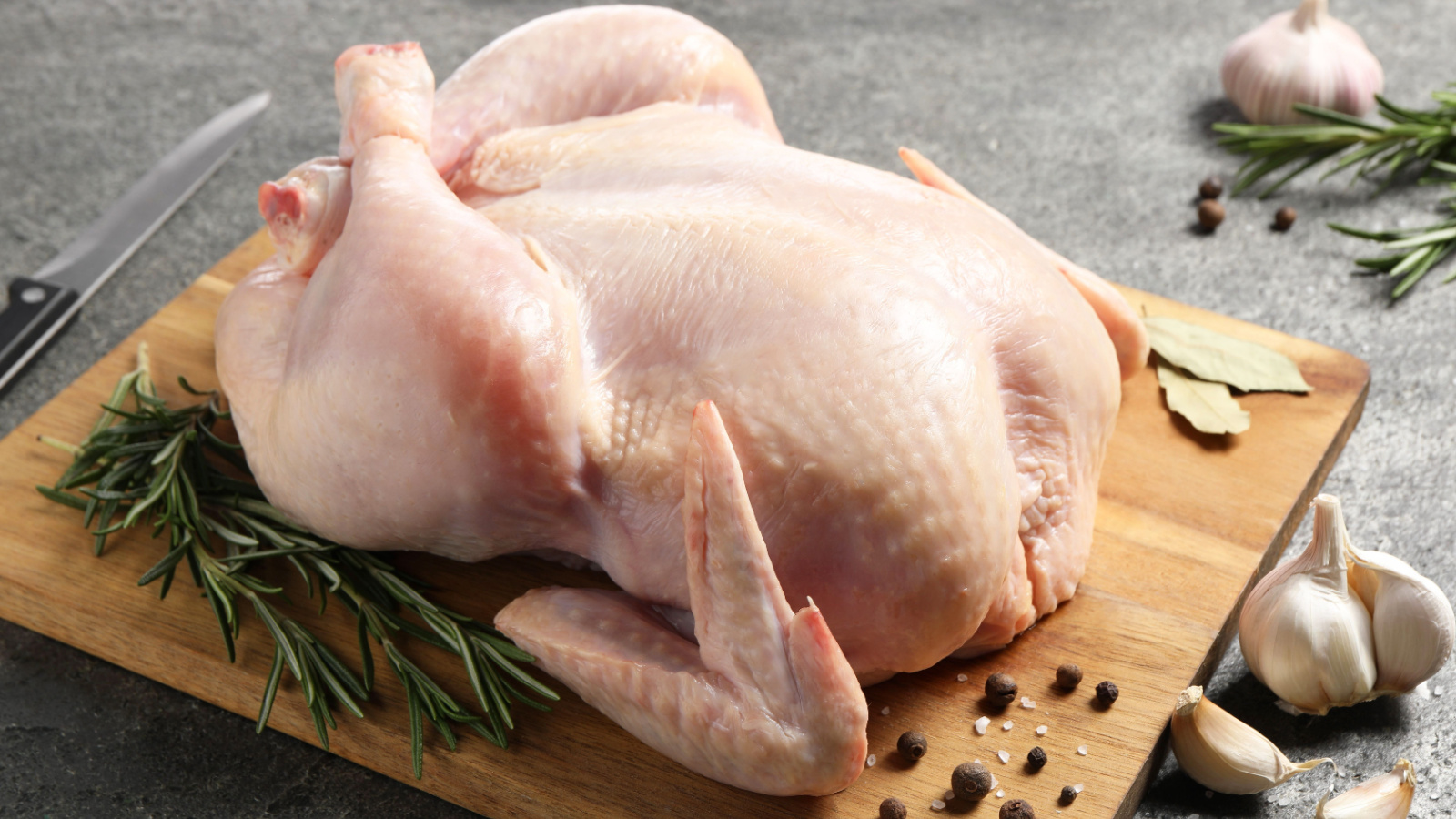
Whole chicken continues to offer strong value per kilogram. Buying whole costs less than separate cuts. It provides meat for several meals. Roasting supports easy weekly prep. Leftovers work in sandwiches, soups, and salads. Bones can be used for broth. Store brands often offer competitive pricing. Comparing cost per serving shows savings. Portioning at home reduces waste. Freezing cooked meat extends its use. A whole chicken fits many cooking styles. Many Canadians choose whole birds for affordable, versatile, and protein-rich meal prep throughout the week.
22 Groceries to Grab Now—Before another Price Shock Hits Canada

Food prices in Canada have been steadily climbing, and another spike could make your grocery bill feel like a mortgage payment. According to Statistics Canada, food inflation remains about 3.7% higher than last year, with essentials like bread, dairy, and fresh produce leading the surge. Some items are expected to rise even further due to transportation costs, droughts, and import tariffs. Here are 22 groceries to grab now before another price shock hits Canada.
22 Groceries to Grab Now—Before another Price Shock Hits Canada
