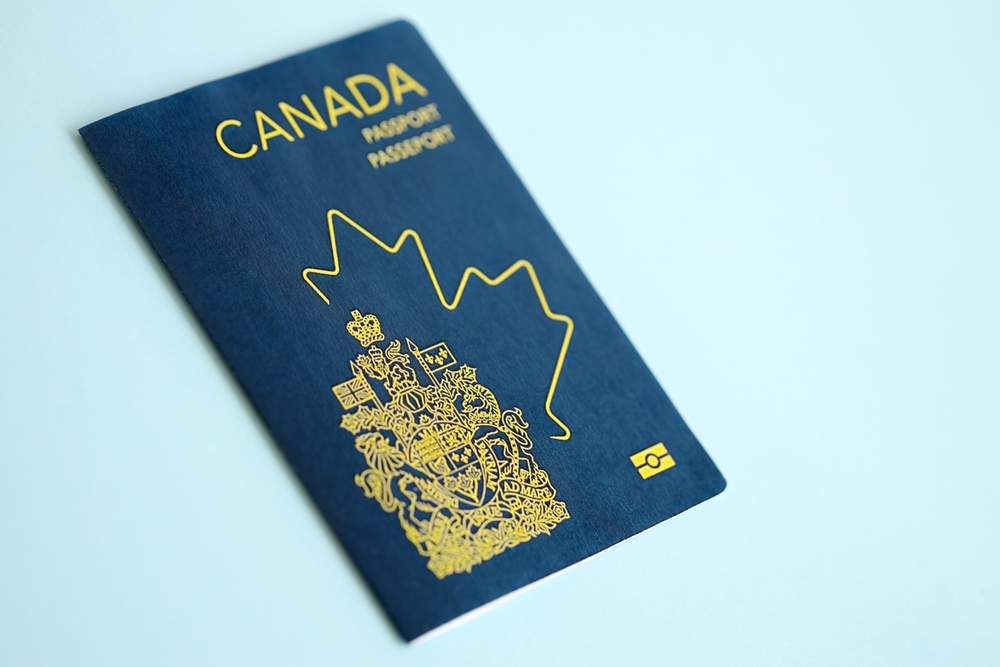
Passport issues can disrupt travel plans more than many travelers expect. Small mistakes or overlooked details often cause long delays. Airlines and border officers follow strict document standards. Damage, expired validity, or missing information can make a passport unusable. Processing replacements may take weeks, especially during busy periods. Many problems are preventable with early checks. Here are 16 Canadian passport mistakes that can delay your trip for weeks.
Damaged Passport Pages
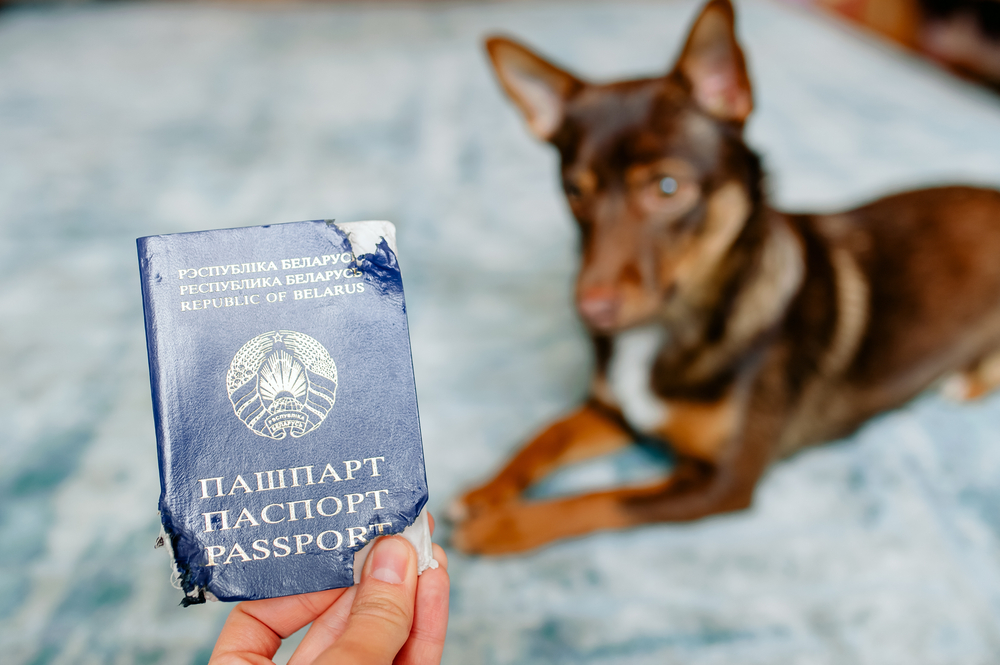
Damaged passport pages can cause serious travel delays. Immigration officers must clearly read personal details and visas. Tears, missing corners, or heavy creases can make information unclear. Stains, pen marks, or stickers on visa pages may also raise concerns. Even minor damage can prompt questioning at check-in or border control. Airlines sometimes deny boarding if the document appears altered. Travelers often overlook wear from frequent use. Keeping the passport in a protective cover helps. Replacing a damaged passport early prevents last-minute stress. Damaged documents may be treated as invalid for international travel.
Water-Damaged Passport
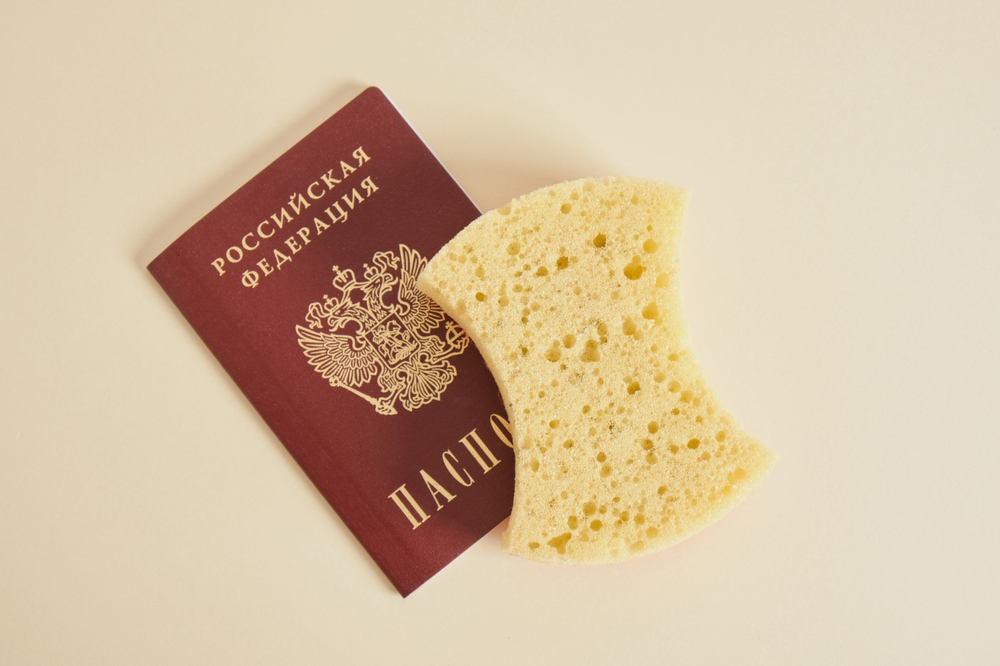
Water damage is one of the most common passport issues. Moisture can blur ink and distort security features. Wavy pages or faded printing make verification difficult. Electronic chips inside modern passports may also fail after exposure. Travelers sometimes assume drying the passport solves the problem. Border officers may still consider it invalid. Even slight discoloration can trigger secondary checks. Storing passports away from liquids helps prevent this. Replacing a water-damaged passport is often required. Acting early avoids sudden travel disruptions and processing delays.
Torn or Loose Cover
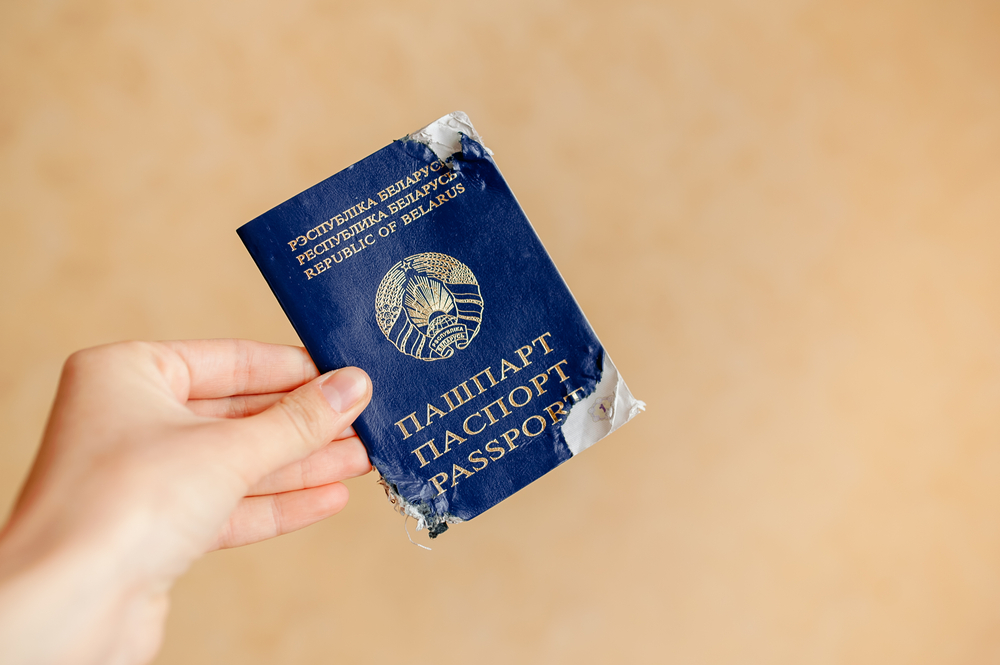
A torn or loose passport cover can make the document appear tampered with. The cover holds security elements and binding. If it separates from the pages, officials may question its integrity. Airlines often follow strict document standards. Travelers may think cosmetic damage is harmless. Border staff may disagree if the structure looks compromised. Tape or repairs can worsen suspicion. Protective holders help reduce wear. Replacing a passport with binding damage avoids last-minute problems. Structural issues can result in denied boarding or delayed entry processing.
Missing Signature
Many passports require the holder’s signature on a designated page. An unsigned passport can be considered incomplete. Officers may treat it as invalid identification. Travelers sometimes overlook this simple step. Check-in agents may notice the issue first. Signing the passport immediately may solve minor delays. However, some situations still raise questions. Signing carefully within the correct space is important. Reviewing the passport before travel prevents this issue. A missing signature can cause unnecessary stress at airports.
Expired Passport
An expired passport cannot be used for international travel. Airlines will deny boarding if the validity has passed. Some countries also require several months of validity remaining. Travelers sometimes misread expiration dates. Processing a renewal can take weeks. Urgent services may involve extra cost and limited appointments. Checking expiry well before travel is essential. Entry rules vary by destination. Carrying an expired passport can disrupt entire itineraries. Renewing early helps avoid cancellations, rebooking fees, and missed departures.
Less Than Six Months Validity Remaining
Many countries require passports to be valid for at least six months beyond entry. Travelers with less validity may be denied boarding. Airlines check this rule before departure. Some destinations enforce it strictly, even for short visits. Travelers often assume a valid passport is enough. Immigration officers follow destination entry rules, not personal travel plans. Renewing early avoids risk. Processing times can be longer than expected. Checking the validity well before booking flights prevents last-minute stress and possible cancellation of travel plans.
Name Mismatch With Ticket
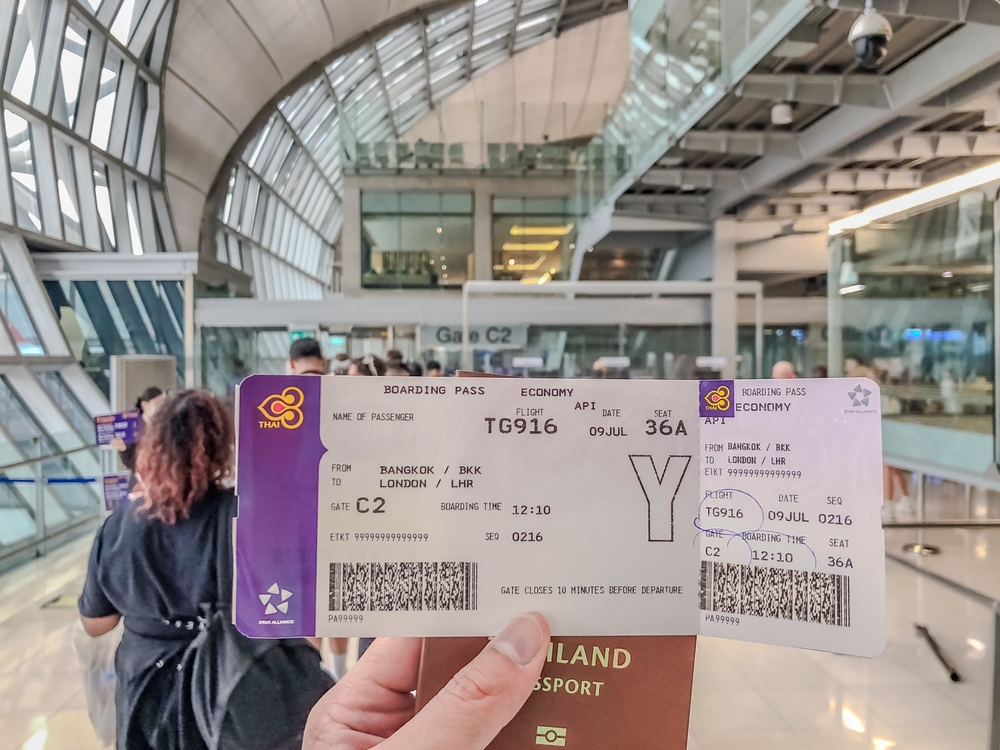
A name mismatch between the passport and the ticket can cause boarding denial. Airlines require exact spelling and order of names. Missing middle names or initials sometimes cause issues. Security systems compare documents electronically. Travelers often notice the error too late. Correcting tickets can involve fees. Marriage or legal name changes commonly create mismatches. Using the name printed on the passport is safest. Double-checking details before booking helps prevent delays and check-in complications.
Using Maiden Name Without Proof
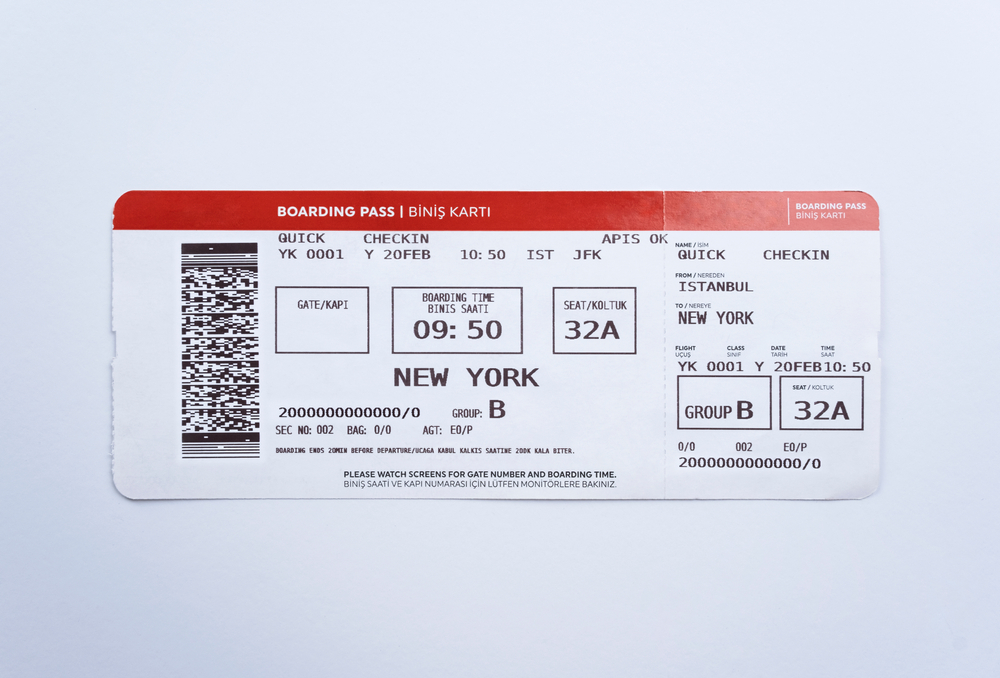
Traveling under a maiden name without supporting documents can raise concerns. If the passport shows a different name than other IDs, questions arise. Marriage certificates or legal name change papers may be required. Airlines and border officers verify identity carefully. Travelers sometimes assume old names remain acceptable. Lack of proof can delay processing. Carrying documentation supports smooth travel. Updating the passport to the current legal name avoids repeated issues. Preparation prevents stress during identity checks.
Unreported Lost or Stolen Passport
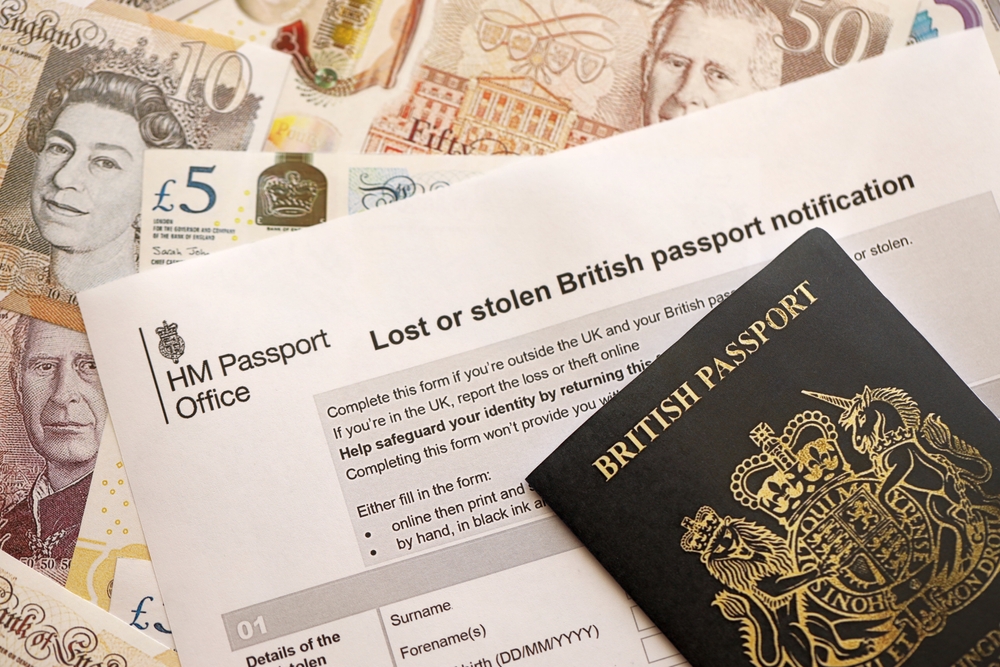
Failing to report a lost or stolen passport can create major problems. Authorities track reported documents in international systems. If a missing passport is later found in use, suspicion arises. Travelers sometimes keep old documents after reporting them lost. Attempting to travel with such a passport can lead to denial of entry. Reporting loss promptly protects identity. Applying for a replacement ensures valid travel documents. Transparency with passport authorities avoids legal and travel complications.
Incorrect Birthplace Information
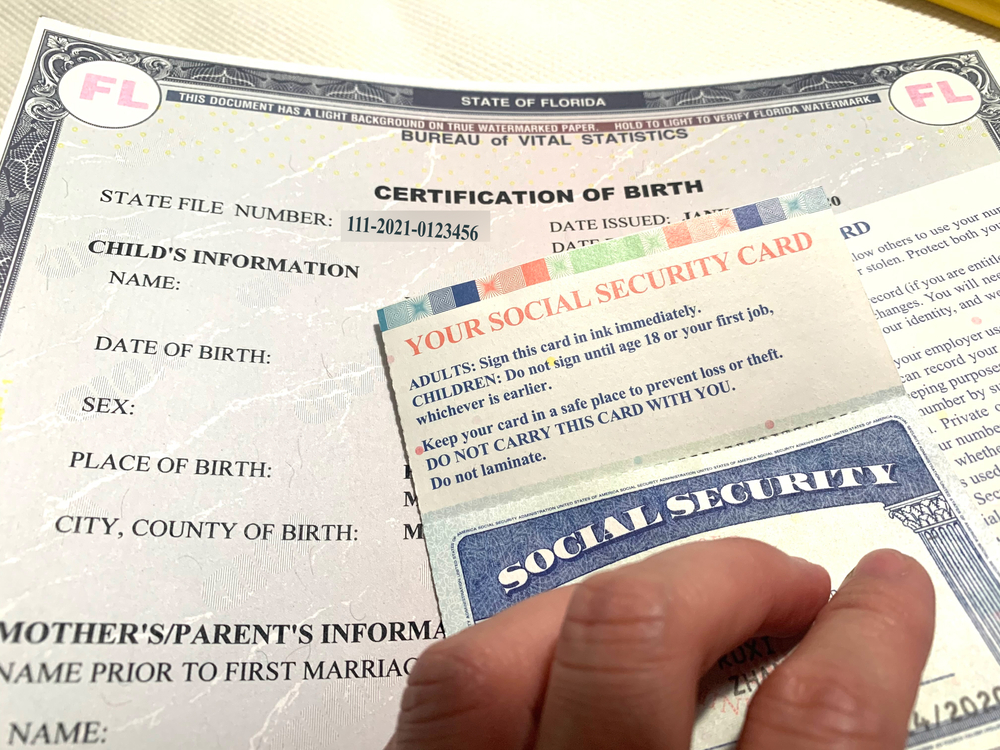
Errors in birthplace information can delay border processing. Officers compare passport data with other records. Mistakes may look like identity inconsistencies. Travelers sometimes overlook printing errors after issuance. Even small spelling differences matter. Correcting passport data requires a formal application. Ignoring the error may cause repeated questioning. Reviewing details immediately after receiving a passport is important. Early correction avoids issues during international travel.
Unreadable Photo Page
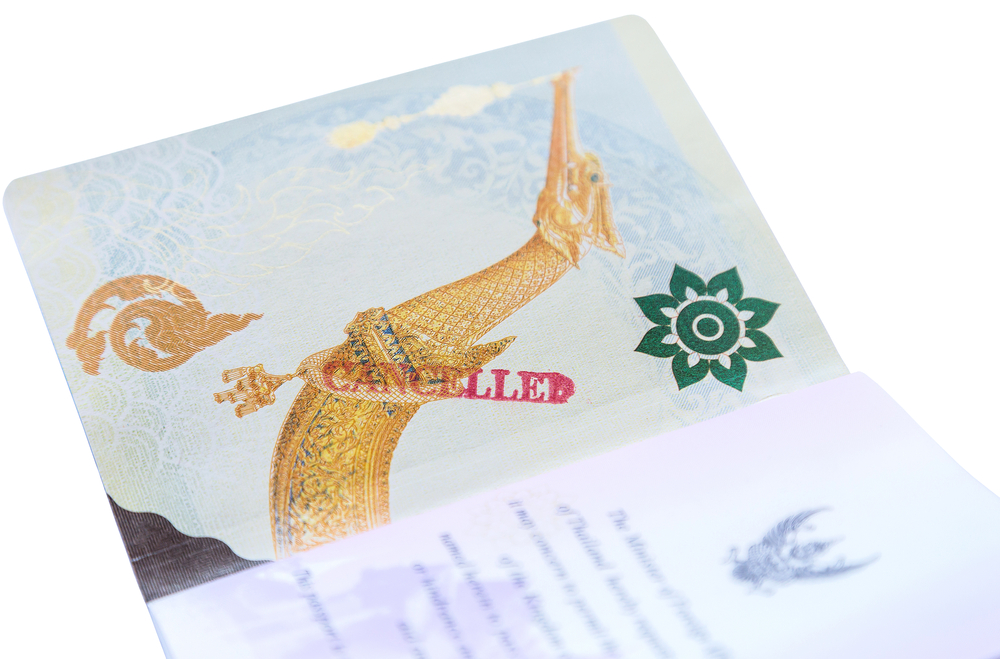
The photo page contains key identification and security features. Smudges, scratches, or fading can make it unreadable. Electronic scanners may fail to capture data. Officers may treat the passport as damaged. Travelers sometimes store passports loosely, causing wear. Protective covers help prevent damage. If the photo or data cannot be verified, boarding may be denied. Replacing a passport with a photo page avoids delays. Checking the condition before travel ensures smoother entry and security checks.
Lamination or Alteration Damage
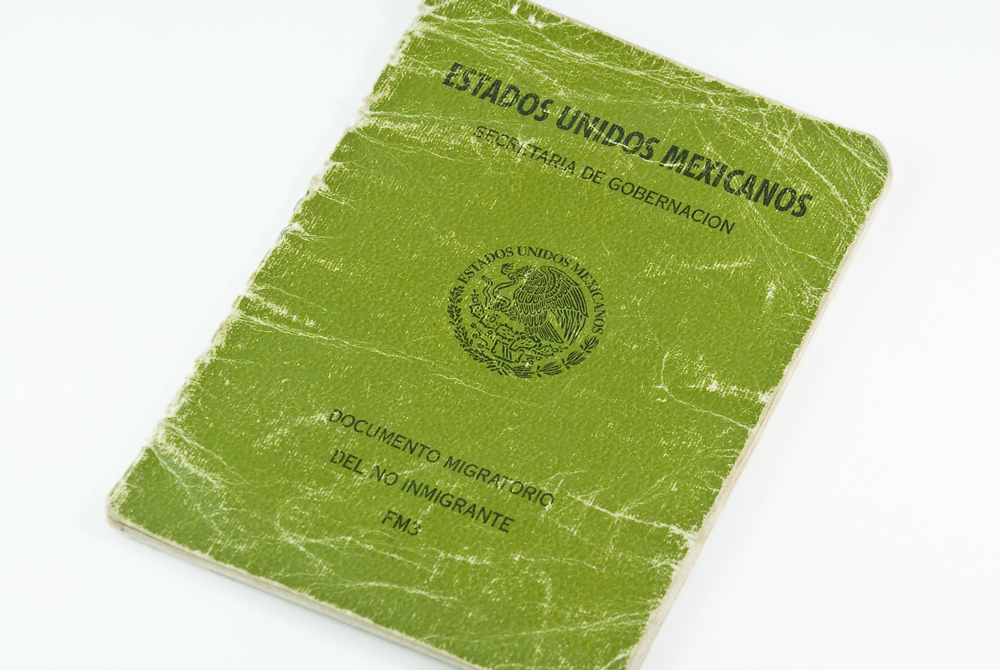
Passports contain built-in security layers that should never be altered. Adding laminate, tape, or stickers can damage features. Officers may treat altered pages as tampered documents. Even well-meaning repairs can invalidate the passport. Security elements must remain intact for scanning and inspection. Travelers sometimes try to protect the worn pages themselves. This can create suspicion at borders. Official replacement is the correct solution. Avoid making any changes to passport pages. Alteration damage can lead to denied boarding and processing delays.
Child Passport Missing Parental Documents
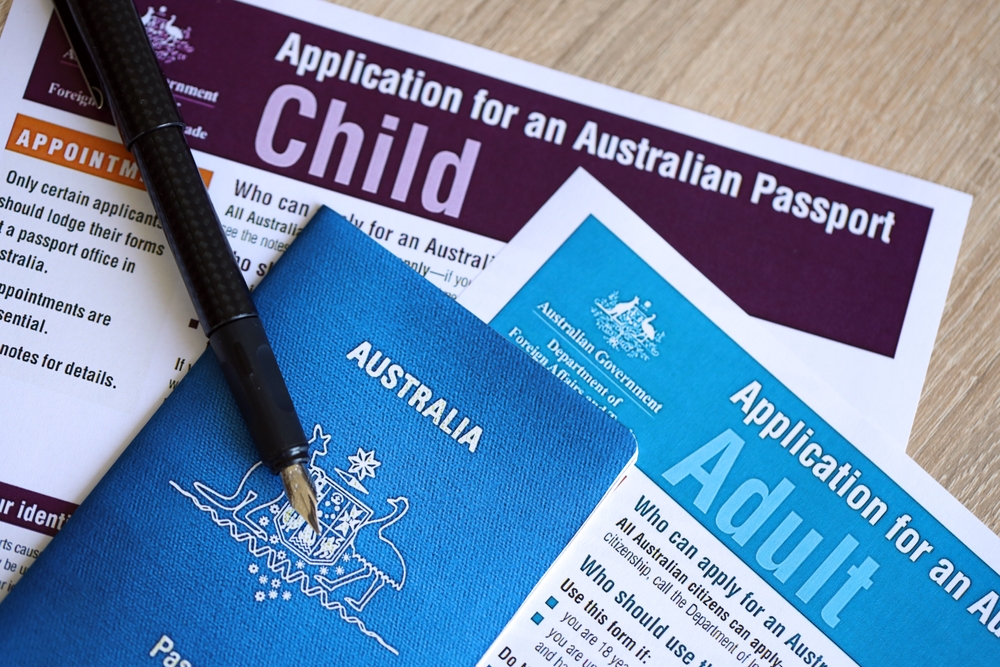
Children’s passport applications and travel often require parental consent documents. Missing forms can delay issuance or travel. Border officers may ask for proof of guardianship. This helps prevent child abduction risks. Travelers sometimes assume that a single parent traveling alone requires no paperwork. Rules vary by situation. Carrying consent letters and legal custody papers helps. Airlines may check before departure. Preparing documents early avoids delays. Proper paperwork ensures smoother travel for minors and families.
Passport Application Photo Errors

Passport photos must meet strict size and background standards. Shadows, smiles, or head tilts can cause rejection. Glasses, hats, or incorrect lighting may also fail. Applications with photo errors are delayed. Travelers sometimes use old photos or poor-quality prints. Retakes add time to processing. Using professional photo services helps meet the rules. Reviewing official guidelines prevents mistakes. Correct photos speed approval and avoid last-minute stress before travel.
Using a Temporary Travel Document Incorrectly
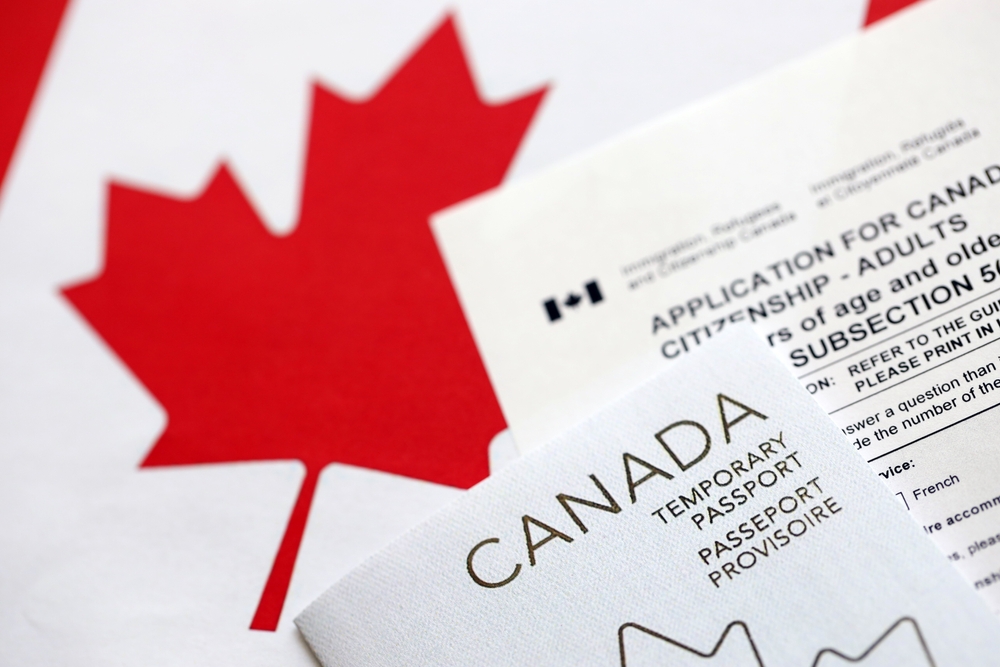
Temporary travel documents have limited validity and specific use rules. They may allow only direct return travel. Using them for unrelated trips can cause problems. Airlines may not accept them for certain routes. Travelers sometimes misunderstand restrictions. Border officers carefully review the purpose and validity. Expired temporary documents are not accepted. Checking conditions before travel is essential. Applying for a full passport replacement ensures smoother future travel.
Not Updating After Legal Name Change
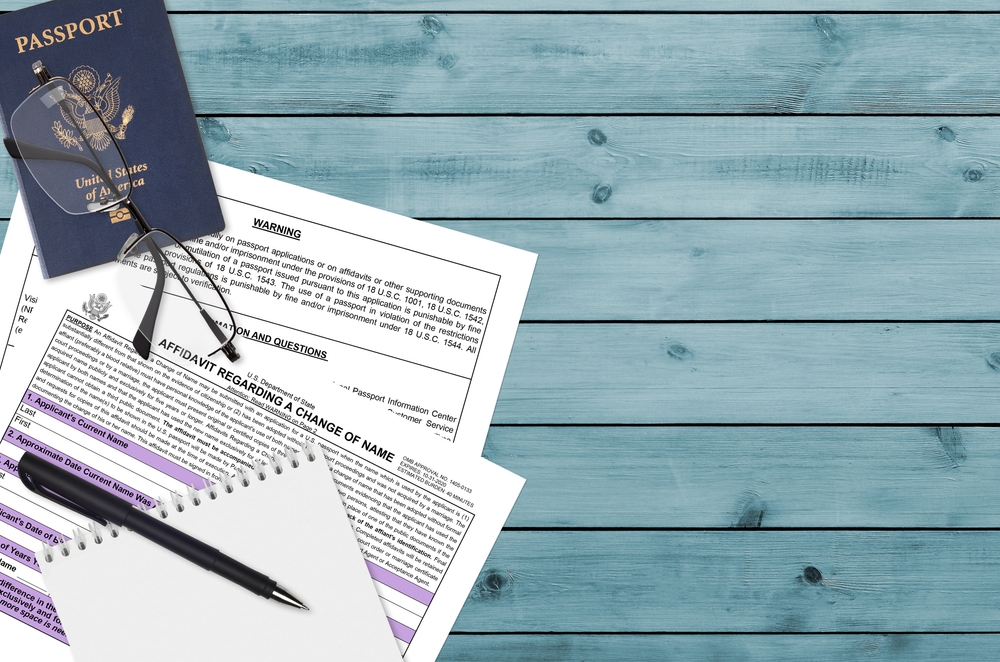
Legal name changes should be updated in passports promptly. Using an old name can create mismatches with tickets. Officers verify identity across documents. Travelers sometimes delay updates after marriage or court changes. Carrying proof may help, but it does not replace correction. Repeated discrepancies cause delays. Updating passports avoids confusion. Accurate identification supports smooth travel and reduces questioning at borders.
22 Groceries to Grab Now—Before another Price Shock Hits Canada

Food prices in Canada have been steadily climbing, and another spike could make your grocery bill feel like a mortgage payment. According to Statistics Canada, food inflation remains about 3.7% higher than last year, with essentials like bread, dairy, and fresh produce leading the surge. Some items are expected to rise even further due to transportation costs, droughts, and import tariffs. Here are 22 groceries to grab now before another price shock hits Canada.
22 Groceries to Grab Now—Before another Price Shock Hits Canada
