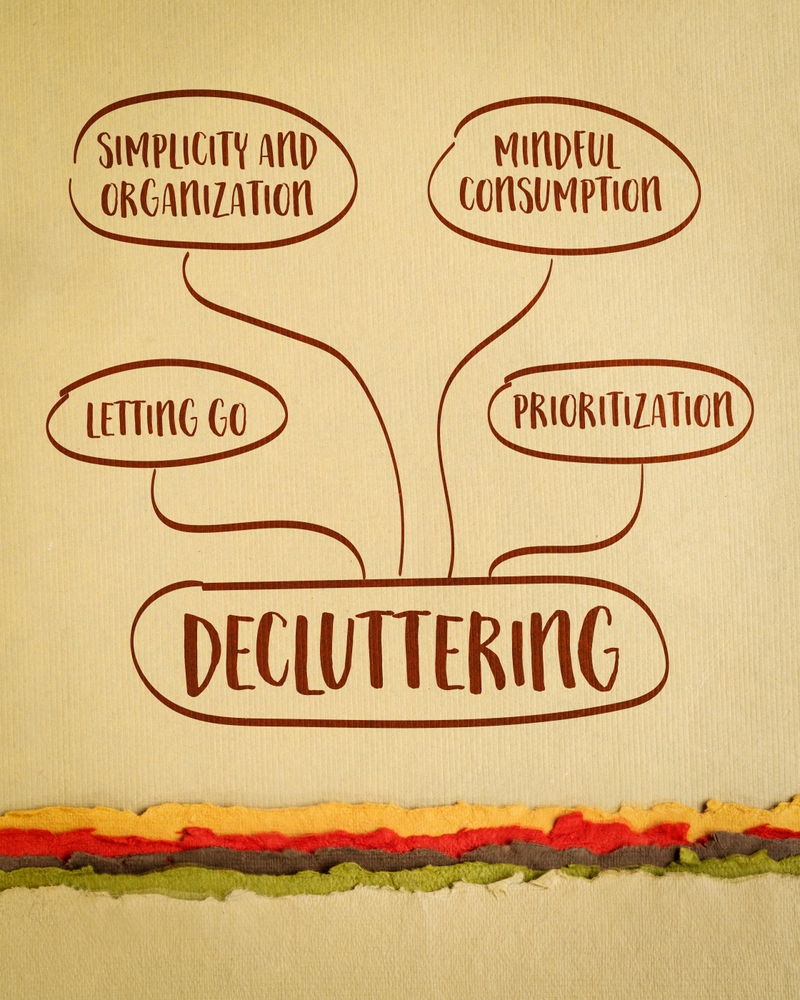
March often brings a strong urge to reset homes across Canada. After months of winter living indoors, clutter feels more noticeable, and energy for change begins to return. Many people are turning to short, practical decluttering rules shared on TikTok because they feel doable rather than overwhelming. These methods focus on quick decisions, small wins, and habits that prevent mess from building again. Instead of strict minimalism, the goal is to create spaces that function better for everyday life. Social media has made these ideas easy to learn and try immediately. For many Canadians, the appeal lies in simplicity and visible results. Here are 16 decluttering rules Canadians are stealing from TikTok this March.
The 10-Minute, 10-Item Rule

This rule works well for people who feel stuck before they even begin. Instead of planning a full cleanout, you set a timer for ten minutes and remove ten clear items you no longer need. That could mean expired pantry food, old magazines, or unused bathroom products. The short time frame lowers resistance because it feels manageable. Canadians like this method in March when energy is returning, but schedules are still busy. Small sessions create visible change without turning decluttering into a weekend project. After several days, the drawers look lighter, and the shelves feel organized. The rule proves that progress does not require hours of effort. It simply requires starting and repeating the process consistently.
The “Would I Pack This If I Moved?” Test
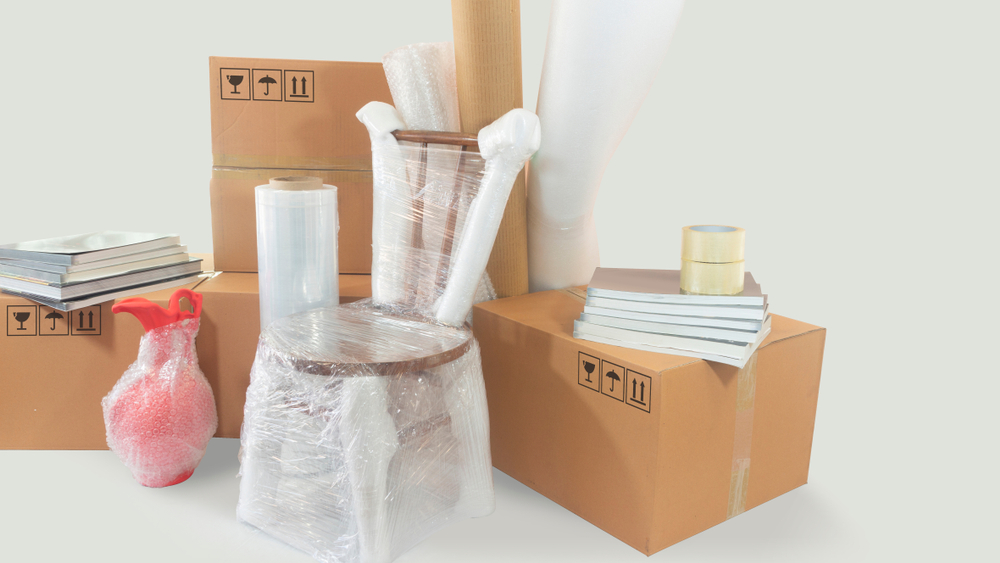
Imagining a move changes how you see your belongings. When you ask yourself whether you would pack an item, pay to move it, and unpack it again, the answer often becomes clearer. Canadians use this question for decor, extra kitchenware, and rarely used hobby supplies. The idea shifts focus from attachment to practicality. If something does not earn space in moving boxes, it may not deserve space in your home. This test is especially helpful for items kept out of guilt rather than usefulness. Thinking about effort and cost adds perspective. It simplifies decisions and reduces emotional debate. What remains are items that truly serve daily life.
The One-In, One-Out Rule
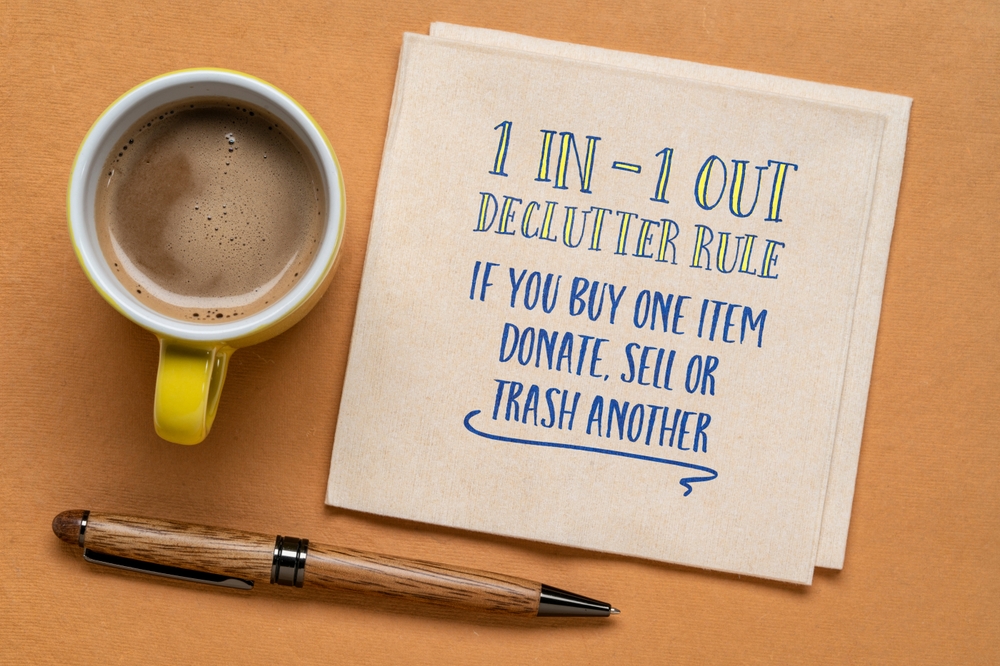
Instead of waiting for clutter to build up again, this rule controls it from the start. Every time a new item enters your home, one similar item must leave. Buying a sweater means donating one. Replacing a kitchen gadget means removing another. Canadians apply this rule to clothing, shoes, and even children’s toys. It encourages mindful shopping because each purchase has a consequence. Over time, storage areas stop overflowing. The home stays balanced without dramatic cleanups. This approach works best as a habit rather than a short challenge. It quietly protects your space from filling up again after you worked hard to clear it.
The Magic Number Limit for Each Category
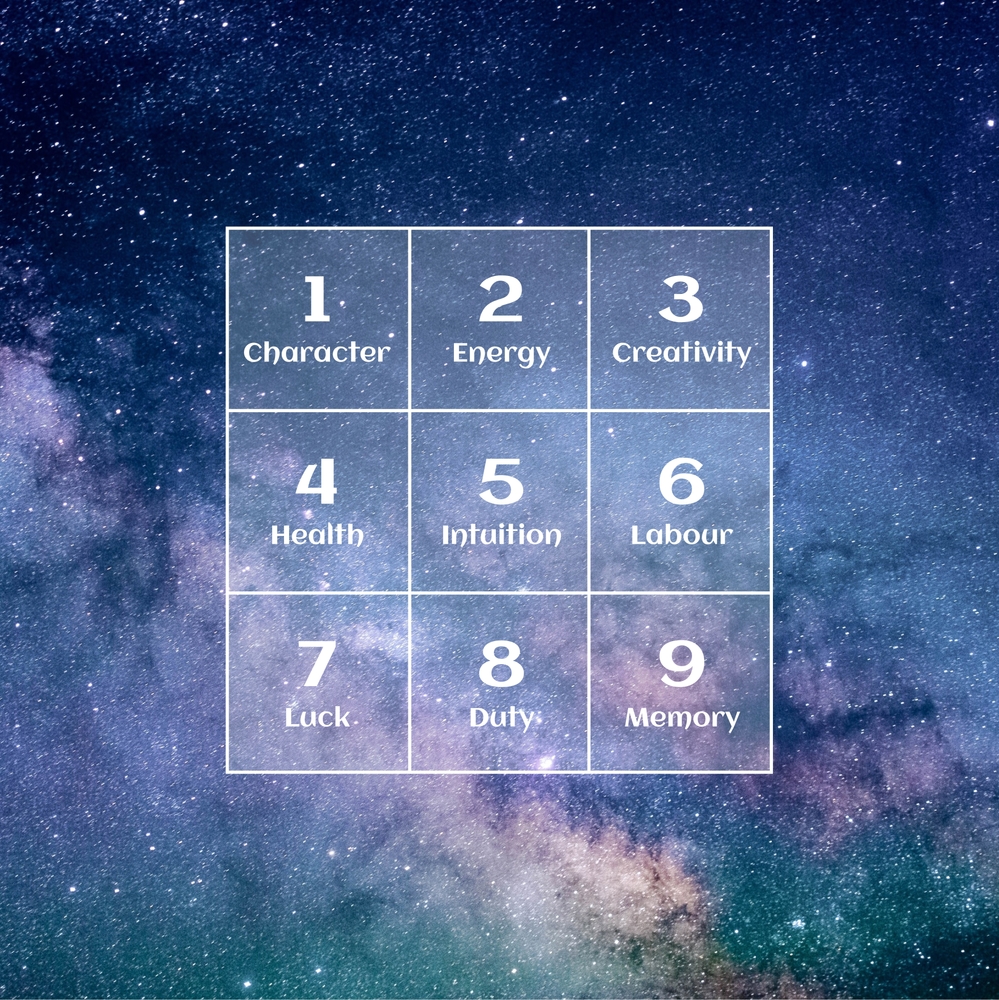
Some people struggle because they do not know how much is too much. This rule solves that by setting a clear number for each category. You might decide to keep eight mugs, five pairs of shoes for work, or two sets of sheets per bed. Once that limit is reached, something must go before anything new comes in. Canadians appreciate this structure because it removes constant decision-making. The limit is personal and based on available space. It also highlights favorites naturally. When you must choose, you keep what you truly use. The result is a home that feels intentional rather than crowded.
The Hanger Flip Closet Method
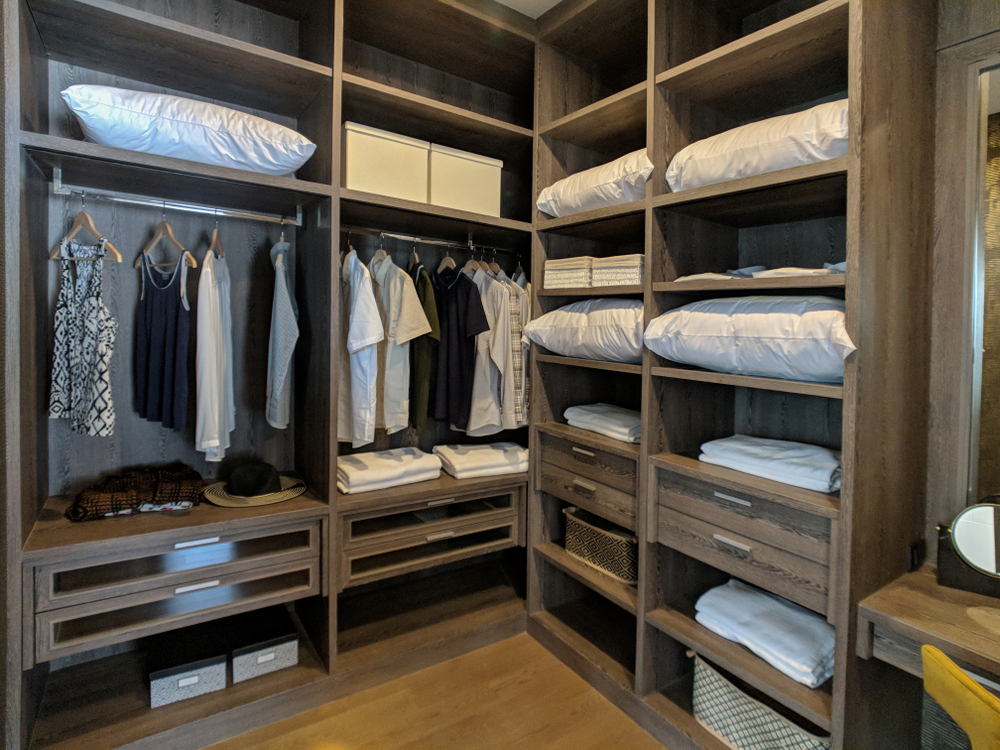
Closets often contain clothing that has not been worn in months. This method makes that visible without guesswork. At the beginning of the season, turn every hanger in the same direction. After wearing an item, return the hanger facing the opposite way. By the end of several months, unworn pieces stand out clearly. Canadians find this especially helpful after winter, when bulky clothing takes over closets. Seeing untouched items makes decisions easier because the evidence is clear. It removes the excuse of “maybe I will wear it.” What stays reflects real habits, not good intentions. The closet becomes practical instead of aspirational.
The Four-Pile Sorting System
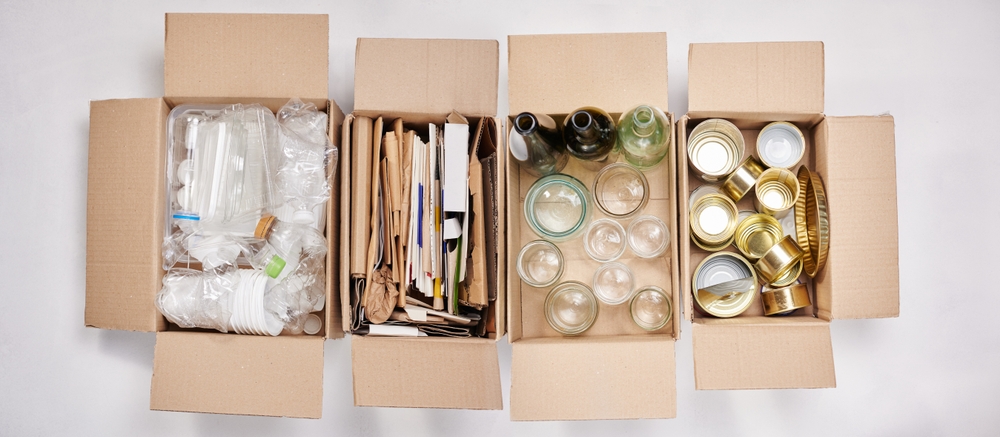
Decluttering can feel chaotic without structure. The four-pile system creates order by giving every item a clear destination. One pile is for keeping, one for donating, one for discarding, and one for items that belong elsewhere in the home. Canadians like this approach because it prevents moving clutter from one spot to another. Each object requires a decision before the session ends. The relocated pile is handled last, returning items to proper rooms. This method keeps momentum steady and prevents confusion. It also works well when several family members participate. Clear categories reduce arguments and make the process more efficient from start to finish.
The 3-Second Decision Rule

Some clutter lingers simply because decisions take too long. This rule removes hesitation by limiting how long you think. Pick up an item and decide within three seconds whether it stays or goes. If you hesitate, that often signals it is not essential. Canadians use this method for drawers, bathroom shelves, and small storage bins. Quick decisions maintain energy and prevent mental fatigue. It also highlights how little emotional connection exists to many objects. The goal is not perfection but momentum. By reducing overthinking, the process becomes faster and less stressful. You move forward instead of circling the same item repeatedly.
The Daily Small-Area Reset Rule
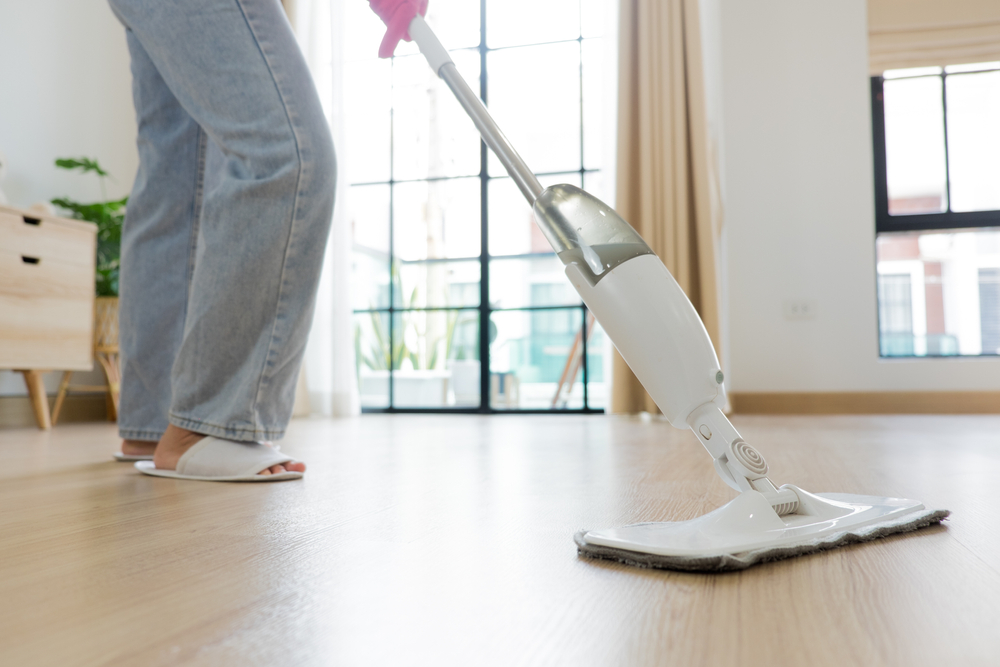
Large cleaning sessions can feel overwhelming, so this rule narrows the focus. Each day, choose one small space such as a drawer, a shelf, or a corner of the kitchen counter. Spend a few minutes restoring order there. Canadians appreciate this approach during busy weeks because it fits easily into evening routines. Visible improvement in one area builds motivation for the next day. Over time, small resets accumulate into noticeable change. There is no pressure to finish everything at once. Instead, steady attention prevents clutter from spreading. The home improves gradually, and maintaining it feels realistic rather than exhausting.
The “Everything Needs a Home” Rule

Clutter often forms because items float from place to place without a fixed spot. This rule insists that every object must have a designated home. Keys belong in one tray. Mail has a specific holder. Chargers sit in a labeled box. Canadians find that once locations are assigned, tidying becomes automatic. When something lacks a proper place, it signals that storage needs adjusting or the item is unnecessary. Returning objects to their homes takes only seconds and prevents buildup. This rule supports daily organization rather than occasional cleaning. Clear systems reduce stress and save time searching for misplaced items.
The 30-Day Decluttering Challenge
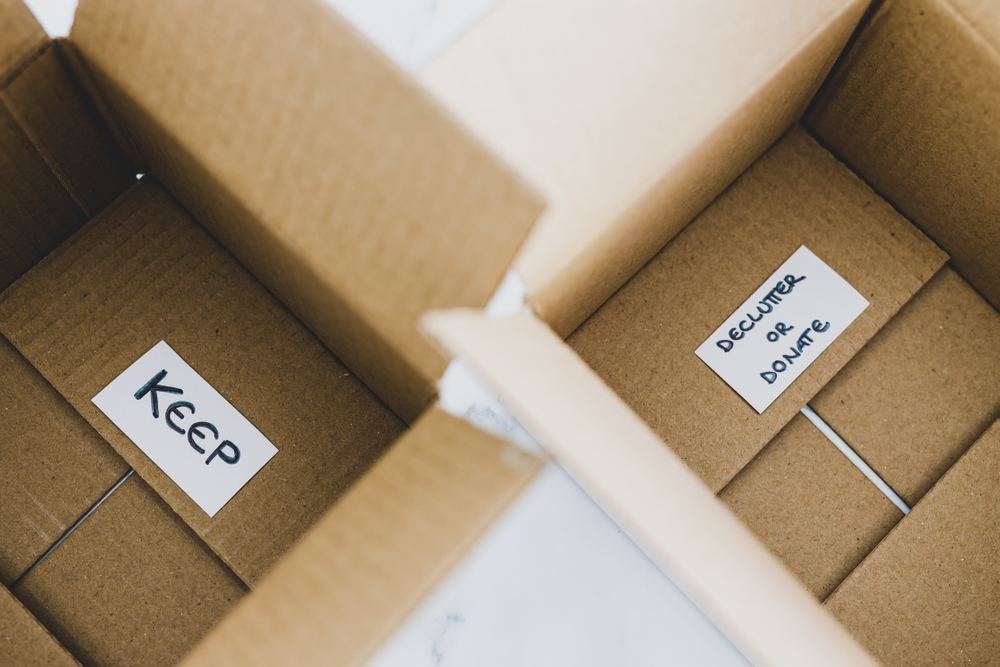
This challenge spreads decluttering across a month instead of one intense weekend. On day one, remove one item. On day two, remove two items, and continue increasing daily. Canadians enjoy the structure because it feels like a manageable commitment. The early days are simple, which builds confidence. As the number grows, larger categories naturally get addressed. Tracking progress adds motivation. Families sometimes participate together, turning it into a shared activity. By the end of thirty days, a significant amount has left the home. The challenge shows how steady effort can create noticeable change without feeling rushed or overwhelmed.
The “Used in the Last 90 Days” Check

This rule brings attention back to real-life habits. Look at an item and ask whether it has been used in the last three months. If the answer is no, consider whether it truly belongs in your current routine. Canadians often apply this to kitchen gadgets, hobby equipment, and clothing. Seasonal exceptions are allowed, but everyday objects must justify their space. The focus stays on present needs rather than future possibilities. This question cuts through emotional attachment and highlights what supports daily living. Homes become more functional when they reflect how people actually live instead of how they hope to live.
The Visible Surface Clearing Rule
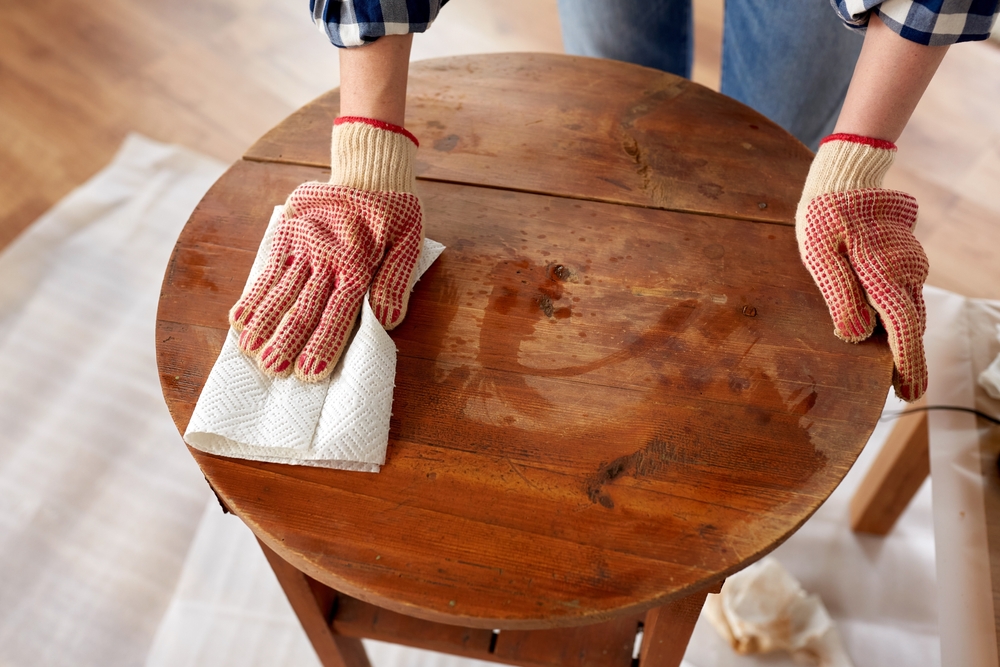
When countertops and tables are crowded, rooms feel chaotic even if drawers are organized. This rule starts by clearing visible surfaces first. Canadians often begin with kitchen counters or entryway tables where items pile up quickly. Removing nonessential objects creates immediate visual calm. Only items used daily remain in sight. The difference can be noticeable within minutes. Clear surfaces also make cleaning faster and easier. Once these areas improve, motivation grows to tackle hidden spaces. Maintaining this standard keeps rooms feeling open and manageable, even during busy weeks when other areas may not be perfect.
The Duplicate Removal Rule

It is common to own multiple versions of the same item without realizing it. Extra scissors, extra spatulas, or unopened toiletries hide in different rooms. This rule focuses on gathering duplicates in one place and choosing the best one to keep. Canadians find that many extras exist simply because they were purchased without checking first. Removing duplicates frees space without reducing functionality. It also makes storage simpler and easier to manage. Keeping the highest quality or most used item ensures nothing essential is lost. This approach clears clutter quickly while still maintaining practicality in everyday routines.
The Donation Box by the Door Rule

Decluttering does not have to wait for a full session. Keeping a donation box near the entrance encourages ongoing action. Whenever you notice an item you no longer need, place it inside. Canadians find this method practical because it removes pressure to sort everything at once. Once the box fills, it can be dropped off during a regular errand. This prevents second thoughts and stops clutter from returning to shelves. Family members can add to the box at any time. The rule turns decluttering into a steady habit rather than a seasonal event that requires extra energy.
The “Start With the Easiest Area” Rule

Beginning with a difficult space can discourage progress. This rule suggests choosing the simplest area first, such as a bathroom cabinet or a single drawer. Canadians use this strategy to build momentum before tackling larger rooms. Quick wins create confidence and show that change is possible. Once one space looks better, the next feels less intimidating. The process becomes encouraging rather than overwhelming. Gradually, harder areas seem manageable because experience has built decision-making skills. Starting small creates a positive rhythm that carries through the entire home without turning decluttering into a stressful experience.
The End-of-Day Reset Routine

Decluttering is easier to maintain when small habits support it daily. The end-of-day reset involves spending a few minutes returning items to their proper places before going to bed. Canadians often include clearing the kitchen counter, folding blankets, and putting away mail. This short routine prevents clutter from building overnight. Mornings begin in a calmer environment, which improves focus and efficiency. The habit requires little time but protects earlier organizing efforts. Instead of waiting for the excess to accumulate, the reset keeps the home steady. It supports long-term order and reduces the need for large, exhausting cleaning sessions later.
22 Groceries to Grab Now—Before another Price Shock Hits Canada

Food prices in Canada have been steadily climbing, and another spike could make your grocery bill feel like a mortgage payment. According to Statistics Canada, food inflation remains about 3.7% higher than last year, with essentials like bread, dairy, and fresh produce leading the surge. Some items are expected to rise even further due to transportation costs, droughts, and import tariffs. Here are 22 groceries to grab now before another price shock hits Canada.
22 Groceries to Grab Now—Before another Price Shock Hits Canada
