
Booking a spring trip often starts with an attractive price, but the final cost can look very different. Many Canadians discover extra charges only during checkout or after arrival. Airlines, hotels, rentals, and travel platforms frequently separate fees from base rates. This pricing structure makes comparisons difficult and budgeting uncertain. Some charges cover optional services, while others are unavoidable. Without careful review, travellers may underestimate total expenses significantly. Understanding where hidden fees appear helps prevent unpleasant surprises. Here are 16 hidden fees Canadians keep getting hit with when booking spring trips.
Airline Seat Selection Fees

Airline seat selection fees often appear after the base ticket price is displayed. Travellers may assume seating is included, only to discover extra charges during checkout. Fees vary depending on seat location, legroom, or cabin section. Families especially feel pressure to pay so they can sit together. Basic fares usually assign seats randomly without payment. Canadians booking budget flights encounter this cost frequently. Selecting seats later at the airport may still involve fees. Waiting also risks limited availability. Understanding seating policies before purchase helps avoid surprises. Some premium tickets include a free selection. Reviewing total costs rather than headline prices provides a clearer picture of actual travel expenses.
Carry-On Baggage Charges on Basic Fares

Many budget airlines now charge for carry-on bags on basic tickets. Travellers expecting standard allowances may be caught off guard. Fees are typically added during online check-in or at the airport. Paying in advance is usually cheaper than paying at the gate. Canadians accustomed to traditional baggage policies may overlook restrictions. Personal item allowances often remain free but limited in size. Overhead bin space is reserved for paid carry-ons. This change significantly increases the total ticket cost. Reading fare conditions carefully prevents unexpected expenses. Packing strategically within allowed limits can avoid additional charges.
Resort Fees at Hotels

Resort fees are mandatory daily charges added to hotel bills. They often cover amenities such as pools, fitness centres, or internet access. These fees may not appear in the initial advertised price. Canadians comparing hotel rates may underestimate total costs because of this omission. Payment is usually required regardless of actual usage. Urban hotels increasingly apply similar charges despite not being resorts. Fees accumulate quickly during longer stays. Clarifying total nightly cost before booking helps prevent surprises. Some properties disclose fees only in fine print. Reviewing booking details carefully provides a more accurate budget.
Cleaning Fees for Vacation Rentals

Vacation rental platforms frequently include separate cleaning charges. These fees may appear reasonable for longer stays, but feel excessive for short visits. The initial nightly rate often excludes them, making listings appear cheaper. Canadians booking weekend trips are especially affected. Cleaning costs can sometimes equal a full night’s accommodation. Hosts justify fees for professional services and preparation time. Comparing total prices across listings helps identify a better value. Some properties include cleaning within the base rate. Understanding policies before confirming reservations prevents disappointment. Transparent pricing simplifies decision-making when evaluating rental options.
Early Check-In or Late Check-Out Charges

Arriving before the official check-in time may result in additional fees. Hotels sometimes charge for access to rooms outside standard hours. Late departures can incur similar costs. Canadians with early flights or long travel days may need this flexibility. Availability often depends on occupancy levels. Some hotels offer complimentary options for loyalty members. Others charge hourly rates. Requesting adjustments in advance improves chances of accommodation. Without confirmation, travellers may need to wait in common areas. Planning arrival and departure times carefully reduces reliance on paid extensions. Understanding policies helps avoid unnecessary spending.
Payment Processing or Booking Platform Fees

Booking platforms sometimes add service charges during the final payment stages. These fees cover transaction processing or platform usage. Canadians may not notice them until reviewing the total. Prices displayed earlier often exclude these amounts. Third-party sites commonly apply such charges. Direct booking with providers may reduce or eliminate them. Payment methods can also influence fee size. Credit card processing costs are occasionally passed to customers. Reviewing the final invoice carefully prevents surprises. Comparing direct and third-party prices helps identify the best option. Transparent pricing allows for more accurate budgeting for travel expenses.
Foreign Transaction Fees on Credit Cards

Using credit cards abroad may trigger foreign transaction fees. These charges typically represent a percentage of each purchase. Canadians travelling outside the country encounter them frequently. Fees accumulate quickly across multiple transactions. Some cards waive these costs, but many still apply them. Exchange rates may already include conversion adjustments. Monitoring statements helps identify unexpected charges. Choosing travel-friendly cards reduces overall expenses. Small purchases are not exempt from fees. Planning payment methods before departure improves cost control. Awareness of these charges prevents unpleasant surprises after returning home.
Currency Conversion Markups
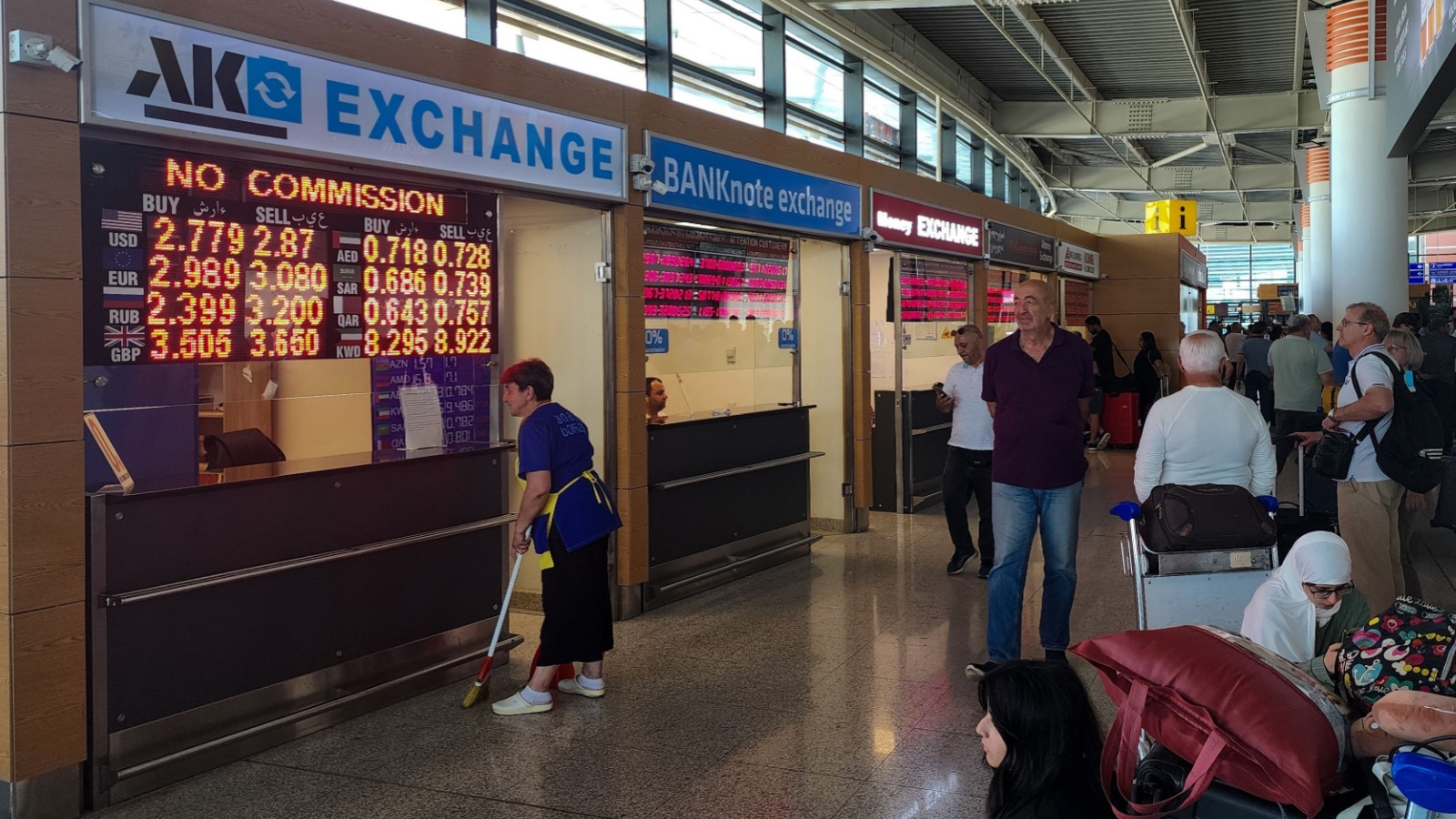
Currency conversion markups occur when exchange rates include hidden margins. Payment terminals may offer conversion to Canadian dollars at checkout. Accepting this option often results in poorer rates. Canadians may choose it for convenience without realizing the cost. Local currency payments typically provide better value. Banks and card networks handle conversion automatically. Exchange offices in tourist areas may also apply higher margins. Comparing rates beforehand helps identify fair offers. Declining dynamic currency conversion reduces expenses. Even small percentage differences add up over a trip. Understanding how conversions work supports smarter financial decisions while travelling.
Airport Transfer or Shuttle Surcharges

Airport transfers advertised as complimentary sometimes include hidden conditions. Hotels may charge per person rather than per room. Late-night or early morning services can involve extra fees. Private transfers arranged through booking platforms often add service charges. Canadians arriving after long flights may accept these costs without comparison. Public transportation or shared shuttles may be cheaper alternatives. Confirming the total price before arrival prevents confusion. Some properties require advance reservations that include additional charges. Luggage size can also affect pricing. Understanding transfer policies helps travellers choose the most economical option.
Parking Fees at Hotels or Airports
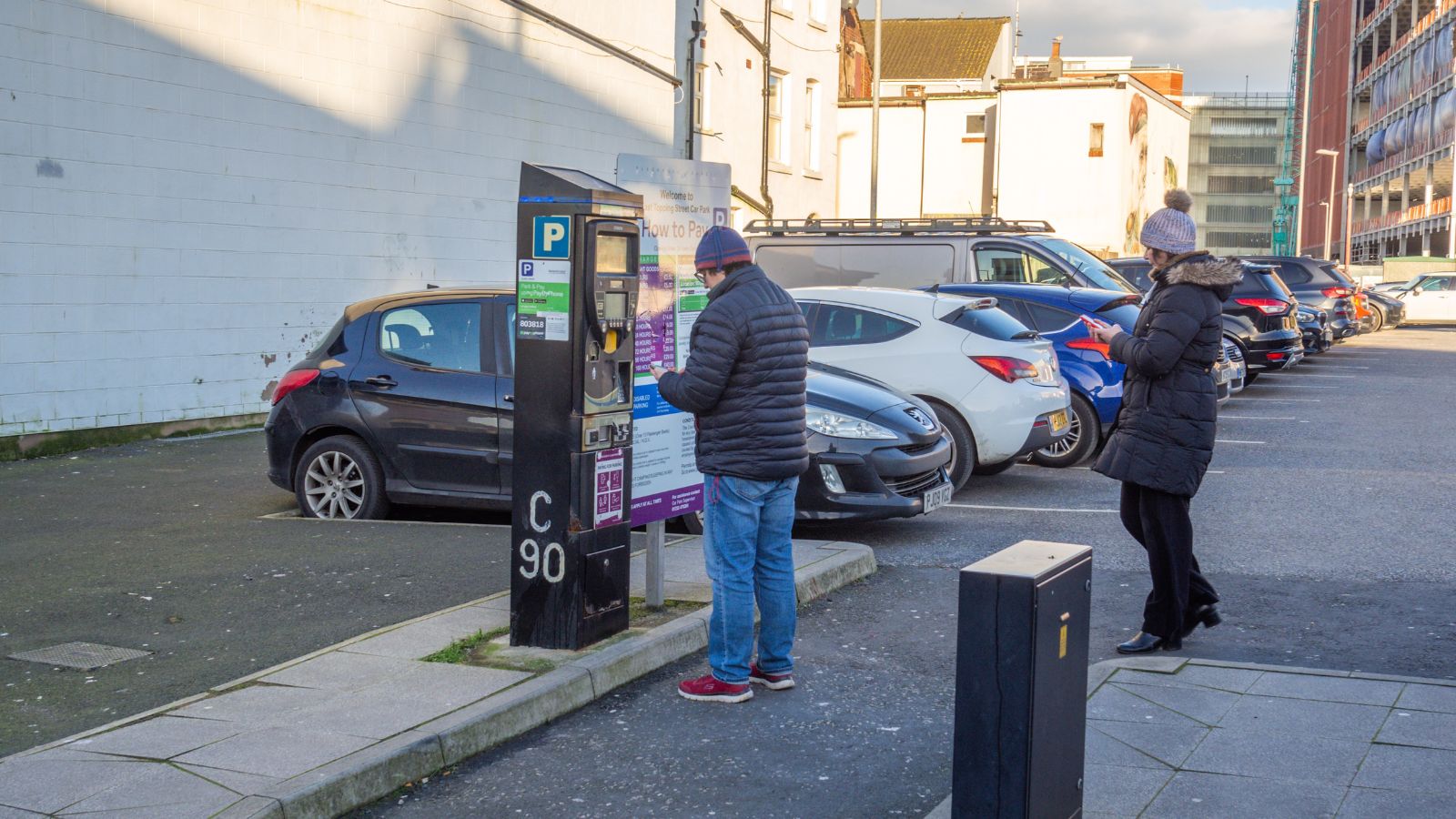
Parking charges can significantly increase travel expenses. Hotels in urban areas often charge nightly rates for vehicle storage. Airports also apply daily or weekly parking fees. Canadians driving to departure cities encounter these costs frequently. Premium locations closer to terminals cost more. Off-site lots may offer lower rates but require shuttle transfers. Valet services add further expense. Some hotels bundle parking with accommodation packages. Confirming availability and pricing beforehand avoids surprises. Long trips make these fees accumulate quickly. Planning alternatives can reduce overall travel costs.
Wi-Fi Charges in Accommodations

While many properties advertise free internet, premium access may still cost extra. Basic connections might be slow or limited to certain areas. High-speed service sometimes requires a daily payment. Canadians relying on connectivity for work or communication notice these charges quickly. Resort properties are more likely to apply them. Business travellers may need reliable service regardless of cost. Some loyalty programs include complimentary access. Reading amenity descriptions carefully reveals restrictions. Mobile data plans can serve as alternatives. Understanding internet policies helps travellers avoid unexpected daily expenses.
Amenity or Facility Usage Fees

Hotels and resorts often charge for specific facilities beyond the room rate. Spa access, fitness classes, or recreational equipment may require additional payment. Canadians expecting inclusive pricing may be surprised by these costs. Some properties automatically add charges even if amenities are unused. Family activities can increase expenses further. Clarifying what is included prevents misunderstandings. Booking packages that bundle services may offer better value. Seasonal offerings during spring can also carry surcharges. Reviewing detailed pricing helps manage budgets. Awareness allows travellers to decide which facilities are worth the extra cost.
Car Rental Insurance Add-Ons

Rental companies frequently promote additional insurance at the counter. Staff may emphasize potential risks to encourage acceptance. Canadians unsure of their existing coverage may agree without verification. Credit cards or personal policies sometimes already provide protection. Duplicate coverage increases costs unnecessarily. Reviewing insurance details before travel helps make informed decisions. Rental agreements outline liability terms clearly. Declining unneeded options requires confidence in existing coverage. Understanding responsibilities prevents confusion if damage occurs. Careful evaluation avoids paying for protection that is not required.
Fuel Service Charges for Rental Cars
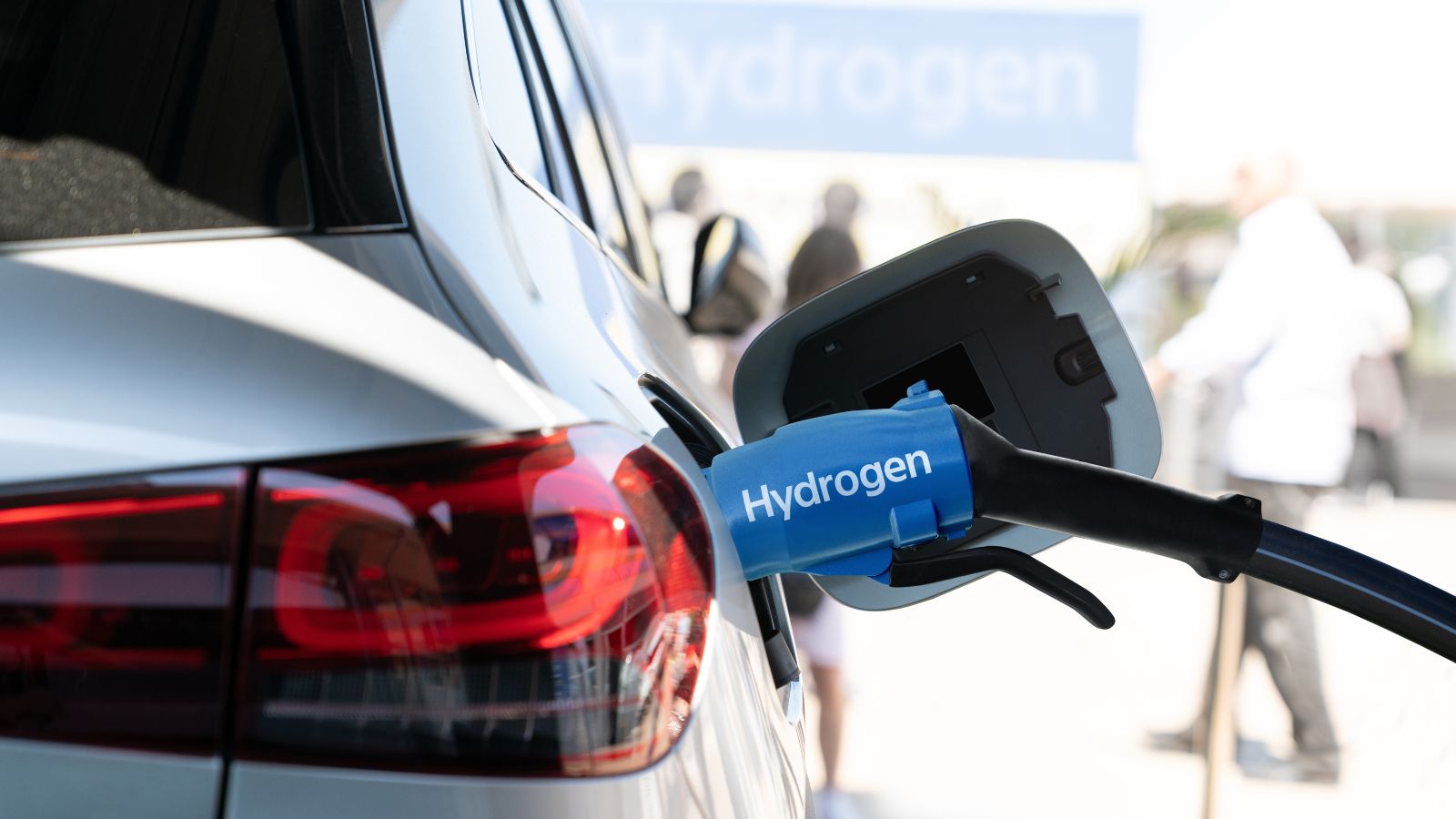
Fuel policies can create unexpected charges if misunderstood. Some companies require returning vehicles with a full tank. Failure to do so results in high refueling fees. Prepaid fuel options may also cost more than local gas prices. Canadians unfamiliar with local stations may choose convenience over savings. Checking nearby fuel locations before return helps reduce expense. Receipts provide proof of compliance with policies. Understanding terms at pickup prevents disputes later. Planning refueling stops ensures vehicles are returned correctly. Awareness avoids paying inflated charges.
Tourist or Local Occupancy Taxes

Many destinations apply additional taxes to accommodation bills. These charges support local tourism infrastructure or services. Canadians comparing base room rates may not account for them. Taxes are typically calculated per night or as a percentage. Some cities impose seasonal surcharges during peak periods. Payment is mandatory regardless of the booking channel. Online platforms may display taxes separately from base prices. Understanding total cost requires reviewing final invoices carefully. Budget planning should include these unavoidable fees. Awareness prevents shock when settling bills at checkout.
Cancellation or Change Penalties

Flexible travel plans can still involve penalties for modifications. Discounted rates often come with strict cancellation policies. Canadians adjusting spring trips may face fees for date changes. Airlines and hotels vary in how they apply charges. Refunds may be partial or issued as credits. Reading the terms before booking clarifies potential costs. Travel insurance may cover certain situations. Last-minute changes usually incur higher penalties. Planning carefully reduces the likelihood of adjustments. Understanding policy details ensures travellers know their options if plans shift unexpectedly.
22 Groceries to Grab Now—Before another Price Shock Hits Canada

Food prices in Canada have been steadily climbing, and another spike could make your grocery bill feel like a mortgage payment. According to Statistics Canada, food inflation remains about 3.7% higher than last year, with essentials like bread, dairy, and fresh produce leading the surge. Some items are expected to rise even further due to transportation costs, droughts, and import tariffs. Here are 22 groceries to grab now before another price shock hits Canada.
22 Groceries to Grab Now—Before another Price Shock Hits Canada
