
House hunting in Canada can be exciting, but buyers often overlook hidden issues until it’s too late. Older homes, high-demand markets, and regional challenges increase the risk of unexpected problems. From unpermitted renovations to drainage issues, these red flags can affect safety, comfort, and long-term costs. Seasonal challenges like snow, flooding, and insulation concerns also make Canadian properties unique. Here are 16 house-hunting red flags you notice too late.
Major Foundation Cracks Common in Older Canadian Homes

Foundation cracks are common in older Canadian houses due to cold winters, soil movement, and age. Some cracks are harmless, but deep or expanding cracks can indicate structural problems. These issues can allow water penetration, which leads to mold, dampness, and costly repairs. Buyers sometimes miss these problems because paint, stored items, or finished basements can hide the damage. Repair costs vary depending on severity and access. A proper inspection can help determine whether the crack is cosmetic or serious. Checking the foundation before purchasing can prevent stress and unexpected expenses after moving in.
Signs of Previous Flooding or Water Damage Covered With Paint
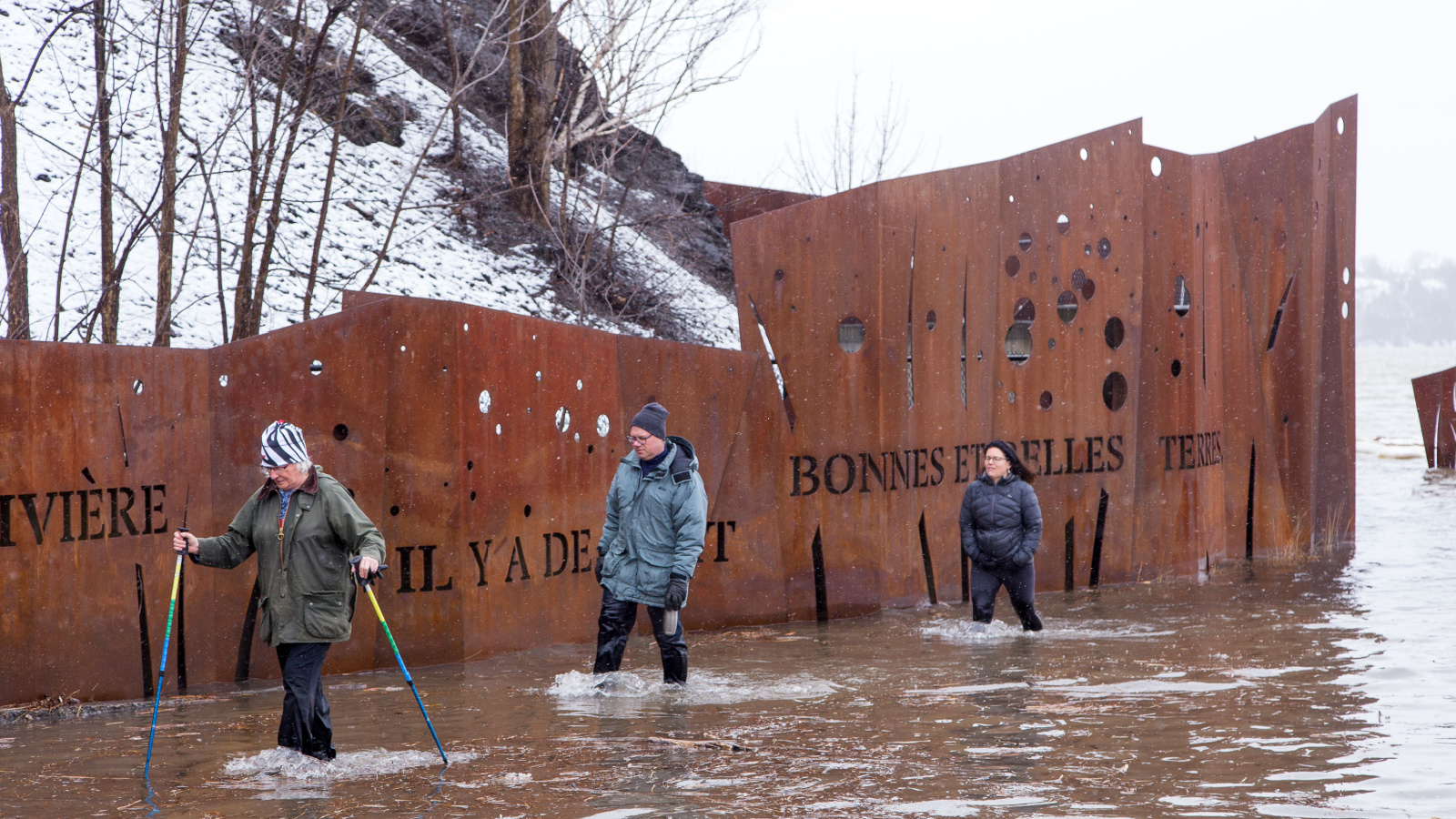
Fresh paint in basements or lower wall areas can sometimes hide signs of past flooding or leaks. Many homes in Canada sit in flood-prone regions or areas with poor drainage. Look for musty smells, rust on metal fixtures, gapped baseboards, or uneven flooring. A running dehumidifier during a showing may be a subtle warning. Fixing long-term moisture problems may require grading changes, sump pump installation, or foundation sealing, which can add high cost. Municipal flood maps and a full home inspection can help reduce risk. Buyers often overlook these clues during fast-paced house tours.
An Aging Roof Nearing Replacement in Heavy Snow Regions
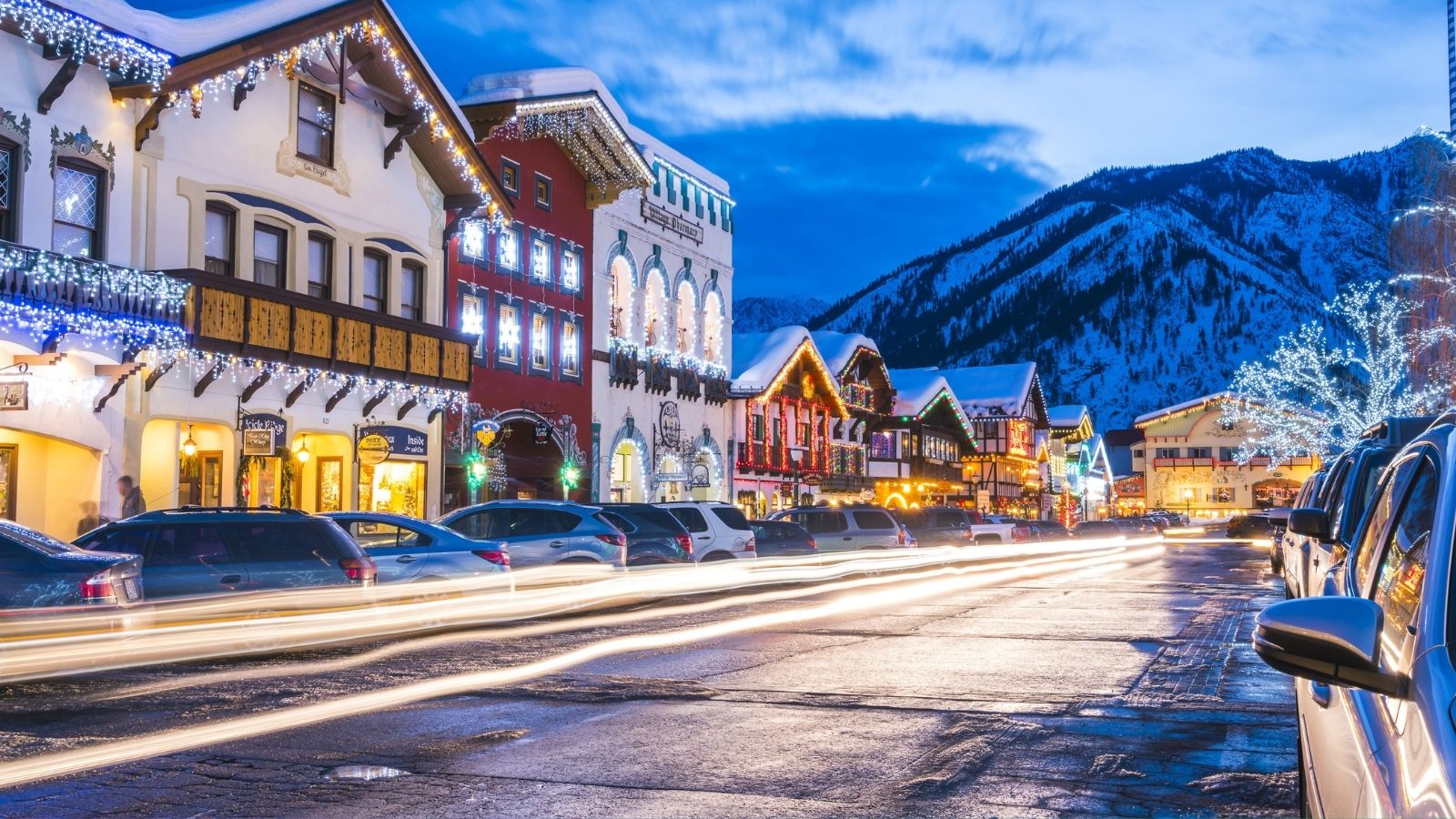
Roofs in many Canadian regions experience heavy snow and harsh temperature shifts, which shorten their lifespan. Asphalt shingles usually last around 15 to 25 years, depending on quality and maintenance. Warning signs include missing shingles, curling edges, moss growth, or sagging areas. Replacing a roof can cost thousands which makes it an important factor during budgeting. Some insurance providers may require replacement on older roofs before offering coverage. Buyers may not notice roof age during a quick viewing. Asking for maintenance records or a professional inspection can help confirm the remaining lifespan before making an offer.
Outdated Furnace, Boiler, or Water Heater Close to End of Life
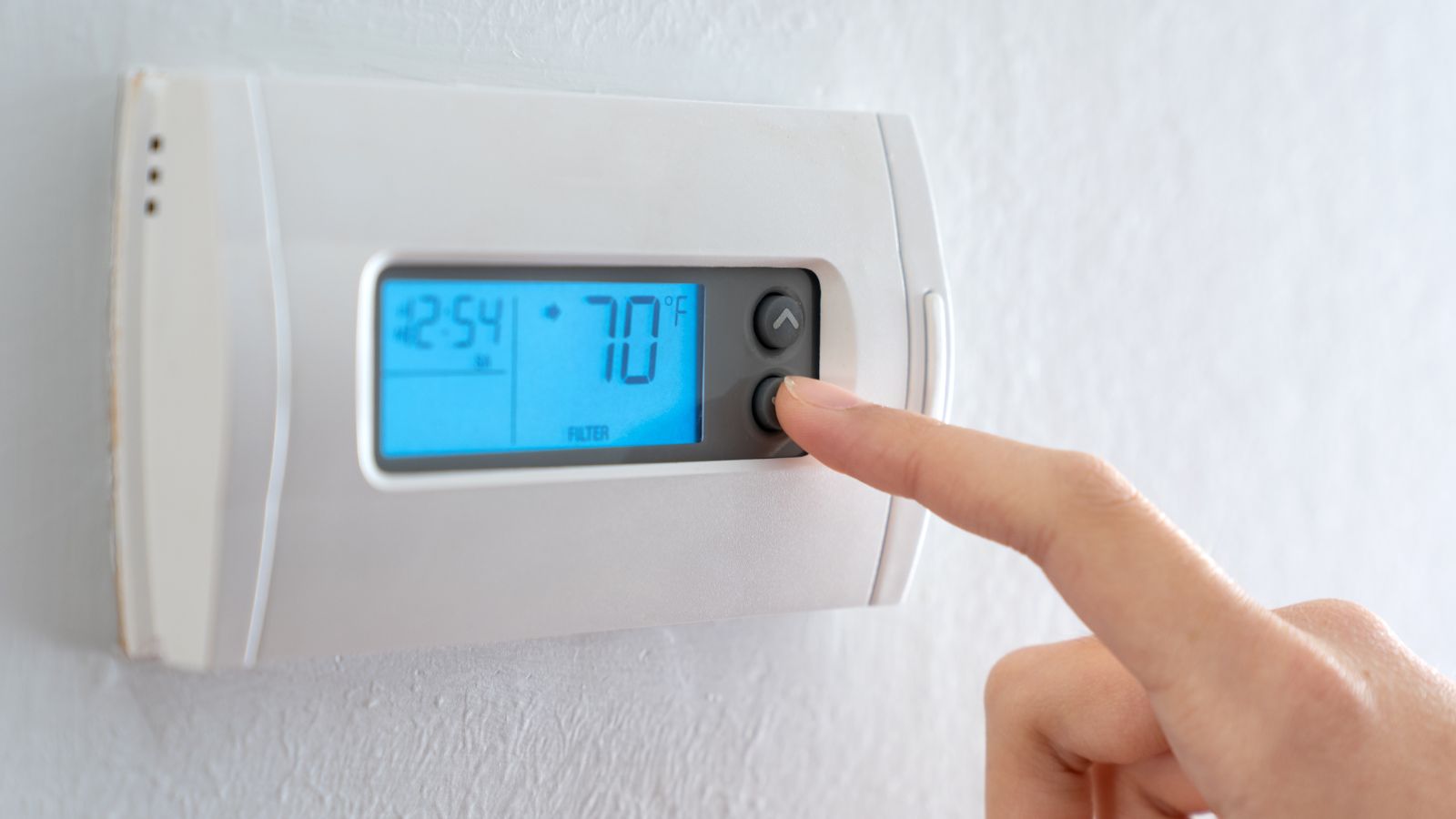
Heating systems are essential in Canada because winters can be long and cold. A furnace older than 15 years may be less efficient and more expensive to run. Older water heaters or boilers may also need replacement soon. Some homes include rented units with long-term contracts that add extra monthly expenses. Replacement costs can be high, which makes this a key detail for budgeting. Maintenance records can help predict future repairs. Checking service history and equipment age during house hunting can prevent unexpected breakdowns shortly after moving in.
Renovations Not Completed to Canadian Building Code Standards

Some homes have renovations completed without proper permits or compliance with Canadian building codes. Upgrades like basement suites, electrical work, or structural changes may look fine but can pose safety and insurance risks. If a renovation is not recognized by the municipality, it may also affect future resale value. Buyers should request permits, receipts, and inspection reports to confirm the work meets required standards. Fixing unapproved renovations can be expensive and time-consuming. A licensed inspector or contractor can help spot issues that are not visible during a walkthrough.
Basement Suites or Additions Built Without Required Municipal Permits
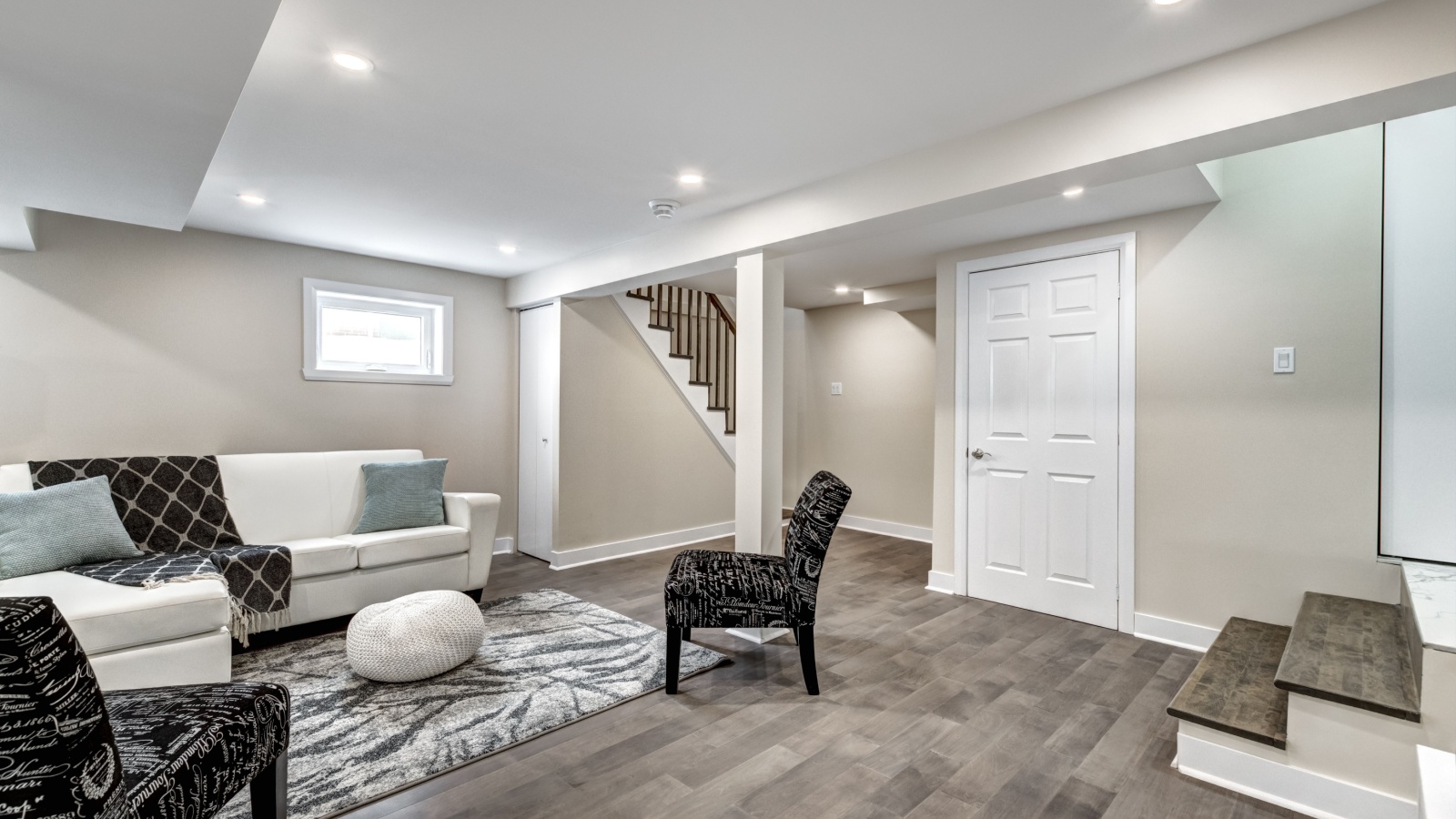
Unpermitted basement suites and additions are a common issue in many Canadian cities, especially where housing demand is high. Without proper permits, work may not meet building, electrical, or fire safety codes, creating risks for future owners. Insurance companies may deny claims if damage is linked to unapproved construction. In cities like Vancouver, Calgary, Edmonton, and Toronto, municipalities have increased enforcement, meaning buyers may incur fines or be forced to remove or rebuild the unauthorized structure. Before buying, confirm work was officially inspected and approved through municipal permit records rather than relying only on the seller’s assurances.
Damp or Musty Basements Caused by Poor Drainage or Insulation
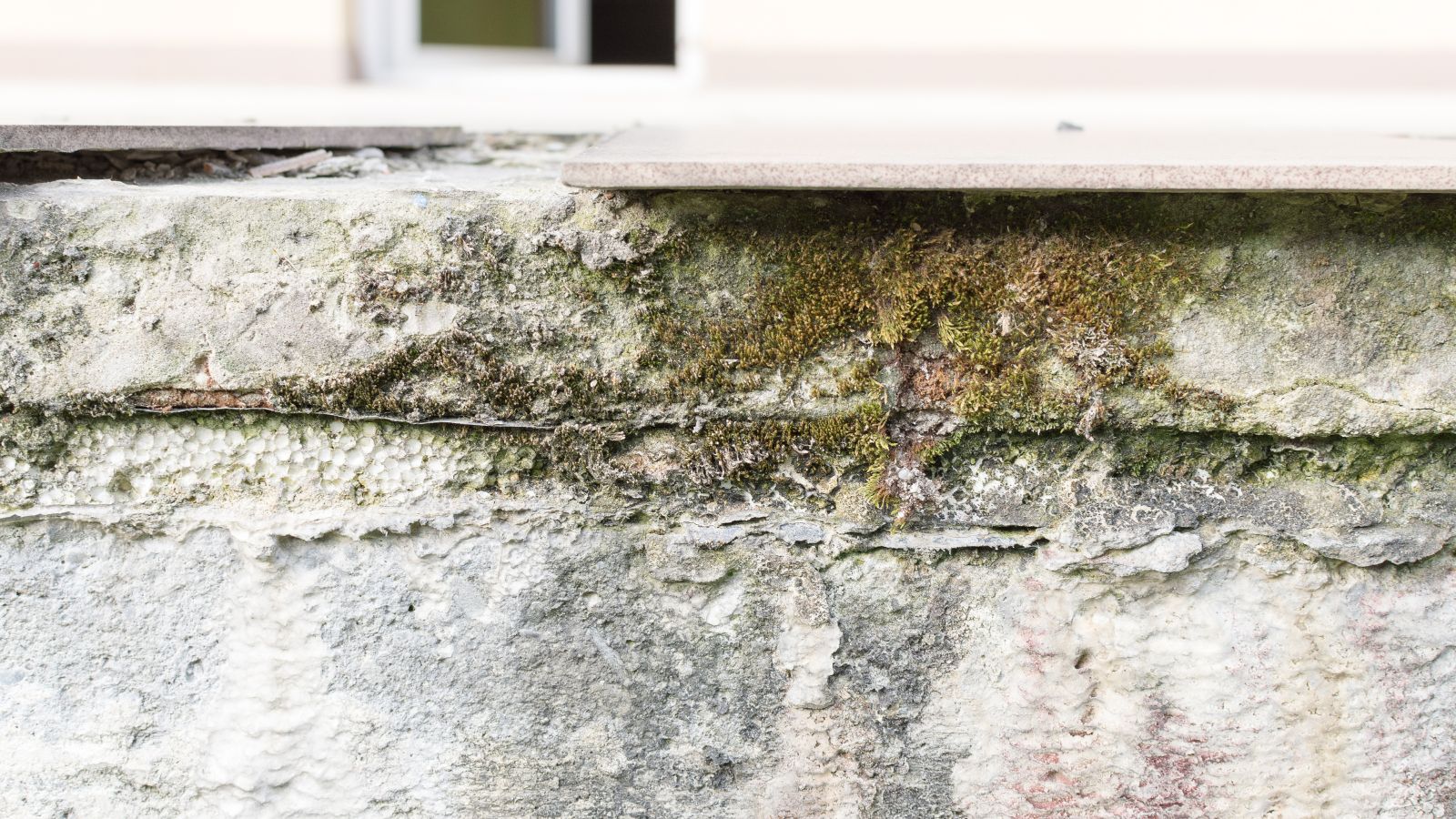
Many Canadian homes, especially older ones, deal with moisture issues in basements due to poor drainage, outdated waterproofing, or inadequate insulation. A damp or musty smell often signals mold, water seepage, or ineffective grading outside the home. Cold winters and freeze-thaw cycles can worsen cracks and allow moisture in. Repairing these problems may require sump pumps, weeping tile upgrades, foundation sealing, or improved ventilation. Buyers should inspect for efflorescence, soft drywall, or rusted metal fixtures, as these are early warnings. Fixing basement moisture can be expensive, so identifying it before purchase can prevent unexpected repair costs later.
Electrical Panels Too Small to Support Modern Canadian Home Requirements

Some older Canadian homes still run on outdated 60- or 70-amp electrical panels, which are insufficient for today’s heating systems, appliances, electric vehicles, and air conditioning. Insurance companies may refuse coverage or require panel upgrades before approving policies. Limited capacity can also increase fire risk if circuits are overloaded. Upgrading to a 100- or 200-amp panel can cost thousands, depending on the layout and municipality. Buyers should ask for electrical inspection records and confirm whether aluminum or knob-and-tube wiring remains, as both may require replacement. An electrical system that cannot meet modern demand is a costly but necessary fix.
Poor Insulation That Leads to High Heating Costs in Winter

Homes across Canada require proper insulation due to long winters and temperature swings. Poor insulation can lead to drafts, cold rooms, and high monthly utility bills. Older homes may still contain outdated materials like wood shavings, vermiculite, or uneven insulation levels in attics or exterior walls. Energy audits, infrared scans, and blower door tests can help identify weak areas. Reinsulating attics or sealing window frames can often provide immediate improvements. Provincial rebates may be available, but costs can still be high. If a home feels unusually cold during a viewing, it may indicate insufficient insulation and higher long-term expenses.
Poly B or Aging Plumbing Known to Fail in Canadian Homes

Polybutylene plumbing was widely used in Canadian homes built between the late 1970s and late 1990s. Over time, it became known for leaks or system failures, especially in areas with chlorine-treated water. Many insurers now require plumbing upgrades or charge higher premiums if Poly B remains. Replacement can cost thousands, depending on access and the size of the home. Signs include grey plastic pipes with metal or plastic fittings. Buyers should confirm plumbing type during inspection and check for past failures or partial replacements. Ignoring Poly B can result in water damage, mold issues, and unexpected repair bills.
Shared Driveways Common in Older Neighbourhoods That Create Conflict

In older Canadian neighbourhoods, especially in Toronto, Montreal, and Halifax, shared driveways are common due to narrow lots and historical layouts. While functional, they can lead to disputes over access, snow removal, parking, and property rights. Some agreements exist informally, while others are registered legally. A shared driveway may restrict renovations or landscaping and may require cooperation for repairs. Buyers should confirm whether the driveway is jointly owned, easement-based, or entirely on one property. Without clarity, legal complications may arise later. Understanding the arrangement before purchasing helps avoid ongoing neighbour conflicts and potential legal challenges.
Property Located Near Train Tracks, Flight Paths, or Busy Snowplow Routes

Homes near train tracks, airports, or heavily trafficked roads can face noise, vibration, and safety concerns. In Canada, properties near CN or CP rail lines, regional airports, or busy highways often experience higher levels of constant noise. Snowplow routes in winter can also cause temporary access issues or slippery conditions. These factors can affect daily comfort, resale value, and sometimes insurance premiums. Buyers should visit at different times of day, check municipal noise reports, and evaluate potential mitigation options like soundproofing. Understanding traffic and noise patterns before purchasing helps avoid surprises after moving in.
Home Situated in a Known Flood Risk Zone According to Provincial Mapping
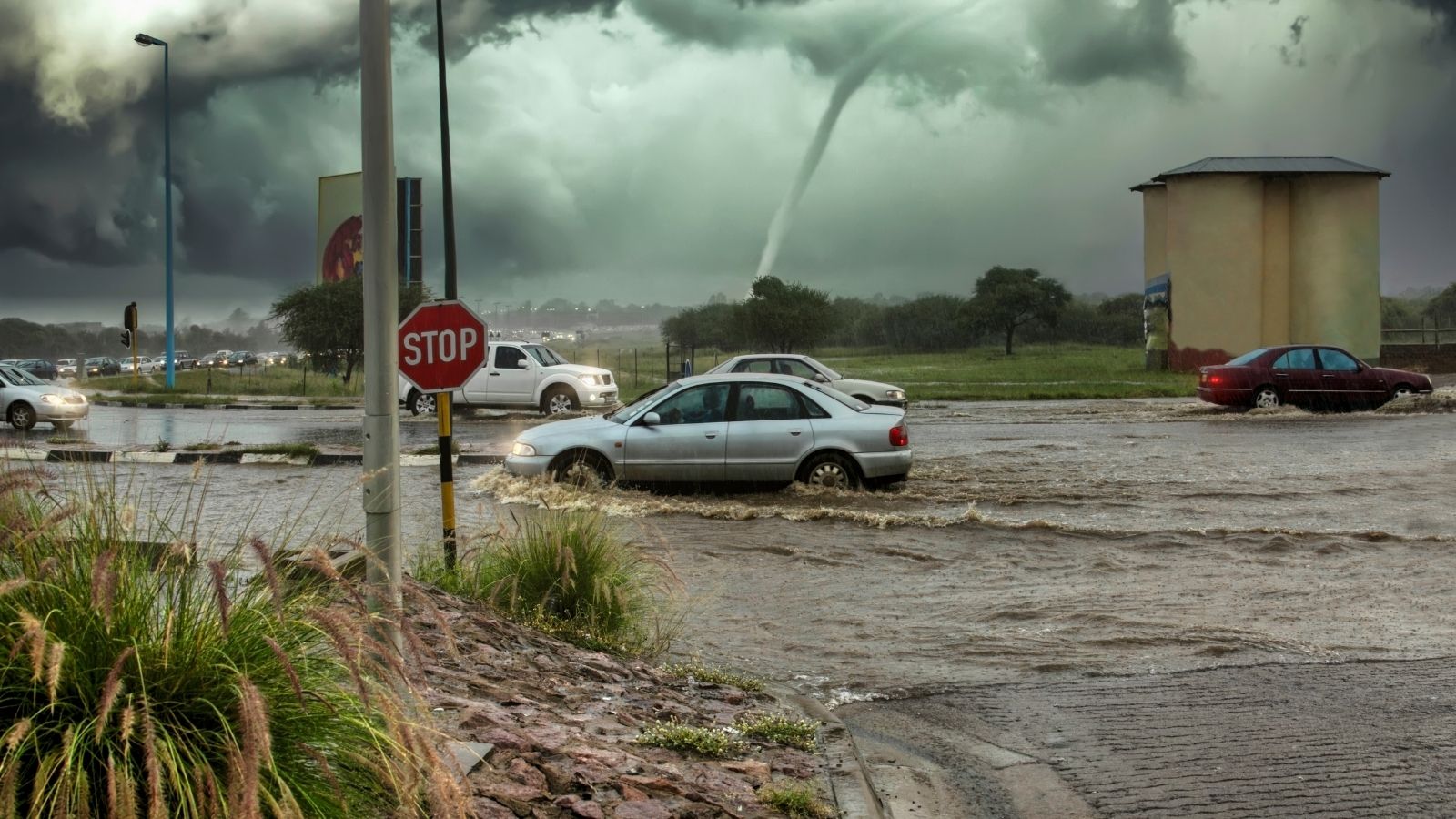
Flood-prone areas are common in many parts of Canada, including Ontario, Quebec, and British Columbia. Homes in these zones may face water damage from heavy rain, snowmelt, or rising rivers. Provincial flood maps and municipal records identify areas at risk, but some older listings may not disclose past events. Flood insurance may be costly or limited in coverage. Buyers should research historical flood data, inspect for signs of water damage, and consider mitigation measures like sump pumps, landscaping, or foundation adjustments. Purchasing in a flood zone without preparation can lead to expensive and stressful repairs.
Condo or Strata Buildings With Pending Special Assessments or Weak Reserve Funds

Condo or strata buyers in Canada should check the financial health of the building. Pending special assessments indicate large upcoming expenses that owners must cover, such as roof replacement, elevator upgrades, or structural repairs. Weak reserve funds may suggest poor planning and higher future costs. These financial issues can affect monthly fees, property value, and long-term affordability. Review minutes from board meetings, financial statements, and reserve fund reports before committing. A building with unresolved financial problems can create ongoing stress. Proper due diligence protects buyers from unexpected assessments and ensures the condo or strata remains financially sustainable.
Evidence of Past Pest Problems Like Ants, Mice, or Squirrels in Attics
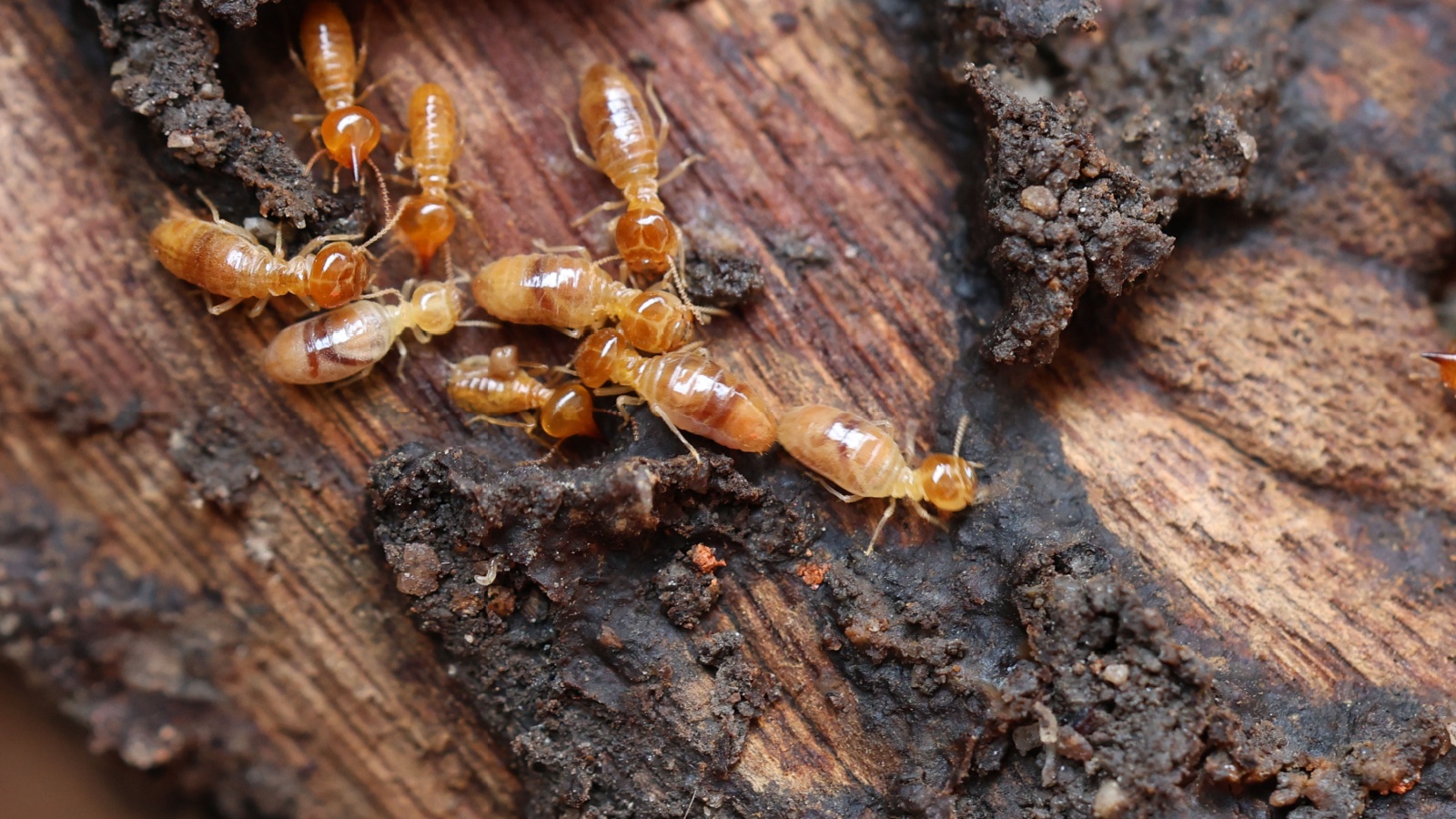
Pest infestations are common in Canadian homes, particularly older ones or properties near forests and rural areas. Signs include droppings, chewed wiring, gnaw marks, or unusual smells in attics, basements, or crawl spaces. Past infestations may indicate structural vulnerabilities, gaps, or insufficient sealing that can allow pests to return. Treating pest issues can involve professional exterminators, repairs to entry points, and ongoing prevention measures. Buyers should ask for disclosure from sellers and inspect hidden spaces carefully. Early identification of pest risks can prevent costly repairs and health hazards once the property is purchased.
Sellers Pushing Fast Offers and Short Inspection Deadlines in Hot Markets

In competitive Canadian real estate markets, sellers sometimes pressure buyers to submit quick offers or limit inspection times. Short deadlines can prevent a thorough review of the home, including hidden issues like electrical, plumbing, or foundation problems. While bidding fast may secure a property, it increases the risk of costly surprises later. Buyers should negotiate reasonable inspection periods, request professional inspections, and review disclosures carefully. Awareness of market pressure helps balance speed with caution. Taking time to inspect and understand a property thoroughly ensures informed decisions and prevents regret in high-demand housing environments.
21 Products Canadians Should Stockpile Before Tariffs Hit

If trade tensions escalate between Canada and the U.S., everyday essentials can suddenly disappear or skyrocket in price. Products like pantry basics and tech must-haves that depend on are deeply tied to cross-border supply chains and are likely to face various kinds of disruptions
21 Products Canadians Should Stockpile Before Tariffs Hit
