
Many offers today appear helpful because they include something free, whether it is a trial, reward, upgrade or temporary discount. These promotions are common in Canada across banking, retail, tech, travel and subscription services. While some perks provide short-term savings, many include renewal terms, fees or conditions that cost more over time. Companies rely on the assumption that most people forget to cancel or read the fine print. Understanding how these offers work helps prevent unnecessary spending and financial frustration later. Here are the 16 money traps hiding in “free” perks.
Free Banking Trials That Convert to Monthly Fees

Many Canadian banks offer free introductory banking plans, usually for 3 to 12 months. Once the trial ends, monthly fees automatically begin unless the user meets minimum balance requirements or manually downgrades. Some accounts also include charges for Interac e-Transfers, overdraft protection or paper statements. The trap happens because most customers forget to track the end date, and banks rarely send reminders before fees begin. These accounts can be useful, but only when users monitor the terms closely and cancel or adjust settings before billing starts. Otherwise, what begins as a free perk quietly becomes an ongoing expense.
Zero-Interest Credit Card Promos with Deferred Interest Rules

Zero-interest promotions offered by Canadian credit card companies may seem appealing, especially for balance transfers or large purchases. However, many include deferred interest terms. If the balance is not fully paid before the promotional window ends, interest is charged retroactively from day one at regular rates, often above 19.99%. Some cards also include transfer fees of 1% to 3%. This can surprise users who miscalculate or forget the exact payoff date. While these promotions can help short-term budgeting, they require careful tracking and strict repayment discipline. Missing the deadline by even one day cancels the benefit, turning savings into added debt.
Free Smartphone Offers Locked Behind Multi-Year Contracts

Telecom companies in Canada often promote free smartphones when customers sign multi-year plans. While the phone appears free, its cost is built into monthly service fees over the contract term. If a user wants to cancel early or switch carriers, they must pay the remaining device balance, sometimes several hundred dollars. Data limits, upgrade restrictions and roaming fees can also increase overall spending. The offer is attractive upfront, but it reduces flexibility and choice. The phone may technically be included, but the user pays for it through long-term commitments and higher plan costs rather than a truly free benefit.
Free Streaming or App Trials That Require a Credit Card

Many streaming platforms and mobile apps in Canada offer free trials but require a credit card to activate. Once the trial period ends, the subscription converts into automatic billing unless it is canceled in time. Some services charge annually, resulting in larger unexpected withdrawals. These trials are designed to create convenience and habit, so many users forget to cancel before renewal. Free trials can provide useful access, but the automatic billing model leads to extra costs when users do not closely monitor renewal dates. Setting reminders and checking billing cycles helps avoid surprise charges from forgotten subscriptions.
Free Loyalty Points That Push Overspending
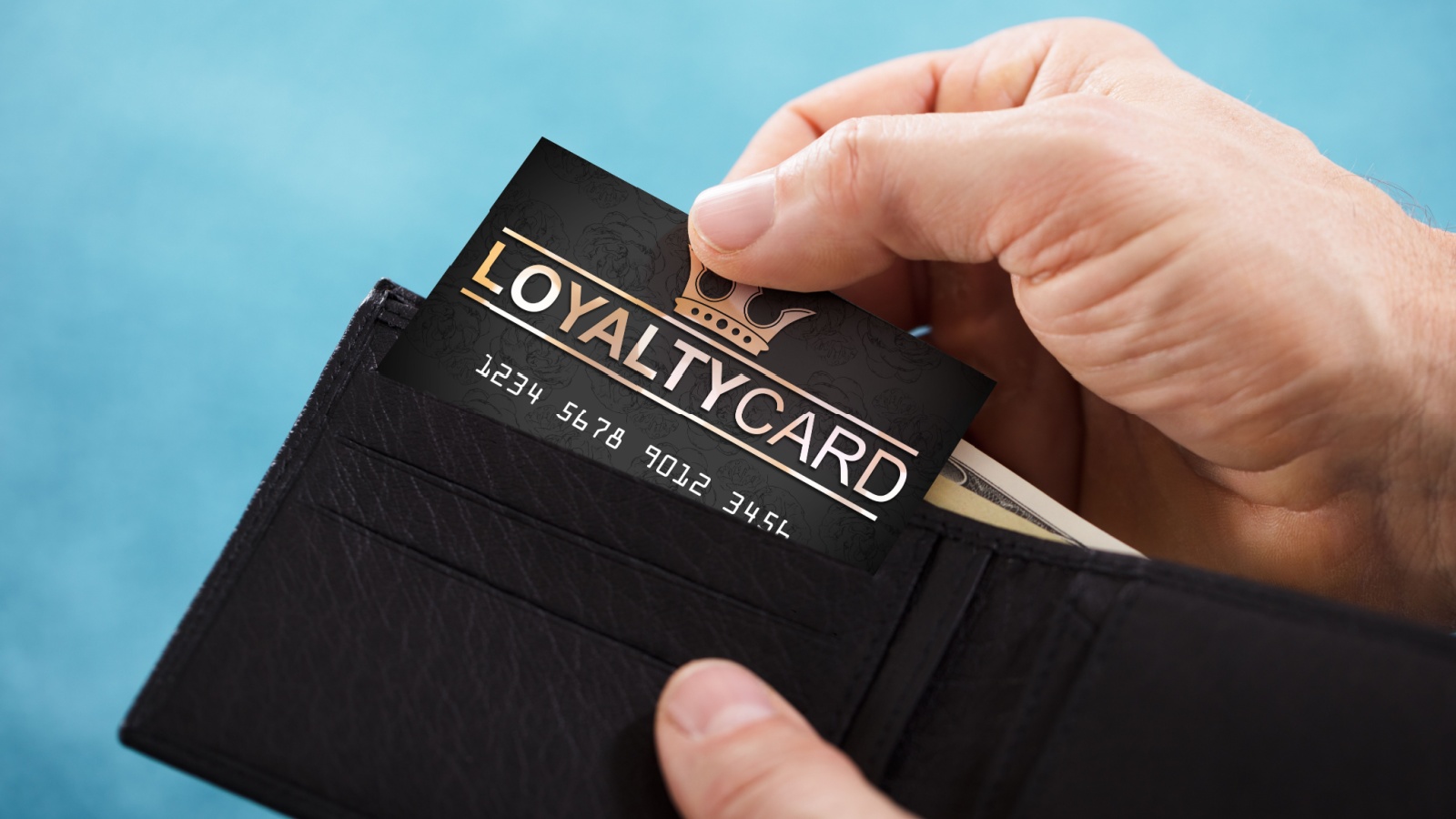
Loyalty programs in Canada offer free registration and rewards for shopping at participating retailers. Programs such as PC Optimum, Air Miles and Scene+ can offer real value, but they sometimes encourage unnecessary spending to unlock bonus tiers or limited-time offers. Users may buy more expensive items or purchase sooner than needed to earn points. Since points programs can change redemption rules or expiry timelines, the real value is not guaranteed. These programs are beneficial when used on planned purchases, not as motivation to spend more. Awareness and budgeting help ensure the rewards do not become an incentive-driven spending trap.
Free Gym Membership Trials with Automatic Renewal

Many gyms in Canada offer free trials ranging from seven days to one month. While the offer appears risk-free, signing up often requires a credit card or banking details. If the trial is not canceled before the deadline, it converts automatically into a paid membership. Some gyms also require written cancellation or in-person visits, making the process inconvenient. Additional fees for maintenance or late cancellation can also apply. The free period can help test facilities, but only when users track timelines carefully. Otherwise, what begins as a free incentive becomes an ongoing expense that users did not intend to continue paying.
Free Appliance or Furniture Financing with Hidden Admin Fees

Retailers offering zero-interest financing on appliances or furniture often promote it as free. However, admin or processing fees can add between CA$50 and CA$200, depending on the provider. If payments are late or not fully completed by the deadline, interest rates can rise significantly. Missed payments may also affect credit scores. Some financing plans require activation through a store-specific credit card or financial partner, adding complexity and potential long-term obligations. While financing helps spread payments, shoppers should review terms carefully and calculate the real cost, ensuring there are no hidden fees that turn a free offer into additional spending.
Free Car Maintenance Packages with Limited Coverage

Canadian car dealerships sometimes advertise free maintenance packages with the purchase of new vehicles. While these offers may cover oil changes or inspections, they often exclude essential services like brake work, filters, diagnostics or tire rotation. Some packages are limited by mileage or time and expire quickly if not used. In certain cases, the cost of the maintenance program is already built into the purchase price. Dealers may also sell upgrades during visits, increasing expenses. Consumers benefit when using the free services strategically and reviewing the exclusions before purchase to avoid unexpected costs that reduce the value of the offer.
Free Hotel Night Promos Requiring High Annual Fees

Some hotel loyalty programs in Canada offer a free annual night as a perk for joining premium tiers or holding certain credit cards. While the free stay can provide good value, the annual fee for qualifying cards often ranges from CA$120 to CA$399. Certain blackout dates, limited room categories and location restrictions can also reduce usefulness. If the free night goes unused or only works for lower-cost stays, the value may not justify the recurring fee. The perk becomes worthwhile only when used intentionally at higher-priced properties and when the user travels often enough to benefit each year fully.
Free Grocery Reward Programs That Track Spending Habits

Canadian grocery loyalty programs like PC Optimum and Scene+ offer free enrollment and reward users with points. While the programs can save money, they also collect detailed spending data used for targeted ads and promotional pricing. Points-based incentives may encourage shopping during limited-time promotions or buying specific brands instead of more affordable options. Some users spend more than planned to reach bonus thresholds. These programs are helpful when applied to planned purchases and budgeting, but they should not influence spending decisions. Understanding how data is used and focusing on needs rather than point accumulation avoids turning free loyalty into unnecessary costs.
Free Travel Points with High-Interest Credit Cards

Travel reward credit cards in Canada often offer free welcome points that can cover flights, hotels or upgrades. However, many of these cards have interest rates above 19.99% and annual fees ranging from CA$120 to CA$699. Users who do not pay the full balance monthly may lose more to interest charges than they gain from points. Redemption rules, currency conversion fees and blackout dates can also limit value. The perk benefits disciplined users who manage balances responsibly and redeem points strategically. Otherwise, the free rewards create spending habits that result in higher long-term financial costs rather than savings.
Free Internet or Cable Trial Months with Price Increases Later

Many Canadian internet and cable providers advertise a free month or heavily discounted introductory pricing. After the trial ends, costs often increase significantly, sometimes by 30% or more. Contracts may include one- or two-year terms, making it difficult to cancel without penalties. Users may also be required to return modems or equipment or face additional charges. While these offers can help reduce short-term costs, they work best when consumers track renewal dates and compare final pricing with competitors. Without careful planning, a free month can transition into one of the highest bills on a household expense list.
Free Chequing Accounts with Minimum Balance Requirements

Some Canadian banks promote free chequing accounts but require a minimum monthly balance to waive fees. Balances can range from CA$2,000 to CA$5,000 depending on the institution. Falling below the threshold may trigger monthly fees from CA$10 to CA$30. While these accounts may include useful perks like free e-transfers or ATM access, the required balance often prevents users from allocating money toward higher-interest savings or investments. The account becomes truly beneficial only if the user already maintains the balance comfortably. Otherwise, the free offer limits cash flow and reduces financial flexibility, making the perk less valuable over time.
Buy One Get One Free Offers with Higher Markup Pricing

Buy One Get One Free promotions are common in Canadian grocery stores, pharmacies and retailers. While they seem like a strong value, the original item is often marked up to offset the giveaway. If the product is perishable or not needed in multiples, the buyer may overspend or waste goods. Some promotions also require loyalty cards to access full discounts. BOGO deals can save money when used for essential items that will be used fully and stored properly. Shoppers benefit most when comparing pricing before and after promotions rather than assuming the deal automatically results in meaningful savings.
Free Event Tickets with Required Paid Add-Ons

Free entry to concerts, festivals or exhibitions in Canada can sometimes require mandatory fees such as service charges, seating upgrades, food or merchandise minimums or on-site purchases. Some events also require transportation or parking fees, especially in large cities. While the ticket itself is free, the overall cost may still exceed expectations. The offer is beneficial when the attendee is already planning to participate and can control extra spending. Reviewing terms before committing avoids surprises and helps ensure that the free perk stays affordable rather than shifting the expense into other categories that reduce the value.
Free Subscription Boxes That Start Paid Plans Automatically

Companies offering free subscription boxes for beauty, snacks, or household goods often require a credit card at signup. When the trial ends, billing begins automatically, sometimes at full retail prices ranging from CA$20 to CA$80 monthly. Canceling may require navigating account settings or contacting customer service, and some companies require cancellations before the first delivery ships. While these boxes can introduce new products, they work best when users set reminders and monitor spending. Without planning, free trials lead to subscriptions that continue for months, creating recurring expenses that feel automatic rather than intentional.
22 Groceries to Grab Now—Before another Price Shock Hits Canada

Food prices in Canada have been steadily climbing, and another spike could make your grocery bill feel like a mortgage payment. According to Statistics Canada, food inflation remains about 3.7% higher than last year, with essentials like bread, dairy, and fresh produce leading the surge. Some items are expected to rise even further due to transportation costs, droughts, and import tariffs. Here are 22 groceries to grab now before another price shock hits Canada.
22 Groceries to Grab Now—Before another Price Shock Hits Canada
