Some restaurants disappear quietly. Others flame out fast, but a handful leave behind a level of nostalgia that never fades. Across Canada, there are chains people still talk about years later, remembering the signature dishes, the quirky branding, and the sense of community each location created. Here are 16 restaurant chains Canadians still miss deeply and the locals beg to bring back.
Mother’s Pizza
Dark wood booths, Tiffany-style lamps, checkered tablecloths, jukebox-style décor, and pizzas that came out sizzling set Mother’s Pizza apart from modern chains. Families went for birthdays, teens went after games, and parents loved that it felt cozy rather than commercial. When locations closed across Ontario and the East Coast, it left behind a real void. Some attempts at revivals surfaced over the years, but nothing has quite matched the original charm or its slow-baked, generously topped pies. Canadians who grew up with Mother’s Pizza still talk about the garlic bread, the deep-dish options, and the fact that every meal felt like a miniature celebration.
Bonanza Steakhouse
Bonanza was the ultimate “family night out” restaurant. Its charm was in the affordable steaks, the baked potatoes wrapped in foil, the soft-serve machine, and the all-you-can-eat salad bar that felt endless to kids. The atmosphere was friendly, casual, and a little chaotic in the best way. Parents appreciated the predictable prices, kids loved the freedom of choosing their own sides, and everyone agreed the garlic toast was elite. As restaurant culture shifted and buffets fell out of fashion, Bonanza slowly disappeared from Canada. Decades later, people still reminisce about piling plates with salad-bar combinations that made no nutritional sense but tasted absolutely perfect.
Licks Homeburgers
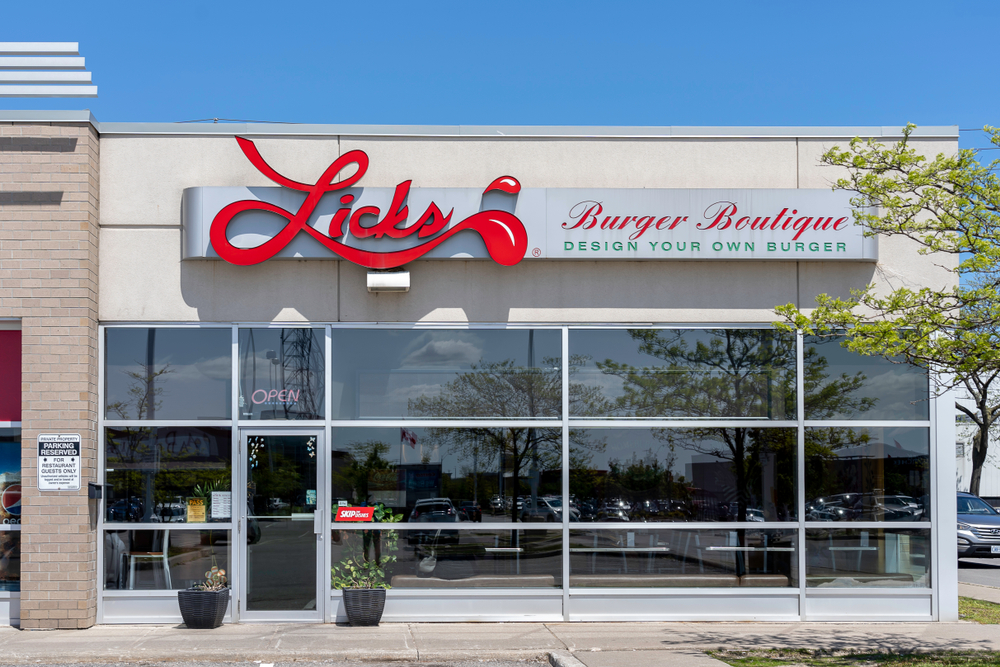
Few Canadian chains had branding as bold and unforgettable as Licks. The singing staff, the bright green décor, the retro diner vibe, and the iconic “Homeburger” made it a one-of-a-kind experience. Everything was made fresh — real patties, real toppings, real personality. Licks had the kind of burgers people still crave today: thick, juicy, wrapped in bright foil, and topped with their signature “Guk” sauce. Even their frozen grocery-store patties developed a loyal following. When locations began closing, it left a surprising cultural dent, especially in Ontario.
Kenny Rogers Roasters
When Kenny Rogers Roasters came to Canada, it felt like a cross between Southern comfort food and family dining. The rotisserie chicken, cornbread, baked beans, and warm sides created a vibe that was hearty without being heavy. The chain became unexpectedly popular thanks to its focus on slow-cooked meals that felt healthier than typical fast-food fare. Locations didn’t last long, but the impact did — Canadians still talk about the roasted quarter-chicken plates and how surprisingly flavourful the sides were. While the brand lives on in parts of Asia, its Canadian footprint remains a fond “blink-and-you-missed-it” memory.
Chi-Chi’s
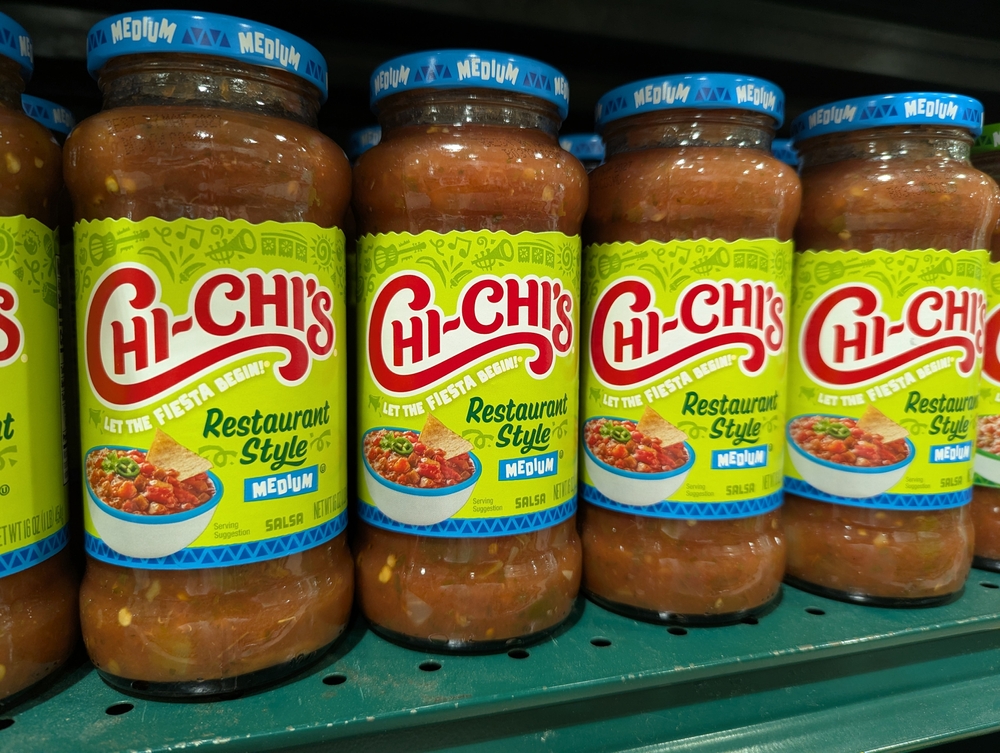
For a generation of Canadians, Chi-Chi’s was their first introduction to Tex-Mex dining. The massive menus, the sizzling fajitas, the deep-fried ice cream, and the chimichangas were legendary. Chi-Chi’s wasn’t trying to be authentic — it was fun, loud, and theatrical. Families loved the portion sizes, teens went for nachos that could feed four, and everyone agreed the fried ice cream was a rite of passage. When the chain closed across North America, it left a deep nostalgia hole.
Sambo’s / Denny ’s-Sambo’s Era
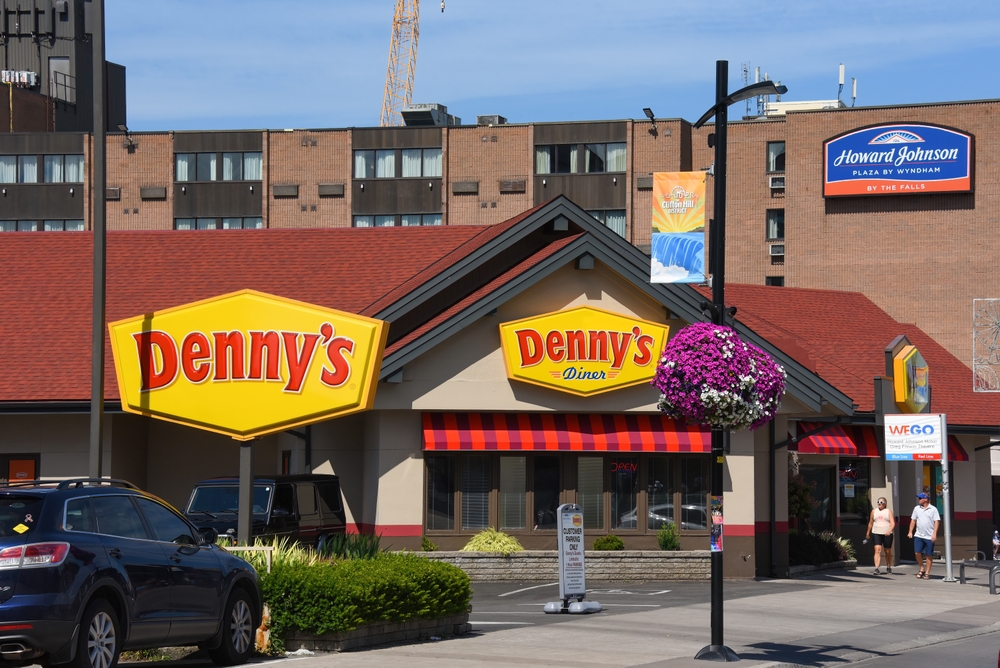
Before Denny’s expanded across Canada, its predecessor, Sambo’s, left a strong imprint — a diner-style experience with huge pancakes, crispy bacon, strawberry syrup, and 24-hour breakfasts long before all-day breakfast became mainstream. While the brand’s name later became controversial and disappeared in most markets, Canadians who grew up with it remember the food more than the branding: bottomless coffee, big plates, and servers who felt like family. For many, Sambo’s represented one of the earliest American diner imports to shape Canadian breakfast culture.
Woolworth’s Lunch Counters
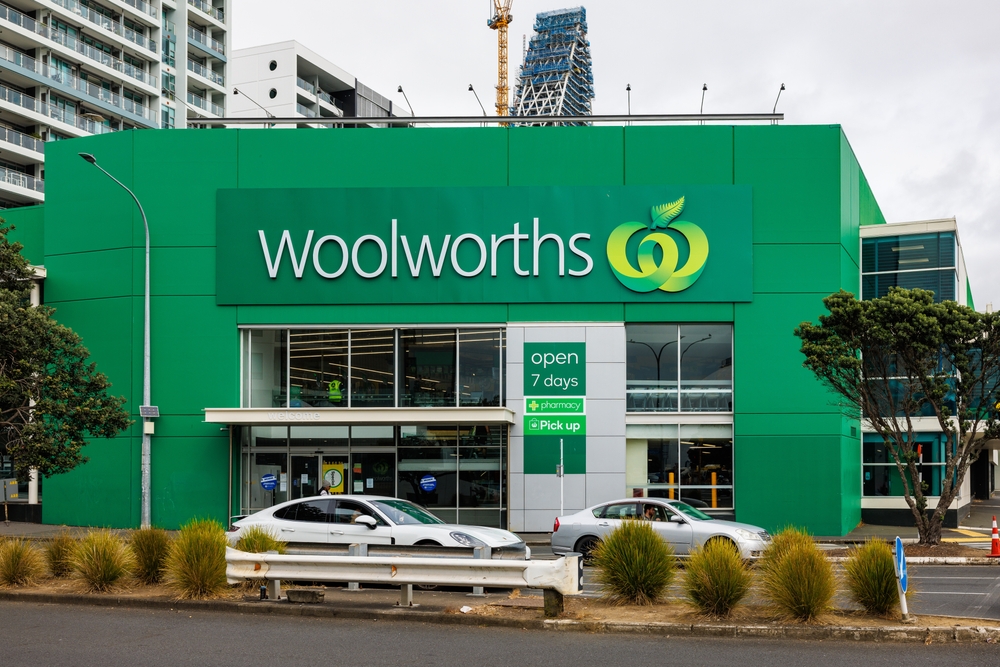
Technically part of a department store, Woolworth’s lunch counters were still legendary Canadian dining fixtures. They served classic grilled cheese, milkshakes, hot turkey sandwiches, and fries that tasted better than they had any right to. The counters offered affordable comfort food and a welcoming atmosphere where seniors, students, and families mingled without pretense. They were community hubs — the kind of place where people sat, chatted, and lingered. Many still say no modern chain has replicated the simplicity and charm.
Olive Garden (Canada Locations)
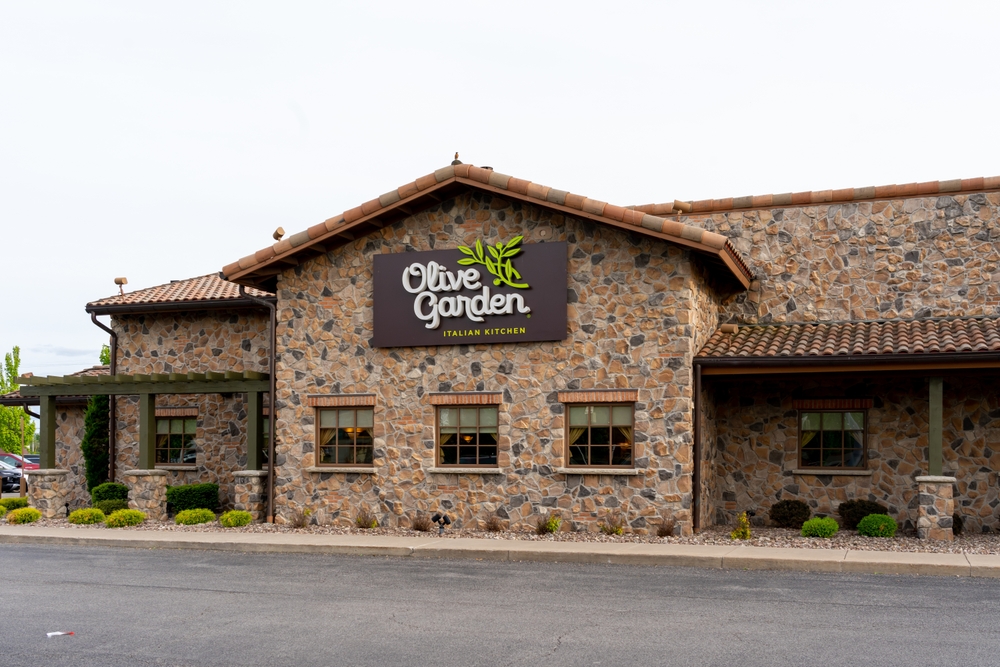
Olive Garden technically still exists — just not in Canada. When the last Canadian locations closed in the 1990s, they left behind a surprisingly large fan base still devastated by the loss of unlimited breadsticks, giant bowls of salad, and comforting pasta dishes. Canadians make pilgrimages to U.S. border locations just to get their fix, which says everything about the chain’s staying power. For many, Olive Garden offered a rare combination of affordability, family-size portions, and warm service.
White Spot (Across Canada, Not Just the West)
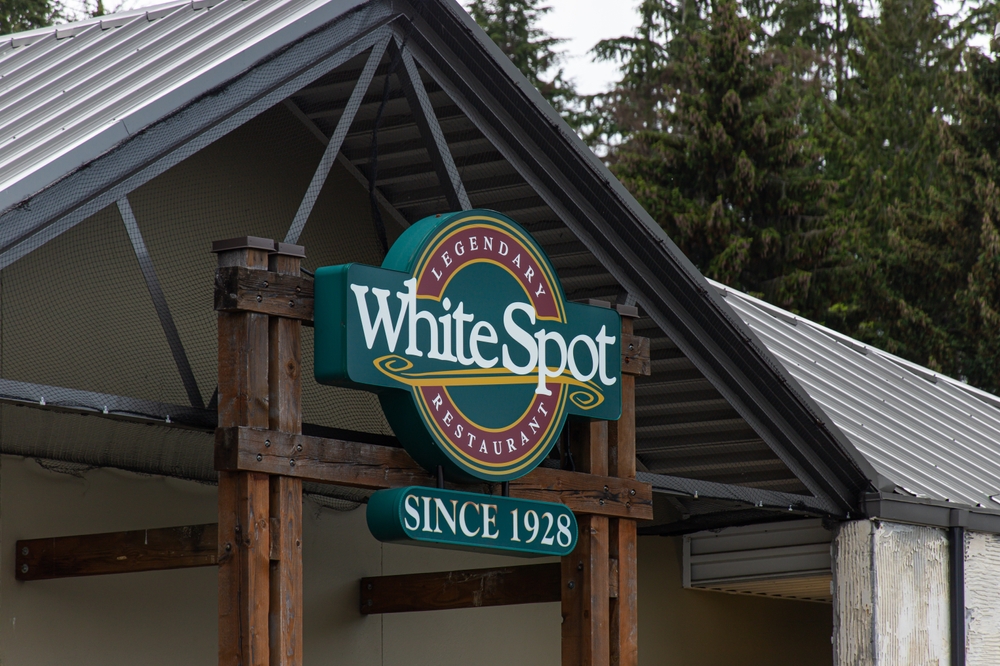
White Spot still thrives in British Columbia, but the rest of Canada misses what used to be a more widespread presence. Those who moved east still talk about Triple-O burgers, Pirate Pak kids’ meals, thick milkshakes, and the kind of comfort-food dining that feels timeless. The chain blends nostalgia with quality: real ingredients, diner-style favourites, and that unmistakable Triple-O sauce. For many Canadians outside the West, White Spot feels like a piece of home that never followed them. Whenever rumours circulate about expansion, social media erupts with hope.
Zellers Family Restaurants
Zellers restaurants weren’t fancy, but they defined an era of simple Canadian comfort food. The “bargain burger,” the Big Z, hot turkey sandwiches, toasted club classics, bottomless coffee, and the iconic red-and-white booths created a vibe that was both nostalgic and uniquely Canadian. It was the kind of place where families ate after shopping, seniors enjoyed affordable breakfasts, and kids begged for milkshakes. When Zellers stores closed, the restaurants vanished too, leaving behind one of the most missed dining experiences in retail history. Even the small, temporary Zellers comeback in 2023 sparked chatter about reviving the restaurant.
White Tower
White Tower was Canada’s answer to classic American diners — quick-service burgers, crinkle-cut fries, thick shakes, and round-the-clock breakfasts. The atmosphere was casual, neon-lit, and perfect for late-night cravings or cheap student meals. While the chain’s popularity peaked decades ago, those who grew up with White Tower still talk about the simple, satisfying menu and the iconic tower-shaped signage. It offered filling, no-nonsense meals long before fast-food menus became overly engineered. Its disappearance left a gap in the diner landscape that modern chains haven’t replicated.
Beaver Foods Cafeterias
Found inside malls, hospitals, and office towers, Beaver Foods cafeterias delivered dependable, affordable comfort food for everyday Canadians. Roast beef plates, soups, mashed potatoes, baked fish, and desserts lined up behind glass — it was cafeteria dining done with surprising consistency and warmth. For many, Beaver Foods represents a bygone era when mall dining wasn’t driven by fast food, but by homestyle meals served on real plates. Families, employees, and seniors relied on these cafeterias as a reliable meeting spot.
Swensen’s Ice Cream Parlours
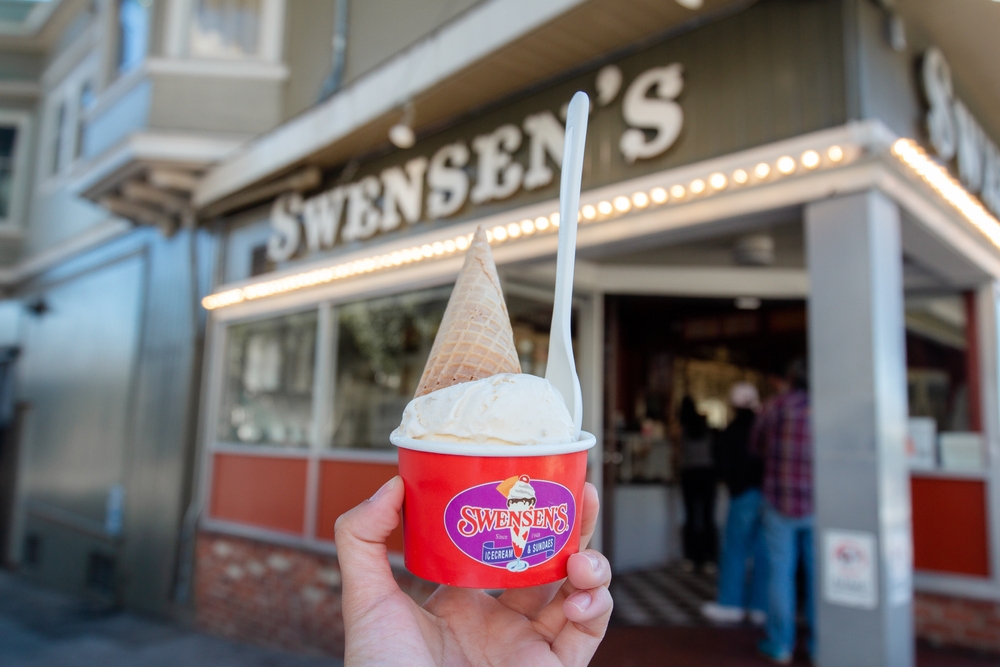
Swensen’s brought an old-fashioned ice cream parlour experience to Canada: glass display cases, towering sundaes, banana splits, waffle bowls, and a dessert menu that felt endless. The interiors had a vintage charm — wooden booths, brass details, and warmly lit spaces perfect for family outings or first dates. When the chain left Canada, it took with it the magic of slow, sit-down ice cream experiences. Modern dessert shops rarely recreate the ceremony of choosing flavours, watching sundaes assembled, and sharing oversized treats.
Mr. Submarine (Original Era)
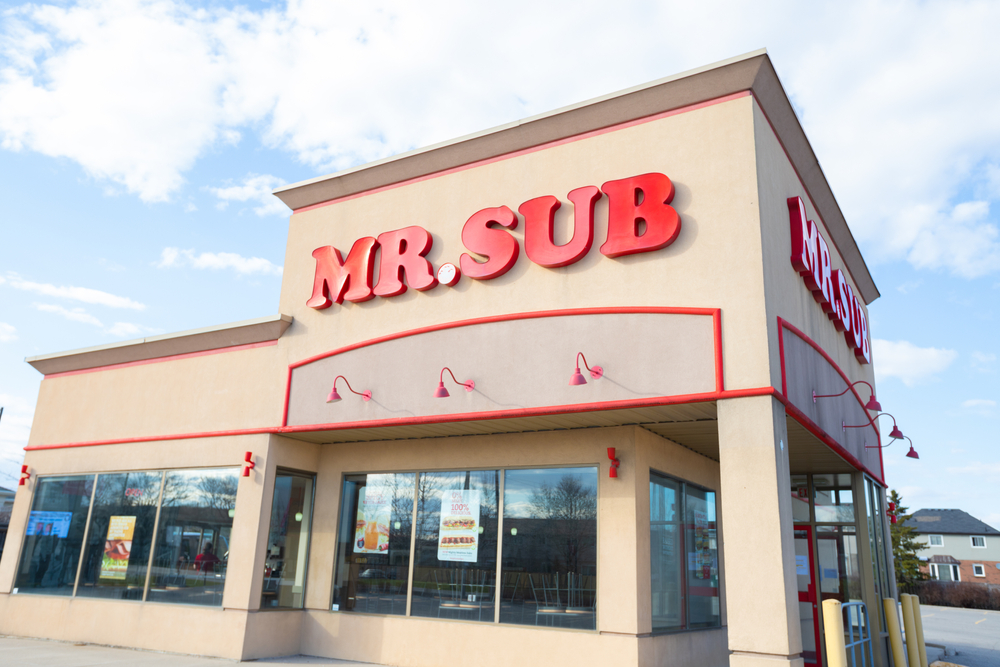
Although Mr. Sub still exists, many Canadians insist the chain’s original era — when it was called Mr. Submarine — was unmatched. The sandwiches were bigger, the toppings fresher, the bread softer, and the vibe more grassroots. It felt proudly Canadian, built by locals rather than global fast-food giants. As the brand shifted over the years, longtime fans felt something had changed. What people want back isn’t the modern version, but the old-school identity: the classic subs, the straightforward menu, and the mom-and-pop energy that got lost along the way.
Red Barn
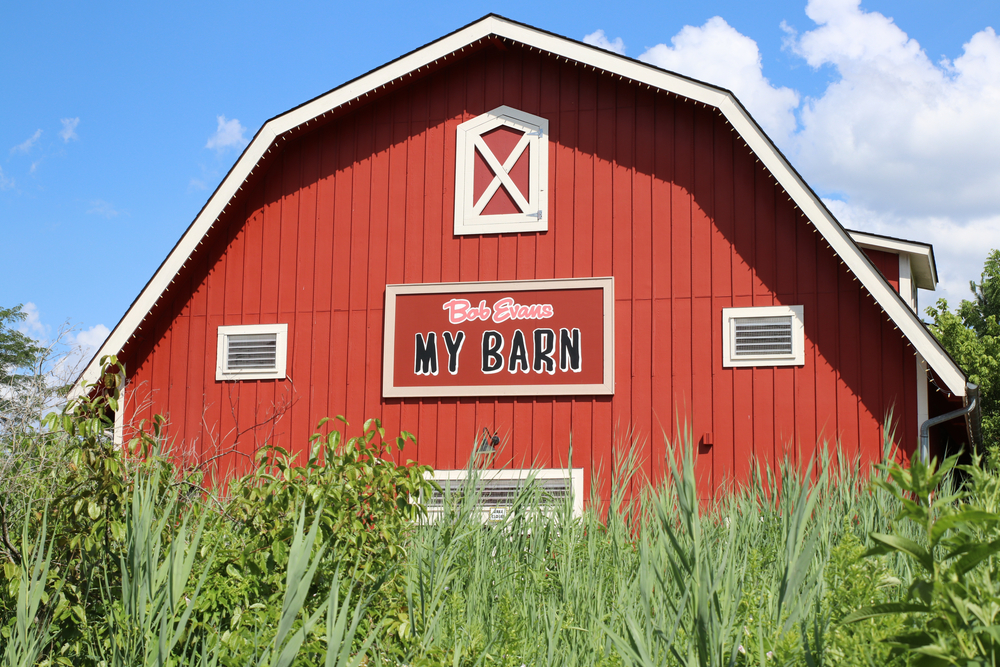
Red Barn was a fast-food chain with a distinctive barn-shaped building and a menu people still talk about decades later. Fried chicken, burgers, fries, and coleslaw were served in generous portions, and the chain’s mascots and theme gave it a playful farm-style identity long before branding became a science. The Barnbuster burgers and fried chicken buckets were cult favourites. When Red Barn disappeared, it left behind one of the strongest nostalgia legacies of any Canadian chain. Even people who never ate there recognize the red barn-shaped architecture in photos.
Ponderosa Steakhouse
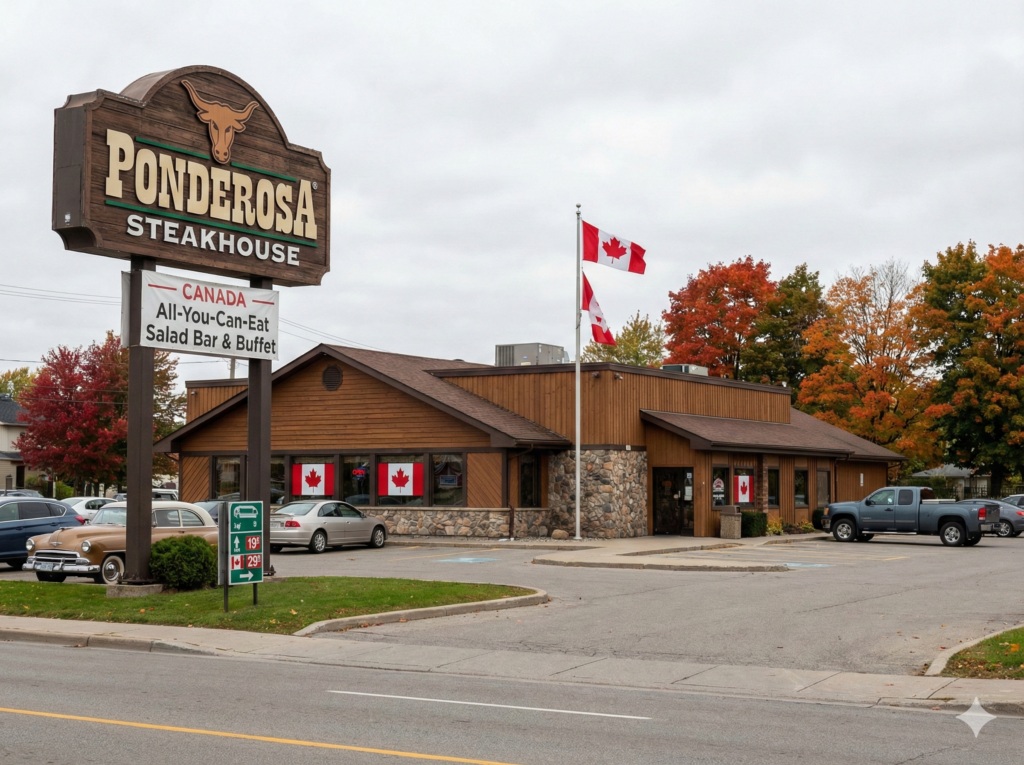
Ponderosa was beloved for its affordable steak plates and legendary buffet — a spread that included pasta, soups, salads, desserts, and endless sides. Canadians remember it as the quintessential Sunday family dinner spot: casual, warm, and reliable. It wasn’t trendy, but it was comforting in a way few restaurants achieve today. Kids felt like royalty building their own plates, and parents appreciated the value. As buffet culture faded and locations closed, Ponderosa quietly vanished. Yet decades later, Canadians still rank it among the top chains they’d resurrect instantly if given the chance.
21 Products Canadians Should Stockpile Before Tariffs Hit

If trade tensions escalate between Canada and the U.S., everyday essentials can suddenly disappear or skyrocket in price. Products like pantry basics and tech must-haves that depend on are deeply tied to cross-border supply chains and are likely to face various kinds of disruptions
21 Products Canadians Should Stockpile Before Tariffs Hit
