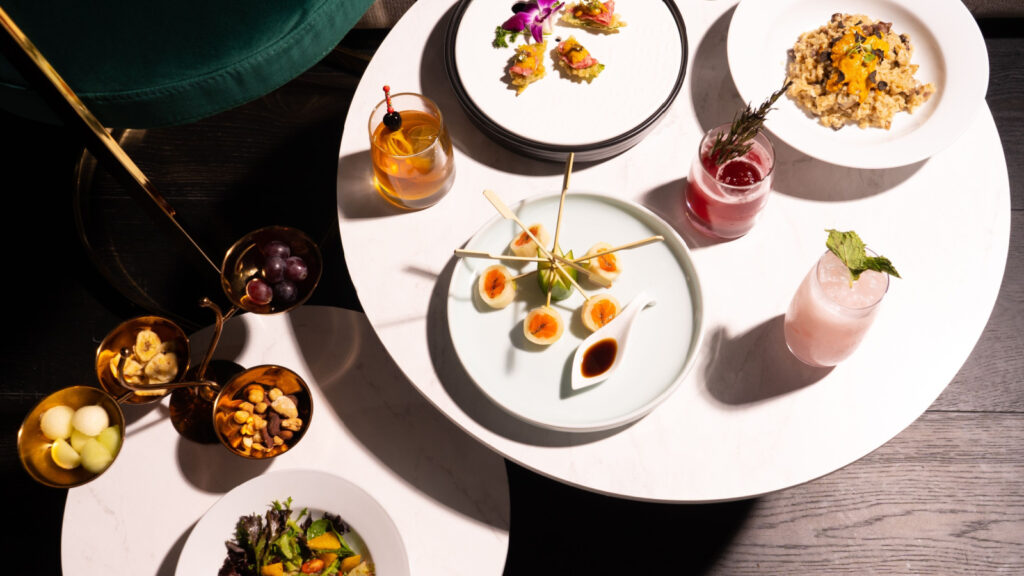
Dining out in Canada is changing in visible ways. Restaurants are adjusting menus, layouts, and service styles to match new expectations. Guests now look for flexibility, speed, and variety. Social habits and technology are shaping how meals are ordered and shared. Seasonal ingredients and creative drink options are also gaining attention. Even casual spots are experimenting with new formats. These shifts reflect changing lifestyles and food interests across the country. Here are 16 restaurant trends Canadians are seeing across the country in 2026.
Smaller, Shareable Plates
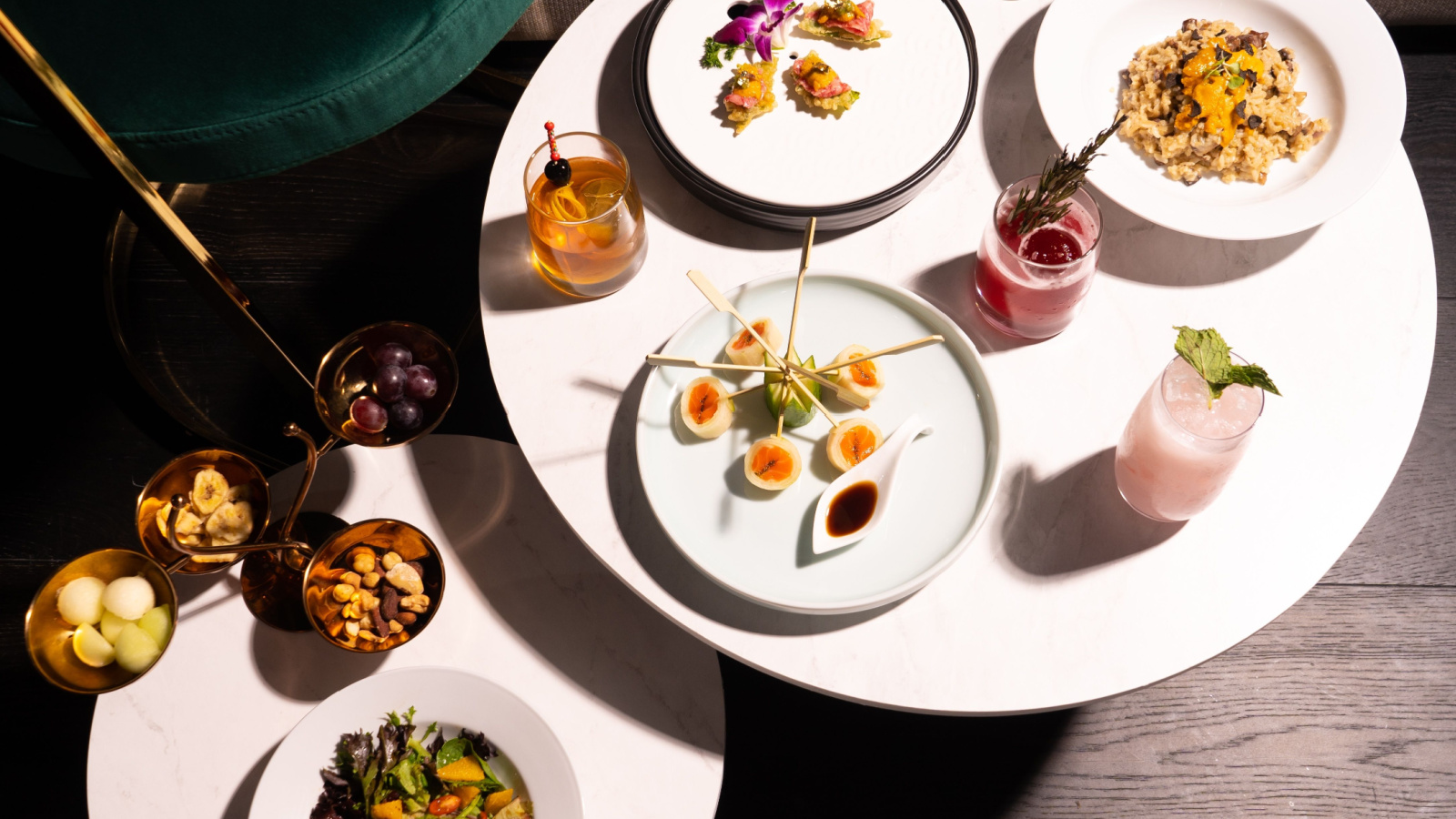
Restaurants across Canada are featuring smaller plates designed for sharing. This trend encourages guests to try more items in one visit. Instead of one large main course, tables order several dishes. The format feels social and flexible. Portions remain moderate, reducing food waste. Chefs often use these plates to showcase seasonal ingredients. Pricing also allows greater variety without a single high-bill item. Diners enjoy tasting different flavors and textures. It works well for groups with different preferences. Sharing creates a relaxed atmosphere at the table. Many restaurants design menus around this style, making it one of the most visible dining shifts in recent years.
Globally Inspired Comfort Food
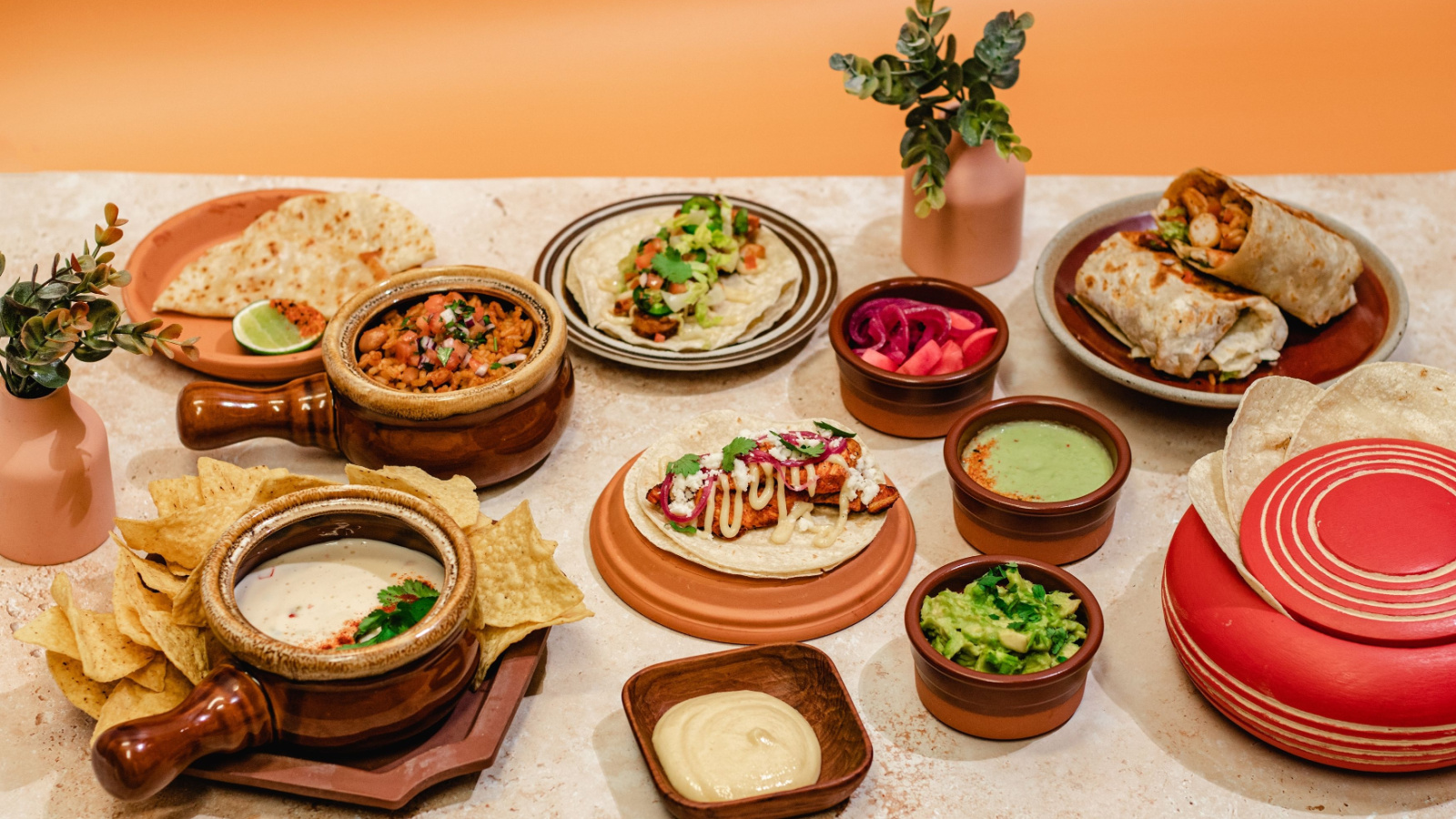
Comfort food menus in Canada are increasingly influenced by global trends. Familiar dishes now include spices and cooking styles from different cultures. Examples include Korean flavors in fried chicken or Indian spices in soups. The food still feels warm and filling. Chefs combine known textures with new seasonings. This approach attracts diners looking for variety without unfamiliar formats. It also reflects Canada’s diverse communities. Menus balance tradition with small changes. The goal is familiar comfort with added layers of flavor. Restaurants use this trend to stand out while keeping dishes approachable. It remains popular because it connects comfort with curiosity in a simple way.
Plant Forward Menu Options
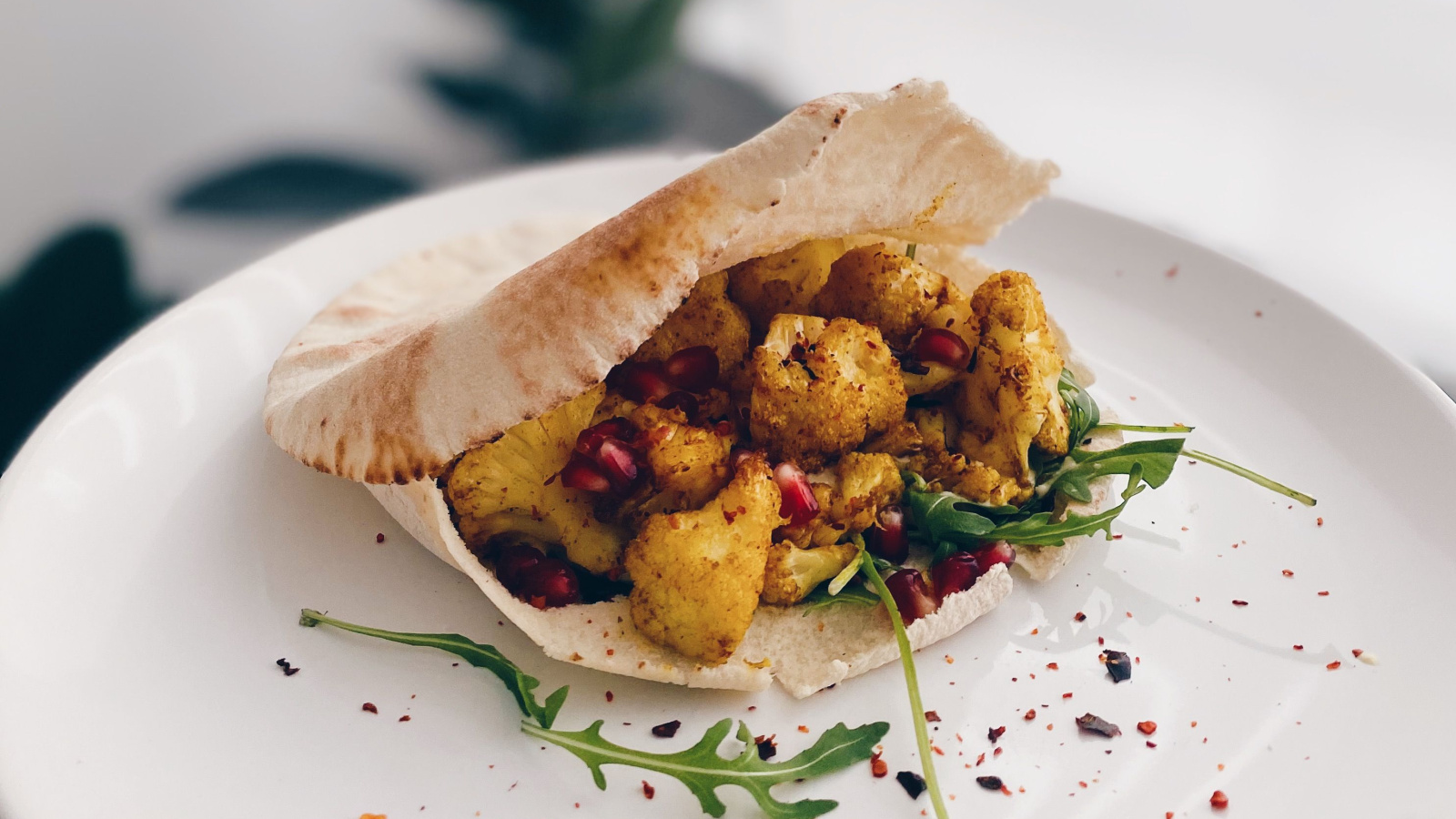
Plant-forward menus are expanding in Canadian restaurants. These dishes highlight vegetables, grains, and legumes as main elements. Meat may appear in smaller roles or not at all. The focus is on flavor and texture rather than restriction. Roasted vegetables, grain bowls, and bean-based dishes are common. This approach appeals to a wide range of diners. It supports those reducing meat without strict diets. Seasonal produce often shapes these offerings. Restaurants present these meals as satisfying, not secondary choices. The trend reflects interest in balanced eating patterns. Plant-forward options are now standard on many menus across the country.
Open Kitchen Concepts
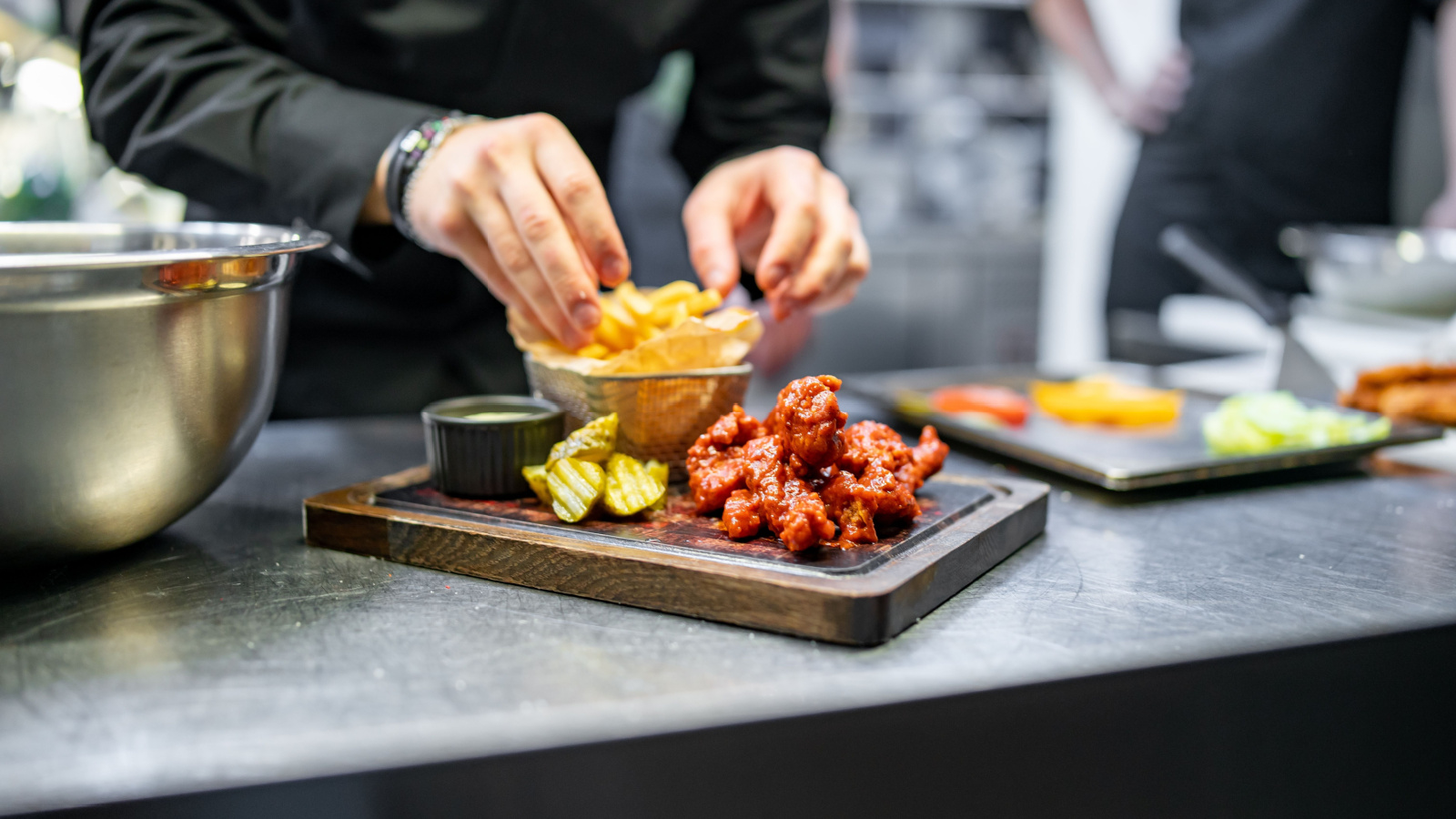
Open kitchen layouts are becoming more visible in Canadian dining spaces. Guests can see chefs preparing meals in real time. This setup creates a sense of transparency. It also adds energy to the dining room. Watching cooking techniques can feel engaging. Clean organization becomes part of the experience. Chefs often interact briefly with guests. The design encourages trust in food preparation. Noise and movement add to the atmosphere. Restaurants use this concept to make dining feel more interactive. It turns cooking into part of the setting rather than hidden work behind walls.
Seasonal and Local Ingredient Focus
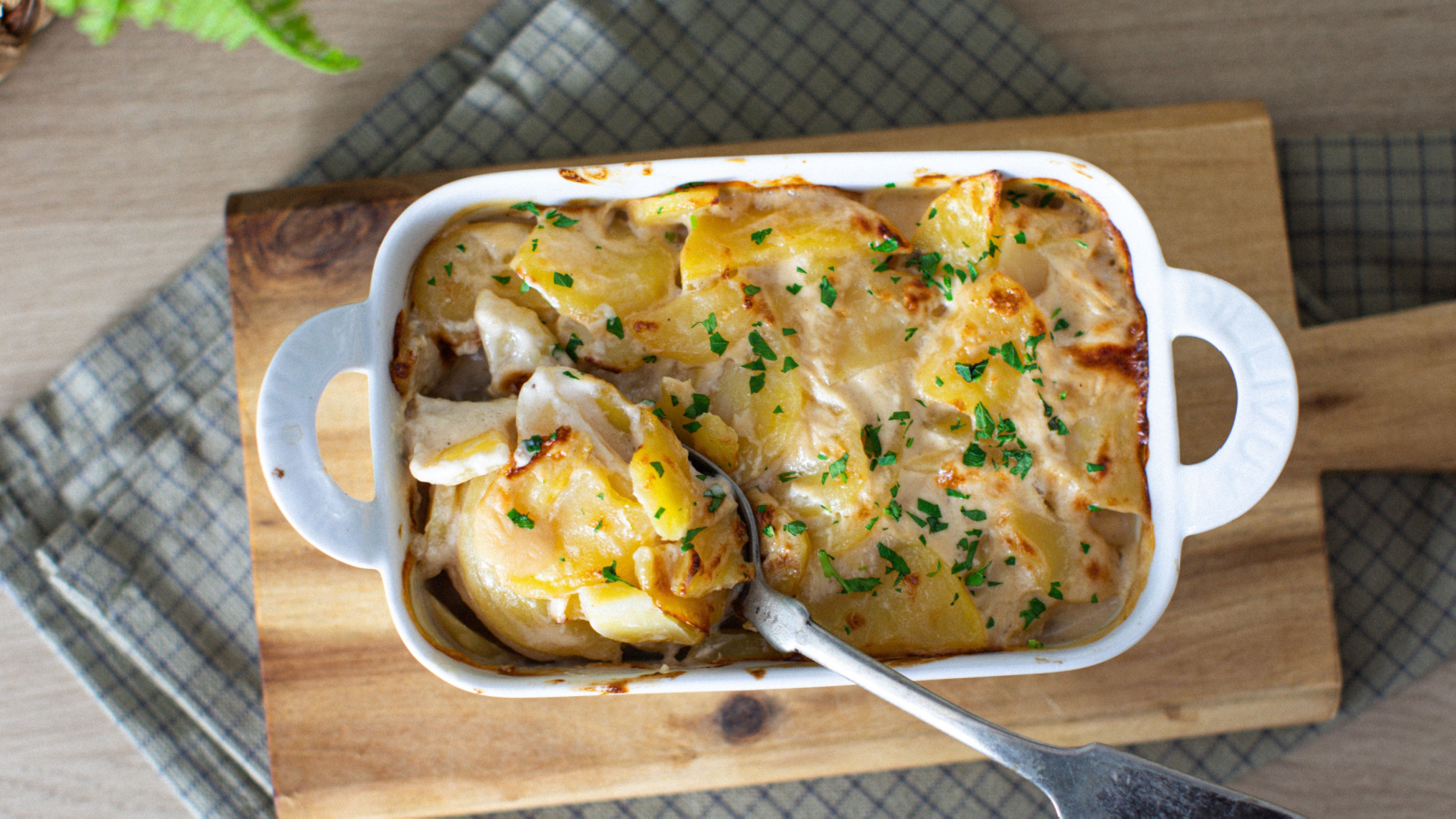
Many Canadian restaurants are focusing more on seasonal and local ingredients. Menus change as produce becomes available during the year. This approach supports nearby farms and suppliers. Ingredients often travel shorter distances, which helps maintain freshness. Chefs build dishes around what is currently in season. This can lead to rotating menu items. Diners often notice better flavor in peak-season produce. Local sourcing can also create stronger community ties. Restaurants highlight these ingredients directly on menus. The trend reflects interest in knowing where food comes from. Seasonal planning shapes both flavor and menu variety across many dining spots.
Alcohol Free Craft Drinks

Alcohol free craft drinks are becoming common on Canadian menus. These beverages use the same creativity as cocktails. Ingredients may include herbs, fruit, and flavored syrups. Presentation often mirrors traditional mixed drinks. This gives non alcohol options equal attention. More diners are choosing drinks without alcohol. Restaurants respond by expanding these selections. These drinks suit people who want flavor without alcohol effects. The trend also supports inclusive social settings. Menus now list several choices beyond soda or juice. Creative preparation makes these beverages feel special rather than basic. Alcohol free craft drinks are now part of the full dining experience.
Tech-Enabled Ordering at Tables
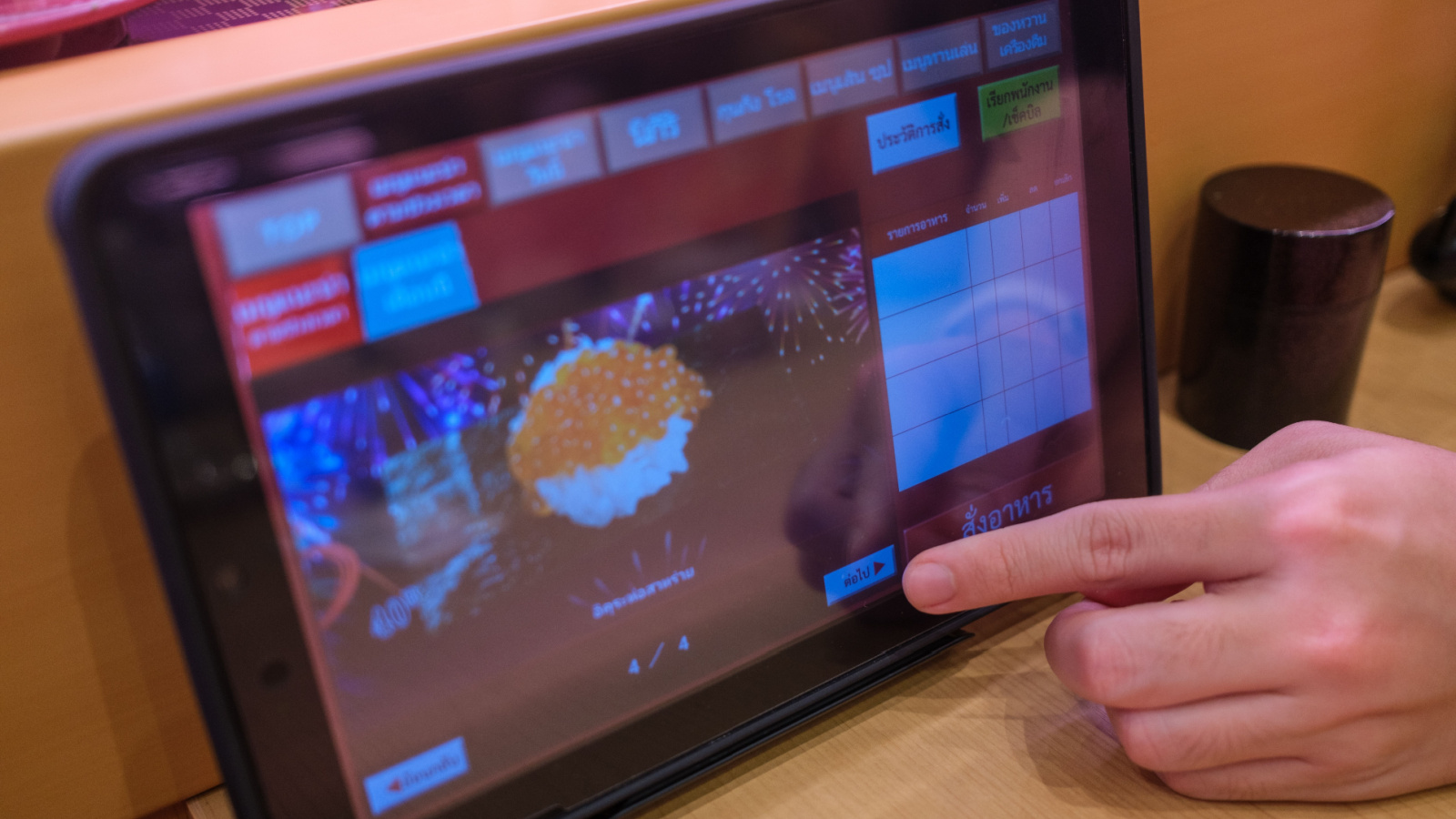
Technology at restaurant tables is becoming more visible in Canada. Some places use tablets or QR codes for ordering. Guests can view menus and place requests directly. This reduces wait time for staff interaction. Digital systems can show photos and details of dishes. Bills may also be paid through the same device. Staff still assist when needed. The system aims to improve efficiency during busy hours. It can also reduce paper menus. Some diners enjoy the speed and control. Others prefer traditional service. Restaurants often combine both methods to suit different preferences. Technology now plays a larger role in everyday dining.
Fusion Street Food Menus
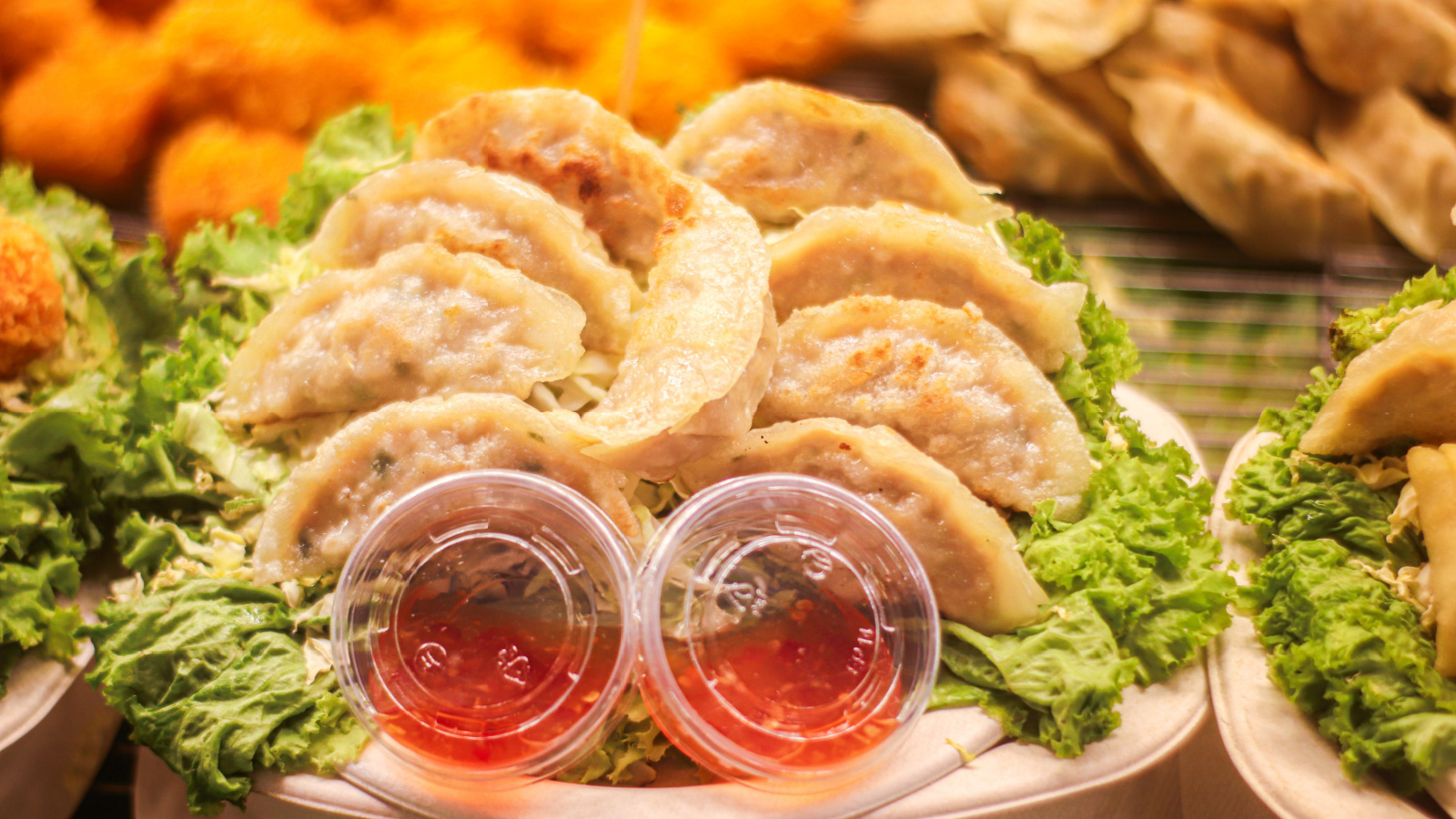
Fusion street food is appearing more often in Canadian restaurants. These menus combine casual street-style dishes with mixed culinary influences. Examples include tacos with Asian flavors or burgers with global spices. The format stays informal and easy to eat. Chefs experiment with sauces and toppings. Portions are often handheld or shareable. This style attracts diners looking for bold flavors. It reflects Canada’s multicultural food scene. Restaurants use fusion to offer something familiar yet different. Street food inspiration keeps the menu relaxed. Creative combinations help these dishes stand out while staying approachable for a wide range of guests.
Elevated Fast Casual Dining

Fast casual dining in Canada is shifting toward higher-quality ingredients and presentation. These restaurants still offer quick service, yet the food feels more refined. Menus often include fresh produce and made-to-order items. The dining spaces look modern and comfortable. Prices remain below those of full-service restaurants. Customers appreciate the balance of speed and quality. Many locations focus on clear, limited menus. This helps maintain consistency. Guests can eat quickly without feeling rushed. The trend suits busy urban areas. Elevated fast casual spots fill the gap between takeout and formal dining, making them a common choice across cities.
House-Made Sauces and Condiments
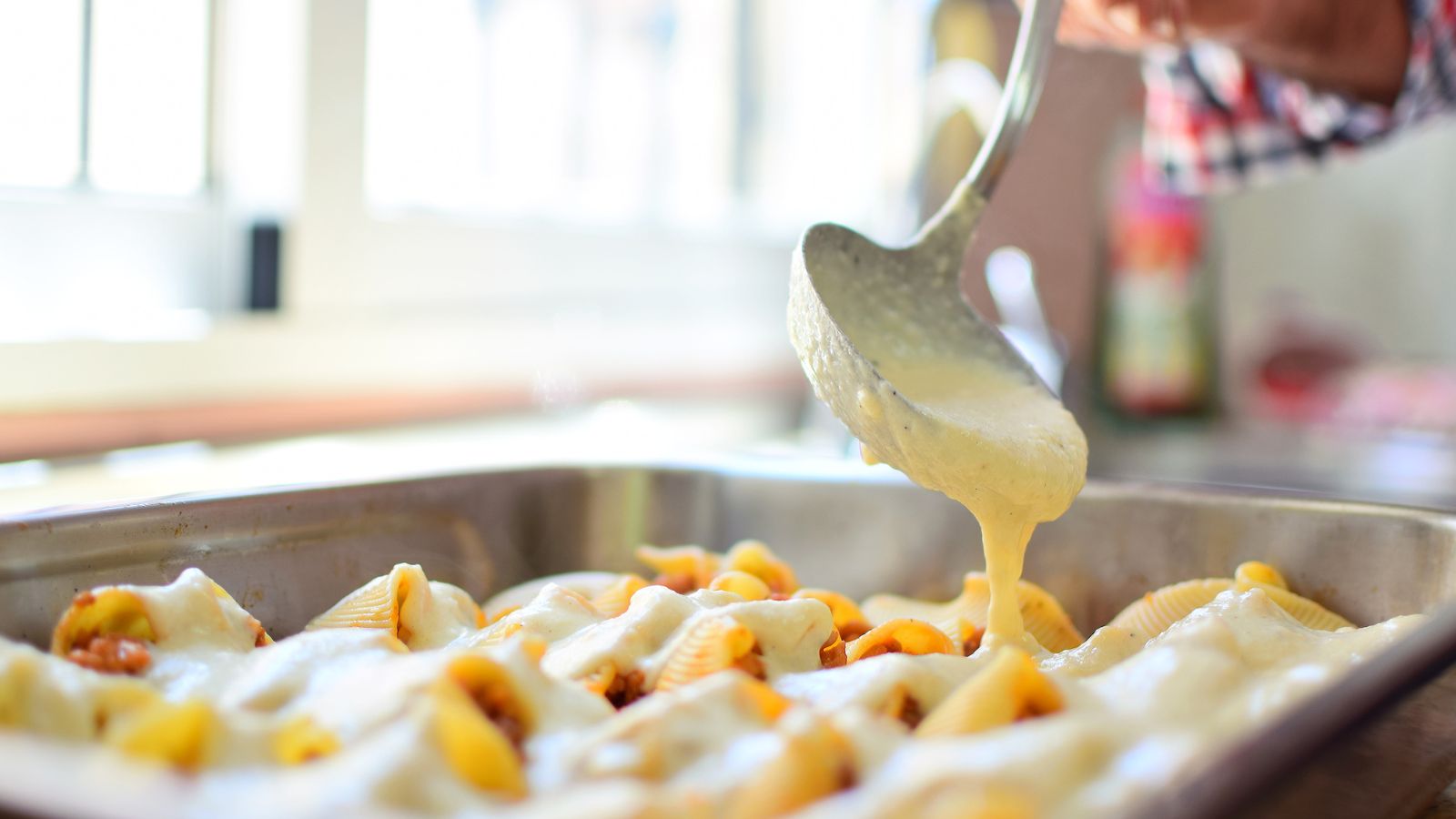
More Canadian restaurants are preparing sauces and condiments in-house. This adds a distinct flavor to familiar dishes. Items like ketchup, aioli, or hot sauce may be made on site. Chefs use these elements to define their menu style. House-made options can highlight seasonal ingredients. Diners often notice the difference in taste. Restaurants may describe these sauces on the menu. It adds a sense of care in preparation. These small details can shape the overall meal experience. The focus on in-house components reflects interest in freshness and originality. Sauces now play a bigger role in menu identity.
Minimalist Menu Designs
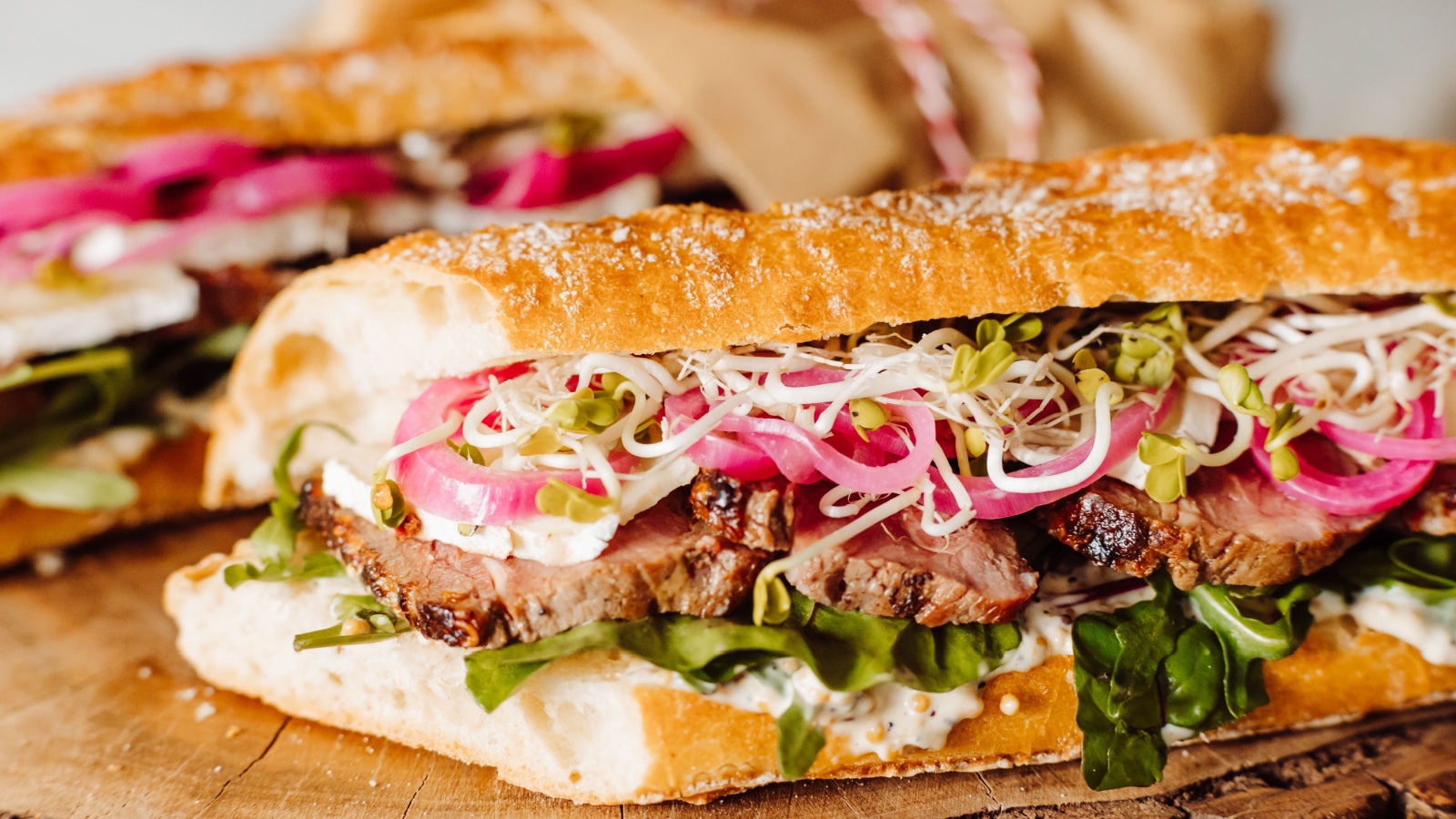
Minimalist menus are becoming more common in Canadian restaurants. These menus list fewer dishes with clear descriptions. The approach helps kitchens focus on quality. Fewer choices can speed up decision-making for guests. Seasonal changes may appear more often. Restaurants reduce waste by narrowing selections. Design often uses simple layouts and clean fonts. The focus stays on key ingredients. This style supports efficient service during busy times. Diners may feel less overwhelmed. Minimalist menus reflect a shift toward clarity and thoughtful planning rather than large, crowded lists of options.
Dessert Flights and Samplers

Dessert flights are showing up more frequently on Canadian menus. These options offer small portions of several sweets on one plate. Guests can taste different flavors without ordering full servings. This suits groups who want to share. It also appeals to people who prefer variety. Presentation often highlights color and texture differences. Restaurants use flights to showcase signature desserts. Seasonal treats may appear in these selections. The format feels social and interactive. Diners enjoy sampling more than one style. Dessert flights have become a popular way to end meals while keeping portions moderate and engaging.
Interactive Dining Experiences

Interactive dining is becoming more common in Canadian restaurants. Guests take part in some part of the meal. This may include cooking at the table or choosing ingredients. The experience adds activity to dining out. It works well for groups and celebrations. People enjoy watching food being finished in front of them. This style creates conversation and shared moments. Restaurants use it to stand out in busy markets. Staff often guide the process clearly. Safety and timing remain important. The focus is on involvement rather than only serving. Interactive dining turns the meal into an experience, not just a plate brought to the table.
Sustainable Packaging for Takeout
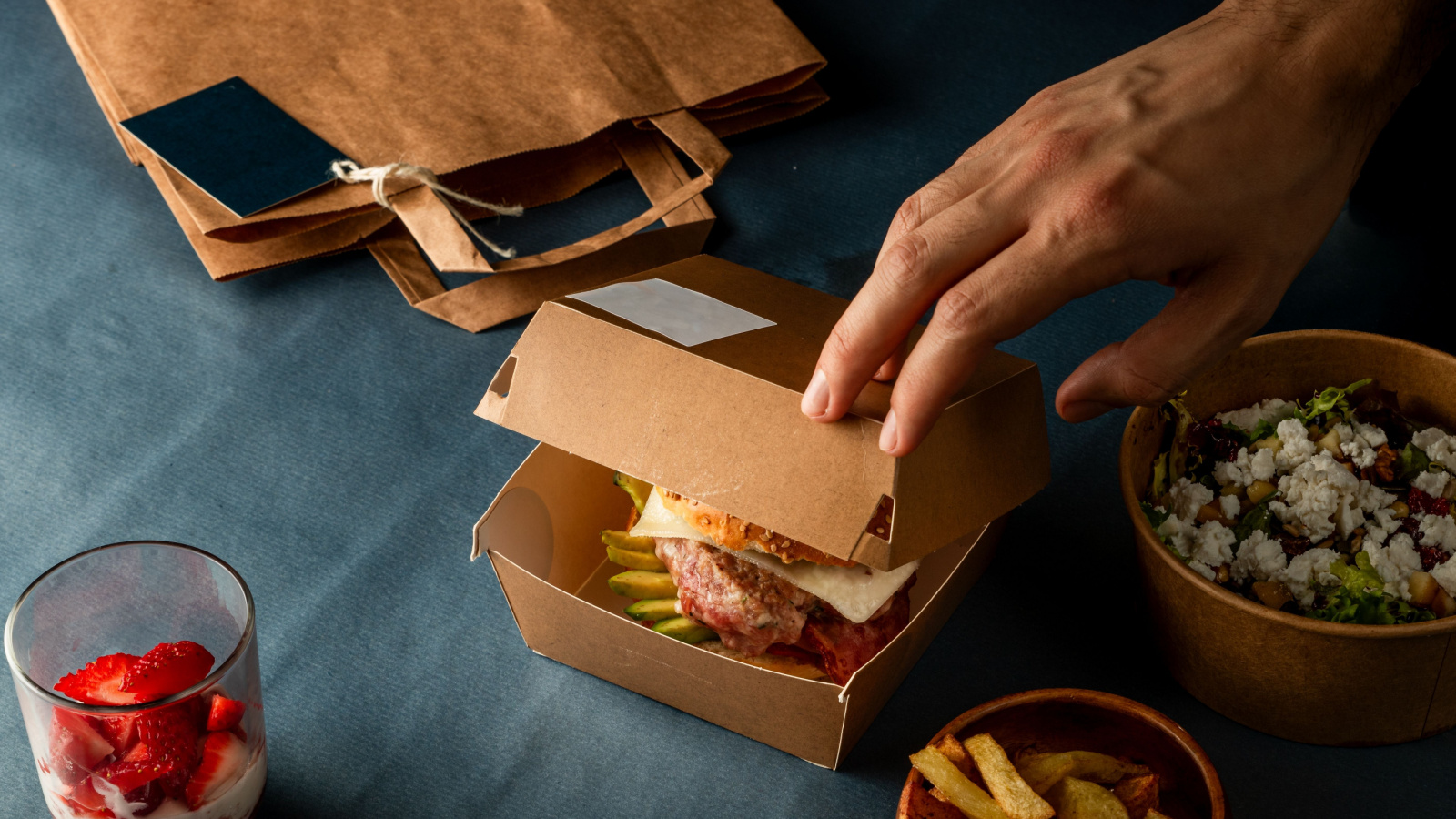
Takeout packaging is changing in many Canadian restaurants. Businesses are choosing materials that reduce environmental impact. Containers may be compostable or recyclable. This shift responds to customer concerns about waste. Restaurants also reduce extra packaging where possible. Clear labeling helps guests sort materials properly. Some locations offer incentives for reusable containers. The trend reflects growing attention to responsible practices. Packaging now forms part of the brand image. It shows care beyond the food itself. As takeout remains popular, sustainable options are becoming standard rather than rare.
Chef Tasting Menus at Casual Spots
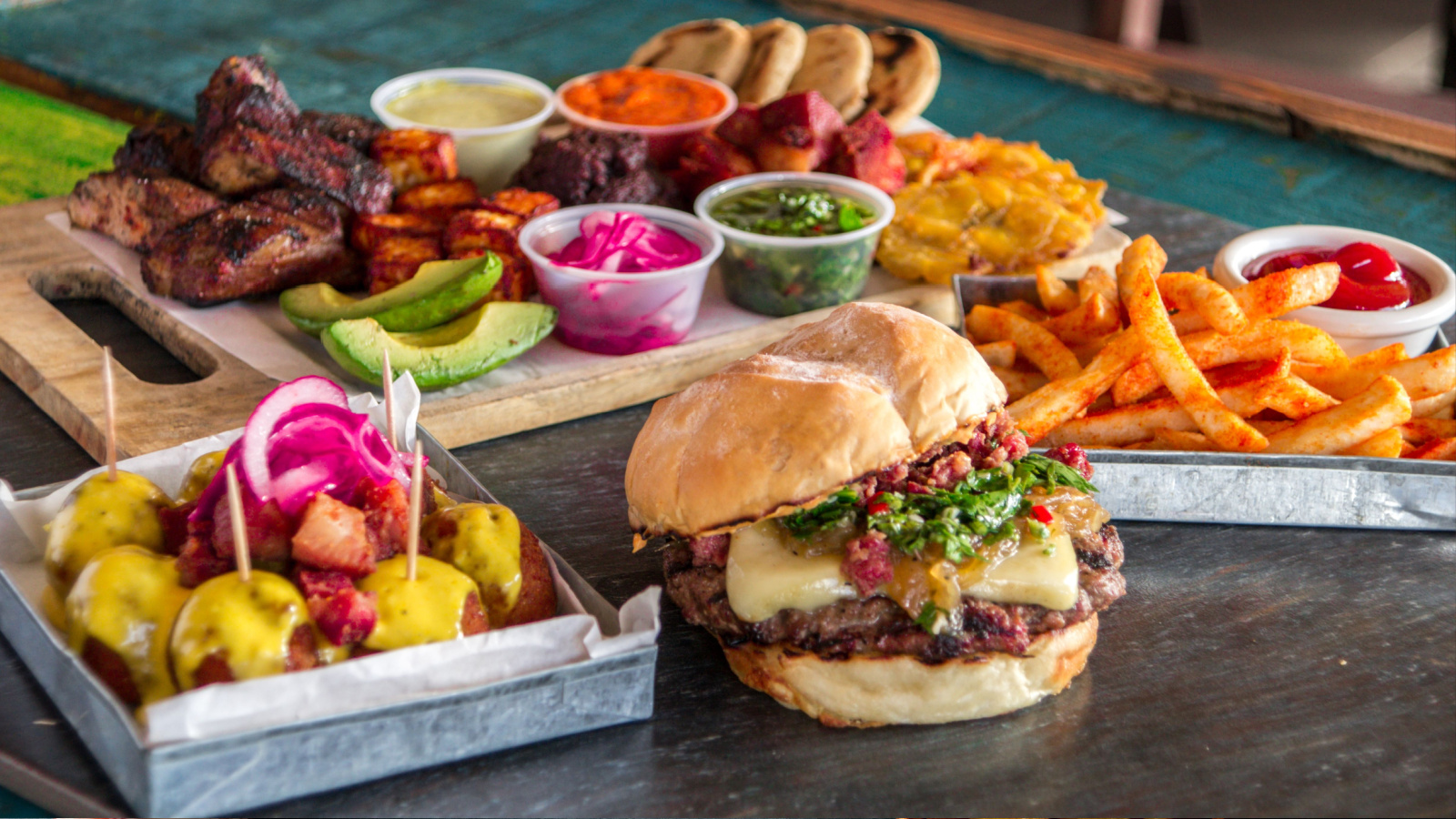
Chef tasting menus are no longer limited to formal dining rooms. Casual restaurants in Canada are offering smaller tasting experiences. These menus feature several courses in a set order. Portions are moderate, allowing variety within a single meal. The setting remains relaxed, not formal. Chefs use this format to show creativity. Prices remain more accessible than those for fine-dining versions. Guests enjoy trying multiple dishes without choosing each one. The experience feels guided yet comfortable. This trend brings structured tasting into everyday dining spaces, making it more widely available.
Breakfast for Dinner Offerings
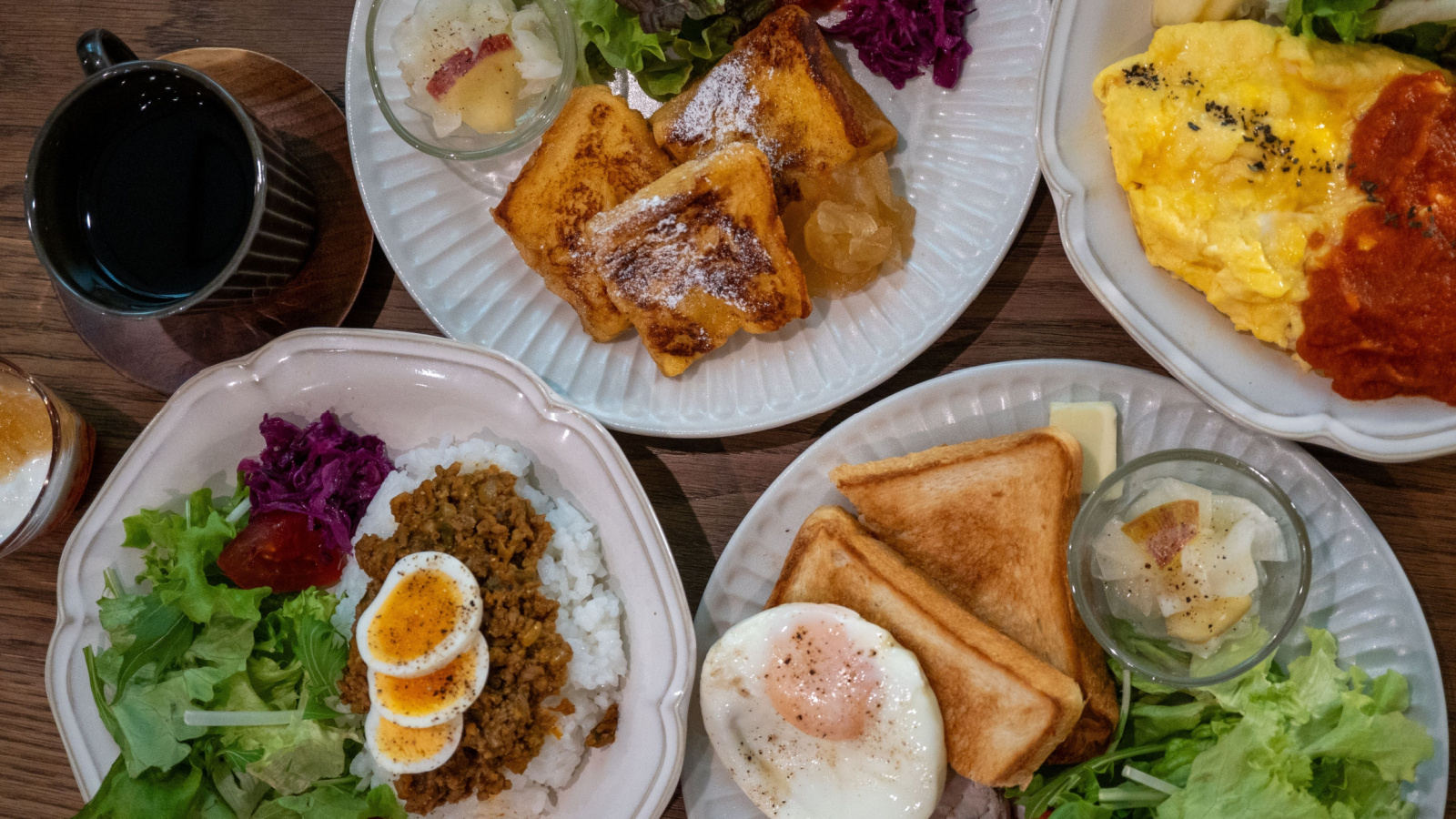
Breakfast for dinner is appearing more often on Canadian menus. Familiar morning dishes are now available in evening service. Items may include eggs, pancakes, or breakfast sandwiches. These foods feel comforting and familiar. Restaurants present them in creative ways. The format appeals to guests wanting lighter evening meals. It also adds variety to traditional dinner options. Breakfast flavors often feel less heavy than typical mains. This trend fits casual dining settings well. Offering breakfast items at night gives restaurants flexible menu options while meeting demand for simple, recognizable meals.
22 Groceries to Grab Now—Before another Price Shock Hits Canada

Food prices in Canada have been steadily climbing, and another spike could make your grocery bill feel like a mortgage payment. According to Statistics Canada, food inflation remains about 3.7% higher than last year, with essentials like bread, dairy, and fresh produce leading the surge. Some items are expected to rise even further due to transportation costs, droughts, and import tariffs. Here are 22 groceries to grab now before another price shock hits Canada.
22 Groceries to Grab Now—Before another Price Shock Hits Canada
