
When spring arrives across Canada, hair salons begin noticing a clear shift in the types of colour requests clients bring to their stylists. After months of winter weather that leaves hair dry, hidden beneath hats, and exposed to indoor heating, many people look for a refresh that feels lighter and healthier. Rather than bold transformations, Canadians are increasingly asking for colours that appear soft, natural, and quietly luxurious. Stylists often describe these shades as “expensive looking” because they focus on shine, dimension, and seamless blending rather than dramatic contrast. The goal is to enhance natural tones while creating subtle brightness that reflects the longer days of spring. Here are 16 spring hair colour trends Canadians are asking for.
Soft Honey Blonde

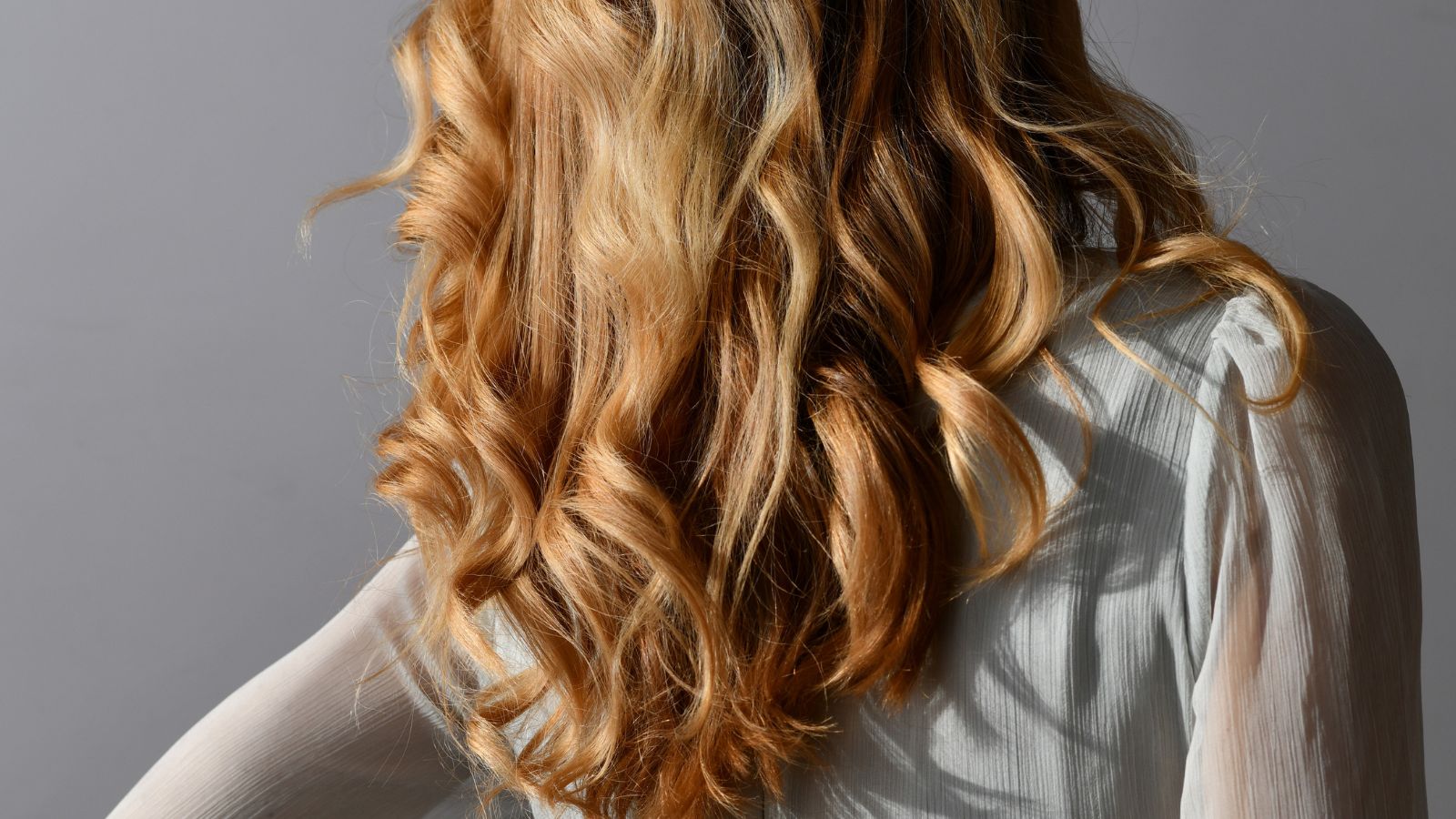
Soft honey blonde continues to dominate spring salon requests across Canada because it provides warmth without appearing overly bright or artificial. The shade sits comfortably between golden blonde and light caramel, creating a natural-looking glow that flatters many different skin tones. Stylists often achieve this colour using balayage or delicate highlight techniques that blend seamlessly with the client’s natural hair. Instead of colouring the entire head a single tone, the stylist paints lighter honey strands through the hair to create movement and depth. This technique allows darker roots to remain slightly visible, which helps the colour grow out naturally between appointments. Canadians appreciate this feature because it reduces the need for frequent touch-ups.
Expensive Brunette
The “expensive brunette” trend has become one of the most talked about hair colour styles during the past few seasons. Instead of drastically lightening brunette hair, this trend focuses on enhancing natural brown shades to appear richer and healthier. Stylists often achieve the look by adding ultra-fine highlights, gloss treatments, and subtle tonal variation throughout the hair. These techniques create depth and dimension while maintaining the overall brunette base. The final colour appears glossy and multi-dimensional rather than flat. Canadians often choose this style because it requires less maintenance than blonde shades, which can demand frequent salon visits. Expensive brunette colours typically include chocolate, mocha, or espresso tones that reflect light beautifully.
Beige Blonde

Beige blonde has become a go-to shade for Canadians who want a lighter colour that remains soft and balanced. Unlike traditional blonde tones that lean strongly warm or cool, beige blonde sits in the middle with neutral undertones. This balance helps the colour complement a wide range of complexions while avoiding harsh contrast. Stylists often recommend beige blonde for clients transitioning gradually from darker hair toward lighter shades. The neutral tone helps soften the change without creating an overly dramatic effect. Achieving the colour usually involves a blend of highlights and toning treatments that remove unwanted yellow or brassy tones. The finished shade appears creamy, smooth, and naturally luminous.
Caramel Ribbon Highlights

Caramel ribbon highlights create a beautiful effect that resembles thin streams of warm light flowing through darker hair. Instead of traditional chunky highlights, stylists paint narrow caramel strands throughout the hair to create softness and movement. These highlights blend seamlessly with natural brunette bases, which allows the colour to appear subtle and sophisticated. The caramel tones often contain hints of golden brown or amber, which brighten the overall hairstyle without overpowering it. Canadians frequently request caramel ribbon highlights because they enhance natural hair colour rather than completely replace it. Stylists often concentrate these highlights around the face and mid-lengths of the hair to create brightness that frames facial features. When sunlight hits the hair, the caramel strands shimmer gently, creating a multidimensional effect. The overall look feels warm, natural, and elegant.
Soft Mushroom Brown
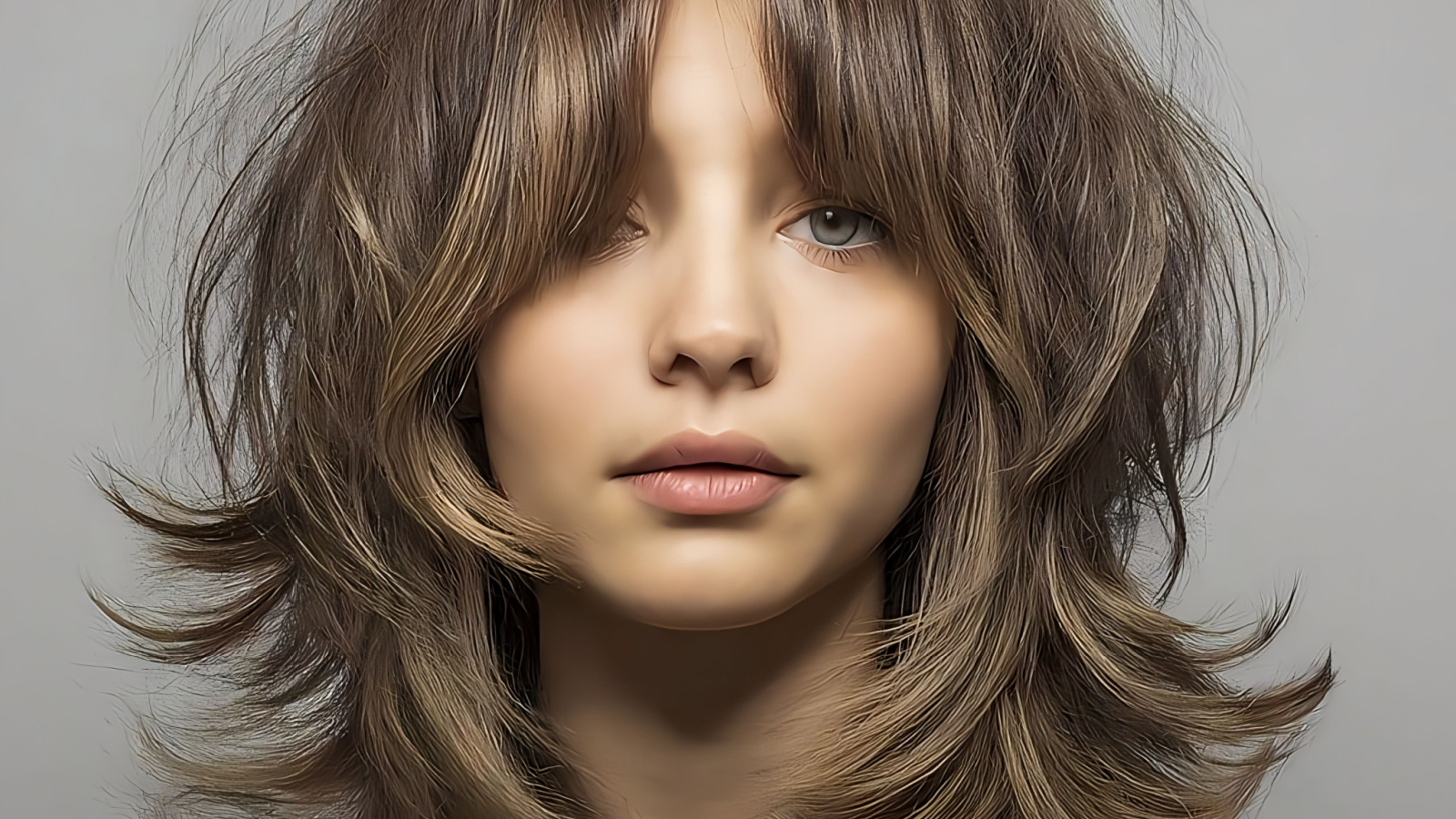
Soft mushroom brown has become a popular option for Canadians who prefer cooler-toned hair colours. The shade combines ash brown with muted grey undertones to create a subtle smoky appearance. Unlike extremely cool platinum shades, mushroom brown remains soft and natural-looking. Stylists usually create the colour by blending cool highlights with the client’s natural base colour using balayage techniques. This process creates a gradual transition between tones that appears effortless and modern. Canadians often choose mushroom brown when they want to reduce warmth or brassiness in darker hair colours. The shade pairs beautifully with layered hairstyles because the hair’s movement reveals different cool tones throughout the strands.
Strawberry Blonde

Strawberry blonde continues to gain popularity during spring because it captures both warmth and brightness. The shade blends soft blonde with delicate copper or rose undertones to create a luminous effect. Many Canadians choose strawberry blonde when they want a slightly warmer alternative to traditional blonde colours. Stylists often build the shade gradually by layering copper-toned glosses over lighter blonde highlights. This careful process ensures the colour remains balanced rather than appearing overly red. The warmth of strawberry blonde reflects sunlight beautifully, which makes it especially flattering during spring and summer. People with fair or neutral skin tones often find this colour enhances their natural complexion.
Champagne Blonde

Champagne blonde offers a refined version of light blonde hair that feels elegant rather than flashy. The colour combines pale blonde with subtle beige and cool silver undertones, resembling the soft shimmer of champagne. This blend creates brightness while maintaining a smooth, polished appearance. Canadians often choose champagne blonde when they want a lighter colour that still feels sophisticated and natural. Stylists usually achieve the shade by carefully toning highlighted hair to remove unwanted yellow pigments. The result produces a soft, creamy blonde tone that reflects light evenly. Champagne blonde pairs beautifully with loose waves or layered cuts that emphasize dimension. The shade often appears luminous in natural sunlight, making it especially popular during the spring months leading into summer.
Warm Maple Brown

Warm maple brown draws inspiration from the rich golden tones associated with Canada’s iconic maple colours. The shade blends medium brown with hints of amber, honey, and soft gold, creating a warm and inviting appearance. Stylists often use balayage techniques to introduce these maple tones gradually throughout the hair. This approach creates a natural transition between colours that resembles sunlight filtering through autumn leaves. Canadians appreciate how maple brown enhances natural brunette hair without requiring a dramatic colour change. The warmth also complements many skin tones and adds brightness to complexions that may appear dull after winter. When sunlight hits the hair, the golden undertones create a soft glow that feels perfectly suited for the brighter days of spring.
Buttery Blonde
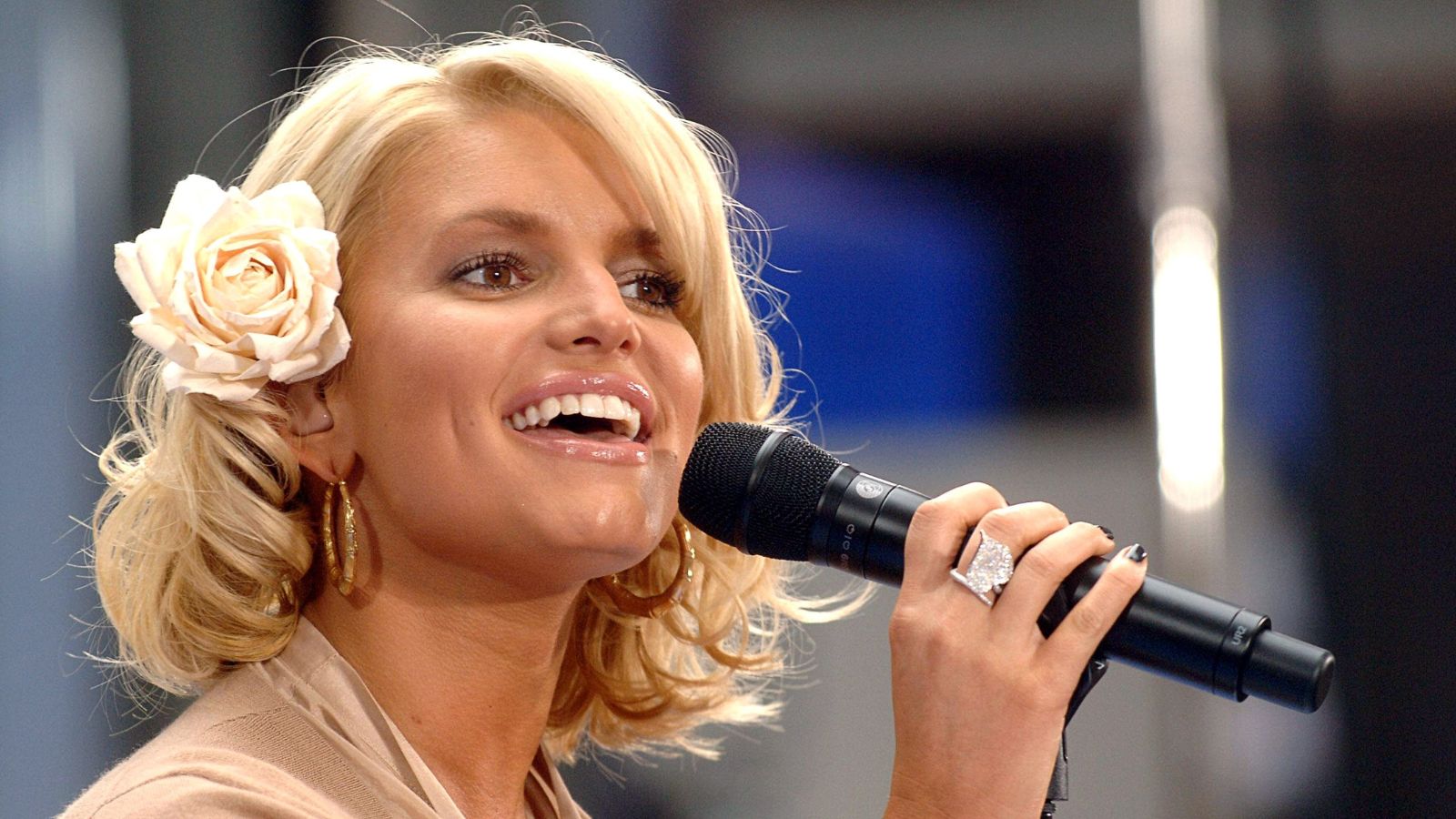
Buttery blonde has become a favourite spring shade for Canadians who want brightness without the icy cool tones associated with platinum blonde. This colour blends creamy golden blonde with soft, warm undertones, creating a smooth, luminous appearance. Stylists often achieve buttery blonde through layered highlights and gentle toning treatments that soften harsh yellow pigments while keeping the warmth intact. The result looks rich and glossy rather than overly processed. Canadians appreciate how buttery blonde reflects natural sunlight beautifully, making it especially flattering for outdoor activities and social gatherings. Another advantage of this colour is that it pairs well with natural root shadows, allowing the hair to grow out gracefully between salon visits.
Sun-Kissed Balayage

Sun-kissed balayage continues to remain one of the most requested colouring techniques across Canadian salons during spring. The style aims to recreate the natural lightning effect that occurs when hair is exposed to sunlight over time. Stylists paint lighter strands gradually through the hair using freehand techniques that avoid harsh lines. The highlights typically appear around the face and through the mid-lengths, which creates brightness without overwhelming the natural base colour. Canadians appreciate sun-kissed balayage because it creates a soft, effortless look that requires minimal maintenance. The colour grows out naturally while maintaining dimension and movement.
Cinnamon Brunette

Cinnamon brunette blends warm brown tones with subtle red undertones that resemble the rich colour of cinnamon spice. The shade adds warmth and vibrancy to natural brunette hair without becoming dramatically red. Stylists often create this colour by layering copper-toned glosses over medium brown bases. The warmth helps bring life back into hair that may appear dull after the winter months. Canadians frequently request cinnamon brunette when they want a seasonal refresh that still looks natural and professional. The colour reflects sunlight beautifully and pairs well with soft waves or textured hairstyles. The overall effect is cozy and sophisticated while still capturing the brightness of spring.
Creamy Vanilla Blonde

Creamy vanilla blonde offers a soft alternative to bright platinum shades. The colour combines pale blonde tones with hints of beige and ivory to create a smooth, balanced appearance. Stylists typically achieve the shade by lifting hair carefully and applying toners that neutralize brassiness while maintaining warmth. Canadians often request creamy vanilla blonde because it brightens the face while remaining gentle and natural-looking. The shade pairs beautifully with long layers and loose waves that highlight the colour’s dimension. The result feels elegant and polished without appearing overly dramatic. Many stylists consider this colour ideal for clients who want a fresh spring transformation that still looks timeless.
Face Framing Highlights

Face framing highlights have become one of the most popular techniques for clients seeking subtle brightness. Instead of colouring the entire head, stylists focus on placing lighter strands around the front sections of the hair. These highlights frame the face and create the illusion of natural sunlight reflecting through the hair. Canadians appreciate this trend because it offers noticeable brightness while remaining low-maintenance. The technique works well with many base colours, including brunette, blonde, and red shades. Face-framing highlights also complement layered haircuts, allowing lighter pieces to stand out. The overall result appears soft, modern, and effortlessly polished.
Glossy Chocolate Brown

Glossy chocolate brown remains a timeless choice for Canadians who prefer deeper hair colours. This trend focuses less on dramatic colour change and more on improving shine and richness. Stylists achieve the look by applying gloss treatments and subtle tonal variations within the brown palette. The hair appears healthier and more dimensional without becoming overly dark. Chocolate brown shades often include hints of mocha or espresso tones that catch the light beautifully. Canadians frequently choose this colour because it complements many complexions and grows out naturally between salon visits. The result feels luxurious while still maintaining a classic appearance.
Golden Bronde

Golden bronde blends brunette and blonde tones to create a balanced colour that sits between the two shades. The term “bronde” reflects this hybrid effect where darker roots transition into warm golden highlights. Canadians often request this colour when they want brightness without fully committing to blonde hair. Stylists usually achieve golden bronde through balayage techniques that paint soft golden strands through a brunette base. The colour works especially well for clients who want a natural-looking transition into lighter spring tones. The mix of shades adds dimension and movement while maintaining a relaxed appearance. Golden bronde feels effortless yet refined, making it a popular choice before summer.
Natural Root Shadow

Natural root shadow has become a defining element of modern hair colouring techniques. Instead of creating a single uniform shade, stylists intentionally keep the roots slightly darker than the rest of the hair. This approach allows highlights and lighter tones to blend gradually from the roots to the ends. Canadians appreciate this trend because it reduces the need for frequent salon appointments. As the hair grows, the darker root continues to blend naturally with the lighter lengths. Stylists often combine root shadow with balayage or soft highlights to create depth and dimension. The result appears natural, polished, and low-maintenance.
19 Things Canadians Don’t Realize the CRA Can See About Their Online Income

Earning money online feels simple and informal for many Canadians. Freelancing, selling products, and digital services often start as side projects. The problem appears at tax time. Many people underestimate how much information the CRA can access. Online platforms, banks, and payment processors create detailed records automatically. These records do not disappear once money hits an account. Small gaps in reporting add up quickly.
Here are 19 things Canadians don’t realize the CRA can see about their online income.
