
Wellness habits in Canada are shifting toward routines that feel practical and repeatable. People are testing small changes rather than extreme programs. Many of these trends blend technology, movement, and daily rituals. Some may sound unusual at first, yet they fit easily into regular schedules. The focus is on habits that support rest, focus, and comfort. Canadians often choose options that require little equipment or time. Short sessions and simple tools are leading the way. The goal is steady improvement rather than dramatic results. Here are 16 wellness trends Canadians are trying in 2026 (some are weirdly legit).
Cold Plunges at Home
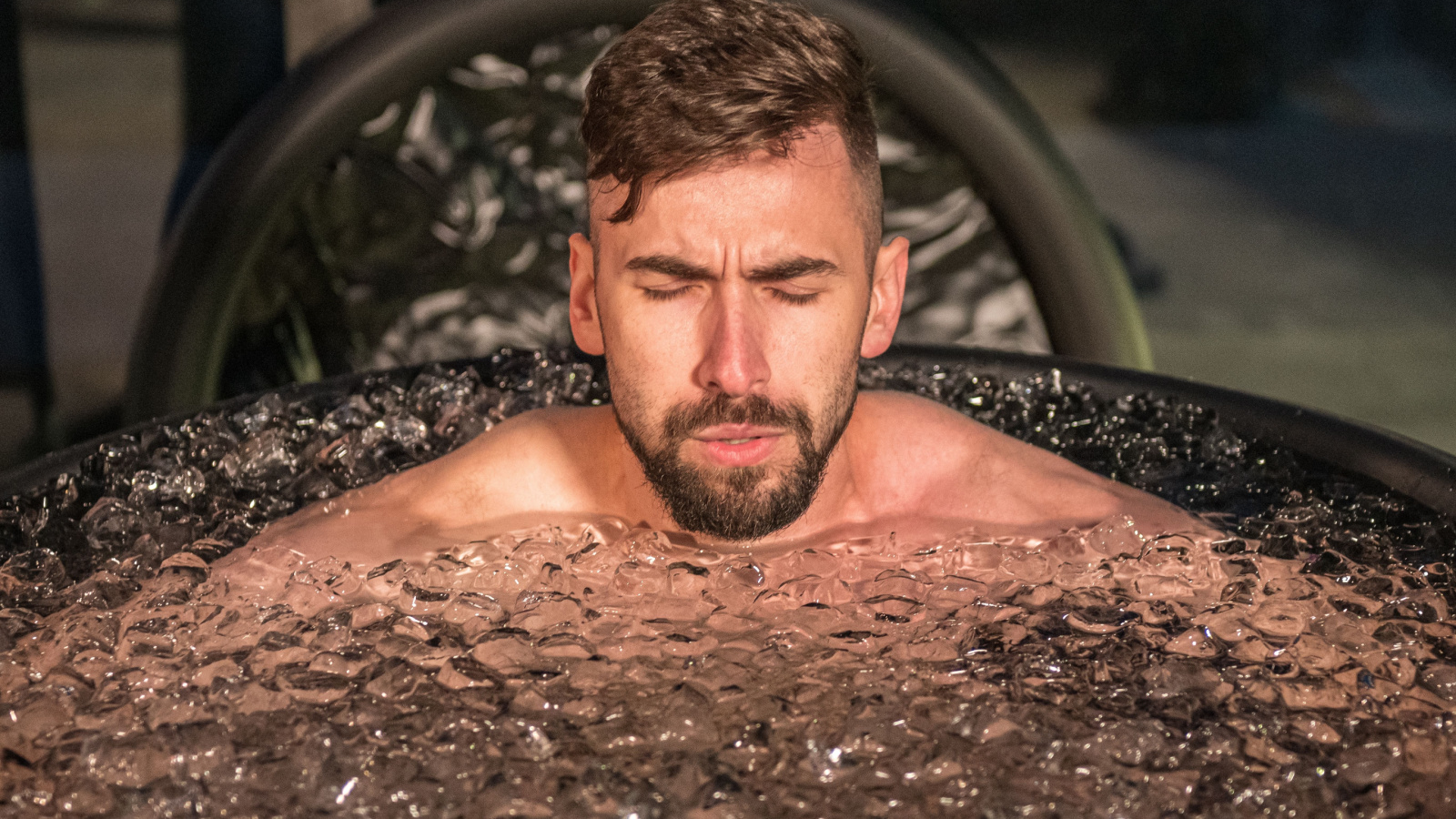
Cold plunges are gaining attention among Canadians interested in wellness routines. Some people use home tubs or cold showers instead of spa visits. Short exposure to cold water can feel refreshing. Many report feeling more alert afterward. The practice often takes only a few minutes. People usually follow with warming up slowly. Cold exposure is also used after exercise. The appeal comes from a quick routine that feels energizing. Some find it supports mood and focus. It does require care and gradual adjustment. Canadians adopting this trend often start with brief sessions and prioritize comfort, making it a structured part of their weekly wellness routine.
Walking Meetings

Walking meetings are becoming common in Canadian workplaces and remote routines. Instead of sitting at a desk, people take calls while walking outside or indoors. This trend helps break long periods of sitting. Light movement can support circulation and focus. Many find conversations feel more relaxed while walking. The change also adds fresh air into the workday. It does not require special equipment. People often schedule short walking calls between tasks. This habit blends productivity and physical activity. Canadians appreciate how simple it is to adopt. Walking meetings turn routine calls into light exercise, supporting daily movement without needing extra time.
Red Light Therapy Masks
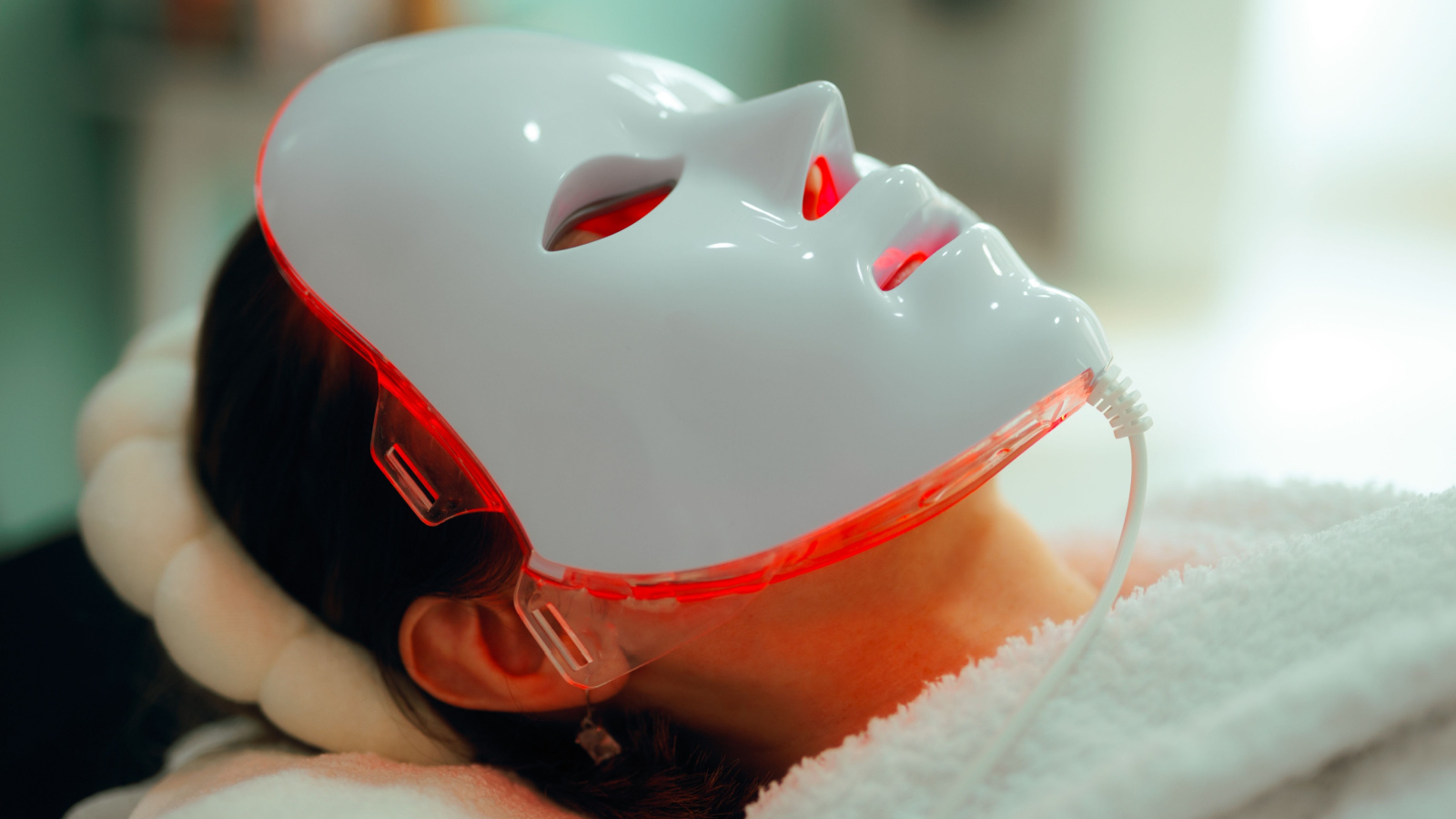
Red light therapy masks are being used at home by Canadians exploring skincare wellness. These devices shine specific wavelengths of light onto the face. Sessions often last only a few minutes. People use them while relaxing in the evening. The appeal comes from convenience. The masks feel gentle when worn correctly. Many include built-in timers. Users say the routine feels calming. It fits easily into existing skincare steps. Canadians like at-home options that feel simple. While results vary, the popularity comes from combining skincare interest with tech-driven routines that feel structured and easy to repeat.
Magnesium Before Bed

Taking magnesium in the evening has become a common wellness habit. Canadians often use it as part of a bedtime routine. Magnesium supplements come in different forms. Some people choose powders mixed into drinks. Others prefer capsules. The mineral is linked to muscle relaxation. Many say it helps them wind down after busy days. It is usually taken at the same time each night. This routine pairs well with other calming habits. People appreciate how simple the step feels. Magnesium use reflects interest in sleep support through basic nutrients rather than complex routines.
Digital Detox Weekends
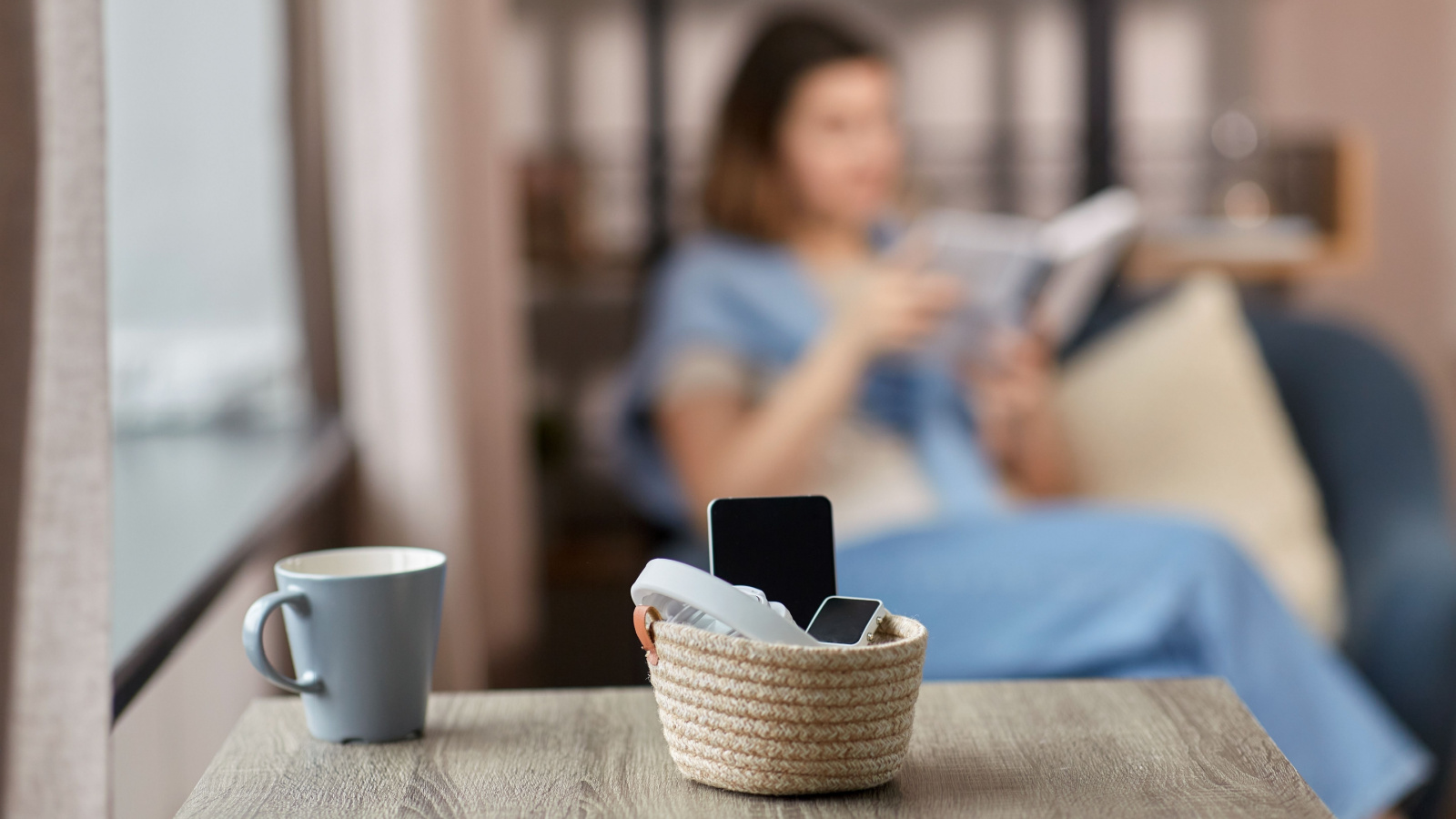
Digital detox weekends are becoming popular among Canadians looking to reduce screen time. People choose specific days to limit phone and social media use. This often means turning off notifications or leaving devices aside. The goal is to focus on offline activities. Many use this time for walks, reading, or hobbies. The break can feel refreshing after busy weeks online. Some report better focus and mood. The practice does not need special tools. Canadians like that it costs nothing. This trend supports balance by setting clear boundaries with digital habits and creating space for rest.
Breathwork Apps
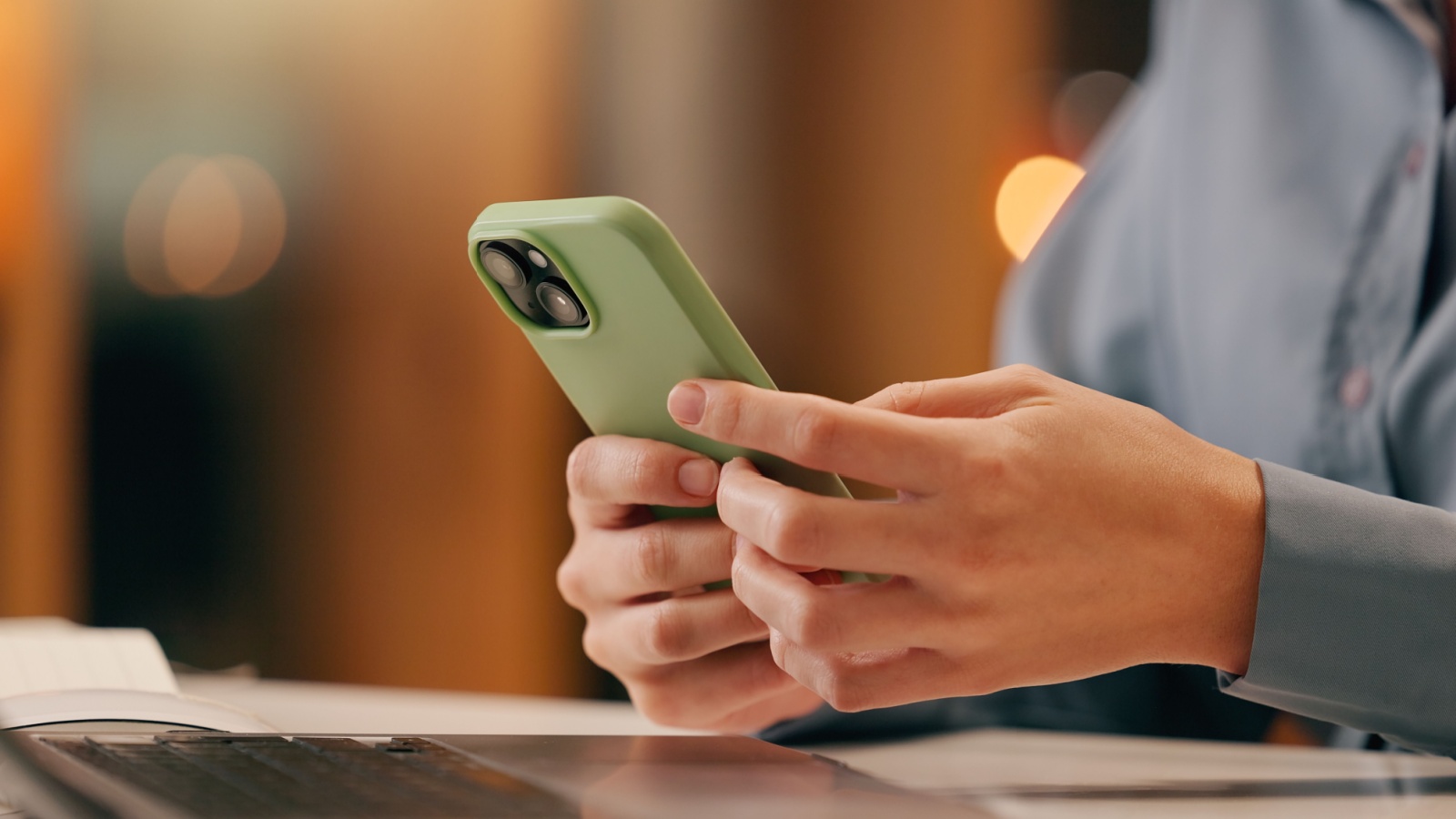
Breathwork apps are gaining users across Canada as people explore guided breathing exercises. These apps provide timed instructions and calming audio. Sessions often last just a few minutes. Users follow patterns that slow breathing. Many try breathwork during stressful moments or before sleep. The convenience of phone guidance makes it easy to practice anywhere. This trend blends technology with relaxation. People appreciate structured routines that do not require classes. Breathwork apps support daily stress management. Canadians are adding short breathing sessions to morning or evening habits as simple ways to feel more centered during busy schedules.
Mushroom-Based Coffee Alternatives
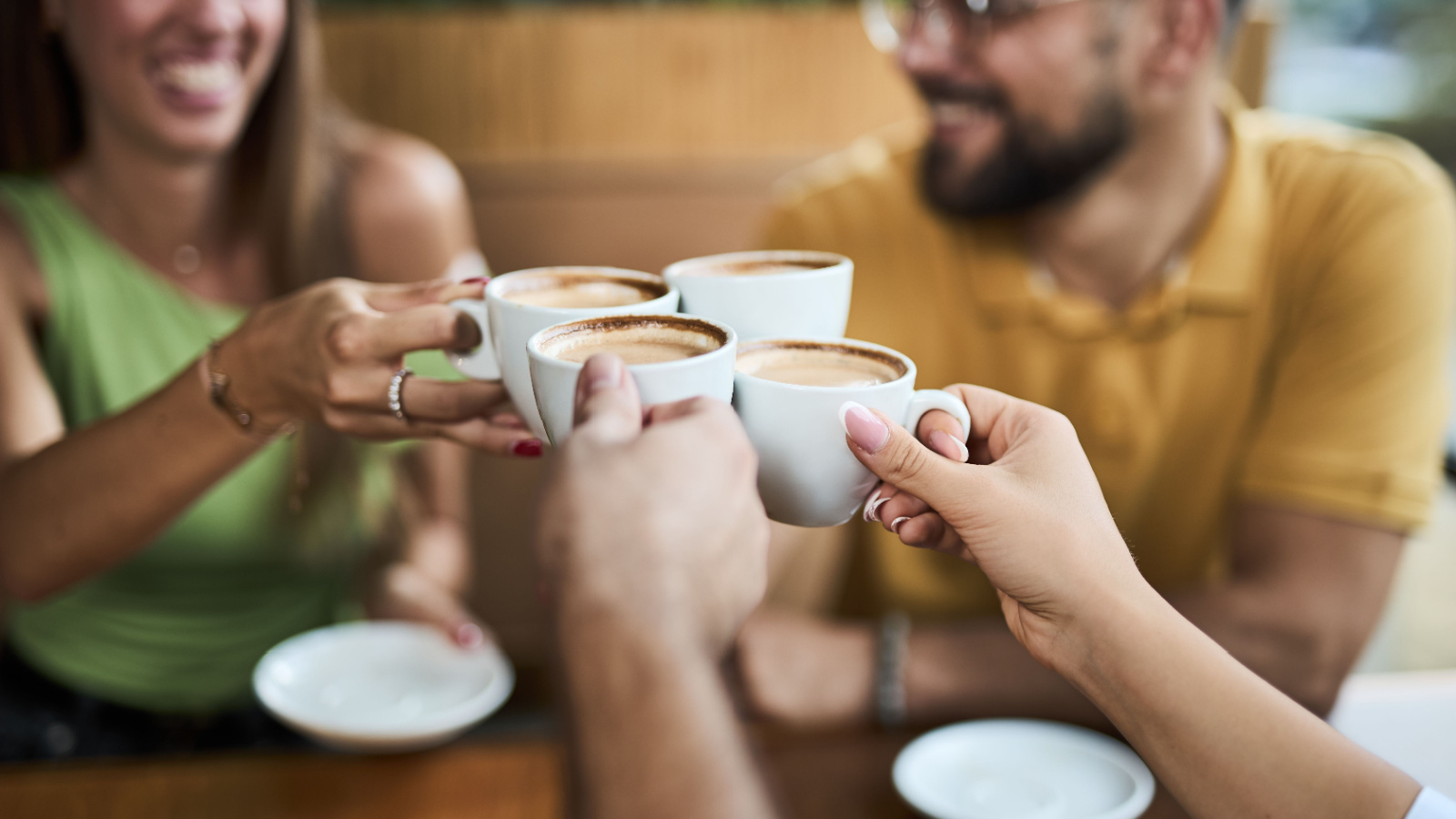
Mushroom-based coffee alternatives are appearing in Canadian wellness routines. These drinks use mushroom extracts blended into coffee-style powders. Many people choose them to reduce caffeine intake. The taste is usually mild and mixed with familiar flavors. Some prefer drinking them in the morning instead of regular coffee. The appeal comes from trying a different daily ritual. Preparing the drink feels similar to making coffee. Canadians exploring this trend often enjoy the routine aspect. It fits easily into breakfast habits. While experiences vary, the interest lies in experimenting with plant-based options that feel gentle and easy to include in everyday schedules.
Sleep Tracking Rings
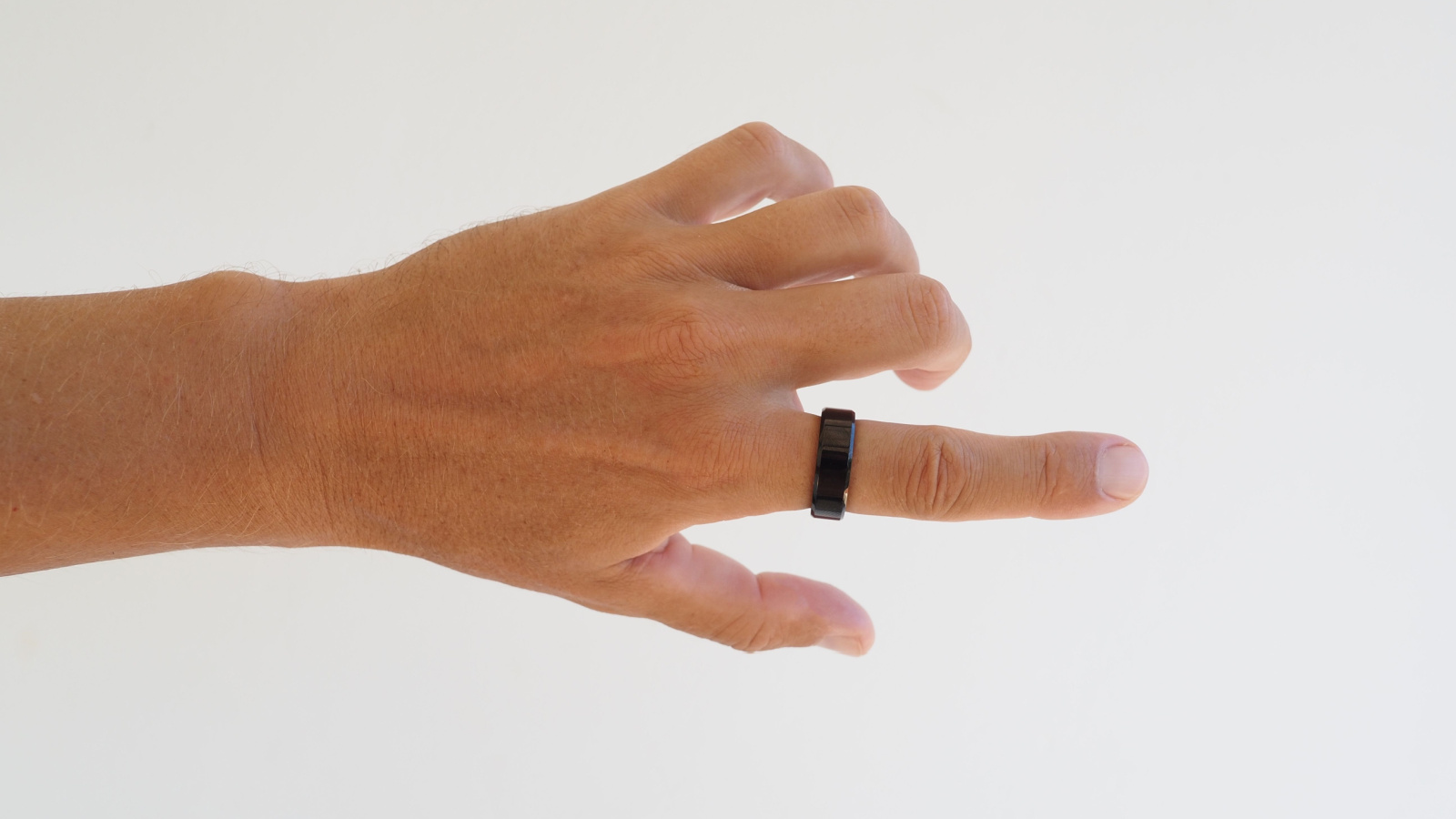
Sleep tracking rings are gaining attention among Canadians focused on rest habits. These wearable devices are worn overnight on a finger. They track sleep patterns and movement. Data syncs to apps each morning. Users review trends rather than single nights. The appeal comes from simple, passive tracking. Rings feel less bulky than watches. Many people use the insights to adjust bedtime routines. This trend blends technology with self-awareness. Canadians like tools that support better sleep habits. The goal is to understand rest patterns and make small changes over time, keeping wellness routines more informed and consistent.
Lymphatic Drainage Massage
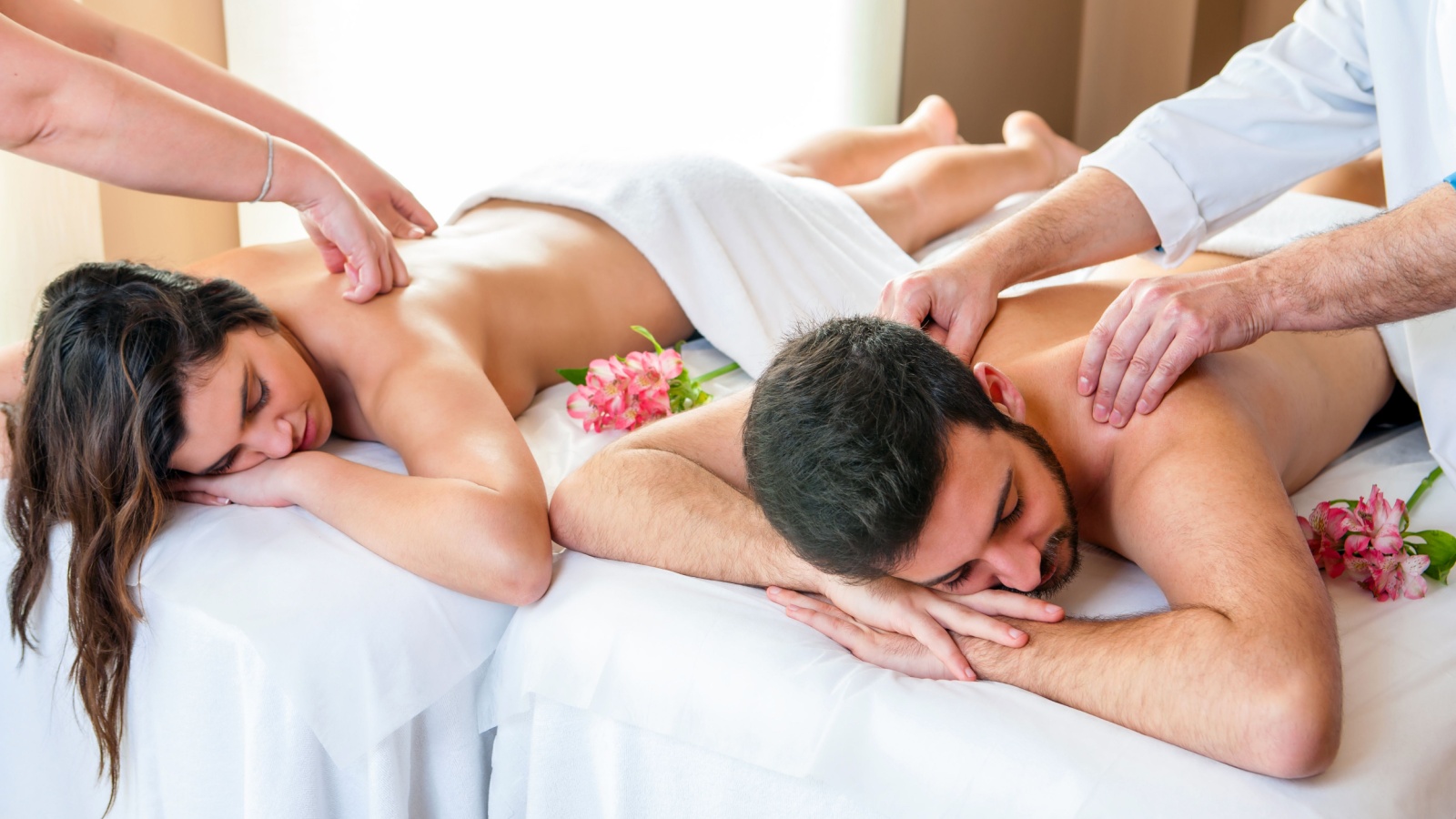
Lymphatic drainage massage is becoming more common in Canadian wellness circles. This gentle technique uses light pressure movements. Many seek it as part of self-care routines. Some visit clinics, while others try at-home tools. The practice focuses on relaxation and circulation support. Sessions often feel calm and slow-paced. People report feeling lighter afterward. It pairs well with hydration habits. Canadians are drawn to low-impact treatments. The trend fits those looking for structured but gentle body care. It remains popular because it feels soothing and aligns with the broader interest in recovery and overall comfort.
Infrared Sauna Sessions
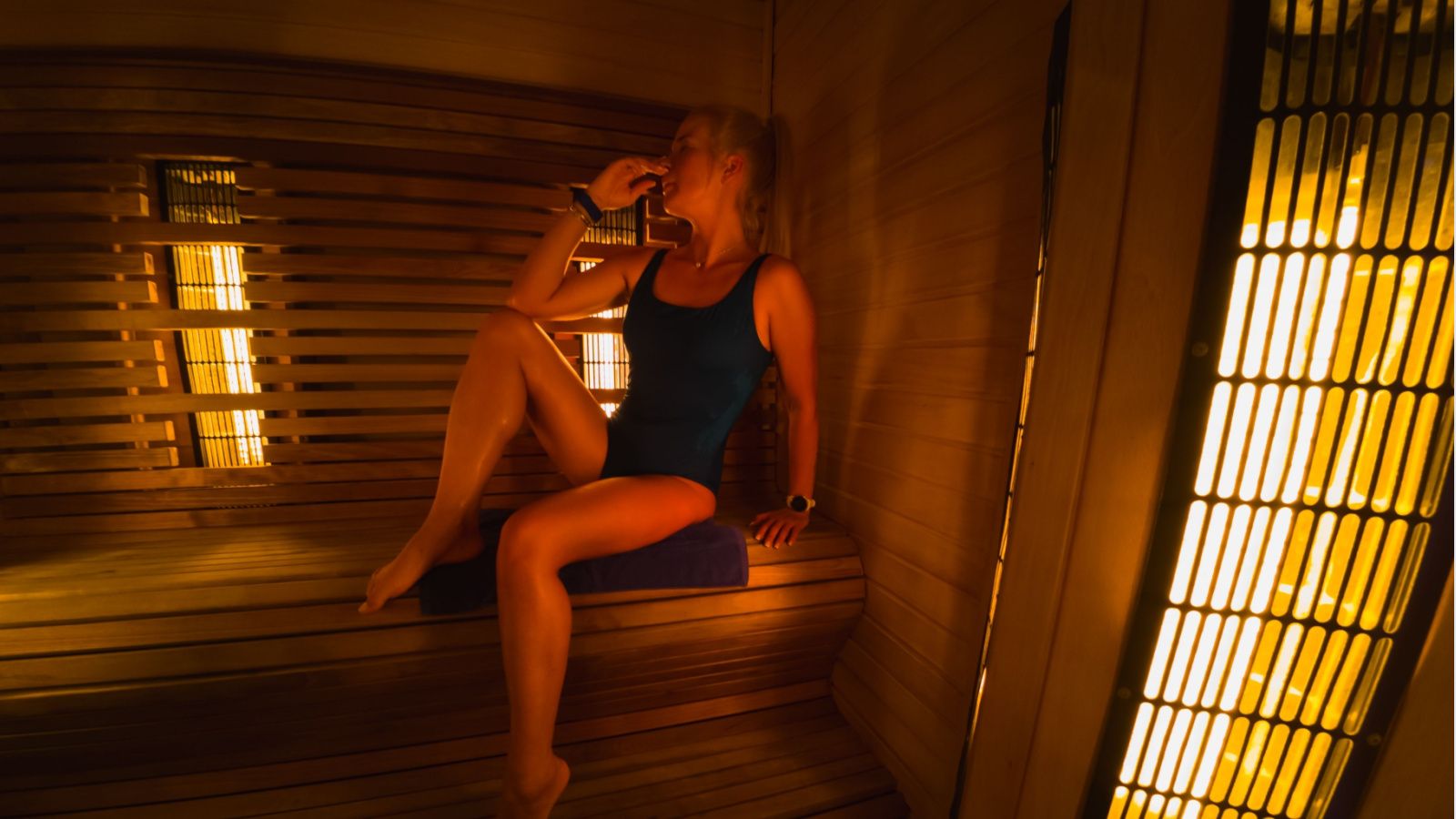
Infrared sauna sessions are gaining popularity across Canada. These saunas use infrared heat rather than steam. Sessions are usually shorter than traditional sauna visits. People often schedule them weekly. The warmth feels deep but comfortable. Many use the time to relax quietly. Some pair it with stretching or meditation. The appeal comes from structured downtime. Canadians interested in wellness appreciate dedicated recovery time. Infrared saunas are available in studios and some homes. This trend supports routines focused on relaxation and body comfort, fitting easily into weekly self-care schedules.
Morning Sunlight Exposure
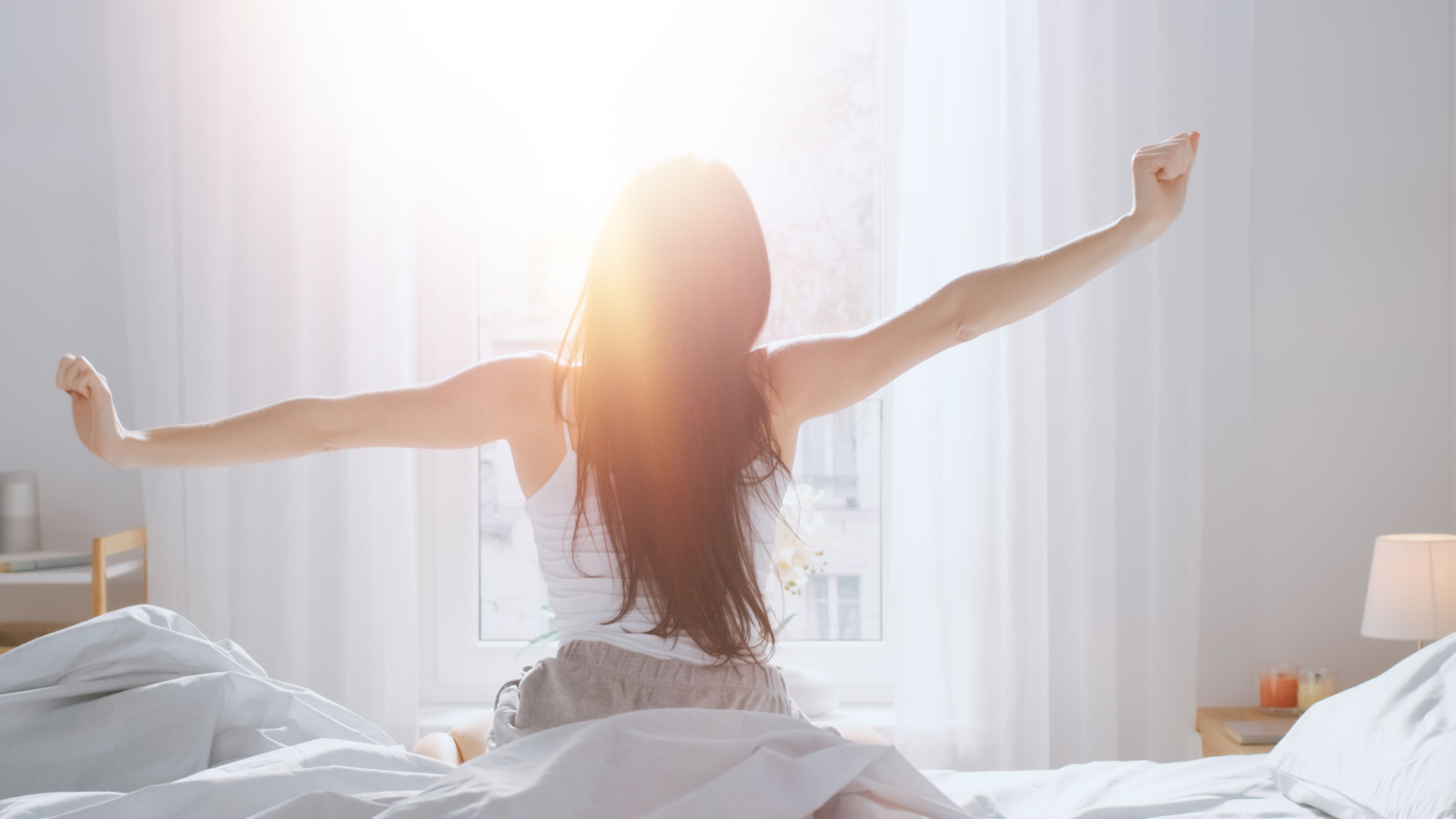
Morning sunlight exposure is becoming a simple wellness habit in Canada. People step outside soon after waking. Even a short walk or standing near a window helps. Natural light signals the body to start the day. Many combine this with morning coffee or stretching. The practice takes only minutes. It does not require special tools. Canadians like its simplicity and routine feel. This habit connects daily schedules with natural light cycles. It often becomes part of a morning routine that feels calm and steady, supporting alertness without complicated steps.
Blue-Light Blocking Glasses at Night
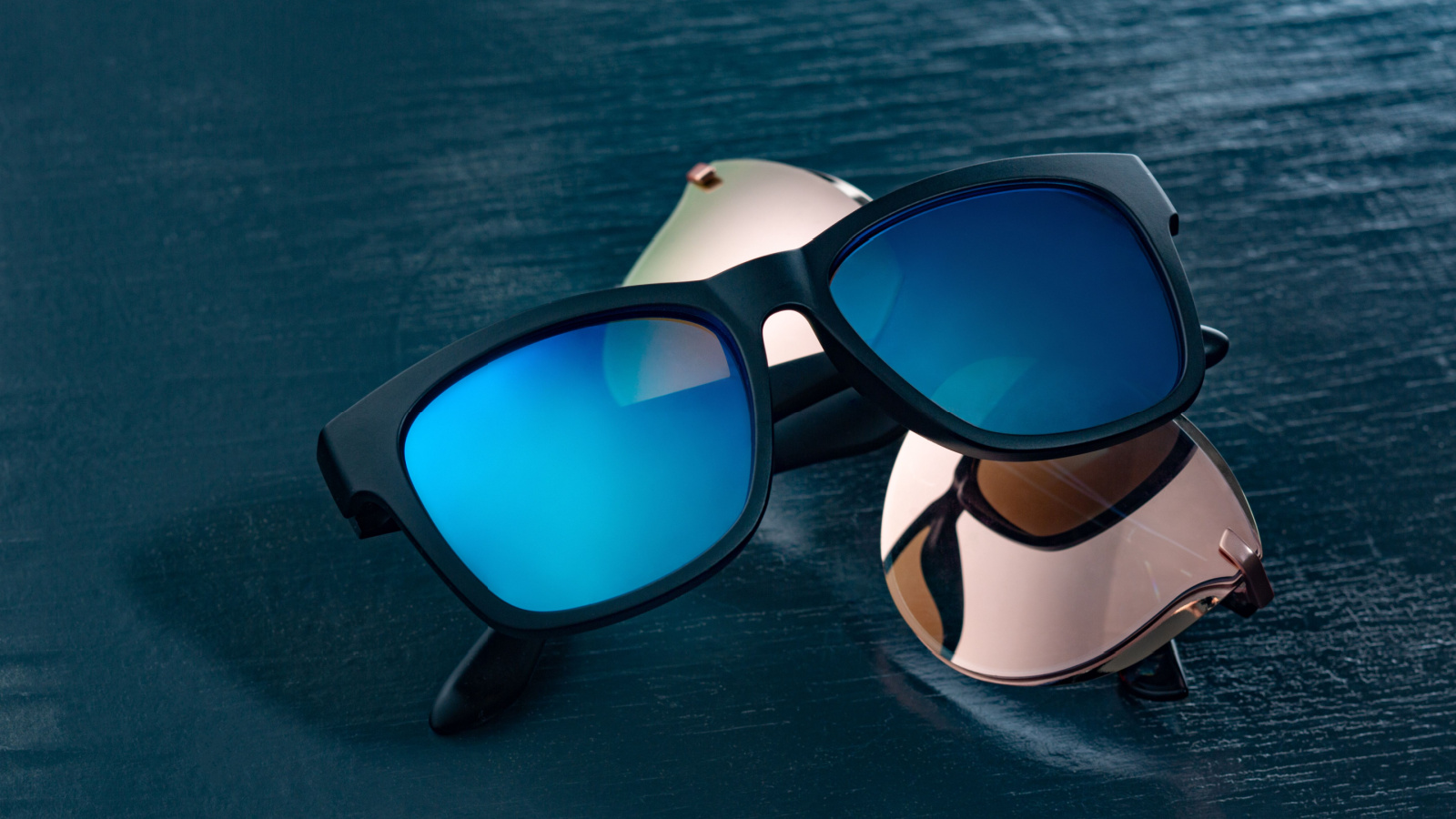
Blue-light blocking glasses are becoming part of evening routines in Canada. Many people wear them after sunset while using screens. The glasses filter certain light wavelengths from phones and laptops. Users say the habit feels calming before bed. The routine often pairs with dimming room lights. People appreciate having a clear signal that the day is winding down. These glasses are lightweight and easy to store. Canadians like simple tools that support nighttime habits. While experiences differ, the trend fits structured evening routines focused on better rest and reduced screen impact.
Habit Stacking for Health Goals
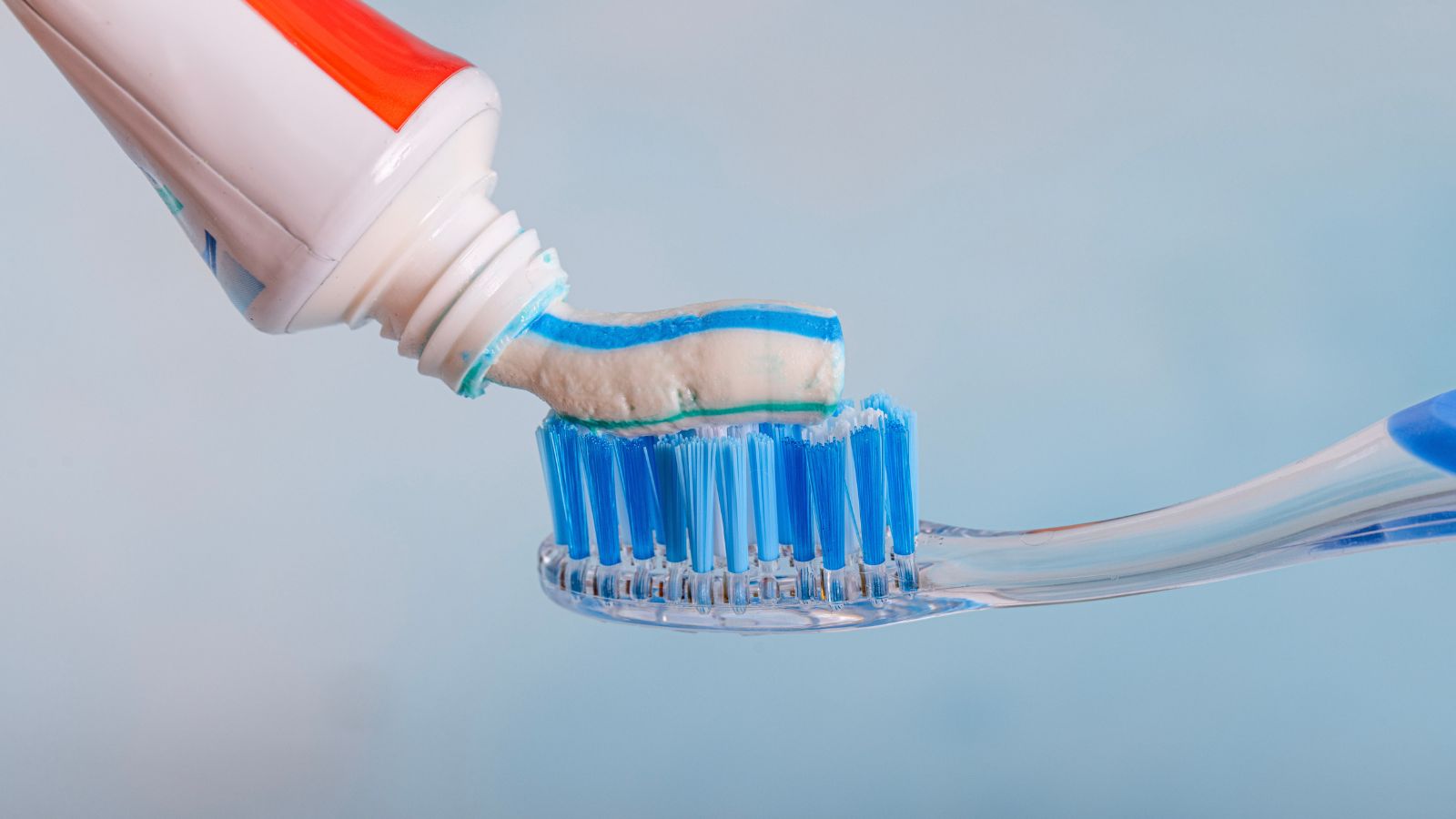
Habit stacking is gaining attention as a practical wellness method. Canadians link a new health habit to an existing one. For example, stretching after brushing teeth. This makes new actions easier to remember. The approach feels manageable and structured. Small steps build over time. People find it helpful for consistency. The method does not require extra tools. It fits into daily schedules naturally. Canadians appreciate simple planning systems. Habit stacking turns wellness into part of routine life rather than a separate task, making health goals feel more achievable.
Guided Stretching Before Sleep
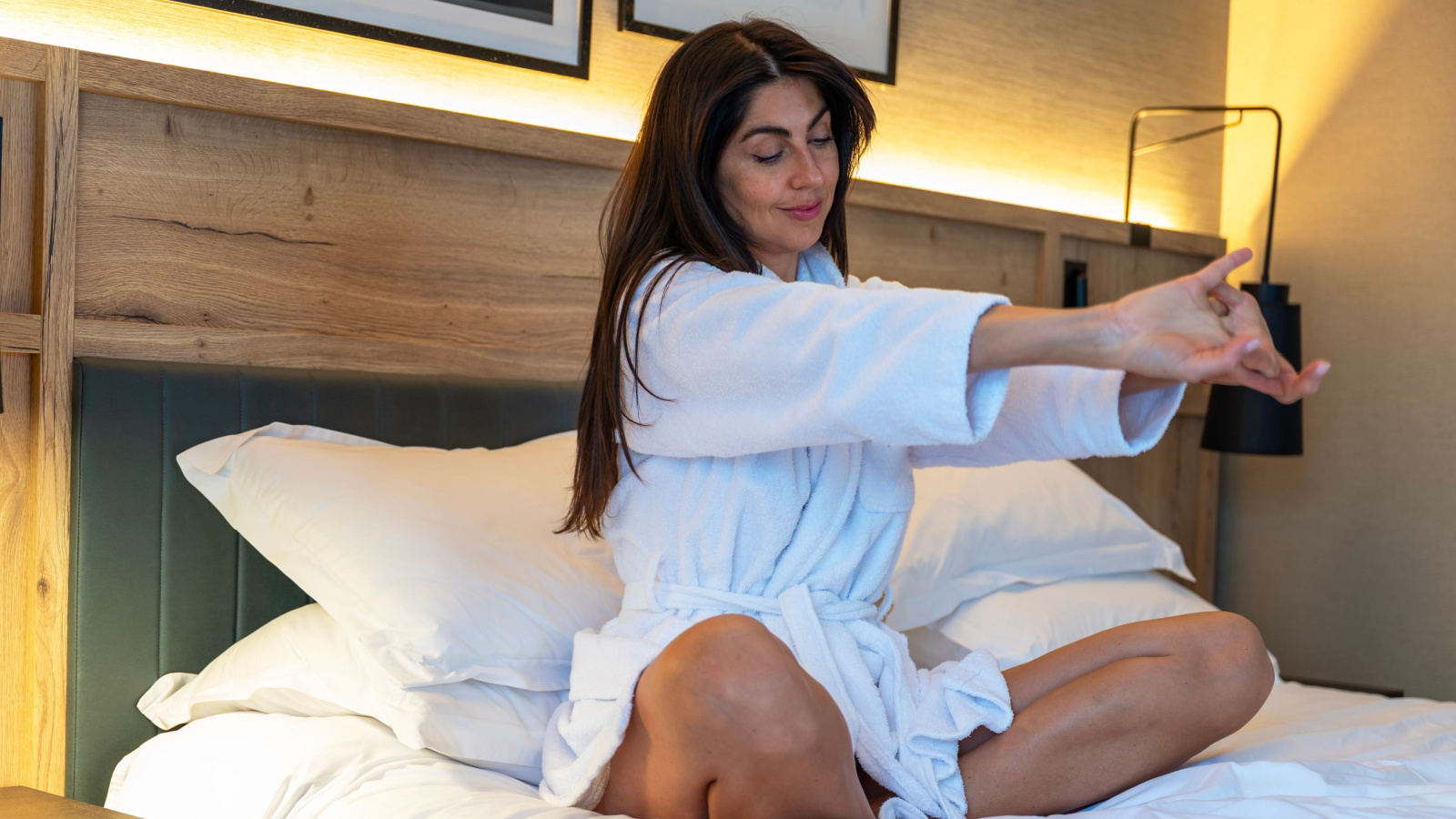
Guided stretching before bed is growing in popularity. Canadians watch short videos or listen to audio sessions at night. The stretches are usually gentle and slow. This routine helps release daily tension. Many do it in bedrooms with dim lights. The session often lasts only ten minutes. It pairs well with bedtime routines. People enjoy having structure rather than guessing stretches. The habit feels calming and consistent. Canadians like routines that signal rest time. Stretching before sleep fits easily into the evening routine and supports overall relaxation without complex preparation.
Adaptogen Drink Mixes

Adaptogen drink mixes are becoming part of Canadian wellness routines. These powders blend herbs into warm or cold drinks. Many people replace afternoon coffee with them. Preparing the drink feels like a calming ritual. The taste often includes cocoa or spice notes. Canadians are open to experimenting with new beverage habits. These mixes fit easily into daily routines. They require only water or milk. The appeal lies in variety and simplicity. Adaptogen drinks feel like a small change that adds interest to everyday hydration habits.
Journaling for Stress Relief

Journaling is making a comeback as a simple wellness practice in Canada. Many people write in notebooks before bed or in the morning. The habit helps organize thoughts. Short entries feel manageable. Some use prompts, while others write freely. This routine takes only a few minutes. People find it helps clear the mind. Journaling does not require technology. Canadians appreciate its quiet, personal nature. It fits easily into daily life. This practice remains popular because it provides a calm space for reflection, making stress management feel more structured and approachable.
22 Groceries to Grab Now—Before another Price Shock Hits Canada

Food prices in Canada have been steadily climbing, and another spike could make your grocery bill feel like a mortgage payment. According to Statistics Canada, food inflation remains about 3.7% higher than last year, with essentials like bread, dairy, and fresh produce leading the surge. Some items are expected to rise even further due to transportation costs, droughts, and import tariffs. Here are 22 groceries to grab now before another price shock hits Canada.
22 Groceries to Grab Now—Before another Price Shock Hits Canada
