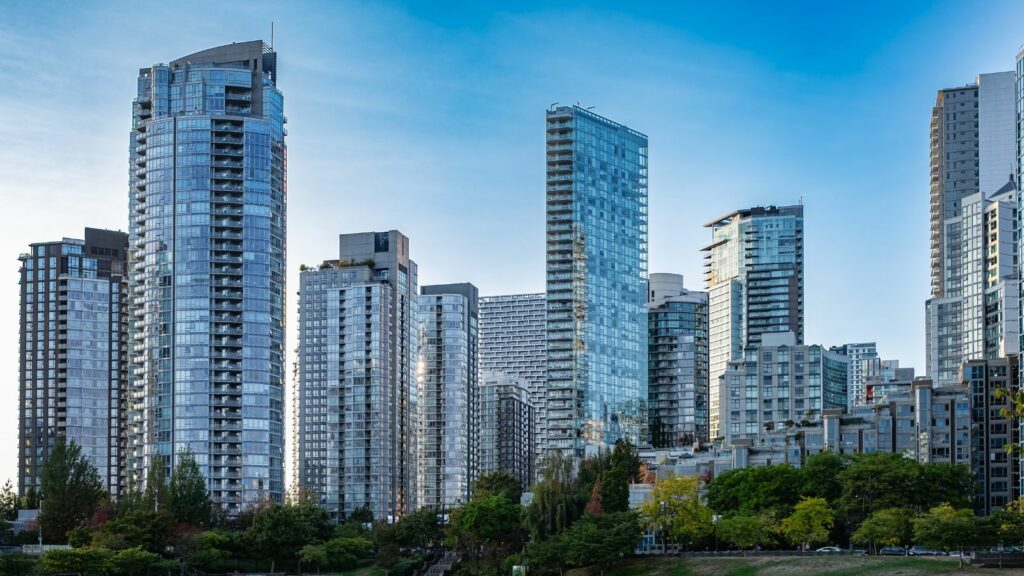
Neighbourhood change rarely arrives as one dramatic event. More often, it appears as a crane above the rooftops, a missing tree, a different storefront, or another familiar household packing a moving truck. Across Canada, housing shortages, population growth, climate pressures and infrastructure renewal are transforming blocks that once felt predictable.
Many changes bring genuine benefits, including more homes, safer transportation and renewed public spaces. Yet their speed and uneven impact can leave established residents feeling that decisions are happening around them rather than with them. These 17 Canadian neighbourhood changes reveal why unease often centres not on progress itself, but on affordability, continuity, trust and whether a community will still recognize itself after the work is finished.
Density Arrives Faster Than Familiarity
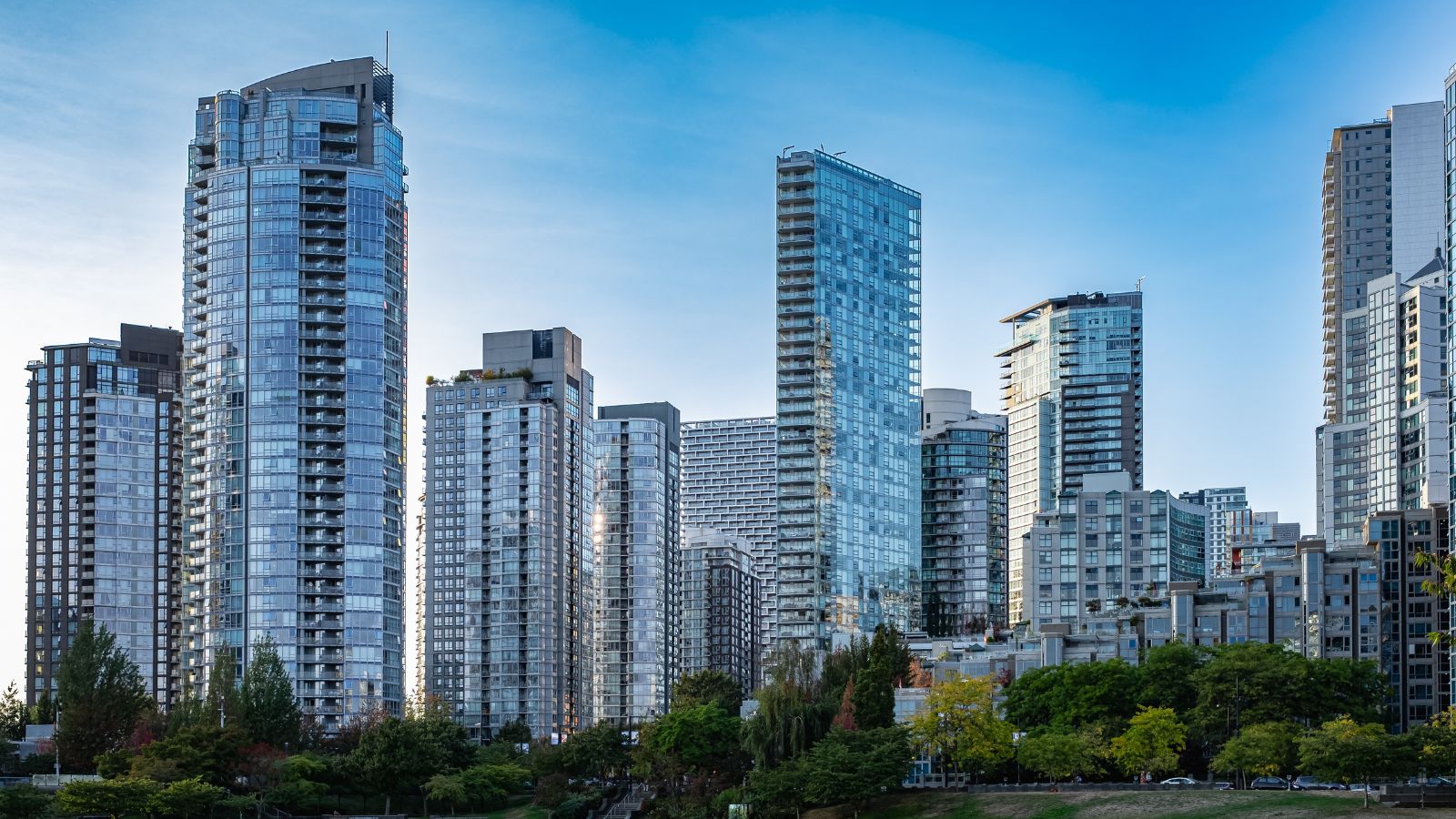
Apartment buildings, multiplexes and townhomes are appearing in places once dominated by detached houses. Statistics Canada has documented a national shift toward densification, while the country’s census metropolitan areas collectively housed more than 31 million people by July 2025. Research supported by Canada’s Social Sciences and Humanities Research Council also found that the number of homes in buildings of five storeys or more grew by 14.7% between 2016 and 2021, roughly twice the growth recorded for single-detached homes.
More housing can help address shortages and bring new customers to local businesses. The unease often comes from the speed of the transition. A modest house may suddenly sit beside a six-storey building, while sidewalks, parking, sewers and community facilities remain largely unchanged. Residents who once knew every household on the block may find hundreds of newcomers arriving within a few years. Density itself is not necessarily the problem; the feeling that physical growth is outpacing neighbourhood relationships and public services often is.
Backyards Become Housing Sites

Secondary suites, laneway homes and garden suites have become important parts of Canada’s “gentle density” strategy. Vancouver has permitted secondary suites citywide since 2004 and laneway houses since 2009. Toronto introduced citywide garden-suite permissions in 2022. These smaller homes can accommodate aging parents, adult children, tenants or caregivers without requiring the demolition of an existing house.
Still, the transformation of backyards into separate residences changes more than a property’s occupancy count. Longtime neighbours may lose mature trees, sunlight, privacy or informal views across several lots. Construction vehicles squeeze into narrow lanes, garbage collection becomes more complicated and street parking can feel tighter when multiple households share what was formerly a single-family property. For some owners, an accessory dwelling provides crucial income or keeps relatives close. For neighbours, several projects occurring at once can make a quiet block feel substantially more crowded before anyone has had time to adapt to its new rhythm.
Character Homes Disappear One Lot at a Time

Older neighbourhoods frequently derive their identity from modest houses rather than officially designated landmarks. Verandas, brickwork, mature gardens and varied rooflines create a visual history that residents may barely notice until it starts disappearing. A National Trust for Canada account reported that 2,243 houses on Vancouver’s West Side were demolished and replaced during one three-year period covered by a 2014 property-tax analysis, excluding the separately regulated Shaughnessy area.
Most demolished houses are not architectural masterpieces, and some may contain serious maintenance, accessibility or energy-efficiency problems. Nevertheless, replacing them with larger, more uniform buildings can gradually erase the texture that made a street distinctive. Longtime residents often describe the loss in personal terms: the house where children gathered after school, the porch where an elderly neighbour waved each morning or the garden planted decades earlier. No single demolition transforms an entire community. Repetition does. By the time the cumulative effect becomes obvious, much of the original streetscape may already be gone.
Rent Gaps Push Out Familiar Faces

The most noticeable neighbourhood turnover often occurs when tenants move. Canada Mortgage and Housing Corporation reported that the national vacancy rate for purpose-built rentals increased to 2.2% in 2024, even as affordability remained difficult. Rents for newly turned-over units rose by an average of 23.5%, and CMHC found that these units contributed disproportionately to overall rent growth despite representing only a fraction of the rental stock.
That difference creates a powerful incentive around vacant units. A household that has rented the same apartment for years may pay substantially less than the amount charged after it leaves. When a job loss, family change or building dispute forces a move, returning to the same neighbourhood may become impossible. The departure is felt beyond the household itself. A trusted babysitter vanishes, a senior loses the neighbour who carried groceries upstairs, or a school loses another family that volunteered at events. New tenants may be equally committed to the community, but rapid turnover repeatedly resets the relationships that make dense neighbourhoods feel stable.
Local Shops Lose Ground to Redevelopment Economics
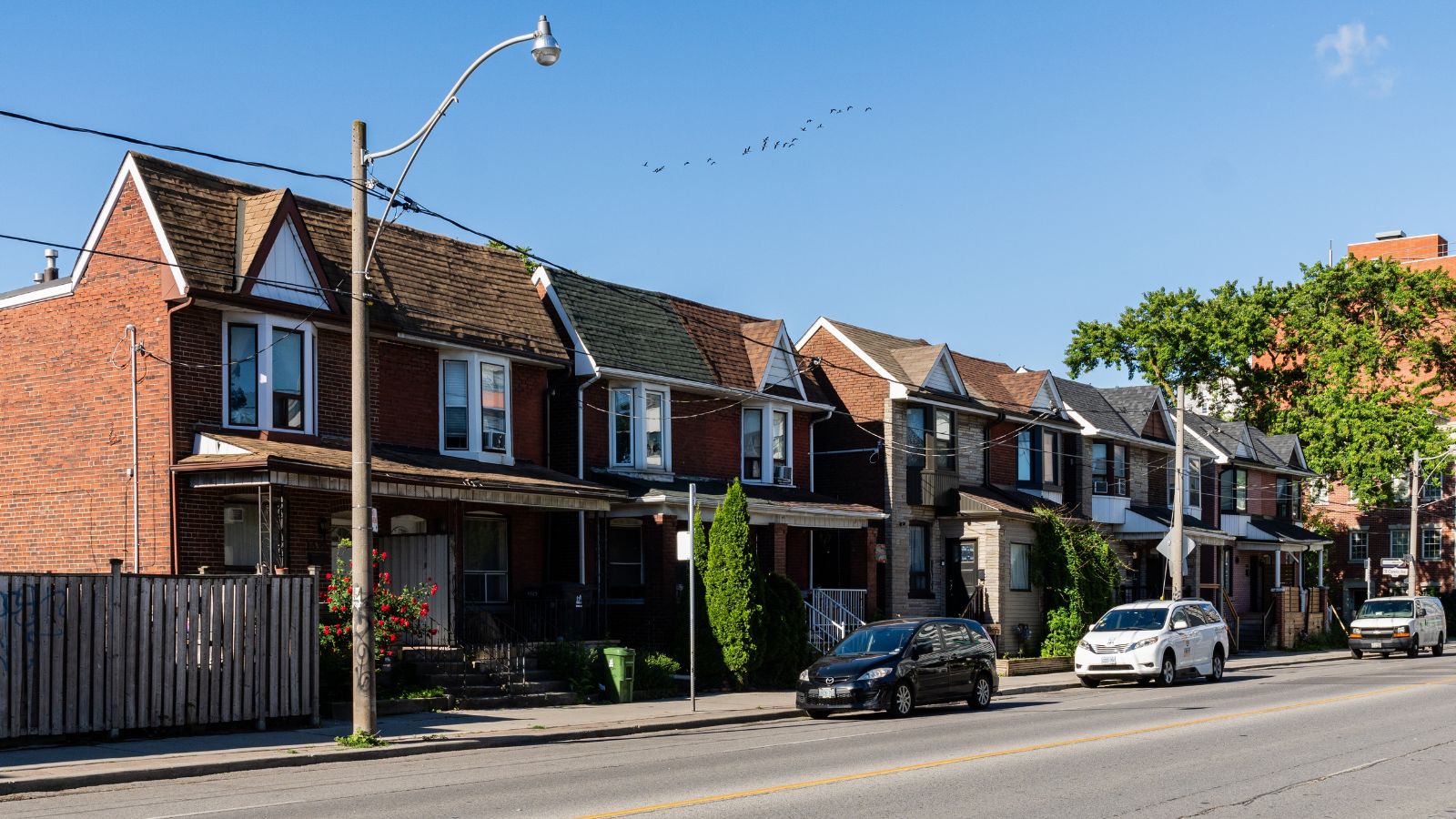
Independent grocers, repair shops, bakeries and cafés often operate on thin margins while contributing heavily to neighbourhood identity. Research into commercial gentrification in Canadian cities has shown how redevelopment, rising rents and shifts in consumer demand can displace businesses that serve established communities. Vancouver has also acknowledged the pressure created when commercial properties are assessed partly according to their redevelopment potential rather than only their existing use.
A shop can remain busy and still become financially vulnerable if its lease expires or its building is sold. The replacement may be a larger chain, a temporary sales centre or a vacant storefront awaiting redevelopment. Residents then lose more than a place to purchase goods. They lose the pharmacist who knew which senior needed a delivery, the restaurant that sponsored a youth team or the hardware-store employee who could identify the right screw from an old photograph. Not every closure is caused by gentrification, and new businesses can enliven an area. Unease grows when useful, affordable businesses vanish faster than comparable replacements appear.
Short-Term Rentals Make Neighbours More Temporary
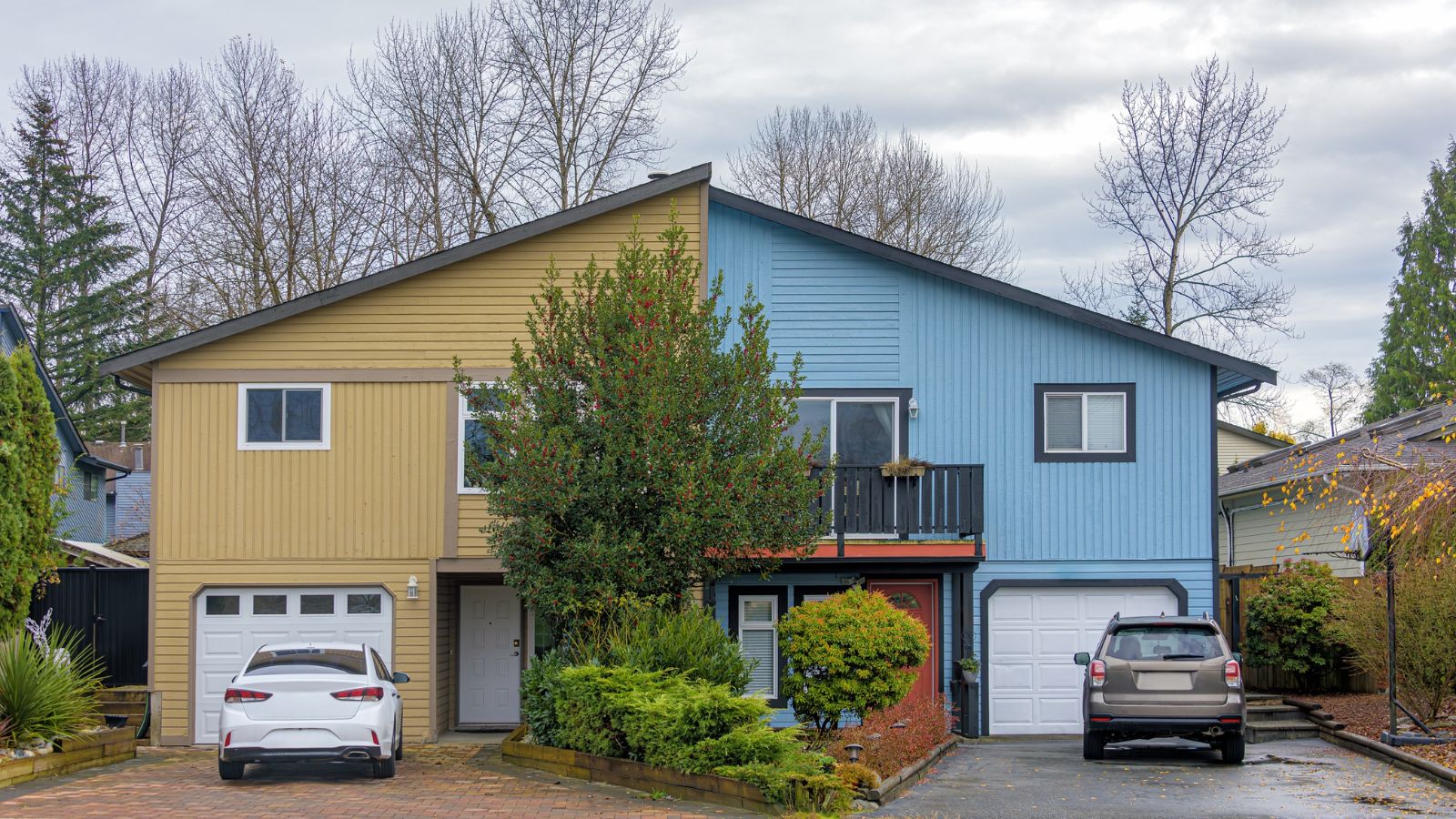
Short-term rentals have allowed homeowners to earn income and visitors to stay outside traditional hotel districts. Their spread, however, has raised questions about whether homes intended for residents are being redirected toward tourists. Statistics Canada estimated that 107,266 short-term rental listings in 2023 could potentially have functioned as long-term dwellings. The number of such listings increased by roughly 80% between 2017 and 2023.
Statistics Canada also cautioned that these properties represented a relatively small share of housing in most markets, so they cannot explain the national shortage on their own. Their effect can nevertheless feel concentrated in particular buildings or vacation-oriented communities. Permanent residents may encounter unfamiliar guests in hallways every weekend, repeated late-night arrivals or confusion over garbage and parking rules. Condo boards and municipalities then face difficult enforcement questions. The discomfort is not necessarily directed at travellers themselves. It comes from losing the predictability of knowing who belongs in the building, who understands its routines and who will still be there next month.
Parking Spaces Become Contested Public Space
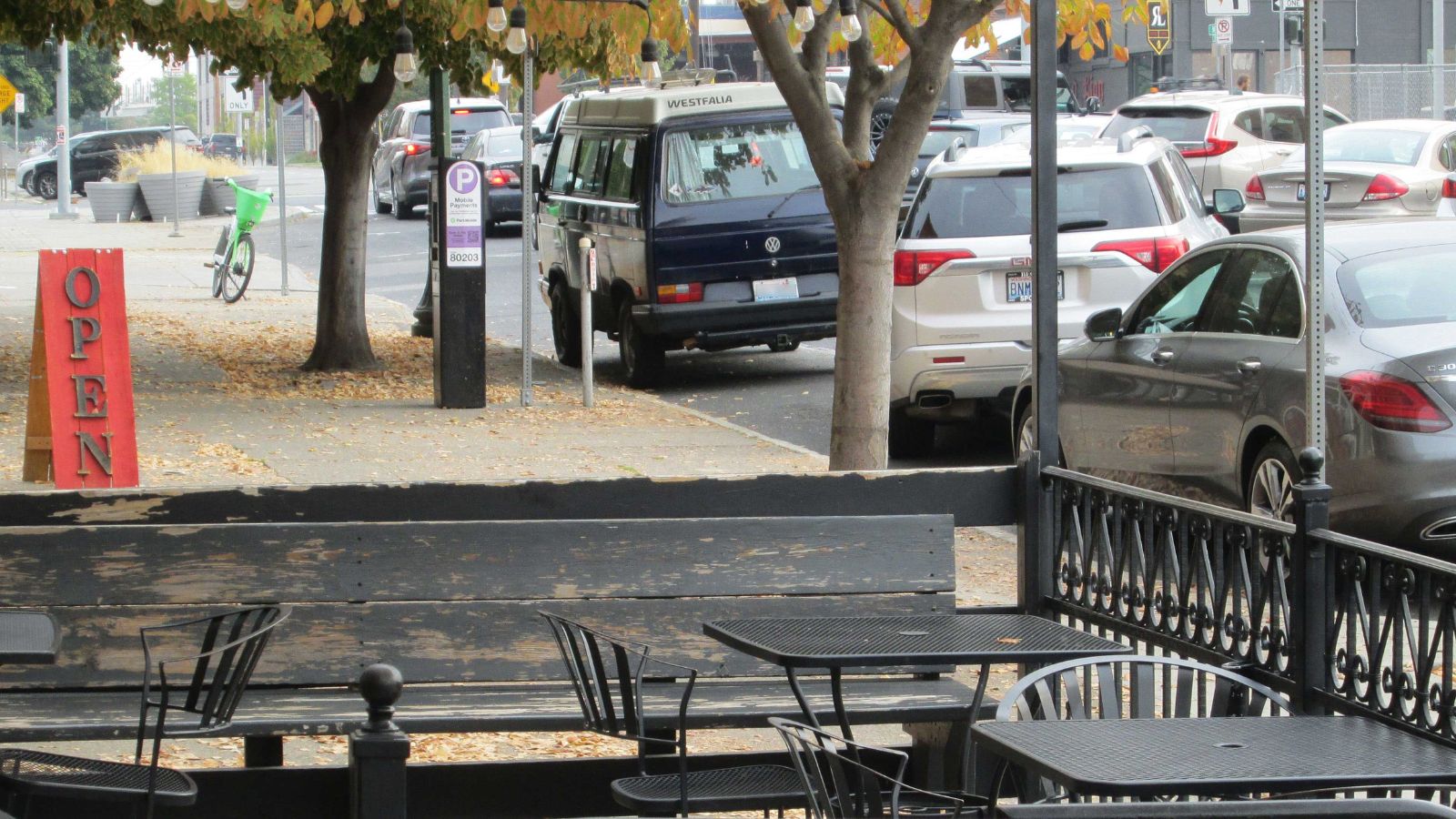
Curb space once treated almost entirely as car storage is being reassigned to bicycle lanes, patios, loading zones, wider sidewalks and accessibility improvements. The change reflects legitimate safety and mobility goals, especially where collisions or high traffic volumes discourage walking and cycling. Yet consultations in Toronto have repeatedly shown that parking removal and spillover onto side streets remain major concerns for residents and businesses affected by street redesigns.
The conflict is often more complicated than a simple division between drivers and cyclists. A senior may depend on a nearby pickup point, while a restaurant needs space for deliveries and a parent wants a protected route for children riding to school. On streets where many homes lack driveways, even a small reduction in parking can alter daily routines. Longtime residents may also feel that knowledge about winter snowbanks, moving trucks or busy religious services is overlooked during planning. Safer streets can command broad support while the details still generate anxiety, particularly when one group believes its practical needs have been treated as an afterthought.
Transit Construction Outlasts Patience
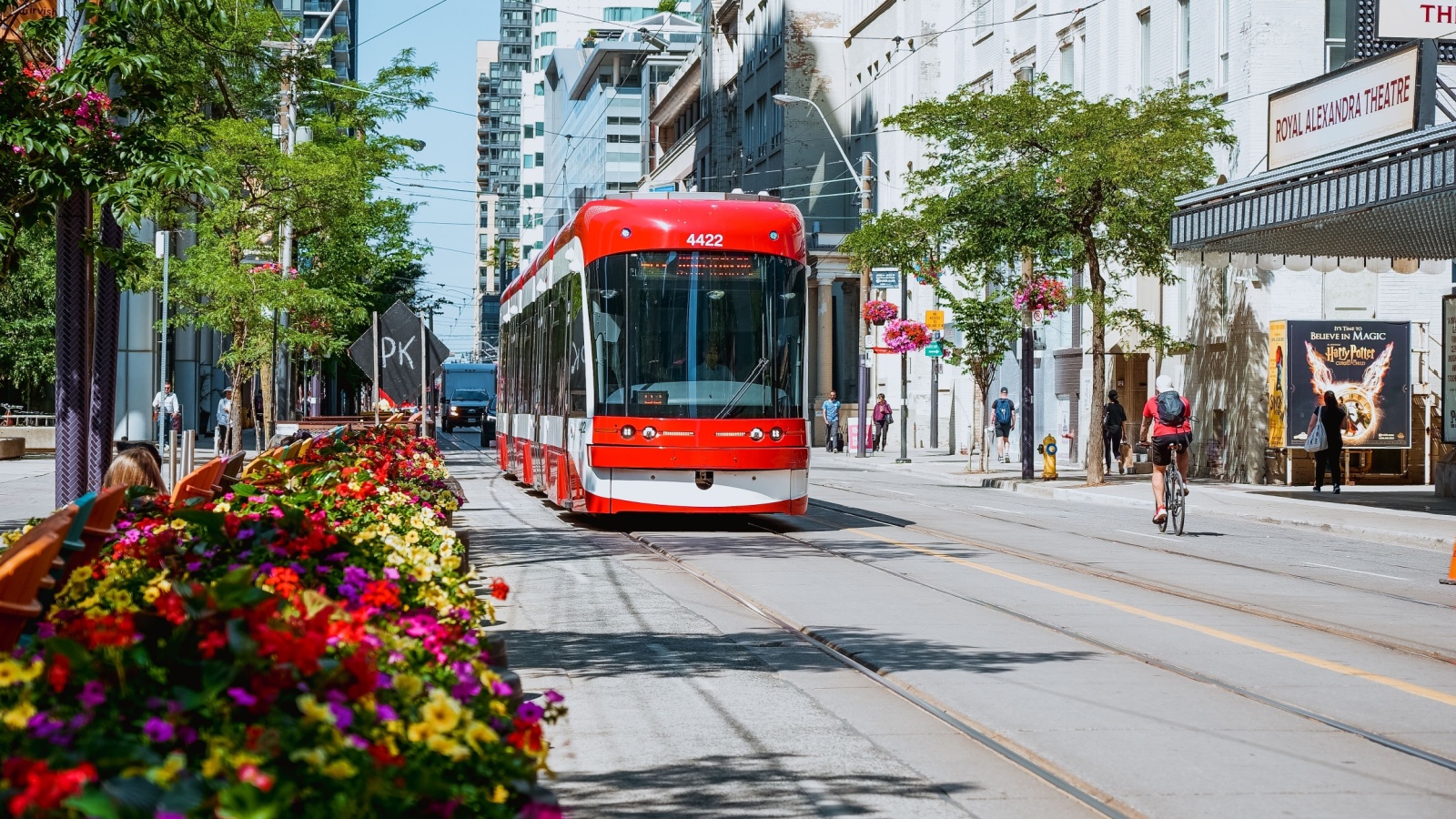
Major transit lines promise faster journeys and better connections, but the construction period can consume a significant portion of neighbourhood life. Ontario’s auditor general reported in 2018 that the Eglinton Crosstown project involved a contract valued at approximately $9.1 billion and was then expected to reach substantial completion in September 2021. Years of lane restrictions, fencing and changing access points demonstrated how easily the anticipated opening date can recede.
Municipal responses reveal the scale of the disruption. Toronto created a Transit Expansion Construction Mitigation Grant Program for business improvement areas and other eligible organizations affected by major projects. Construction near the Ontario Science Centre was also identified as a factor affecting traffic flow and attendance before the facility’s later closure. For residents, prolonged work means dust, vibration, detours and uncertainty about whether a favourite business can survive until opening day. Most recognize the long-term value of transit. The unease comes from living through an extended period in which the neighbourhood functions like a worksite while the promised benefits remain somewhere beyond the barricades.
Mature Trees Vanish Before Replacements Can Catch Up
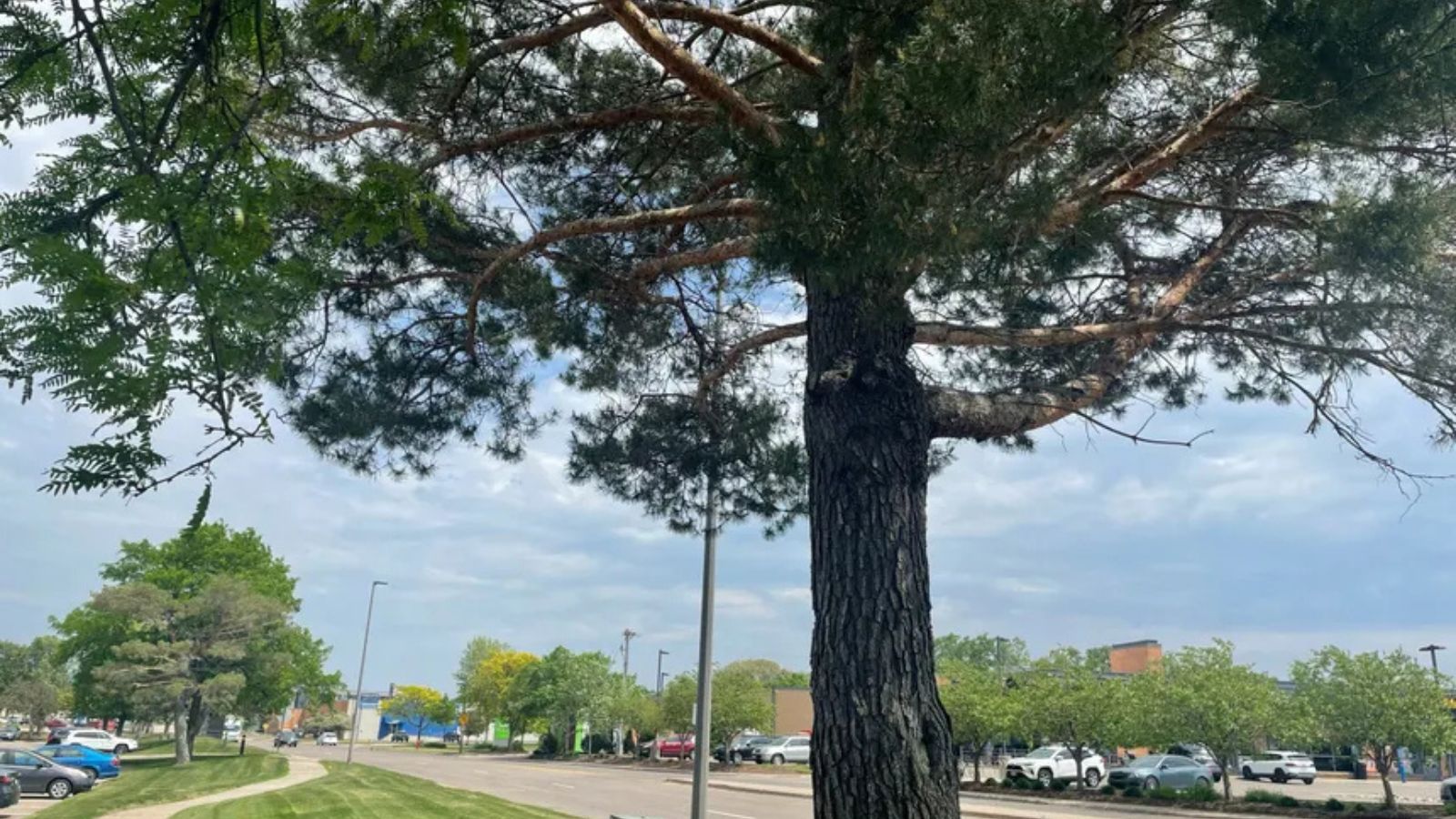
Large urban trees quietly perform work that becomes obvious only after they disappear. They shade sidewalks, absorb stormwater, soften traffic noise and cool houses during heat waves. Toronto estimates that its urban forest contains approximately 11.5 million trees and covers between 28.4% and 31% of the city. Vancouver has similarly made canopy expansion a major policy goal after documenting historical losses, much of them occurring on private property.
A newly planted sapling may technically replace a removed tree, but it cannot immediately replace decades of canopy. Residents may suddenly find a previously shaded bedroom exposed to afternoon heat or a once-private garden visible from several new windows. Birds and squirrels disappear, and the street becomes harsher during hot weather. Tree removal is sometimes unavoidable because of disease, storm damage, construction or infrastructure conflicts. Anxiety rises when mature trees are cleared lot by lot without a convincing plan for their long-term replacement. The official tree count may eventually recover while the lived benefits remain absent for a generation.
Heritage Protection Arrives After the Demolition Permit
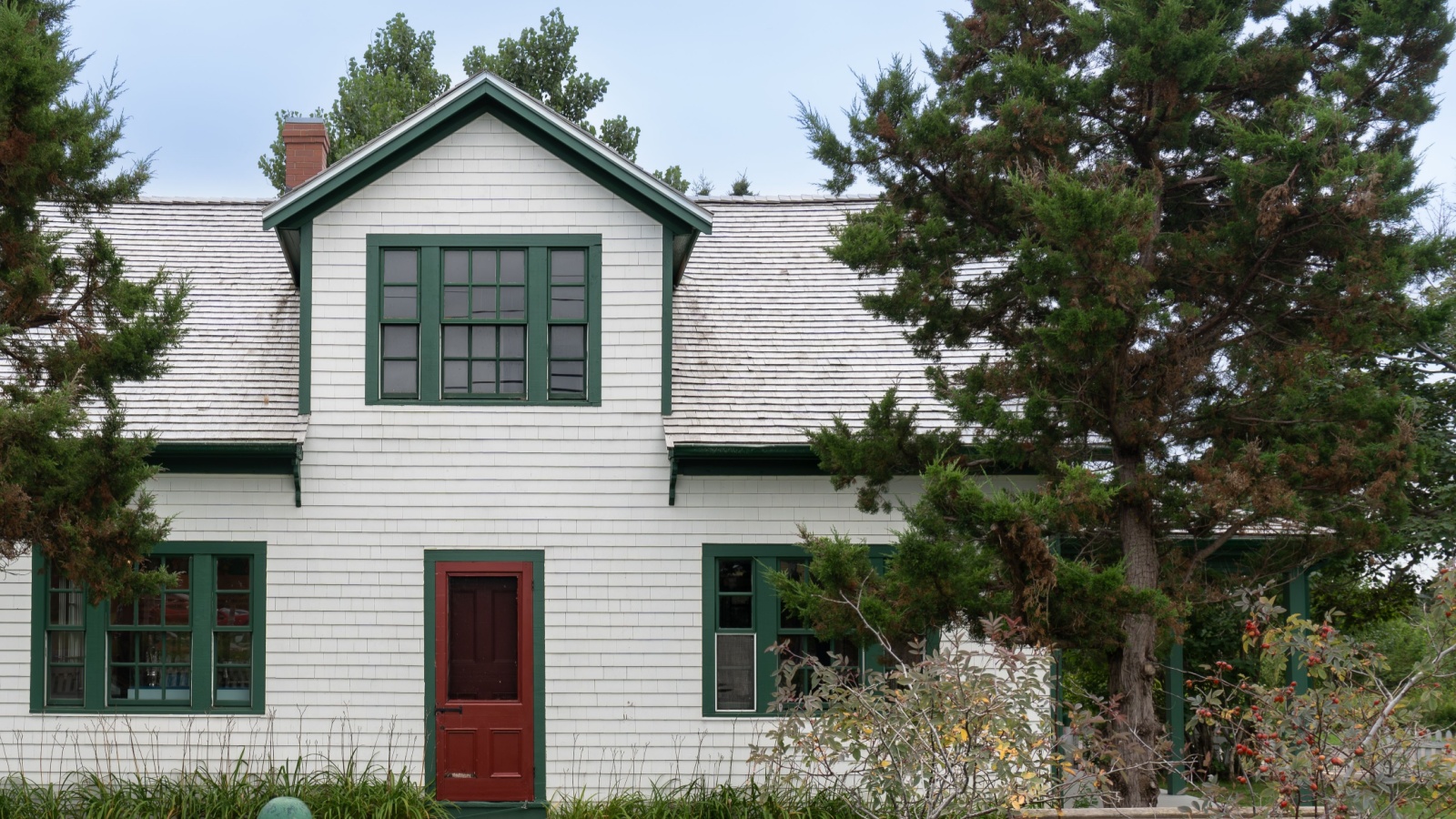
Heritage debates often begin when a threatened building is already boarded up. By that stage, structural deterioration, ownership rights and approved development plans can limit what preservation advocates are able to accomplish. The National Trust for Canada reported that six buildings in Charlottetown’s historic 500 Lot Area were either demolished or approved for demolition during 2024, intensifying concern about the cumulative loss of the district’s character.
Not every aging structure can or should be preserved unchanged. Adaptive reuse can be costly, and communities also need accessible, energy-efficient buildings and additional housing. The frustration comes from systems that identify significance only after demolition appears imminent. Residents may spend years walking past an old school, workers’ cottage or corner store without realizing that no effective protection exists. Successful preservation projects, such as Vancouver’s collection of restored buildings at Barclay Heritage Square, show that old structures can remain useful. When early planning is absent, however, public debate becomes a last-minute confrontation between nostalgia and development rather than a thoughtful discussion about reuse.
Schools and Services Lag Behind New Population
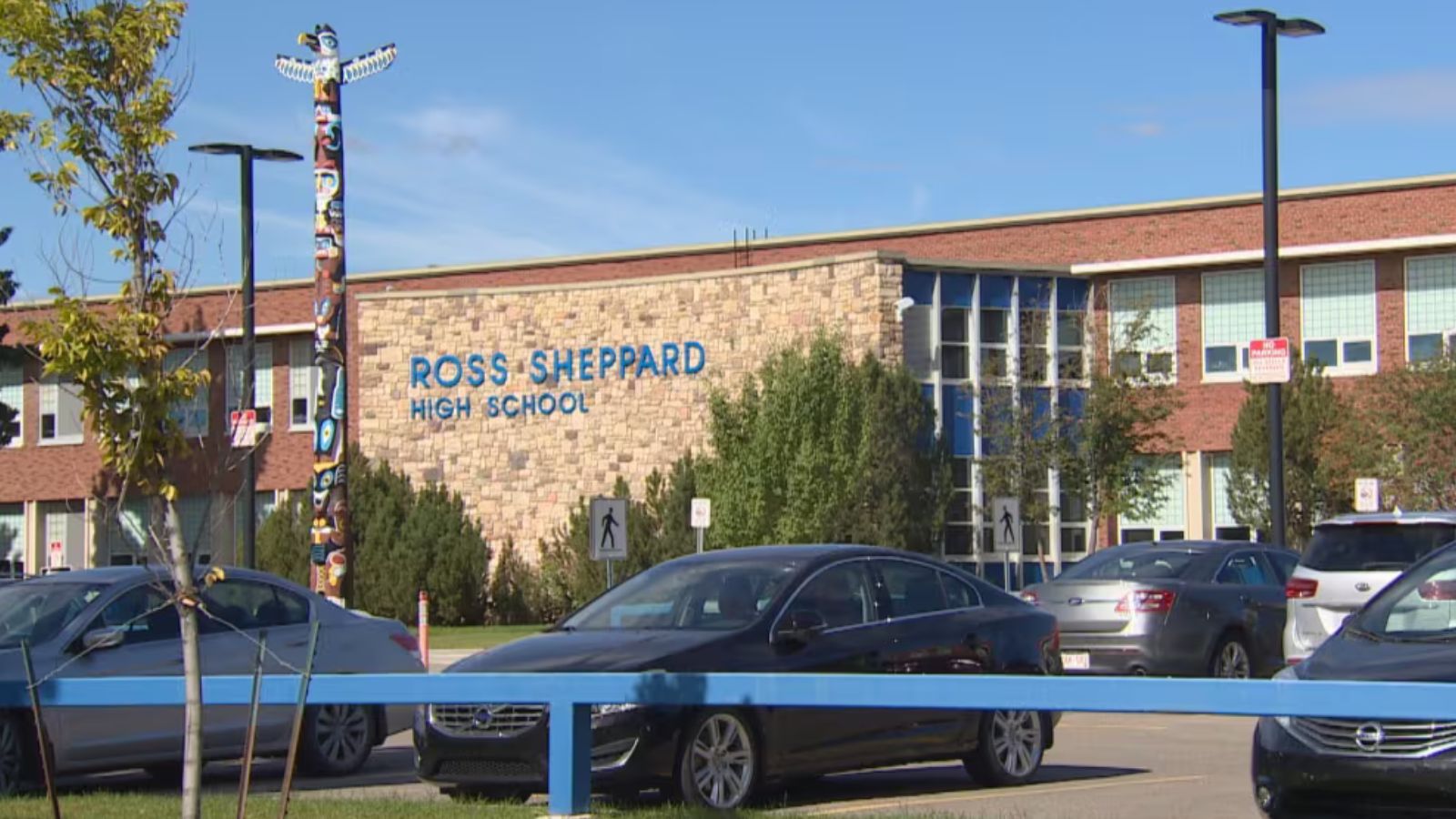
Housing can be approved and occupied much faster than a new school, recreation centre or medical clinic can be planned and funded. The Toronto District School Board has acknowledged that hundreds of residential units are added across the city each day and that development produces both overcrowded and underused schools in different areas. Its responses can include portable classrooms, attendance-boundary changes and redirecting pupils to facilities farther from home.
For families, those measures make growth tangible. A school that once held community concerts may turn its library into instructional space, while playground areas fill with portables. Children who expected to attend the school across the street may be assigned elsewhere because it has reached capacity. Similar pressures affect pools, sports fields, child-care spaces and family doctors. Development proposals often describe future residents in unit counts, but existing communities experience the change through longer registration lists and crowded facilities. Unease deepens when residents believe property development is treated as urgent while the social infrastructure required to support it is presented as a later objective.
Construction Noise Becomes a Permanent Soundtrack
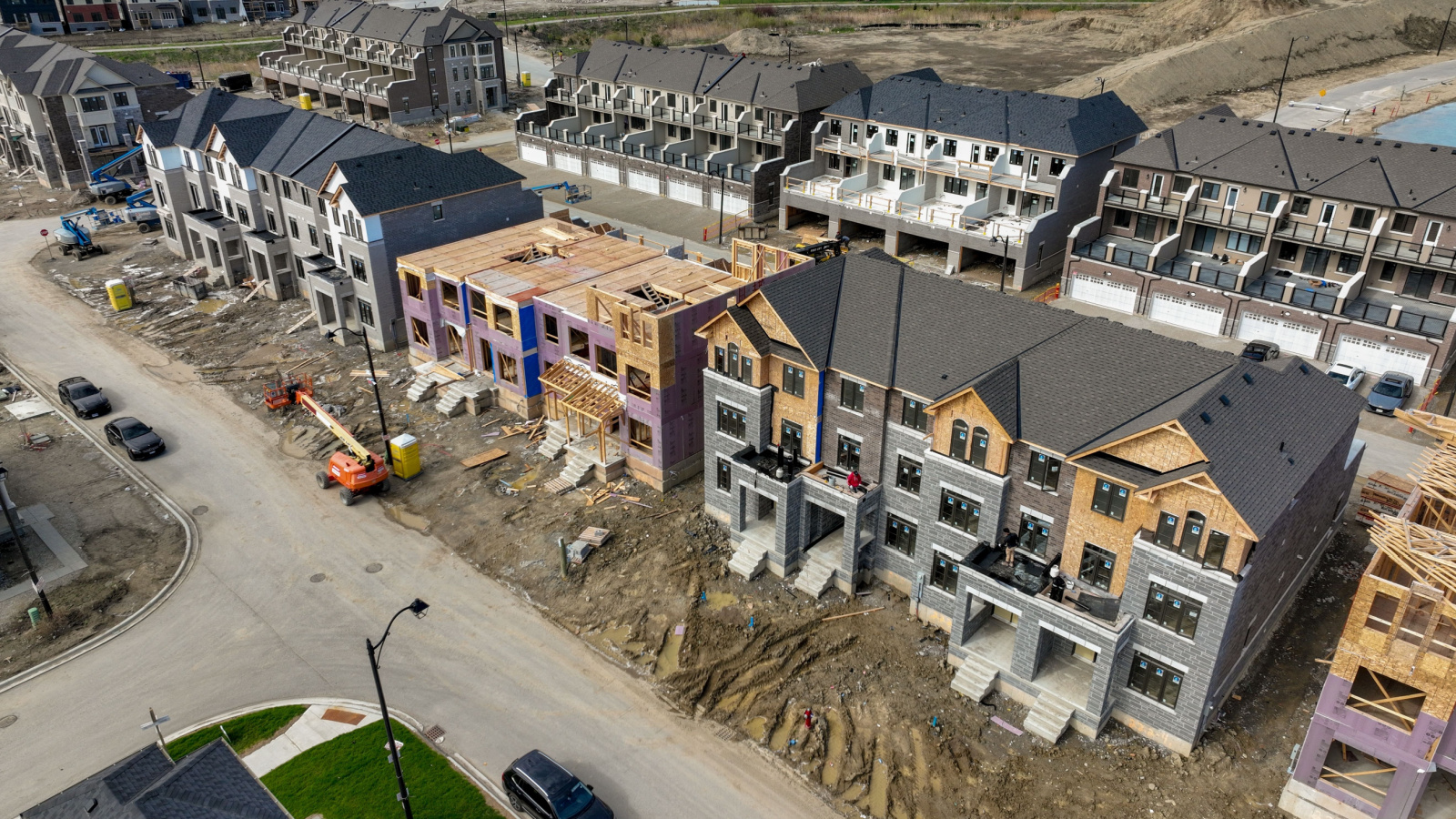
One renovation is usually tolerable. Several demolitions, road projects and high-rise developments operating in sequence can make construction feel like a permanent neighbourhood condition. Vancouver’s review of its Noise Control By-law has specifically addressed construction activity, permitted hours, complaints and the practical difficulties of enforcement. Similar debates occur across Canadian municipalities as housing construction expands into already occupied areas.
Noise affects residents unevenly. A person working from home may spend an entire meeting competing with drilling, while a night-shift worker tries to sleep beside excavation equipment. Babies, older adults and people with sensory sensitivities may have few places to escape during the day. Builders must complete necessary work, and tightly limiting construction hours can extend a project’s duration. Still, frustration grows when exceptions, early starts or poorly communicated schedules make the rules appear meaningless. The psychological burden comes partly from unpredictability: no one knows whether the next morning will bring ordinary activity or months of pile driving directly outside the window.
Encampments Become Visible Signs of a Housing Emergency
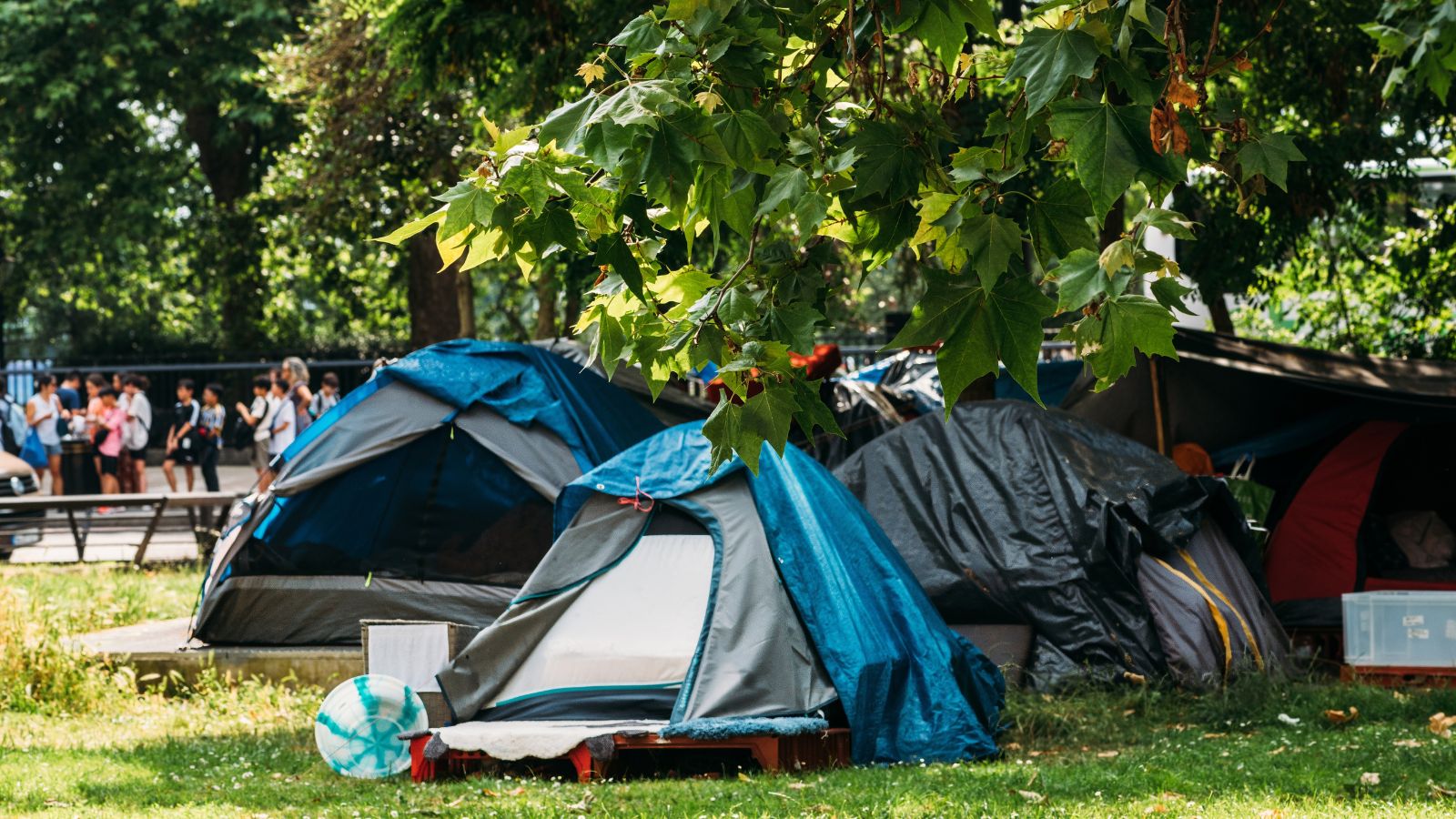
Tent encampments have become more visible in parks, ravines and other public spaces as shelters and affordable housing fail to meet demand. The federal government’s 2024 coordinated count identified 59,824 people experiencing homelessness across 74 participating communities on a single night. Among them, 17,088 were recorded in unsheltered locations and 4,982 were identified as staying in encampments.
The figures represent people rather than a neighbourhood nuisance, and any response must recognize the dangers faced by those living without stable shelter. At the same time, nearby residents may worry about fires, discarded needles, inaccessible playgrounds or confrontations involving people in acute distress. Those concerns can coexist with compassion. Unease becomes more intense when authorities repeatedly clear a site without creating lasting alternatives, allowing the encampment to return elsewhere. The result is a cycle that helps neither unhoused people nor surrounding communities. What residents see locally is the visible end of much larger failures involving rent, income support, mental-health care, addiction treatment and supportive housing.
Flooding Changes What “Safe Street” Means
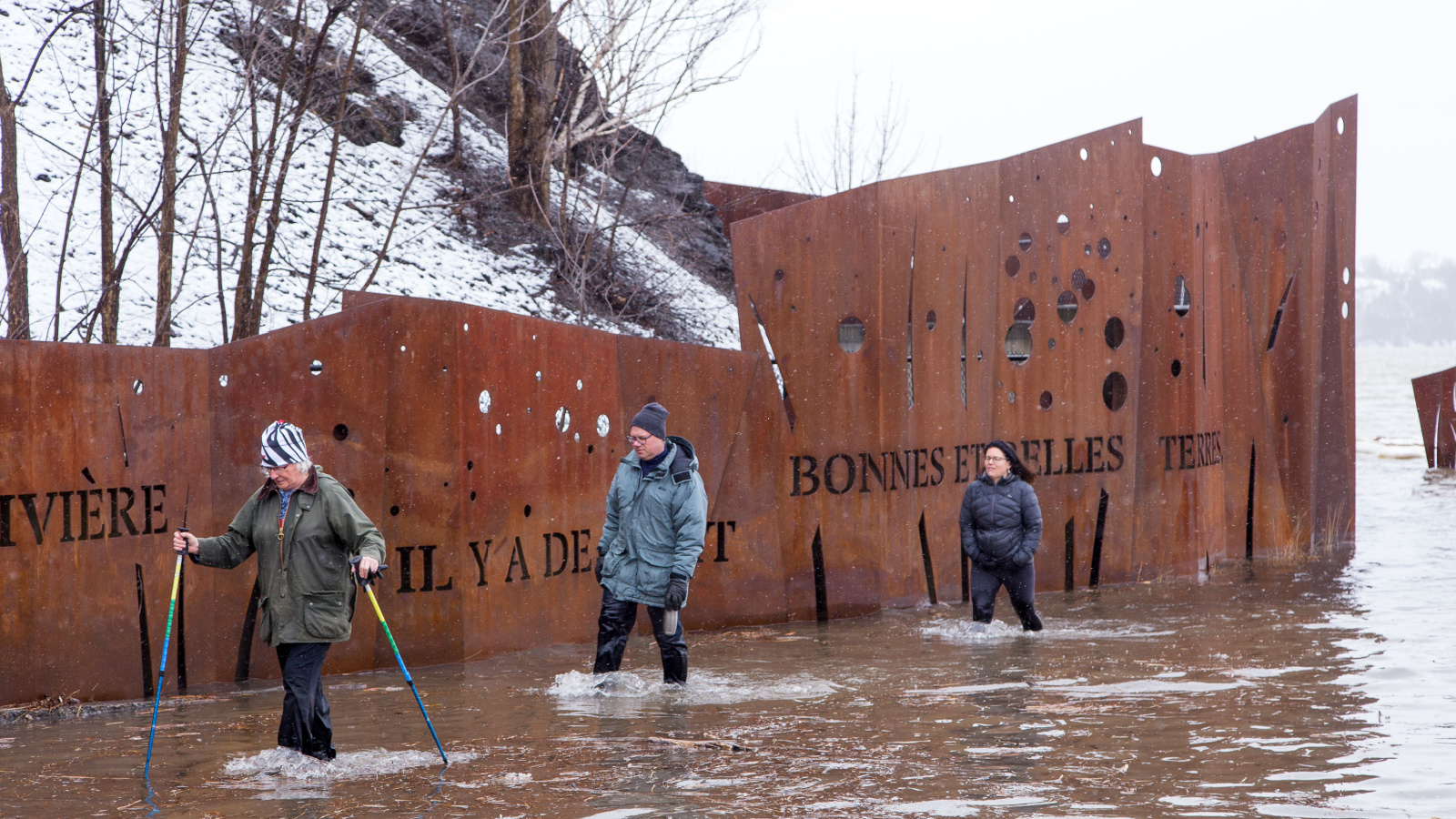
A neighbourhood that seemed secure for decades can feel different after water enters basements or turns an intersection into a temporary river. The Insurance Bureau of Canada estimated that severe weather caused more than $8.5 billion in insured damage during 2024, the highest annual total recorded in Canada. That amount was more than 12 times the average annual insured loss reported for the period from 2001 to 2010.
Flood risk also exposes inequalities. Households with savings can install backwater valves, improve grading or replace damaged belongings, while renters and lower-income owners may have fewer options. Municipal responses can reshape familiar streets through larger sewers, rain gardens, retention areas and lengthy road reconstruction. Those projects are necessary, but they also signal that past assumptions about drainage and weather no longer hold. Longtime residents may begin watching every intense rainfall warning, moving boxes off basement floors or questioning whether insurance will remain affordable. A street can look unchanged on a sunny day while its residents carry a completely different understanding of what the next storm might do.
Rising Land Values Turn Ordinary Properties Into Targets

In rapidly appreciating areas, a property may be valued less for the building standing on it than for what could eventually replace it. Vancouver has used targeted land-assessment averaging and other tax-relief mechanisms to address situations in which redevelopment potential contributes to sharp assessment increases. The city has also examined relief for commercial and community properties whose assessed values reflect unused development capacity.
For a longtime owner, that creates an unsettling distinction between a home’s personal value and its market value. A bungalow filled with family history may appear to developers primarily as a site that could hold multiple units. A small business may operate successfully while its landlord receives offers based on a future tower. Letters, calls and speculative purchases can make remaining in place feel temporary even when no move is planned. Higher land values can increase household wealth and support new housing, but the benefits are uneven. Residents who want to stay may face taxes, maintenance expenses or succession decisions shaped by a market that regards the existing neighbourhood as an unfinished version of something more profitable.
Investor Ownership Changes the Feeling of Permanence

Investor-owned housing plays a substantial role in some Canadian markets. Statistics Canada found that investors represented between 20.2% and 31.5% of residential property owners across five provinces examined for 2020. In Ontario, 41.9% of condominium apartments were used as investments. A later analysis found that investment properties accounted for 38.9% of condominium apartments in Toronto and 34.2% in Vancouver in 2022.
Investor ownership does not automatically harm a community. Many investor-owned units become essential long-term rentals, and small-scale landlords may live nearby and maintain close relationships with tenants. Concerns arise when buildings experience frequent tenant turnover, vacant units or owners who are difficult to contact. Condo meetings may focus increasingly on resale values and rental rules rather than shared community needs. In low-rise areas, multiple purchases can also fuel expectations of land assembly and redevelopment. Longtime residents may feel less certain about who is committed to the neighbourhood for the long term, even when the buildings remain occupied and outwardly unchanged.
Neighbourly Ties Weaken When Turnover Accelerates
Neighbourhood belonging is built through repeated, ordinary encounters: recognizing a dog walker, borrowing a tool, checking on an older resident or meeting the same parents outside a school. Statistics Canada reported that 48.1% of people expressed a strong sense of belonging to their local community during the second quarter of 2025, with results fluctuating between 45.7% and 53.5% over the preceding year. Federal research has also connected supportive neighbourhood relationships with a stronger sense of local belonging.
Newcomers are not the cause of weak social ties; diverse communities can be exceptionally cohesive when residents have time and places to connect. The difficulty is continual churn. When renters, homeowners, businesses and community organizations repeatedly leave, relationships are interrupted before they mature. New apartment designs may also reduce casual interaction if residents move directly between underground parking, elevators and private units. Longtime residents can begin to feel isolated even while more people live nearby. The deepest unease surrounding neighbourhood change may therefore be social rather than physical: the fear that a location will remain crowded and valuable while becoming less capable of feeling like home.
19 Things Canadians Don’t Realize the CRA Can See About Their Online Income

Earning money online feels simple and informal for many Canadians. Freelancing, selling products, and digital services often start as side projects. The problem appears at tax time. Many people underestimate how much information the CRA can access. Online platforms, banks, and payment processors create detailed records automatically. These records do not disappear once money hits an account. Small gaps in reporting add up quickly.
Here are 19 things Canadians don’t realize the CRA can see about their online income.
