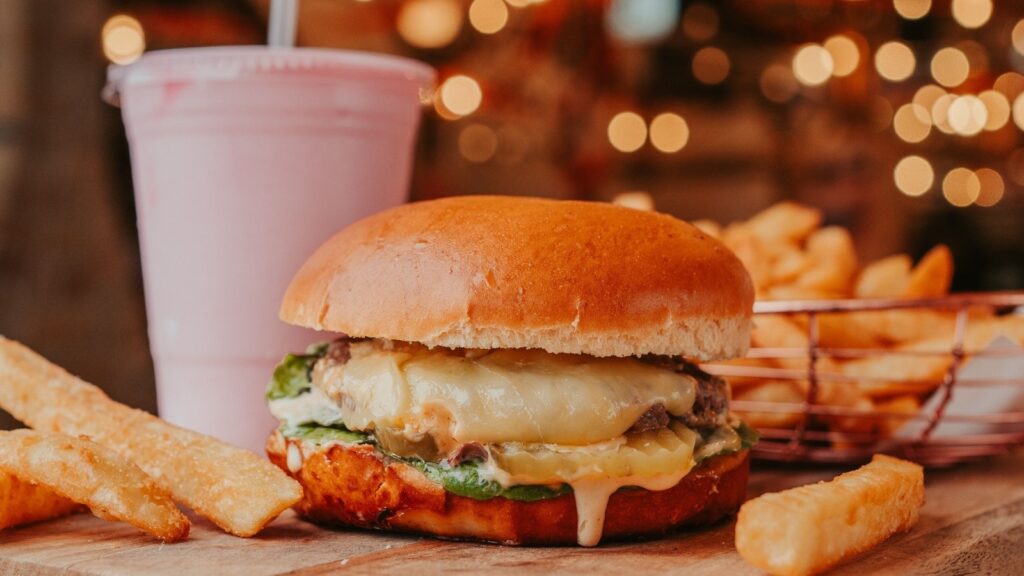
Fast food once felt like a quick and low-cost option. Many Canadians now notice higher prices across familiar menu items. Meals that used to fit tight budgets feel more expensive today. Combo upgrades, add-ons, and drink choices raise totals quickly. Portion sizes often stay the same despite rising costs. App deals sometimes hide regular pricing increases. Here are 17 Fast-food items Canadians say cost too much now (compared to 2024).
Value Menu Cheeseburgers
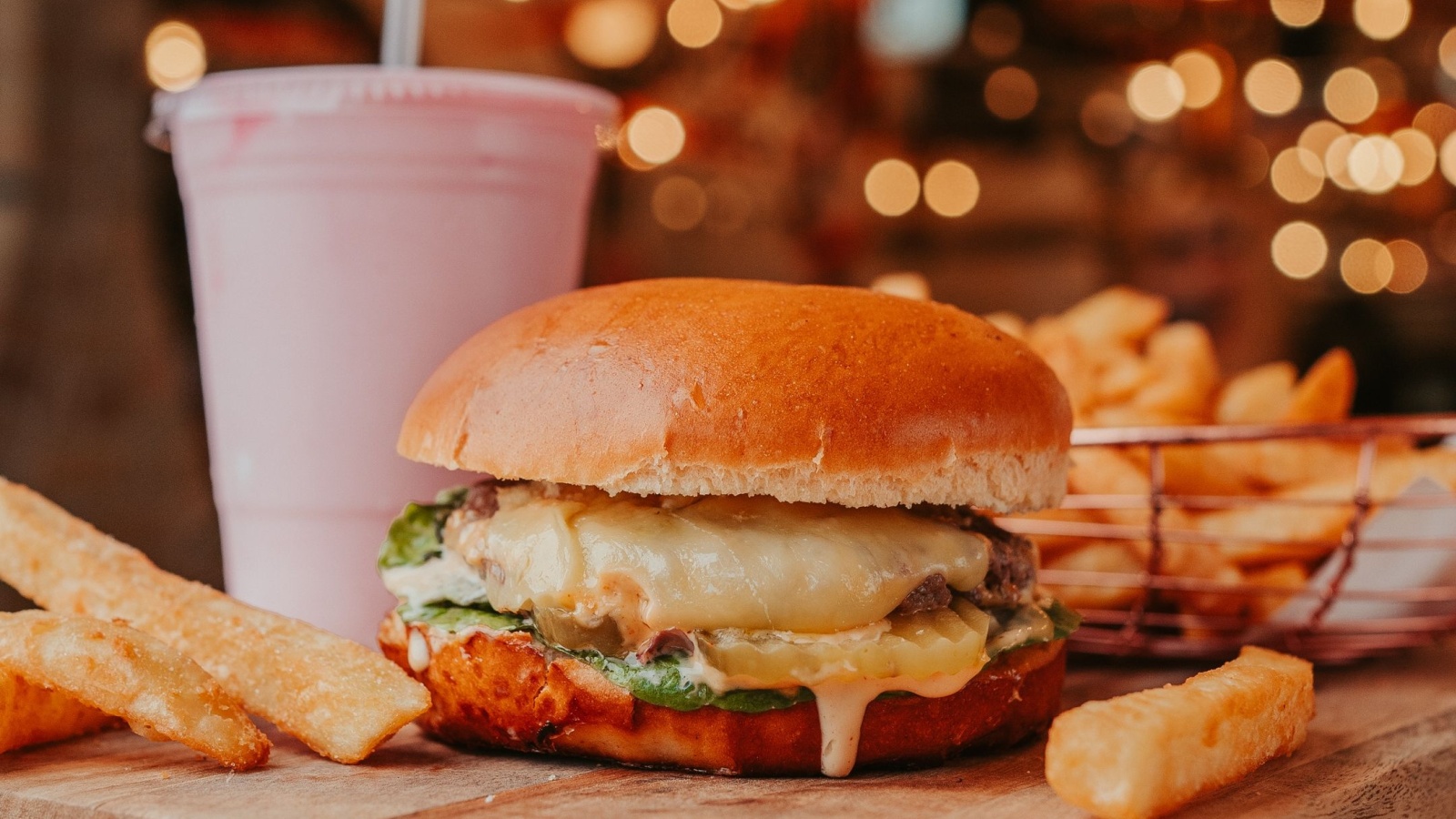
Value menu cheeseburgers once stood out for low prices. Many Canadians now notice higher costs than a few years ago. Portion sizes often remain small despite price increases. Combo upgrades raise totals even more. Ingredient and labour costs affect fast food pricing. Customers may buy two burgers to feel full. This doubles the expected spending. Promotions may appear less often than before. Digital ordering can hide the base value comparison. Unit price per gram has risen quietly. Frequent buyers feel the difference over time. Budget diners now reconsider these items.
Chicken Nugget Meals
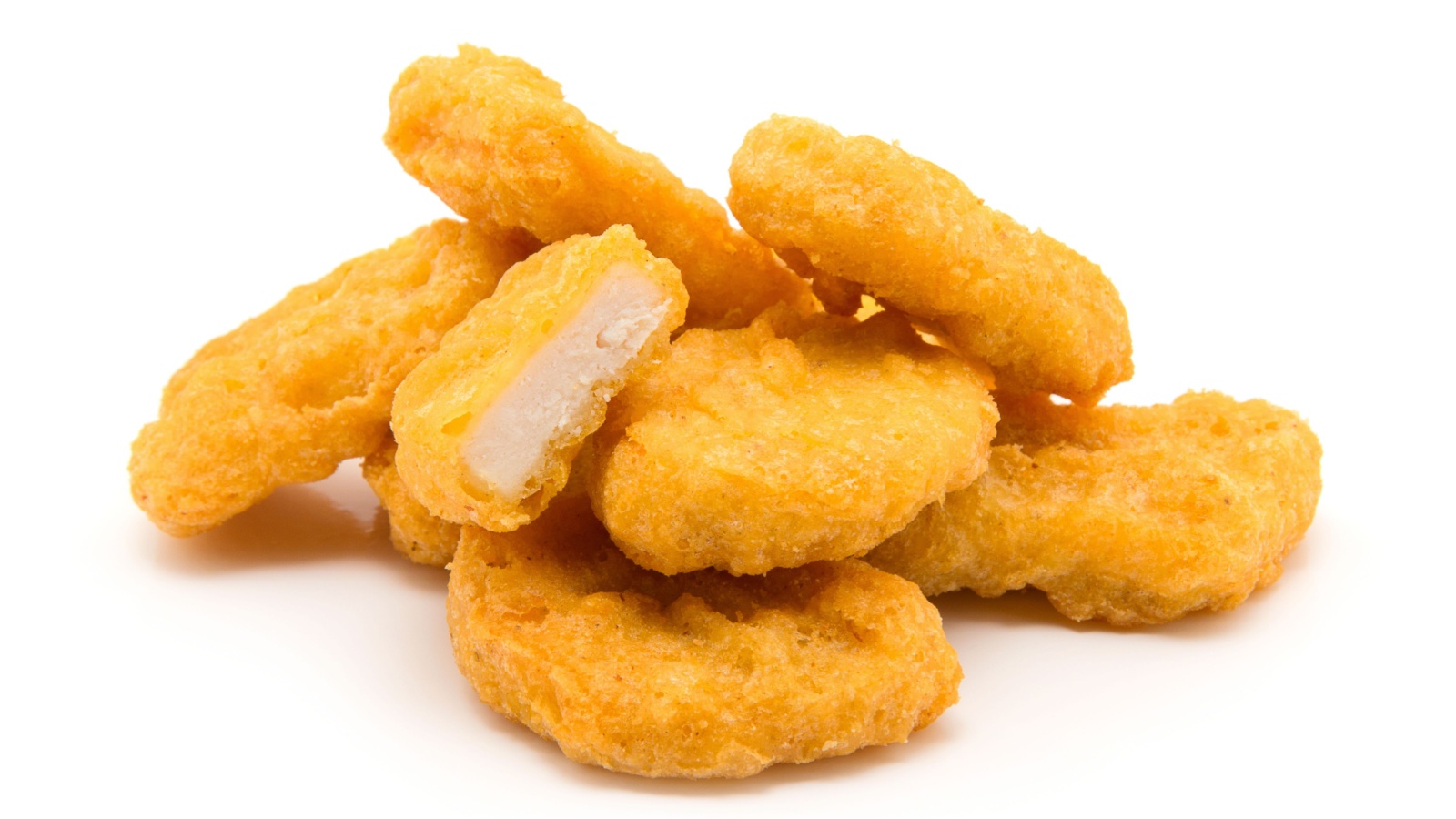
Chicken nugget meals now cost more than in past years. Meal pricing includes fries and a drink. Portion counts sometimes stay the same. Combo prices have climbed steadily. Families buying multiple meals feel the change quickly. Sauce requests can add extra charges. Delivery pricing often increases totals further. Promotions may require app use. Nuggets once seen as budget options now feel premium. Comparing single items versus meals shows differences. Larger group orders raise spending fast. Many customers now question the value.
Large Fries
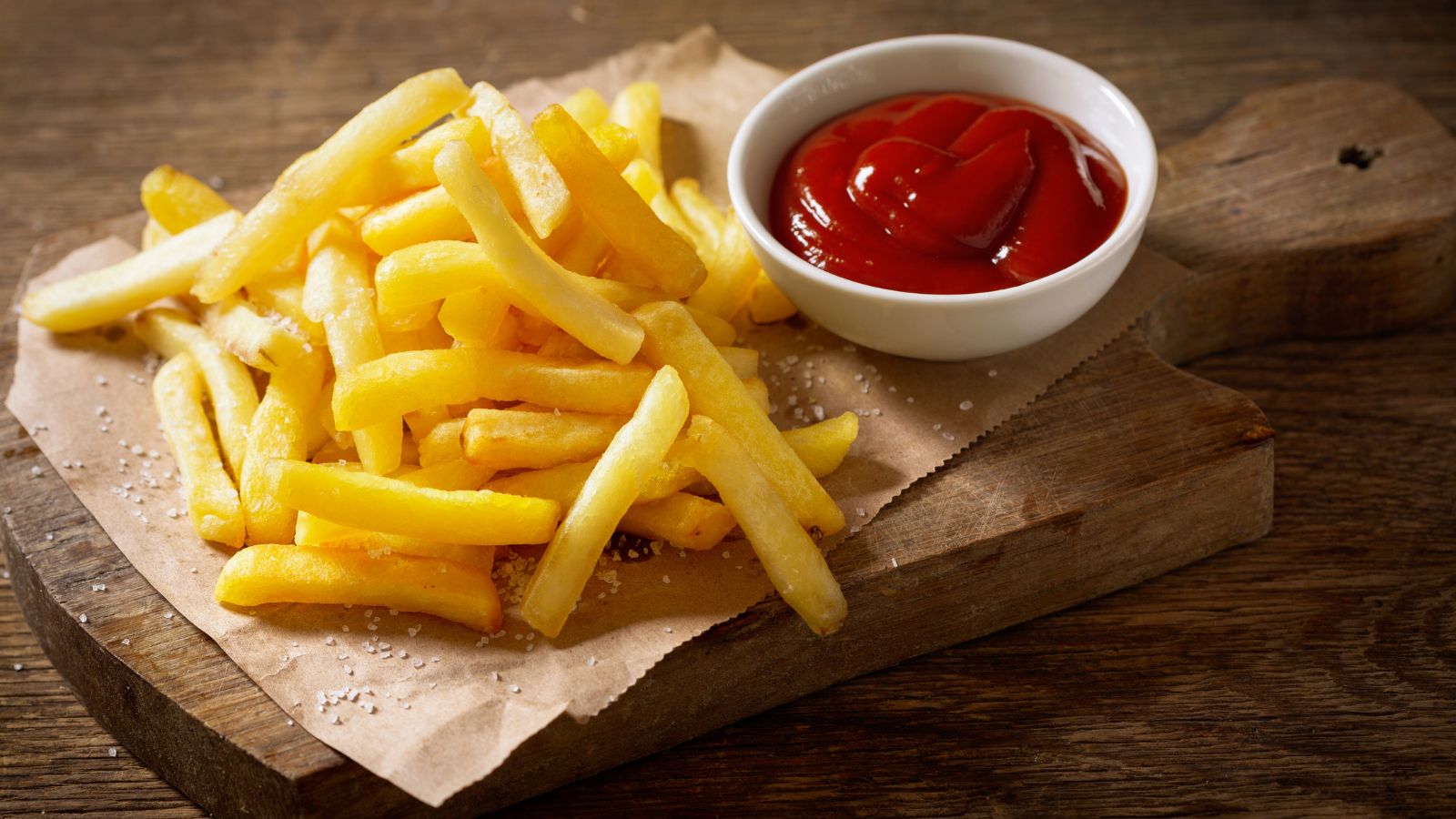
Large fries have seen noticeable price increases. Portion sizes may not have changed much. Combo pricing also affects the final cost. Potatoes remain a low-cost ingredient overall. Fast food chains adjust pricing for packaging and labour. Customers upgrading sizes pay more than before. Promotions sometimes exclude large sizes. Delivery adds further charges. Buying fries separately can cost more than expected. Frequent visits raise monthly spending. Comparing medium versus large sometimes shows small differences. Many diners now view large fries as less affordable.
Breakfast Sandwich Combos
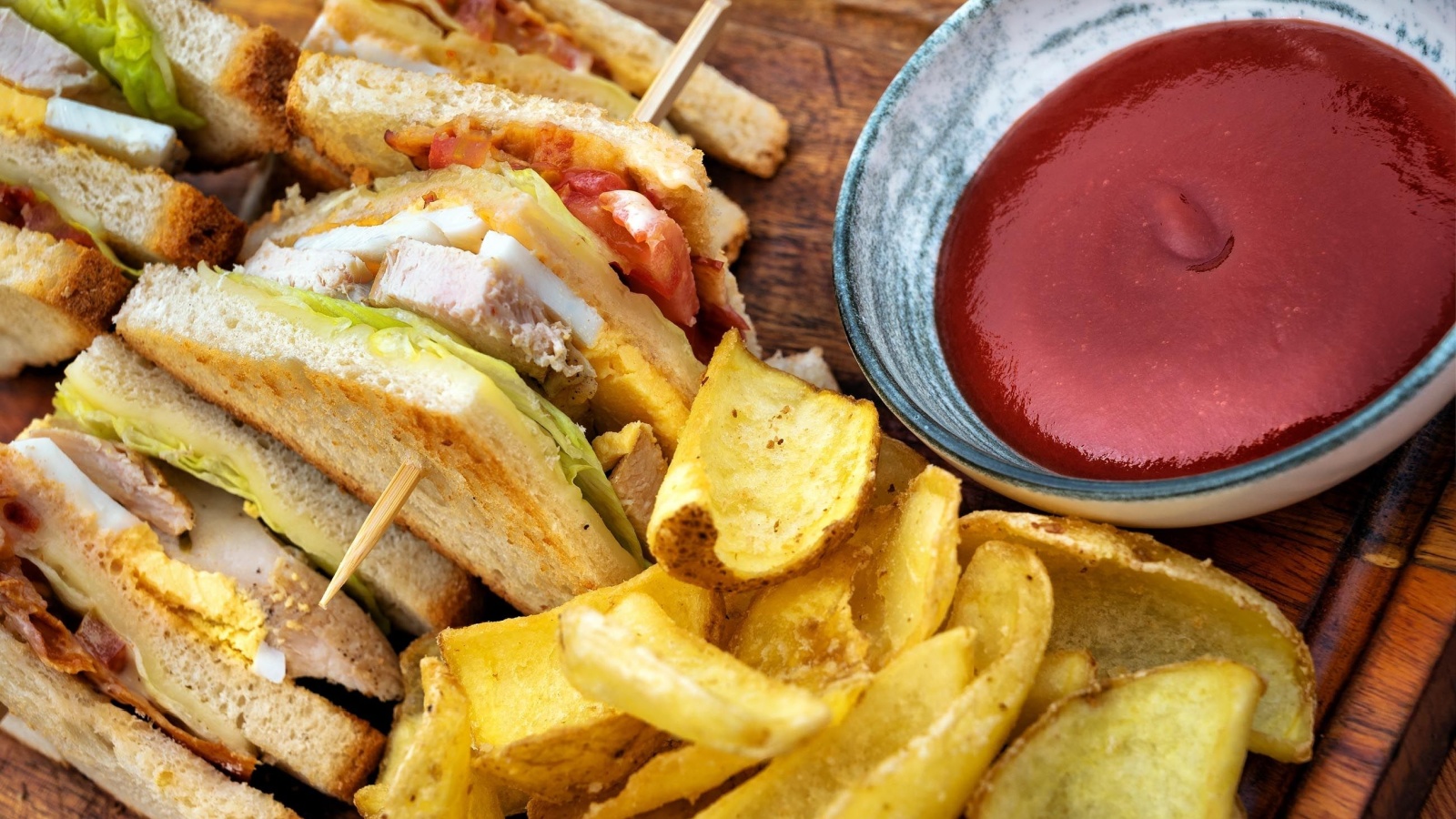
Breakfast sandwich combos have become more expensive. Meals include a sandwich, hash brown, and a drink. Morning pricing once felt budget-friendly. Now totals can rival lunch combos. Ingredient costs and staffing influence prices. Coffee add-ons may increase bills further. Limited-time deals often require apps. Portion sizes remain similar despite higher prices. Commuters buying daily feel the impact. Choosing items separately may cost even more. Weekend breakfast runs raise spending. Many Canadians now see these combos as pricier than before.
Specialty Coffee Drinks

Specialty coffee drinks now cost noticeably more. Flavoured lattes and iced drinks carry premium pricing. Add-ons like syrups increase totals. Milk substitutions may add further fees. Drink sizes influence the final cost quickly. Daily purchases add up over a month. Promotions sometimes apply only to basic coffee. Delivery pricing raises costs further. Customers often customize drinks without noticing add-ons. Comparing plain coffee shows a big difference. Seasonal flavours can cost even more. Many now see these drinks as luxury purchases rather than routine buys.
Chicken Wraps
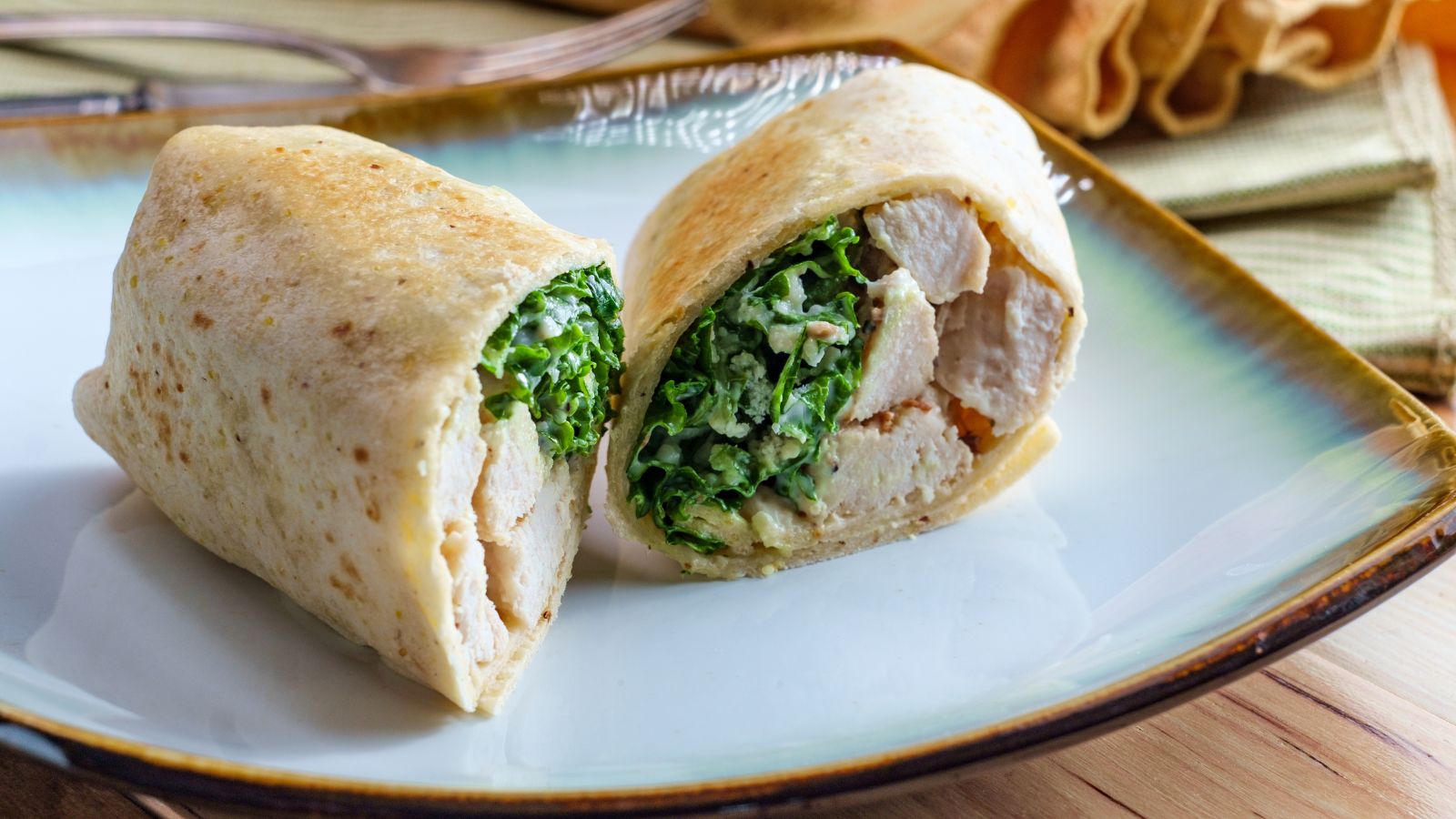
Chicken wraps once felt like lighter budget options. Many Canadians now see higher prices on menus. Portion sizes often remain modest. Combo pairings raise totals further. Ingredient and packaging costs influence pricing. Grilled versions sometimes cost more than fried. Promotions may not include wraps regularly. Delivery fees increase the overall expense. Buying two wraps to feel full raises spending. Unit value compared with burgers feels lower now. Frequent buyers notice the shift clearly. Wraps no longer feel like low-cost choices.
Milkshakes
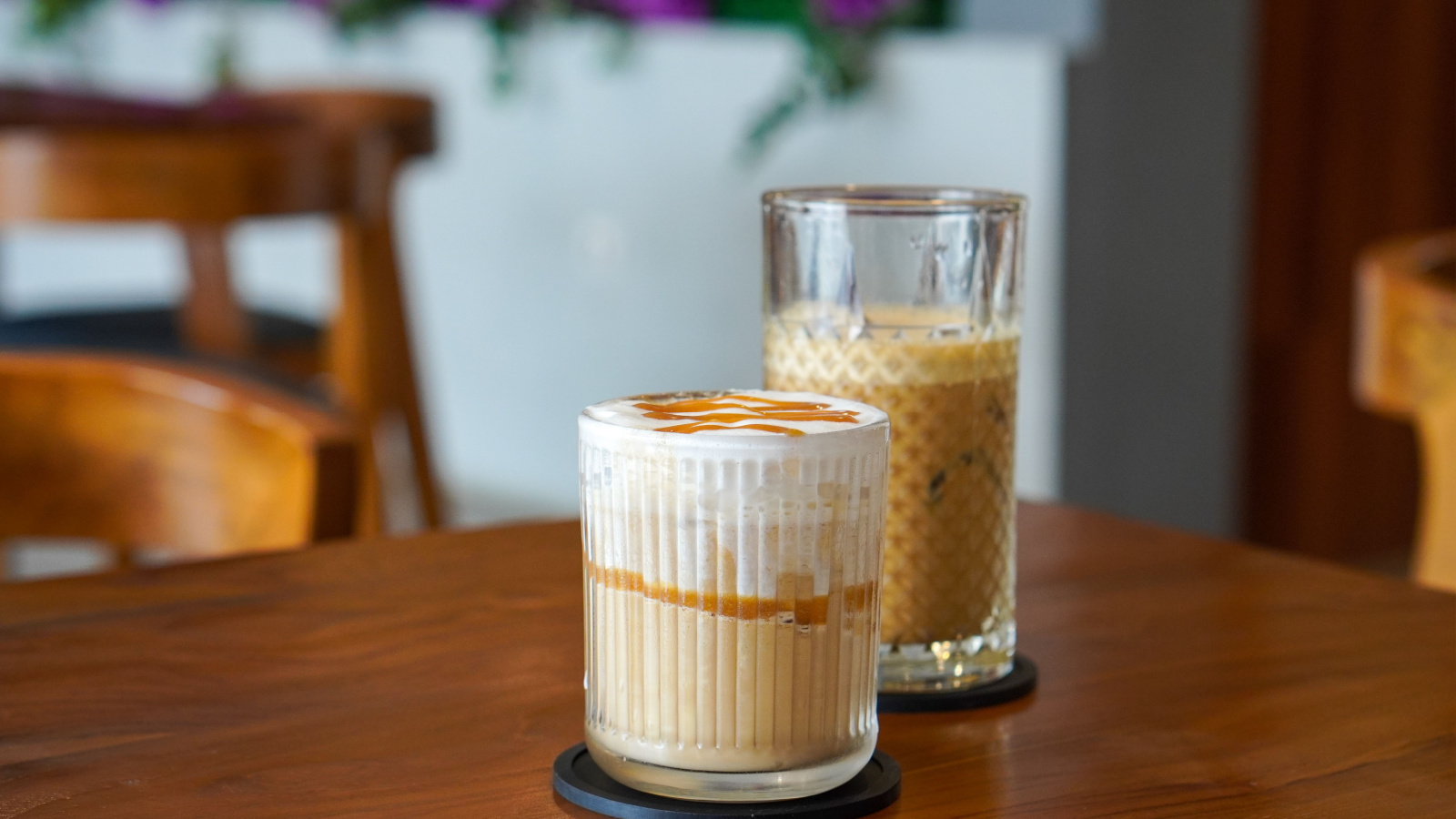
Milkshakes now carry premium fast food prices. Larger sizes cost significantly more. Add-ons like whipped cream may cost extra. Ingredient costs include dairy and flavour syrups. These drinks were once occasional treats. Now prices resemble specialty café beverages. Combo meals rarely include shakes affordably. Delivery orders raise costs even more. Smaller cups may still feel expensive. Frequent purchases increase monthly spending. Compared to soft drinks, it shows a gap. Many customers now skip milkshakes due to price.
Combo Meal Upgrades
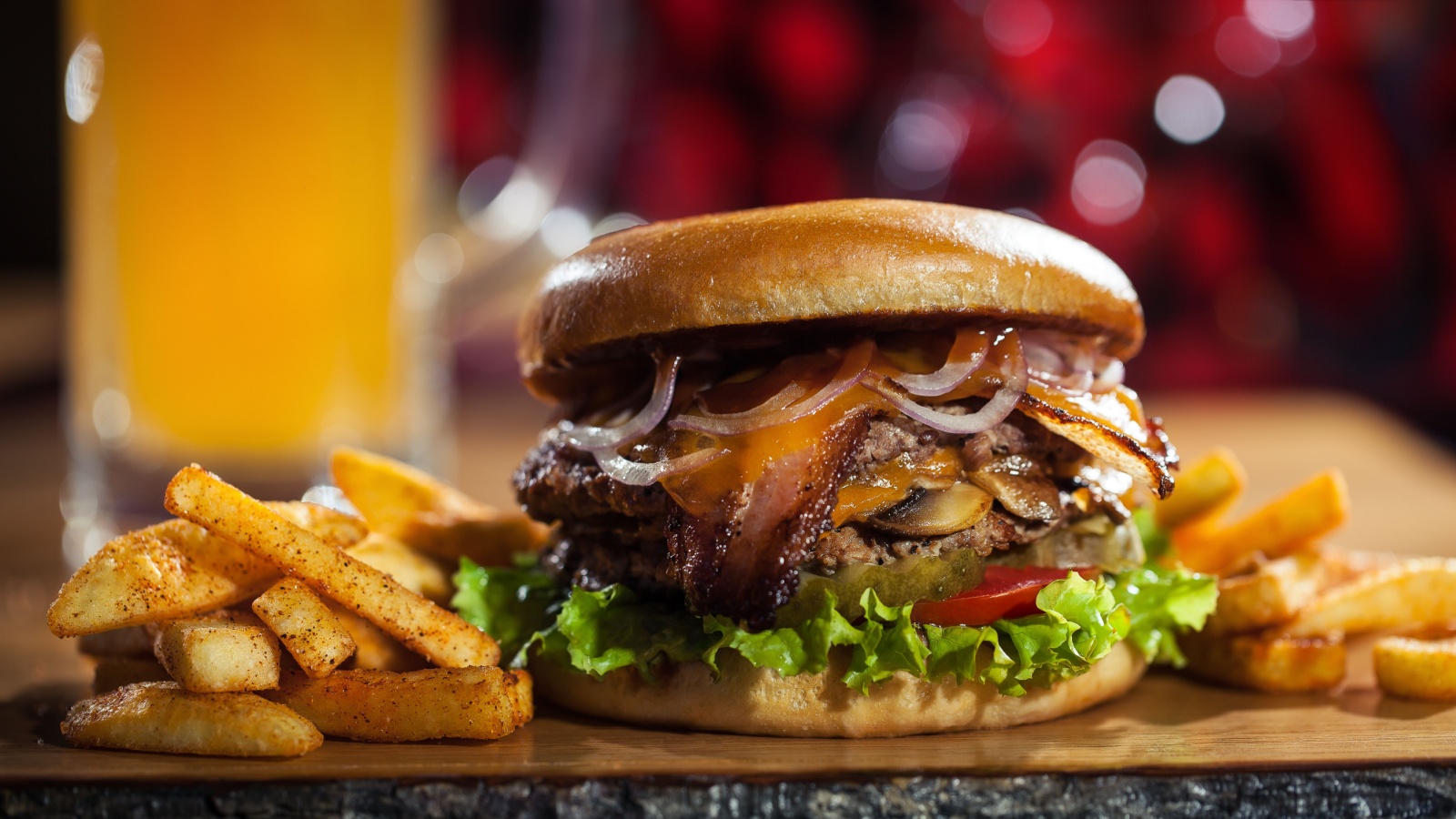
Upgrading combo meals now costs more than before. Switching to larger fries or drinks raises totals quickly. Menu boards show base prices first. Upgrade costs appear during ordering. Customers may not notice the added amount. Frequent upgrades increase overall spending. Delivery and app pricing can differ. Limited-time deals sometimes exclude upgrades. The jump from medium to large can feel steep. Families ordering multiple meals feel the impact. Choosing standard sizes lowers bills. Many now reconsider automatic upgrades.
Side Salads
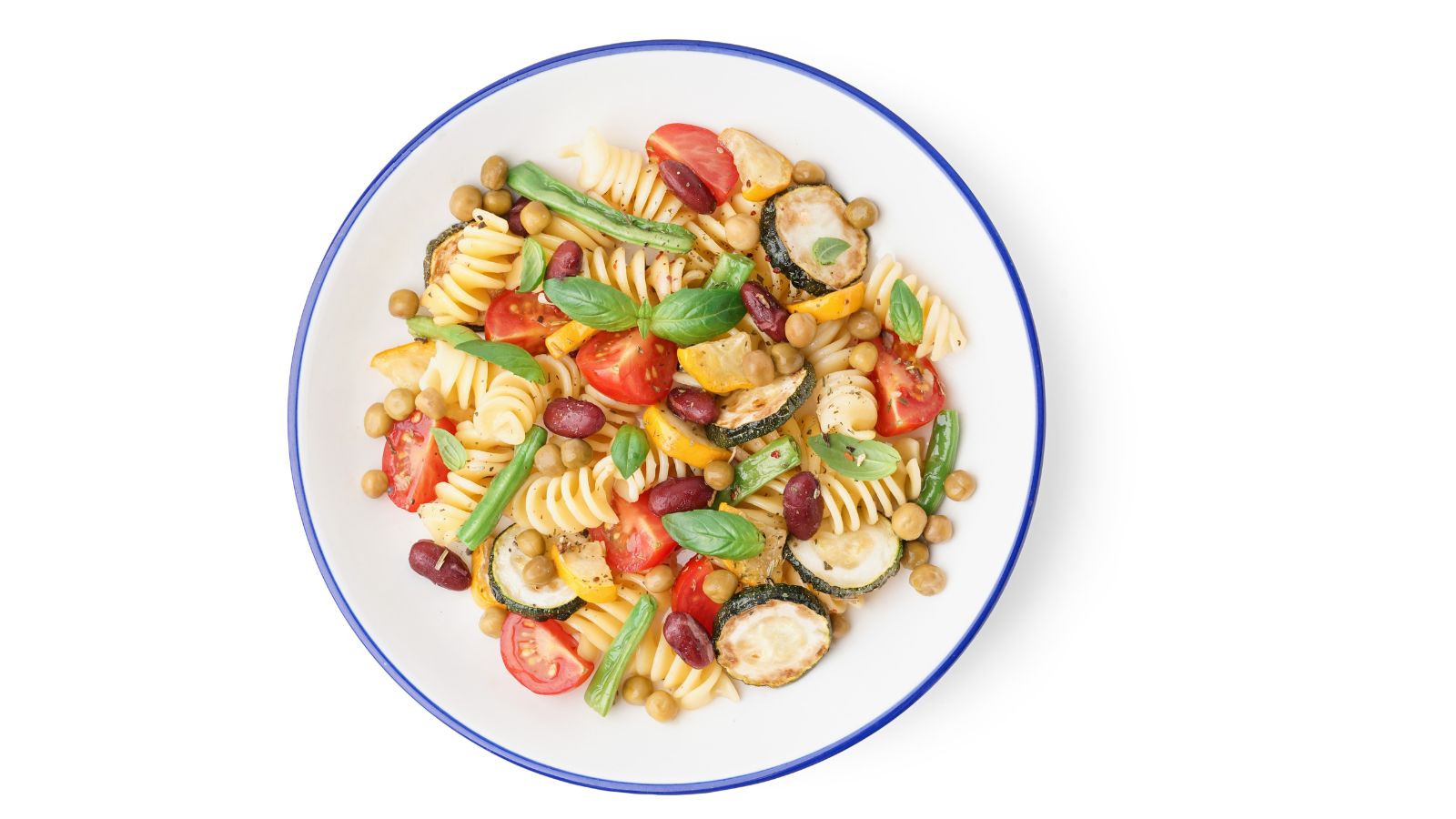
Side salads once served as low cost add ons. Now they often carry higher prices. Portion sizes may stay small. Ingredient costs like greens and toppings play a role. Dressings may come with extra charges. Combo meals rarely include salads by default. Health-conscious diners may still choose them. Comparing with fries shows closer pricing now. Delivery pricing raises totals further. Frequent healthy swaps increase spending. Smaller salads feel less filling for the cost. Many now question their value.
Mozzarella Sticks
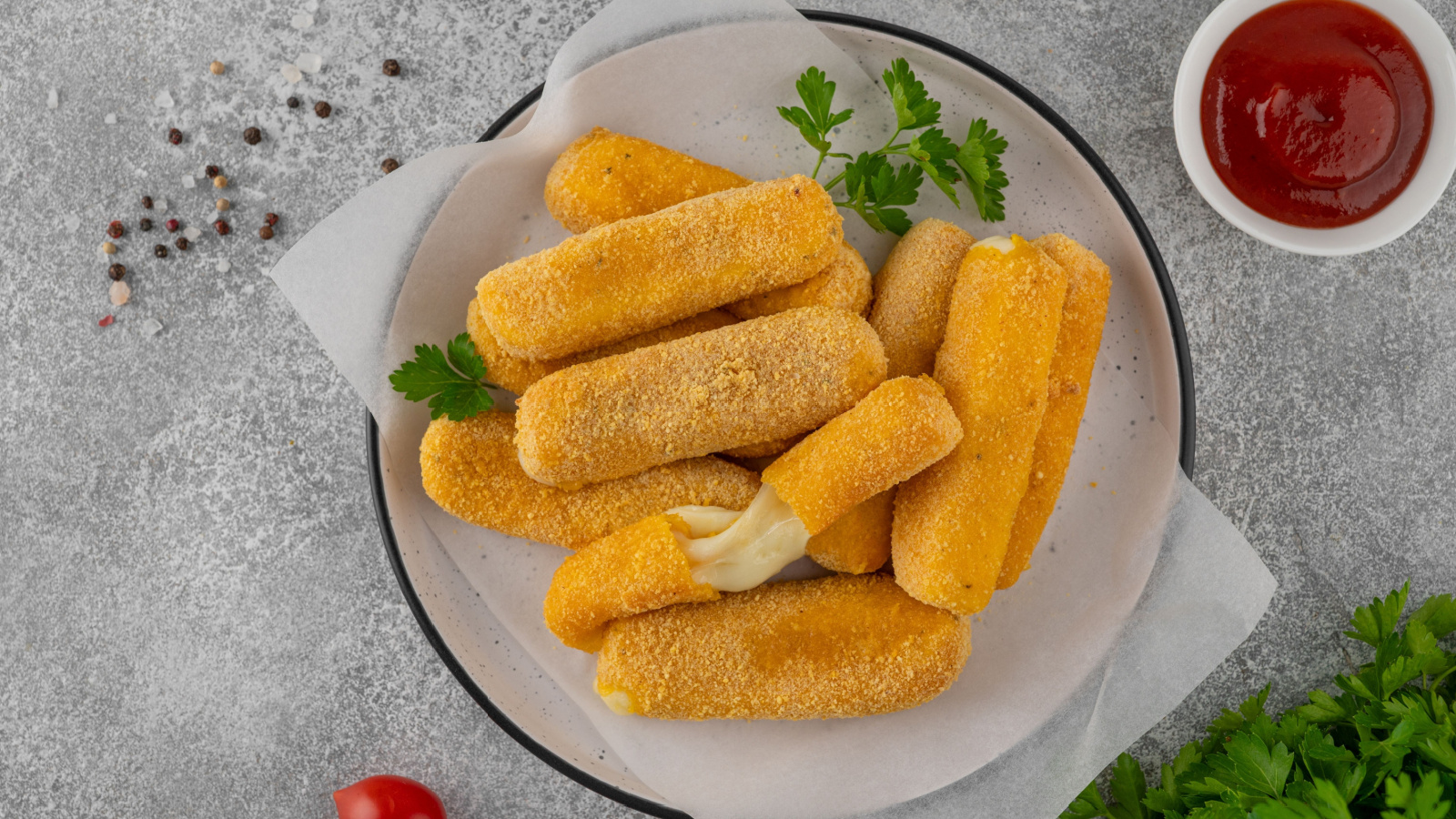
Mozzarella sticks have become pricier menu extras. Portion counts often stay the same. Cheese and frying costs influence pricing. These sides were once budget-friendly. Now they approach entrée-level pricing. Combo deals rarely include them. Dipping sauces may cost extra. Delivery orders raise costs further. Customers may buy multiple orders to share. This increases the final total quickly. Comparing with other sides shows higher pricing. Many see them as occasional treats now.
Kids’ Meal Upcharges
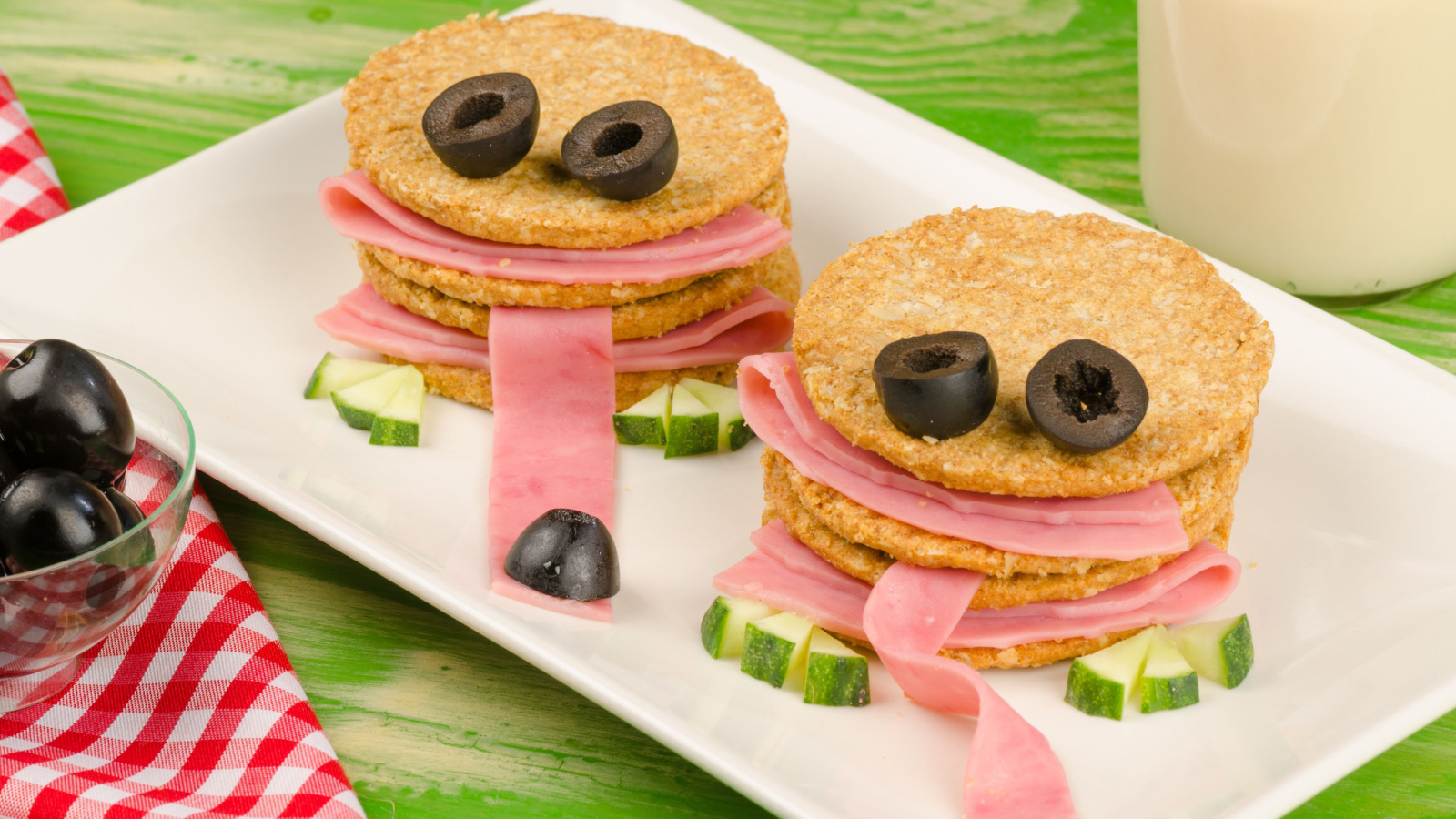
Kids’ meals now include more add-on charges. Upgrading drinks or sides raises the cost. Toys and packaging add to expenses. Base meal prices have climbed over time. Parents buying multiple meals feel the change. Promotions may not apply every day. Healthier swaps can also cost more. Delivery orders increase totals further. Portion sizes remain child-sized. Frequent visits raise monthly spending. Compared to adult value meals, there is less difference now. Families now plan purchases more carefully.
Extra Sauce Portions
Extra sauce portions often come with separate fees. What once felt complimentary now costs more. Small containers appear as line items. Frequent requests increase totals quietly. Nugget and fry orders often include limited sauce. Customers may not expect the charge. Delivery apps list sauce fees clearly. Sharing portions can reduce cost. Small charges add up across visits. Asking what is included helps. Reviewing receipts shows these extras. Many now limit extra sauce requests.
Plant-Based Burger Options
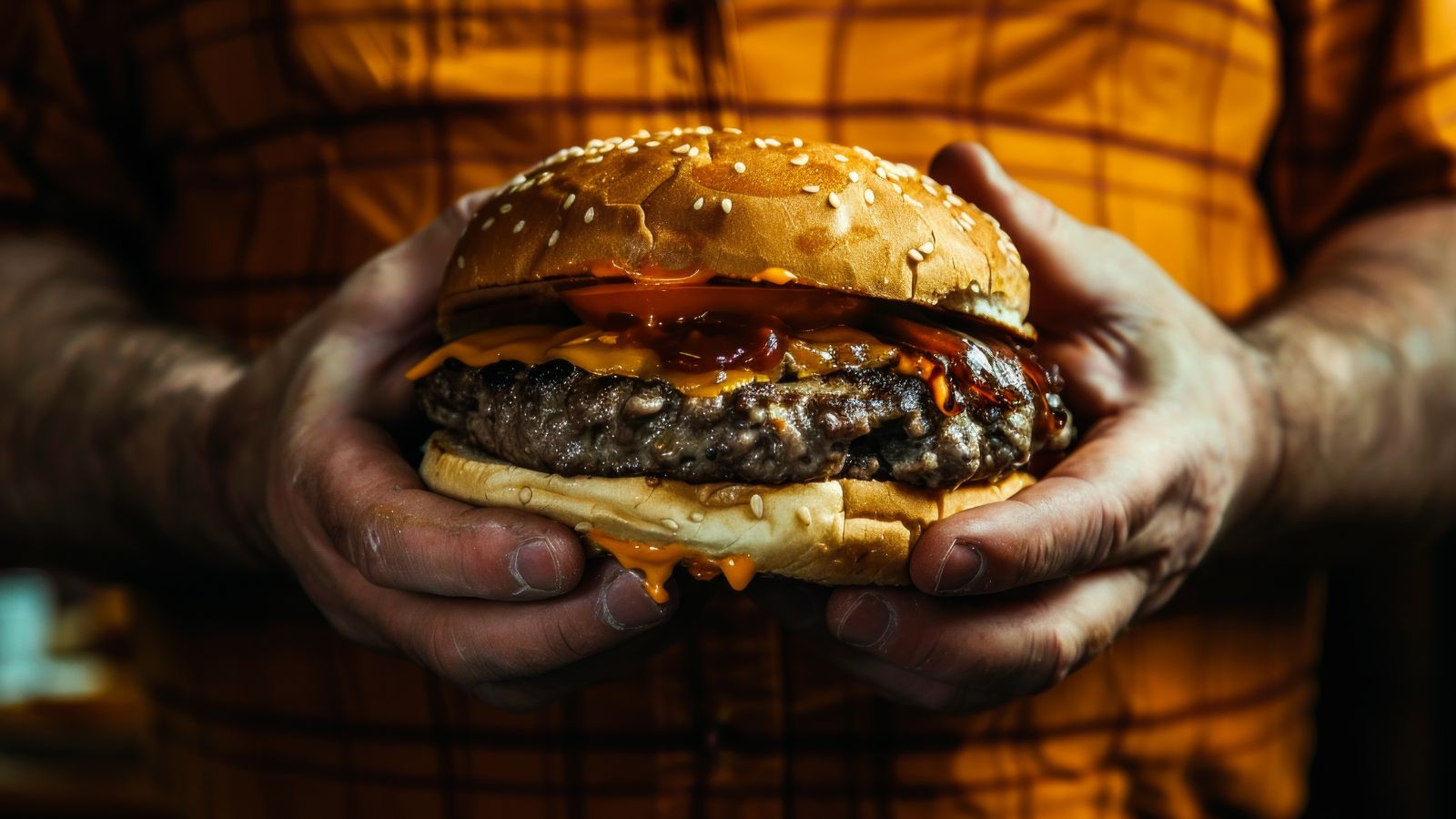
Plant-based burger options now cost more than regular patties. Ingredient sourcing and demand affect costs. These items were once aimed to match meat pricing. Now they often sit in premium menu sections. Combo meals with plant patties cost even more. Add-ons like cheese raise totals further. Promotions may not include these options. Customers choosing alternatives pay noticeable differences. Delivery orders increase the gap further. Portion sizes usually match standard burgers. Frequent buyers feel the higher cost over time. Many Canadians now see them as premium choices.
Bacon Add-Ons
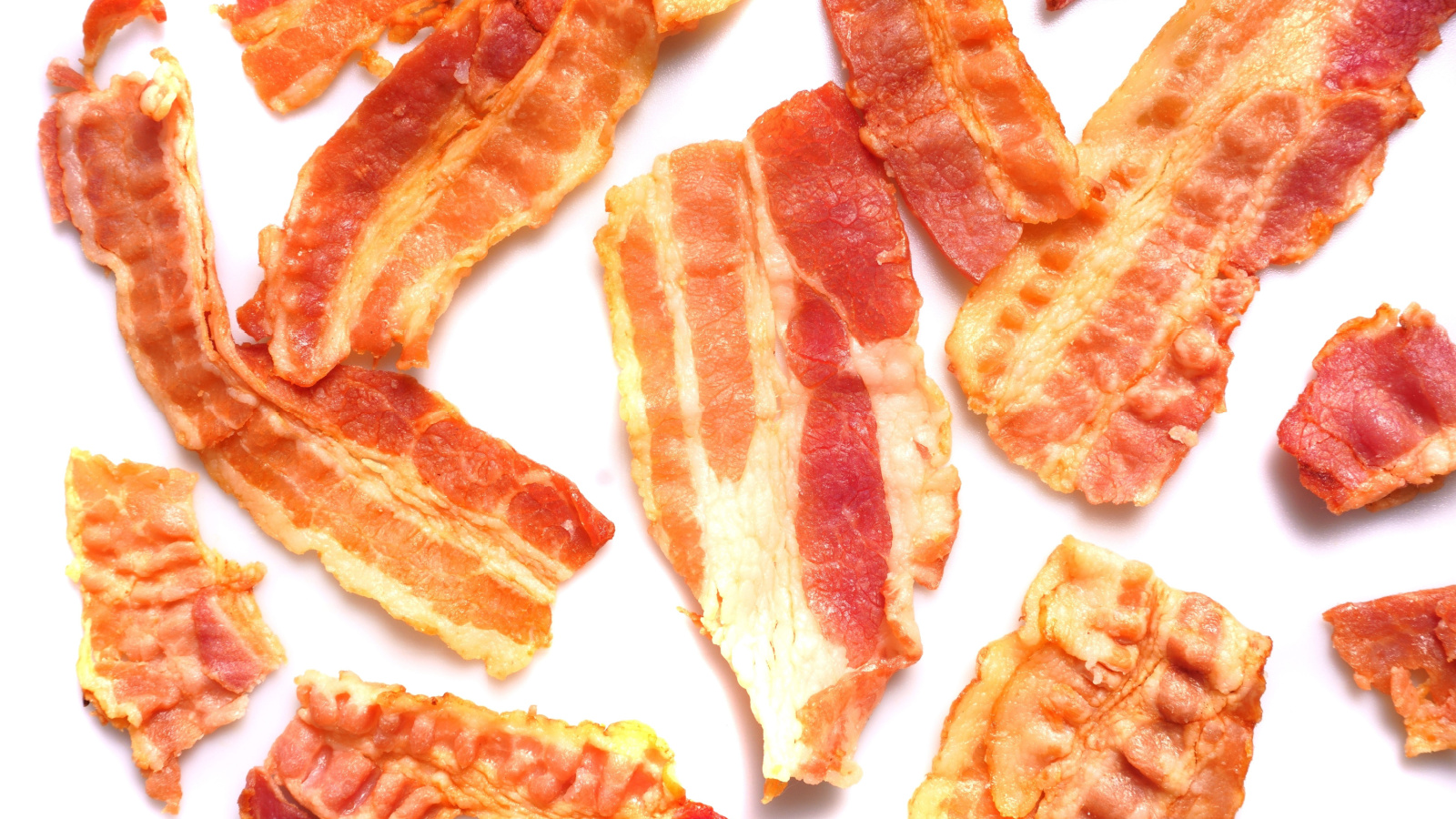
Adding bacon to meals now comes with higher charges. What used to feel like a small upgrade costs more. Menu boards list base items first. Add-on prices appear during customization. Customers may overlook the extra cost. Bacon upgrades apply to burgers and breakfasts. Multiple add-ons stack quickly on bills. Delivery orders raise totals further. Promotions rarely cover extras. Frequent custom orders increase spending. Comparing base versus upgraded meals shows the difference. Many now skip bacon to control costs.
Large Fountain Drinks
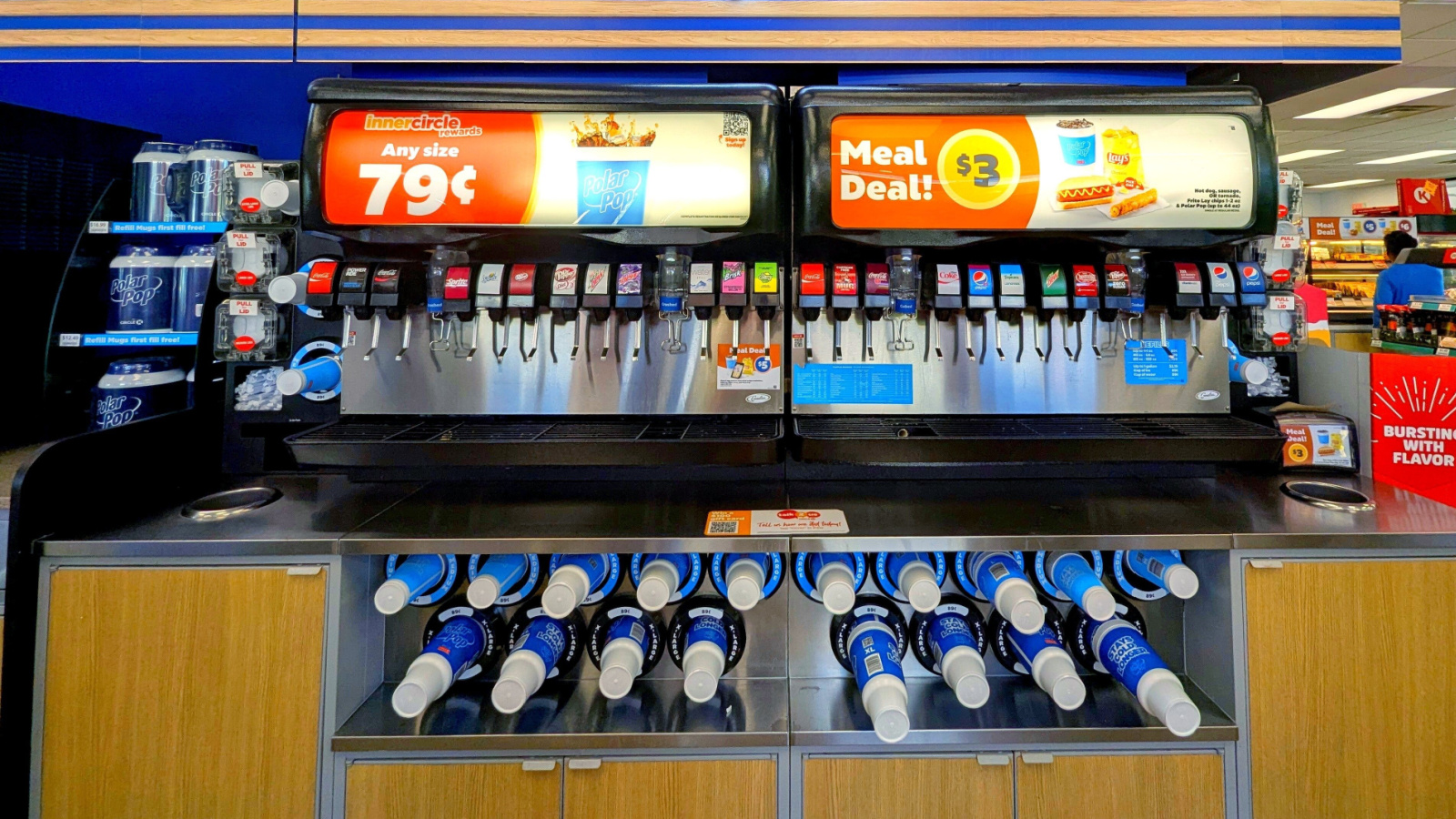
Large fountain drinks have seen price increases. Portion sizes remain similar to past years. Combo pricing affects the overall drink cost. Refills may not always be available. Syrups and cup sizes influence pricing. Upgrading from medium raises totals quickly. Promotions may focus on smaller sizes. Delivery adds further charges. Frequent purchases increase monthly spending. Water remains a lower-cost option. Comparing with grocery drinks shows a gap. Many now question the value of large sizes.
Delivery-Only Menu Items
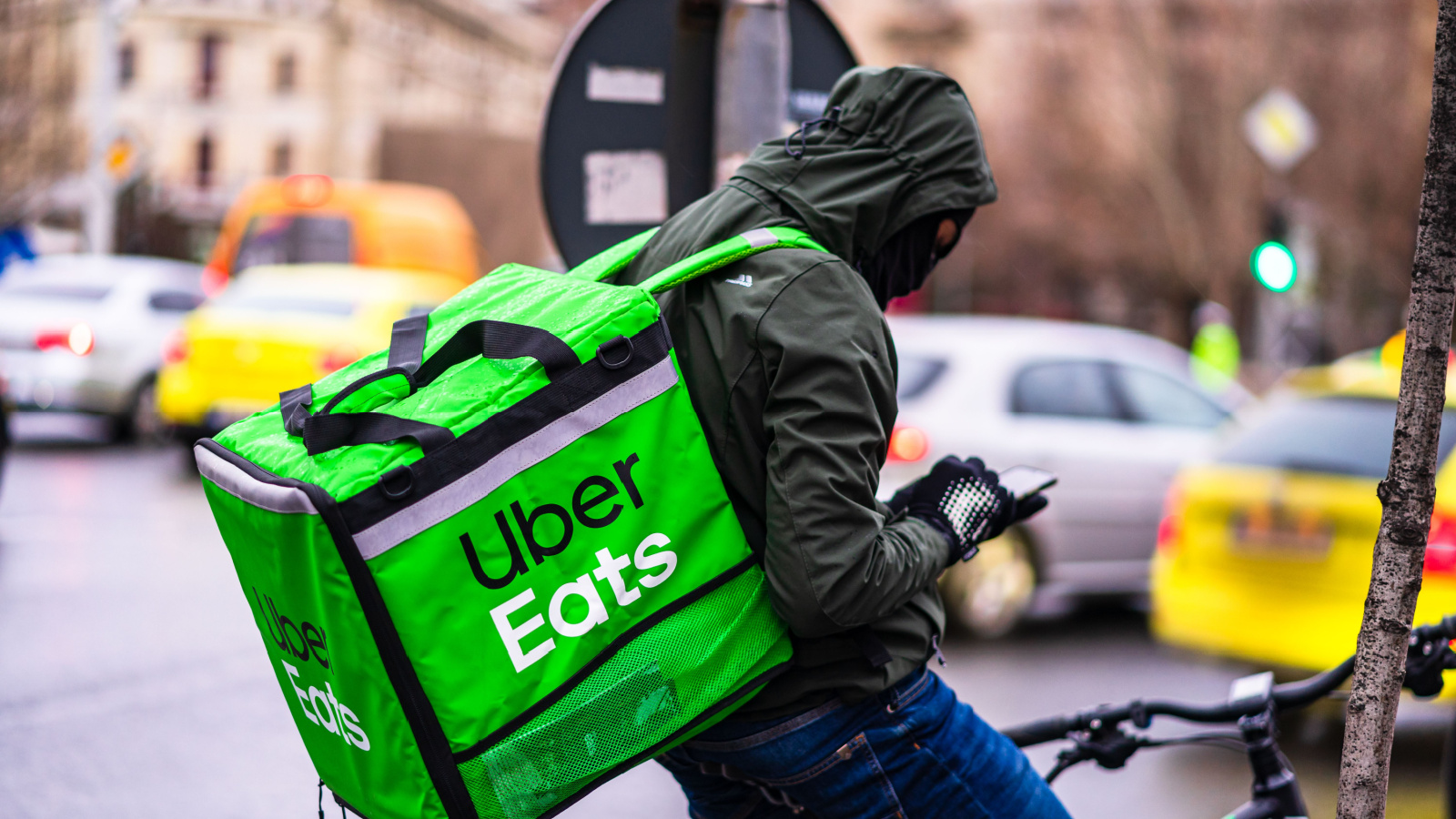
Delivery-only items often carry higher prices. Packaging and platform fees raise costs. These items may not appear on in-store menus. Customers ordering online see higher totals. Promotions may not apply to delivery items. Portion sizes can match regular versions. Convenience adds to the premium. Frequent delivery use increases spending. App pricing sometimes differs by location. Comparing pickup prices shows the difference. Service fees and tips add more. Many Canadians now limit these orders.
Limited-Time Specialty Burgers
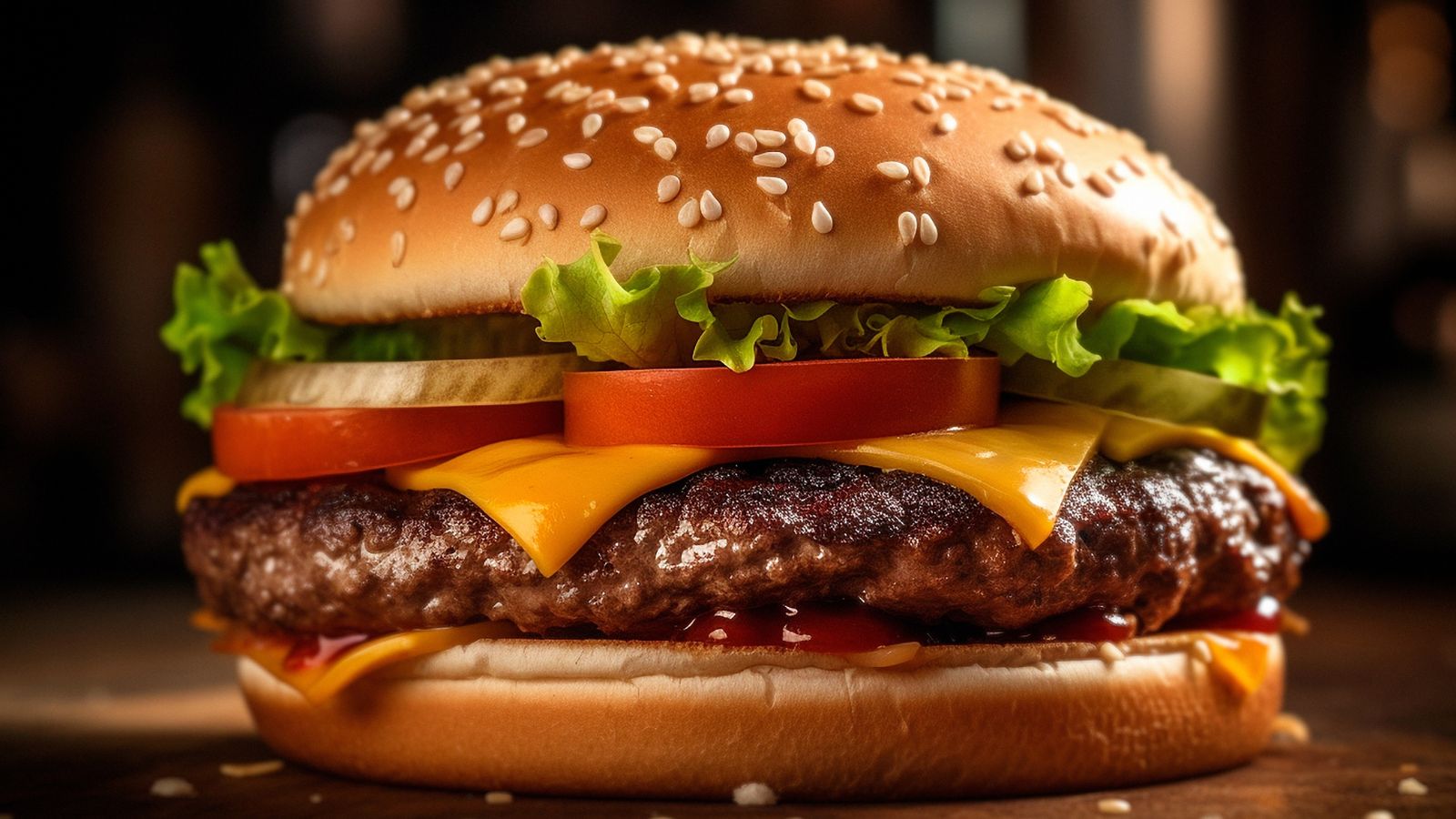
Limited-time specialty burgers now come with premium pricing. Unique ingredients raise menu costs. Marketing highlights them as exclusive items. Combo meals with these burgers cost even more. Customers may try them out of curiosity. Promotions rarely include these products. Portion sizes often match regular burgers. Add-ons stack further on the bill. Delivery pricing increases totals again. Frequent limited-time purchases raise spending. Comparing with standard burgers shows a clear gap. Many now treat these as occasional splurges.
22 Groceries to Grab Now—Before another Price Shock Hits Canada

Food prices in Canada have been steadily climbing, and another spike could make your grocery bill feel like a mortgage payment. According to Statistics Canada, food inflation remains about 3.7% higher than last year, with essentials like bread, dairy, and fresh produce leading the surge. Some items are expected to rise even further due to transportation costs, droughts, and import tariffs. Here are 22 groceries to grab now before another price shock hits Canada.
22 Groceries to Grab Now—Before another Price Shock Hits Canada
