
Holiday parties bring people together, but sometimes the manners that seem thoughtful are the ones that drive everyone up the wall. Canadians are known for being polite, but even the nicest intentions can throw off a good night when pushed too far. Guests mean well, yet hosts end up stressed or embarrassed while trying to smile through it. The funny part is that most of these behaviors are common traditions passed down over the years of gatherings. Here are 17 “polite” holiday party habits that are actually annoying.
Showing up early to “help.”

Arriving early sounds supportive, but it usually throws the host into panic mode. The floors may not be clean yet, the food may not be ready, and the host might still be in sweatpants trying to finish tasks. Early guests force rushed greetings and awkward small talk while the host scrambles. It turns preparation into performance instead of giving the host quiet time to get things done. Even a short interruption can throw off timing for appetizers and drinks. The most respectful arrival is five to ten minutes after the listed time, not before everything is in place.
Bringing food without asking

Bringing dishes can look generous, but it interferes with a carefully planned menu. Many Canadian hosts spend hours deciding on portions, timing, and dietary restrictions to make sure guests feel comfortable. When someone walks in with an unexpected casserole or dessert, the host must change the table layout and shift their serving plan. It can make the original cooking feel ignored. Guests might also expect compliments, which adds pressure. Food gifts only work when the host specifically requests them. Otherwise, they interrupt the experience instead of contributing to it.
Bringing your own container to take leftovers
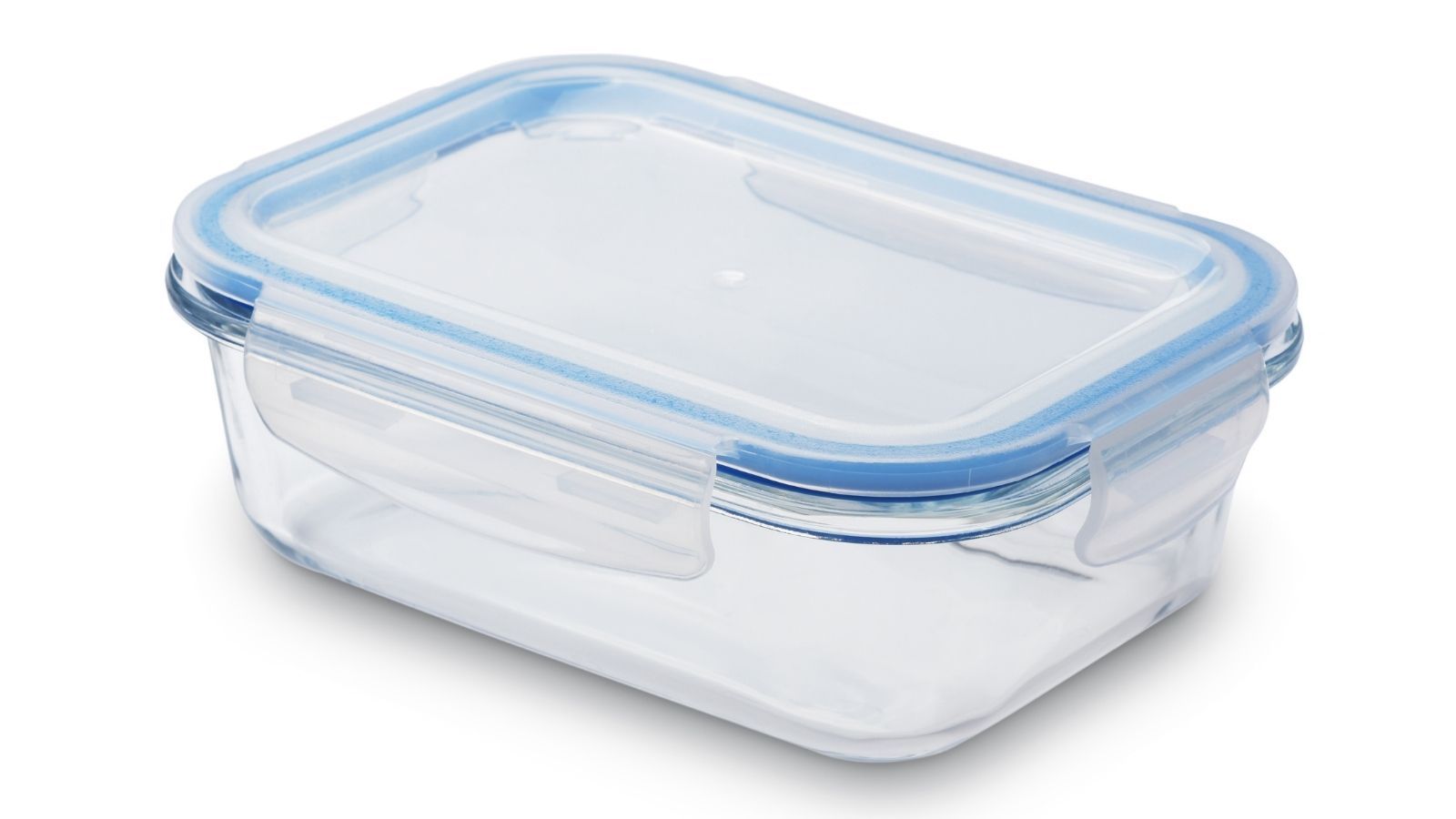
Showing up with containers signals expectation rather than kindness. It turns a holiday meal into a shopping opportunity, which puts the host in an awkward position. Guests might start eyeing dishes before everyone has eaten. It makes others uncomfortable because nobody wants to battle for plates or snacks. Hosts prefer to decide for themselves who should take leftovers and how much food remains. They know which dishes their family wants to keep for the next day and which items need to go. Guests should wait until the host offers leftovers instead of assuming they will be packed to go.
Stacking dishes without asking

Helping with cleanup is thoughtful, but stacking dishes without direction causes more trouble than it saves. Different pieces need different care, and not everything is dishwasher friendly. Glassware chips easily when piled in a rush. Hosts often have a system for sorting plates, cutlery, and special serving bowls so nothing gets damaged. When guests stack things randomly, the host must undo the work and wash items twice. It also creates clutter around the sink, which slows everyone down.
Telling the host to “relax and stop working.”
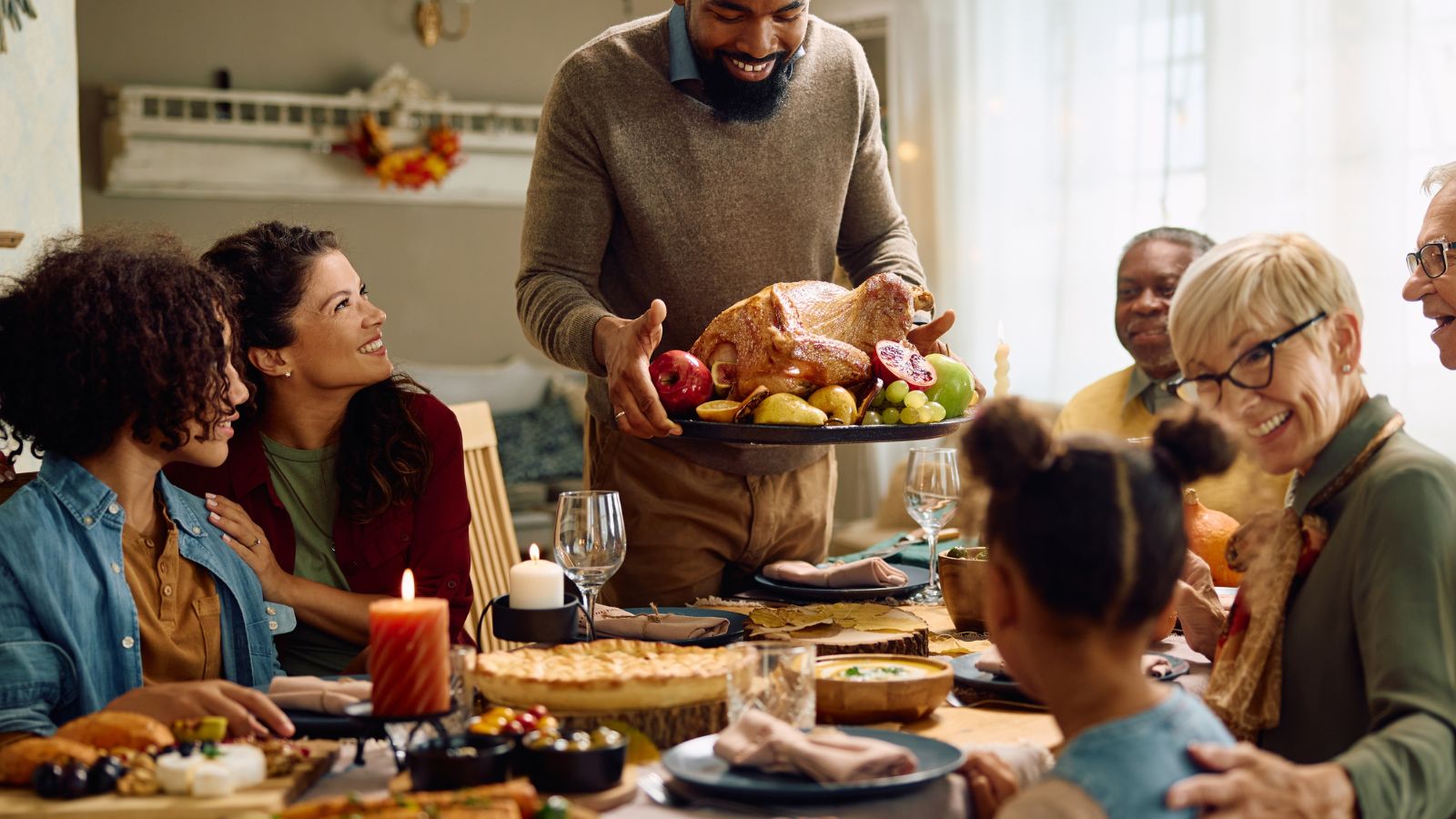
It sounds nice, but telling the host to stop moving around makes them feel judged. Many Canadians show love by caring for their guests. Preparing drinks, checking food, and welcoming everyone gives them joy. Telling them to sit implies they are doing something wrong, even when they are comfortable hosting. It also leaves them torn between their own instincts and what the guest wants. Hosts relax when the evening goes smoothly. They do not need reminders to calm down. They need space to run the event their way.
Hovering in the kitchen

The kitchen becomes a workplace during a party. When guests crowd in to chat, grab snacks, or hang around the counter, it interrupts the timing of the meal. The host may need space to pull dishes from the oven, plate items, or check temperatures without feeling watched. It also blocks other guests from grabbing drinks. Hovering may be meant as friendly company, but it adds unnecessary pressure. The best conversations happen after the food is on the table, not while the host is trying to finish four steps at once.
Apologizing nonstop

Politeness is appreciated, but apologizing repeatedly turns every interaction into a dramatic scene. Canadians already have a habit of saying sorry casually. When someone apologizes constantly for tiny things like laughing too loudly or moving their chair, it pulls attention away from the moment. The host must reassure the person over and over, which drains energy. A quick apology when needed is polite. Ten apologies for the same thing changed the tone of the evening. People want to relax, not manage someone’s feelings throughout the party.
Asking before taking every bite or drink

Guests sometimes think that asking permission for every small thing shows good manners. Instead, it forces the host to answer questions all night. When someone asks before touching the bread, pouring a drink, or tasting a dip, it turns the evening into a guided tour. Once the host says to help yourself, they expect guests to understand that everything is available. Adults don’t need instructions for every action. Constant questions slow down the atmosphere and make the host feel like a supervisor instead of a friend.
Giving the host gifts that create work
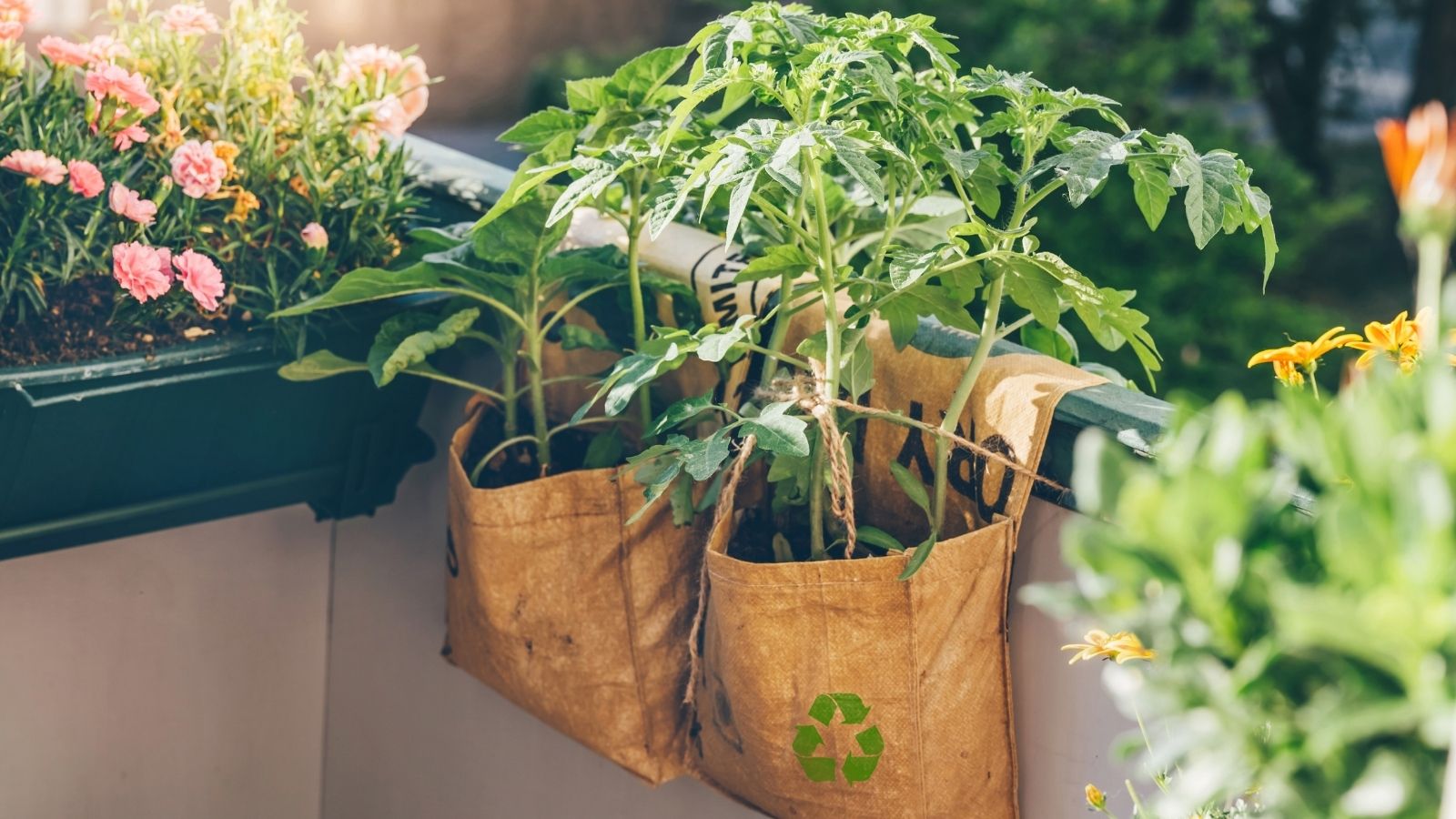
Gifts that need attention right away rarely feel helpful. Plants need watering and placement. DIY kits need a lot of work. These gifts create instant chores when the host is already stretched. A present should let the host enjoy the night, not give them tasks during the event. Thoughtful gifts require as little work as possible during the party.
Taking over the music

Adjusting the playlist without permission disrupts the mood the host planned. Music controls the pace of the night more than people realize. When someone grabs the speaker or changes the song lineup to fit their own taste, it takes ownership away from the host. Conversations shift, energy levels change, and the room loses its flow. People often think they are rescuing the music when it doesn’t need rescuing. Guests should enjoy the playlist instead of running it.
Announcing a strict diet

Diet choices are personal, but broadcasting them loudly during dinner puts pressure on everyone. The moment becomes less about celebrating and more about food rules and judgments. Guests start comparing plates and wondering if they should feel guilty. The host feels like they made the wrong menu. A private message before the event is more respectful. Announcements during the meal change the atmosphere instantly and make the table feel tense instead of festive.
Refusing everything too aggressively

Turning down food and drinks is fine, but exaggerated refusals dampen the mood. A simple “no thank you” works. When someone dramatically rejects every offer, it makes others uncomfortable. The host begins to question whether their food or hospitality has been rejected rather than the dish itself. It also stalls conversation because everyone must reassure the person who refuses. Parties flow better when guests stay open to participating in the moment rather than blocking every attempt to include them.
Offering to pay for groceries
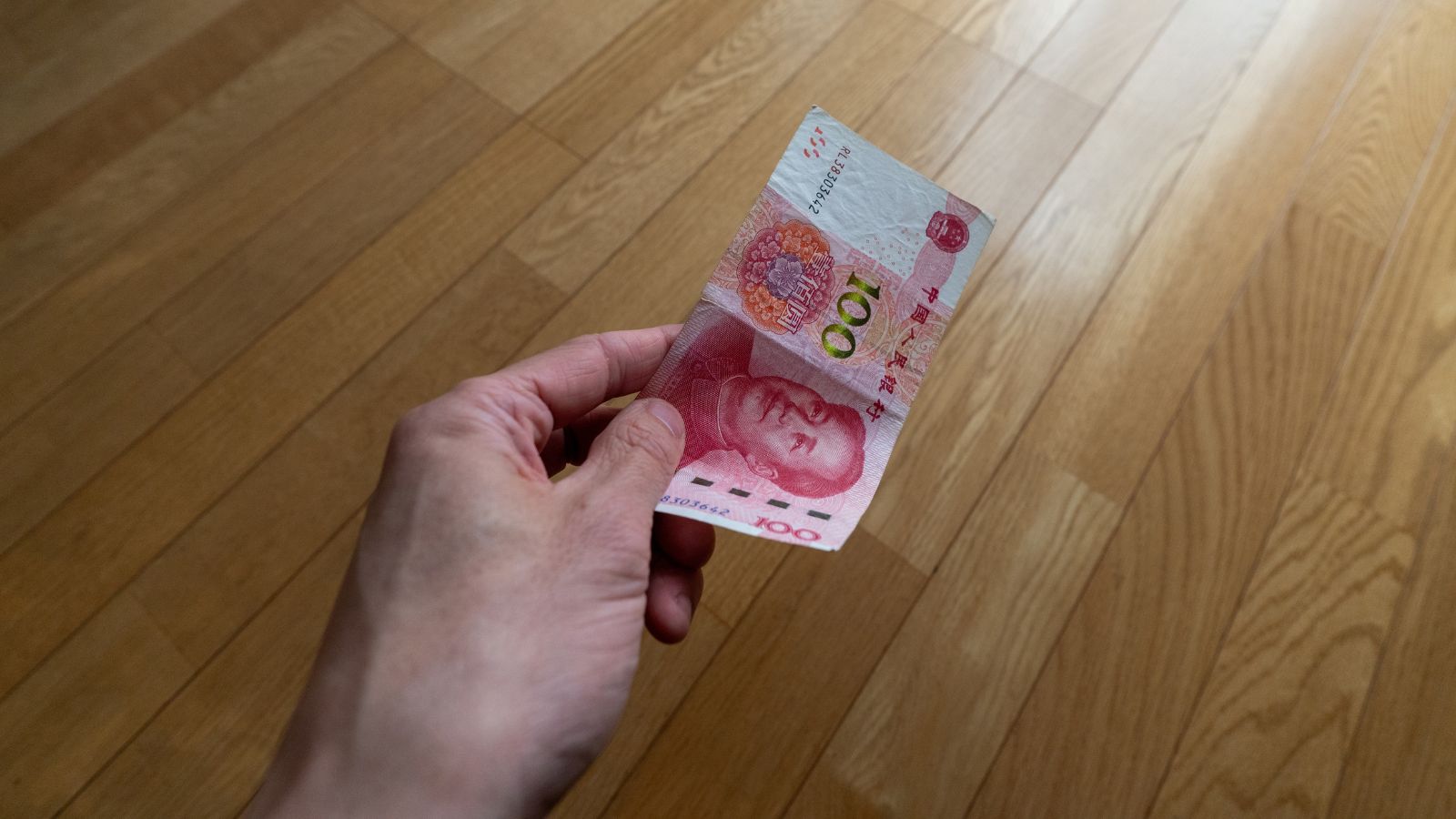
Trying to reimburse the host for the meal implies that the gathering is a financial strain. It shifts a warm invitation into a transaction and instantly changes the tone at the door. People host holiday dinners to share time with people they care about. When a guest pulls out cash or tries to transfer money, it makes everyone feel awkward. It suggests the night has a price tag. Gratitude matters much more than payment.
Giving parenting advice to parents at the party

Parents get enough unsolicited advice in daily life. A holiday gathering should give them a break from judgment, not more of it. Even soft-spoken suggestions about bedtime routines, snacks, or discipline feel like criticism. The parent becomes defensive, and the room gets quiet. Nobody goes to a party to be observed and corrected in front of others. Parenting conversations should happen only when someone asks for them, not when a guest wants to demonstrate their experience.
Narrating your compliments
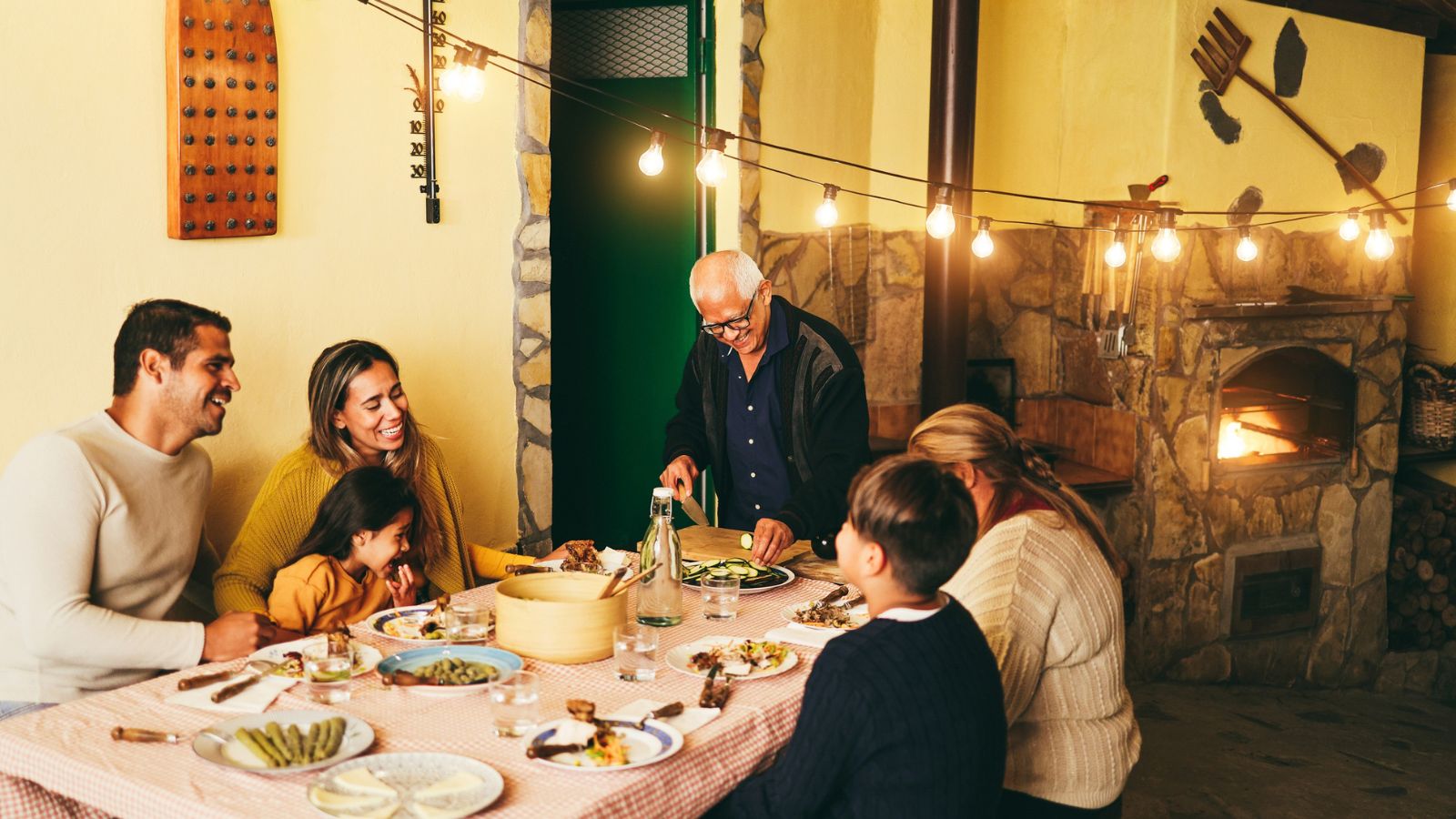
A simple compliment feels genuine. When someone explains why they are complimenting the host or describes the thought process behind it, it becomes awkward. The host now has to react emotionally to every detail of the compliment. It adds pressure rather than encouragement. Compliments should make people feel relaxed, not evaluated. Expressing gratitude is enough without turning it into a speech at the table.
Staying too long because “you don’t want to be rude.”

Some guests think leaving early looks disrespectful, so they remain long after the party has peaked. They do not notice the host getting tired or the room losing energy. Staying too long forces the host to keep entertaining even when they are done. It makes the goodbye process drag out instead of ending naturally. The kindest exit is not the latest one. Leaving at a comfortable moment helps everyone finish the night feeling good.
Cleaning up while the host opens the door to say goodbye

Tidying at the last minute creates confusion. The host is trying to say goodbye, collect coats, and thank people for coming. Guests suddenly grabbing cups and clearing plates disrupts the farewell and creates double work. It forces the host to juggle tasks when they simply wanted to wrap up the evening. Cleaning only helps when it is requested at the right time. A rushed cleanup during the goodbye makes the end of the night feel chaotic rather than warm.
22 Groceries to Grab Now—Before another Price Shock Hits Canada

Food prices in Canada have been steadily climbing, and another spike could make your grocery bill feel like a mortgage payment. According to Statistics Canada, food inflation remains about 3.7% higher than last year, with essentials like bread, dairy, and fresh produce leading the surge. Some items are expected to rise even further due to transportation costs, droughts, and import tariffs. Here are 22 groceries to grab now before another price shock hits Canada.
22 Groceries to Grab Now—Before another Price Shock Hits Canada
