
School may be publicly funded, but the family budget rarely stops at the classroom door. In 2025, six in ten Canadian parents surveyed by Léger said school-supply expenses had risen from the previous year, while new 2026 research from the Retail Council of Canada estimates back-to-school spending at roughly $600 to $750 per child when electronics are included. The same research found that only 19% of families expect to finish their shopping in one trip.
That helps explain why school expenses can feel less like one large bill and more like a stream of smaller withdrawals. Supplies get replenished, shoes wear out, field trips appear, activities begin and graduation eventually arrives. These 17 school costs show how expenses can continue surfacing long after the first-day backpack has been packed.
Supply Lists That Keep Growing After September

The first supply run can create the impression that the expensive part is finished. Then notebooks fill up, pencils disappear, markers dry out and teachers sometimes suggest additional binders, calculators or organizational materials once classes are underway. Retail Council of Canada research for 2026 found that most parents expect two or three back-to-school shopping trips, partly because lists evolve and families continue comparing prices. That pattern makes supplies particularly easy to underestimate.
Ontario’s education guidance offers an important distinction. Materials required to meet curriculum expectations must be available without a fee, but families may still be asked to provide ordinary non-curricular items such as pencils, pens, paper, rulers, binders and pencil cases. In practice, those individual purchases may look inexpensive until they are repeated for several children or replenished during the year. Léger’s 2025 Canadian polling found 60% of parents reporting higher school-supply costs than a year earlier, showing why even basic stationery attracts more attention now.
Clothes and Shoes Rarely Stay a One-Time Purchase

Back-to-school clothing is vulnerable to a problem parents cannot bargain away: children grow. Jeans bought in August can be short by January, running shoes can wear out before spring, and Canadian weather often creates a second wave of spending on boots, coats, mittens and other cold-weather gear. Indoor shoes, athletic footwear and replacement clothing can add still more purchases during the year.
The broader household numbers show why these expenses can feel heavier. Statistics Canada reported that Canadian households spent an average of $2,739 on clothing and accessories in 2023, an 18.9% increase from 2021. Not all of that was school-related, of course, but clothing is also identified by Retail Council of Canada as one of the core back-to-school shopping categories. For families with several school-aged children, the challenge is timing: clothing expenses do not necessarily arrive together. A growth spurt, lost mitten or worn-out pair of sneakers can turn an otherwise ordinary month into another back-to-school shopping trip.
Lunches and Snacks Become a Daily Budget Line

A lunch may feel insignificant compared with a laptop or winter coat, but repetition changes the math. Sandwich ingredients, fruit, yogurt, drinks and packaged snacks are purchased week after week, often alongside separate grocery spending for breakfasts and dinners. Families dealing with allergies, dietary restrictions or particularly active teenagers can face an even larger school-day food budget.
Statistics Canada reported that households spent an average of $12,046 on food in 2023, up 16.9% from 2021, including $8,659 for food purchased from stores. School-food programs are expanding partly in recognition of that pressure. The federal government has committed $1 billion over five years to the National School Food Program, designed to help provide meals to as many as 400,000 additional children annually. Agreements now exist with every province and territory. Access still differs considerably by school and region, however, so many families continue packing most lunches themselves. A few extra dollars per school day can quietly become hundreds over a full academic year.
Devices Bring Accessories, Repairs and Replacement Risk
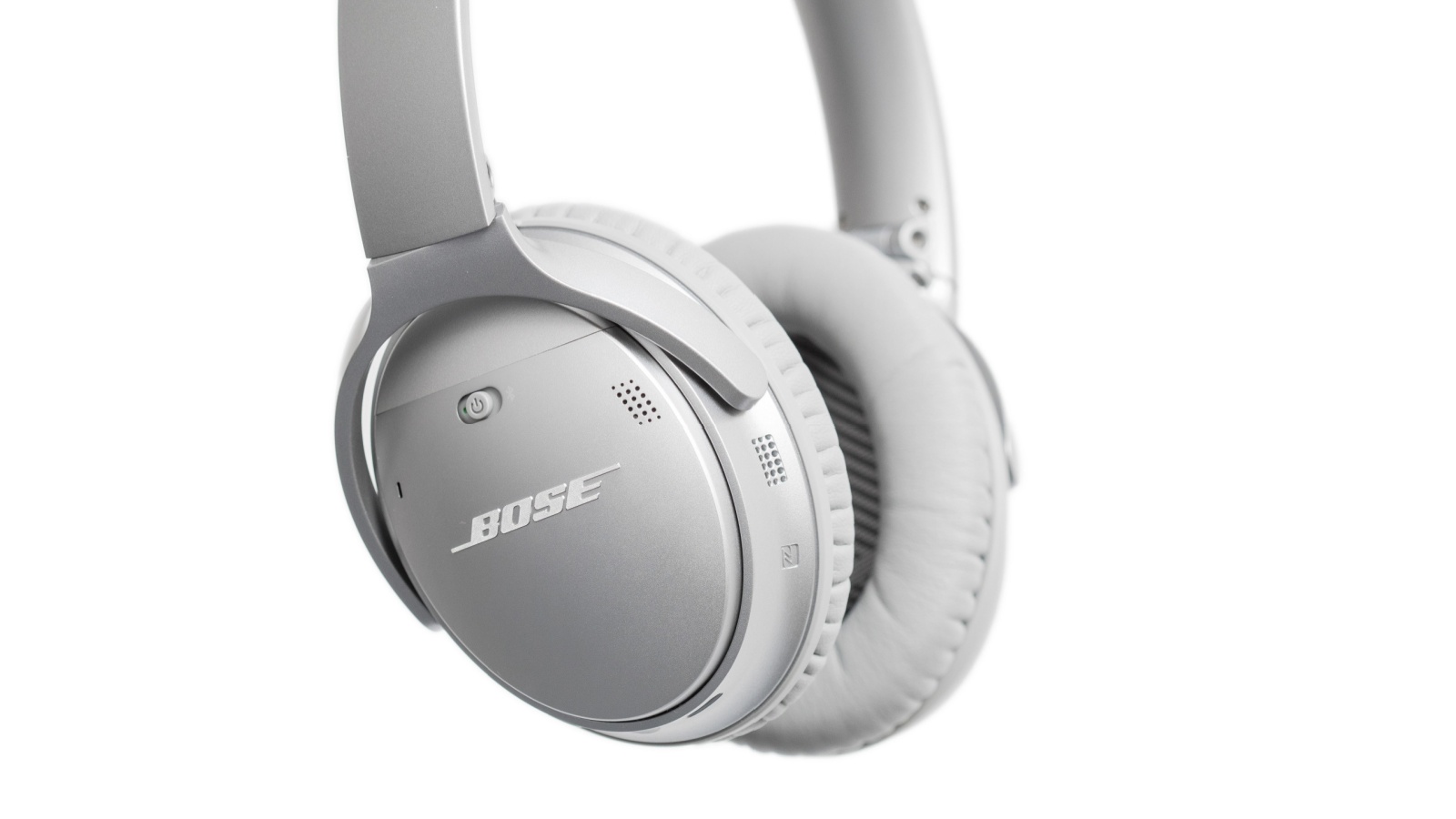
School technology has changed what belongs in the family education budget. A student may receive a board-owned Chromebook, yet still need reliable home internet, headphones, a charger, protective storage or other accessories. Some families purchase their own computers because several children need devices simultaneously or because a personal machine offers more flexibility for homework.
The risk becomes more noticeable when something breaks. Toronto District School Board schools have warned families that repair costs can be charged in cases involving damaged student Chromebooks. The board’s large-scale device program demonstrates the value involved: when it was developed, TDSB estimated an individual Chromebook at roughly $307. More recently, the board paused new Grade 5 device purchases for 2025-26 while continuing support for students already participating in its one-to-one program. The lesson for family budgets is straightforward. A device may arrive without an initial purchase price, but that does not automatically make technology cost-free. Lost chargers, accidental damage and replacement accessories can create expenses later.
Student Activity Fees Can Arrive as One Big Checkout

Some secondary schools package several optional parts of student life into a single activity fee. Depending on the school, that payment might contribute to student government, clubs, athletics, special events, identification cards or a yearbook. For families expecting publicly funded education to mean no school-related payments at all, the appearance of a sizeable online fee can be surprising.
Current Toronto examples illustrate how these packages work. Humberside Collegiate Institute listed a $70 Student Activity Card package for 2025-26 covering its yearbook, partial support for extracurricular athletics, student council, clubs, intramurals and leadership activities. Another TDSB school has listed a $65 activity fee covering services including a student card, yearbook and access to activities. These are school-specific examples rather than national prices, and financial assistance may be available. Ontario also distinguishes voluntary activity charges from fees for required curriculum. Even so, when several children attend schools with different packages, a start-of-year fee can quickly become another household expense parents must plan around.
Field Trips Turn Small Notices Into Real Expenses
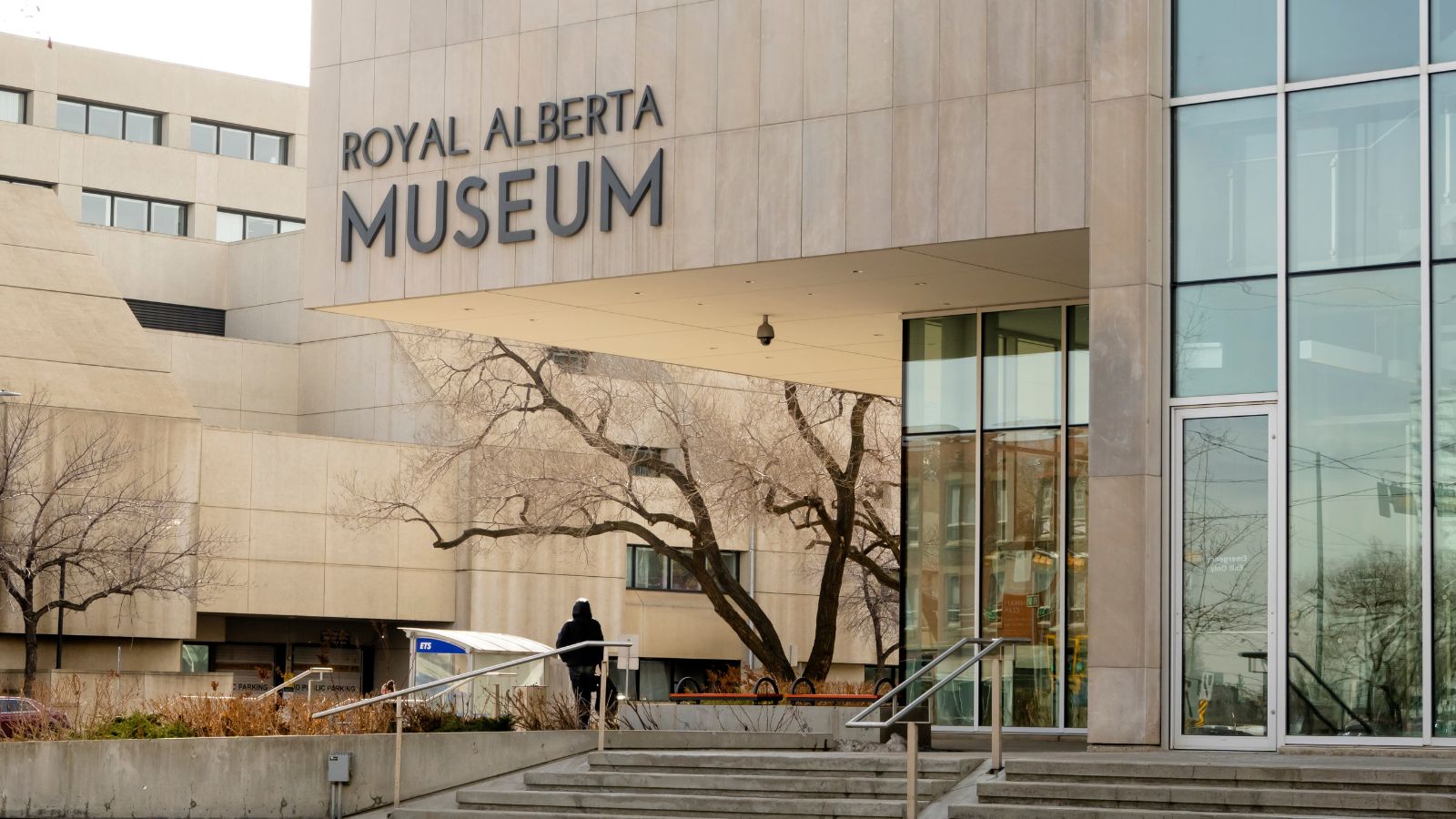
Field trips tend to arrive gradually rather than appearing on the September shopping list. An elementary class might visit a museum, conservation area or performance, while older students can encounter more ambitious excursions involving admission, transportation or equipment. One trip may be manageable; several children bringing home payment requests within the same month can feel very different.
Ontario rules allow fees for certain field trips, co-curricular activities and program enhancements when they are not mandatory components of the curriculum and appropriate alternatives are provided. Toronto schools routinely use School Cash Online for class trips, demonstrating how normal these transactions have become within school administration. The expense can also extend beyond the listed ticket price. Families may need to provide a packed meal, specific clothing, spending money or transportation to an unusually early departure point. None of those costs is necessarily large alone. What makes field trips difficult to budget for is their unpredictability: the request can appear weeks after the family thought school expenses for the term were already settled.
Getting to School Has Its Own Price Tag
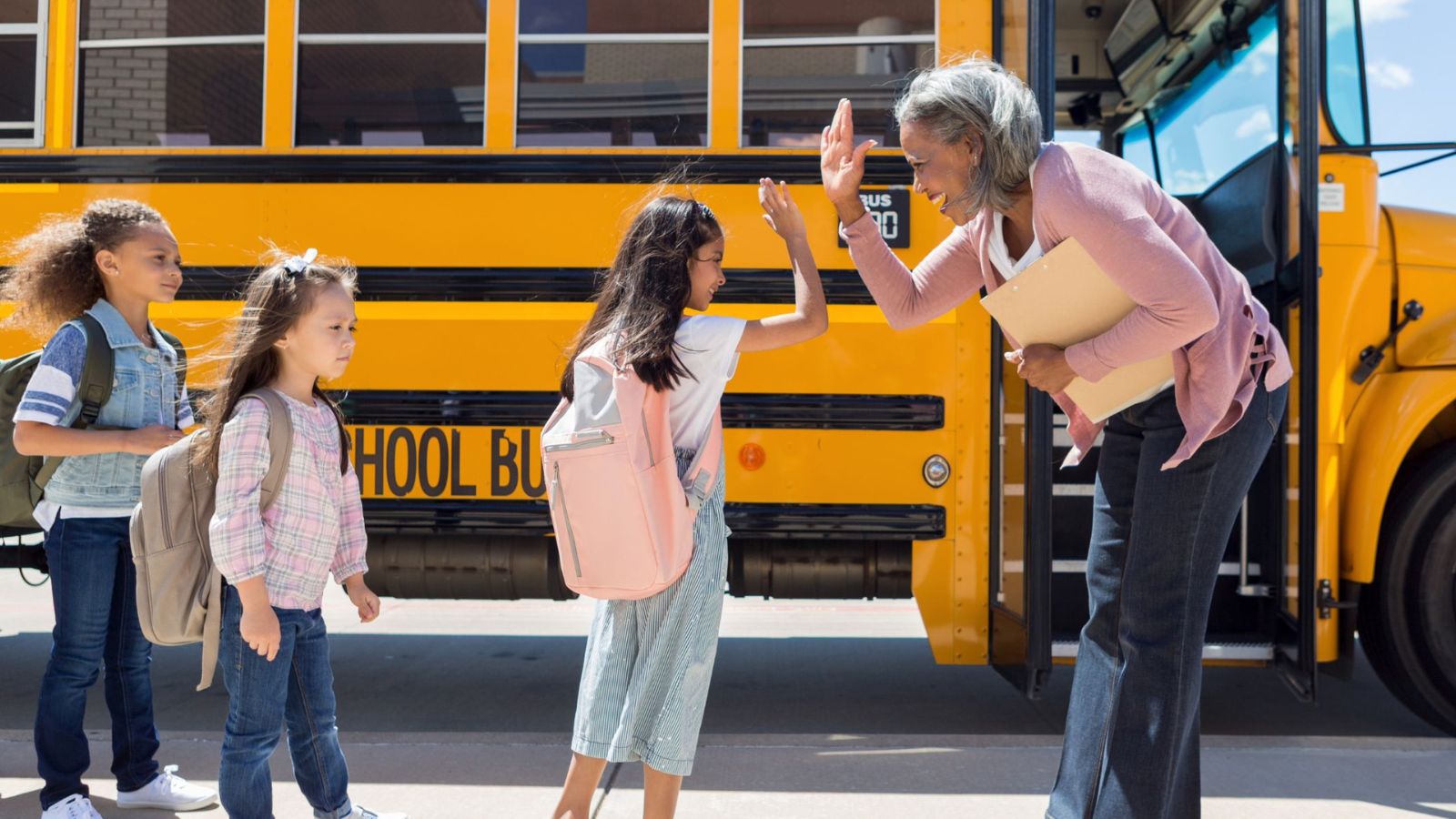
Transportation costs depend heavily on where a family lives. Some students qualify for school-bus transportation, some walk, some use public transit and many are driven. Each arrangement can carry costs somewhere—fuel, vehicle wear, transit fares or the logistical expense of rearranging work schedules around drop-off and pickup times.
Public Health Agency of Canada data illustrate how important motorized transportation is to school routines. In its national study of students in Grades 6 through 10, 74% used motorized transportation to get to school, while 22% walked and 4% cycled. Transportation is already one of the largest household spending categories: Statistics Canada reported average Canadian household transportation spending of $12,090 in 2023. Provincial policies can reduce some costs; British Columbia, for example, allows children 12 and under to use BC Transit and TransLink services free. But there is no single Canadian school-transportation arrangement. Families living outside walking distance can therefore find that simply getting a child to class creates a recurring expense rarely labelled as “school spending.”
Before- and After-School Care Fills the Schedule Gap

The school bell does not always line up with a parent’s workday. Elementary students may finish classes hours before a typical office shift ends, creating demand for before-school programs, after-school programs or both. Unlike a box of pencils, this cost can appear every weekday for much of the year, turning it into one of the largest school-adjacent expenses for families that need it.
Ontario explicitly states that before- and after-school programs are funded through parent fees, and the province does not generally regulate those fees in the same way it regulates classroom costs. Child-care affordability measures can help some younger children. Ontario’s participation in the Canada-wide early learning and child-care system capped eligible parent fees at $22 per day beginning in 2025 for children under six in participating programs. That does not mean every school-age program costs $22 or less; eligibility and program participation matter. Once a child ages out of a subsidized category, families can encounter another budget change even though the school schedule itself has not changed.
Sports and Clubs Can Trigger a Second Supply List

Joining a school team may not require tuition, but participation can produce its own miniature shopping season. Shoes, protective equipment, practice clothing, team apparel, tournament food and transportation can all appear after a student earns a place on a roster. Clubs involving robotics, drama, competitions or travel can create similar add-ons, particularly when activities extend beyond the regular school day.
People for Education has documented how access to extracurricular opportunities can differ sharply between communities. Its Ontario research found that fundraising often supports sports equipment, arts enrichment, field trips and other activities, while rural principals have cited transportation as a barrier to participation. Some schools also direct activity-fee revenue toward athletics and clubs; Humberside Collegiate’s current $70 activity package, for example, partially supports extracurricular athletics. The important budgeting distinction is between the activity itself and everything surrounding it. A club advertised as free can still require materials or travel, while a sports season may produce expenses in several stages rather than one obvious registration bill.
Music Programs Can Lead to Rentals and Accessories

Music offers another example of the difference between classroom access and family convenience. Ontario guidance says schools must make sufficient instruments and required materials available without charge when they are necessary for students to meet curriculum expectations. That protects access to the course itself. Families, however, may voluntarily choose other arrangements that make practice easier.
A student who wants an instrument at home may rent or purchase one privately rather than transporting a school instrument back and forth. Depending on the instrument, there can also be reeds, strings, mouthpieces, cleaning materials, cases or maintenance costs. TDSB music guidance has historically encouraged optional home rentals for students who want more convenient practice access while maintaining school instruments for required classroom learning. People for Education has also tracked access to instrumental opportunities across Ontario schools, finding meaningful variation among communities. For a family, the cost often begins modestly: perhaps a rental contract or a handful of accessories. Once concerts, private lessons or a more advanced instrument enter the picture, music can become a much larger recurring commitment.
Uniforms, Gym Clothes and Spirit Wear Add Another Wardrobe

Not every Canadian public school requires a uniform, but families whose schools do can face a separate clothing category from ordinary back-to-school shopping. Shirts, trousers, sweaters and gym clothing need washing and eventually replacing, while children continue needing regular clothes outside school. Even where uniforms are not mandatory, spirit wear and team apparel can create optional pressure to purchase school-branded clothing.
Ontario’s fee guidance specifically allows schools to charge for school and gym uniforms, while encouraging schools to minimize appropriate fees and support participation regardless of economic circumstances. Individual schools illustrate how widely costs and arrangements can vary. One TDSB elementary school has listed a $5 school uniform shirt through its online payment system, while other schools sell branded athletic or spirit wear separately. A low-cost shirt is not a major expense by itself. The budget changes when several shirts are needed, a child outgrows them or specialized sports clothing joins the list. Uniform costs therefore tend to behave less like tuition and more like a recurring wardrobe-maintenance bill.
School Photos and Yearbooks Become Memory Purchases

Picture day rarely looks like a major financial event. The photo itself may be taken without requiring a family purchase, but packages, graduation sessions, class photographs and yearbooks can quickly add up when parents want keepsakes. These purchases are generally optional, which can make them especially easy to leave out of the household’s school budget.
Current school examples show the range. Stephen Leacock Collegiate Institute listed its 2026 yearbook at $35, while a Toronto secondary school advertised a $35 graduation-photo sitting fee during the 2024-25 year. Another TDSB school offered a panoramic photograph for $15 in 2026. Some schools bundle yearbooks into student activity packages, meaning parents may pay for them indirectly rather than through a separate order. None of these examples represents a national standard, but together they show how memory-related purchases appear at several points during a student’s school career. Families with children in different grades may face elementary photos, sports pictures, yearbooks and graduation photography in the same year.
Fundraisers and School Events Keep Coming

Fundraising can make school costs feel particularly informal. There may be no invoice at all—just a pizza lunch, bake sale, product campaign, raffle, fun fair or donation request. Each contribution is usually voluntary, yet repeated appeals can create a strong sense that families are expected to participate, especially when the money supports activities their own children use.
People for Education found that 88% of Ontario elementary schools and 70% of secondary schools in its 2022-23 research reported fundraising. Elementary schools raised an average of $7,245 and secondary schools $7,666, with dramatically higher totals in wealthier communities. The organization reported that fundraising helps pay for items such as technology, sports equipment, field trips, nutrition programs and arts enrichment. TDSB schools also routinely process fundraising purchases and events through School Cash Online. The financial pressure is therefore easy to understand: one family may encounter a dozen small opportunities to contribute during the year. Even when every request is optional, saying yes repeatedly turns fundraising into a genuine school-related expense.
Lost or Damaged Materials Can Produce Surprise Bills

Some of the most frustrating school costs are not purchases at all. A forgotten textbook, broken instrument or damaged loaned device can result in a replacement charge after months of routine school attendance. Because families do not expect children to lose equipment, these expenses rarely have a dedicated place in the budget.
Ontario’s school-fee guidance allows schools to recover the repair or replacement cost of lost or damaged materials, including textbooks, library books, music supplies and other loaned items. The charge should not exceed the actual repair or replacement amount. Individual school examples show why that still matters. One TDSB elementary school lists replacement textbook costs of roughly $50 to $90, while another secondary school has sold replacement locks after students lost the originals. Technology can raise the stakes further because damaged board-owned Chromebooks may require repairs. A family may go an entire year without paying anything in this category, which is precisely why the charge feels so sudden when a backpack disappears or a screen cracks.
Tutoring Can Turn One Tough Subject Into a Recurring Bill

Private tutoring often begins as a temporary solution. A student struggles with fractions, essay writing or Grade 11 chemistry, and the family books a few sessions. If improvement takes time—or the student begins preparing for exams—the appointment can become weekly. At that point, tutoring shifts from an occasional intervention into a recurring household expense.
Statistics Canada has long recognized private tutoring as one of the education-related costs some Canadian families pay outside the public system. More recent industry research suggests the Canadian tutoring market continues to expand, supported by demand for curriculum assistance, online instruction and specialized academic preparation. Prices vary too widely by city, subject, tutor qualifications and format for a single national hourly rate to be meaningful. That variability is itself part of the budgeting problem. Families may be able to manage several sessions but find a semester of weekly tutoring considerably harder. Free school, library or community supports can reduce the need, but availability is uneven, leaving some parents to purchase help privately when academic concerns become urgent.
Specialized Programs Can Carry Their Own Fees

Most Canadian families do not pay tuition for regular public-school programs, but specialized options can create a very different calculation. Enhanced programs may involve examinations, external organizations, specialized equipment or services beyond the standard provincial curriculum. Families sometimes discover those costs only after a child becomes interested in—or is accepted into—the program.
Toronto’s International Baccalaureate program provides a striking current example. TDSB introduced a total program fee of $3,300 for students entering Grade 9 beginning in September 2025, with payments spread across the high-school years. Current published amounts include $550 for Grade 9, $550 for Grade 10 and $1,100 in each of Grades 11 and 12. The board says subsidies are available for qualifying households with gross income below $50,000. This is not a typical Canadian public-school fee and should not be interpreted as one. It does show, however, how choosing an optional specialized pathway can transform school costs. Program selection can therefore have financial consequences well beyond textbooks and classroom supplies.
Graduation and Year-End Events Can Snowball Quickly

The final school year often produces the biggest cluster of optional expenses. Graduation photography, a yearbook, a cap and gown, prom tickets, clothing, shoes, transportation and celebratory meals can all arrive within a few months. After years of smaller school charges, families may feel pressure to spend more because the events are framed as once-in-a-lifetime milestones.
Costs differ dramatically by school. Central Technical School in Toronto listed a $10 gown rental and a $10 cap-and-tassel purchase for its 2026 commencement, along with a $35 advance-order yearbook. Other TDSB schools use online payment systems for graduation brunches and proms, while some schools cover ceremonial costs entirely; Danforth Collegiate, for example, stated that its 2026 graduates would not pay for the cap, gown or commencement event. That variation makes planning difficult. The ceremony itself might cost almost nothing, yet formal clothing, photography and celebrations can still push the family total much higher. Graduation is a fitting final example of how school expenses accumulate around, rather than inside, the classroom.
16 Costco Canada Habits That Could Be Costing Shoppers More Than They Save

The Executive Membership can feel like an obvious upgrade because the 2% annual reward sounds straightforward. For households that spend heavily at Costco Canada, the extra fee may be easy to justify. But the habit becomes costly when shoppers upgrade first and calculate later. A Gold Star Membership costs less, while Executive costs more and only pays off if eligible annual spending is high enough to offset the difference.
16 Costco Canada Habits That Could Be Costing Shoppers More Than They Save
