
Spring cleaning season often starts with a shopping trip. Canadians walk into stores with good intentions and leave with carts full of supplies. After months of winter buildup, the urge to restock everything feels practical. Disinfectants, specialty cleaners, storage bins, and tools promise a fresh start. During the cleaning rush, most of these products get used once and then tucked away. By summer, many sit forgotten under sinks or in basement shelves. The following year, the cycle repeats. Instead of checking what is already at home, new items get added again. Here are 17 spring-cleaning products Canadians buy every year (and always forget).
Multi-Surface Disinfectant Sprays
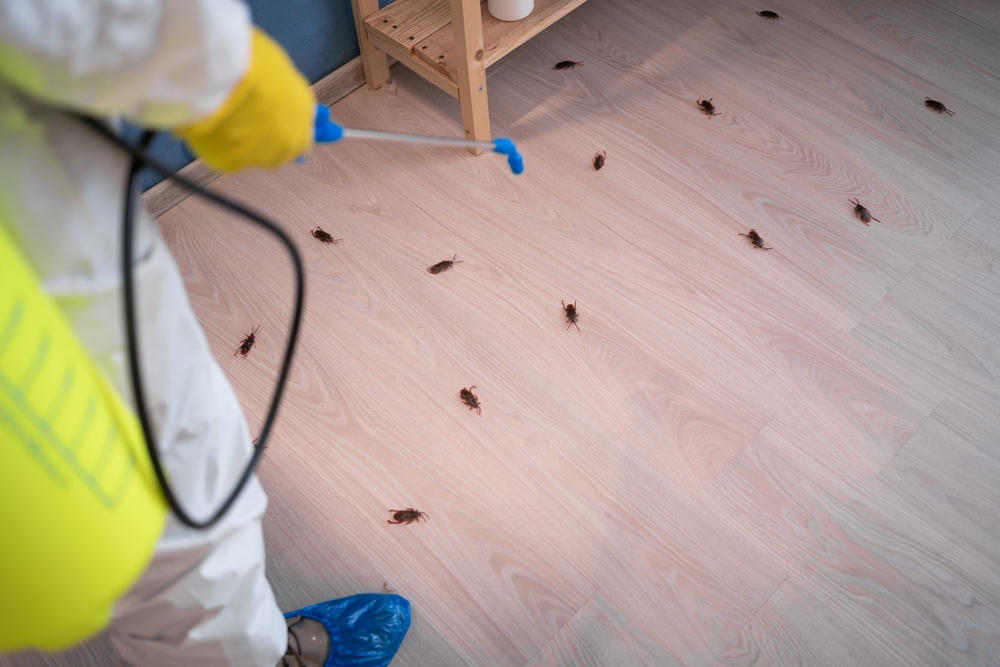
Many Canadians buy disinfectant sprays during spring cleaning to sanitize frequently touched areas. These products are used on counters, switches, handles, and bathroom fixtures. They promise quick germ removal after months of indoor living. However, once deep cleaning ends, bottles often get pushed to the back of cabinets. Every day, cleaning shifts to milder products or simple wipes. Some households forget expiration dates entirely. Unused sprays accumulate year after year. Strong scents may also discourage regular use. Yet disinfectants remain useful during illness or spills. Keeping one accessible prevents unnecessary repurchasing later. Canadians tend to rediscover half-full bottles the following spring.
Microfiber Cleaning Cloth Packs
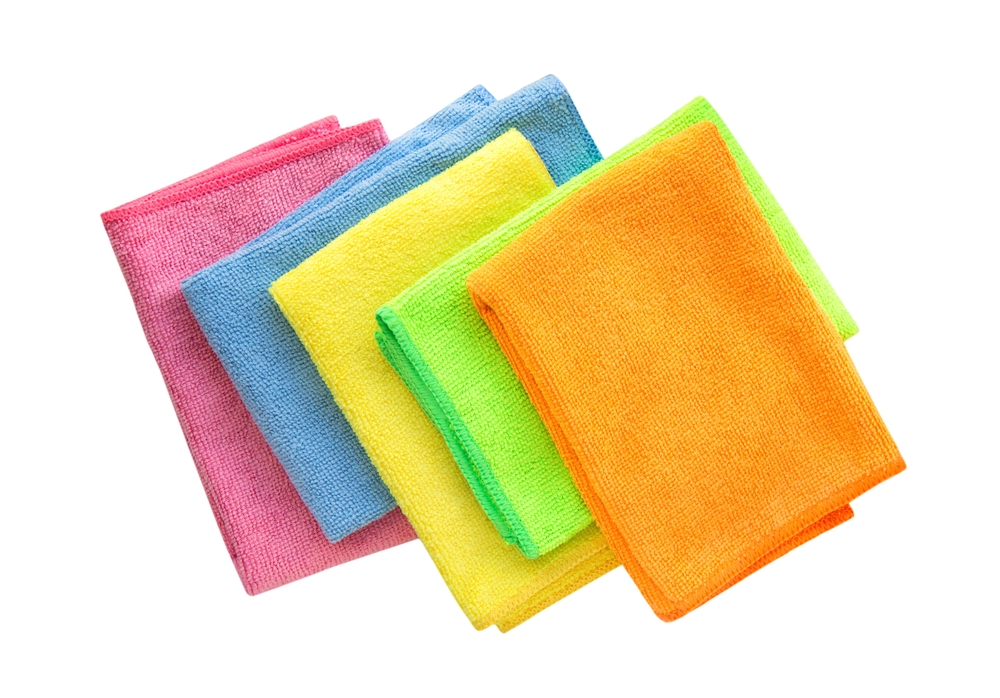
Microfiber cloths are popular because they trap dust effectively without chemicals. Canadians buy multi-packs expecting to replace paper towels. During spring cleaning, they are used for surfaces, appliances, and electronics. Afterwards, many get misplaced or mixed with regular laundry. Some shrink or lose effectiveness if washed improperly. People may forget where the clean ones are stored. New packs are purchased the next year unnecessarily. Despite this, microfiber remains highly efficient for routine cleaning. Reusable cloths also reduce waste compared to disposables. Organizing them by purpose can extend their usefulness. Canadians often rediscover old clothes in storage bins later. The convenience of buying new packs each spring keeps this product in constant demand despite existing supplies.
Glass and Window Cleaning Solutions

Window cleaners become essential when daylight reveals winter grime. Canadians use them for glass panes, mirrors, and shower doors. Streak-free formulas promise clearer views after months of snow. Once windows are clean, bottles often sit unused for long periods. Interior glass rarely needs frequent deep cleaning. Some solutions evaporate or lose effectiveness over time. Spray nozzles may clog between uses. People forget they already own one until next spring. Yet these cleaners remain valuable for occasional touch-ups. Storing them upright helps preserve functionality. Canadians tend to buy fresh bottles each year rather than check leftovers.
Heavy-Duty Garbage Bags
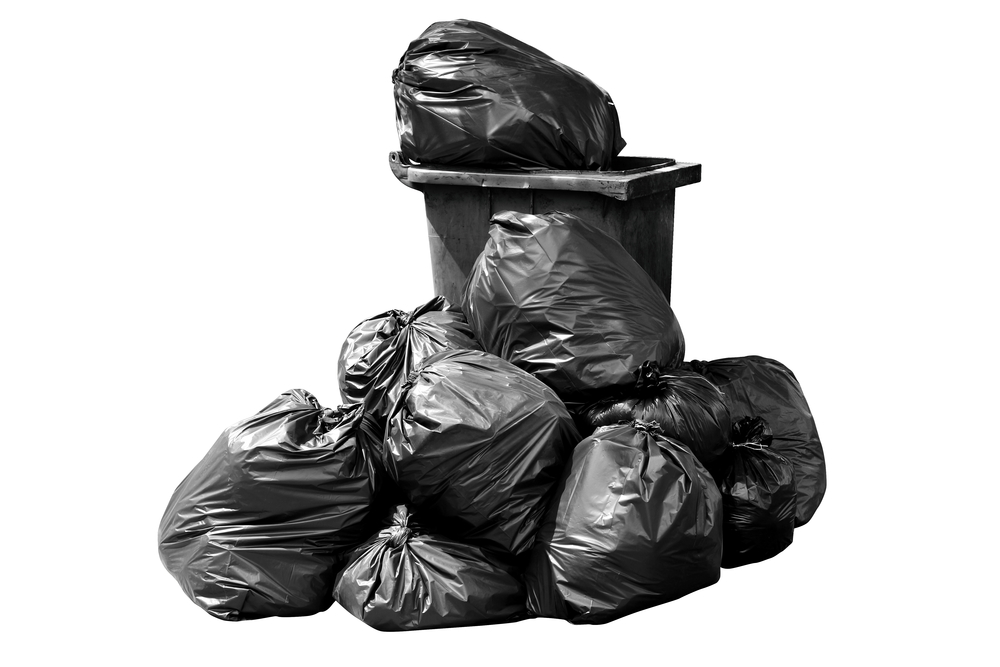
Spring cleaning generates large amounts of waste quickly. Heavy-duty bags handle bulky items, broken materials, and damp debris. Canadians rely on them for decluttering projects and garage cleanouts. After the big purge, leftover bags are often stored in basements or closets. Their size makes them less convenient for daily use. People forget where they were placed months later. Smaller kitchen bags become the default again. When the next cleaning season arrives, new boxes are purchased. These bags remain essential but underused throughout the year. Proper storage labeling could prevent duplication. Canadians frequently rediscover unused rolls during later organizing sessions.
Carpet and Upholstery Stain Removers
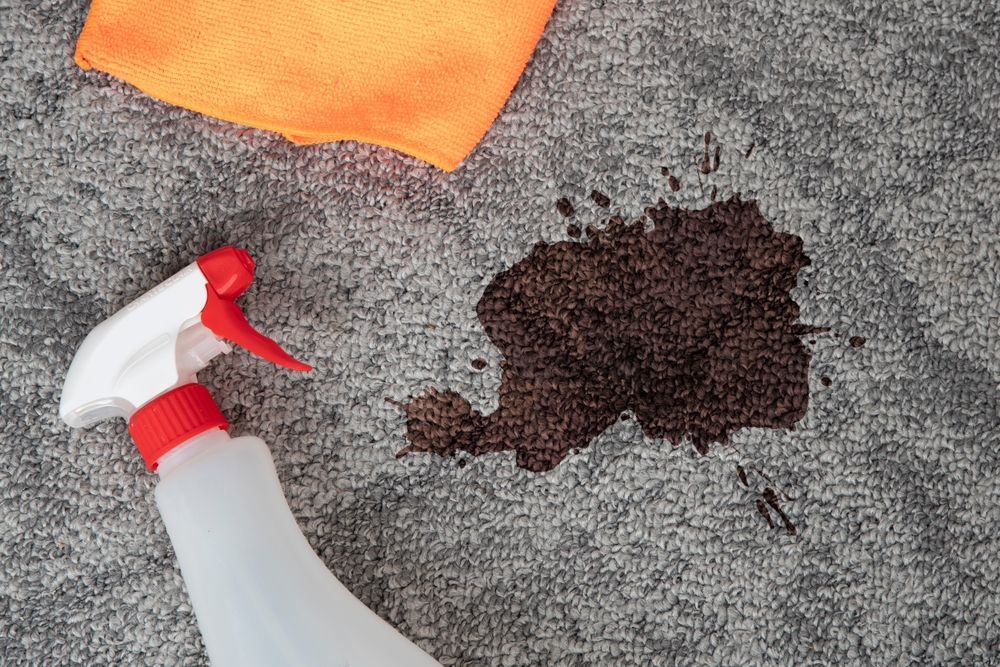
Winter boots and indoor living leave carpets vulnerable to stains. Canadians buy specialized cleaners to tackle salt marks, mud, and spills. Upholstery sprays are also used on sofas and car seats. Once stains disappear, bottles often go untouched for months. Minor spots later are cleaned with simpler methods. Some products require effort that discourages frequent use. Expiration dates or separation may occur over time. People forget they already own effective solutions. Next spring, fresh bottles will be purchased again. These cleaners are useful but highly situational. Storing them with vacuum supplies can improve accessibility. Canadians often rediscover partially used containers when tackling another major cleaning project the following year.
All-Purpose Floor Cleaners
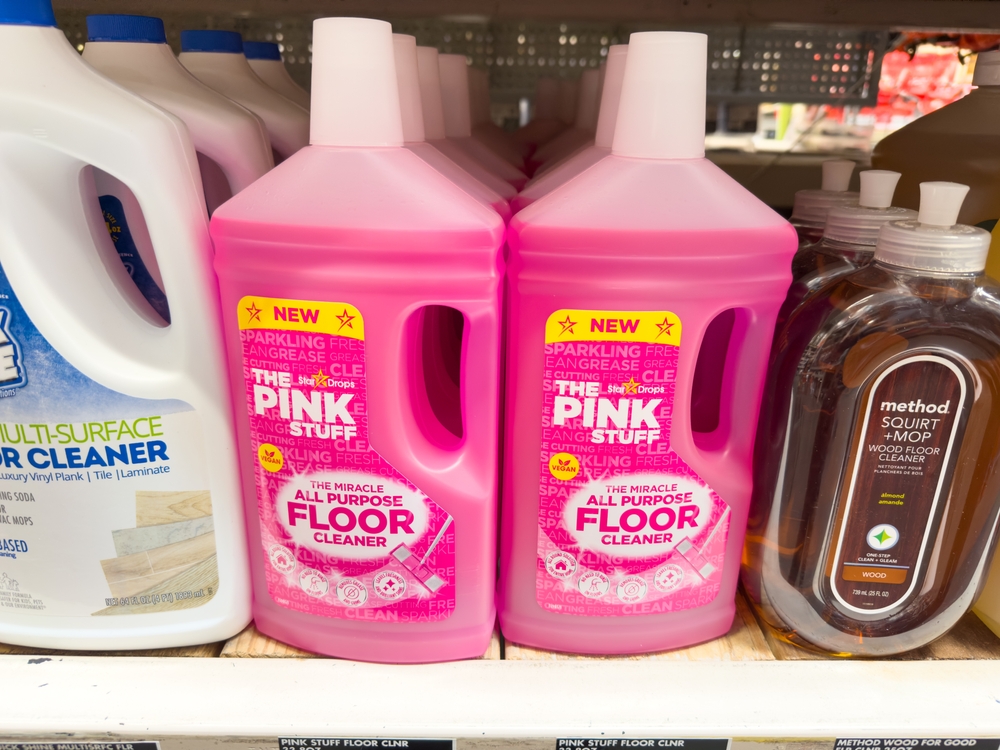
Floor cleaners are essential after months of tracked-in salt and dirt. Canadians use them on tile, laminate, or vinyl surfaces during deep cleaning. Strong formulas promise to restore shine and remove buildup. Afterwards, milder products or simple water often replace them for routine maintenance. Large bottles remain stored under sinks or in utility rooms. Some households switch to disposable mop systems instead. Forgotten cleaners accumulate over time. Yet they remain effective for occasional deep washes. Proper dilution instructions are sometimes overlooked. Canadians tend to buy new bottles rather than check existing supplies. This pattern makes floor cleaners a recurring purchase despite slow consumption rates between major cleaning sessions.
Scrub Brushes and Grout Cleaning Tools
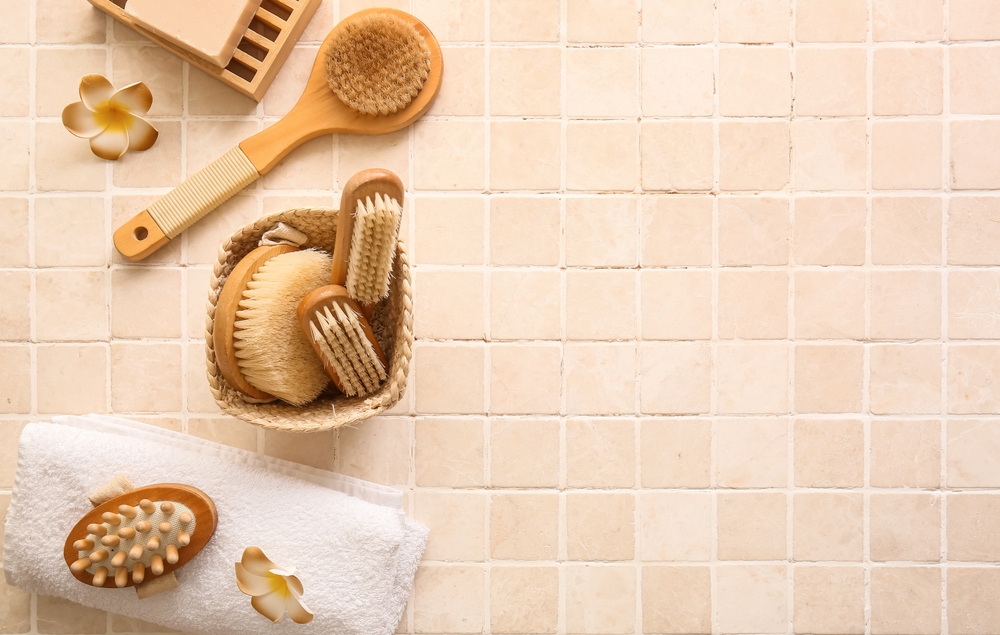
Specialized brushes help remove stubborn dirt from tile joints and textured surfaces. Canadians purchase them specifically for bathrooms and kitchens. During spring cleaning, grout lines receive overdue attention. Afterwards, these tools are rarely needed again. Their stiff bristles can be too harsh for everyday tasks. Storage in damp areas may lead to wear or odor. People forget they own them until the next major cleanup. New brushes are then purchased unnecessarily. Despite limited use, they remain effective for deep scrubbing. Proper drying can extend their lifespan. Canadians often rediscover old brushes in cleaning caddies later. Still, the annual buying cycle continues because these tools are strongly associated with seasonal deep cleaning.
Disposable Cleaning Wipes
Cleaning wipes offer convenience for quick sanitation. Canadians stock up during spring cleaning for fast surface wiping. They are especially useful in bathrooms and kitchens. Once deep cleaning ends, usage declines sharply. Many households prefer reusable cloths for daily tasks. Open containers may dry out if not sealed properly. Forgotten wipes lose effectiveness over time. People often throw them away months later. Despite waste concerns, convenience drives repeat purchases. Wipes remain handy for unexpected messes or travel. Storing them in visible locations increases use. Canadians frequently buy fresh packs each year without checking existing ones. This makes disposable wipes a common example of seasonal overspending on cleaning supplies.
Air Fresheners and Odor Neutralizers

After winter confinement, homes may smell stale. Canadians use fresheners to improve indoor air quickly. Sprays, gels, and plug-ins become popular during spring cleaning. Once windows open regularly, reliance on artificial scents declines. Products get stored in cupboards or drawers. Some lose fragrance strength over time. People forget about them until the next cleaning season. Natural ventilation serves its purpose for months. Yet they remain useful during cooking odors or pet issues. Canadians often buy new fragrances to match seasonal moods. Old containers accumulate in storage areas. This pattern keeps air fresheners among the most repeatedly purchased yet underused spring cleaning items each year.
Rubber Gloves for Deep Cleaning
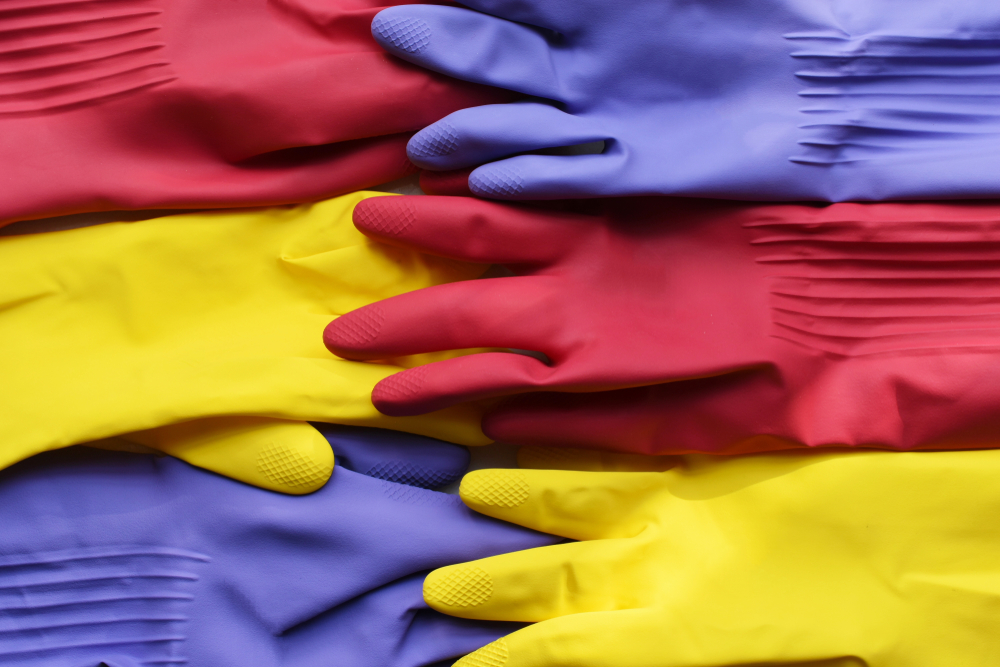
Protective gloves prevent skin irritation from chemicals and hot water. Canadians purchase sturdy pairs for heavy cleaning tasks. They are essential for scrubbing bathrooms or handling waste. After spring cleaning, gloves often get tucked away. Daily chores may not require such heavy protection. Some pairs degrade if stored damp. Others develop small tears that go unnoticed. People forget they already own usable gloves. New ones are purchased the following year. Despite limited use, gloves extend comfort during intense work. Proper drying can preserve them longer. Canadians frequently rediscover multiple pairs later. Still, buying fresh gloves each spring feels safer and more convenient for many households.
Drain Cleaners for Kitchen and Bathroom Sinks
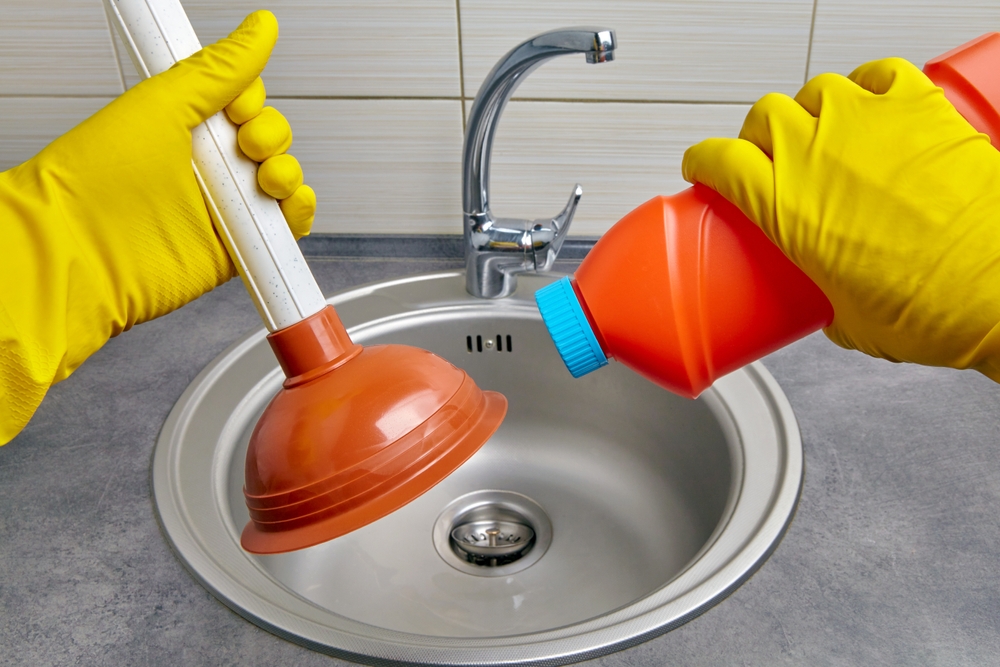
Slow drains become noticeable during thorough cleaning. Canadians buy chemical or enzymatic solutions to restore flow. Once clogs clear, further maintenance is often ignored. Bottles remain stored under sinks for months. Routine flushing with hot water might replace chemical use. Some products lose potency after long storage. People forget about them until another blockage occurs. New bottles are purchased instead of checking supplies. Preventive use could reduce plumbing issues. Safety precautions also discourage frequent handling. Canadians tend to treat drain cleaners as emergency tools. This leads to repeated buying cycles despite infrequent need. Keeping track of existing products would reduce waste and expense over time.
Stainless Steel Polish

Appliances made of stainless steel show fingerprints and smudges easily. Canadians buy polish to restore shine during spring cleaning. Refrigerators, ovens, and sinks benefit from treatment. Afterwards, routine wiping with cloths becomes sufficient. Specialized polish remains unused for long periods. Some formulas leave residue if overapplied. People forget where the bottles were stored. New ones are purchased the next year unnecessarily. Despite limited use, polished surfaces look noticeably cleaner. Proper application can maintain appearance for months. Canadians often rediscover half-full containers later. Still, the desire for a perfect finish each spring drives repeat purchases. Stainless steel polish remains a niche but recurring cleaning supply in many homes.
Wood Surface Cleaners and Conditioners
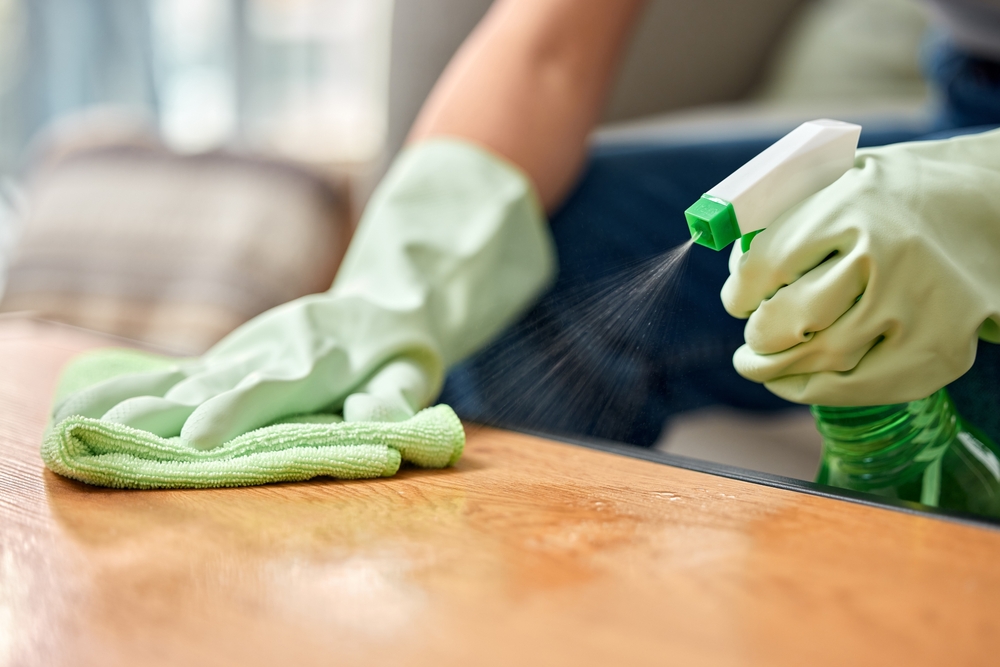
Wood furniture and floors require gentle care products. Canadians buy conditioners to restore shine and prevent drying. These products are often applied once during deep cleaning. Daily dusting usually replaces further treatment. Bottles remain stored for long periods afterwards. Some formulas separate or expire over time. People may forget the correct application method. New products are purchased the following spring. Proper conditioning can protect wood from damage. Overuse, however, may cause buildup. Canadians treat these cleaners as occasional maintenance tools. Rediscovering old bottles is common during later organizing. Despite that, annual purchases continue because wood care is strongly associated with seasonal home refresh routines.
Mold and Mildew Removers
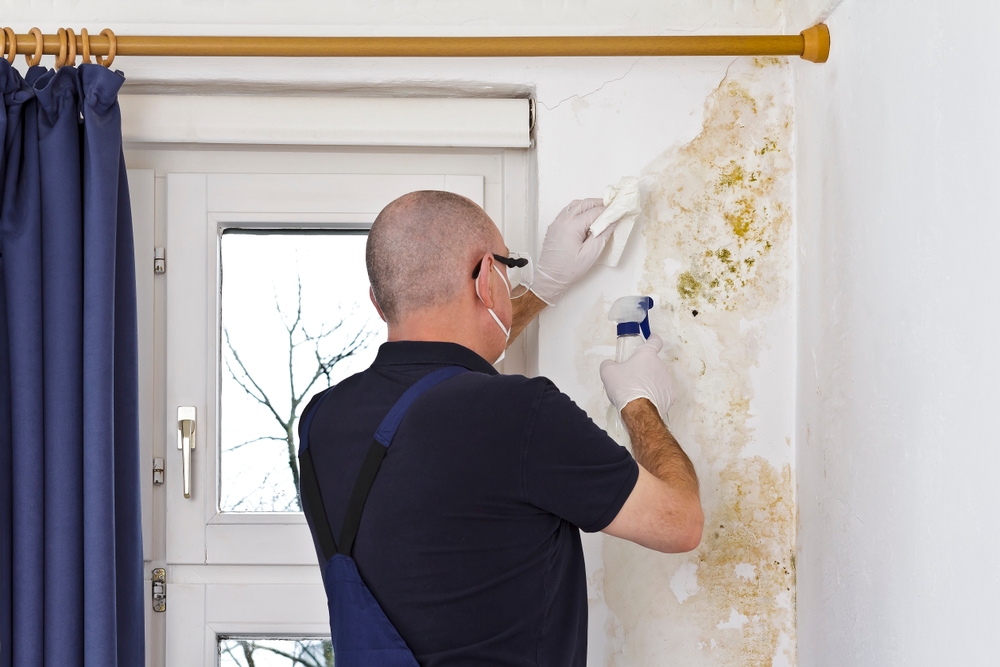
Bathrooms and basements can develop moisture-related growth over winter. Canadians buy strong removers to address visible spots. Once treated, areas may stay clean for months. Bottles are stored out of reach due to their chemical strength. Limited use leads to forgotten supplies. Safety concerns discourage casual handling. Some products lose effectiveness after long storage. People often buy new ones at the first sign of recurrence. Preventive ventilation could reduce the need for frequent treatment. Still, these removers remain essential for occasional problems. Canadians typically rediscover unused containers during later inspections. Despite infrequent application, mold cleaners remain a predictable purchase each spring.
Laundry Additives for Deep Washing
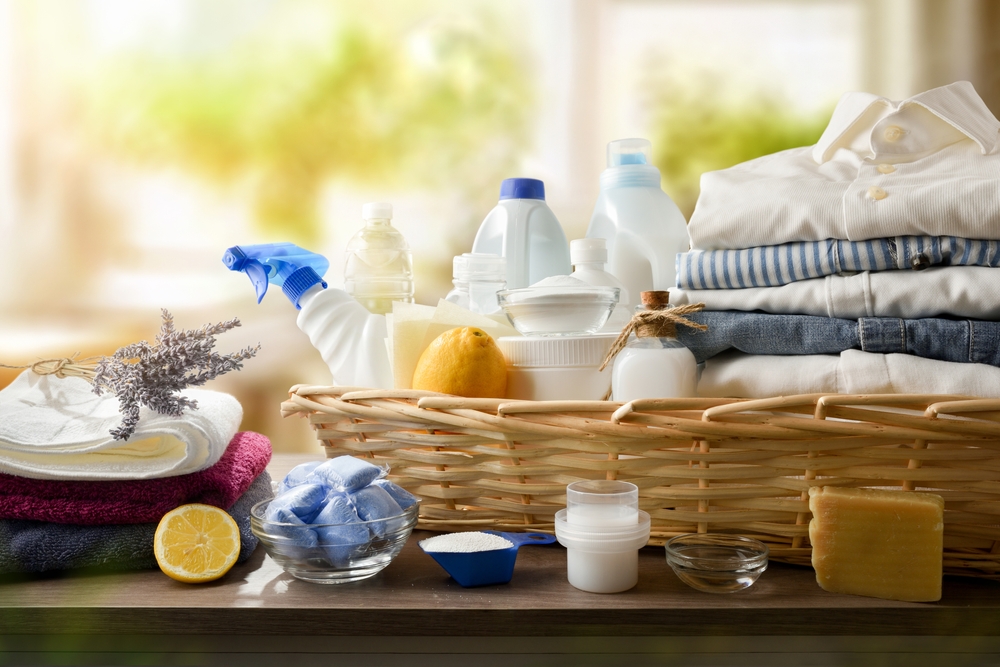
Deep cleaning often includes bedding, curtains, and heavy fabrics. Canadians buy boosters to remove odors and buildup. Products promise brighter whites and fresher scents. Once major laundry tasks finish, additives may sit unused. Regular detergent becomes sufficient for daily loads. Large containers last far longer than expected. People forget they own them months later. Expiration dates may pass unnoticed. Still, additives are effective for occasional refresh cycles. Proper storage keeps them usable longer. Canadians often repurchase out of habit rather than necessity. Rediscovering old supplies during later cleaning sessions is common. These products remain tied strongly to spring deep washing routines.
Lint Rollers and Fabric Shavers
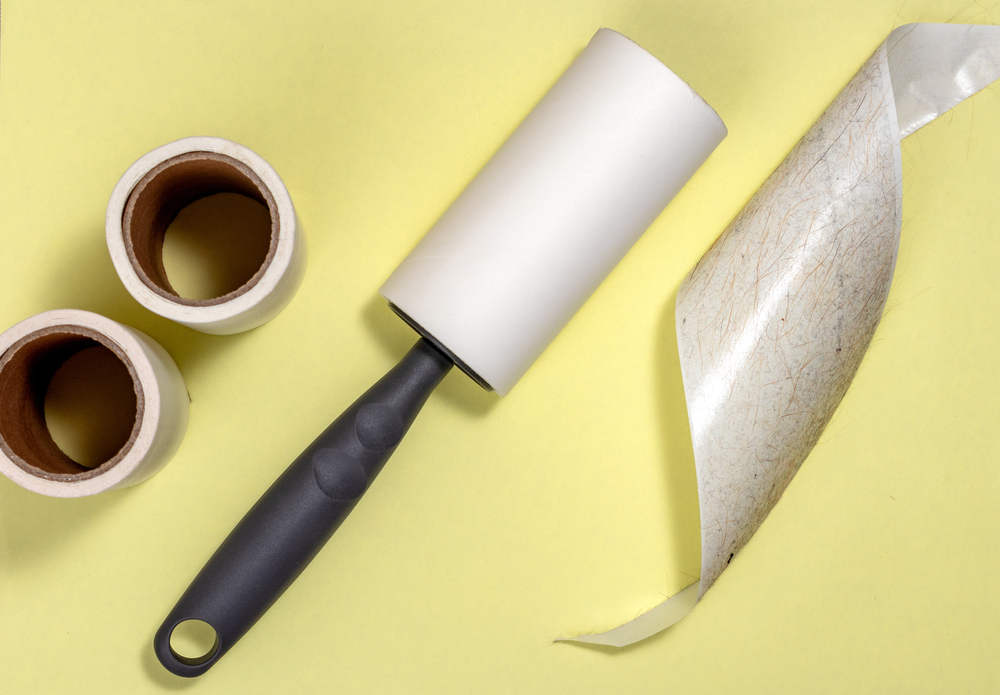
Winter clothing sheds fibers that accumulate on fabrics. Canadians buy rollers and shavers to refresh garments and upholstery. Once heavy fabrics are stored, the need declines sharply. Tools get placed in drawers or closets. Replacement sheets for rollers may dry out over time. Batteries in electric shavers can weaken. People forget about these items until next winter. New ones are purchased unnecessarily. Despite limited seasonal use, they remain effective for maintaining appearance. Pet owners may use them more frequently. Canadians often rediscover several unused rollers later. The convenience of buying new supplies each year keeps these products consistently popular during spring cleaning periods.
Storage Bins and Vacuum Seal Bags
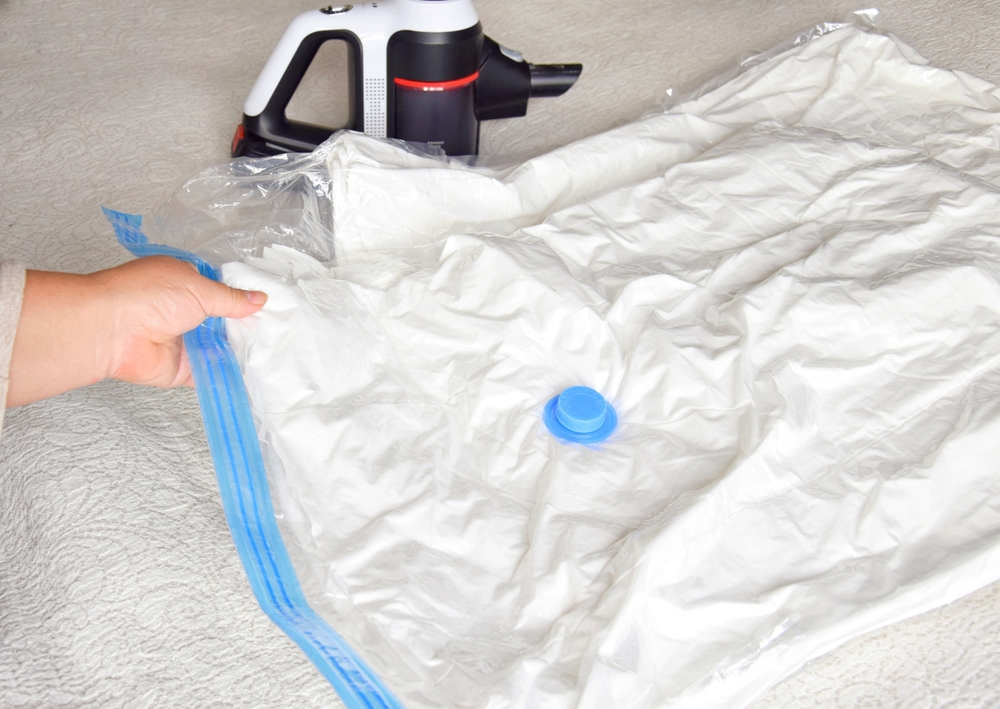
Organizing winter gear requires extra storage solutions. Canadians buy bins and vacuum bags to pack bulky items. Once filled, they are stored in basements or closets. Empty extras remain unused and forgotten. Sizes may not match future needs. Vacuum bags can lose seals over time. People buy new sets rather than search for old ones. Clear labeling would improve accessibility. Despite occasional use, these products support long-term organization. Canadians often rediscover unused containers during moves or renovations. Storage supplies accumulate quietly year after year. Their association with seasonal transitions makes them a routine purchase even when previous supplies remain perfectly usable.
22 Groceries to Grab Now—Before another Price Shock Hits Canada

Food prices in Canada have been steadily climbing, and another spike could make your grocery bill feel like a mortgage payment. According to Statistics Canada, food inflation remains about 3.7% higher than last year, with essentials like bread, dairy, and fresh produce leading the surge. Some items are expected to rise even further due to transportation costs, droughts, and import tariffs. Here are 22 groceries to grab now before another price shock hits Canada.
22 Groceries to Grab Now—Before another Price Shock Hits Canada
