Spring is a busy travel season, which makes it an attractive time for scammers to target unsuspecting travellers. Canadians booking flights, accommodations, and tours may encounter fraudulent offers that look convincing at first glance. Fake websites, misleading emails, and suspicious payment requests are becoming increasingly sophisticated. Many scams rely on urgency, limited-time deals, or confusion caused by last-minute changes. Losing money or personal information can quickly disrupt travel plans. Here are 17 spring travel scams Canadians should watch for involving bookings, refunds, and fake deals.
Fake Vacation Rental Listings

Fake vacation rentals appear convincing because scammers copy photos and descriptions from real properties. Canadians searching for spring accommodation may find unusually low prices that create urgency. After payment, the host disappears or provides a false check in detail. Victims often discover the problem only upon arrival. Requests for full payment outside trusted platforms are a warning sign. Legitimate services usually offer secure booking systems and reviews. Reverse image searches can reveal stolen photos used in multiple listings. Reading recent guest feedback also helps confirm authenticity. Paying by traceable methods provides some protection. Verifying the address independently reduces risk. Careful screening prevents financial loss and stressful travel disruptions.
Phishing Emails Posing as Airlines
Phishing emails often imitate airline branding to appear legitimate. Messages may claim flight changes, payment issues, or urgent confirmations. Links direct recipients to fake websites that capture login credentials or card details. Canadians travelling during busy spring periods may respond quickly without verifying authenticity. Official airlines rarely request sensitive information through unsolicited emails. Checking the sender’s address can reveal subtle irregularities. Accessing accounts directly through official apps is safer than clicking links. Unexpected attachments should be avoided. Phishing attempts increase during peak travel seasons. Awareness helps travellers protect both personal data and finances. Ignoring suspicious messages prevents unauthorized access and potential identity theft.
Fraudulent Booking Websites Mimicking Real Ones
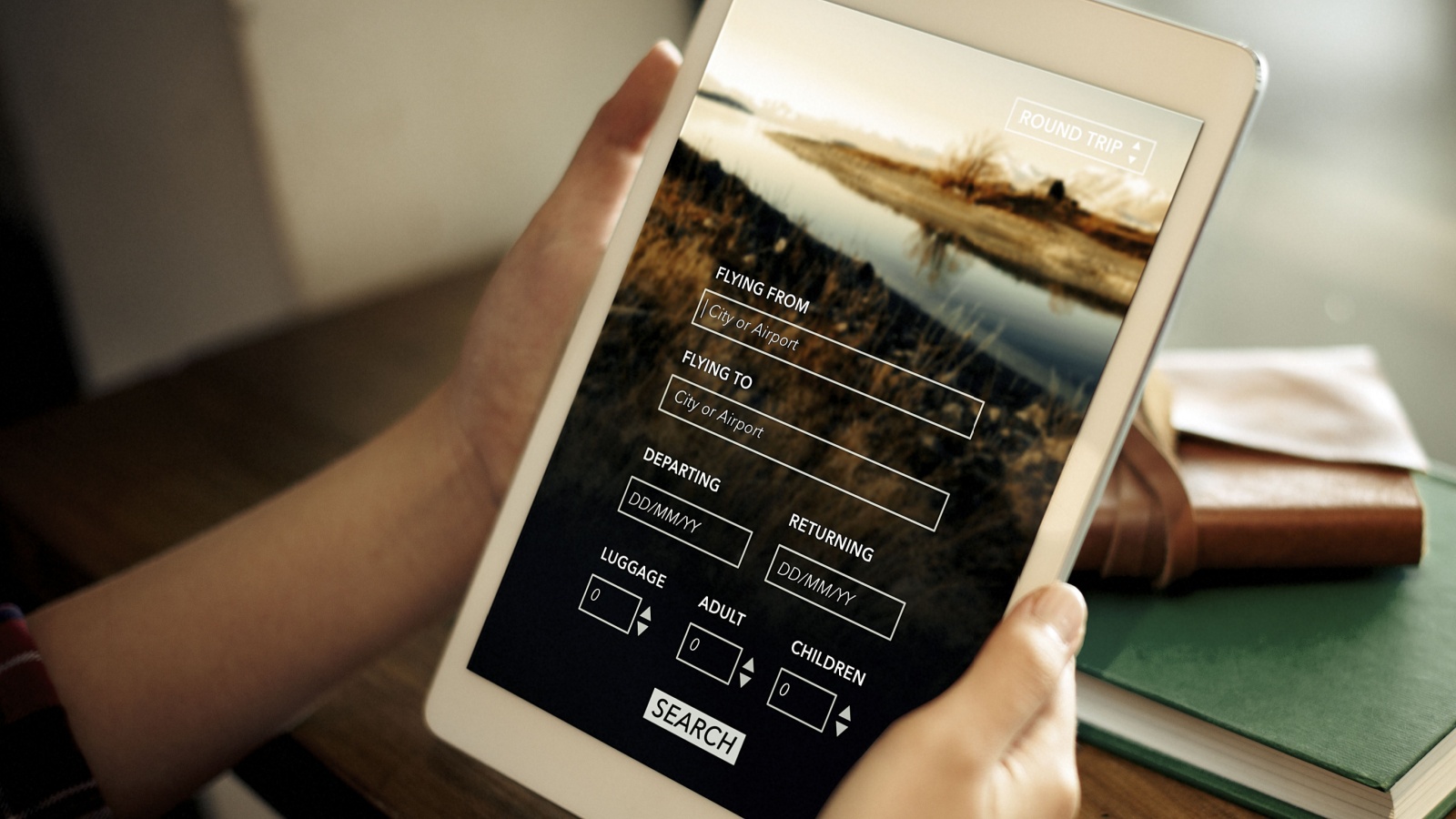
Some fraudulent websites closely resemble legitimate booking platforms. Logos, colours, and layouts are copied to deceive users. These sites may appear in search results or advertisements. Canadians booking quickly may not notice slight spelling differences in web addresses. Payments made through such sites often go directly to scammers. Confirmation emails may look authentic but provide false details. Secure websites usually display encryption indicators in the browser. Reading independent reviews can reveal warnings from other travellers. Booking through official apps or known domains reduces risk. Taking time to verify authenticity prevents costly mistakes. Careful attention to details helps ensure reservations are genuine.
Non-Existent Discount Flight Deals

Unusually cheap flight offers can signal fraudulent activity. Scammers advertise limited-time deals to create pressure. Payment may be requested through wire transfer or other unfamiliar methods. After payment, tickets never materialize. Canadians planning spring trips may be especially tempted by bargains. Legitimate airlines rarely sell tickets far below market value without clear conditions. Comparing prices across multiple platforms helps identify anomalies. Official airline websites remain the safest purchasing option. Confirming reservation numbers directly with carriers provides reassurance. Avoiding rushed decisions reduces vulnerability. If an offer seems unrealistic, further verification is essential before committing funds.
Fake Travel Insurance Offers

Fraudulent travel insurance providers target travellers seeking last-minute coverage. Policies may appear comprehensive but provide no actual protection. Documentation can look professional and include official-sounding language. Canadians may discover the fraud only when filing a claim. Legitimate insurers are regulated and listed through recognized authorities. Verifying company registration helps confirm authenticity. Payments requested through unusual channels are suspicious. Comparing coverage details with established providers highlights inconsistencies. Insurance should be purchased from reputable companies or through travel agents. Proper research ensures travellers remain protected if disruptions occur. Reliable coverage provides peace of mind during uncertain travel conditions.
Refund Scams After Trip Cancellations
Refund scams often follow real cancellations or disruptions. Victims receive messages offering assistance with processing refunds quickly. Scammers request fees or sensitive information to proceed. Canadians facing unexpected travel changes may act without careful verification. Airlines and hotels typically process refunds automatically through original payment methods. Requests for additional payment are suspicious. Contacting providers directly through official channels confirms legitimacy. Fraudsters exploit urgency and frustration to manipulate decisions. Avoid sharing personal data with unsolicited contacts. Monitoring accounts regularly helps detect unauthorized transactions. Patience and verification protect travellers from further financial loss after cancellations.
Social Media Giveaway Travel Scams
Social media travel giveaways often promise free flights or luxury vacations. Scammers use stolen photos and fake accounts to appear credible. Canadians may be asked to share personal details or pay small fees to claim prizes. Requirements such as shipping charges or processing costs are warning signs. Legitimate contests rarely request payment from winners. Fake pages may disappear after collecting information. Checking official company accounts helps verify authenticity. Comments from previous victims sometimes reveal the scam. Avoid providing passport details or financial data online. Reporting suspicious posts protects others as well. Careful verification prevents identity theft and financial loss.
Overpayment Scams for Tour Packages

Overpayment scams involve fake agents requesting excess payment for bookings. Victims are told refunds will be issued for the extra amount later. After payment, the agent disappears or invents further complications. Canadians arranging group tours may be especially targeted. Requests for unusual payment methods are suspicious. Legitimate companies provide clear invoices and pricing breakdowns. Independent verification of agency credentials is essential. Contacting operators directly confirms booking details. Never send additional funds without confirmation. This scam relies on confusion and urgency to succeed. Careful review of charges prevents unnecessary losses.
Fake Customer Service Numbers

Fraudsters post fake support numbers online that appear official. Travellers searching quickly may call these instead of legitimate contacts. Scammers then request booking details or payment information. They may claim additional fees are required to resolve issues. Canadians facing urgent travel problems are particularly vulnerable. Official companies list contact numbers on verified websites only. Cross-checking multiple sources reduces risk. Avoid sharing passwords or verification codes over the phone. Genuine representatives rarely request full card numbers. Ending suspicious calls protects sensitive information. Confirming contacts before dialing prevents manipulation.
Phony Hotel Confirmation Messages
Fake confirmation messages mimic legitimate hotel communications. Emails or texts may state booking issues or request additional details. Links often lead to fraudulent sites that collect payment information. Canadians may respond quickly to avoid losing reservations. Genuine hotels rarely request sensitive data through unsolicited messages. Checking reservations directly through official apps is safer. Sender addresses with unusual domains indicate possible fraud. Unexpected requests for payment should be verified independently. Saving original booking confirmations helps identify discrepancies. Ignoring suspicious messages prevents unauthorized transactions. Direct communication with the hotel ensures accuracy.
Last-Minute “Upgrade” Payment Requests
Scammers sometimes contact travellers offering discounted upgrades shortly before departure. These offers may include better rooms, flights, or seating. Payment is requested immediately to secure the opportunity. Canadians eager for improved arrangements may act quickly. Legitimate upgrades are usually handled through official channels. Unexpected messages from unknown contacts are suspicious. Confirming offers directly with providers prevents fraud. Requests for wire transfers or gift cards are strong warning signs. Genuine companies offer secure payment options. Declining unsolicited upgrades protects both finances and booking details. Verification remains essential when offers appear suddenly.
Fake Visa or Entry Requirement Services
Fraudulent visa services target travellers unsure about entry rules. Websites may charge high fees for processing documents that are unnecessary. Some provide fake permits that authorities will not recognize. Canadians travelling abroad may rely on these services without verification. Official government sites provide accurate requirements at no cost. Checking embassy information helps confirm legitimacy. Secure payment systems and clear contact details indicate trustworthy providers. Avoid services that demand urgent decisions. Scammers exploit confusion about changing regulations. Independent research prevents paying for invalid documentation. Proper preparation ensures smooth border crossings.
Wi-Fi Snooping in Airports and Hotels

Public Wi-Fi networks can expose personal data to cybercriminals. Attackers may create fake hotspots with names similar to legitimate networks. Canadians connecting automatically risk transmitting sensitive information. Activities such as banking or booking should be avoided on unsecured connections. Using a virtual private network adds protection. Confirming network names with staff reduces risk. Disabling automatic connection settings prevents accidental use. Keeping software updated strengthens device security. Public networks are convenient but vulnerable. Limiting usage to basic browsing is safer. Awareness helps travellers protect personal information throughout their journey.
Rental Car Damage Claim Scams

Rental car scams often involve false damage claims after the vehicle is returned. Travellers may be charged for scratches or dents they did not cause. Canadians rushing to catch flights sometimes skip detailed inspections. Unscrupulous operators exploit this oversight. Taking photos and videos before and after use provides evidence. Requesting written confirmation of the condition at return is important. Reviewing rental agreements carefully reveals liability terms. Using reputable companies reduces risk. Monitoring credit card statements helps detect unexpected charges. Insurance coverage may also influence dispute outcomes. Careful documentation protects travellers from unfair financial demands. Preparation before driving away remains the best defence.
Currency Exchange Fraud Schemes
Currency exchange scams target travellers unfamiliar with local rates. Fraudsters may offer attractive deals on the street or in unofficial offices. Hidden fees or manipulated calculations reduce the actual amount received. Canadians may not notice discrepancies immediately. Counting money before leaving the counter is essential. Official exchange bureaus display rates transparently. Banks usually provide the most reliable service. Avoid exchanging cash with individuals in public areas. Using debit or credit cards reduces the need for large amounts of cash. Keeping receipts supports disputes if needed. Understanding approximate rates beforehand helps identify suspicious offers. Vigilance prevents losing money through deceptive practices.
QR Code Scams at Tourist Spots
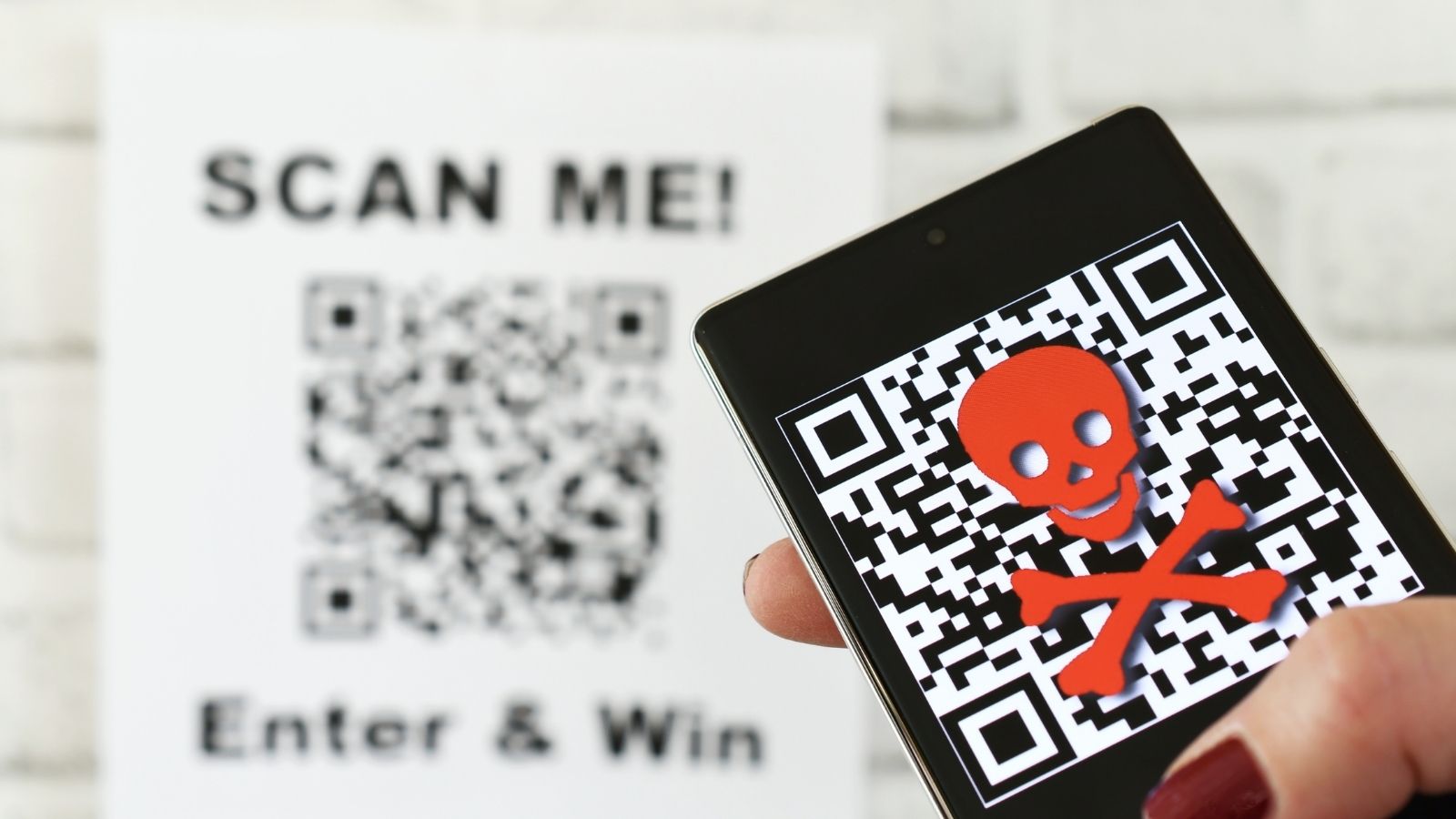
QR codes placed on signs or tables can link to malicious websites. Scammers replace legitimate codes with stickers directing users elsewhere. Canadians scanning quickly may unknowingly share personal information. Fake sites may request payments or login credentials. Official attractions rarely demand sensitive data through QR links. Checking surrounding signage helps confirm authenticity. Using manual website searches is safer when unsure. Avoid scanning codes in unattended public areas. Security software can block suspicious pages. QR technology is convenient but vulnerable to misuse. Awareness helps travellers avoid digital traps. Verifying sources before scanning protects both devices and data.
“Too Good to Be True” All-Inclusive Packages

Extremely cheap all-inclusive packages often conceal fraudulent offers. Scammers advertise luxury resorts at prices far below market value. Payment may be required immediately to secure availability. After funds are transferred, bookings do not exist. Canadians planning spring vacations may be tempted by apparent savings. Legitimate packages include detailed contracts and clear terms. Comparing prices across reputable agencies reveals unrealistic deals. Secure payment methods provide additional protection. Lack of official documentation is a warning sign. Researching the resort independently confirms authenticity. Careful evaluation prevents disappointment and financial loss. If an offer seems impossible, further verification is essential before committing.
22 Groceries to Grab Now—Before another Price Shock Hits Canada

Food prices in Canada have been steadily climbing, and another spike could make your grocery bill feel like a mortgage payment. According to Statistics Canada, food inflation remains about 3.7% higher than last year, with essentials like bread, dairy, and fresh produce leading the surge. Some items are expected to rise even further due to transportation costs, droughts, and import tariffs. Here are 22 groceries to grab now before another price shock hits Canada.
22 Groceries to Grab Now—Before another Price Shock Hits Canada
