
Every winter, Canadians watch neighbors migrate to warmer places like Florida, Arizona and Mexico while their houses sit empty until April. The trouble starts when the property becomes dark, unshoveled, and forgotten. Snow piles up. Flyers stay stuck to the door. Porch pirates notice the inactivity. Wild animals explore sheds and garages. It affects the appearance and safety of the entire street. Here are 17 ways to deal with a “snowbird” neighbor who abandoned their house.
Start a conversation before they migrate for winter

Before their flight leaves or they start the long drive south, start a relaxed conversation. Ask for a phone number, winter address, and instructions for handling unexpected situations like broken windows, missed deliveries, or visiting contractors. Do not make the request sound dramatic. A calm approach prevents defensiveness. Explain that you are trying to avoid confusion during winter storms and holidays. Most Canadians appreciate a neighbor who plans ahead. Clear expectations prevent misunderstandings and arguments. If communication is good before they leave, problems in January stay manageable. A friendly talk now avoids resentment later and brings peace for everyone.
Team up with another neighbor to share responsibility

Looking after a snowbird house does not need to fall on one person. Ask someone nearby if they can help watch the property occasionally. Two households checking in lightly is easier than one neighbor feeling overloaded. Everyone notices different things during daily routines. Someone might see the driveway while taking out garbage. Someone else might notice a light left on after a storm. Teamwork stops resentment from building and reduces stress. It builds community rather than obligation. Shared responsibility keeps winter manageable instead of exhausting. That prevents complaints later and maintains a peaceful neighborhood right until the spring thaw.
Stop the mailbox from becoming an obvious vacancy signal
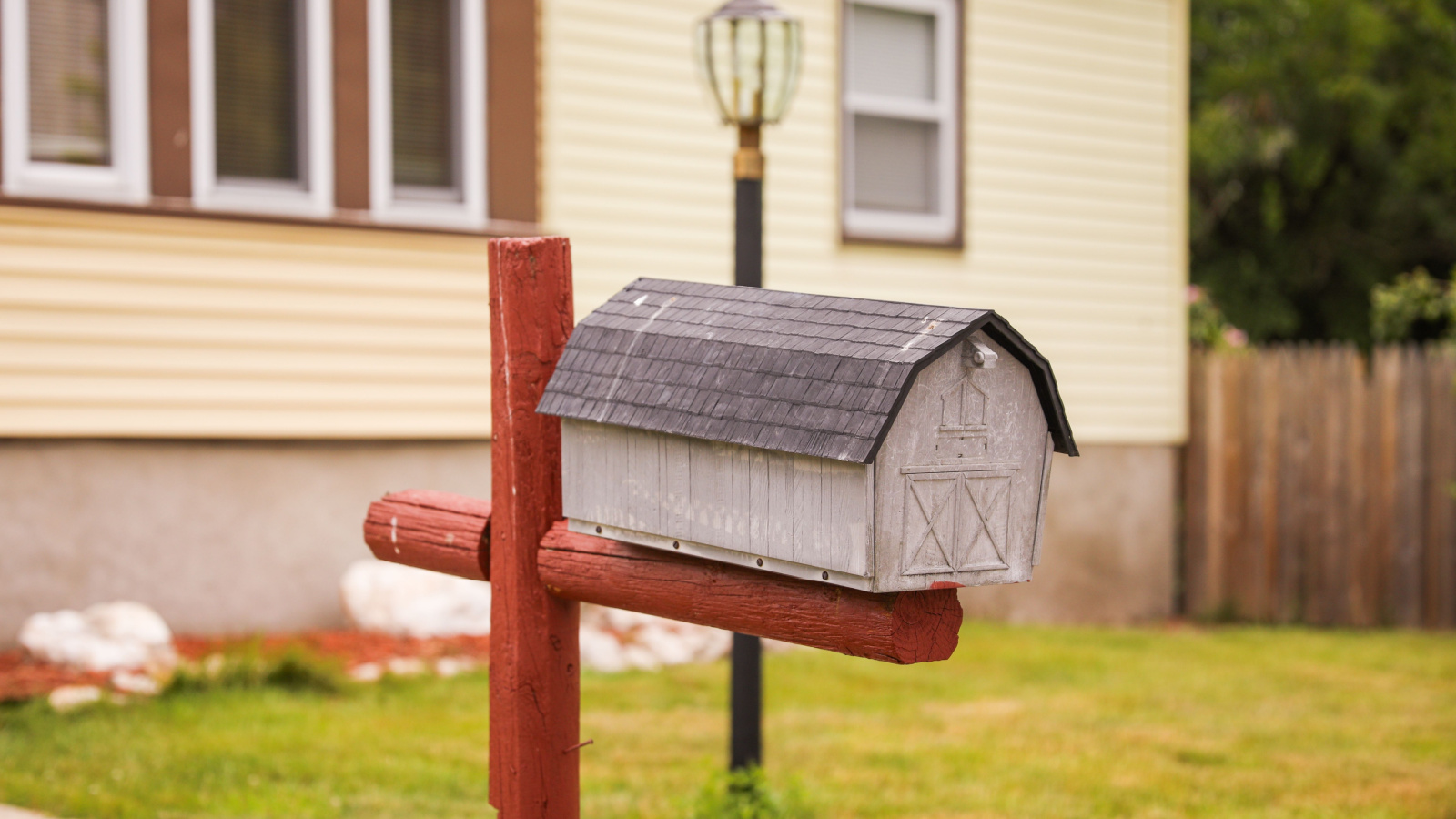
Overflowing mailboxes attract thieves quickly. Flyers on the door signal that nobody is home. Ask whether the owner wants you to collect mail, store packages under a covered area, or request a Canada Post hold. This step protects everyone because porch theft can spread through an entire neighborhood once criminals notice an easy target. You are not becoming a postal service. You are helping keep trouble away. If you cannot take on regular pickups, recommend options without pressure. Sometimes people forget to plan mail arrangements while packing. A small action prevents a major security gap during the coldest months.
Handle garbage bins only if you agree before winter begins
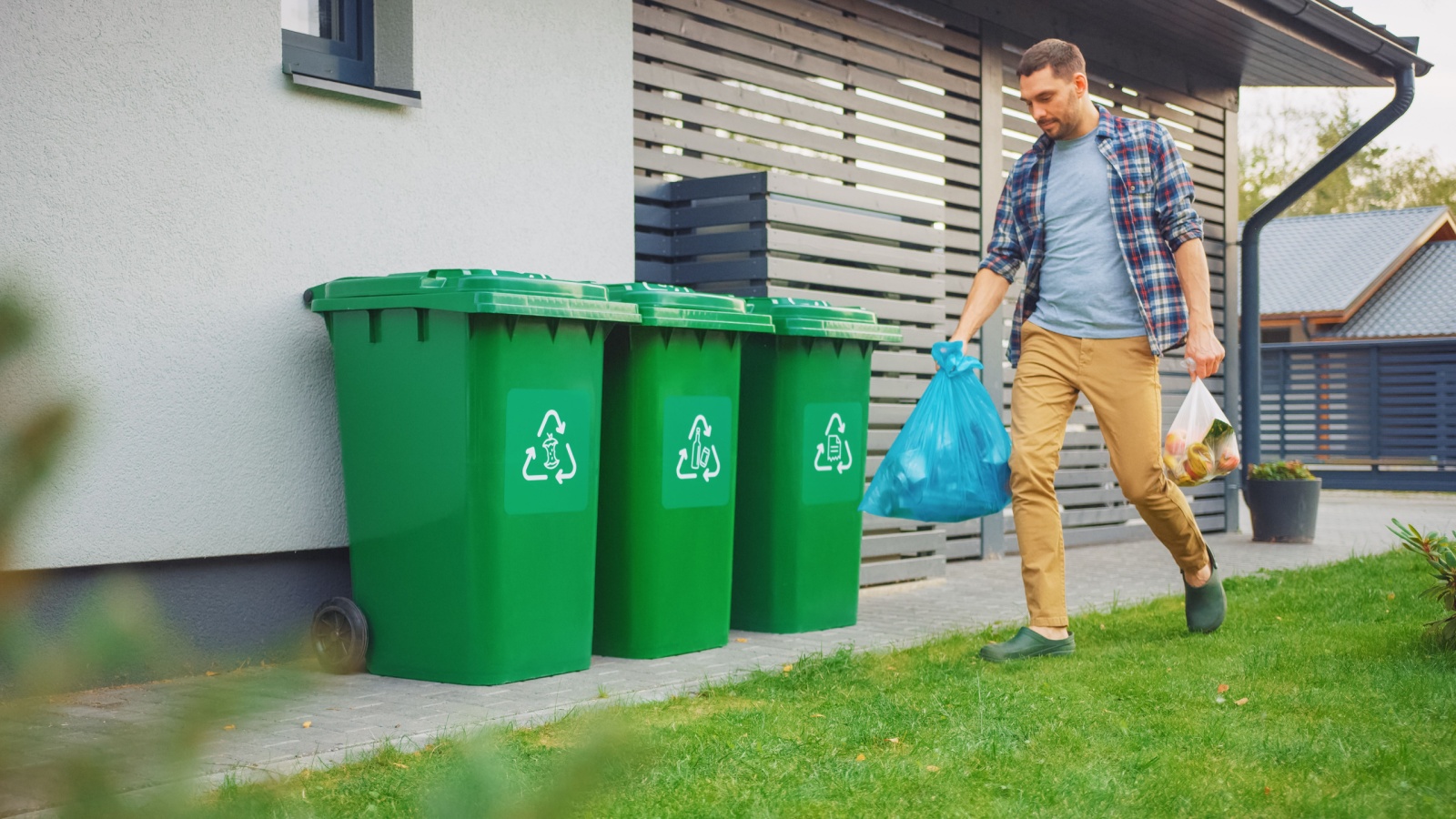
Garbage bins sitting at the curb for weeks look neglected and invite raccoons. Snowplows push bins into the street and damage lids. Ask the snowbird in advance if they want help moving bins on collection day. Only say yes if you truly want the responsibility. You are doing a favor, not accepting a job. When expectations are clear, nobody feels used. A one-minute task keeps the neighborhood looking tidy and prevents unpleasant smells during chinook melts. Communication before winter ensures this courtesy stays manageable and does not turn into a burden you resent halfway through February.
Contact their property manager instead of chasing them directly

Many snowbirds hire property managers to handle winter issues. Ask for that number before the season begins. If something goes wrong, message the property manager instead of calling the owner in Florida or Mexico. Managers answer faster, send maintenance crews, and approve snow removal. This avoids long-distance arguments and missed messages. It also protects your relationship with the homeowner because problems do not feel personal. You are not taking on stress. You are contacting the person who is paid to respond. Professional involvement keeps emotions low and solutions quick. Everyone benefits when the right person handles problems without delay.
Verify that a snow removal arrangement actually exists
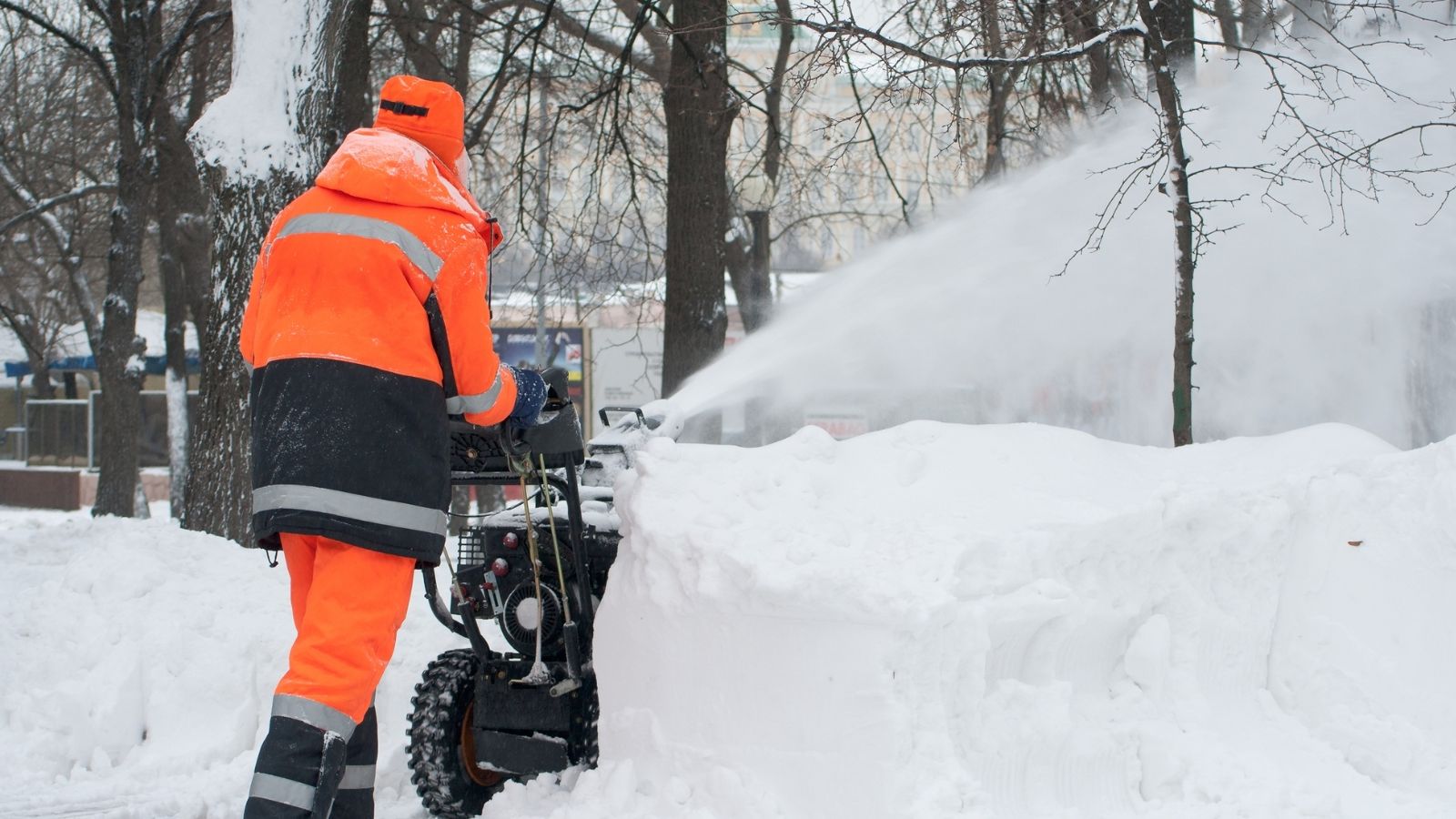
Driveways packed with snow after every storm are dangerous and make the street look abandoned. Ask if they hired a snow removal service or arranged for a neighbor’s teenager to shovel. People sometimes forget when they rush to the airport or focus on packing. Offering a few names of reliable services can help without pressure. When the driveway stays clear, the house looks occupied, and pedestrians remain safe. It also reduces city complaints and neighbor frustration. Confirming winter snow plans before departure saves everyone trouble during cold snaps and heavy snowfalls. Prevention is easier than conflict later.
Observe the house discreetly rather than acting like neighborhood security
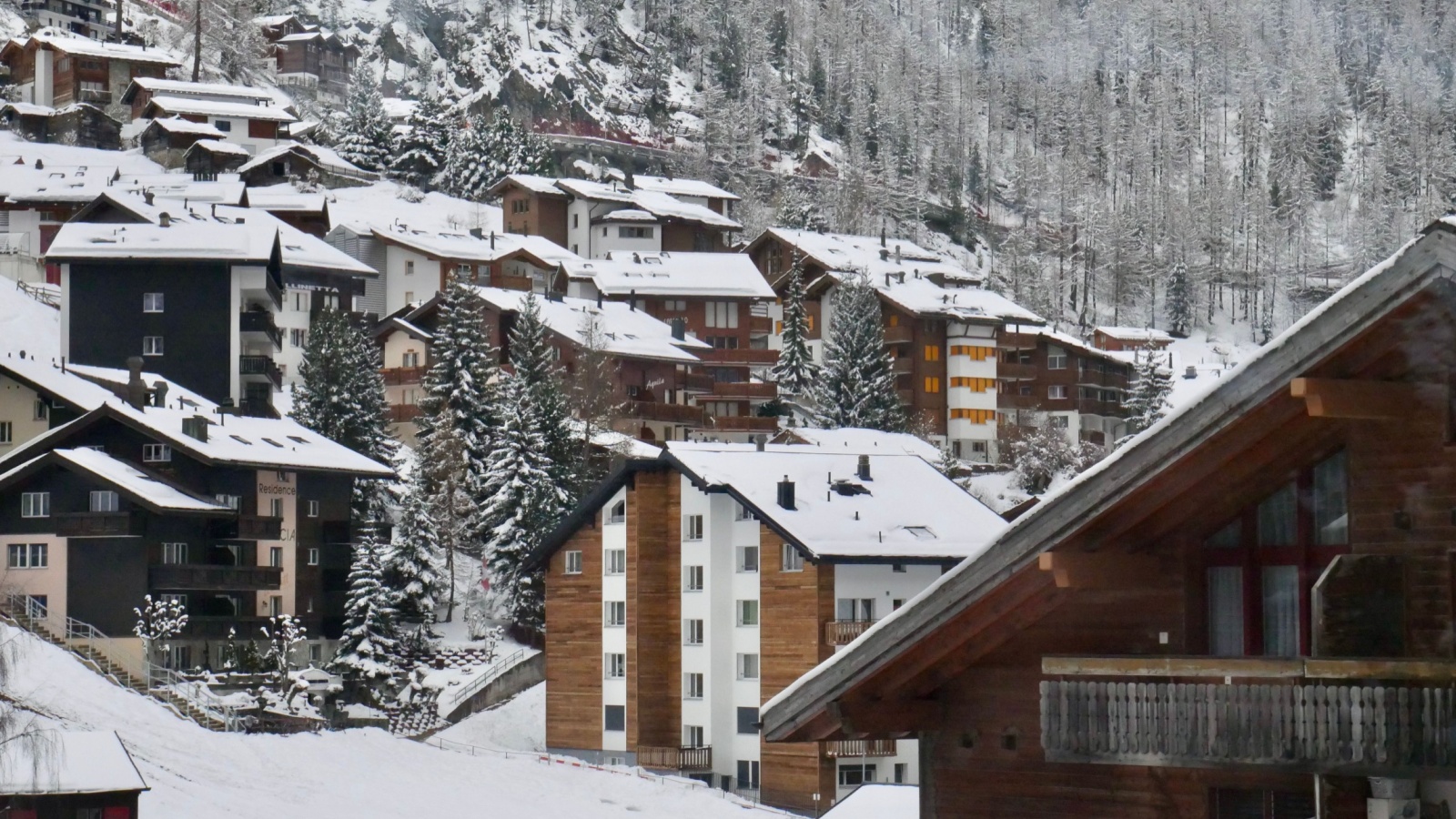
A quick glance while walking the dog or driving past is enough. You do not need to inspect windows or patrol the yard. Look for obvious issues like a broken door, flooding, fallen tree branches or damaged siding after a storm. If something seems serious, contact the owner or property manager calmly. Your goal is basic awareness, not surveillance. Acting like security creates discomfort for everyone. Light attention keeps small problems from growing into disaster while respecting privacy. A few seconds of awareness can prevent thousands of dollars in damage and protect nearby homes from indirect consequences.
Call the non-emergency line when strangers behave suspiciously

If someone appears to be breaking in or scouting the property, call the non-emergency police line instead of confronting them. Some visitors might be cleaners or contractors. Others might be criminals hoping the house is unattended. Your call helps the authorities track possible patterns in the area. You are not trying to be a hero. You are protecting your neighborhood from trouble. Reporting calmly avoids escalation and keeps people safe. Most Canadian police departments appreciate early information because it prevents serious cases later. Caution is smart when a property stays empty for months during the winter season.
Recommend automatic lighting for dark winter nights

Canadian winter nights are long, and a dark house appears abandoned. Suggest smart bulbs or timers that turn lights on at scheduled or random intervals. It keeps the property from attracting vandals or break-ins. Present it as a safety suggestion and not a complaint. People often forget lighting when focusing on travel. A small reminder can prevent damage and discourage trespassers. It protects the entire neighborhood because crime spreads once a street looks vulnerable. Lighting keeps the street lively and safe without any daily effort from you.
Mention furnace checks to prevent frozen pipes and water damage
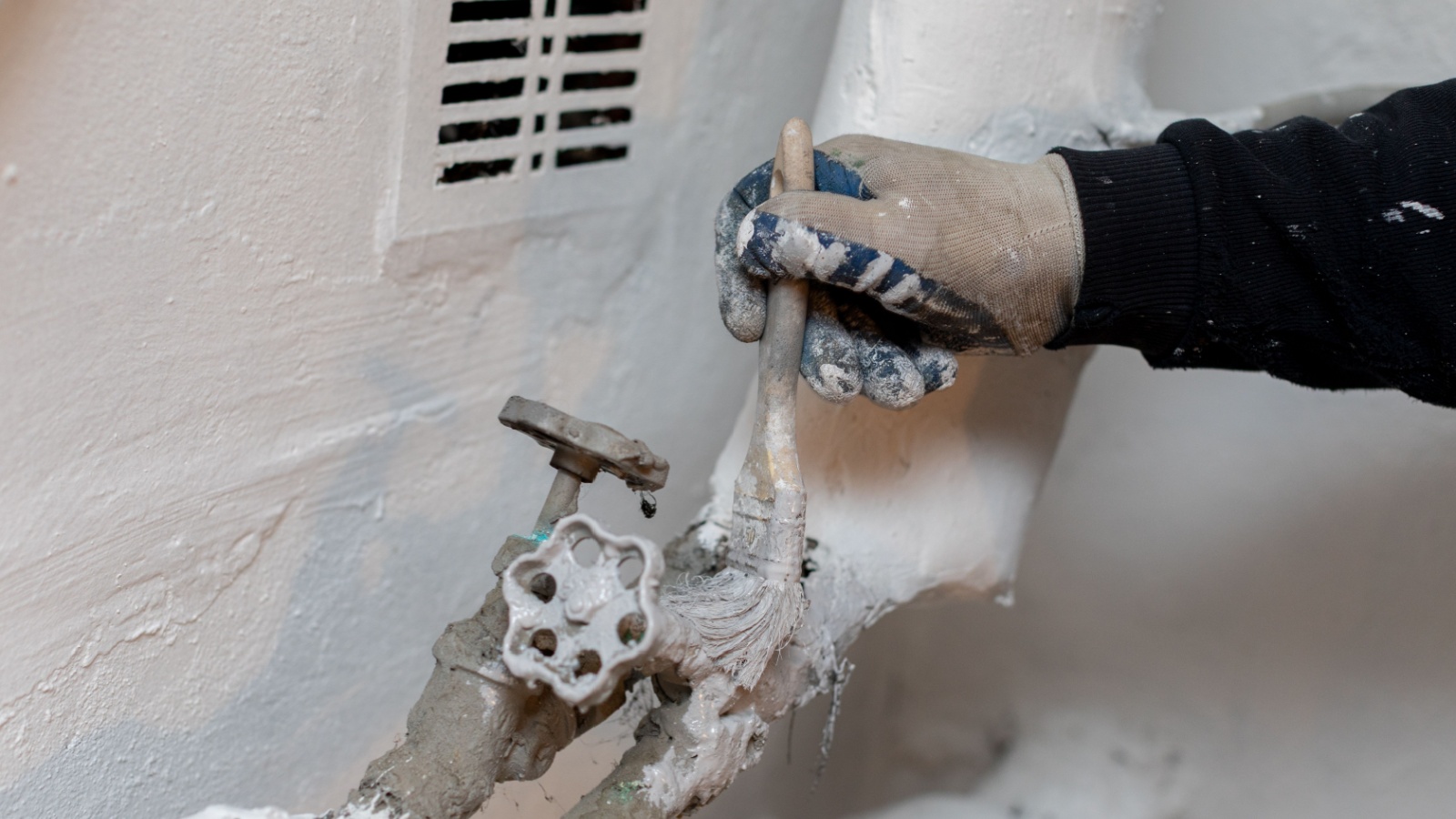
Frozen pipes are one of the most common winter problems in Canada. A burst pipe can destroy floors, ceilings, and walls. Water damage spreads quickly and may affect neighboring lots through runoff. Suggest regular furnace checks or temperature monitoring. You are not being dramatic. You are helping protect everyone’s home value. People rushing to escape winter sun sometimes forget that subzero conditions can destroy a house in a single night. A simple reminder might save your neighbor thousands of dollars. It also prevents major inconvenience for the rest of the street if water spreads outdoors.
Set expectations about updates during their absence

Some snowbirds want monthly photos of the house. Others want no messages unless something serious happens. Ask what level of updates makes them comfortable. You avoid feeling obligated and avoid accidentally annoying them. A quick after-storm text might be all they need. A simple checklist can prevent confusion. Clear agreements reduce stress for both sides. Unneighborly help works best when boundaries are respected, and emotional pressure stays low. You protect the friendship by making sure expectations are realistic during the long winter away.
Use neighborhood group chats to simplify communication

Many Canadian neighborhoods use WhatsApp, Facebook, or email lists to report outages, break-ins and weather challenges. Invite the snowbird if they want to stay informed. It removes responsibility from one person and distributes updates across the community. When a new postal schedule begins or ice warnings happen, everyone receives the information at the same time. This approach builds connection rather than dependency. Winter is easier when neighbors coordinate rather than operate individually. Group chats save time and prevent confusion without overburdening anyone.
Contact the city only when the property becomes hazardous
If garbage piles up, snow blocks sidewalks, or broken windows threaten safety, and nobody responds to messages, municipal services can step in. Cities across Canada enforce property standards for empty homes. Calling the city is not tattling. It protects everyone from pests, safety risks, and structural damage that can affect home values across the block. Acting early stops problems from escalating. You can file a report and let officials handle the rest. You are not punishing someone for leaving Canada. You are protecting your neighborhood from neglect that impacts everyone.
Keep complaints private to avoid destructive neighborhood drama
Posting about the property on social media or neighborhood forums creates conflict and embarrassment. People take sides, and friendships fall apart. If you have a problem, speak privately with the neighbor or their caretaker first. Most snowbirds do not want trouble. They want peaceful relationships and happy neighbors. Public shaming solves nothing. Calm conversations build cooperation. Respect goes farther than venting online. A quiet approach keeps trust intact and prevents tension when the snowbird eventually returns in the spring.
Remind them that regular interior checks may be required by insurance

Some Canadian insurance policies require someone to enter the house every few days during the winter. Snowbirds are sometimes unaware until a claim is denied after damage. Mentioning this protects them financially and protects the neighborhood from large-scale issues like mold, burst pipes, or infestations. You do not need to volunteer to complete the checks. You are simply providing useful information. Regular inspections keep the property safe and reduce emergencies that impact nearby homes. A friendly reminder can prevent serious problems.
Have a balanced conversation when they return in spring

When they come home in April, talk about the winter calmly. Share what went smoothly and mention any issues that were important. There is no need to exaggerate or sound heroic. A practical recap builds trust. It also prevents arguments next season because expectations become clear. The goal is cooperation, not scorekeeping. Clear communication after winter helps prepare for the next snowbird migration. Every year becomes easier when each side understands responsibilities.
Set boundaries if the arrangement becomes overwhelming

Helping is generous, but you should not become a full-time caretaker for someone else’s home. If you feel overloaded, tired, or resentful, speak up kindly. Suggest options like hiring a snow service, paying a house sitter, or using a property management company. You can stay friendly while protecting your time. Winter is demanding. Your own home and family come first. Healthy boundaries keep relationships strong and avoid long-term tension. Good neighbors help when they can, but not at the expense of their well-being.
22 Groceries to Grab Now—Before another Price Shock Hits Canada

Food prices in Canada have been steadily climbing, and another spike could make your grocery bill feel like a mortgage payment. According to Statistics Canada, food inflation remains about 3.7% higher than last year, with essentials like bread, dairy, and fresh produce leading the surge. Some items are expected to rise even further due to transportation costs, droughts, and import tariffs. Here are 22 groceries to grab now before another price shock hits Canada.
22 Groceries to Grab Now—Before another Price Shock Hits Canada
