Winter in Canada brings beautiful landscapes and harsh driving conditions. Snow, ice, and freezing rain create slippery roads that challenge even experienced drivers. Many Canadians underestimate the risks and make simple mistakes that lead to accidents or getting stuck. From neglecting vehicle maintenance to misjudging road conditions, these errors can result in costly tow bills and dangerous situations. Here are 17 winter road mistakes that lead to viral tow bills.
Driving Without Winter Tires in Snowy Conditions

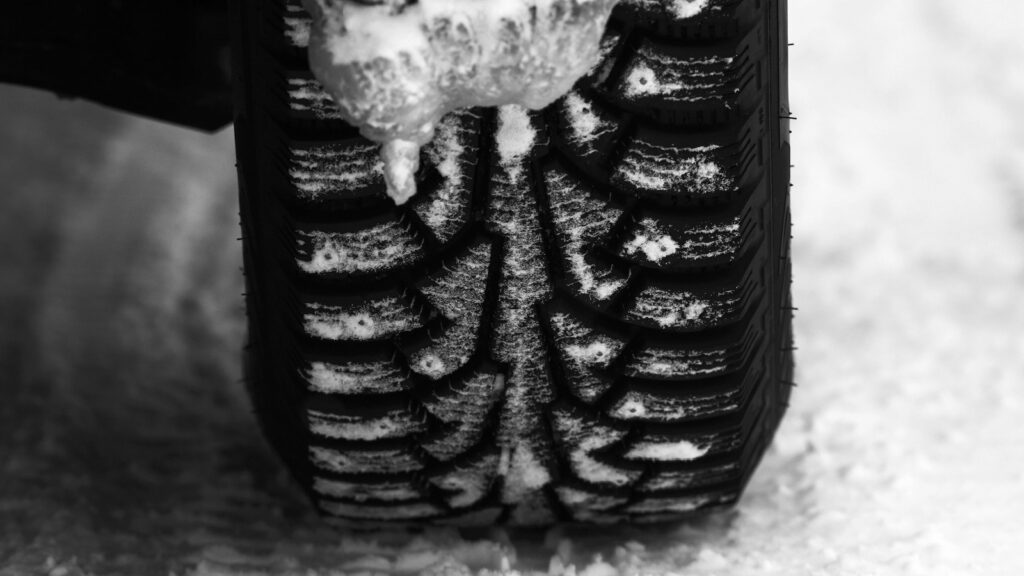
Winter tires are essential in Canada during snowy months. They provide better traction on ice, snow, and slush compared to all-season tires. Many provinces, such as Quebec and Ontario, strongly recommend or require winter tires during specific months. Driving without them increases the risk of skidding, collisions, and getting stuck. Winter tires improve braking and cornering performance in cold temperatures. Even experienced drivers can lose control without proper tires. Investing in quality winter tires protects drivers, passengers, and other road users. Proper tire maintenance also prolongs lifespan and ensures safety during every Canadian winter journey.
Ignoring Black Ice Warnings on Highways
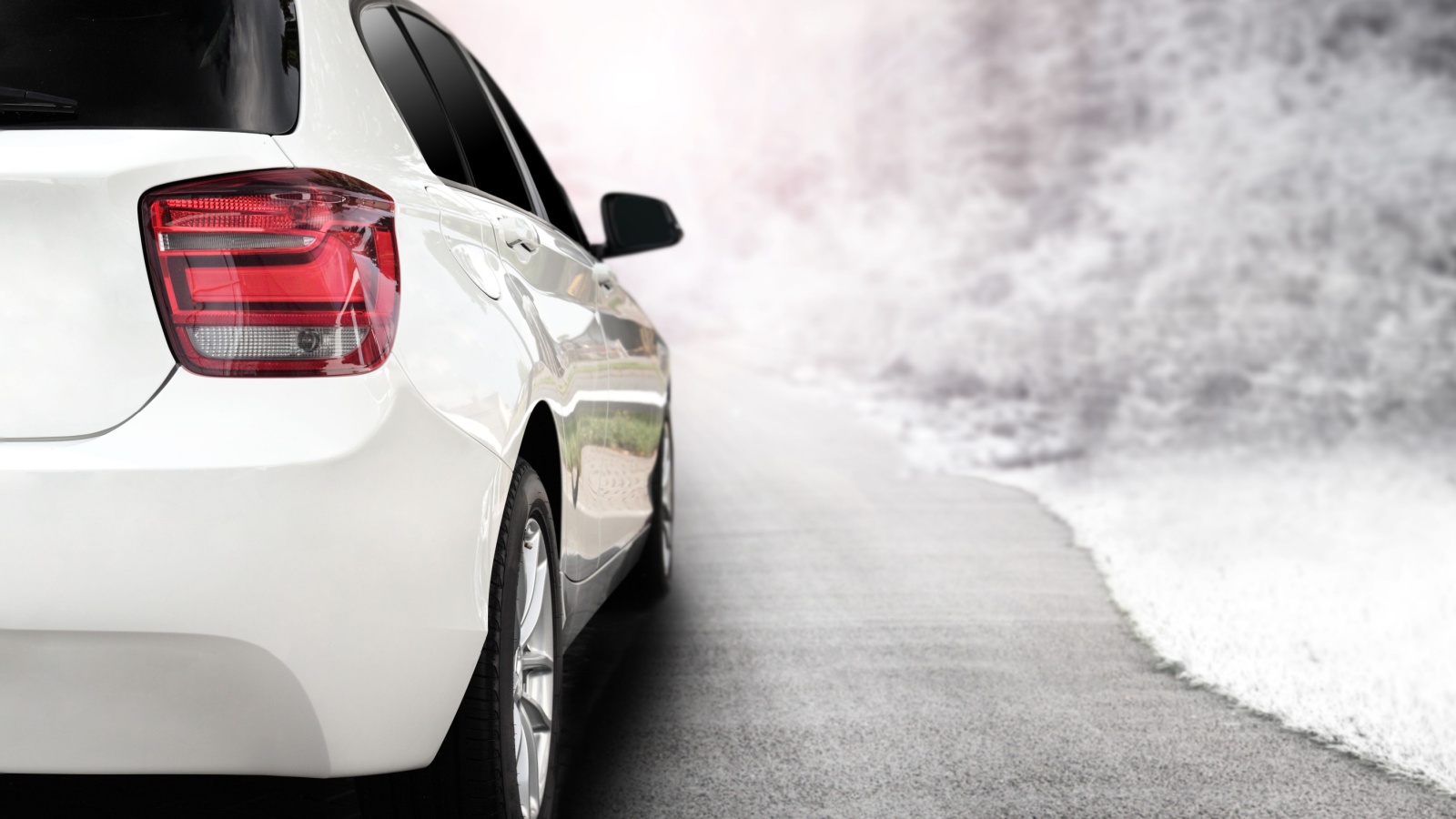
Black ice is a thin, nearly invisible layer of ice that forms on road surfaces in Canada. It is especially common on bridges, in shaded areas, and early mornings. Ignoring warnings about black ice can result in loss of control, collisions, or being stranded. Drivers should reduce speed, avoid sudden braking, and steer smoothly. Paying attention to weather forecasts and road alerts in provinces such as Alberta, Ontario, and British Columbia helps prevent accidents. Even cautious drivers can encounter black ice unexpectedly, so remaining vigilant and adjusting driving behavior is essential for winter safety.
Leaving Driveways or Parking Lots Unplowed
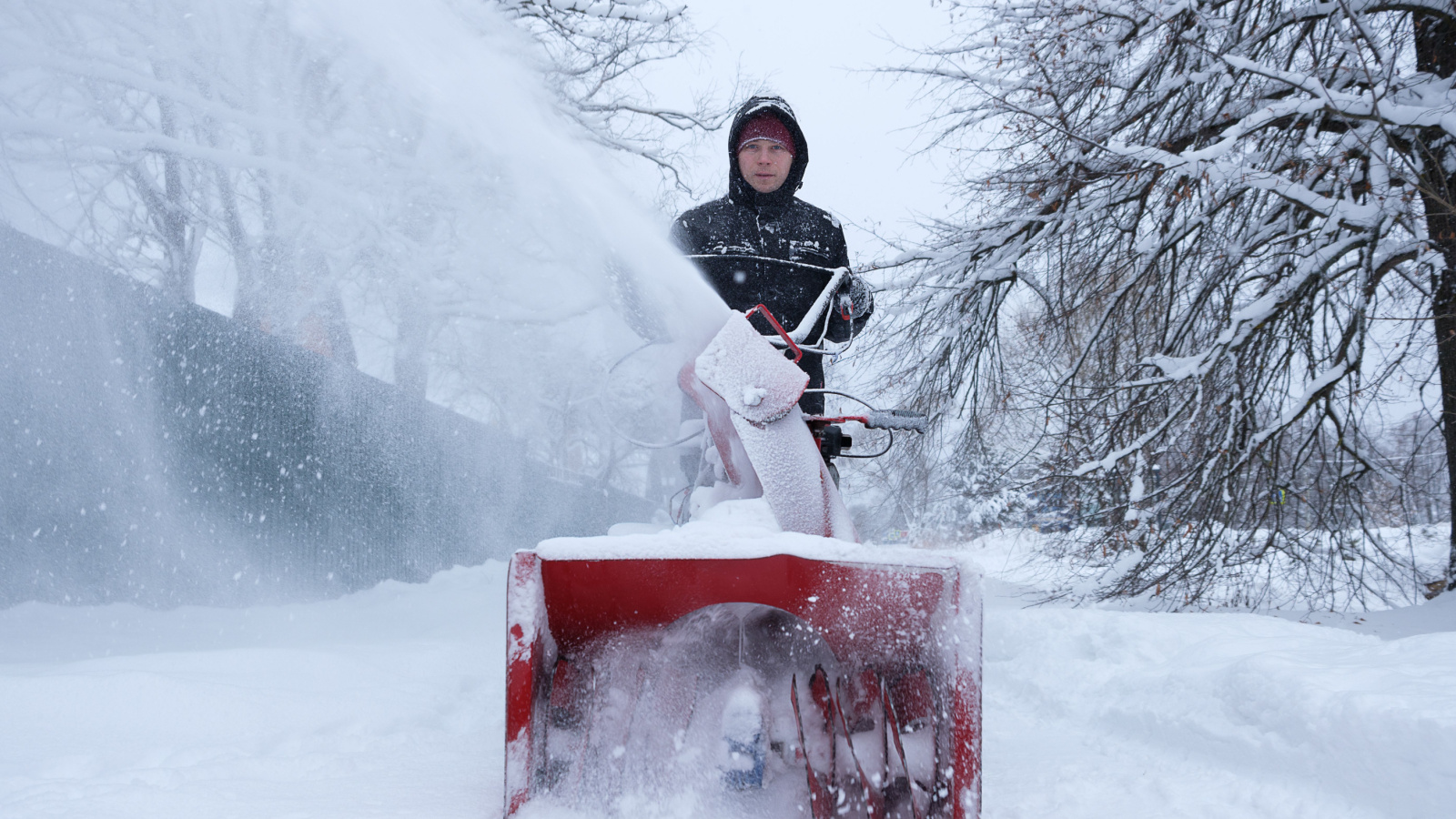
Failing to clear snow from driveways or parking areas creates hazards for vehicles. Cars can get stuck or slide into traffic when attempting to leave unplowed spaces. In Canada, this can happen quickly after heavy snowfall in regions like Quebec or Manitoba. Clearing snow regularly ensures safe entry and exit and prevents long delays or tow bills. Using proper snow removal tools or hiring services in urban areas can maintain safety. Keeping pathways and parking spots clear is a simple preventative measure that reduces stress and avoids costly winter road mishaps.
Skipping Engine Block Heater Use in Northern Regions
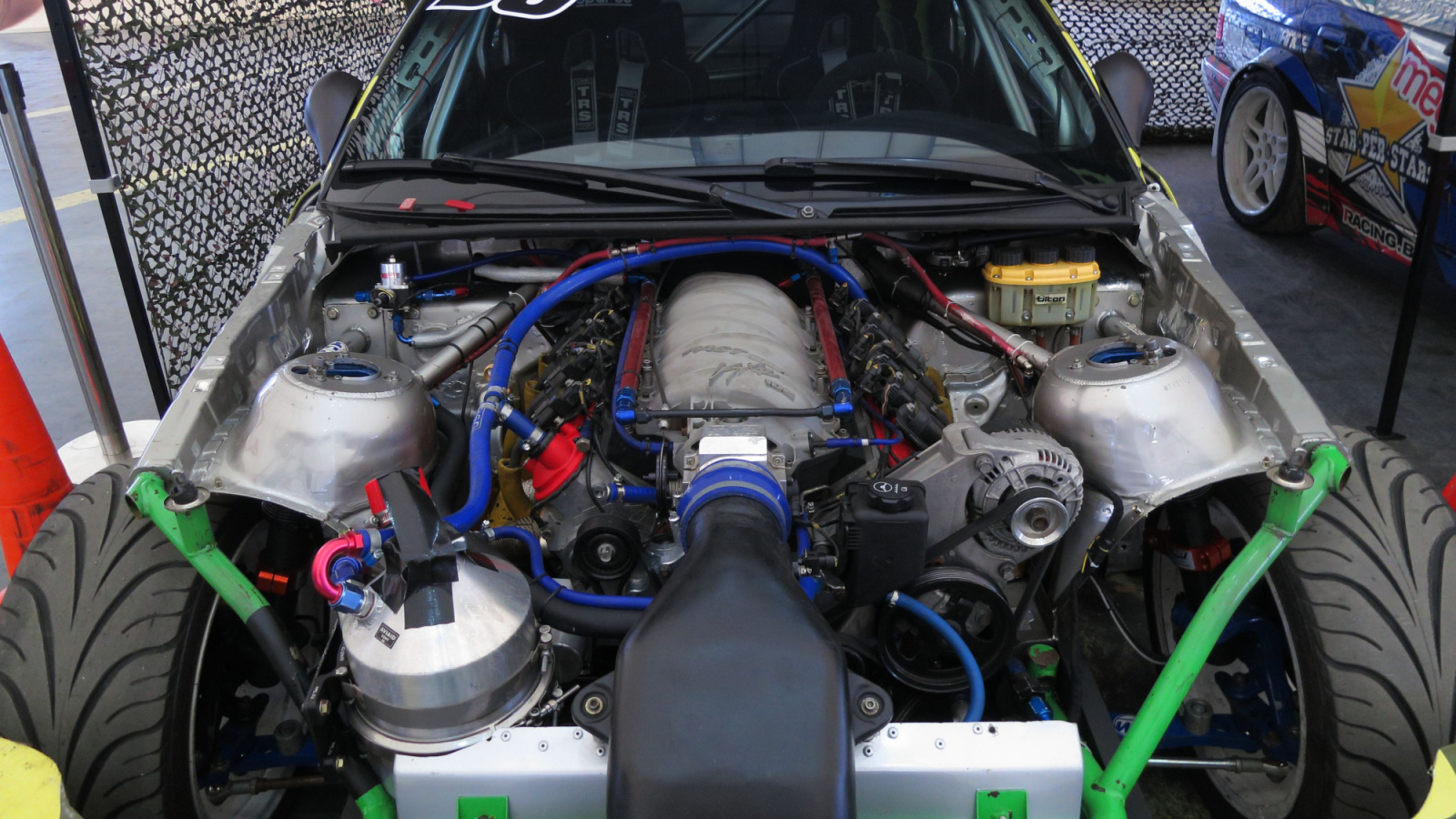
Engine block heaters are crucial in Canada’s northern regions during extremely cold temperatures. They warm the engine before starting, reducing strain and wear. Skipping their use can lead to battery failures, engine damage, or being stranded. Block heaters also reduce fuel consumption during cold starts. Provinces such as Yukon, Northwest Territories, and northern Alberta often see temperatures well below -20°C, making this step essential. Plugging in the engine for a few hours before driving ensures smooth starts and reliability. Using a block heater is a simple precaution that prevents expensive tow bills and mechanical issues.
Failing to Clear Snow and Ice from Windows and Mirrors
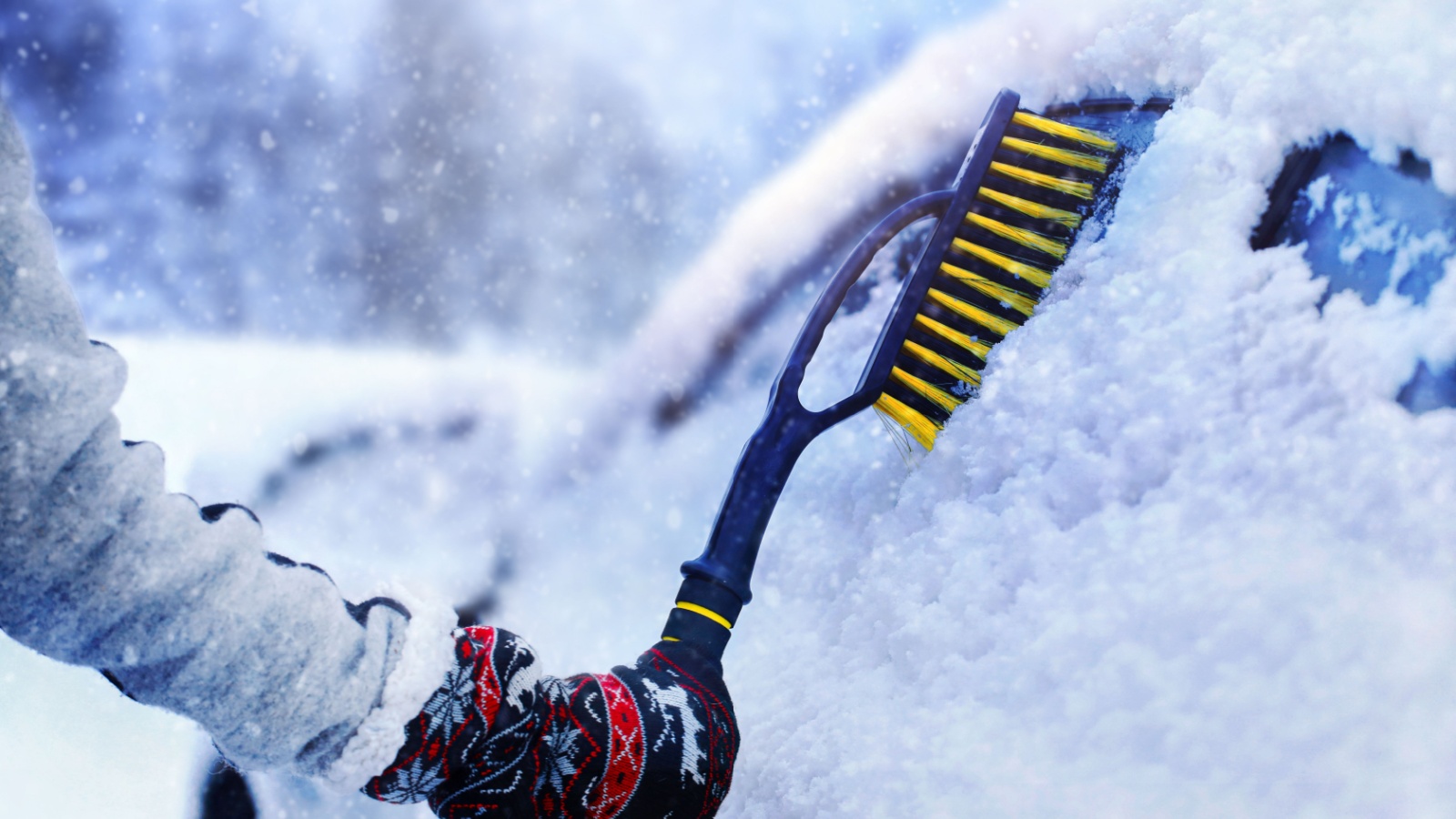
Driving without clearing snow and ice from windows and mirrors is a common mistake in Canada. It reduces visibility and increases the risk of collisions. Snow left on the roof can slide onto the windshield or onto cars behind. Ice-covered mirrors prevent safe lane changes and turns. Scrapers, brushes, and de-icing solutions should be used before leaving the driveway. Canadian traffic laws in provinces like Ontario and British Columbia require proper visibility at all times. Taking the time to remove snow and ice ensures safe driving and avoids fines, accidents, and unnecessary tow bills.
Underestimating Stopping Distances on Icy Roads
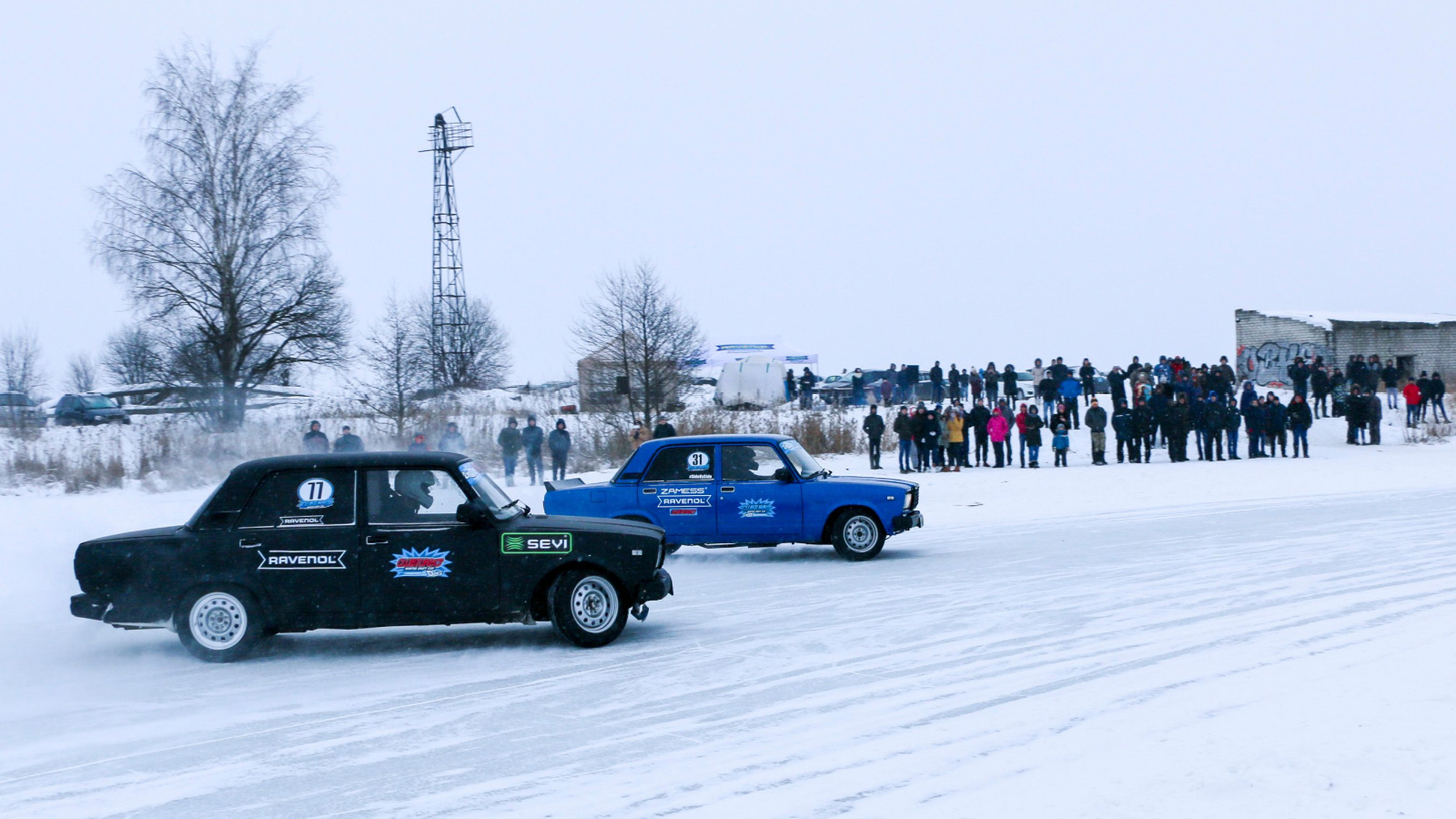
Stopping distances on ice are much longer than on dry pavement. Many drivers in Canada misjudge how far it takes to stop on highways or city streets during winter. Reduced friction from ice and packed snow increases the likelihood of collisions. Drivers should maintain extra space between vehicles and brake gently. Provinces with heavy snowfall, such as Manitoba and Quebec, see frequent accidents caused by short following distances. Practicing defensive driving and anticipating road conditions improves safety. Understanding and respecting stopping distances prevents crashes, protects passengers, and reduces the risk of getting towed due to avoidable accidents.
Overloading Vehicles During Winter Trips
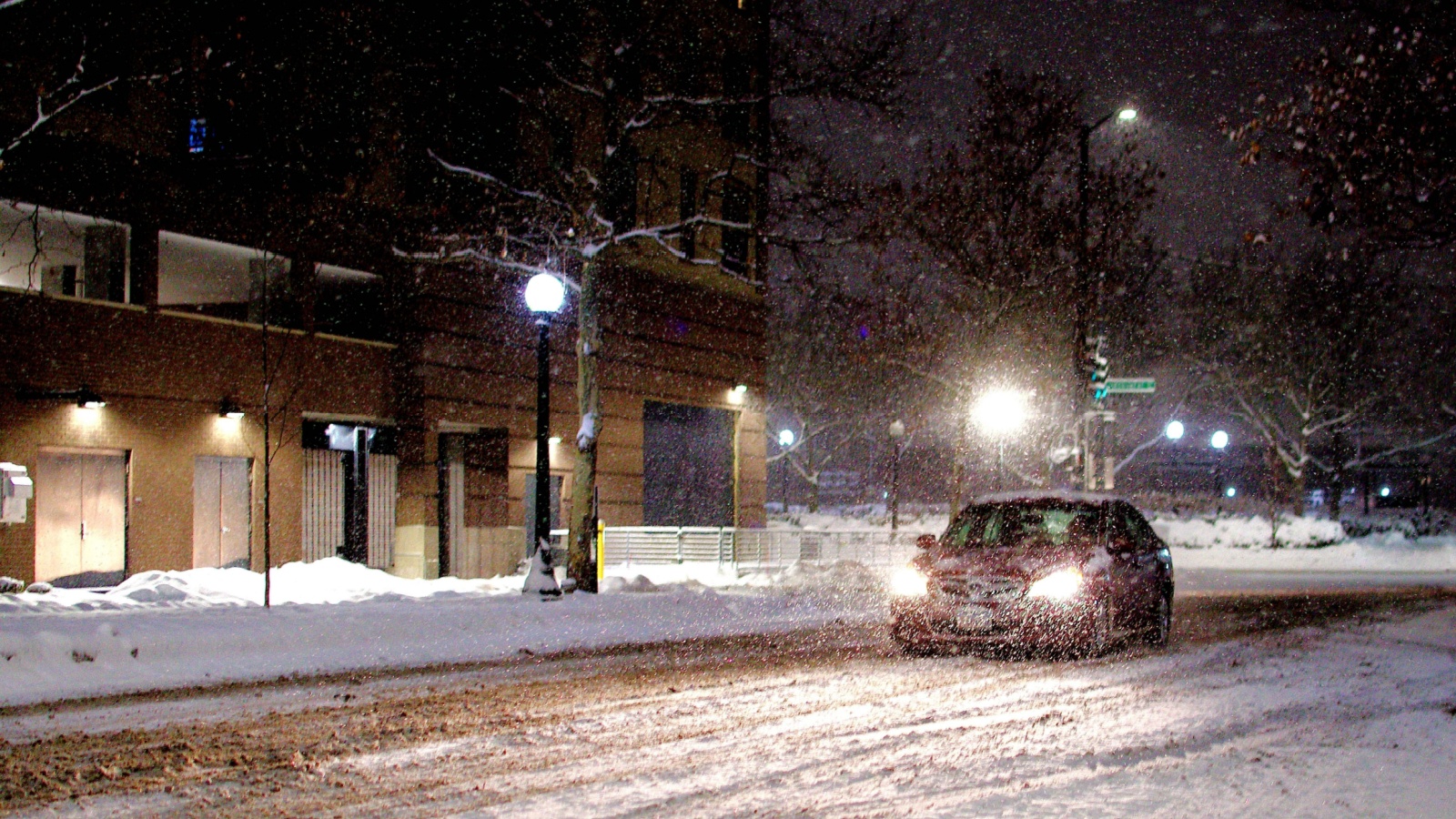
Overloading vehicles in winter increases the risk of losing control on slippery Canadian roads. Extra weight affects braking, steering, and traction. Snow and ice make stopping distances longer, so carrying more than the recommended load can be dangerous. Roof racks and trailers also change vehicle balance. Provinces like Ontario, Alberta, and Quebec see frequent winter travel, and overloading adds unnecessary risk. Following manufacturer weight limits ensures better handling and safety. Removing unnecessary cargo and evenly distributing load improves stability. Keeping vehicles within safe weight limits reduces accidents and helps avoid tow bills caused by skidding or getting stuck.
Driving With Low Tire Pressure in Cold Weather
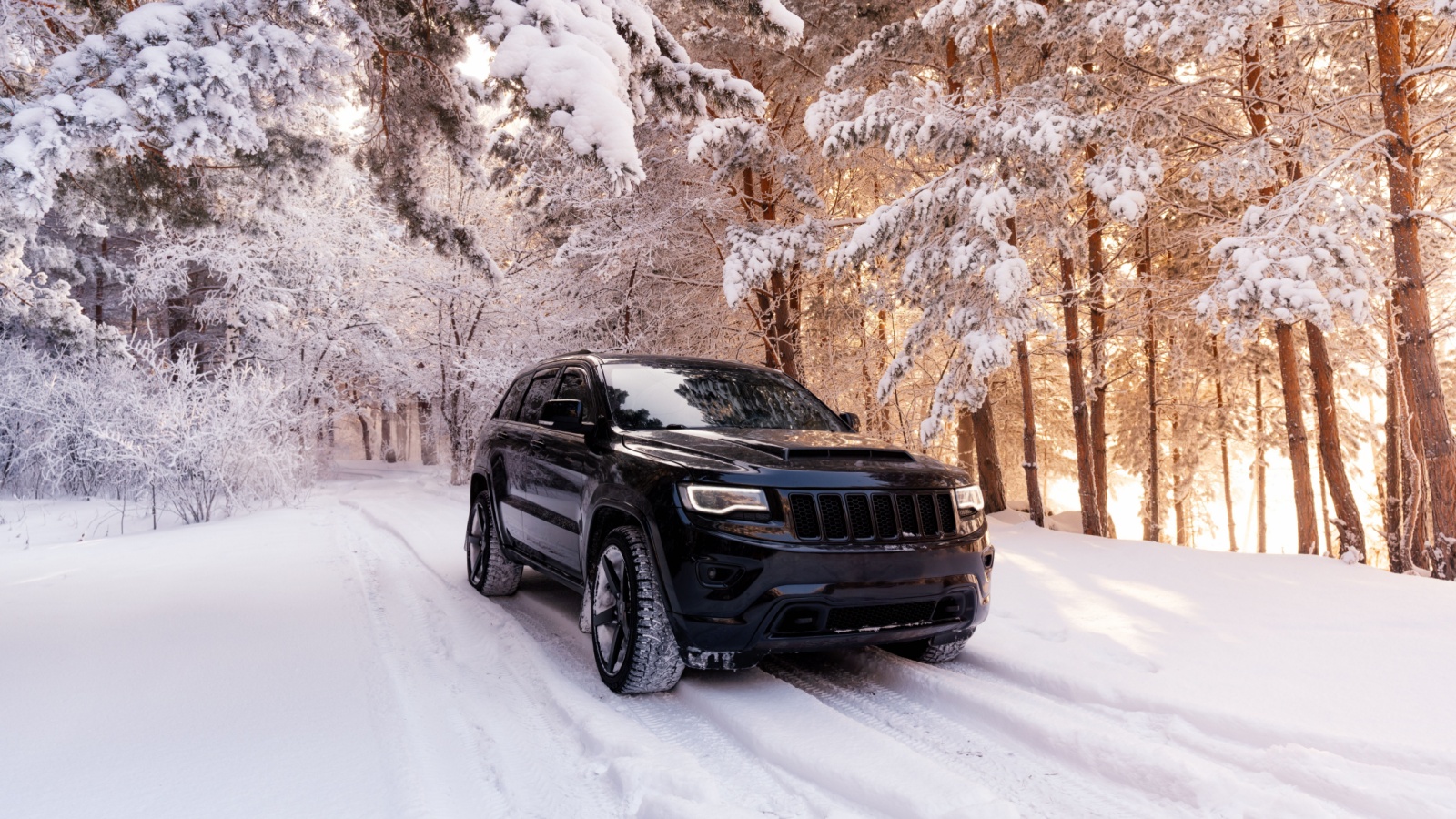
Cold temperatures cause tire pressure to drop naturally. Driving with underinflated tires reduces traction and increases wear, especially on icy or snowy roads in Canada. Low tire pressure also affects braking and fuel efficiency. Provinces like Manitoba and Saskatchewan experience extreme cold, making this mistake common. Checking tire pressure regularly during winter ensures proper performance. Adding air when needed maintains stability and control. Drivers should inspect tires for cracks or damage as well. Properly inflated tires improve safety, prevent skidding, and reduce the chance of accidents that can result in costly tow bills during winter.
Neglecting Battery Health Before Cold Snaps
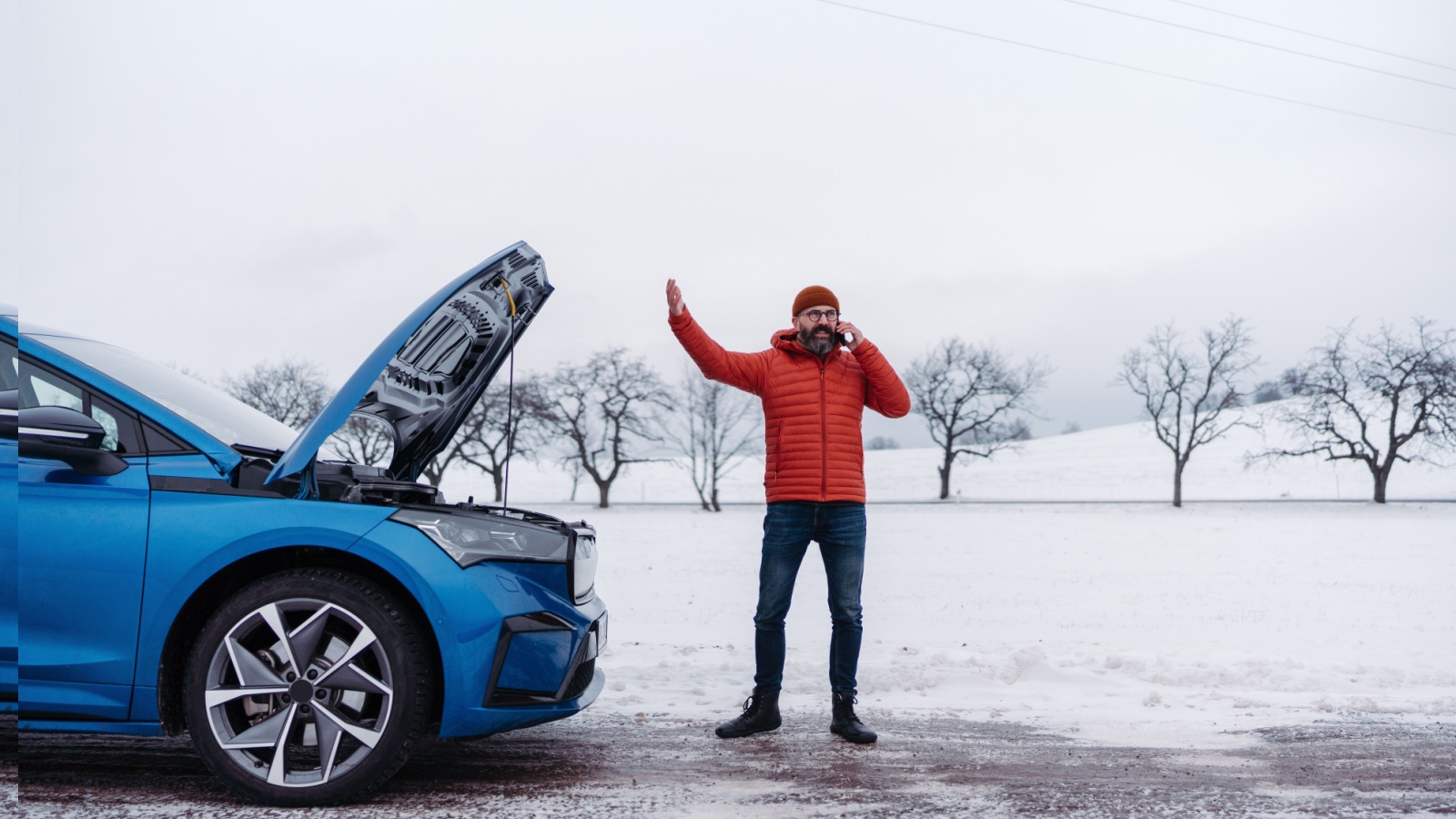
Cold weather can weaken vehicle batteries, leaving drivers stranded on Canadian roads. Many batteries lose capacity in freezing temperatures, especially in northern regions like Yukon and Alberta. Ignoring battery maintenance or age increases the risk of breakdowns. Testing batteries before winter and replacing weak ones prevents unexpected failures. Keeping jumper cables and portable chargers in the vehicle adds security. Routine checks of connections and terminals ensure consistent performance. Maintaining battery health allows vehicles to start reliably during winter mornings and prevents emergency towing situations caused by dead batteries in extreme cold conditions.
Using Cruise Control on Slippery Surfaces

Using cruise control in winter can be dangerous on icy or snow-covered roads. It can cause loss of traction and delayed reactions to changing conditions. Canadian highways, especially in Ontario, Quebec, and Alberta, often have black ice patches. Cruise control does not adjust for slippery sections and can increase accident risk. Drivers should manually control speed and braking, allowing quick responses to hazards. Maintaining a safe speed and being attentive prevent skidding or collisions. Avoiding cruise control on slippery surfaces is a simple precaution that ensures safer winter driving and reduces the likelihood of tow bills.
Failing to Carry a Winter Emergency Kit in Vehicles
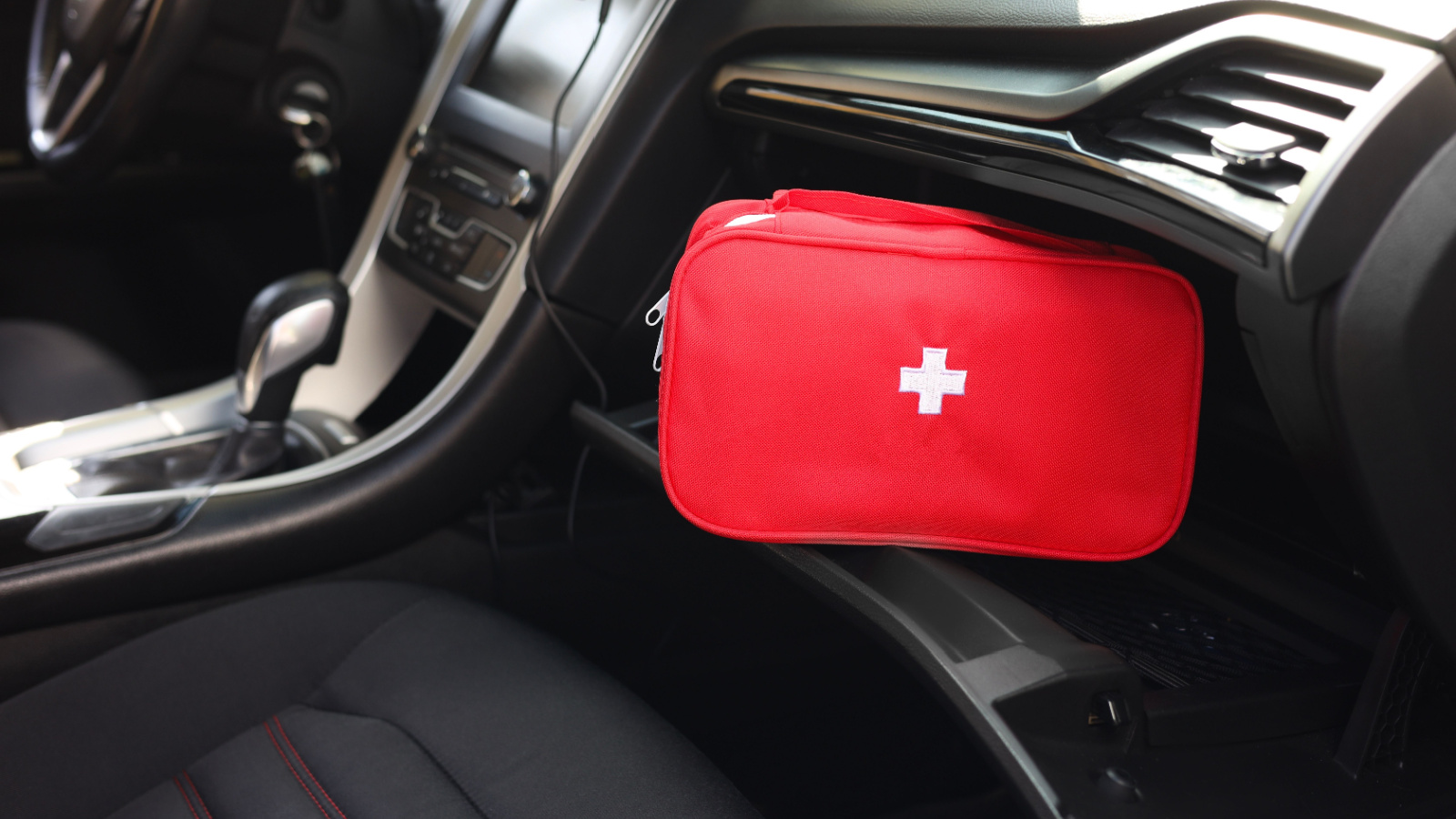
A winter emergency kit is essential for Canadian drivers. Kits typically include blankets, food, water, fa lashlight, first aid, and extra clothing. Weather in provinces like Newfoundland, Nova Scotia, and British Columbia can change quickly, leaving travelers stranded. Snowstorms, icy roads, and vehicle breakdowns make kits lifesaving. Additional tools like a shovel, ice scraper, and jumper cables increase preparedness. Carrying a kit allows drivers to wait safely for help and manage minor emergencies. Failing to prepare risks exposure to cold, injuries, and costly towing services. Being ready ensures safety and peace of mind during winter trips.
Parking on Hills or Slopes Without Chocks
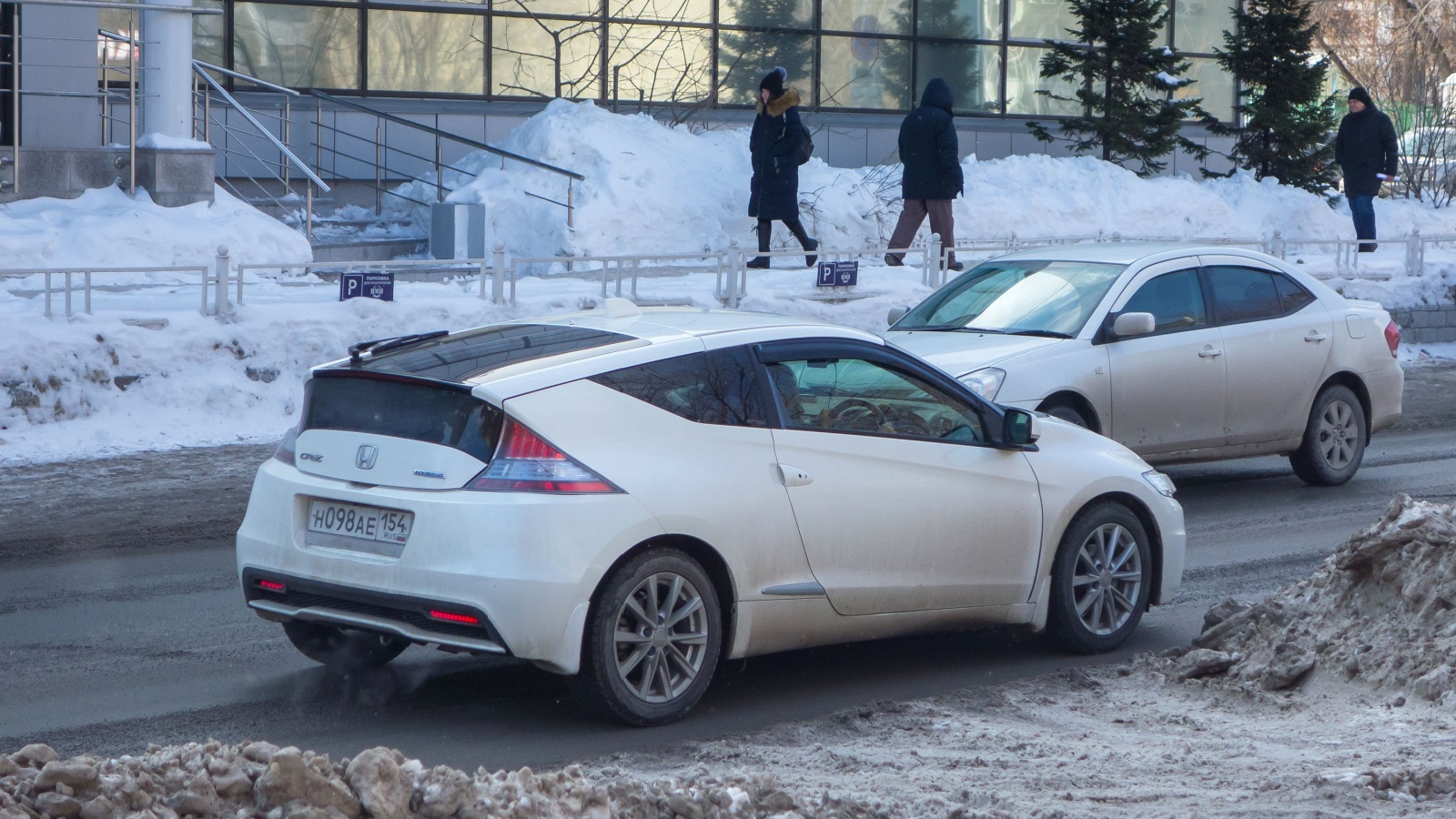
Parking on inclines in winter without wheel chocks is risky in Canada. Ice and snow can cause vehicles to slide downhill. This is especially dangerous in hilly areas of Vancouver, Toronto, and Quebec City. Using chocks or engaging the parking brake prevents movement. Turning wheels toward the curb adds extra protection. Even with modern brakes, icy conditions reduce effectiveness. Proper precautions prevent collisions with other vehicles or structures. Taking a few minutes to secure a parked vehicle avoids accidents, damage, and expensive towing costs during the winter season.
Ignoring Local Road Closures During Blizzards
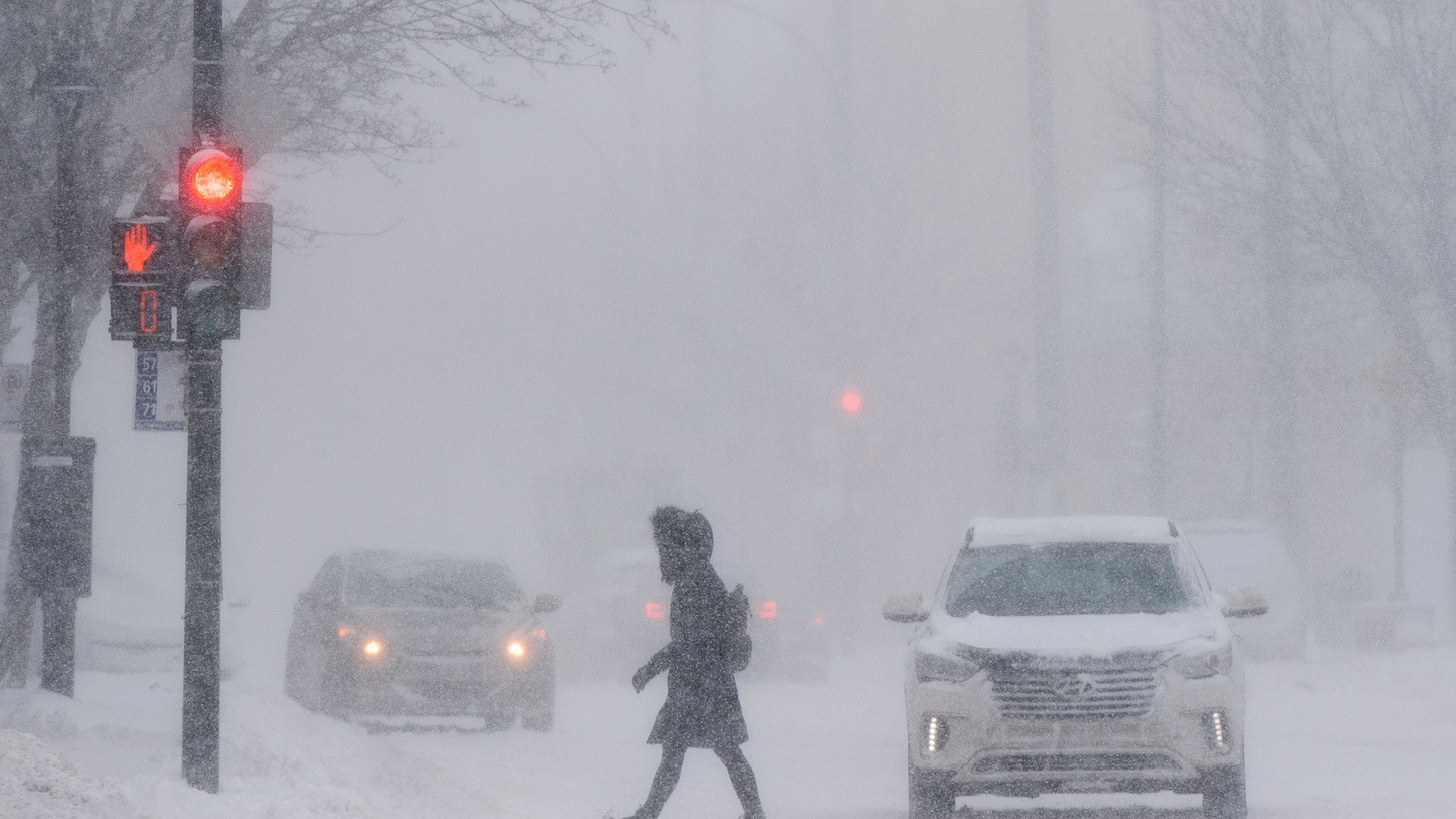
Ignoring road closures during blizzards is a frequent mistake in Canada. Provinces like Alberta, Saskatchewan, and Newfoundland often shut down highways for safety. Driving on closed roads can lead to accidents, getting stuck, or requiring emergency towing. Weather conditions deteriorate rapidly, and snowplows may block passage. Following official closures and alerts ensures safety for drivers and emergency crews. Maps, apps, and radio stations provide up-to-date information. Respecting closures prevents dangerous situations, protects property, and keeps families safe. Avoiding restricted roads is essential to minimize risk and prevent costly winter towing incidents.
Driving Too Fast for Road Conditions
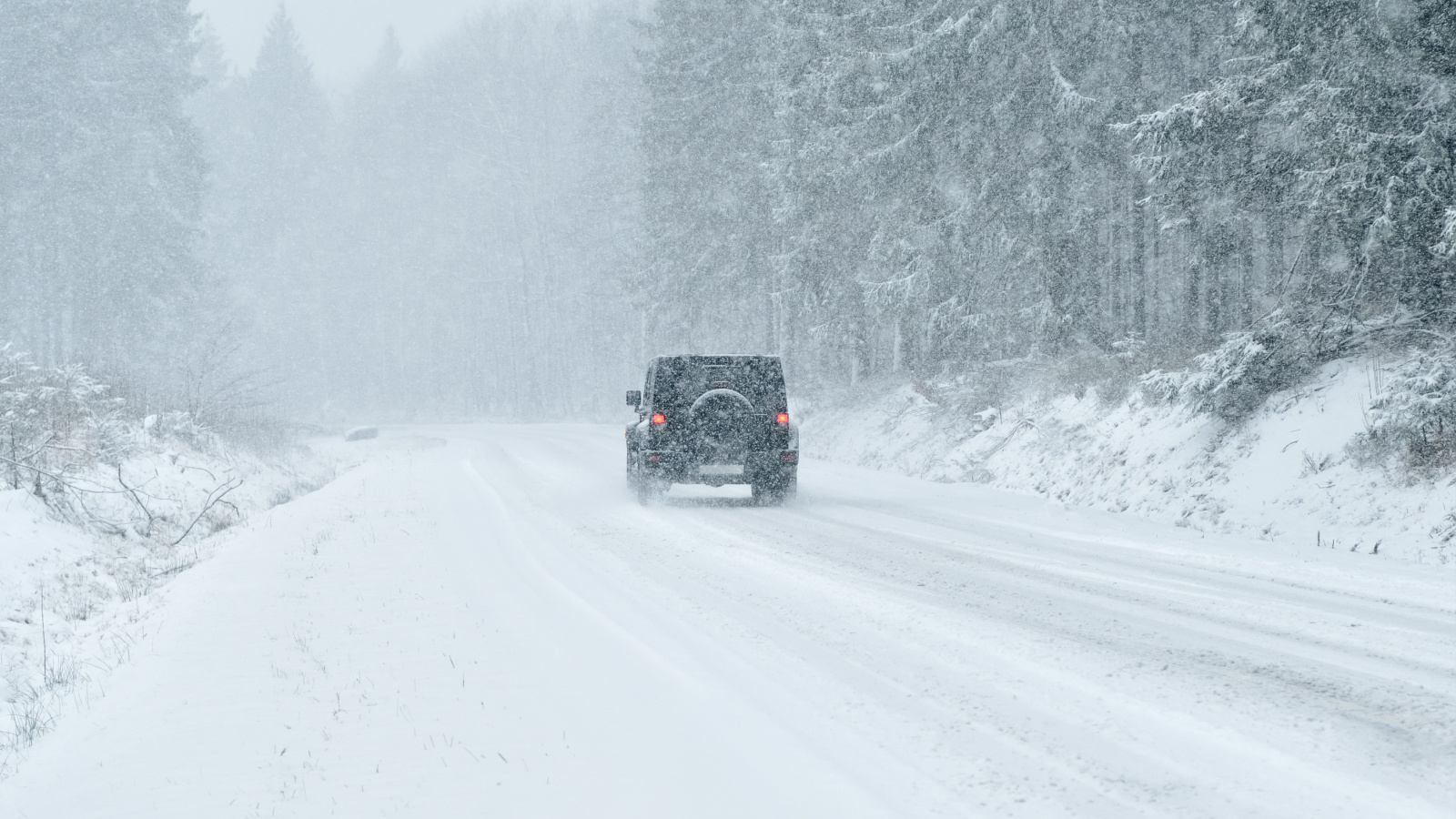
Speeding is a leading cause of winter accidents in Canada. Snow, ice, and slush reduce traction and increase stopping distances. Roads in Ontario, Quebec, and Alberta can become slick within minutes during snowstorms. Driving too fast prevents adequate reaction time for sudden hazards. Slower speeds allow tires to grip better and reduce the risk of skidding. Using caution on curves, hills, and intersections is essential. Adjusting speed to match conditions improves control and safety. Driving at an appropriate pace protects everyone on the road and helps prevent costly tow bills caused by collisions or sliding off the road.
Forgetting to Check Windshield Wipers and Fluid
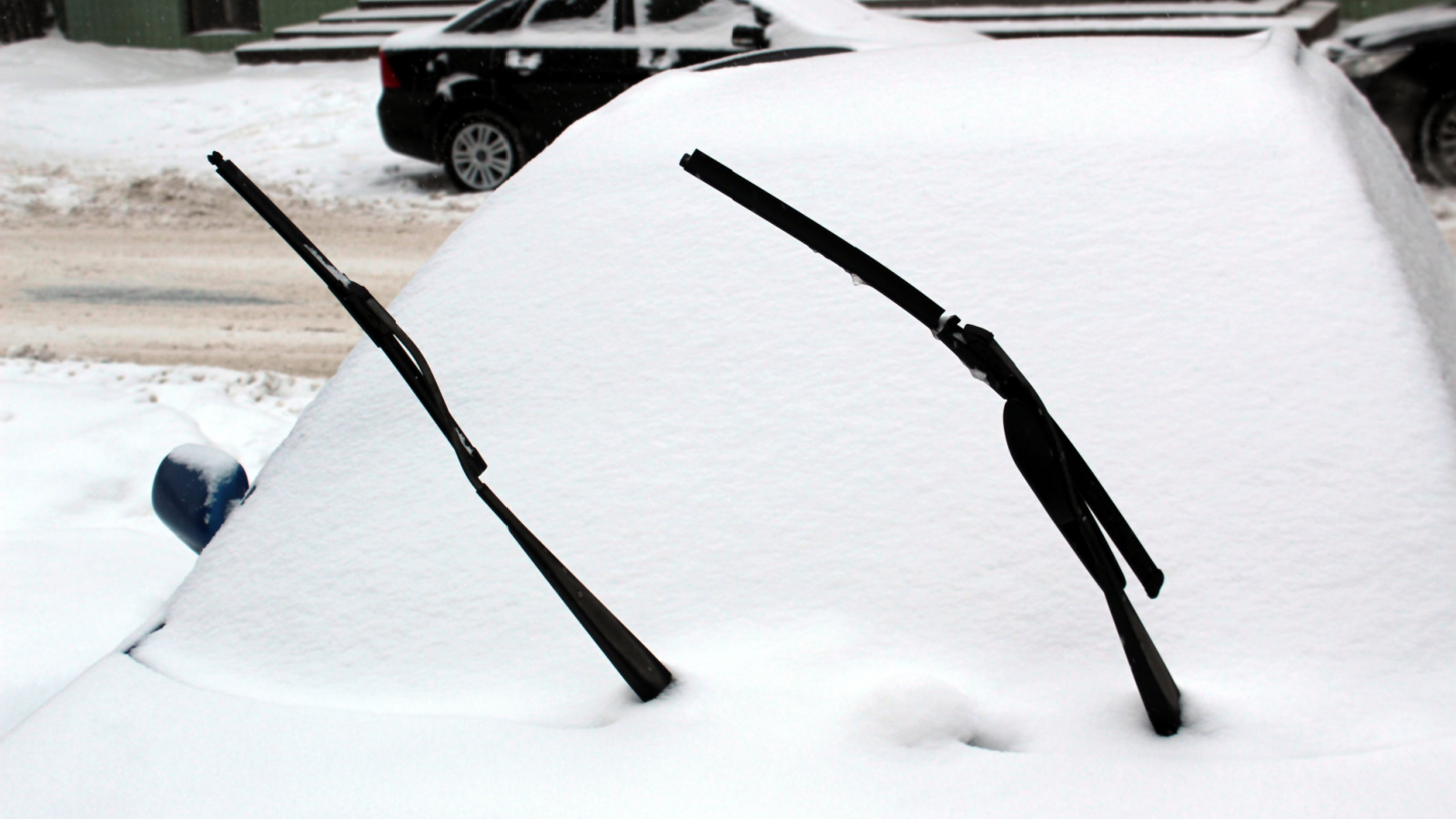
Winter conditions in Canada demand fully functioning windshield wipers and fluid. Snow, sleet, and ice can quickly reduce visibility, increasing accident risk. Low or frozen windshield washer fluid prevents clearing debris and salt buildup. Worn wiper blades leave streaks and reduce clarity. Drivers in provinces like British Columbia, Manitoba, and Newfoundland should replace old blades before winter. Using winter-grade fluid prevents freezing in extreme cold. Checking and maintaining these systems ensures visibility in storms. Being prepared prevents accidents, keeps drivers safe, and reduces the likelihood of emergency towing due to collisions caused by impaired vision.
Turning Too Sharply on Ice-Covered Streets

Sharp turns on icy streets often cause vehicles to slide or spin. Canadian cities and towns, including Toronto, Montreal, and Calgary, experience frozen roads frequently in winter. Sudden or aggressive steering can break traction and lead to accidents. Drivers should reduce speed before turning and make smooth, gradual movements. Anti-lock braking systems help, but caution remains essential. Keeping a safe following distance and anticipating turns reduces risk. Proper steering techniques improve vehicle control and prevent sliding into other vehicles, curbs, or ditches. Avoiding abrupt turns keeps drivers safe and prevents costly winter tow bills.
Leaving Vehicles Unattended While Running in Snow
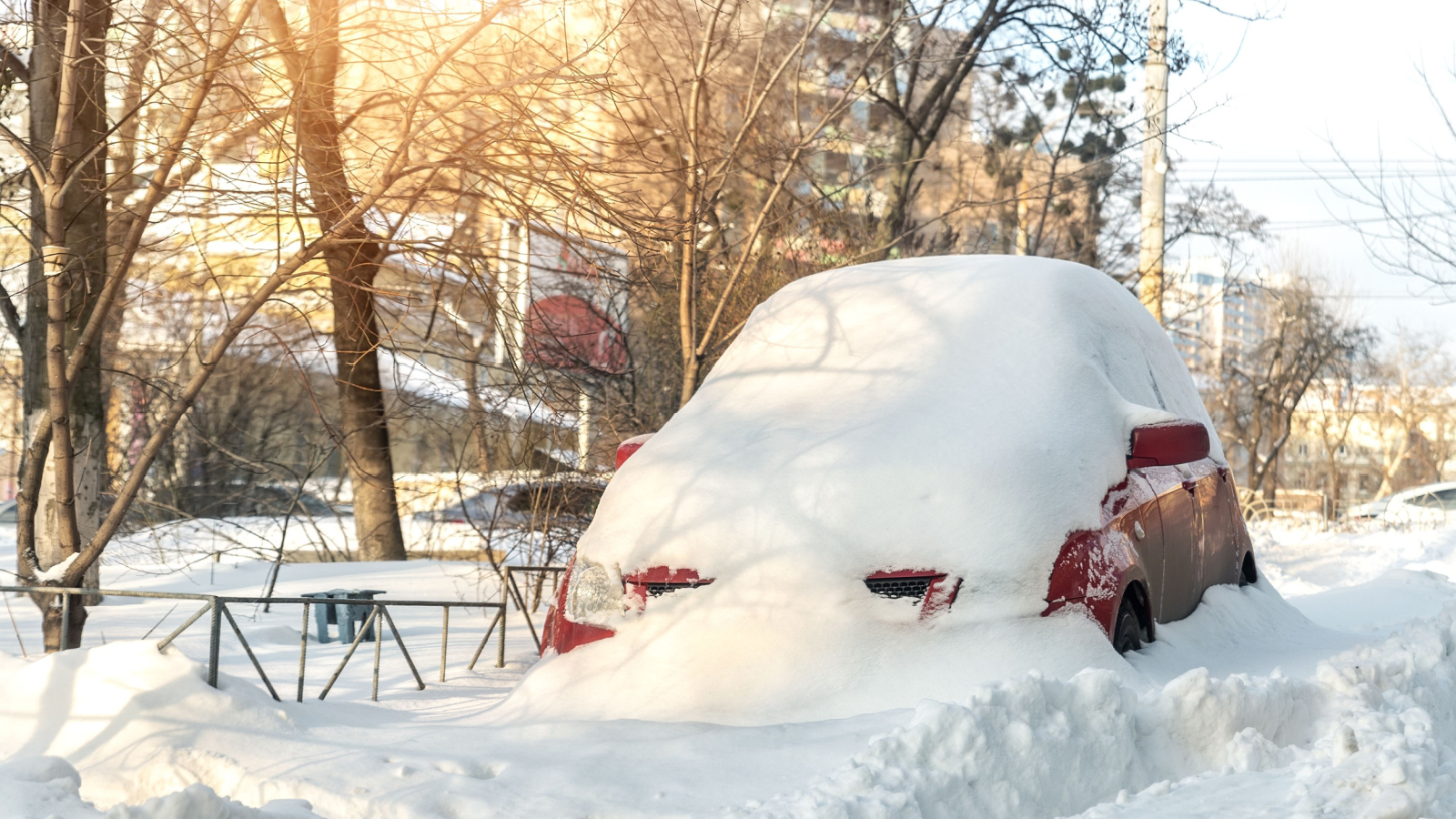
Leaving a vehicle running while unattended in the snow creates multiple hazards in Canada. Idling engines may be stolen, and snow buildup can block exhaust, causing carbon monoxide risk. Snow accumulation around tires can make vehicles difficult to move. Many provinces have laws against unattended idling to reduce environmental impact. Drivers should only warm vehicles while inside or nearby, and never leave keys in the ignition. Clearing snow from the car before starting ensures a safe departure. Staying attentive prevents theft, accidents, and emergency towing situations during snowy Canadian winters.
22 Groceries to Grab Now—Before another Price Shock Hits Canada

Food prices in Canada have been steadily climbing, and another spike could make your grocery bill feel like a mortgage payment. According to Statistics Canada, food inflation remains about 3.7% higher than last year, with essentials like bread, dairy, and fresh produce leading the surge. Some items are expected to rise even further due to transportation costs, droughts, and import tariffs. Here are 22 groceries to grab now before another price shock hits Canada.
22 Groceries to Grab Now—Before another Price Shock Hits Canada
