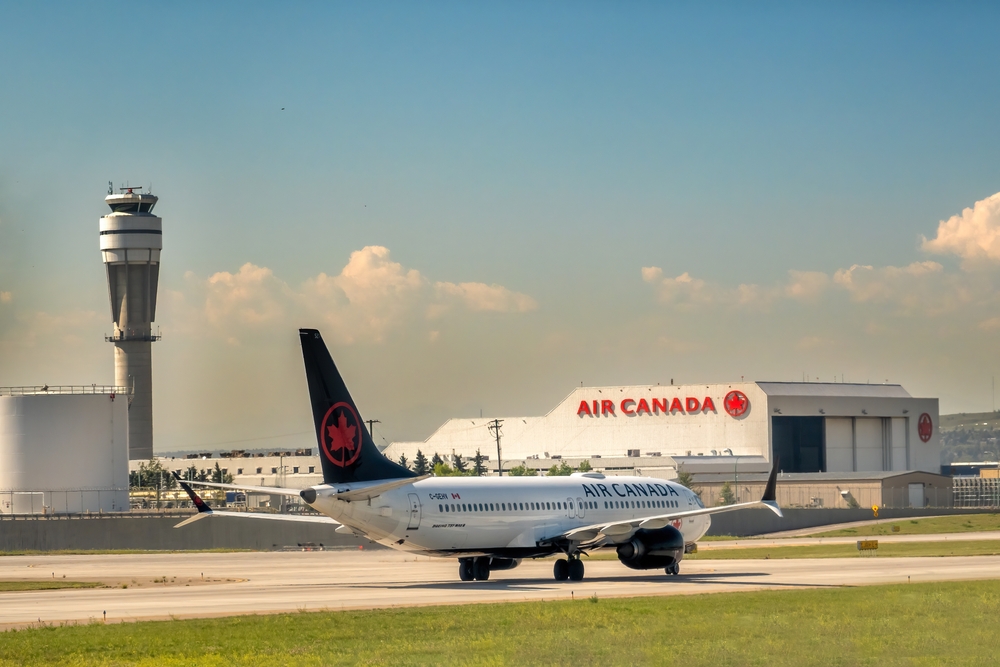
Air travel places strangers side by side for hours, making interaction almost unavoidable. Some Canadians enjoy brief chats to pass the time, especially on long routes. Others prefer to sleep, read, or work without interruption. Misreading signals can quickly create discomfort in tight seating. Headphones, short replies, or closed body language often indicate a wish for silence. Because moving seats is rarely possible, mutual awareness becomes essential. Here are 18 airplane etiquette debates Canadians are currently debating.
Reclining Seats on Short Flights
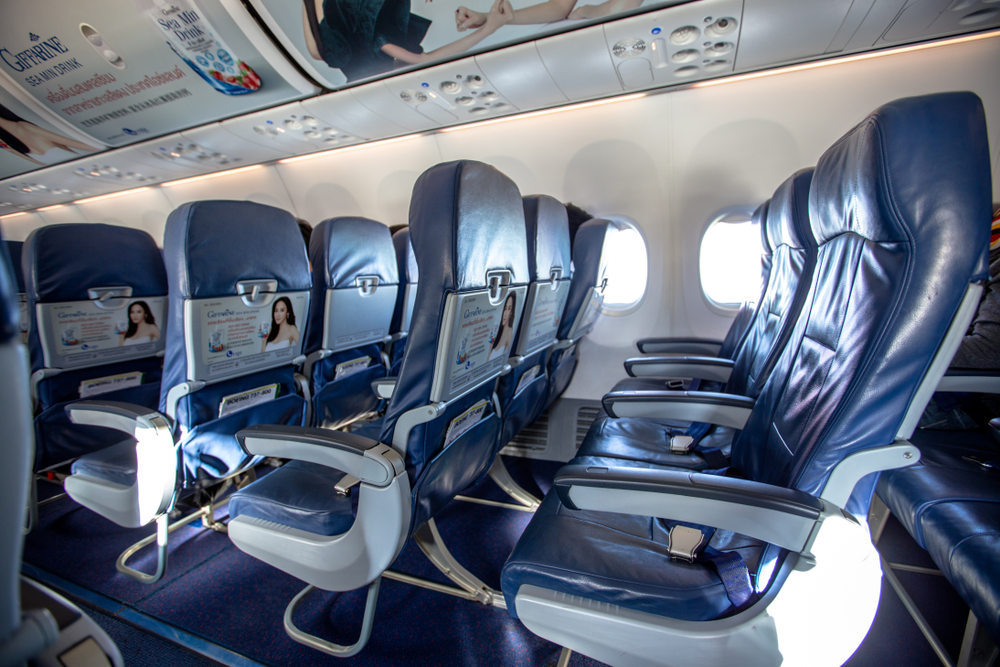
Seat reclining remains one of the most debated issues in aviation. On short flights, the benefit is often minimal. Passengers behind may lose limited legroom immediately. Many Canadians consider reclining inconsiderate during brief trips. Others argue that the feature is intended for use. Timing can influence reactions, such as during meal service. Gradual reclining is generally considered more polite. Checking behind before leaning back can prevent conflict. Upright positions during takeoff and landing are mandatory anyway. Cabin crew rarely intervene unless disputes escalate. The debate continues without a clear consensus among travelers.
Taking Off Shoes During the Flight
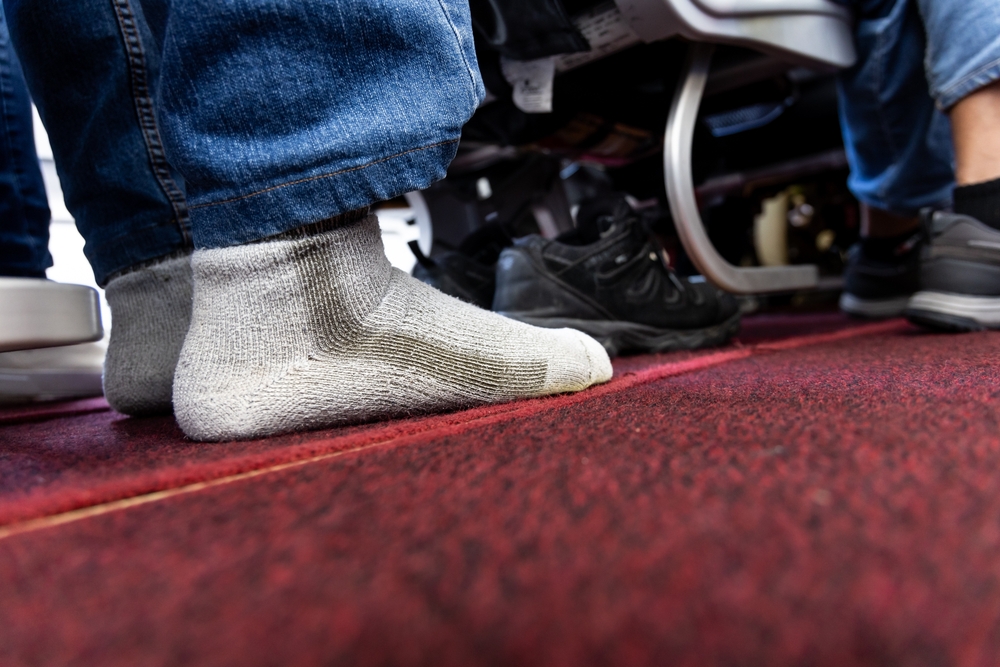
Removing shoes can improve comfort on longer journeys. However, enclosed cabin space makes hygiene concerns more noticeable. Many Canadians tolerate socked feet but not bare ones. Odor issues are the primary complaint from nearby passengers. Airlines do not typically prohibit shoe removal outright. Walking to restrooms without footwear raises additional concerns. Some travelers bring slippers for practicality. Personal boundaries vary widely among individuals. Seating proximity makes this issue difficult to ignore. Courtesy often depends on awareness of others nearby. The topic frequently sparks strong reactions online.
Using Both Armrests in Economy
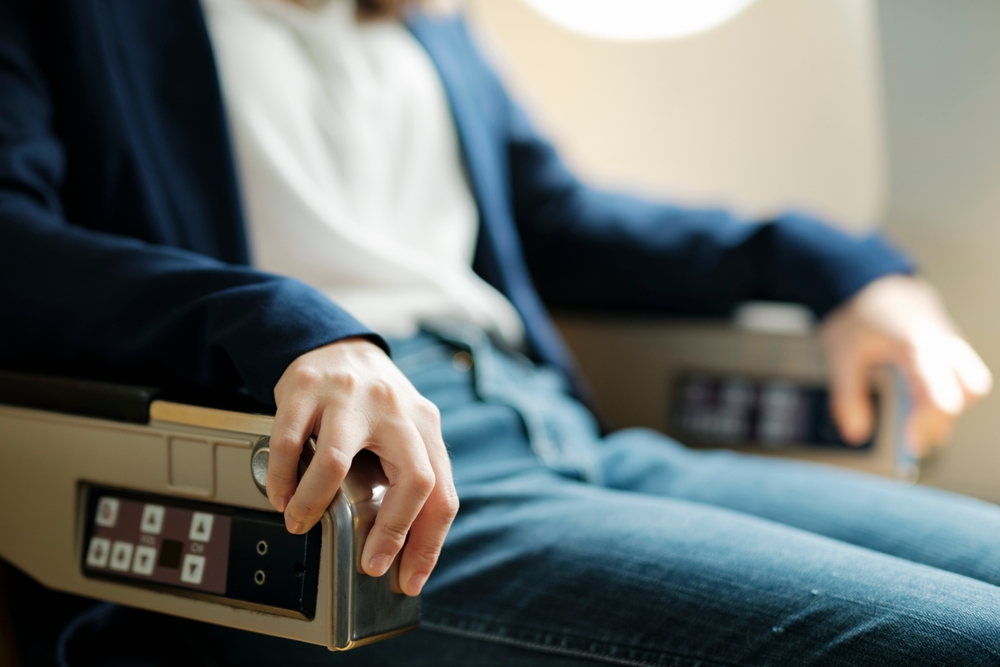
Armrest use becomes complicated in tightly spaced seating. Middle seat passengers often expect access to both armrests. Window and aisle occupants may disagree with this assumption. Limited personal space intensifies the conflict. Some travelers follow an unofficial middle seat priority rule. Others believe armrests belong to whoever claims them first. Physical comfort needs can differ between individuals. Cabin design leaves little room for compromise. Flight attendants rarely address such minor disputes. Small gestures can prevent tension during long trips. This issue highlights the challenges of shared spaces in economy class.
Loud Conversations vs Quiet Cabins
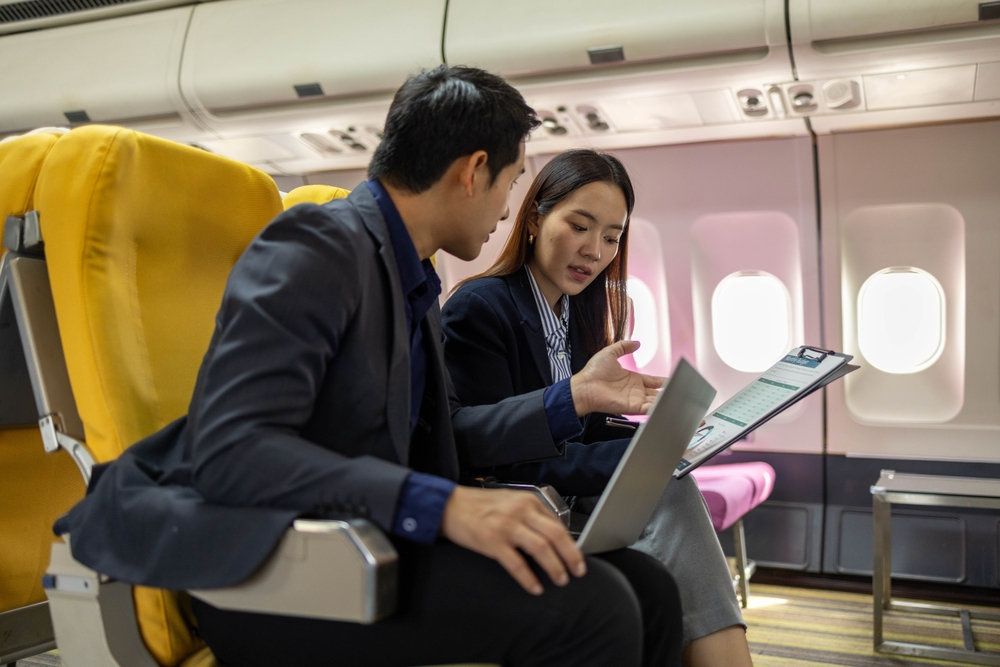
Noise levels can affect overall cabin comfort significantly. Conversations that carry across rows may disturb resting passengers. Canadians often prefer moderate speaking volumes in public settings. Night flights increase expectations for quiet environments. Group travelers may unintentionally become louder over time. Background engine noise can make voices seem softer than they are. Crew announcements sometimes remind passengers to be considerate. Personal tolerance for noise varies widely. Earplugs and headphones provide individual solutions. Persistent loud talking remains a common complaint. Maintaining awareness of surroundings helps reduce conflict.
Watching Videos Without Headphones
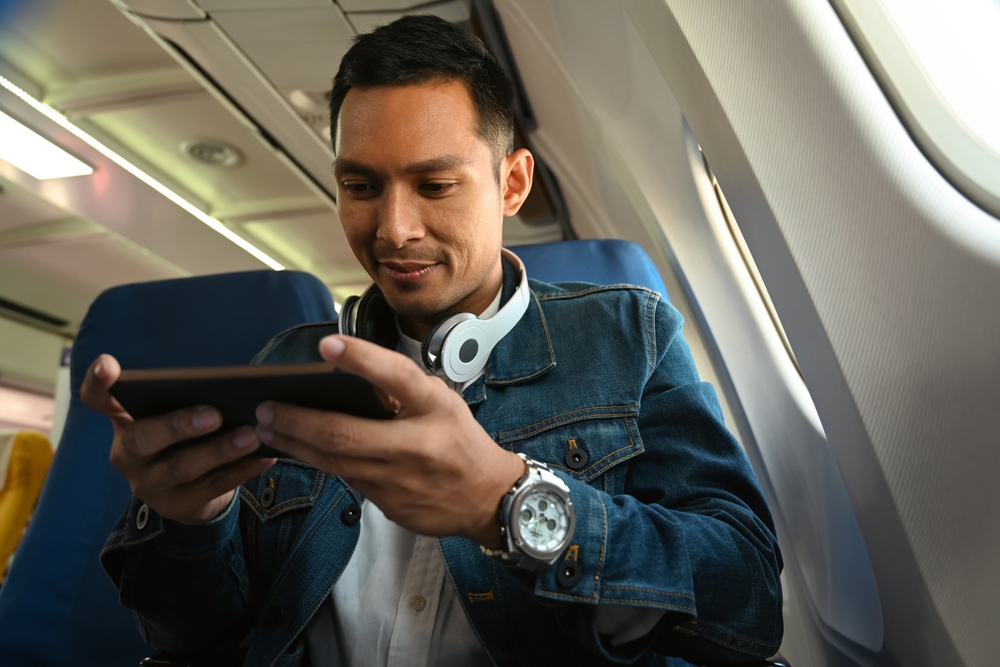
Playing audio aloud is widely viewed as poor etiquette. Personal entertainment should not intrude on others’ space. Many airlines even announce headphone use expectations. Short clips can still disrupt nearby passengers. Children’s content often becomes a source of complaints. Some travelers claim they forgot their headphones entirely. Cabin crew may intervene if noise continues. Budget airlines sometimes sell headphones on board. Silent mode is an alternative when audio equipment is unavailable. Social norms strongly favor private listening. This issue generates near-universal agreement compared to other debates.
Overhead Bin Space Ownership
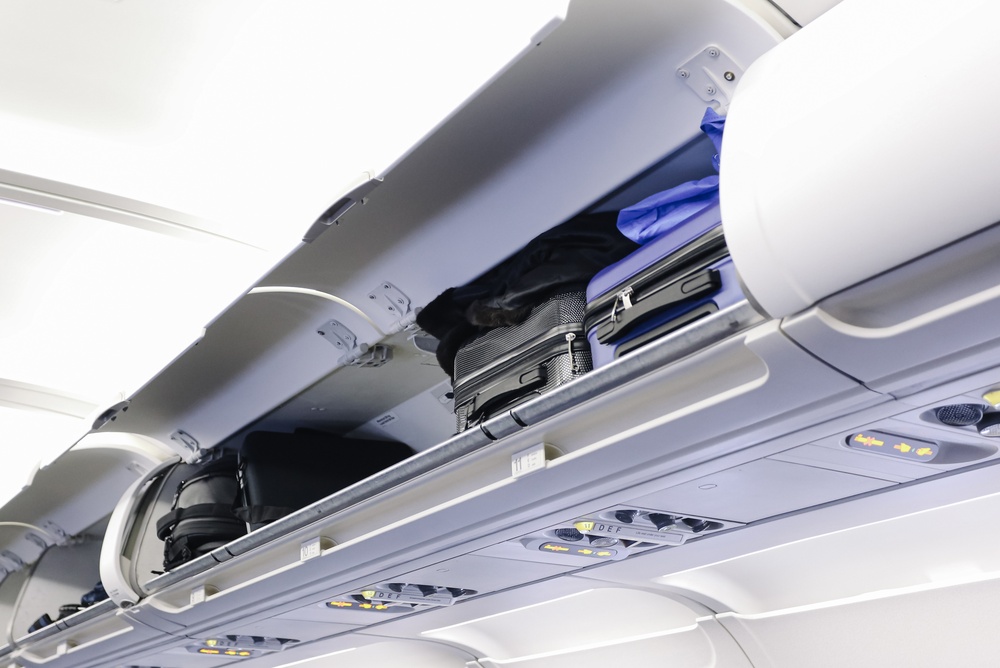
Overhead bins are limited, creating competition during boarding. Many passengers expect space directly above their seat. Others place bags wherever room is available. Airlines often advise storing items near assigned rows. Larger carry-ons reduce available capacity quickly. Late boarders sometimes find no space remaining. Gate checking becomes necessary in those cases. Smaller personal items should fit under the seats. Removing coats or loose items can free space. Cabin crew may rearrange bags to maximize capacity. The lack of clear ownership rules fuels ongoing frustration.
Standing Up Immediately After Landing
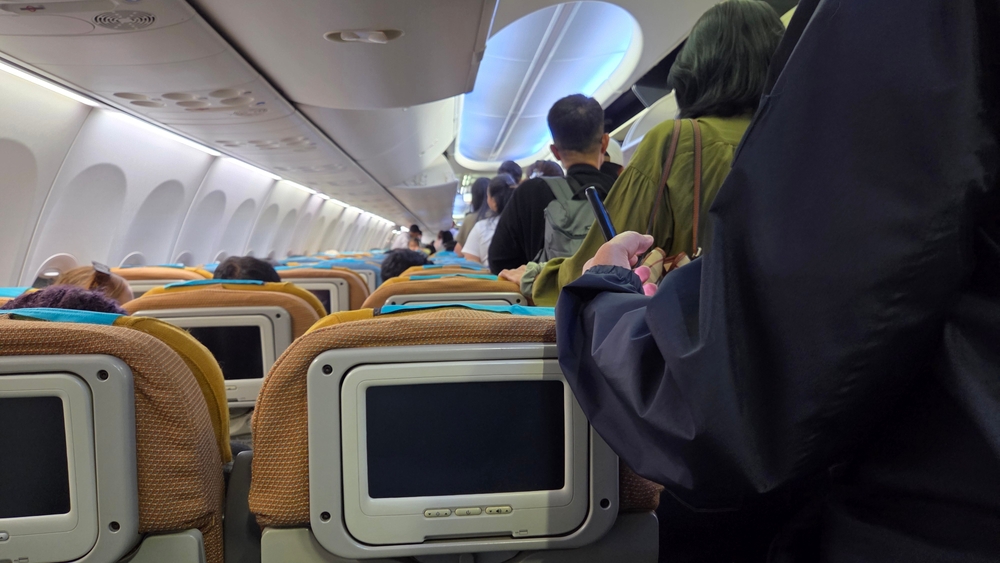
Many passengers stand as soon as the seatbelt sign turns off. The aisle often becomes congested instantly. Movement is usually limited until the doors open. Some people stretch after sitting for long periods. Others remain seated to avoid crowding. Overhead compartments cannot be accessed easily in packed aisles. Canadians often view orderly disembarkation as more considerate. Rushing rarely speeds exit time significantly. Flight attendants sometimes request that passengers remain seated. Personal patience varies widely among travelers. This behavior continues despite frequent criticism.
Saving Seats for Late Passengers
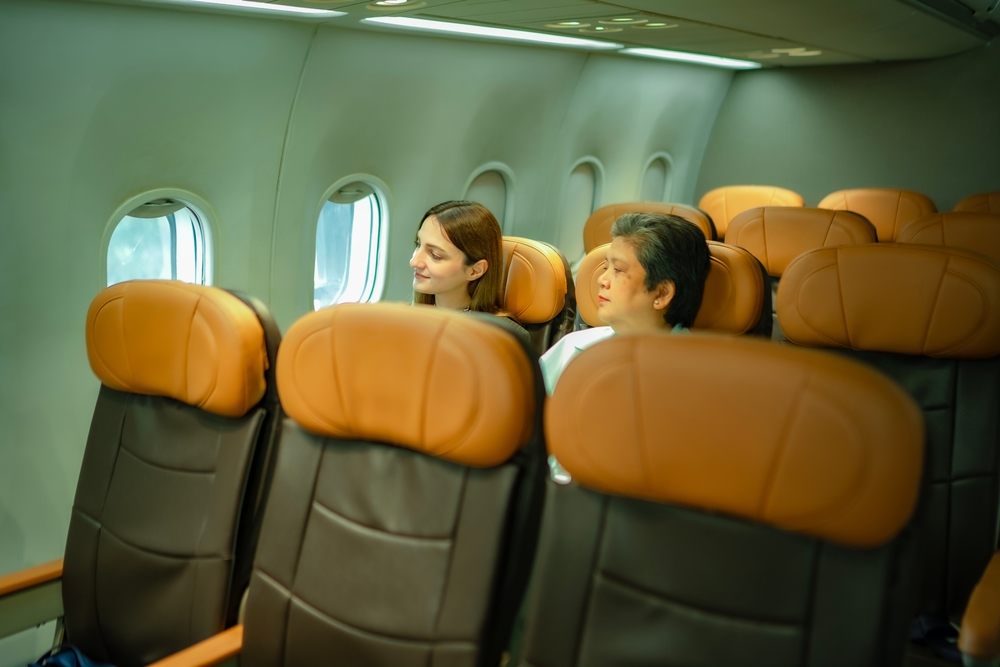
Holding seats can disrupt boarding flow and seating arrangements. Some travelers reserve adjacent seats for companions. Airlines typically assign seats in advance. Requests to move may inconvenience other passengers. Families with children often receive more understanding. Solo travelers may resist giving up preferred seats. Cabin crew can intervene when disputes arise. Communication helps clarify intentions early. Late arrivals may still be seated elsewhere. Policies differ depending on airline practices. This issue highlights the tension between personal convenience and fairness.
Eating Strong-Smelling Food Onboard
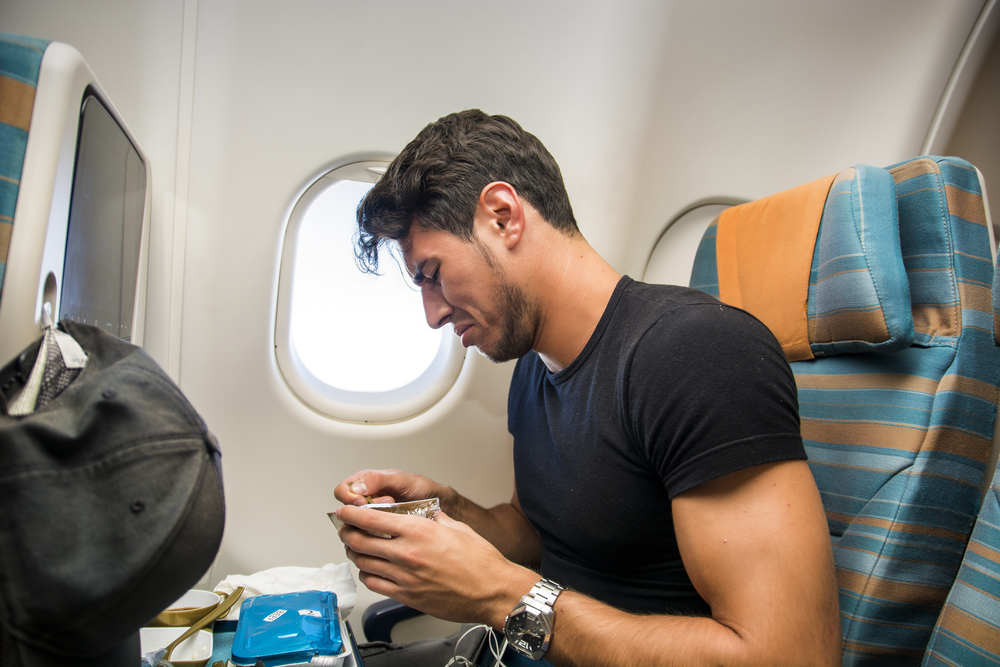
Food odors spread quickly in enclosed cabins. Items like fish or heavily spiced dishes trigger complaints. Airlines allow outside food in most cases. Other passengers may find smells unpleasant. Sensitivity varies depending on personal tolerance. Ventilation systems do not eliminate odors. Prepackaged snacks are usually less controversial. Hot meals provided by airlines are expected exceptions. Timing also matters during quiet periods. Consideration for nearby travelers can reduce discomfort. Strong scents remain a frequent source of disagreement.
Using Tablets or Laptops That Spill Into Others’ Space
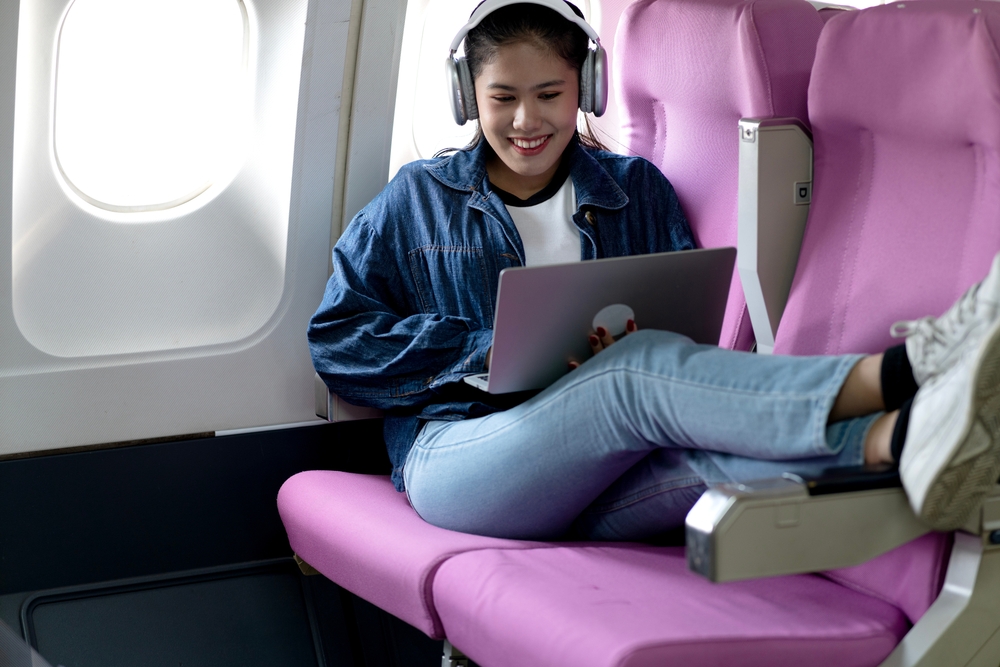
Large devices can extend beyond tray tables in tight seating. Elbows and screens may intrude into neighboring areas. Economy cabins offer limited personal space for electronics. Typing or gaming movements can bump adjacent passengers. Some travelers angle devices to reduce overlap. Smaller laptops or tablets create fewer issues. Meal service requires folding tables regardless of the activity. Canadians often expect awareness of shared boundaries. Conflicts arise when space is already restricted. Flight attendants rarely intervene unless complaints escalate. Courtesy and positioning determine whether usage feels acceptable.
Window Shade Up or Down During Day Flights
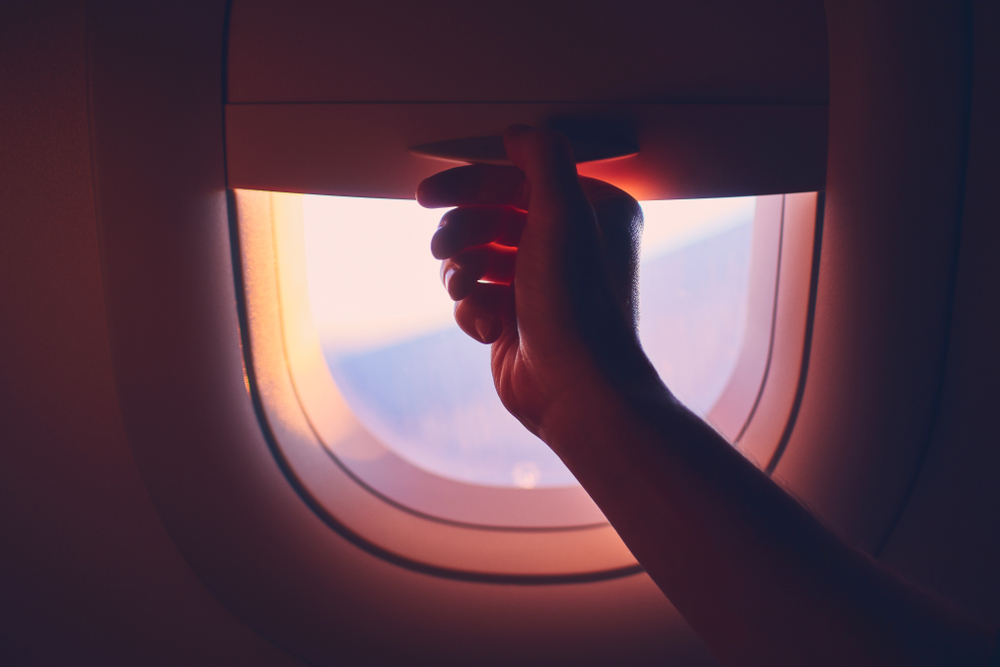
Window shades affect light levels throughout the cabin. Some passengers want natural views during daylight hours. Others prefer darkness for sleeping or screen visibility. Bright sunlight can cause glare across multiple rows. Flight crews may request shades down during certain phases. Individual control creates inconsistent lighting conditions. Canadians often compromise by adjusting halfway. Long flights intensify differences in preference. Passengers near screens are especially sensitive to glare. The absence of uniform rules fuels disagreement. This small choice can influence overall cabin comfort.
Allowing Children to Kick Seats
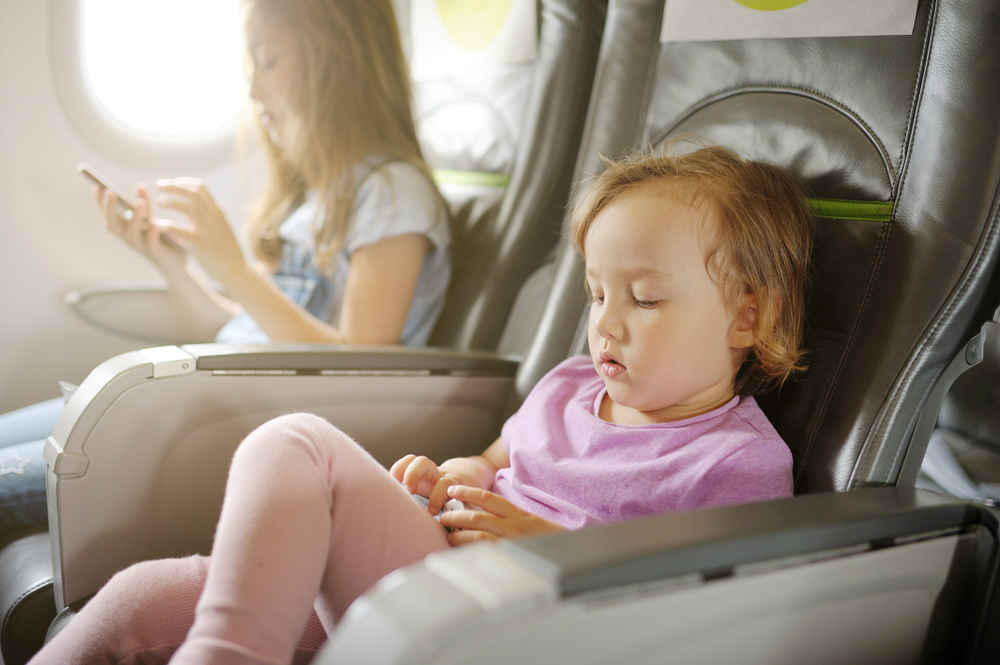
Seat kicking from behind quickly becomes uncomfortable. Movement transfers directly through the seat structure. Parents may not always notice the behavior. Long flights increase restlessness among young children. Politely informing parents often resolves the issue. Some travelers hesitate to speak up. Airlines provide limited solutions beyond reminders. Entertainment options can reduce boredom for children. Repeated kicking can disrupt sleep or work. Canadians generally expect supervision in shared spaces. The situation highlights the challenges of traveling with families.
Seat Swapping Requests
Requests to exchange seats occur for many reasons. Families may wish to sit together after separate bookings. Some travelers seek window or aisle positions instead. Others resist moving from selected seats. Price differences between seat types complicate fairness. Airlines encourage arranging changes before boarding. Cabin crew can assist when necessary. Polite communication improves chances of agreement. Refusal is generally acceptable without explanation. Emotional reactions sometimes follow declined requests. This topic remains a frequent source of tension.
Boarding Order Compliance
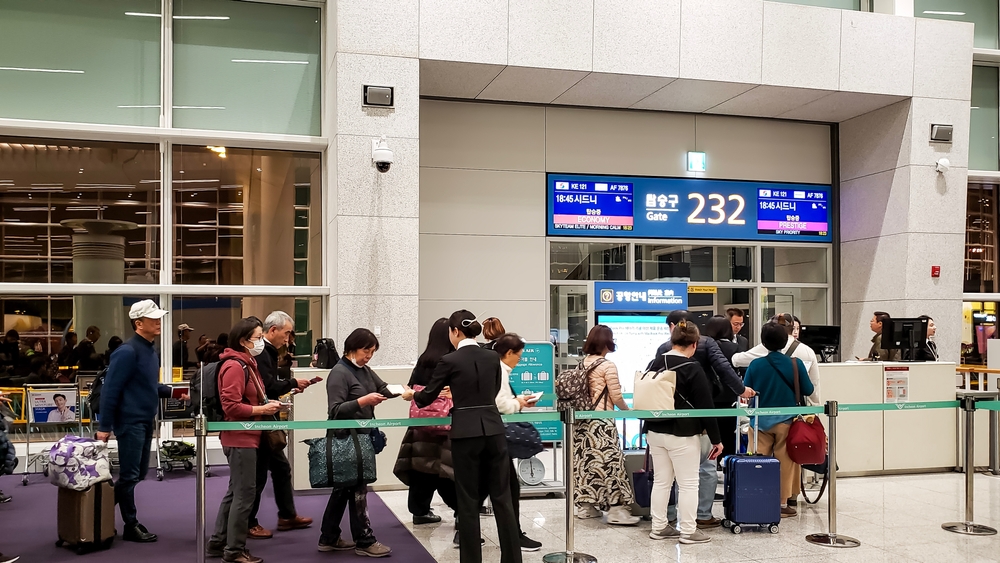
Airlines assign boarding groups to manage congestion. Some passengers attempt to board earlier than permitted. This can delay the process for everyone. Gate agents typically enforce group sequencing. Carry-on storage concerns motivate early boarding attempts. Canadians often value orderly procedures in public spaces. Priority boarding categories add complexity. Late arrivals may try to bypass lines. Clear announcements help maintain compliance. Cooperation speeds overall boarding time. Disregarding order continues to frustrate fellow travelers.
Using Call Buttons for Non-Essential Needs
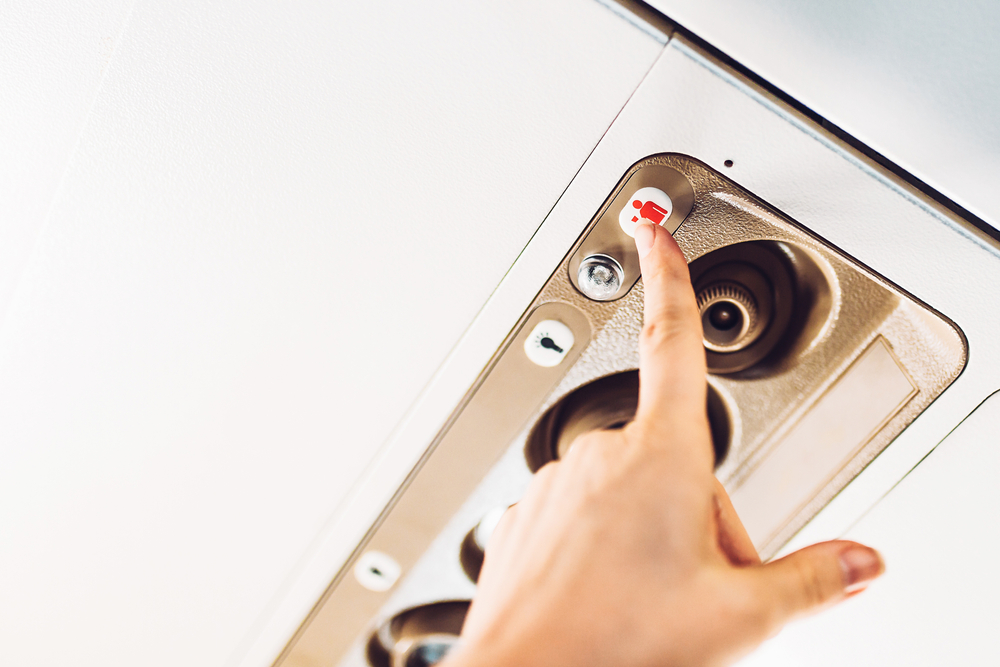
Call buttons are intended for assistance that cannot wait. Some passengers use them for minor requests like extra drinks. Cabin crew often prefer direct interaction during service rounds. Frequent use can delay response to urgent situations. Canadians generally value the considerate use of shared resources. Turbulence may restrict crew movement temporarily. Waiting for routine service is usually acceptable. Polite requests receive better responses than repeated alerts. Excessive use may irritate nearby passengers. Airline policies rarely define strict limits. Judgment and patience determine appropriate usage.
Personal Grooming During Flights

Grooming activities in public seating areas can feel intrusive. Actions such as nail trimming or strong perfumes draw complaints. Limited space magnifies smells and debris. Restrooms provide more appropriate locations for personal care. Some passengers perform minimal grooming, like brushing hair. Hygiene concerns increase on long flights. Canadians often expect discretion in shared environments. Airline rules may prohibit certain activities explicitly. Courtesy toward neighbors remains the main consideration. Cleaning up afterward is essential. This issue highlights differences in personal comfort standards.
Blocking Aisles While Waiting for Restrooms
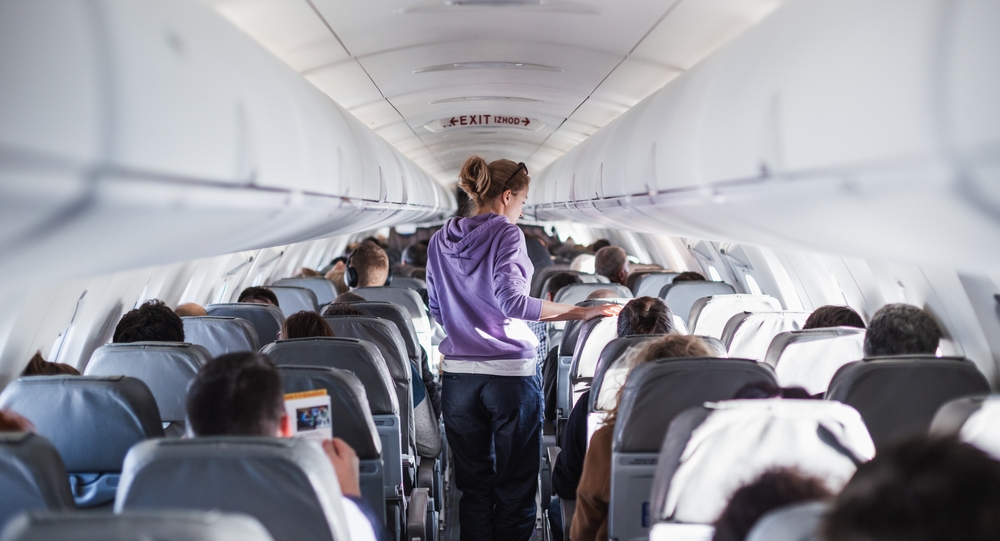
Queues for lavatories can form quickly on full flights. Standing in aisles restricts movement for crew and passengers. Turbulence makes standing potentially unsafe. Some airlines suggest waiting near seats until space opens. Limited cabin layout leaves few alternatives. Service carts may need to pass through the aisle. Canadians often prefer orderly lines when possible. Sitting until the restroom is free reduces congestion. Flight attendants may direct passengers to return to their seats. Patience helps maintain safety and flow. The situation reflects the challenges of confined spaces.
Bringing Large Carry-Ons That Barely Fit
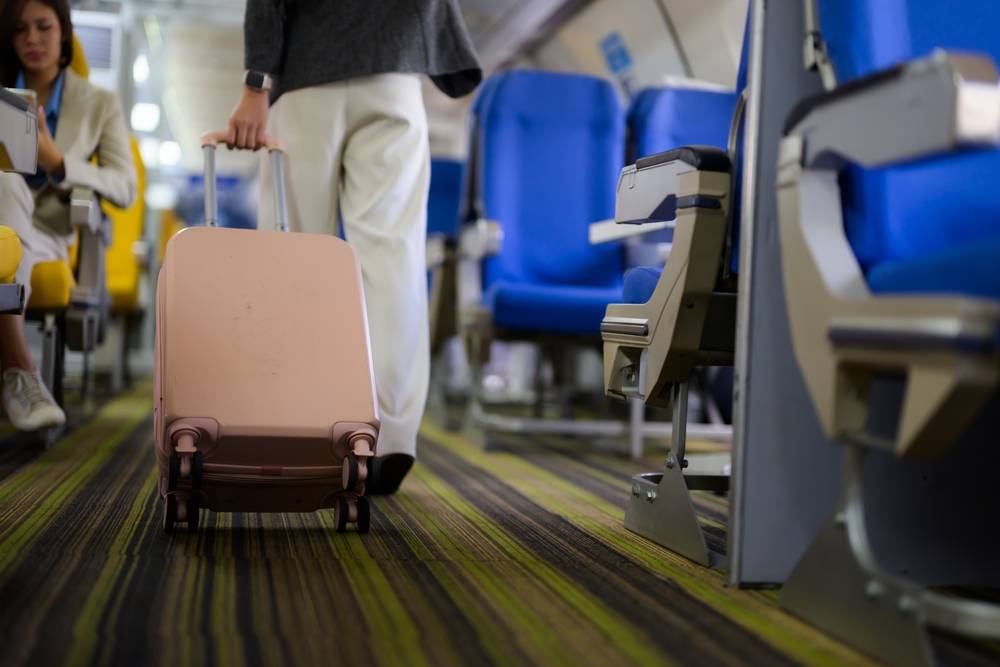
Oversized bags create delays during boarding. Struggling to fit luggage into bins blocks the aisle. Other passengers may need to move their belongings. Airlines publish size limits, but enforcement varies. Travelers try to avoid checked baggage fees. Heavy bags can pose safety risks when lifted overhead. Gate agents sometimes require last-minute checking. Compact packing reduces inconvenience for everyone. Canadians often expect compliance with posted rules. Overfilled bins cause frustration for late boarders. This debate centers on fairness and practicality.
22 Groceries to Grab Now—Before another Price Shock Hits Canada
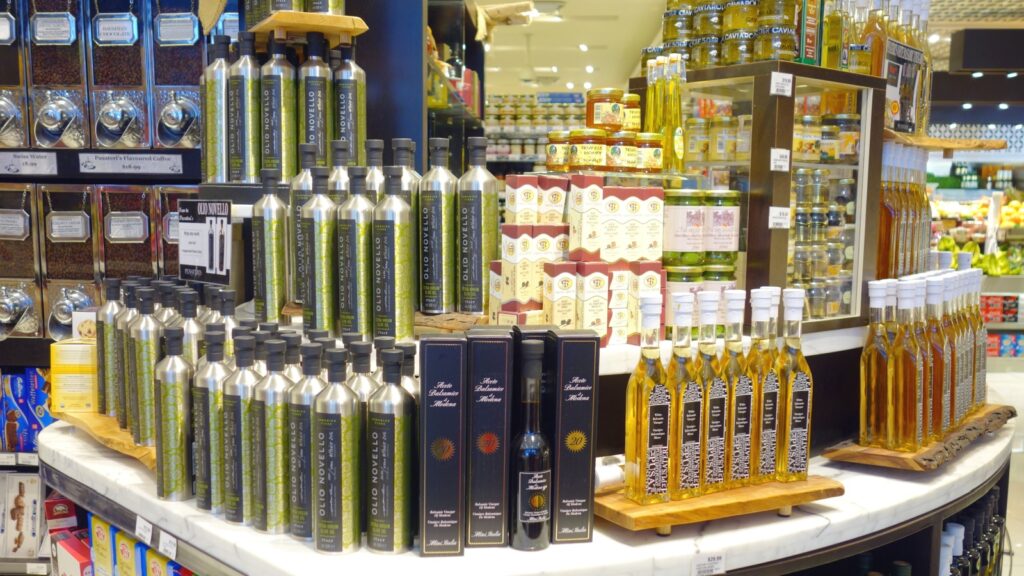
Food prices in Canada have been steadily climbing, and another spike could make your grocery bill feel like a mortgage payment. According to Statistics Canada, food inflation remains about 3.7% higher than last year, with essentials like bread, dairy, and fresh produce leading the surge. Some items are expected to rise even further due to transportation costs, droughts, and import tariffs. Here are 22 groceries to grab now before another price shock hits Canada.
22 Groceries to Grab Now—Before another Price Shock Hits Canada
